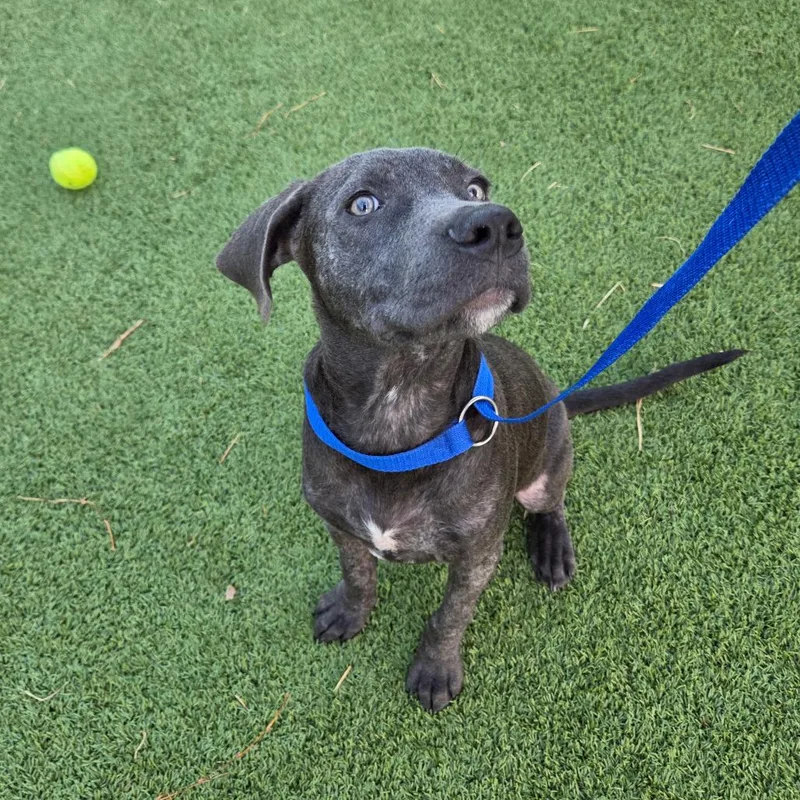
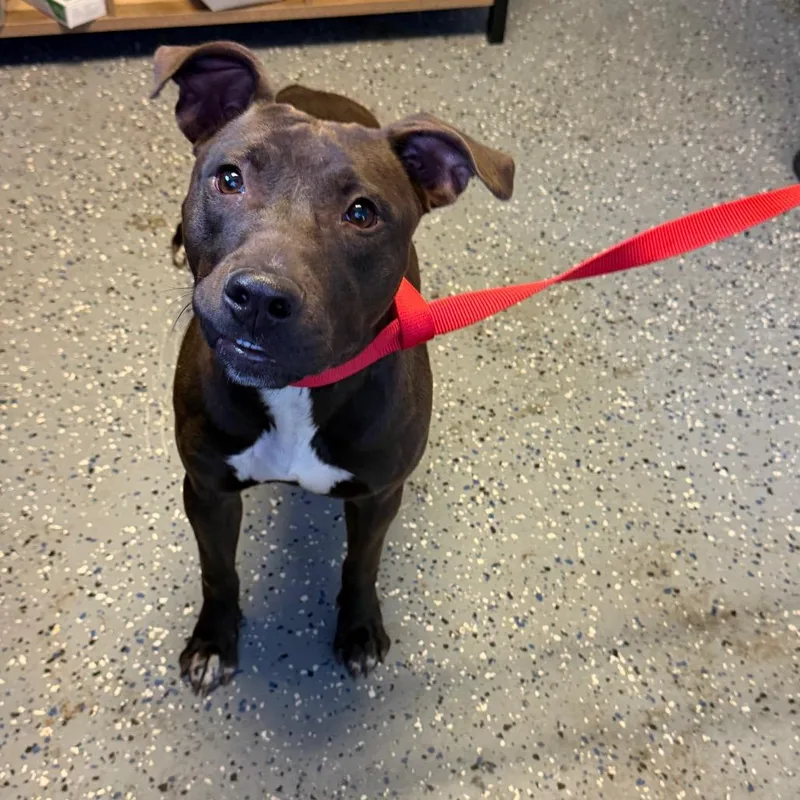
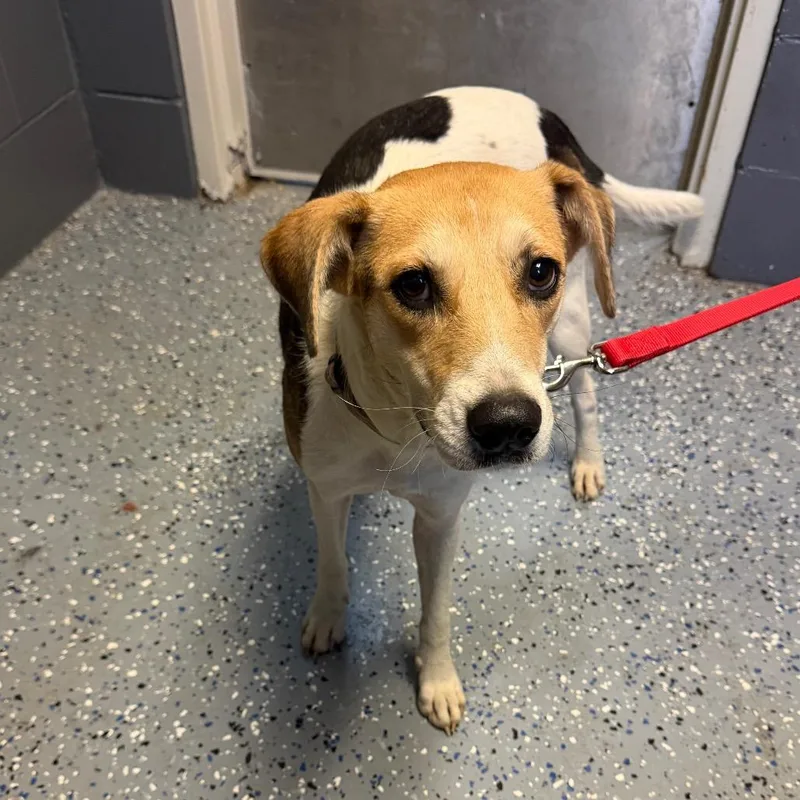
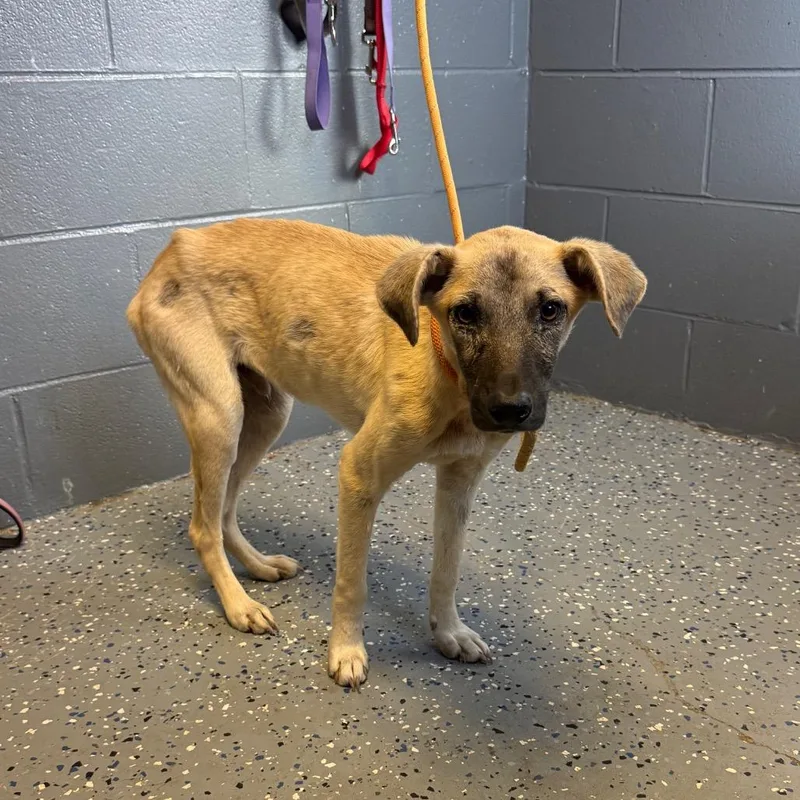
Black Labrador Retriever Dogs for Adoption in Tuscaloosa, AL

Your guide to finding and caring for a Black Labrador Retriever in Tuscaloosa

A black Lab does well in Tuscaloosa as long as there's a daily walk and a shady place to rest. Neighborhoods like The Downs and Hillcrest have tree-lined streets and large lots, and the paved Riverwalk gives you a longer leashed outing. Black Labs are friendly and eager, but they're strong, hungry and mouthy while young, so they suit people who'll train and exercise them every day. Summer is the hard part, since that dark coat soaks up the sun.

3405 Black Labrador Retrievers available in Tuscaloosa and nationwide

Find your Black Labrador Retriever

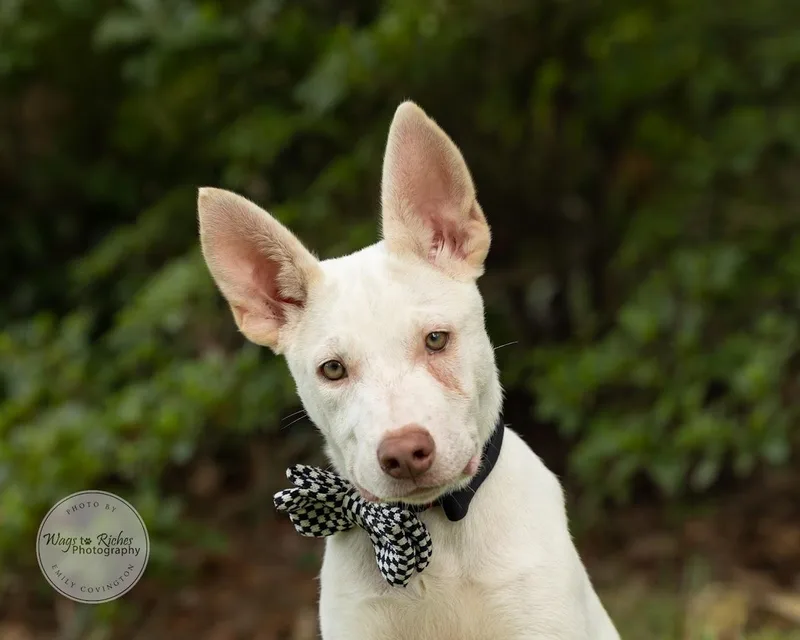
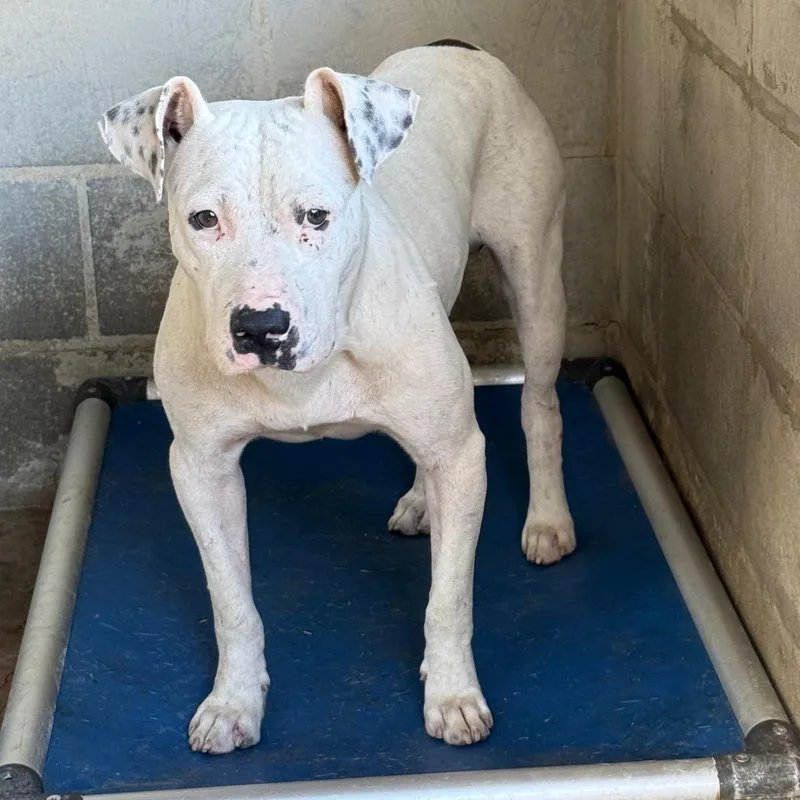
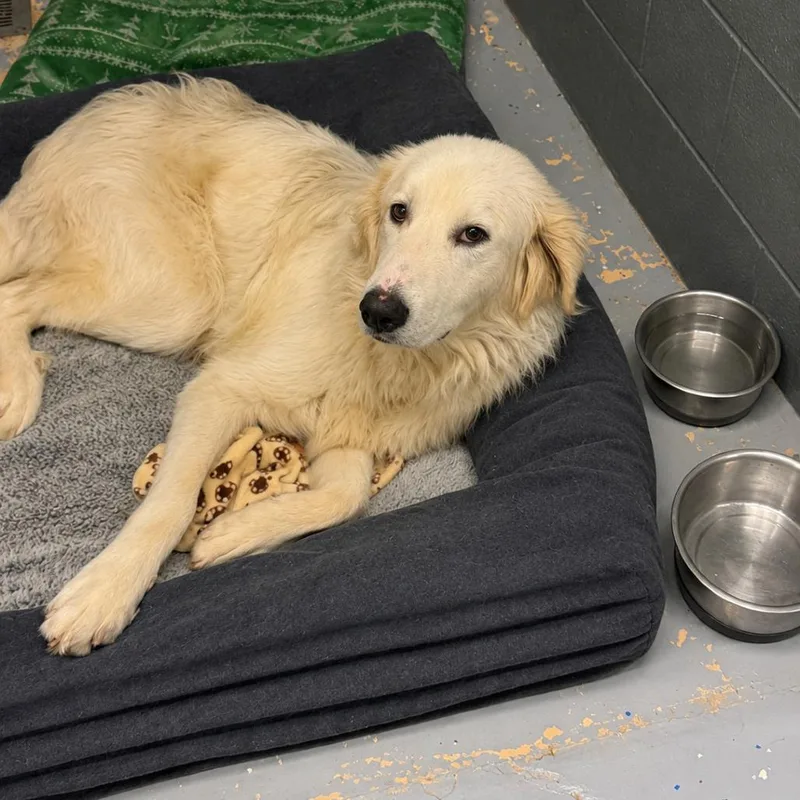
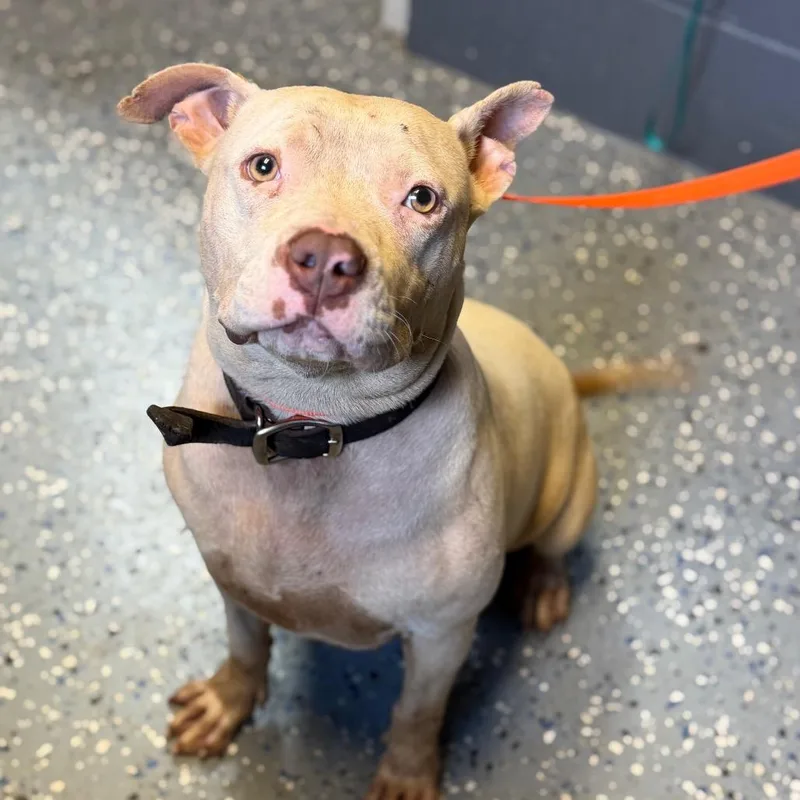
Black Labrador Retrievers Available for Adoption Near Tuscaloosa

About the Black Labrador Retriever breed

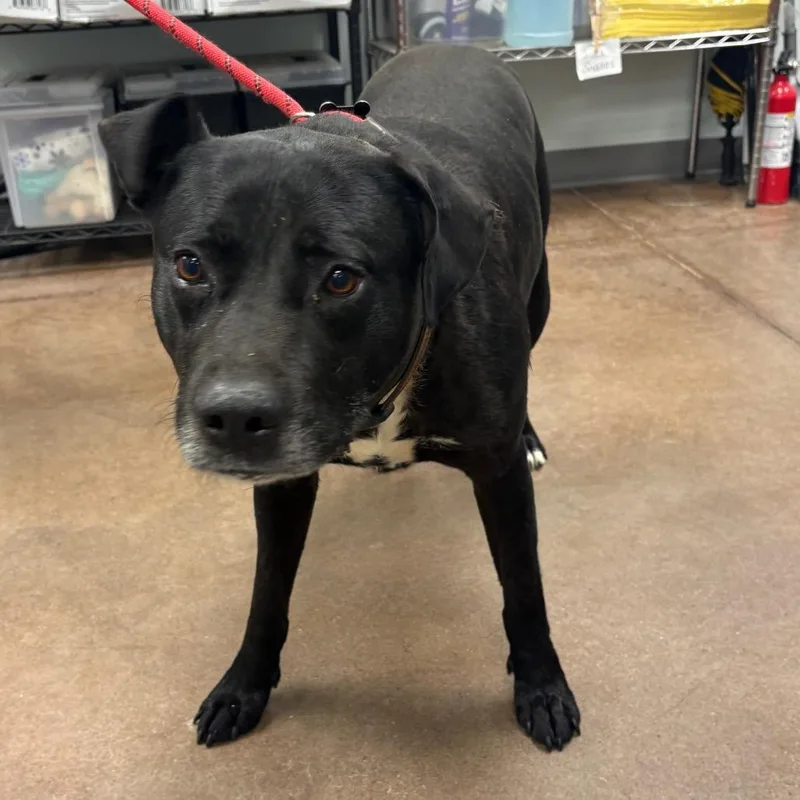
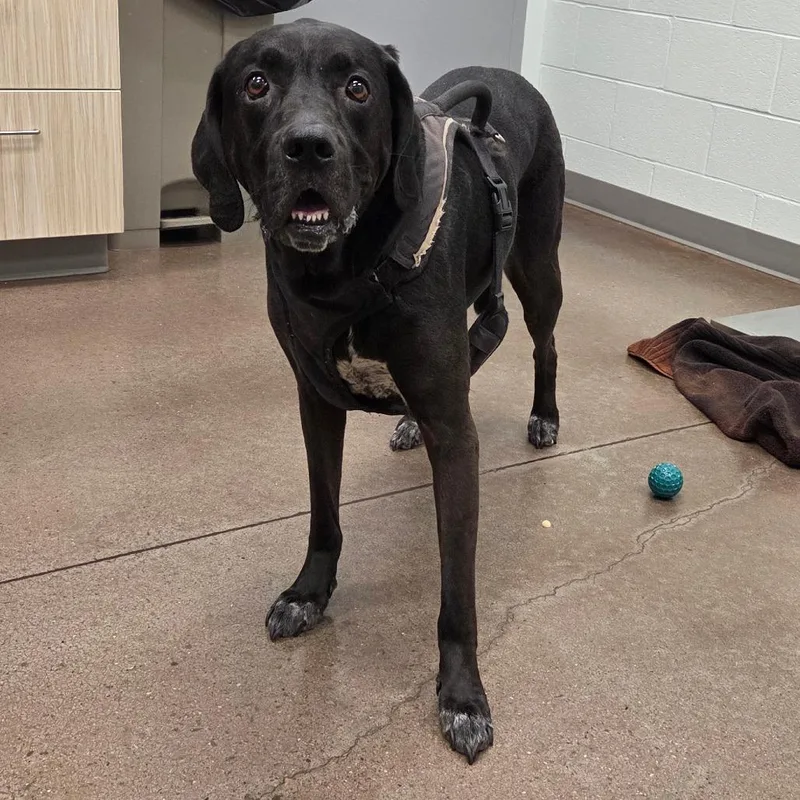
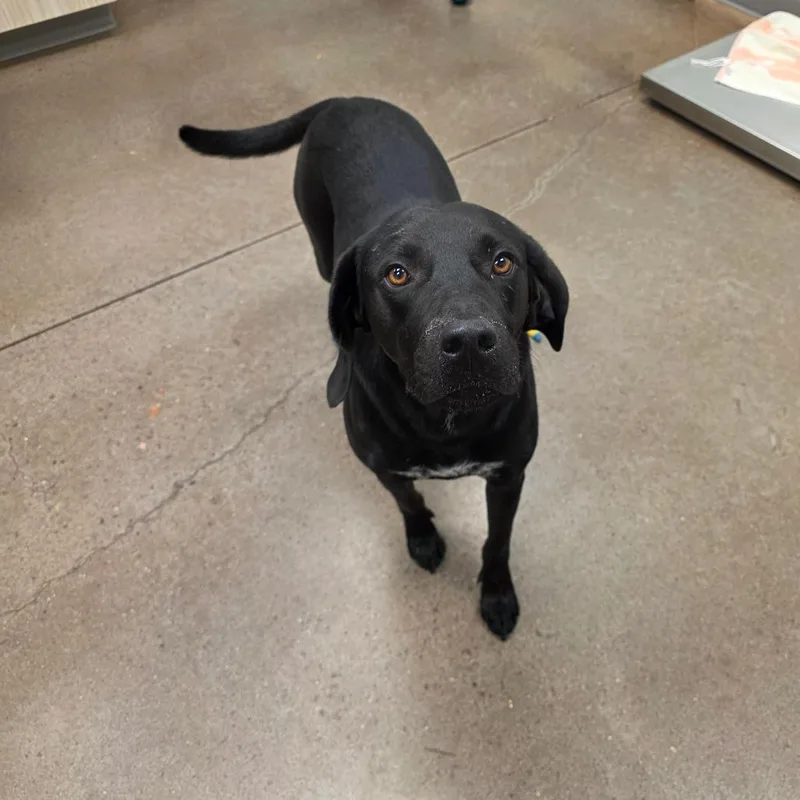
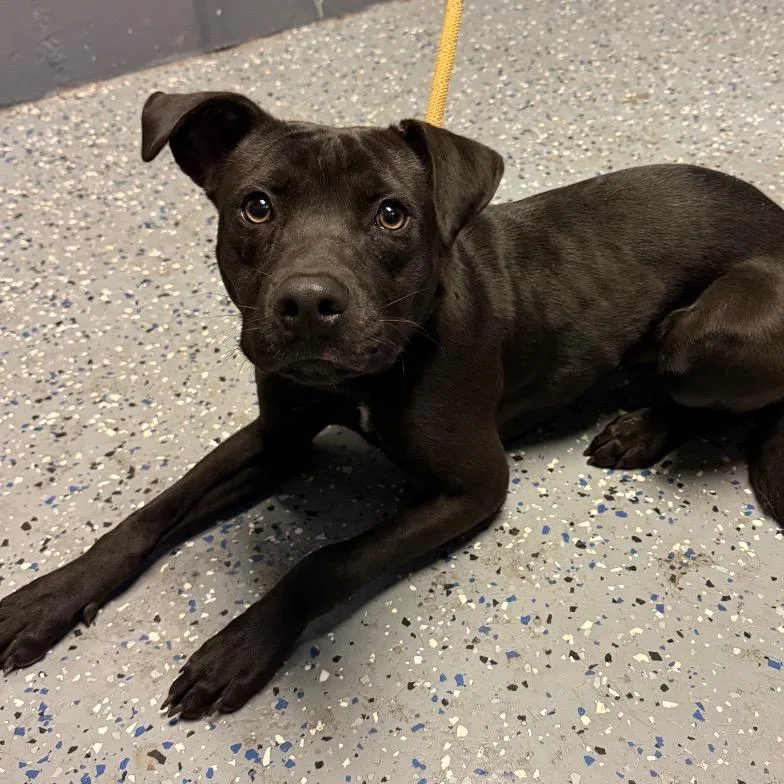
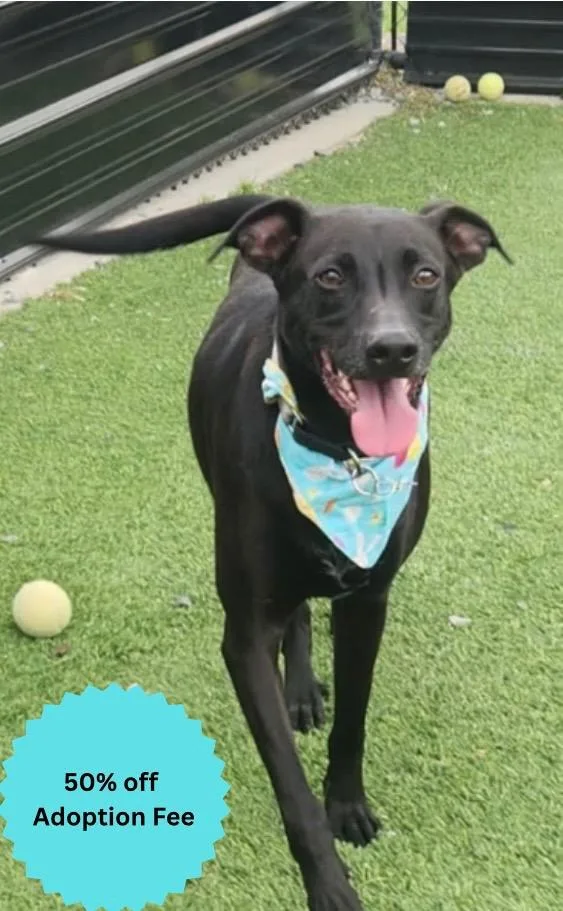
A black Lab is a Labrador Retriever in the breed's original color, not a separate breed. Labs descend from the St. John's water dogs of Newfoundland and were refined in Britain as gun dogs, which explains the dense, water-resistant double coat, the otter tail and the love of retrieving. Some have a small white spot on the chest, and the muzzle grays with age.

Color doesn't change personality. Expect the friendly, food-motivated, eager-to-please nature common to the breed, plus a slow-maturing, bouncy adolescence. Field-bred dogs tend to be leaner and more driven than show-bred ones, so energy varies from dog to dog. In Tuscaloosa, plan for heavy seasonal shedding, regular brushing, careful meal portions, and cool indoor rest after time outside in the warm months.

Weight
55–80 lbs
Height
21–25 in
Lifespan
10–14 yrs
Temperament
Friendly, Outgoing, Active
Group
Sporting
Shedding
Moderate to High

Owning a Black Labrador Retriever in Tuscaloosa

Having a Black Labrador Retriever in Tuscaloosa

Energy, appetite and shedding shape daily life with a black Lab far more than coat color does. In Tuscaloosa, add long hot summers and rental-housing rules to the picture, and match the dog's age and drive to your routine.

Temperament

Black Labs tend to be outgoing and affectionate with family, guests and other dogs, which helps on busy Tuscaloosa sidewalks and around the crowds near campus. Young dogs are often mouthy and boisterous, and their love of food makes reward-based training work well. A dog's history and socialization say more than breed or coat color.

Exercise Needs

Most grown black Labs need vigorous daily exercise such as brisk walks, fetch, swimming or running. In Tuscaloosa, save the longest outings for early morning or after sunset, since summer nights stay near 70°F. The paved Riverwalk suits leashed walks, and scent games or short training sessions at home add mental work. Field-bred dogs usually need more.

Health Considerations

Labs can be affected by hip and elbow dysplasia, cruciate ligament tears, exercise-induced collapse and progressive retinal atrophy, and obesity is common. Ear infections and skin allergies can flare in Tuscaloosa's humid weather, so dry ears after baths and swims. Have a veterinarian check hips and elbows, keep weigh-ins regular, and keep heartworm prevention current.

Living Space

A black Lab can live in a house or an apartment if daily exercise needs are met, and a securely fenced yard makes play easier but doesn't replace walks. Many Tuscaloosa rentals set weight or breed limits, and a Lab can reach 55 to 80 pounds, so read the lease first. Expect shed hair, a sweeping tail and a dog who wants to be indoors.

What it costs to own a Black Labrador Retriever in Tuscaloosa

ExpenseTypical costPer year
Adoption fee$100, one time$100 in year one
Food$55 to $110 per month$660 to $1,320
Pet insurance$65 to $130 per month$780 to $1,560
Routine vet care$250 to $500 per year$250 to $500
Other*$590 to $1,490 per year$590 to $1,490
Estimated yearly total (after year one)$2,280 to $4,870
First-year total (with adoption fee)$2,380 to $4,970

Adoption fee is the fee on Black Labrador Retriever listings in Tuscaloosa on GetBuddy today. Other costs are estimates and vary with size, age and health.

* Flea, tick and heartworm prevention, a yearly dental cleaning, toys and bedding, and brushing and baths for heavy seasonal shedding.

Adopt a Black Labrador Retriever in Tuscaloosa.

Now that you know more, let’s find you a new best friend. These rescues and shelters below currently have Black Labrador Retrievers available.

Rescues in Tuscaloosa with Black Labrador Retrievers Available

Shelters and rescues across the Tuscaloosa area care for stray and surrendered dogs, and list their adoptable pets here. Here are the rescues & shelters in the Tuscaloosa area where you can find Black Labrador Retrievers and other dogs available for adoption.

Frequently Asked Questions

Yes. No breed ban or breed-specific rule is known in Tuscaloosa, and the city's dangerous-dog rules go by a dog's behavior rather than its breed. Dogs classified as dangerous can't live in multi-dwelling units, though. Landlords can still set their own breed or weight limits, and rules in nearby Alabama towns may differ, so read your lease first.

Yes, with a few adjustments. Humid heat is tough on a dark-coated Lab, so exercise before 8 a.m. or after sunset, keep fresh water and shade available, and rest indoors in air conditioning midday. Don't shave the double coat. Heavy panting, drooling, wobbliness or collapse call for cooling and an immediate vet visit.

The Riverwalk, a paved riverside trail, and the trails at Hurricane Creek Park work for leashed walks. For off-leash play, Will May Dog Park in Northport is open daily from 6 a.m. to 9:30 p.m., except Thursday mornings. Lake Lurleen State Park, outside the city, allows leashed dogs but not on its beach or swimming area.

Yes, if the lease allows it and the dog gets daily exercise. Many rentals cap weight or restrict breeds, and a Lab can top 55 pounds. City rules bar continuous barking, so a bored Lab left alone for long stretches can lead to complaints. Plan on several walks a day and mental games indoors.

Don't assume so. Tuscaloosa Transit Authority runs buses and downtown-to-Strip trolleys, but no pet rule is published, and there's no subway or light rail. Confirm the current policy with TTA before boarding with a 55 to 80 pound dog. For most Lab owners, a car makes vet trips and park outings simpler.

Sometimes, on patios. Alabama lets restaurants open outdoor dining areas to leashed dogs, but each restaurant decides whether to take part. Dogs must stay off chairs and seats, and only service dogs can go inside. A settled Lab on a mat does best, and a shaded spot beats a sunny patio in summer.

Mostly brushing. A weekly brushing handles most of the year, and a few times a week helps during heavy seasonal shedding. In Tuscaloosa's humid heat, bathe when the dog is dirty or smelly and dry the ears well. An occasional professional bath fits within the $590 to $1,490 yearly Other costs.

A Labrador Retriever is a large sporting dog developed to retrieve game for hunters, especially from water. Labs have a short, dense double coat, a thick otter tail and a broad head, and they come in black, yellow and chocolate. Many are friendly, food-motivated and eager to work, which makes them common family, guide and service dogs.

We have 3 rescues with Black Labrador Retrievers available: Tuscaloosa Metro Animal Shelter, Paws of Dixie Animal Rescue and Humane Society of West Alabama. You can see every rescue with Black Labrador Retrievers available in the list above these questions, or scroll to the top to see the Black Labrador Retrievers near Tuscaloosa.

Expect roughly $2,300 to $4,900 a year for a black Lab, not counting emergencies. That adds up food at $55 to $110 a month, insurance at $65 to $130 a month, routine vet care at $250 to $500 a year, and other costs at $590 to $1,490 a year. Adoption fees vary by listing.