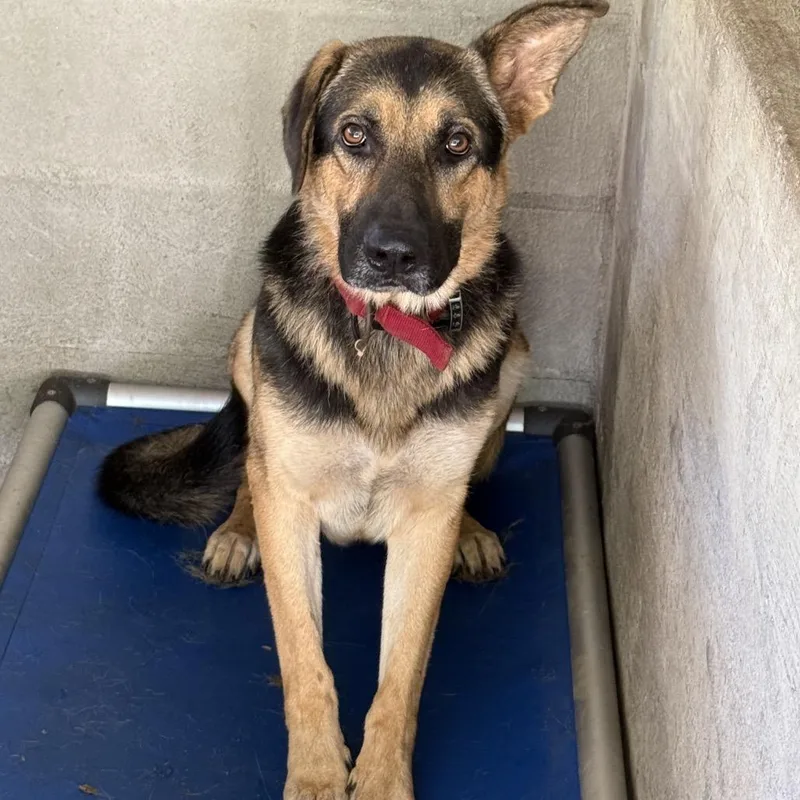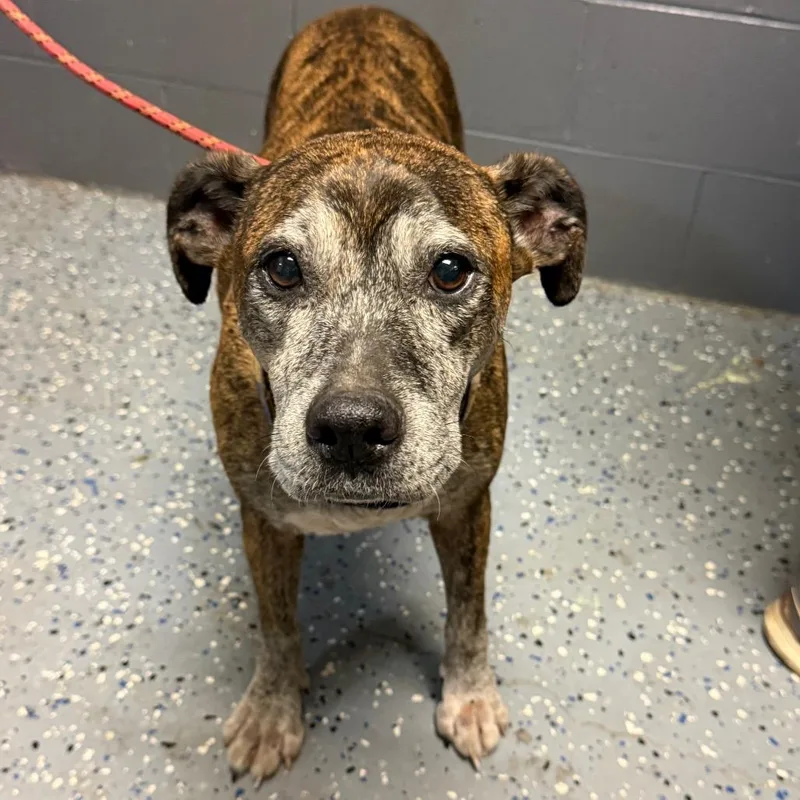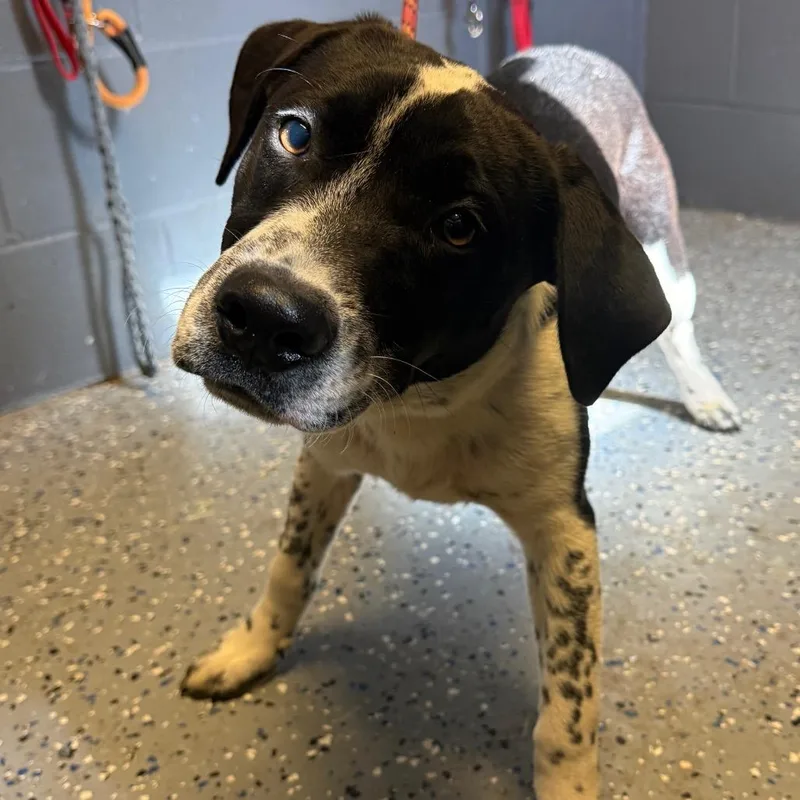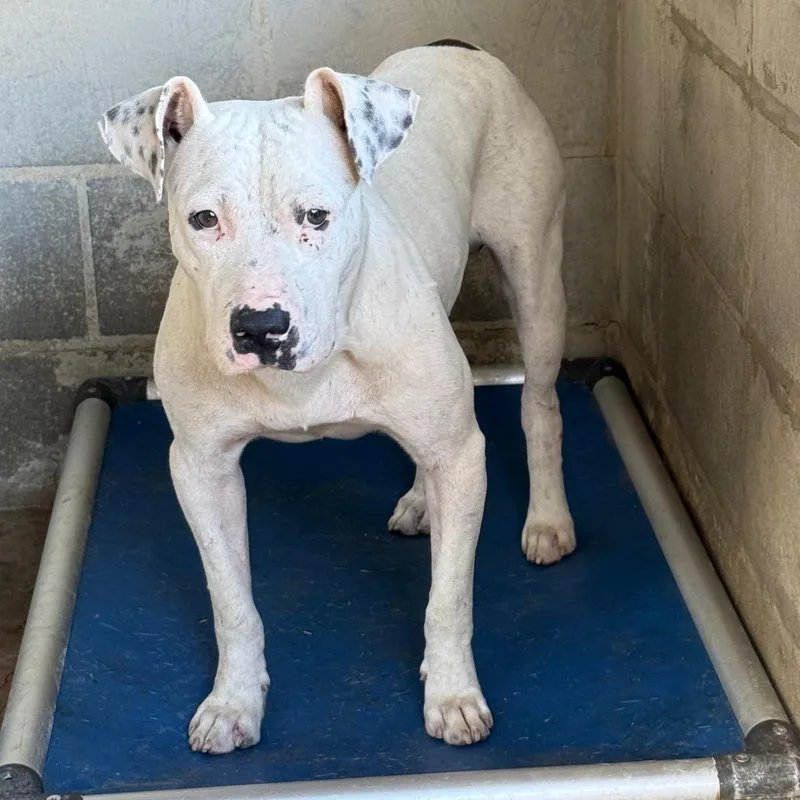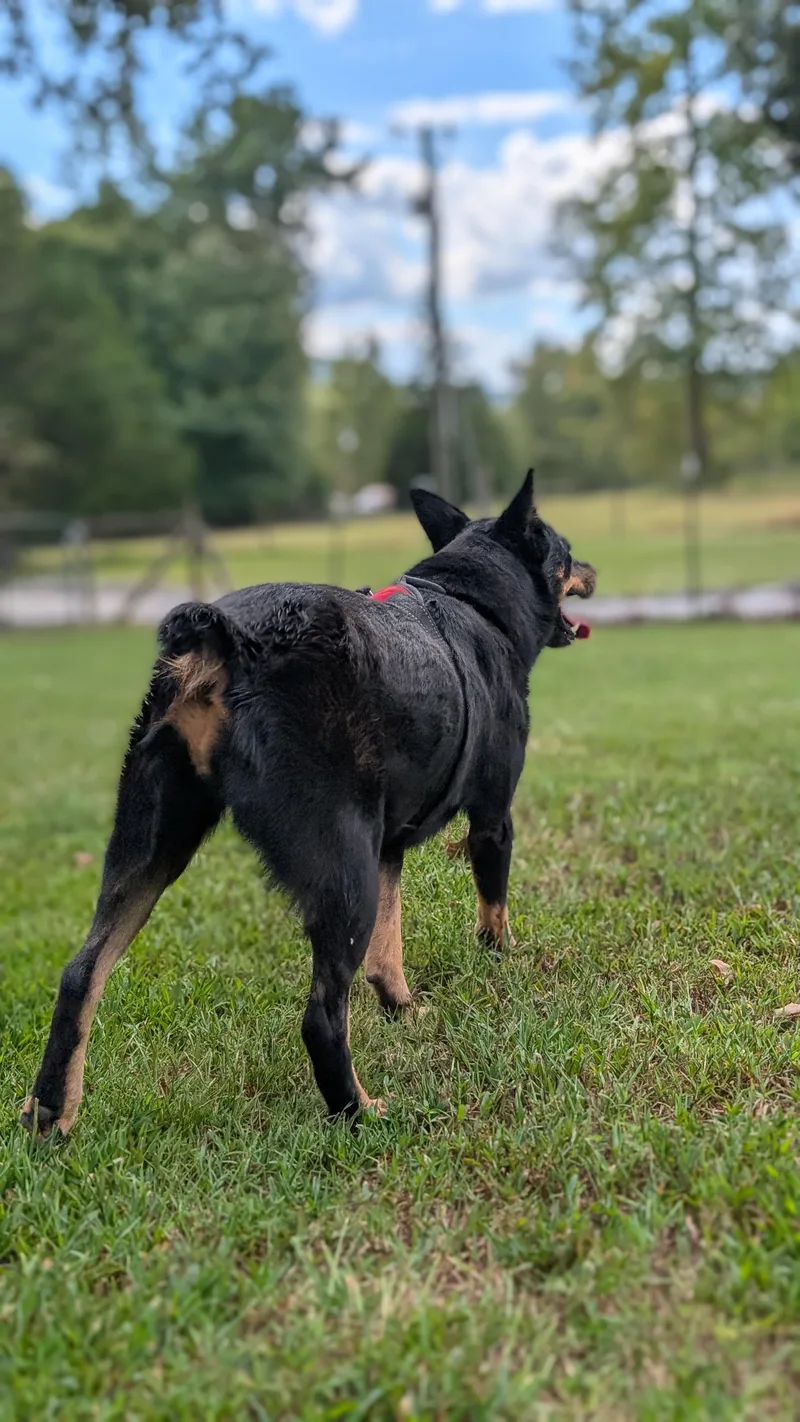
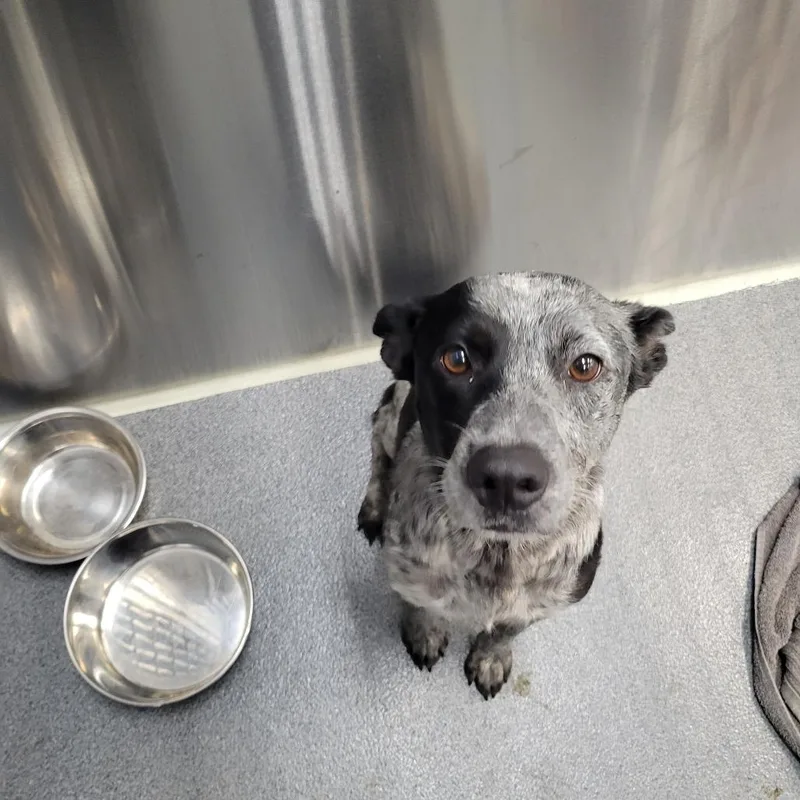
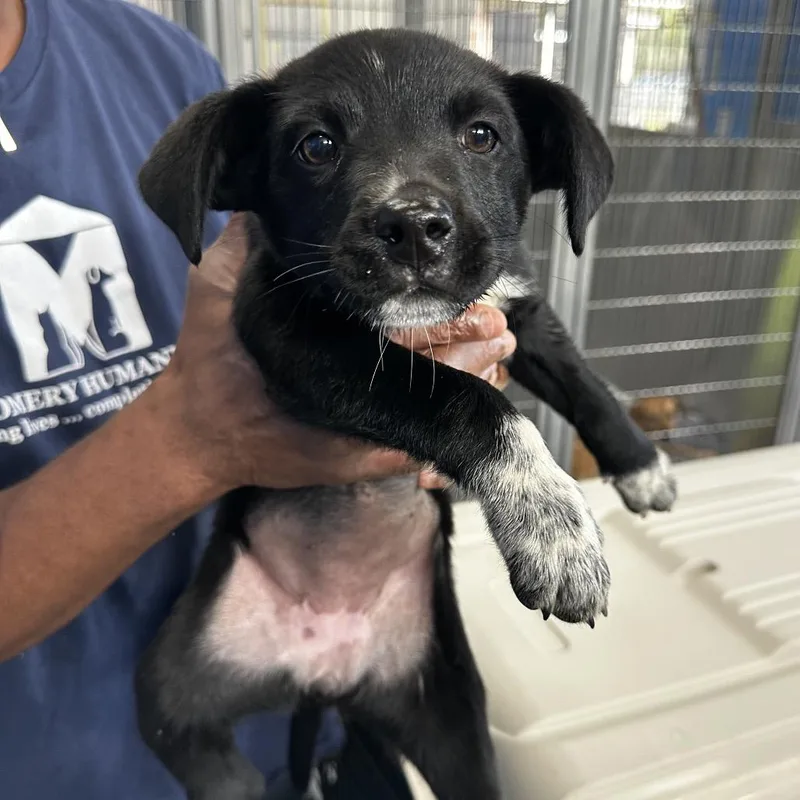
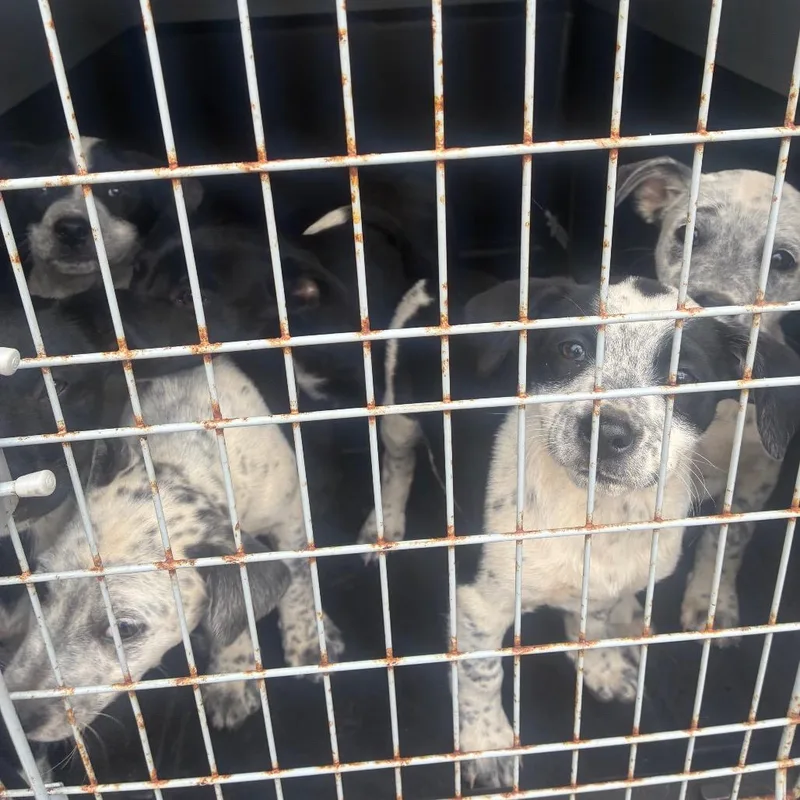
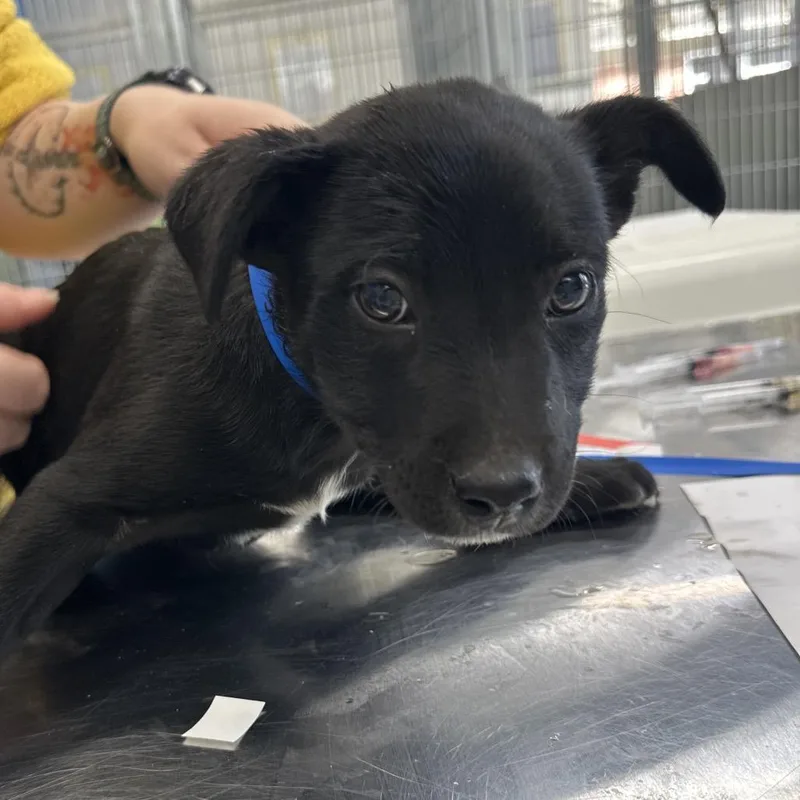
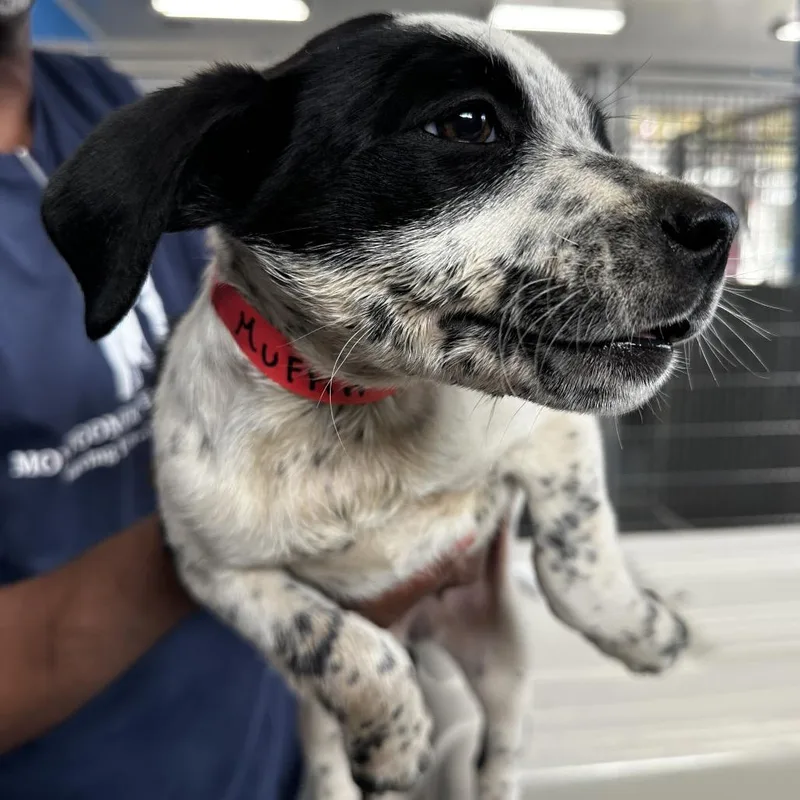
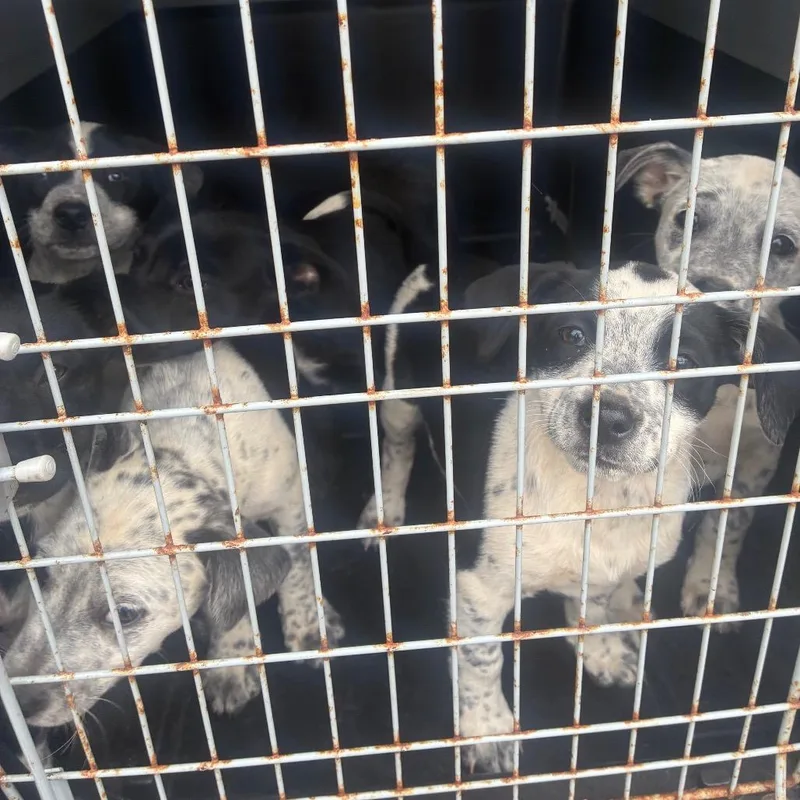
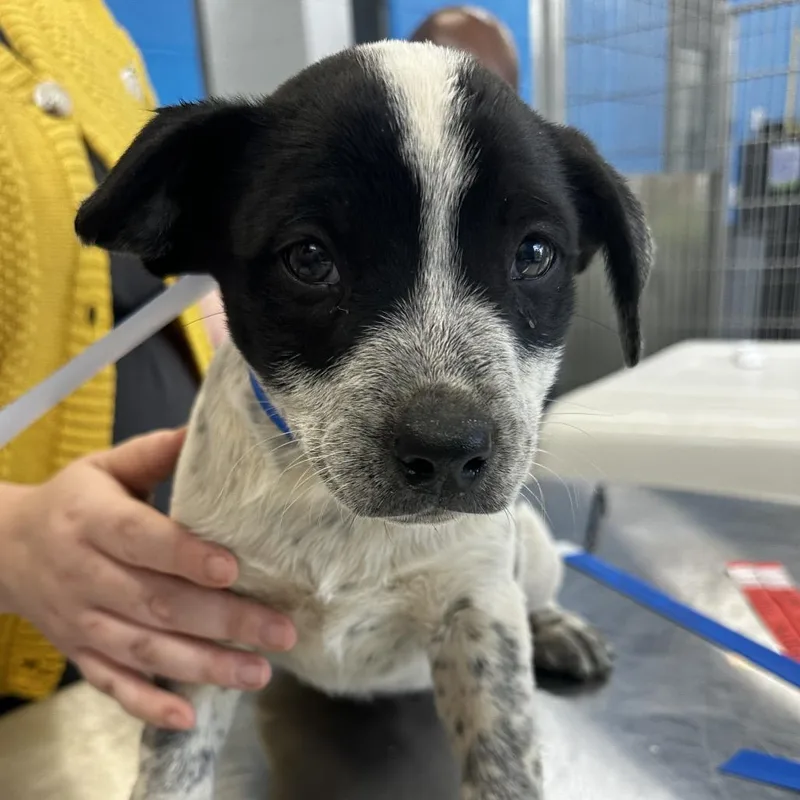
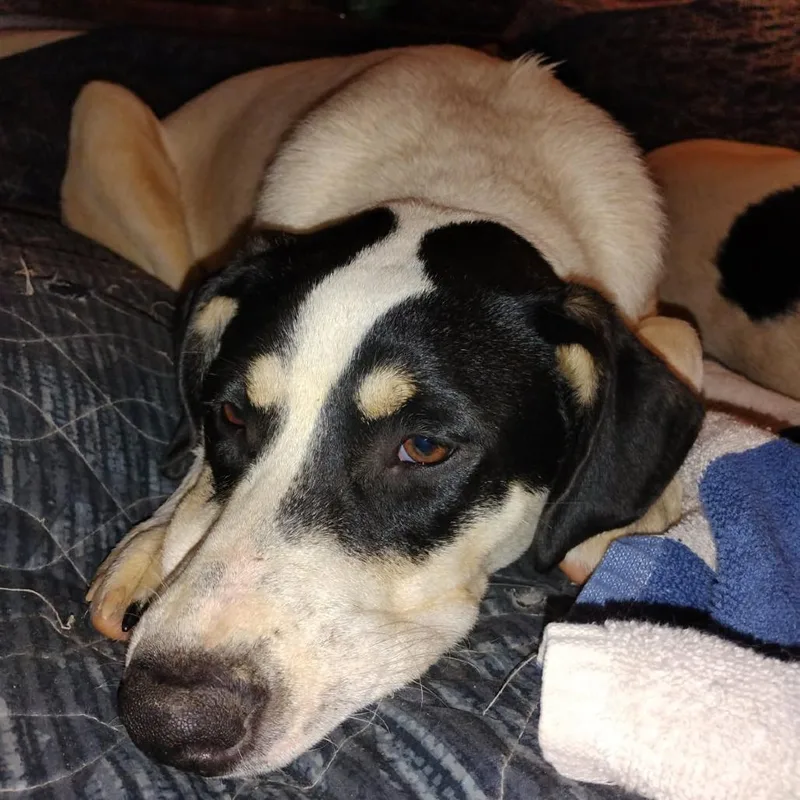
Australian Cattle Dog / Blue Heelers for Adoption in Tuscaloosa, AL

Your guide to finding and caring for an Australian Cattle Dog / Blue Heeler in Tuscaloosa

Blue Heelers suit Tuscaloosa best when their owners spend a lot of time outdoors. A heeler can burn off energy on the paved Riverwalk, work through the pine-lined trails at Hurricane Creek Park, or patrol a fenced yard on the quiet streets near Lake Tuscaloosa. What it can't do is wait around all day with nothing to herd. Summer heat is the other thing to plan for, so the long walks happen at dawn. If you're thinking of adopting one, plan for a daily routine, not just weekends.

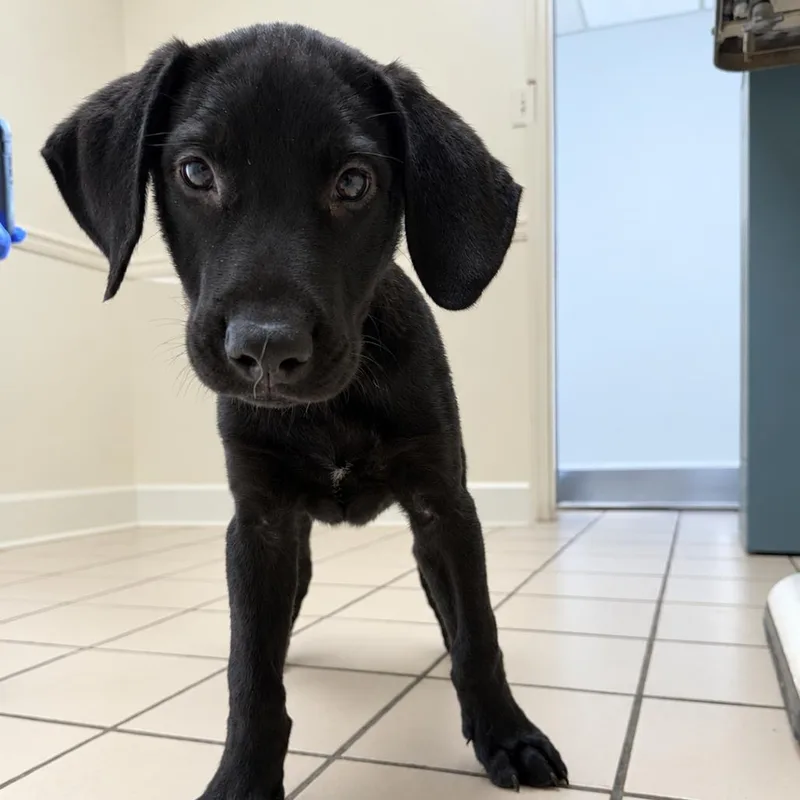
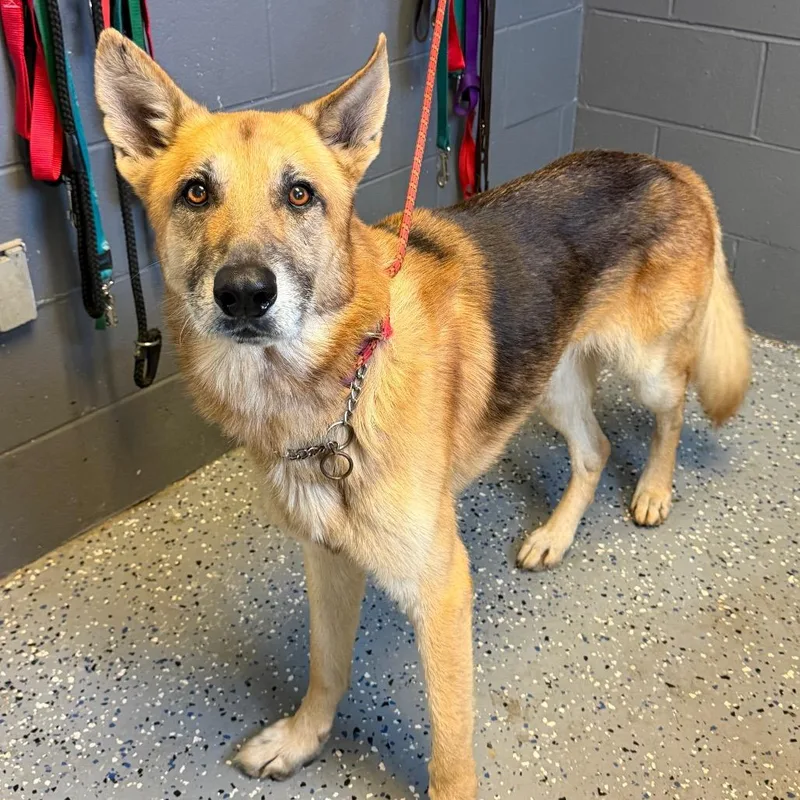
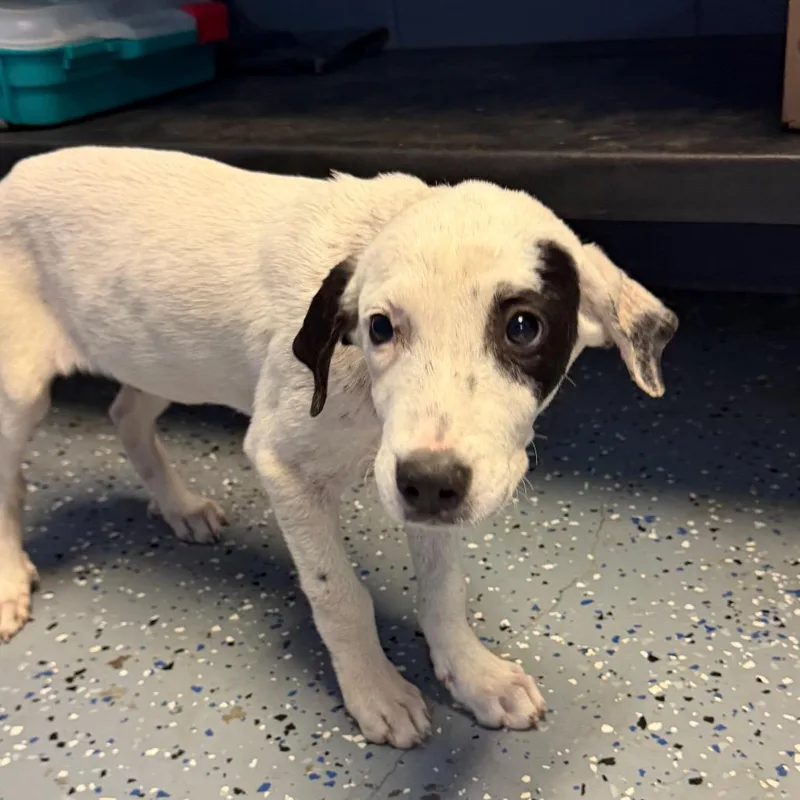
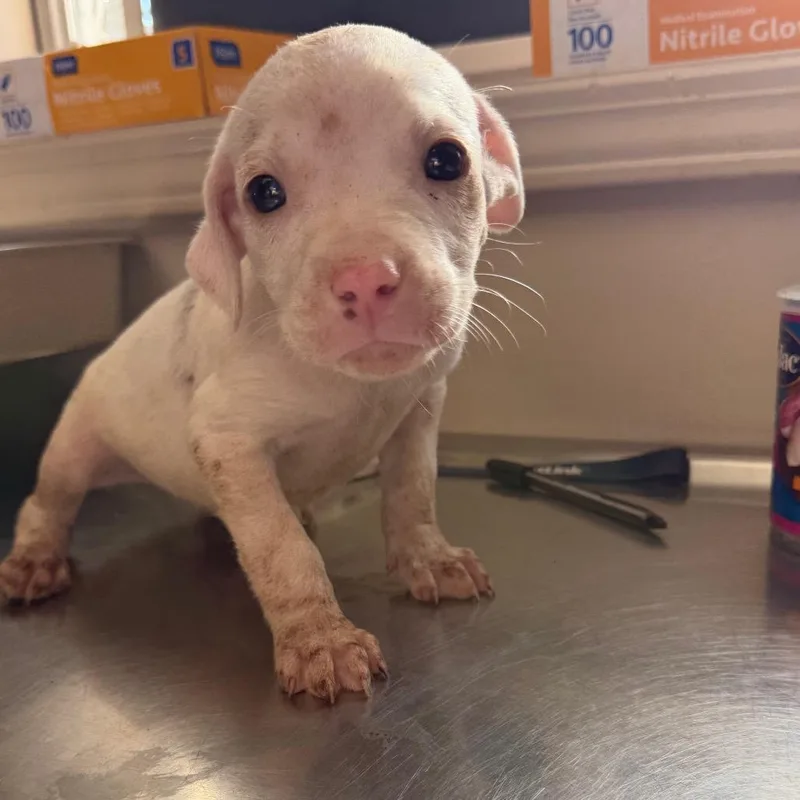
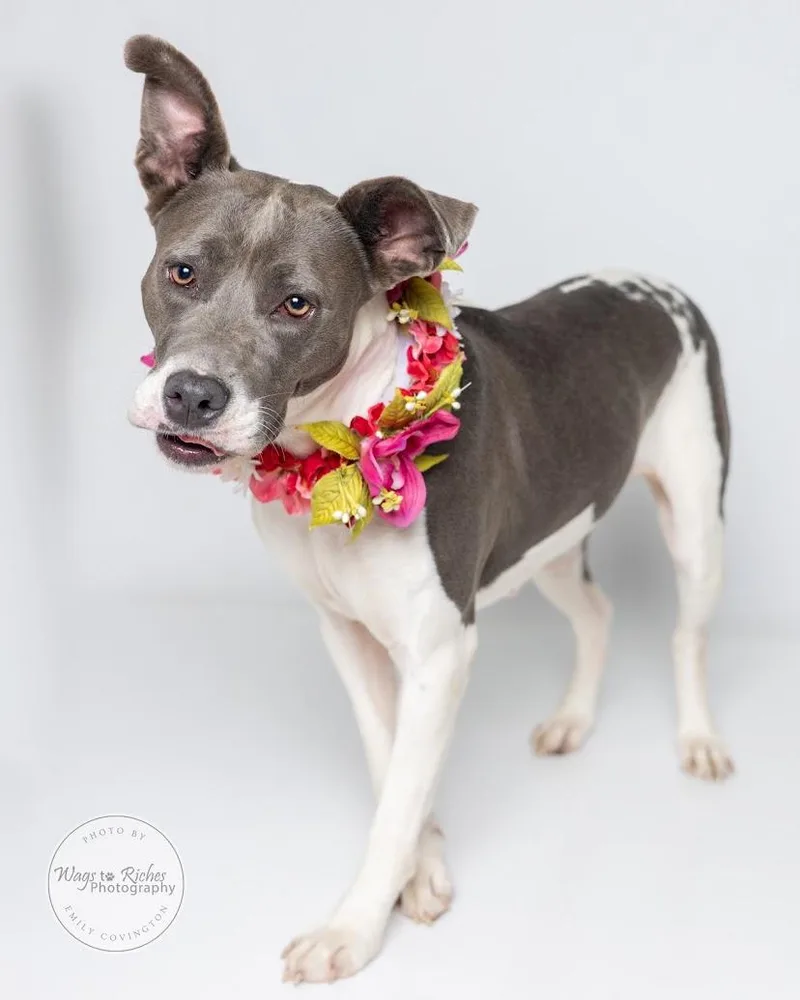
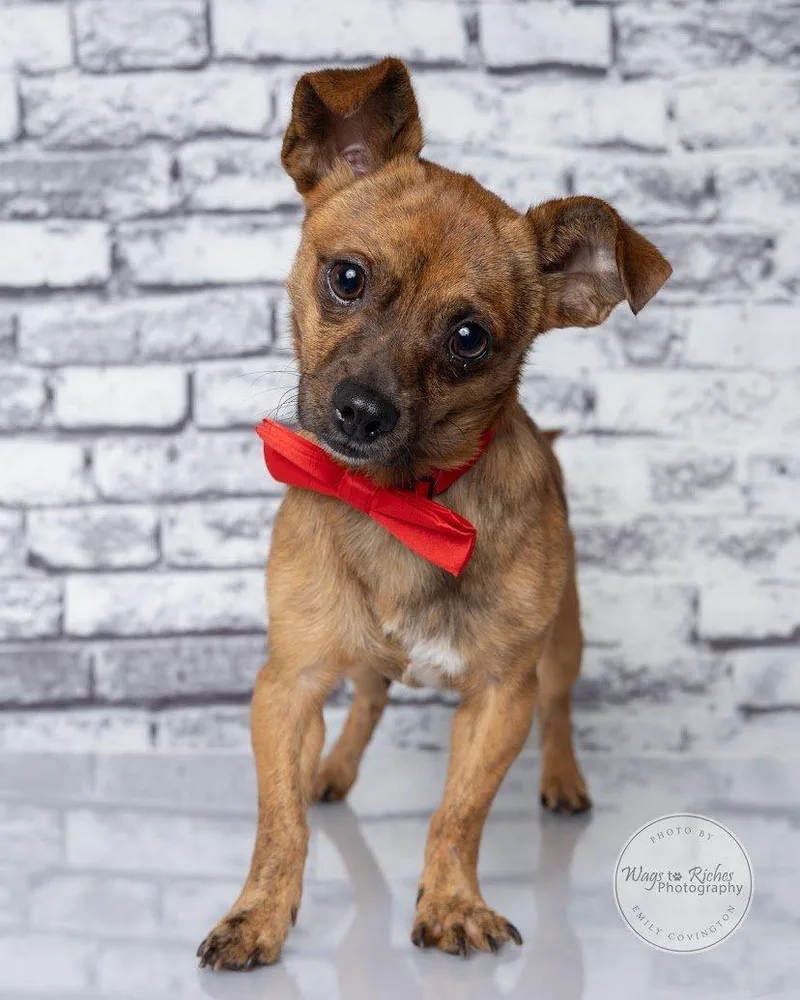
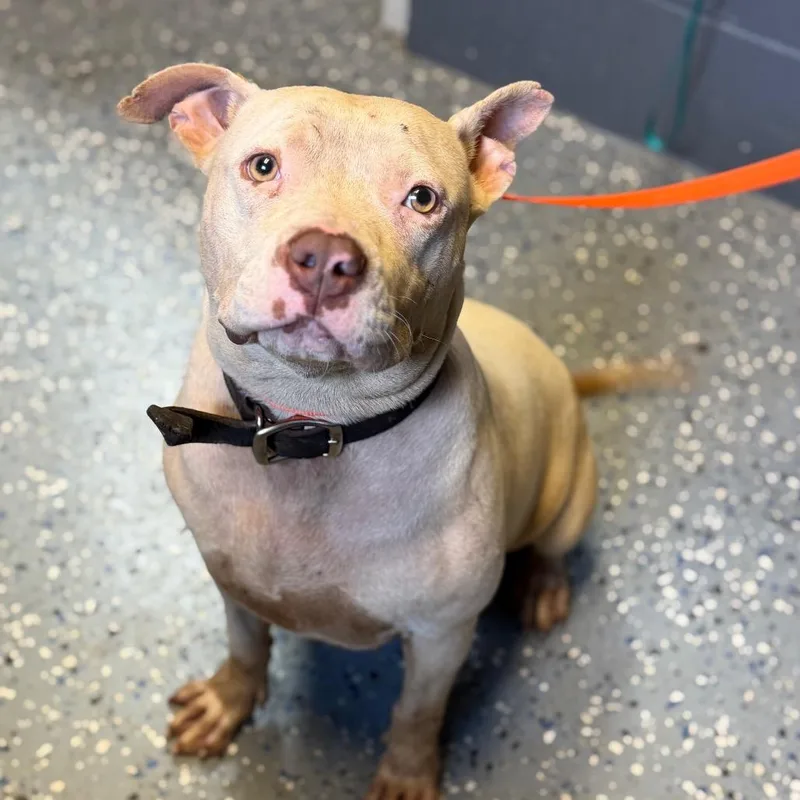
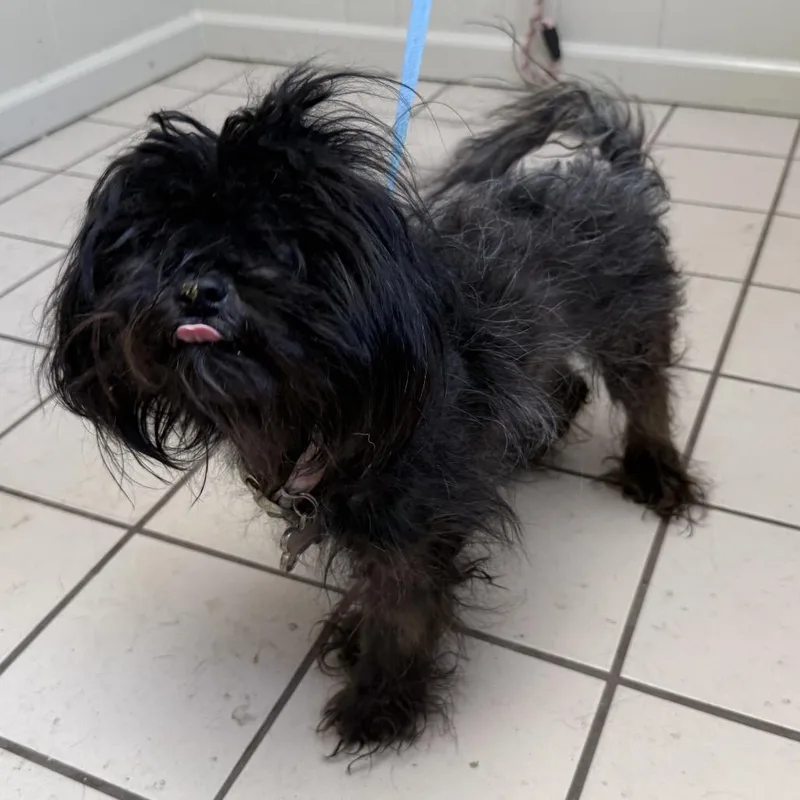
4135 Australian Cattle Dog / Blue Heelers available in Tuscaloosa and nationwide

Say hello to your Blue Heeler

Australian Cattle Dog / Blue Heelers Available for Adoption Near Tuscaloosa

About the Australian Cattle Dog / Blue Heeler breed

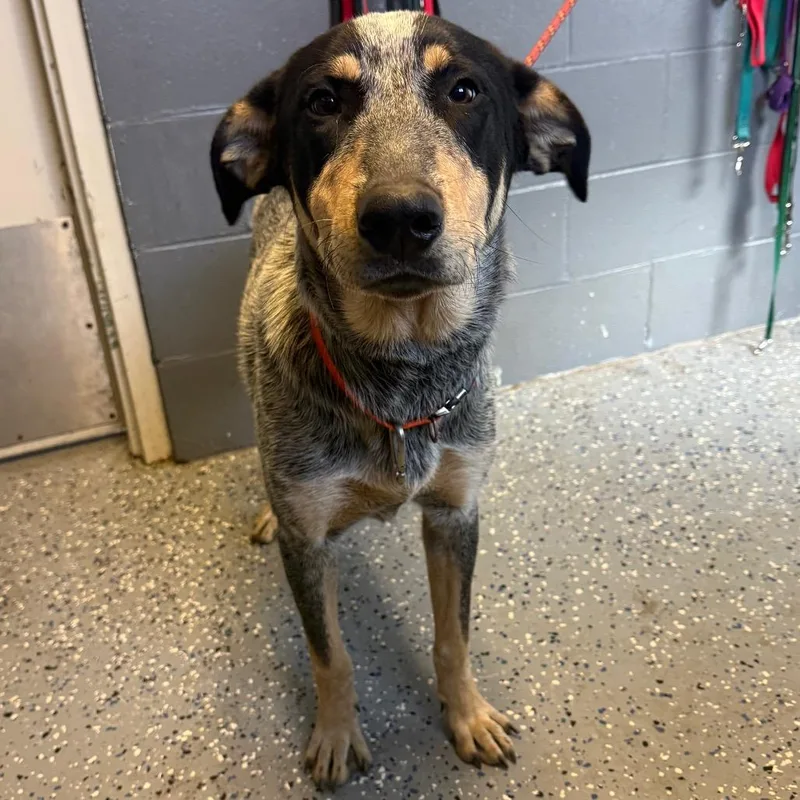
Australian Cattle Dogs, also called Blue Heelers or Queensland Heelers, were developed in nineteenth-century Australia to drive cattle over long distances in heat and dust. They're compact, muscular dogs, usually 35 to 50 pounds, with a short, weatherproof double coat in blue or red speckle. Many live 12 to 16 years.

Heelers tend to be loyal, alert and very smart, often bonding closely with one person and staying reserved with strangers. Their herding instinct can show up as nipping at heels or chasing bikes and kids, so training and a real job matter. In Tuscaloosa, that points to a dog who does well with a fenced yard, a running partner and an owner who enjoys structure. Temperament and drive vary from dog to dog.

Weight
35–50 lbs
Height
17–20 in
Lifespan
12–16 yrs
Temperament
Energetic, Intelligent, Loyal, Alert
Group
Herding
Shedding
Moderate

Owning an Australian Cattle Dog / Blue Heeler in Tuscaloosa

Having an Australian Cattle Dog / Blue Heeler in Tuscaloosa

Work drive shapes life with a Heeler more than size does. Stamina, a sharp mind and herding instincts reward active households, and in Tuscaloosa the humid summers and rental-heavy housing add two more things to plan around.

Temperament

Heelers tend to be loyal, alert and confident, often devoted to one person and cautious with strangers. Many are watchful at home, which matters in close-quarters neighborhoods near campus. Nipping, chasing and bossing other pets can appear without enough outlets. Reward-based training and early socialization help, though drive varies a lot from dog to dog.
Exercise Needs

Plan on vigorous daily exercise plus mental work: running, fetch, hiking, training games or puzzle toys. In Tuscaloosa, the paved Riverwalk and Hurricane Creek's trails add variety, but summer exercise belongs at dawn or after dark. A fenced run at the Northport dog park, scent games and trick training fill rainy days.

Health Considerations

Heelers are often long-lived, but breed concerns include congenital deafness, progressive retinal atrophy, primary lens luxation and hip and elbow problems. A veterinarian can test hearing and check eyes and joints. With Tuscaloosa's long warm season, keep flea, tick and heartworm prevention going year-round and rabies vaccination current.

Living Space

A Heeler does best with a securely fenced yard and an owner who's outdoors daily, though activity matters more than square footage. Apartment life is possible with long daily exercise and training. Expect alert barking at passersby and hallway noise, and a dog who wants to stay close to you.

What it costs to own an Australian Cattle Dog / Blue Heeler in Tuscaloosa

ExpenseTypical costPer year
Adoption fee$50 to $100, one time$50 to $100 in year one
Food$35 to $70 per month$420 to $840
Pet insurance$55 to $100 per month$660 to $1,200
Routine vet care$225 to $450 per year$225 to $450
Other*$440 to $1,190 per year$440 to $1,190
Estimated yearly total (after year one)$1,745 to $3,680
First-year total (with adoption fee)$1,795 to $3,780

Adoption fee is the range of fees on Australian Cattle Dog / Blue Heeler listings in Tuscaloosa on GetBuddy today. Other costs are estimates and vary with size, age and health.

* Flea, tick and heartworm prevention, a dental cleaning allowance, durable toys and bedding, and light home grooming for a short coat.

Adopt an Australian Cattle Dog / Blue Heeler in Tuscaloosa.

Now that you know more, let’s find you a new best friend. These rescues and shelters below currently have Australian Cattle Dog / Blue Heelers available.

Rescues in Tuscaloosa with Australian Cattle Dog / Blue Heelers Available

Tuscaloosa's rescue community includes the metro shelter that takes in strays for the whole county, plus volunteer-run groups. Here are the rescues & shelters in the Tuscaloosa area where you can find Australian Cattle Dog / Blue Heelers and other dogs available for adoption.

Frequently Asked Questions

Yes, no known breed ban applies in Tuscaloosa, and the city's dangerous-dog rules look at a dog's behavior, not its breed. Expect a 10-foot leash limit off your property, rabies vaccination by three months, and generally no more than three dogs. Landlords set their own breed rules, so make sure your lease or building allows a Blue Heeler before you apply.

It can be, if you're active and outdoors often. Tuscaloosa offers a paved Riverwalk, creek trails and a mild winter for year-round exercise, though summer workouts shift to dawn and evening. A Heeler needs daily jobs and training, so it suits owners with a routine more than people away long hours. Game-day crowds near campus can also overwhelm a wary dog.

Will May Dog Park at Sokol Park South has fenced large-dog and training areas, but it's in Northport and closes Thursday mornings. The Tuscaloosa Riverwalk is a paved riverside trail for leashed walks, and Hurricane Creek Park has pine-lined trails for hikes. A Blue Heeler's stamina suits all three, so rotate them to keep outings interesting.

Yes, with care. A Heeler's coat was built for Australian heat, but Tuscaloosa summers are long and humid with warm nights. Exercise at dawn or after sunset, carry water, watch for heavy panting, and never leave the dog in a parked car. Indoor puzzle games and training sessions can cover the hottest part of the day.

Yes, if you can meet its exercise needs. A Heeler can live in a Tuscaloosa apartment when it gets long daily runs, training and mental work, but alert barking at hallway noise is common. Check each complex's weight and breed limits first, since some cap dogs near Heeler size, and choose a ground-floor or quieter unit if you can.

Very little. A Blue Heeler's short double coat needs a weekly brush, and more often during seasonal shedding. In humid Tuscaloosa summers, bathe only when the dog is dirty and dry the coat thoroughly to prevent skin irritation. Most owners groom at home, which keeps grooming a small part of the Other costs on this page.

Sometimes, on patios only. Alabama lets restaurants open qualifying outdoor dining areas to leashed dogs, but each restaurant decides whether to participate. Dogs must stay off seats, so a Heeler needs solid manners around strangers and food. Because the breed can be wary of newcomers, practice calm settling first and pick quieter times.

Don't count on it. Tuscaloosa Transit Authority runs buses and trolleys, and no pet policy is published, so riding with a Heeler isn't something to assume. A wary or reactive dog can struggle in tight bus spaces anyway. Most owners drive to trailheads and walk the Riverwalk or neighborhood routes.

We have 3 rescues with Australian Cattle Dog / Blue Heelers available: Paws of Dixie Animal Rescue, Tuscaloosa Metro Animal Shelter and Humane Society of West Alabama. You can see every rescue with Australian Cattle Dog / Blue Heelers available in the list above these questions, or scroll to the top to see the Australian Cattle Dog / Blue Heelers near Tuscaloosa.

Budget roughly $35 to $70 a month for food and $55 to $100 a month for optional pet insurance. Routine vet care runs about $225 to $450 a year. Other yearly costs, such as parasite prevention, dental care, supplies and light grooming, add about $440 to $1,190.