Swedish Vallhund Dogs for Adoption in Anchorage, AK

Your guide to finding and caring for a Swedish Vallhund in Anchorage

A Swedish Vallhund fits Anchorage's smaller homes and its big trails better than you'd expect. At 20 to 35 pounds, it's easy to live with in a Government Hill house or a Spenard rental, yet it has the stamina for a long walk on the Tony Knowles Coastal Trail. Vallhunds are alert and talkative, so expect a running commentary on neighbors and passing joggers. They like having a job, which makes training games a good way to fill dark winter afternoons.

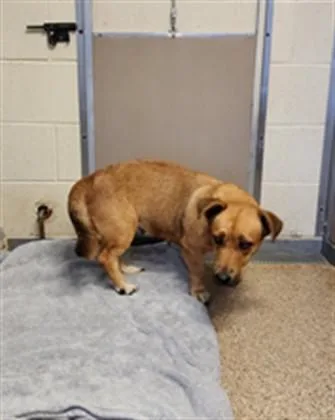
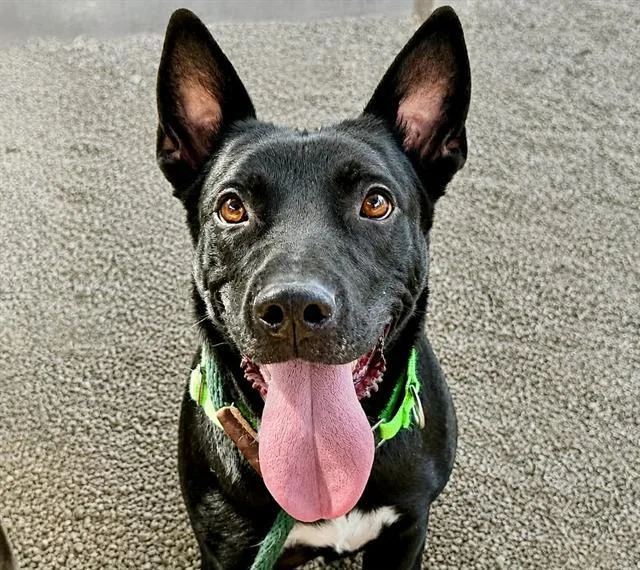
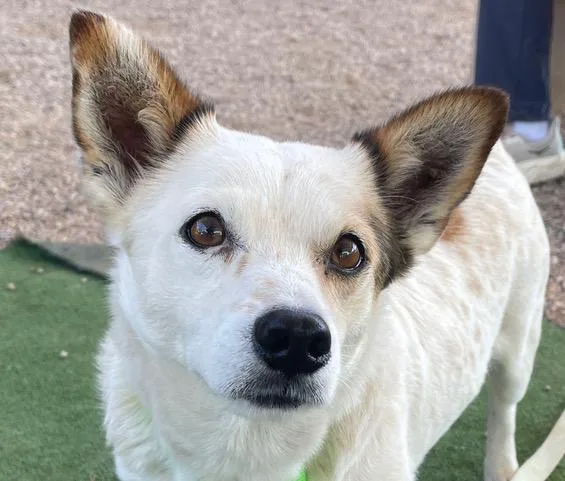
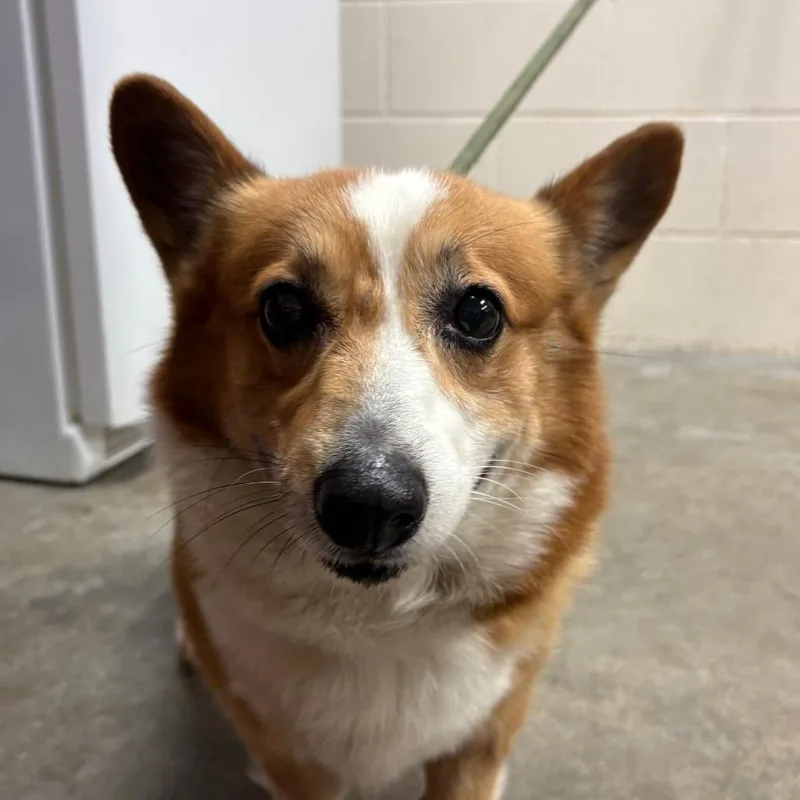
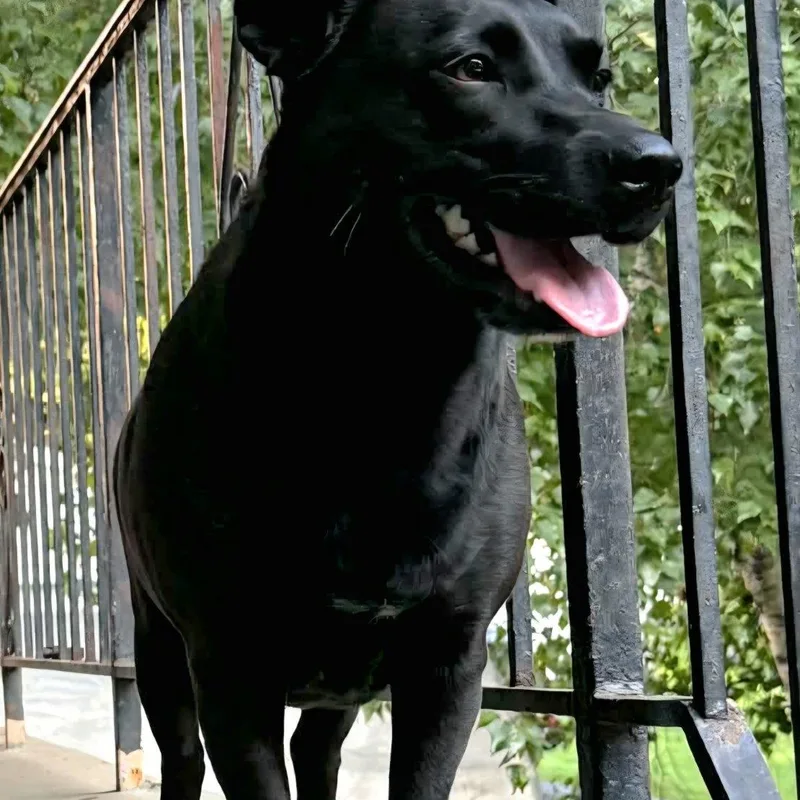
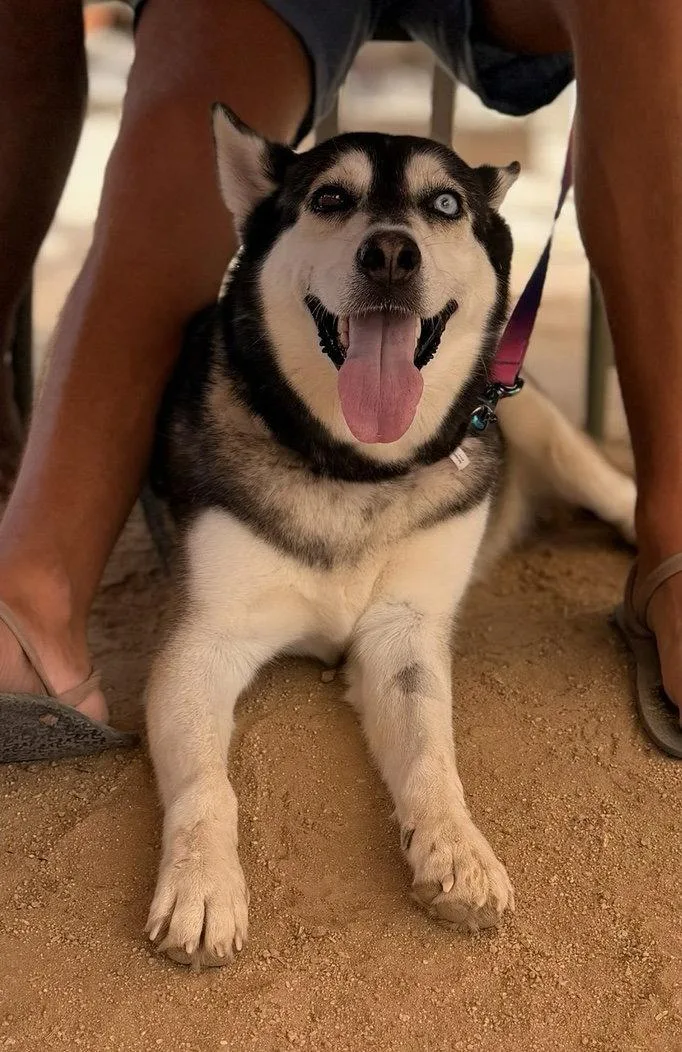
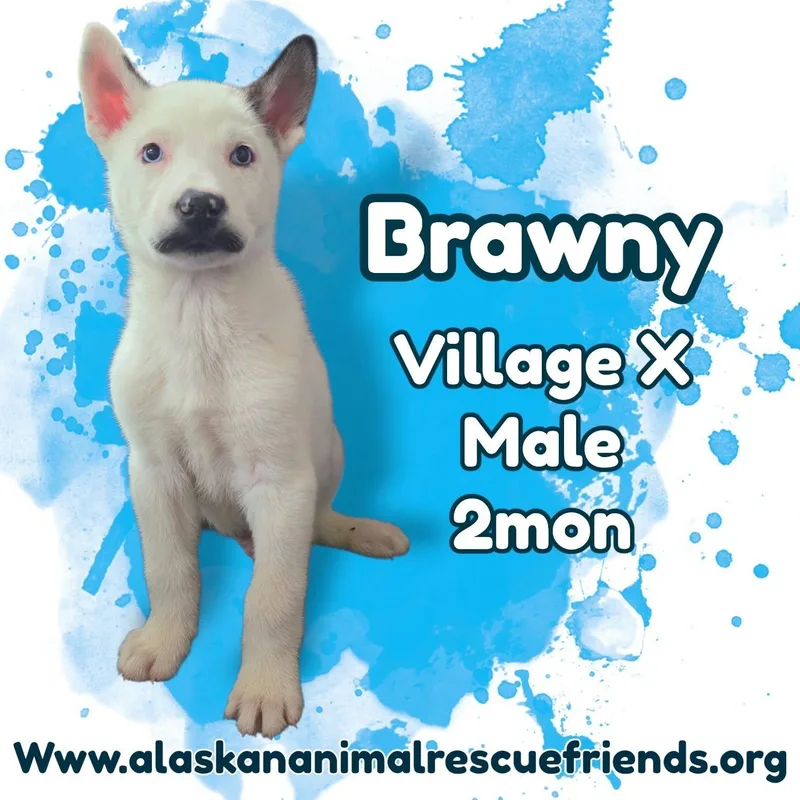
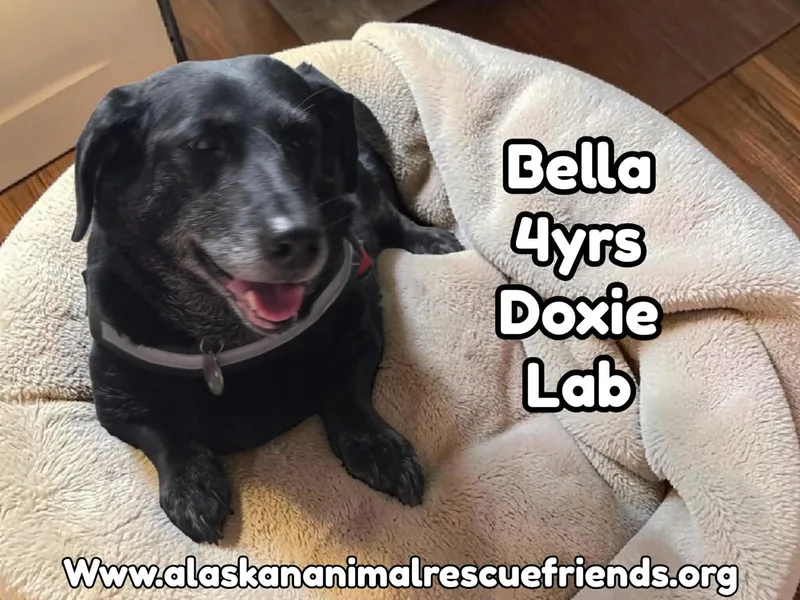
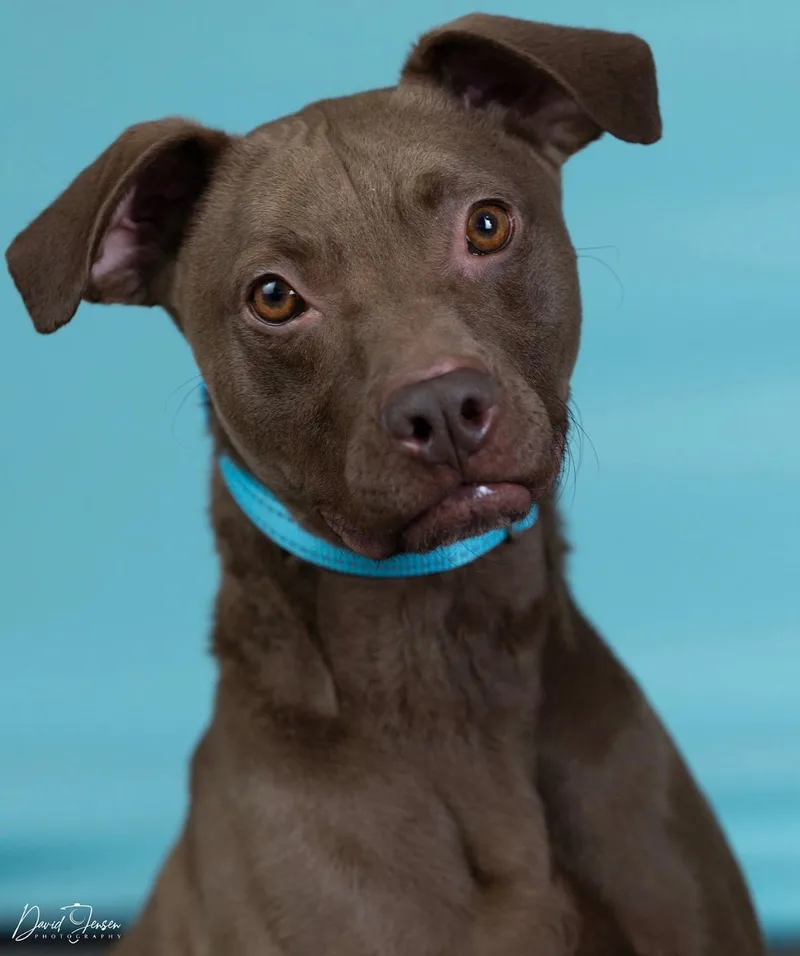
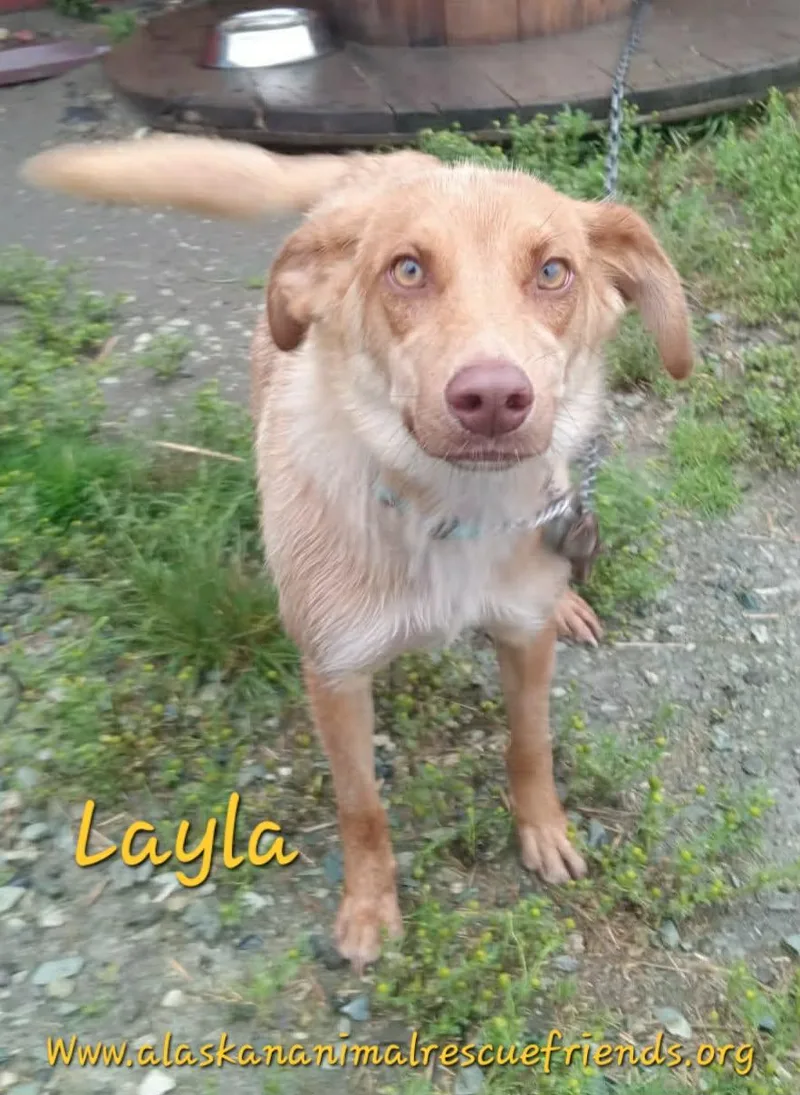
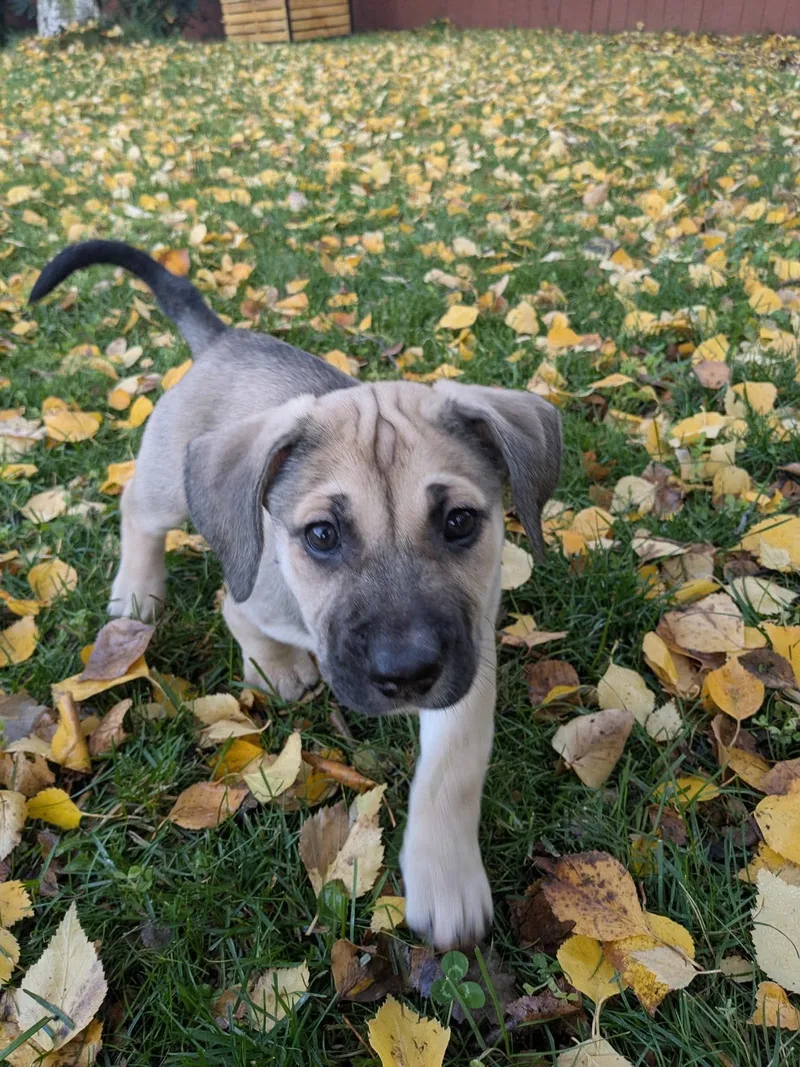
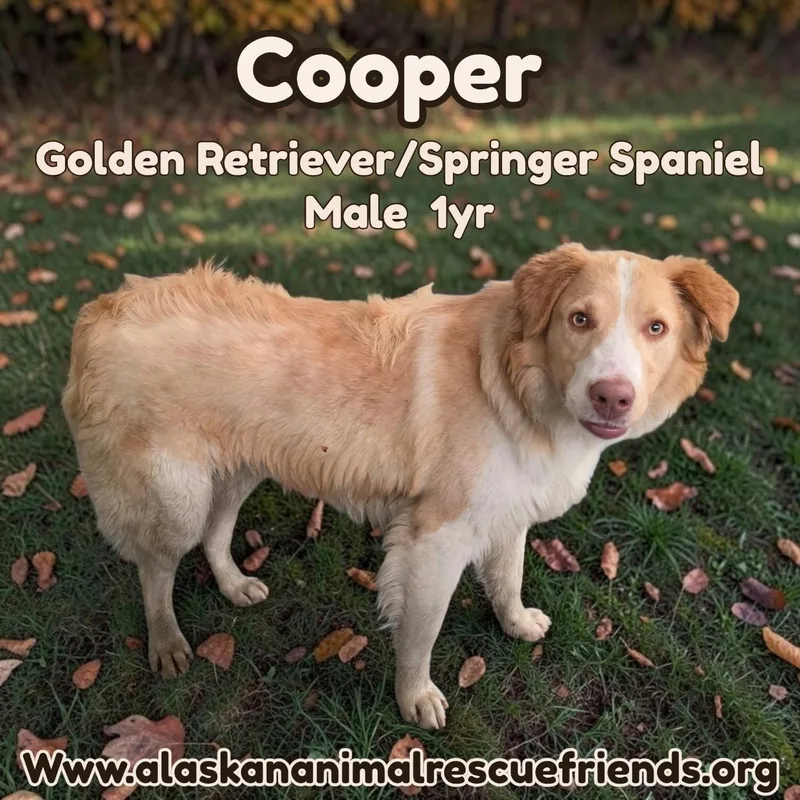
691 dogs similar to Swedish Vallhund available in Anchorage and nationwide

Meet your next Swedish Vallhund

While we don't have enough dogs near Anchorage, keep in mind that many rescues may offer transport.

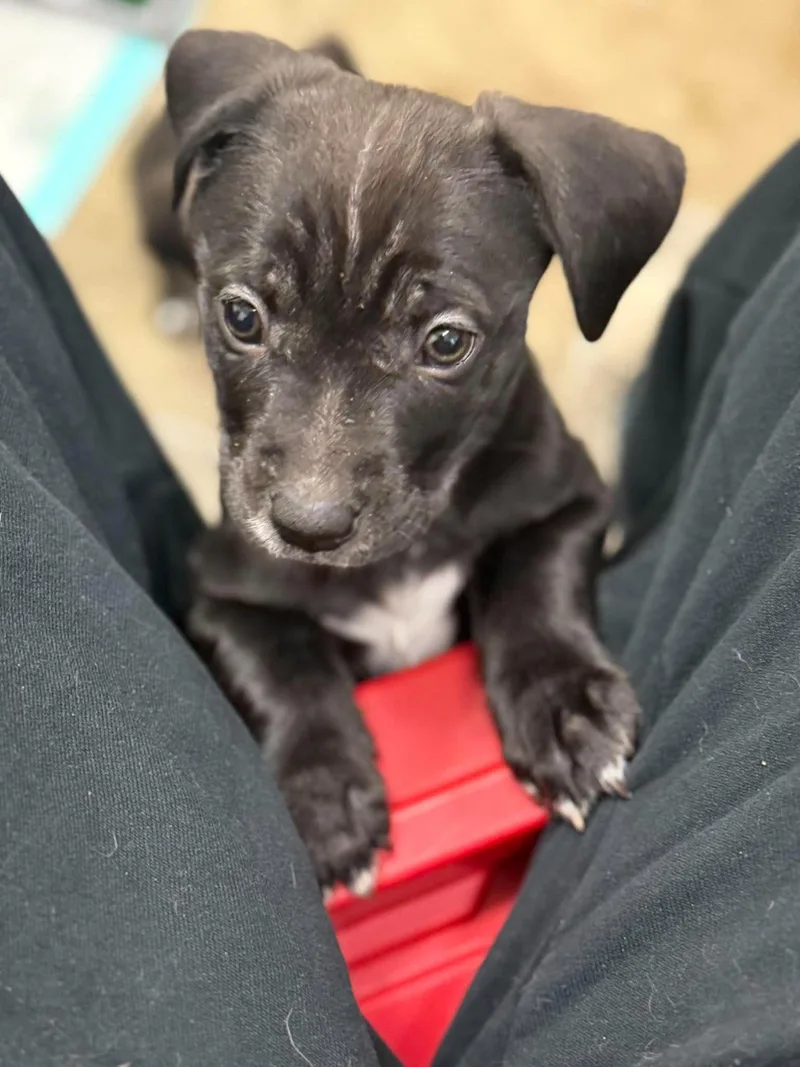
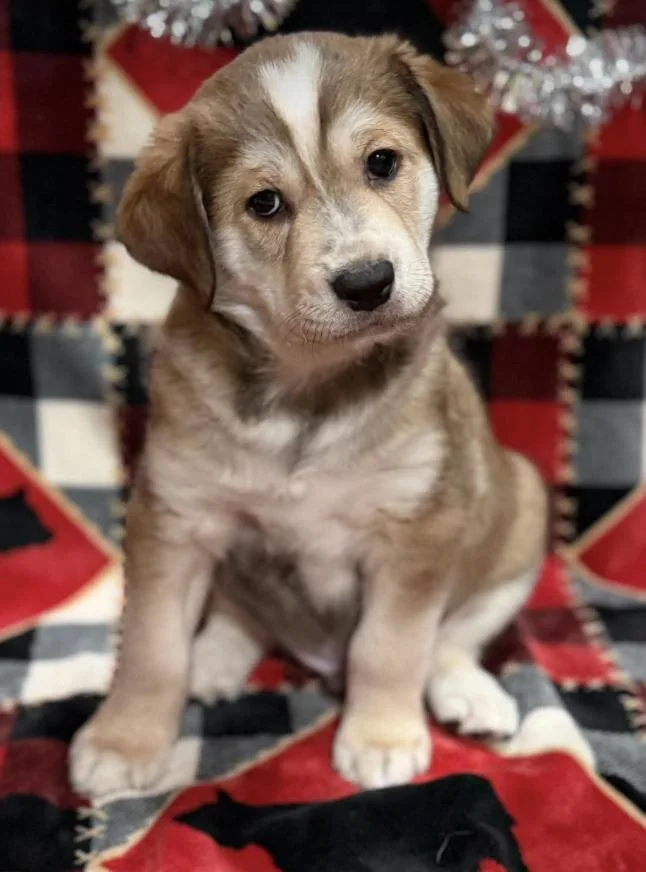
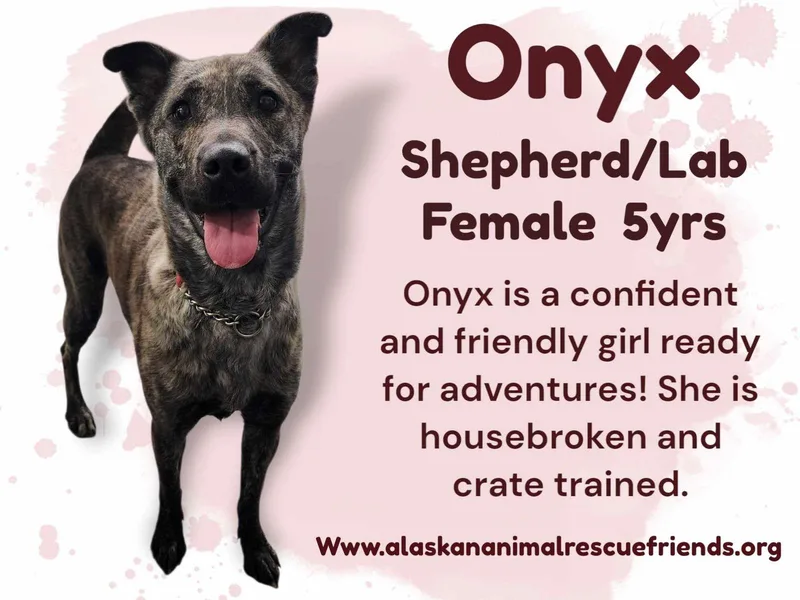
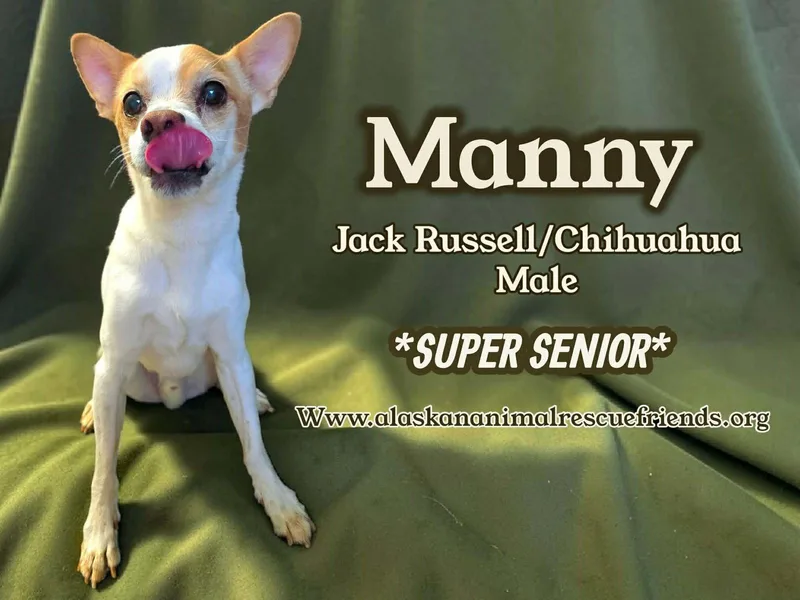
Swedish Vallhunds and Similar Breeds Available for Adoption Near Anchorage

About the Swedish Vallhund breed

The Swedish Vallhund is an old spitz-type cattle dog from Västergötland, Sweden, where farmers kept it for herding, guarding and catching rats. The breed nearly vanished by the early 1940s before it was rebuilt from a handful of farm dogs. Its name simply means herding dog.

Vallhunds are small, sturdy and low to the ground, with a harsh double coat in gray to red sable and a tail that can be long, stubby or absent. Many are cheerful, watchful and eager to please. A thick coat suits Anchorage winters, but the heavy seasonal shedding follows you indoors, so a good brush and vacuum come with the territory. They suit people who like training and time outside.

Weight
20–35 lbs
Height
11–14 in
Lifespan
12–15 yrs
Temperament
Alert, Energetic, Friendly
Group
Herding
Shedding
Moderate to High

Owning a Swedish Vallhund in Anchorage

Having a Swedish Vallhund in Anchorage

Vallhunds pair herding-dog drive with a compact frame. In Anchorage, the traits that matter most are the need for daily activity, a dense coat that handles cold, an eye condition worth screening for, and a talkative streak that counts in shared buildings.

Temperament

Many Vallhunds are friendly, confident and attached to their families, and they usually announce visitors before greeting them. Herding instincts can show up as heel nipping or circling. In Anchorage, that alertness also means noticing moose, so steady leash manners matter. Personalities vary from dog to dog.

Exercise Needs

Most Vallhunds need a good daily walk plus play or a job. A leashed loop on the Tony Knowles Coastal Trail works year-round, and short training or puzzle sessions fill dark winter days. Outside designated off-leash areas dogs must be leashed, and with moose around, that rule is worth following.

Health Considerations

Retinopathy affects many Vallhunds and can cause gradual vision loss, often first noticed as night blindness in middle age, which matters in Anchorage's long dark winters. Hip and joint problems also appear, so keep weight lean to protect the long back. A veterinarian can check the eyes and hips at regular visits.

Living Space

A Vallhund can adapt to an apartment or a house when its exercise needs are met. Alert barking can be a challenge with close neighbors, so plan on training and mental work. A fenced yard helps but isn't required. This people-focused dog should live indoors with the family, especially in winter.

What it costs to own a Swedish Vallhund in Anchorage

ExpenseTypical costPer year
Food$20 to $45 per month$240 to $540
Pet insurance$35 to $70 per month$420 to $840
Routine vet care$200 to $400 per year$200 to $400
Other*$490 to $1,273 per year$490 to $1,273
Estimated yearly total (after year one)$1,350 to $3,053

Other costs are estimates and vary with size, age and health.

* The Anchorage dog license ($15 a year if sterilized, $23 if not), a dental cleaning allowance, flea, tick and heartworm prevention, toys and bedding, and extra brushing and baths for heavy seasonal shedding.

Adopt a Swedish Vallhund in Anchorage.

Now that you know more, let’s find you a new best friend. These rescues and shelters below have dogs available in and near Anchorage.

Rescues and Shelters in or near Anchorage

Anchorage's adoption community includes a municipal shelter and volunteer-run rescues, and the ones below list dogs for adoption. Here are the rescues & shelters in the Anchorage area with dogs available for adoption, worth asking whether a Swedish Vallhund is coming in.

Frequently Asked Questions

Yes, Swedish Vallhunds generally handle Anchorage winters well, since their dense double coat is built for cold. Short legs tire in deep snow, though, and sub-zero nights call for brief outings. Wipe ice-melt from paws, use reflective gear for dark afternoons, and look around for moose before letting your dog out.

Yes, no known breed-specific rules apply in Anchorage, where dangerous-dog rules are based on a dog's behavior rather than its breed. Dogs four months and older need a city license and current rabies vaccination, and households with four or more dogs need a multi-animal facility license. Keep your dog leashed outside off-leash areas.

Yes, a Swedish Vallhund can live in an Anchorage apartment if it gets daily exercise and mental work. Its 20 to 35 pounds suits smaller units, but alert barking carries through shared walls, so teach quiet cues early. Winter keeps outdoor time short, so indoor games and puzzle toys matter. Confirm the building's pet policy before signing.

Fenced Valley of the Moon Park and South Anchorage Sports Park offer secure off-leash play, while University Lake Park and Far North Bicentennial Park have off-leash trails shared with other users. Kincaid Park's trails require a leash. Bears sometimes prompt closures in Far North Bicentennial, so follow posted warnings and keep your Vallhund close.

Plan on weekly brushing, and daily brushing during the heavy spring and fall sheds. The dense coat handles Anchorage cold, so skip shaving and trimming. Baths are only needed as the dog gets dirty, and paws need a wipe after ice-melt. Many owners brush at home, keeping grooming a modest part of the yearly Other costs.

Only if your Swedish Vallhund fits in a closed carrier. Anchorage has People Mover buses rather than rail, and pets generally ride in a six-sided kennel or carrier. At 20 to 35 pounds, many Vallhunds are too big, and smaller ones need carrier practice. Check current rules with People Mover before riding.

Probably not indoors. Alaska's food code bars pet dogs from food establishments, with exceptions for service animals. Patio policies vary by restaurant, so don't assume your Swedish Vallhund is welcome. If you do dine out, a dog that settles on a mat is easier, and a walk beforehand helps. When unsure, leave your dog at home.

A Swedish Vallhund suits Anchorage if you're active, enjoy training and can keep up outdoor time through dark winters. Its coat handles cold and its size works in homes of many sizes. It's a weaker match if you're away most of the day or want a quiet dog, since Vallhunds are people-focused and alert.

The Swedish Vallhund is often called the Viking dog, and its breed club and the AKC describe it as known since the time of the Vikings, more than a thousand years ago. Firm archaeological proof is limited, so the link rests largely on tradition. Its resemblance to Welsh Corgis has fueled theories that Viking-era contact spread one breed's ancestors to the other.

Expect roughly $1,350 to $3,050 a year for food, insurance, routine vet care and extras, before one-time supplies. Food runs $20 to $45 a month, insurance $35 to $70, routine vet care $200 to $400 a year, and other costs $490 to $1,273. Heavy seasonal shedding adds brushing and bath costs.