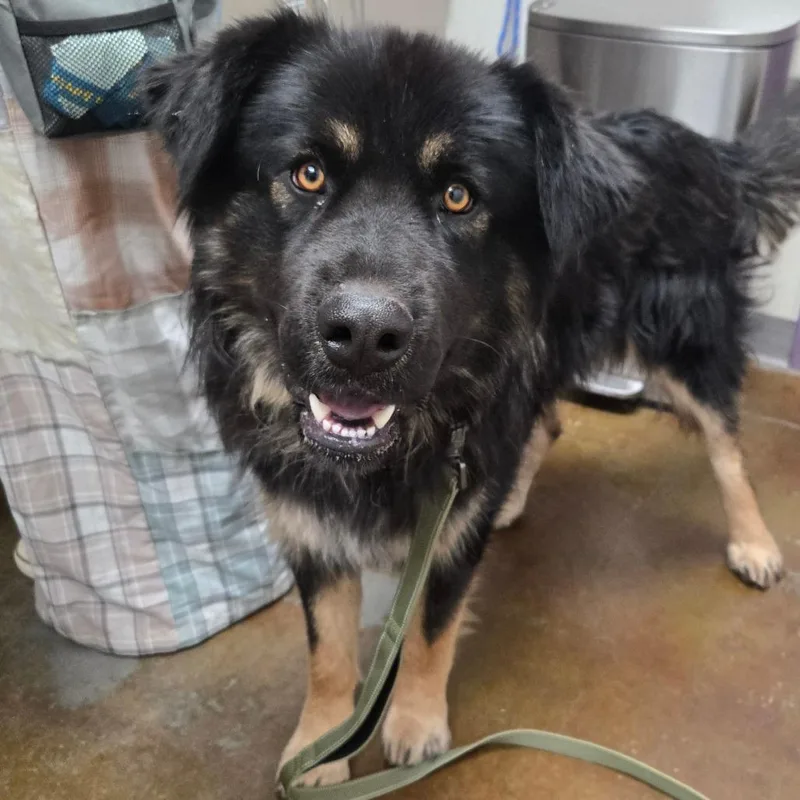
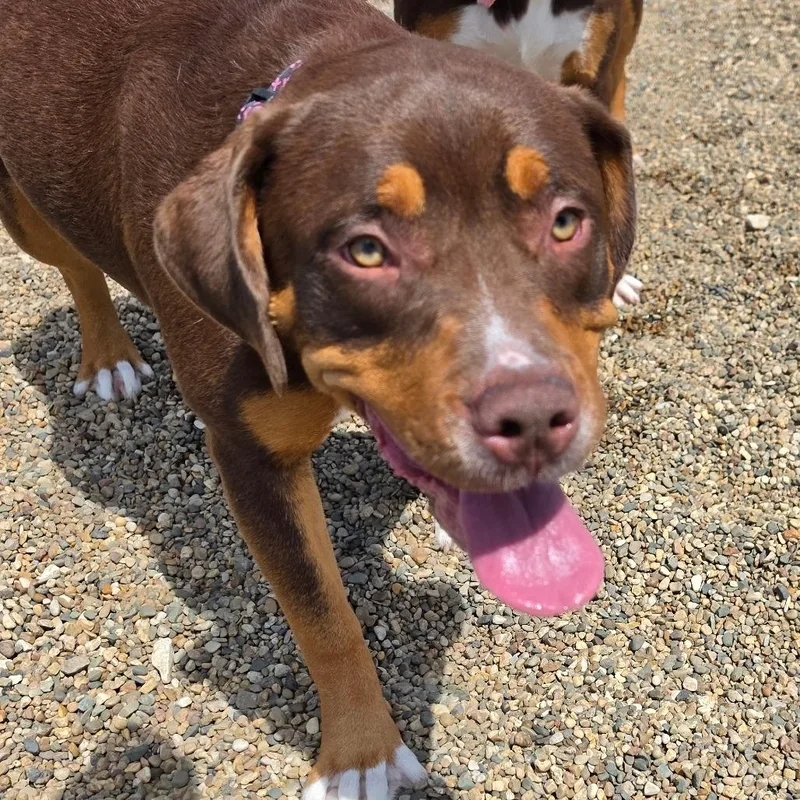
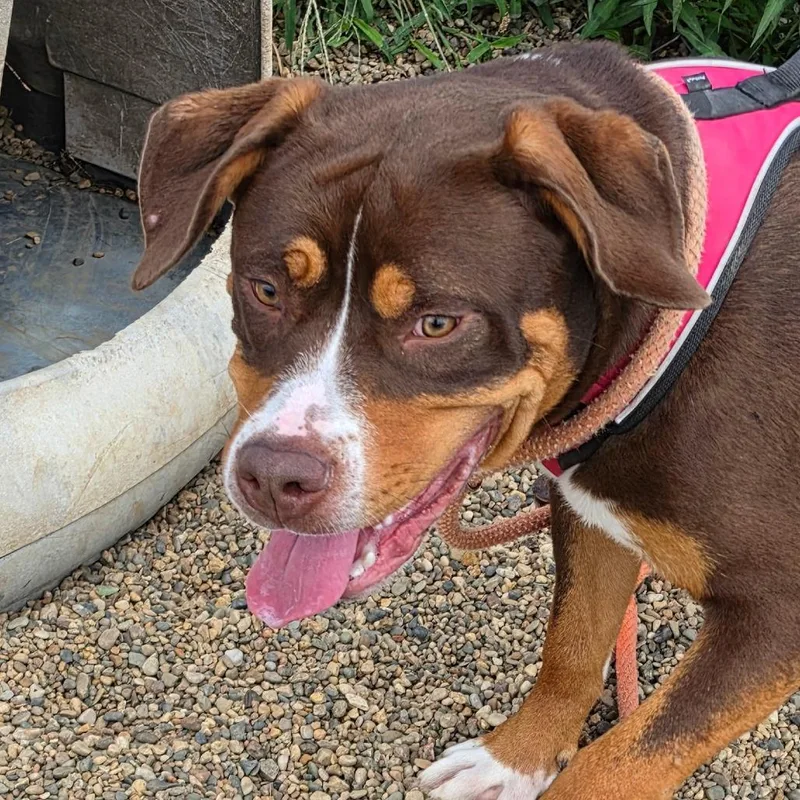
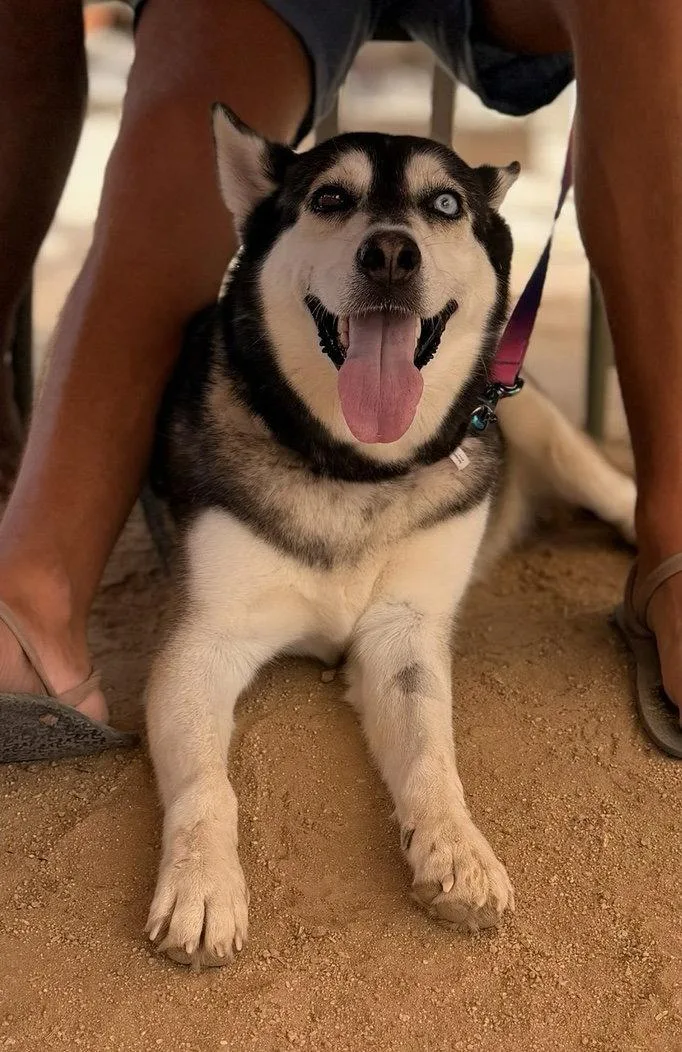
Bernese Mountain Dogs for Adoption in Anchorage, AK

Your guide to finding and caring for a Bernese Mountain Dog in Anchorage

A Bernese Mountain Dog is a natural fit for an Anchorage winter. The thick coat that makes a Berner miserable in warmer cities is an asset on a snowy Chester Creek Trail walk, and a calm giant sleeping on the floor suits a house in Eagle River or Chugiak with room to stretch out. The tradeoffs are size and shedding, so expect fur everywhere and a dog who wants to be wherever you are. It's a good match for people who are home often.

131 Bernese Mountain Dogs available in Anchorage and nationwide

Adopt a Bernese Mountain Dog today

While we don't have enough dogs near Anchorage, keep in mind that many rescues may offer transport.

Bernese Mountain Dogs Available for Adoption Near Anchorage

About the Bernese Mountain Dog breed

Bernese Mountain Dogs come from the Swiss canton of Bern, where farmers used them to pull milk and cheese carts, drive cattle and guard the farmyard. They're the only long-coated Swiss mountain dog, with a jet-black coat, rust markings and a white blaze, and most weigh 70 to 115 pounds.

Berners are usually gentle, affectionate and eager to please, though some are reserved with strangers. In Anchorage, their draft-dog build suits cold, snowy trails, but they need early leash training because a pulling adult is hard to handle, especially around moose. Lifespans are shorter than average, often 7 to 10 years, largely because of cancer, so it helps to go in prepared. Dogs vary, so spend time with the dog you're considering.

Weight
70–115 lbs
Height
23–28 in
Lifespan
7–10 yrs
Temperament
Gentle, Affectionate, Calm
Group
Working
Shedding
High

Owning a Bernese Mountain Dog in Anchorage

Having a Bernese Mountain Dog in Anchorage

Berners combine a soft, people-focused nature with a draft dog's strength. In Anchorage, their cold tolerance is a plus, while size, heavy shedding and health risks such as cancer and joint disease shape everyday care and budgeting.

Temperament

Berners tend to be gentle and devoted to their families, though some are aloof with strangers and sensitive to harsh handling. A surprise moose on the trail can test any big dog's manners, so practice calm greetings and a reliable leash walk early. A dog's history and socialization matter more than the breed label.

Exercise Needs

Most Berners do well with one or two good walks a day plus play and training. Anchorage's snowy months suit them, but dogs must stay leashed outside off-leash areas, and moose and bears make a firm leash smart. Winter walks often happen in the dark, so add reflective gear. Puppies should avoid long runs.

Health Considerations

Berners face high cancer rates, along with hip and elbow dysplasia, kidney disease and bloat, so regular veterinary checkups matter. Keeping a Berner lean protects its joints, and icy sidewalks call for care with older or stiff dogs. A veterinarian can check joints and overall health soon after adoption.

Living Space

A Berner suits a house with a fenced yard, such as in Eagle River, better than a small apartment. Apartment life can work with an elevator or ground-floor access and daily walks. Keep indoor spaces cool, since Berners overheat easily and prefer living inside with their people.

What it costs to own a Bernese Mountain Dog in Anchorage

ExpenseTypical costPer year
Food$80 to $160 per month$960 to $1,920
Pet insurance$85 to $170 per month$1,020 to $2,040
Routine vet care$250 to $500 per year$250 to $500
Other*$690 to $1,873 per year$690 to $1,873
Estimated yearly total (after year one)$2,920 to $6,333

Other costs are estimates and vary with size, age and health.

* Flea, tick and heartworm prevention, a dental cleaning allowance, the Anchorage dog license ($15 spayed or neutered, $23 unaltered), toys and large bedding, coat care for heavy shedding, and joint supplements.

Adopt a Bernese Mountain Dog in Anchorage.

Now that you know more, let’s find you a new best friend. These rescues and shelters below have dogs available in and near Anchorage.

Rescues and Shelters in or near Anchorage

Anchorage's municipal shelter and foster-based rescues place dogs year-round, and the ones listed here show who's available now. Here are the rescues & shelters in the Anchorage area with dogs available for adoption, worth asking whether a Bernese Mountain Dog is coming in.

Frequently Asked Questions

Yes, Bernese Mountain Dogs usually handle Anchorage winters well. Their thick coat suits temperatures that often hover between 13 and 25°F, and many Berners enjoy snow. Still, wipe ice-melt off paws, add reflective gear for dark mornings, and look around for moose before opening the door. Dogs vary, so watch for lifted paws or shivering on very cold nights.

Start with Russian Jack Springs Park, where an unfenced corner is off-leash, and University Lake Park or Far North Bicentennial Park, which have off-leash trails. Elsewhere, including the Tony Knowles Coastal Trail and Kincaid Park, a Berner must stay leashed. Off-leash areas require a license and current rabies shot. Moose and bears make control essential, so heed posted closures.

Yes. Anchorage has no breed-specific rules, and its dangerous-dog system classifies dogs by behavior rather than breed. Your Berner will need a city license and rabies vaccination once it's four months old. If you rent, review the building's pet policy first, since landlords set their own size and weight limits for a dog this big.

A Berner fits Anchorage best in an active household that is home often and enjoys cold weather and trails. The thick coat, calm manner and size suit snowy walks and roomy houses, but heavy shedding, cancer risk and a lifespan often between 7 and 10 years are real tradeoffs. Be ready for leashed walks around moose and a cool spot indoors.

Usually not. People Mover buses allow pets in closed kennels or carriers, and a Berner at 70 to 115 pounds won't fit in one. Service animals are the exception. Rules can change, so check current People Mover policies. Plan on a car, or choose nearby trails and parks you can reach on foot.

Probably not indoors. Alaska's food code bars pet dogs from food establishments, with exceptions for service animals. Patio policies vary by restaurant and aren't guaranteed, so confirm before bringing a dog along. For a giant Berner, meeting friends for a leashed trail walk is usually the easier plan.

Plan on brushing a Berner at least once or twice a week, and more often during spring shedding when the winter coat comes out. Snow can ball up on leg and belly fur after walks, so comb those areas. Professional grooming is optional and falls within the yearly Other costs of about $690 to $1,873.

A Bernese Mountain Dog is a large to giant Swiss working breed originally used on farms to pull carts, drive cattle and guard property. It has a long, tricolored coat of black, rust and white and a sturdy, powerful build. Berners are known for their gentle, affectionate nature, though their lifespan is shorter than many breeds.

A Bernese Mountain Dog has a thick, moderately long coat that is jet black with rich rust markings over the eyes, on the cheeks, chest and legs, and white on the face, chest, feet and tail tip. The white chest marking often forms an inverted cross. They have a broad head, dark brown eyes and triangular drop ears.

Plan on about $80 to $160 a month for food and $85 to $170 a month for insurance, plus $250 to $500 a year for routine vet care. Other yearly costs, such as parasite prevention, dental care, supplies, coat care, a city license and joint support, run roughly $690 to $1,873. Together that's around $2,900 to $6,300 a year.