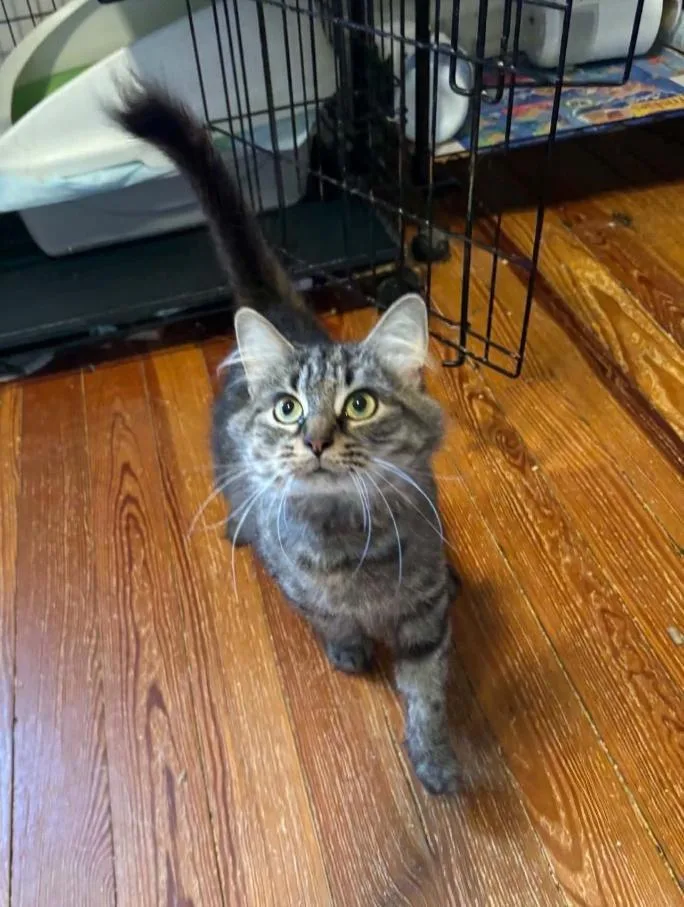
Calico Cats for Adoption in Martinsburg, WV

Your guide to finding and caring for a Calico in Martinsburg

A calico cat fits Martinsburg's older downtown well, where a sunny window over Queen or King Street makes a fine lookout. Calico is a coat pattern, not a breed, so each cat's personality is her own. Most are easygoing house cats who ask for a perch, a few play sessions and a lap. Near the train station or along Boyd Avenue, she'll be happiest indoors, and winter nights here often dip below freezing, so a warm bed gets used.

1315 Calicos available in Martinsburg and nationwide

Bring home a Calico

While we don't have enough cats near Martinsburg, keep in mind that many rescues may offer transport.

Calicos Available for Adoption Near Martinsburg

About the Calico breed

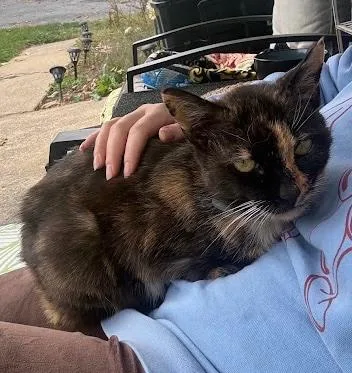
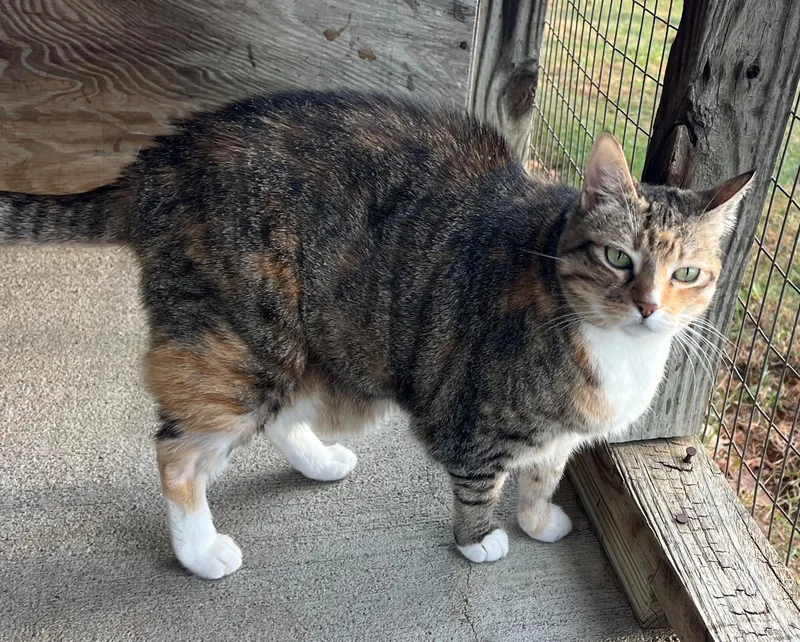
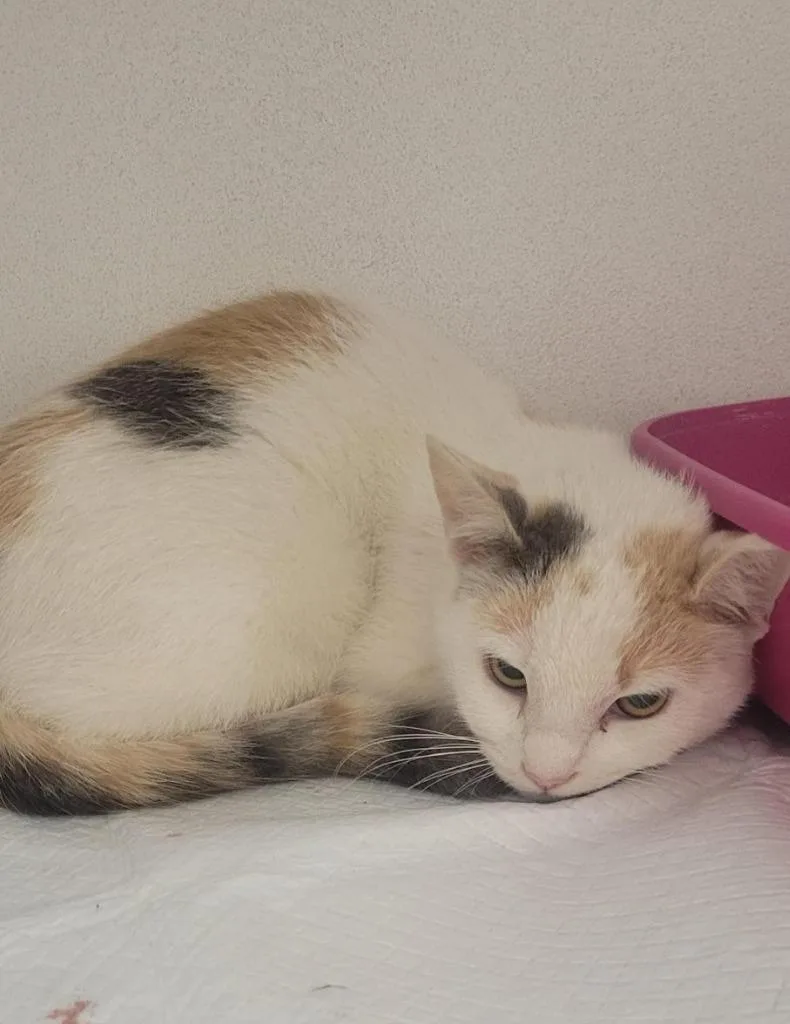
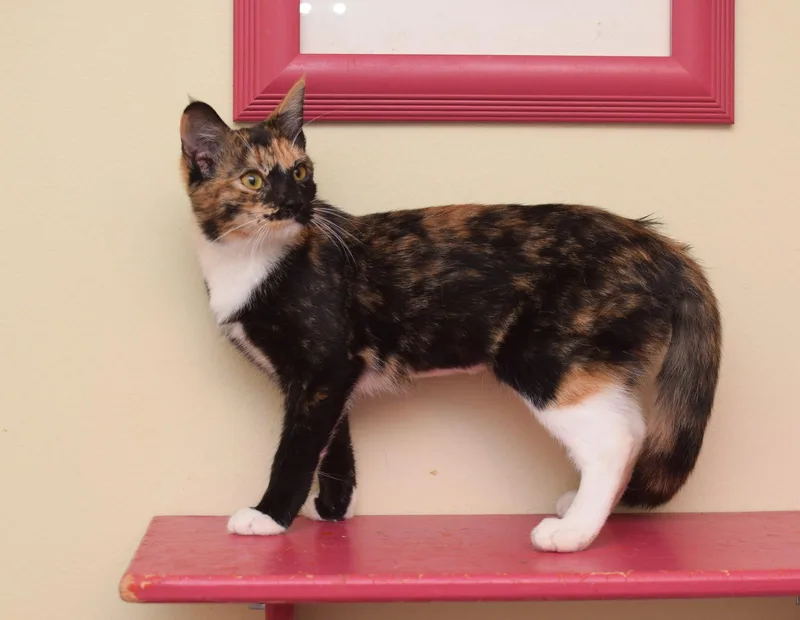
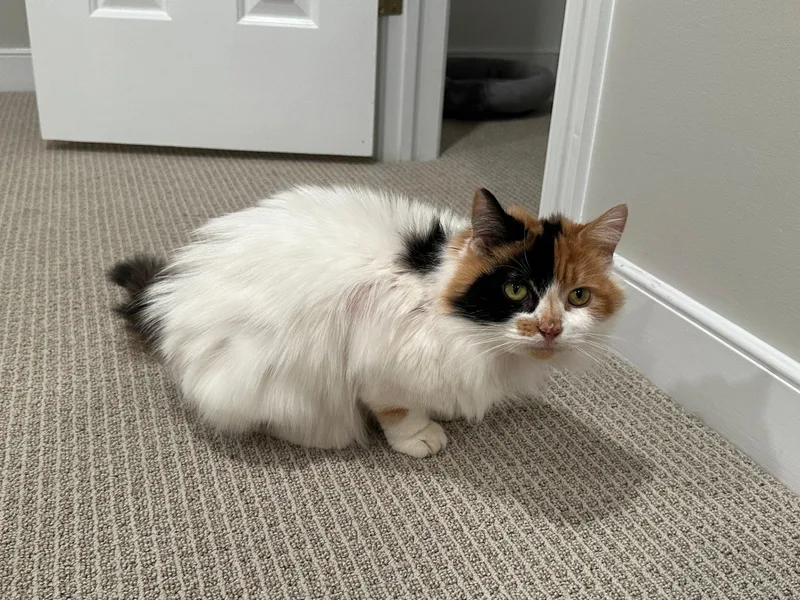
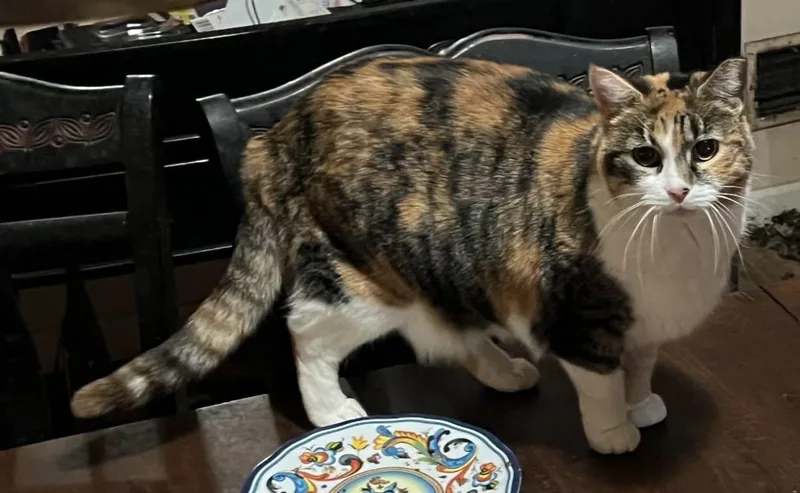
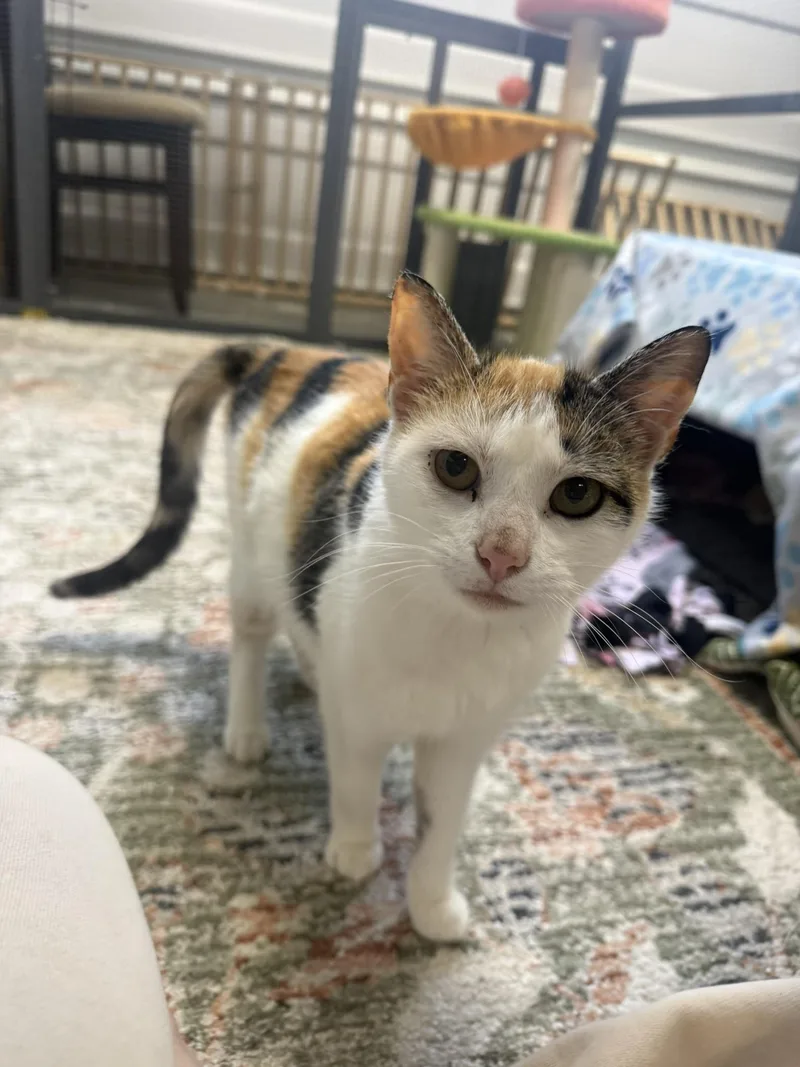
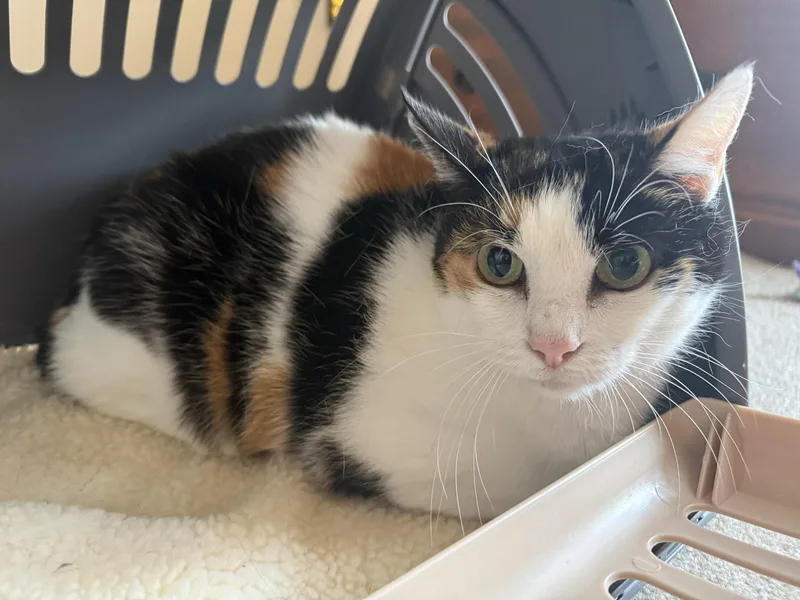
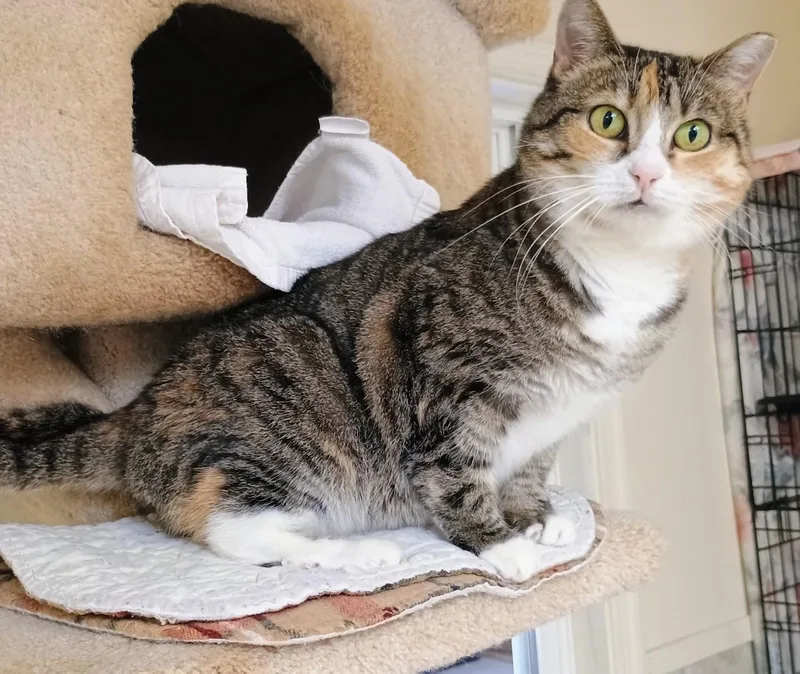
Calico describes a coat, not a breed: white with patches of black and orange, or soft gray and cream in the dilute version. The pattern appears in domestic shorthairs and longhairs and in several pedigreed breeds, and nearly every calico is female because the color genes sit on the X chromosome.

In Martinsburg, as elsewhere, most calicos you'll meet are domestic shorthairs, typically 6 to 12 pounds and living 12 to 18 years. Their care looks like any house cat's: vaccines, dental care, steady weight and daily play. Personality varies widely, and the folklore about attitude isn't reliable, so how a cat acts with people and other pets tells you more than her patches.

Weight
6–12 lbs
Height
8–10 in
Lifespan
12–18 yrs
Temperament
Adaptable, Affectionate, Independent
Shedding
Moderate

Owning a Calico in Martinsburg

Having a Calico in Martinsburg

A calico's traits depend on her ancestry, age and upbringing more than her colors. In Martinsburg, the practical questions are indoor safety, winter warmth, rental policies and how much coat care a shorthair or longhair mix needs.

Temperament

Calicos range from shy and gentle to bold and chatty, so personality is worth judging cat by cat. A cat who enjoys company will settle into a Martinsburg home with a window view and a steady routine, while a shyer one needs a quiet room and time. Spayed females generally behave like any other cat.

Exercise Needs

Plan two or three short play sessions a day with wand toys, balls or food puzzles. Cats are safest indoors, so vertical space, scratching posts and a window perch do much of the work. Kittens and young adults need more play than seniors, and heavier or longhaired mixes may prefer gentler games.

Health Considerations

Female calicos have no color-linked health problems, so care means vaccines, dental checks, weight control and regular exams. West Virginia requires rabies vaccination for cats by six months of age. Rare male calicos with an extra X chromosome can have urinary and metabolic issues, and a veterinarian can check any newly adopted cat.

Living Space

A calico adapts to a smaller rental or a larger house when she has scratching posts, a perch, hiding spots and daily play. Shy cats appreciate a quiet room to settle into at first. Keeping her indoors, with a catio or harness time, protects her from traffic and cold.

What it costs to own a Calico in Martinsburg

ExpenseTypical costPer year
Food$25 to $50 per month$300 to $600
Pet insurance$20 to $45 per month$240 to $540
Routine vet care$150 to $350 per year$150 to $350
Other*$450 to $1,150 per year$450 to $1,150
Estimated yearly total (after year one)$1,140 to $2,640

Other costs are estimates and vary with size, age and health.

* Litter, flea and tick prevention, a dental cleaning allowance, toys and supplies, and home brushing or occasional grooming.

Adopt a Calico in Martinsburg.

Now that you know more, let’s find you a new best friend. These rescues and shelters below have cats available in and near Martinsburg.

Rescues and Shelters in or near Martinsburg

Martinsburg-area shelters and rescues care for cats of every color, age and coat pattern. Here are the rescues & shelters in the Martinsburg area with cats available for adoption, worth asking whether a Calico is coming in.

Frequently Asked Questions

Yes, indoor Calicos handle Martinsburg winters well. Lows reach about 24°F, and nights hit freezing on roughly 104 days a year, so the main need is a warm bed away from drafts. Keep her inside, wipe her paws if she's been out on a harness over salted ground, and lock away antifreeze.

Yes. West Virginia requires cats to be vaccinated against rabies by six months old, and Martinsburg's two-dog household limit applies to dogs, with no known limit on cats. Calico is a coat pattern, so any cat with those colors qualifies. Your lease matters most, since landlords set their own pet policies.

Yes, most calicos do well in apartments with scratching posts, a window perch and daily play. Renting is common in Martinsburg, and landlords set their own pet rules, so get pet terms in writing. A pet fee counts as nonrefundable only when both sides agree to that in writing.

Often, yes, for adopters who can keep her indoors and offer daily play. Martinsburg's four seasons mean cozy winters inside and summers that fans or air conditioning handle easily. A downtown window over a busy street can keep her entertained, and a calm routine suits shy cats. Judge the cat's personality, not her pattern.

Don't count on it. EPTA buses allow service animals, but no rule on pet cats is published. If you ever take a cat on a bus, use a sturdy, escape-proof carrier and keep it on your lap. For vet visits, a car is the safer plan.

Usually little. A shorthaired calico needs a quick weekly brushing, while longhaired mixes need brushing several times a week to prevent mats. Shedding rises in spring and fall as the seasons change. Professional grooming is rarely necessary, so it fits within the Other costs shown above on this page.

Almost all calico cats are female, but not every single one. The genes for orange and black coat color sit on the X chromosome, so a cat normally needs two X chromosomes to show both colors at once. Roughly 1 in 3,000 calicos is male, usually because of an extra X chromosome, a genetic quirk rather than a separate type.

A calico cat is any cat with a three-color coat of white plus distinct patches of black and orange, or gray and cream in dilute calicos. Calico is a coat pattern rather than a breed, so it appears in domestic shorthairs, longhairs and many pedigreed breeds. Nearly all calicos are female because of how coat color genes are inherited.

Yes, calico cats can be male, but it is very rare. A male calico usually has XXY chromosomes instead of the typical XY, a condition similar to Klinefelter syndrome in people, or is a chimera formed from two embryos. These males are almost always sterile and may have extra health needs, so regular veterinary care is especially worthwhile.

Food runs $25 to $50 a month and insurance $20 to $45. Routine vet care is $150 to $350 a year, and other costs, including litter, prevention and dental care, run $450 to $1,150. Together that's roughly $1,140 to $2,640 a year, before any illness or emergency care.

Explore Other Breeds in Martinsburg

Looking for a different breed? Browse other cats available for adoption in Martinsburg.