Birman Cats for Adoption in Charleston, WV

Your guide to finding and caring for a Birman in Charleston

A Birman fits well in the East End's brick apartment buildings and older two-story homes, where a window seat gives a quiet cat plenty to watch. These gentle, sociable cats like to stay near their people, so they do best when someone's home a fair amount. The silky coat needs only a weekly combing, and a Birman is content indoors, away from the traffic and the black bears that wander some Charleston neighborhoods. Picture a mellow companion who curls up beside you while you read.

2310 cats similar to Birman available in Charleston and nationwide

Find your forever Birman

While we don't have enough cats near Charleston, keep in mind that many rescues may offer transport.

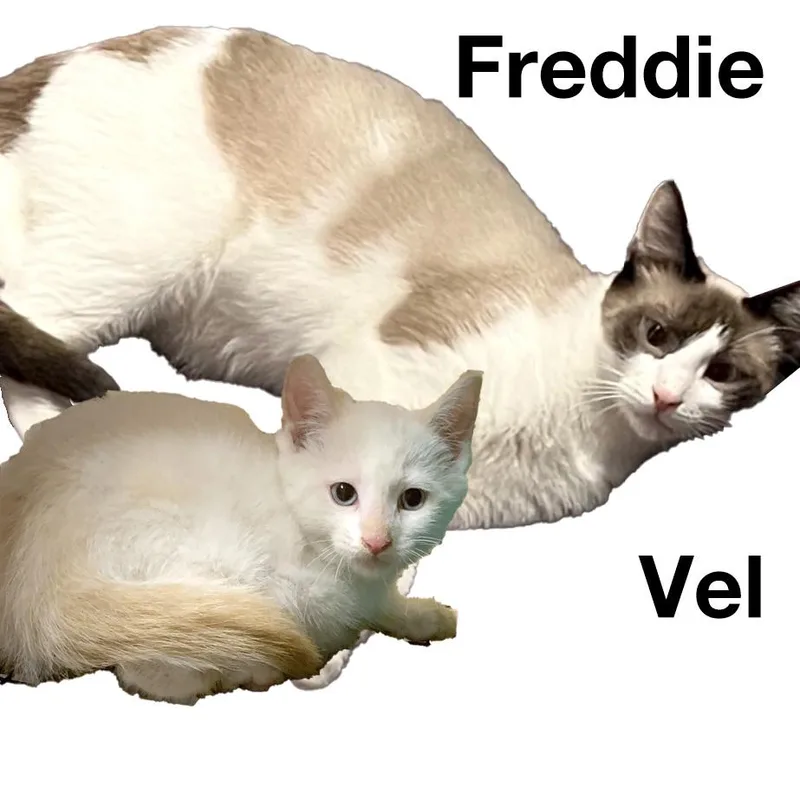
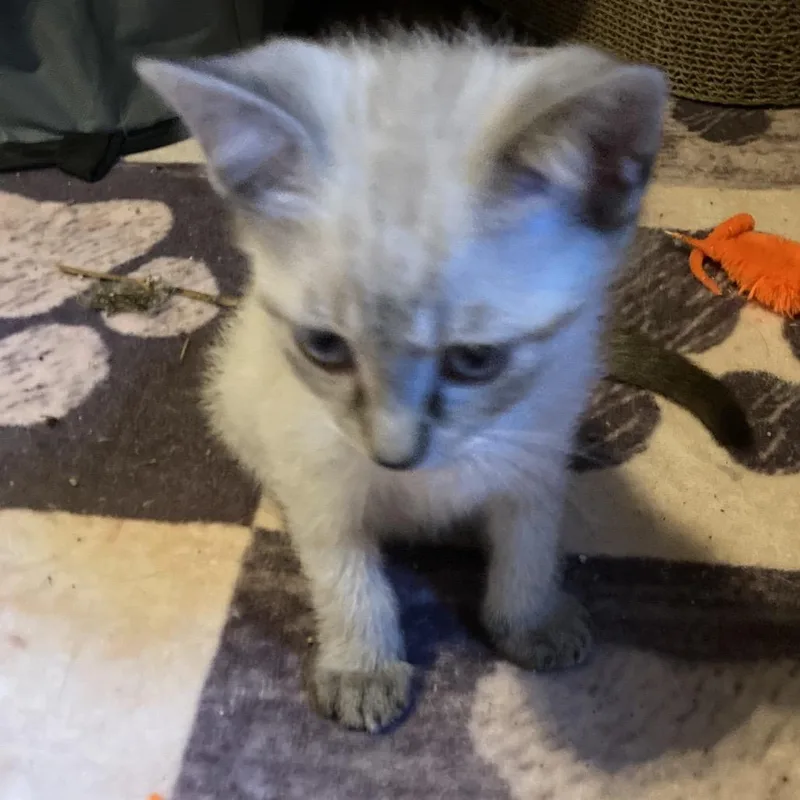
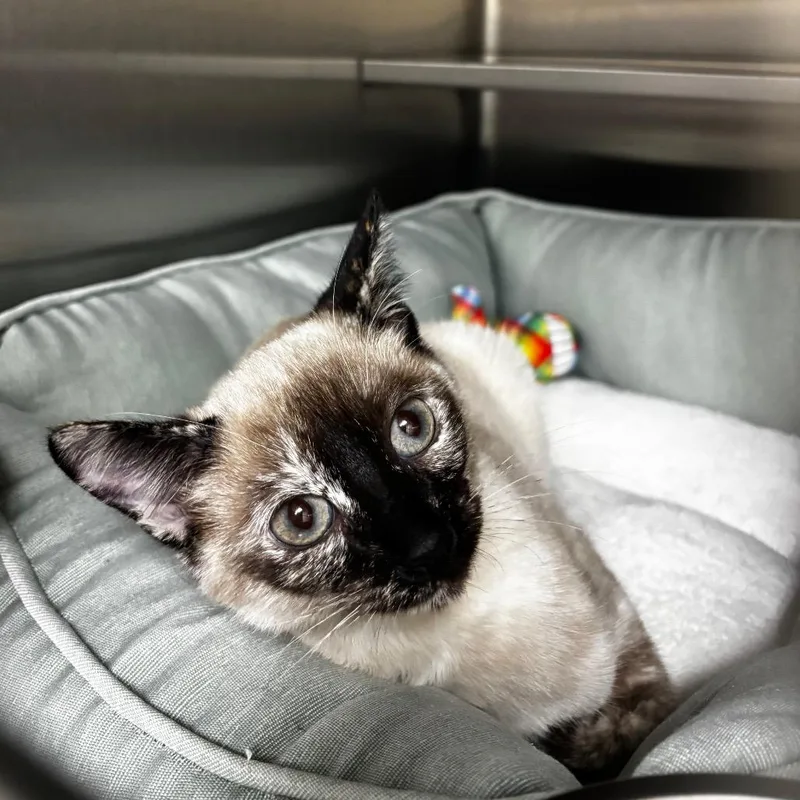
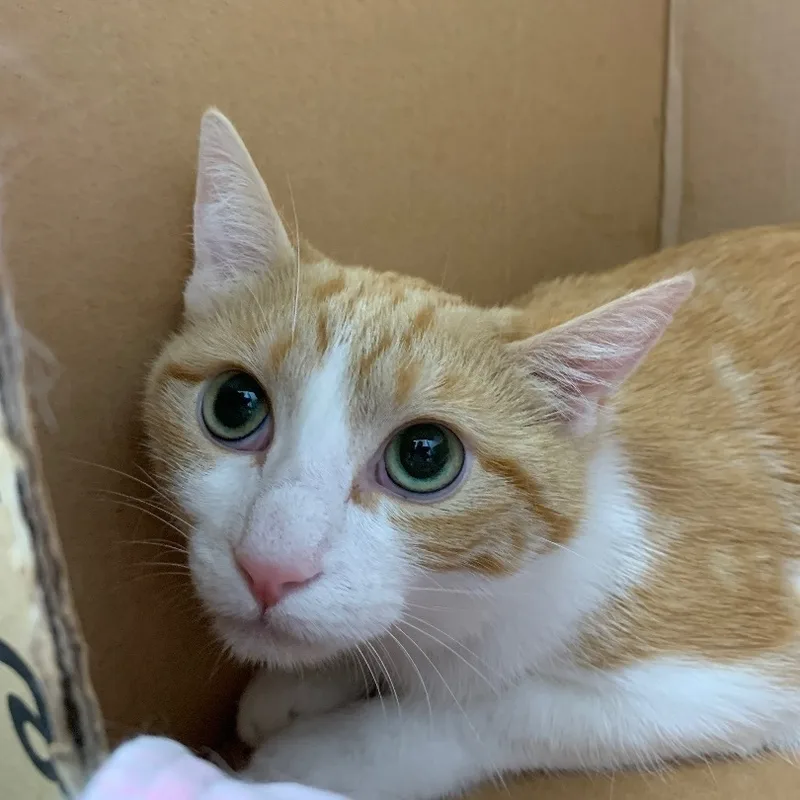
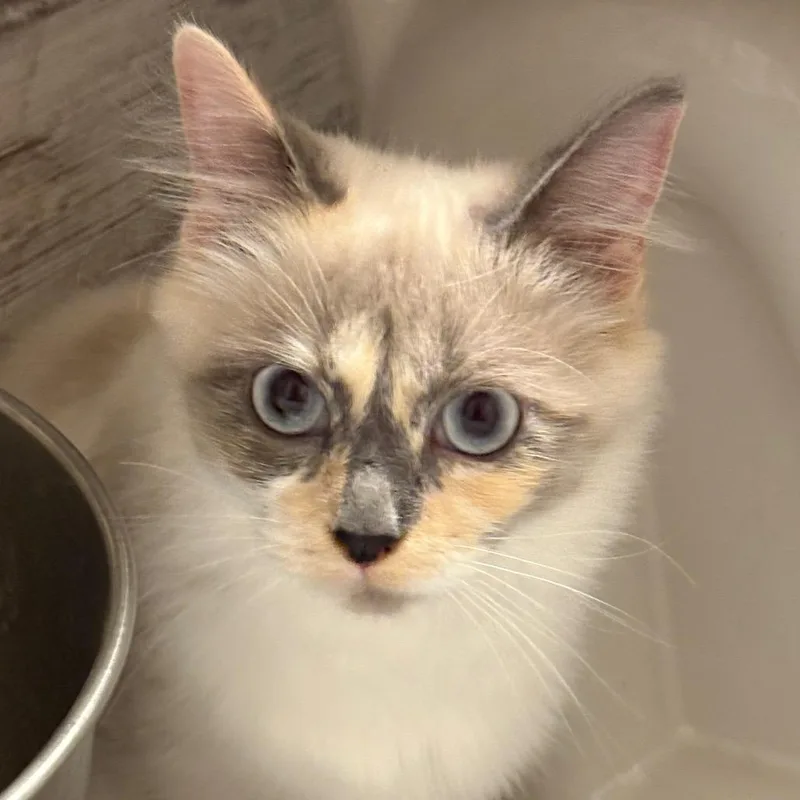
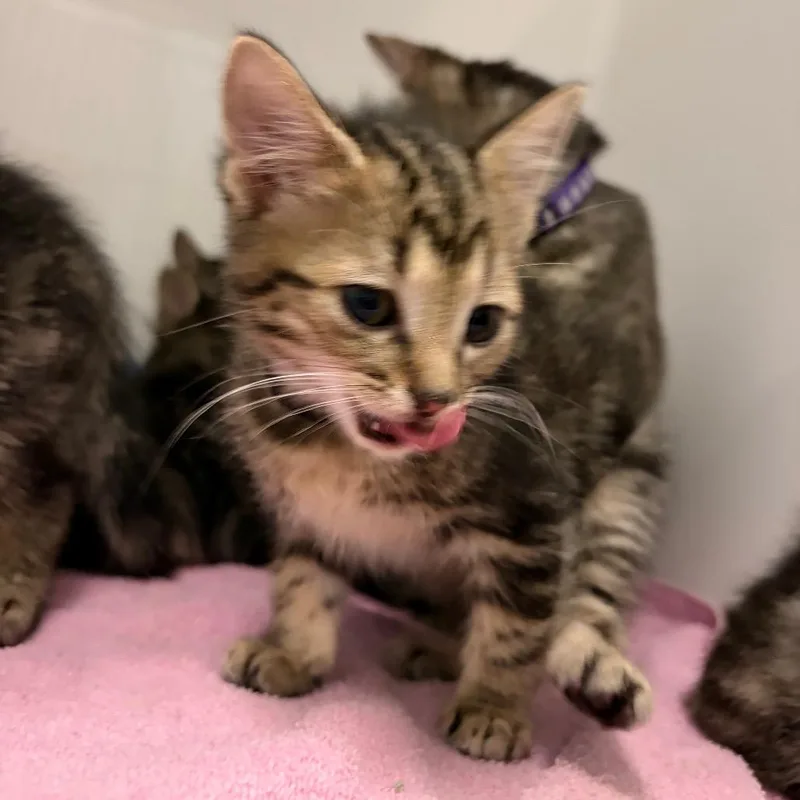
Birmen and Similar Breeds Available for Adoption Near Charleston

About the Birman breed

The Birman is a colorpointed, semi-longhaired cat with deep blue eyes and pure white "gloves" on its front paws. The modern breed took shape in France after a pair of cats arrived from Burma around 1919, and the sacred-temple story is folklore. Birmans take about three years to mature fully and settle into a sturdy, medium build of roughly 7 to 14 pounds.

In Charleston, that calm, company-loving nature suits indoor life in a river-valley city of apartments and hillside homes. The silky coat has little undercoat, so it mats less than many longhaired coats, though weekly combing keeps it smooth. Birmans vary, and a shy cat may need patience while it settles in. Expect an affectionate roommate who prefers a lap or a nearby perch to climbing the curtains.

Weight
7–14 lbs
Height
8–10 in
Lifespan
12–16 yrs
Temperament
Gentle, Affectionate, Social
Shedding
Moderate

Owning a Birman in Charleston

Having a Birman in Charleston

Birmans are soft-spoken, social cats with moderate energy and a coat that's easier to manage than most longhairs. Heart health and weight are the main medical points, and an indoor home with company suits them well in Charleston's four-season climate.

Temperament

Birmans are usually gentle, people-oriented cats that enjoy calm company and speak in soft voices. Many get along with respectful children and with other cats or cat-friendly dogs after slow introductions. Some are shy at first, and personalities vary, so watch how the cat you meet handles new people and noises.

Exercise Needs

Plan on a couple of interactive play sessions a day with wand toys, balls or puzzle feeders, since Birmans have moderate energy and gain weight easily. A cat tree by a window, where the cat can watch birds and passing neighbors, adds easy enrichment on days when ice or rain keep everyone inside.

Health Considerations

Hypertrophic cardiomyopathy has turned up in some Birmans, so a veterinarian can advise on heart screening. Weight gain is the other common concern, since extra pounds strain joints and raise diabetes risk. Annual exams, dental care and measured meals help, and rabies vaccination is required in Charleston from six months.

Living Space

Birmans adapt to apartments and houses alike, valuing company and a quiet perch over square footage. That fits Charleston's mix of older apartment buildings and hillside homes. Many dislike long stretches alone, so a household with someone home often, or another friendly pet, suits them best. Keep a Birman indoors.

What it costs to own a Birman in Charleston

ExpenseTypical costPer year
Food$25 to $50 per month$300 to $600
Pet insurance$25 to $50 per month$300 to $600
Routine vet care$150 to $350 per year$150 to $350
Other*$500 to $1,250 per year$500 to $1,250
Estimated yearly total (after year one)$1,250 to $2,800

Other costs are estimates and vary with size, age and health.

* Litter, flea and tick prevention, a dental cleaning allowance, toys and supplies, and regular combing for the semi-long coat.

Adopt a Birman in Charleston.

Now that you know more, let’s find you a new best friend. These rescues and shelters below have cats available in and near Charleston.

Rescues and Shelters in or near Charleston

A local humane association has served Charleston since 1935, and its adoptions include spay/neuter, vaccinations and a microchip. Here are the rescues & shelters in the Charleston area with cats available for adoption, worth asking whether a Birman is coming in.

Frequently Asked Questions

Yes, a Birman can live happily in a Charleston apartment. Birmans value company and a quiet perch over space, so a cat tree and a window seat go a long way. Read the lease for pet fees and rules, and plan daily play. The city's two-dog limit doesn't affect cats, though landlords may set their own caps.

Yes. No breed-specific rules for cats are known in Charleston, so a Birman is treated like any other cat. Cats six months and older need rabies vaccination, and the city has no known cat license or household cat limit. Landlords can still set pet rules, so confirm the policy before signing a lease.

Yes, a Birman does well in Charleston's climate as an indoor cat. Winters bring about 31 inches of snow and occasional ice-related power outages, while summers have about 24 days at 90°F or higher and humid stretches. Air conditioning, a warm bed and weekly combing cover most needs. Keep the cat inside year-round.

A Birman fits Charleston well if you want a calm indoor companion and are home a fair amount. It's comfortable in apartments and houses, and its soft voice rarely bothers neighbors. Plan for the weather with an outage kit and a flood plan that includes a carrier, since the city sits where two rivers meet.

A Birman needs combing about once a week, and more often during spring and fall shedding. The silky coat has little undercoat, so mats are less common, and humid Charleston summers don't change that. Home combing costs little. A professional groom is optional and falls within the $500 to $1,250 yearly Other costs, which also cover litter and dental care.

No. KRT buses don't allow pets, so a Birman can't ride along. Service animals are covered by federal law. Charleston has no subway or light rail. For vet visits, use a secure carrier in a car, or ask a friend with a car to drive you.

Unlikely, and most Birmans would rather stay home. West Virginia has no state law on pets in outdoor dining, so each Charleston restaurant sets its own policy, and indoor dining rooms generally don't allow pets. Some downtown patios welcome dogs, but a cat is a different matter, so leave the Birman comfortable at home.

A Birman is a medium-sized, semi-longhaired cat with a colorpoint pattern, deep blue eyes and distinctive white paws. The breed was developed in France from cats said to come from Burma, which is why it is sometimes called the Sacred Cat of Burma. Many Birmans are gentle, sociable and soft-spoken companions who enjoy being near their people.

No, Birman cats are not hypoallergenic. Like all cats, they produce the Fel d 1 allergen in saliva and skin, and grooming spreads it onto their fur and around the home. Their coat sheds less heavily than some longhaired breeds, but that does not remove allergens. Anyone with allergies should spend time with the specific cat before adopting.

A Birman typically costs about $1,250 to $2,800 a year in Charleston. That covers food at $25 to $50 a month, insurance at $25 to $50 a month, routine vet care at $150 to $350 a year, and other costs such as litter, prevention and dental care at $500 to $1,250 a year.

Explore Other Breeds in Charleston

Looking for a different breed? Browse other cats available for adoption in Charleston.