Tortoiseshell Cats for Adoption in Milwaukee, WI

Your guide to finding and caring for a Tortoiseshell in Milwaukee

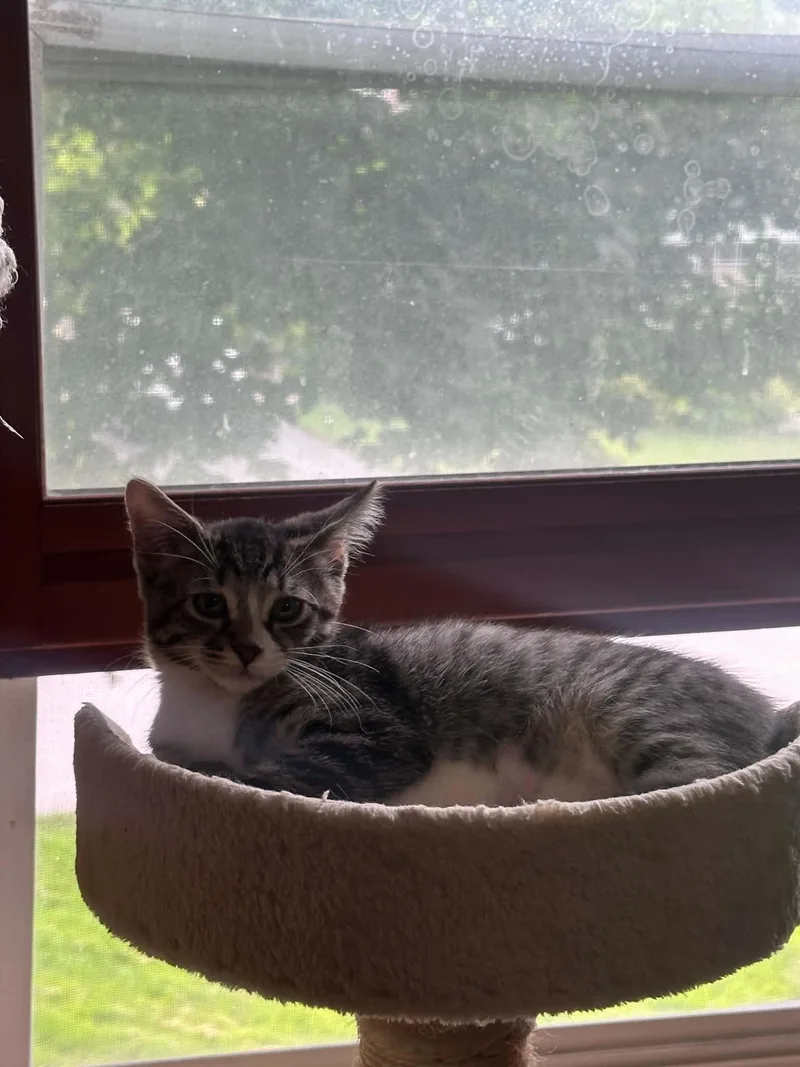
Tortoiseshell cats suit the upstairs flats and duplexes of Riverwest and Historic Mitchell Street. Tortoiseshell is a coat pattern, not a breed, so these cats come in every size and personality. Most are shorthairs who are happy with a sunny window, a cat tree and a few play sessions a day, which works well when Milwaukee winters keep everyone inside. Expect a window perch to become the most-used furniture in the flat.

960 Tortoiseshells available in Milwaukee and nationwide

Your Tortoiseshell is waiting

While we don't have enough cats near Milwaukee, keep in mind that many rescues may offer transport.

Tortoiseshells Available for Adoption Near Milwaukee

About the Tortoiseshell breed

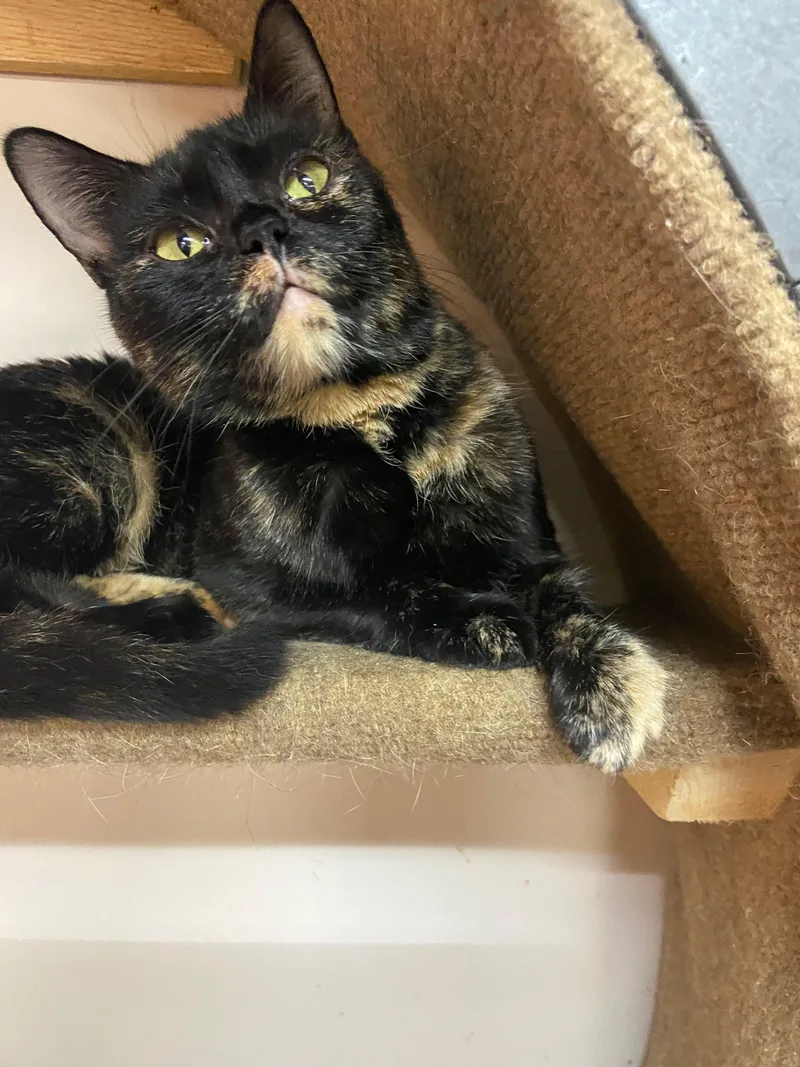
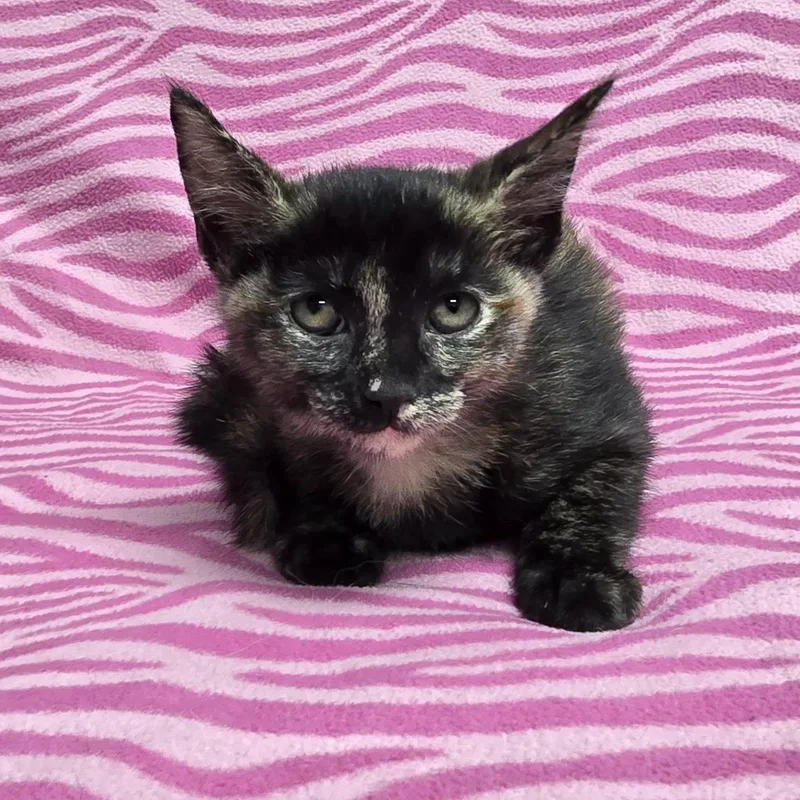
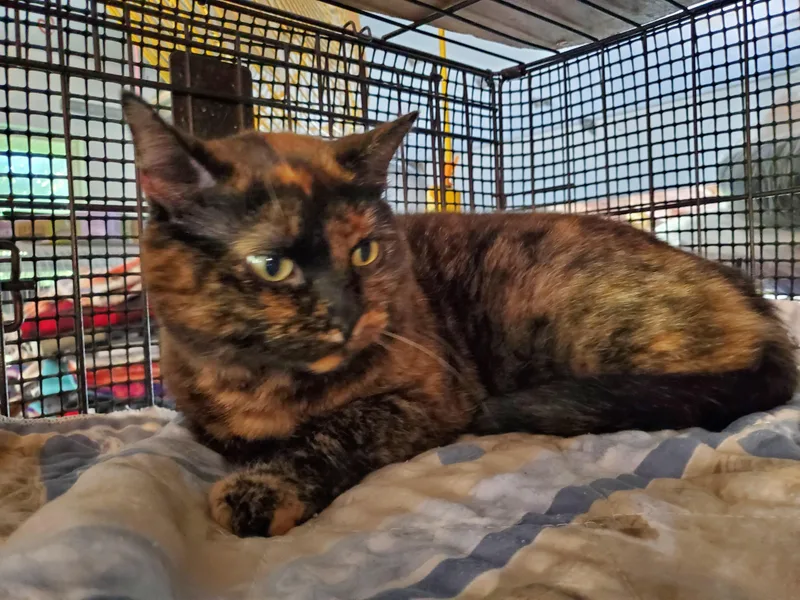
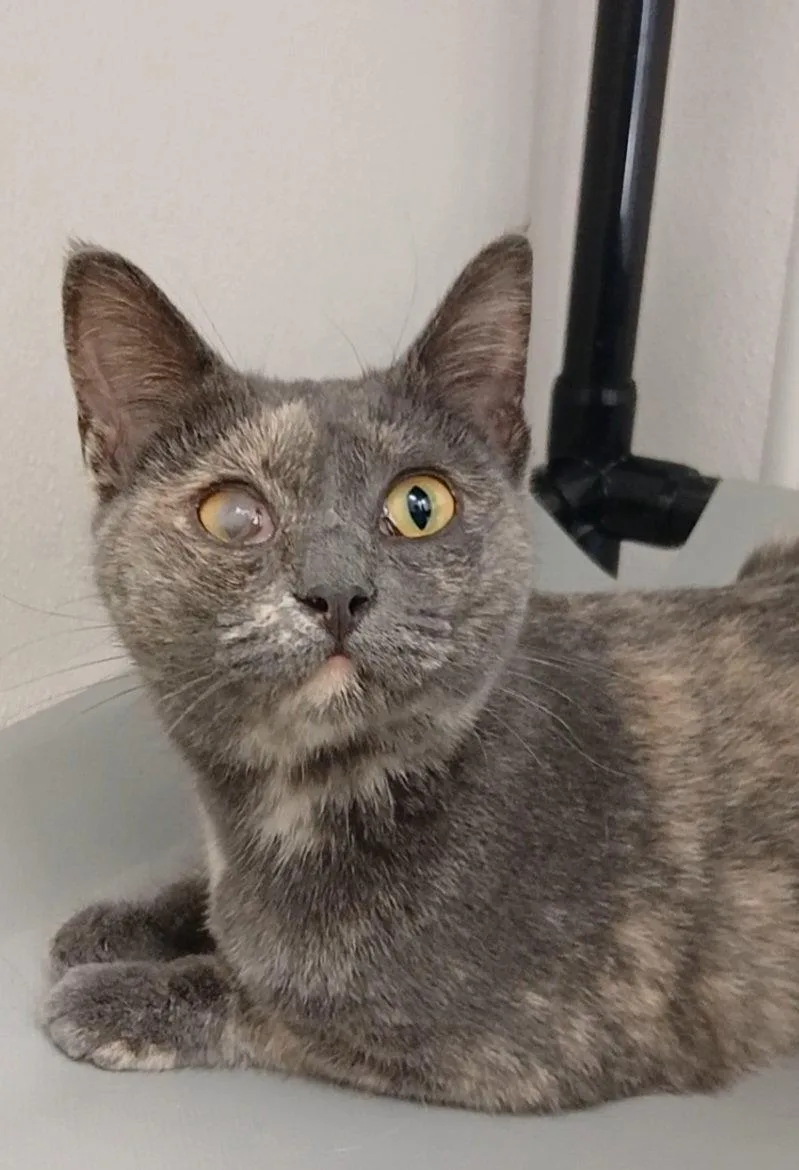
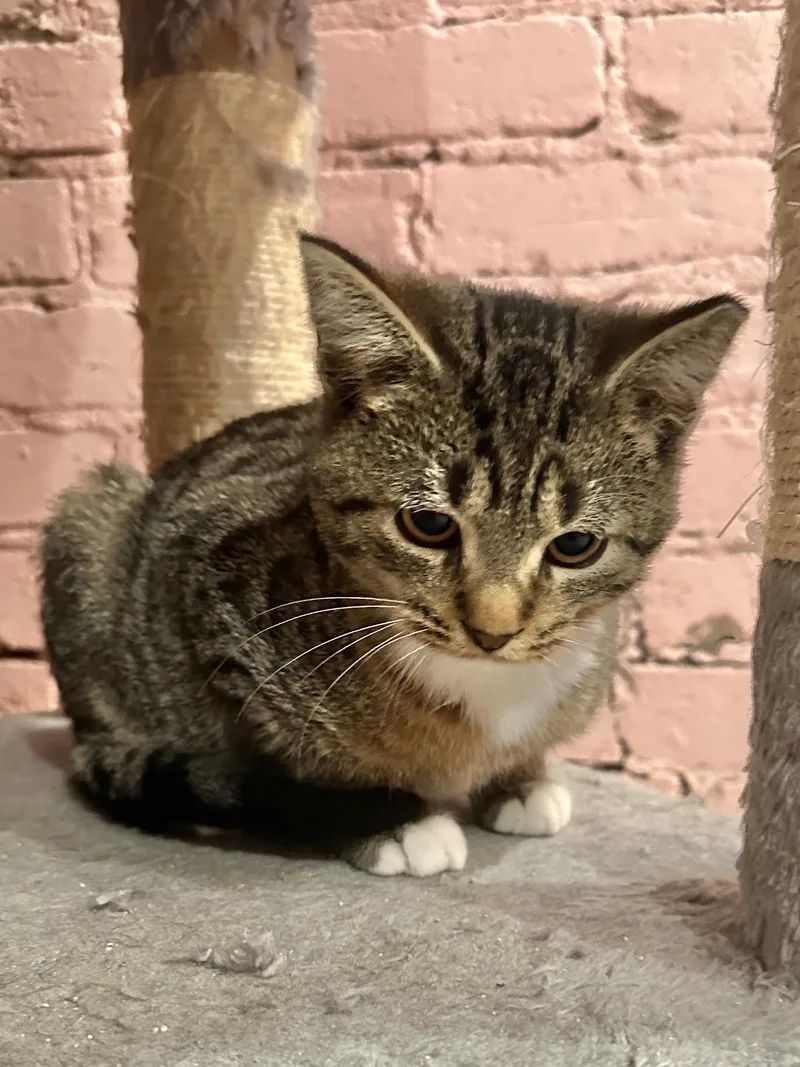
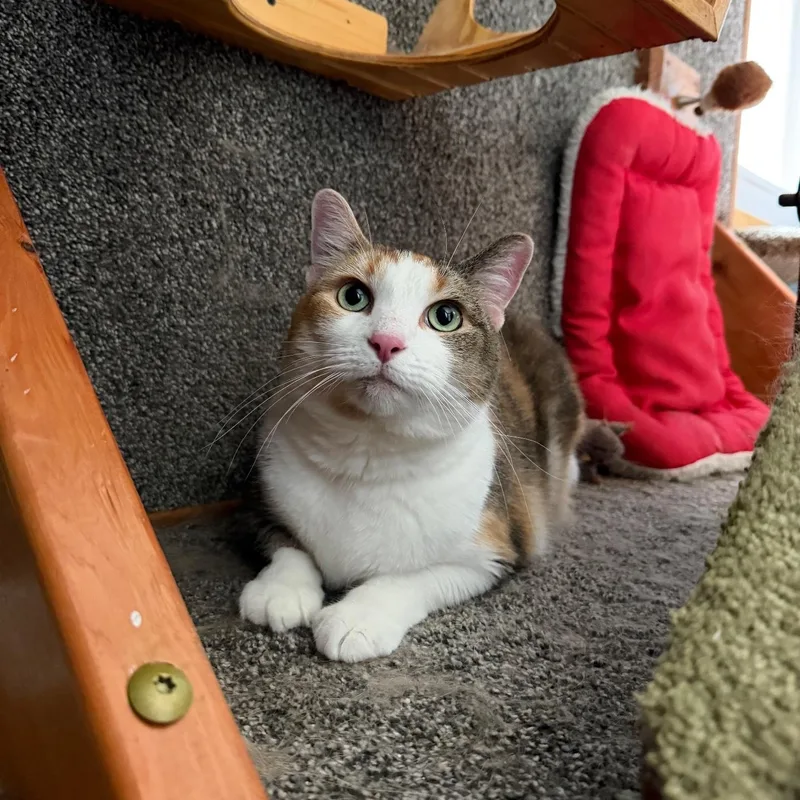
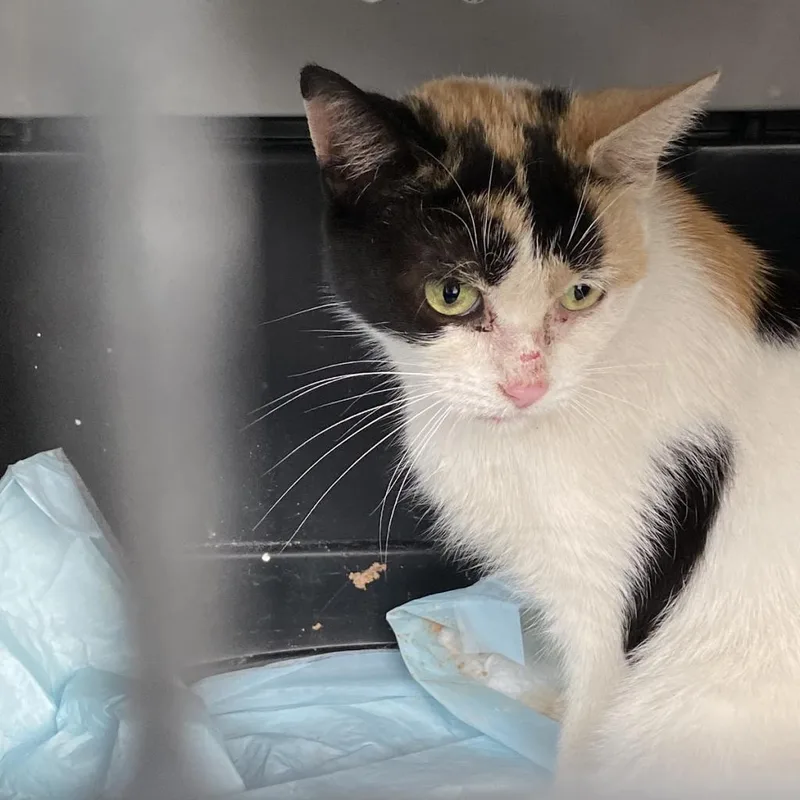
Tortoiseshell describes a coat, not a breed: black-based and orange-based patches or a fine mottled blend, usually with little white. Dilute torties look soft gray and cream, and torbies add tabby stripes. Because the orange gene rides on the X chromosome, nearly all tortoiseshells are female. Most that Milwaukee adopters meet are domestic shorthairs, though the pattern turns up in many breeds.

Personality depends on age, history and socialization, so a tortie might be a shy lap cat or a bold explorer. Expect moderate shedding, which a weekly brushing keeps under control, and a lifespan that often reaches 12 to 18 years. That's a long commitment, so think about how a cat will fit your life in a Milwaukee home over many winters.

Weight
6–14 lbs
Height
8–10 in
Lifespan
12–18 yrs
Temperament
Independent, Affectionate, Playful
Shedding
Moderate

Owning a Tortoiseshell in Milwaukee

Having a Tortoiseshell in Milwaukee

Coat color says little about a cat, so these cards describe what's typical of the domestic shorthairs most torties are. Age, history and socialization shape each cat more than the pattern does, and Milwaukee's indoor-heavy winters make home enrichment matter.

Temperament

Torties have a reputation for spirited, opinionated "tortitude," but the evidence is thin and rests mostly on owner impressions. In a Milwaukee apartment, what matters is whether the cat stays relaxed around neighbors' noise, visitors and street sounds. Cats range from shy to bold, so watch how a cat behaves around people in person.

Exercise Needs

Plan on daily interactive play, such as wand toys, chase games and puzzle feeders, with more for young cats and gentler sessions for seniors. Milwaukee winters keep cats indoors for months, so cat trees, window perches and a few short play bursts spread across the day help burn energy and prevent boredom.

Health Considerations

The tortoiseshell pattern itself doesn't bring health risks for female cats; the rare males often carry an extra X chromosome and may face additional concerns. Otherwise health follows age and ancestry. Yearly vet visits, dental care and a healthy weight matter most, and a veterinarian can check a newly adopted cat over soon after adoption.

Living Space

Tortoiseshells do well in Milwaukee's typical rentals, from upstairs flats to duplexes, as long as there are scratching posts, a cat tree and a spot to hide. Vertical space matters more than square footage. Quiet cats may prefer calmer buildings, while confident, social ones adapt to busy households.

What it costs to own a Tortoiseshell in Milwaukee

ExpenseTypical costPer year
Food$25 to $50 per month$300 to $600
Pet insurance$20 to $45 per month$240 to $540
Routine vet care$150 to $350 per year$150 to $350
Other*$462 to $1,174 per year$462 to $1,174
Estimated yearly total (after year one)$1,152 to $2,664

Other costs are estimates and vary with size, age and health.

* Litter, the Milwaukee County cat license ($12 if spayed or neutered, $24 if not), flea prevention, a dental cleaning allowance, toys and supplies, and home grooming.

Adopt a Tortoiseshell in Milwaukee.

Now that you know more, let’s find you a new best friend. These rescues and shelters below have cats available in and near Milwaukee.

Rescues and Shelters in or near Milwaukee

Milwaukee has an open-admission county shelter and private nonprofits caring for cats of every age, color and temperament. Here are the rescues & shelters in the Milwaukee area with cats available for adoption, worth asking whether a Tortoiseshell is coming in.

Frequently Asked Questions

Yes. Milwaukee has no known restrictions on cats by coat color or pattern. You'll need a yearly Milwaukee County license for any cat over five months old, backed by a current rabies certificate, and a registered microchip. Households are limited to four dogs, cats and rabbits combined unless a permit applies.

Yes, most Tortoiseshells adapt well to apartments, since a cat's space needs depend on age and temperament rather than coat. Add a cat tree, scratching posts and a window perch. Multi-family buildings in Milwaukee cap households at four dogs, cats and rabbits combined, so check your lease for pet fees too.

Often, yes, especially for people who are home some of the day and enjoy daily play. Milwaukee's long winters mean an indoor cat gets plenty of time with you. Because coat color predicts little, look at each cat's age, energy and comfort with noise and visitors before deciding.

Indoor Tortoiseshells handle Milwaukee winters comfortably. The city sees about 123 freezing nights a year and January lows near 17°F, so keep cats inside with a warm bed away from drafts. Cats left outdoors may climb into engine compartments for warmth, so tap your hood before driving.

Yes, if the cat is in a closed carrier that fits on your lap. MCTS buses, including the CONNECT 1 line, and The Hop streetcar allow animals only that way, apart from service animals. Milwaukee has no subway. Choose a secure, well-ventilated carrier and let the cat get used to it first.

Most Tortoiseshells are moderate shedders, so brushing once a week keeps a shorthair's coat tidy, and a longhaired tortie needs it a few times a week. Shedding can rise as seasons change. Home grooming is already counted in the Other cost line, and professional grooming is rarely needed.

A tortoiseshell cat is a cat with a coat pattern of black-based and orange-based colors blended or patched together, usually with little or no white. It is not a breed; the pattern appears in many breeds and most often in domestic shorthairs. Nearly all tortoiseshells are female because the genes for orange and black are carried on the X chromosome.

Almost all tortoiseshell cats are female, but not all. A female has two X chromosomes and can carry both orange and black color genes, producing the mixed coat. Males normally have only one X. Rare male torties usually have an extra X chromosome or are genetic chimeras, and they are estimated at roughly 1 in 3,000 tortoiseshells.

No, tortoiseshell cats are not rare. They are common among domestic cats and are regularly found in shelters and rescues. What is rare is a male tortoiseshell, since the pattern almost always requires two X chromosomes. Certain variations, such as long-haired or dilute torties, are less common simply because they require additional recessive genes.

Plan on roughly $1,150 to $2,650 a year for a tortoiseshell in Milwaukee. Food runs $25 to $50 a month, insurance $20 to $45 a month, routine vet care $150 to $350 a year, and other costs, including litter and the county license, $462 to $1,174 a year.