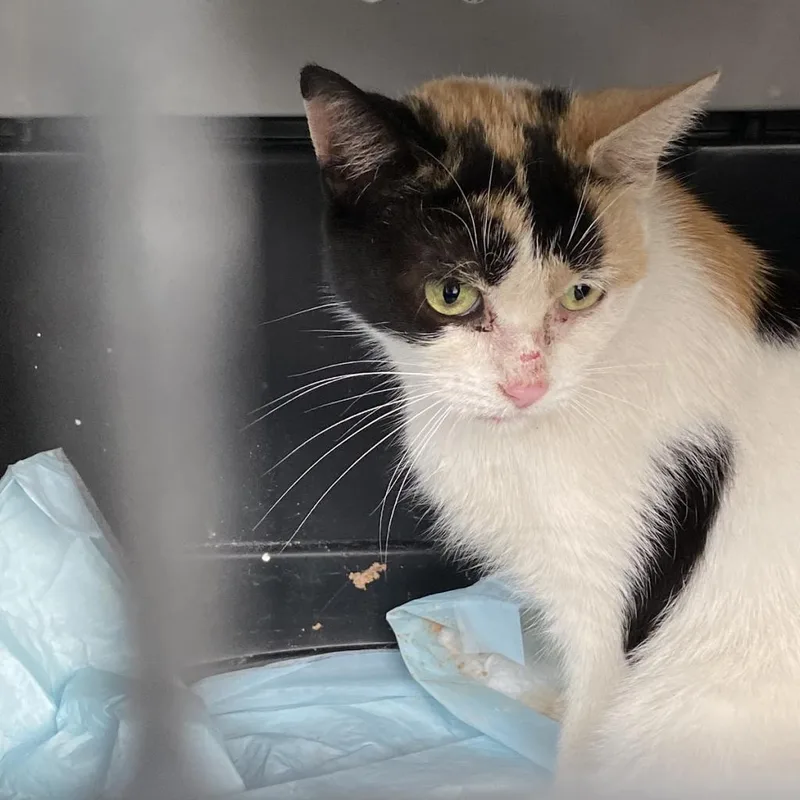
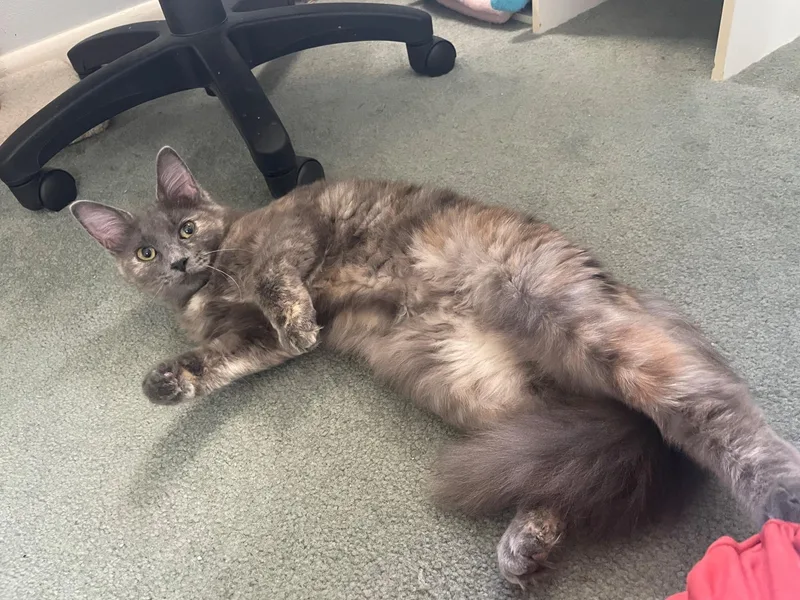
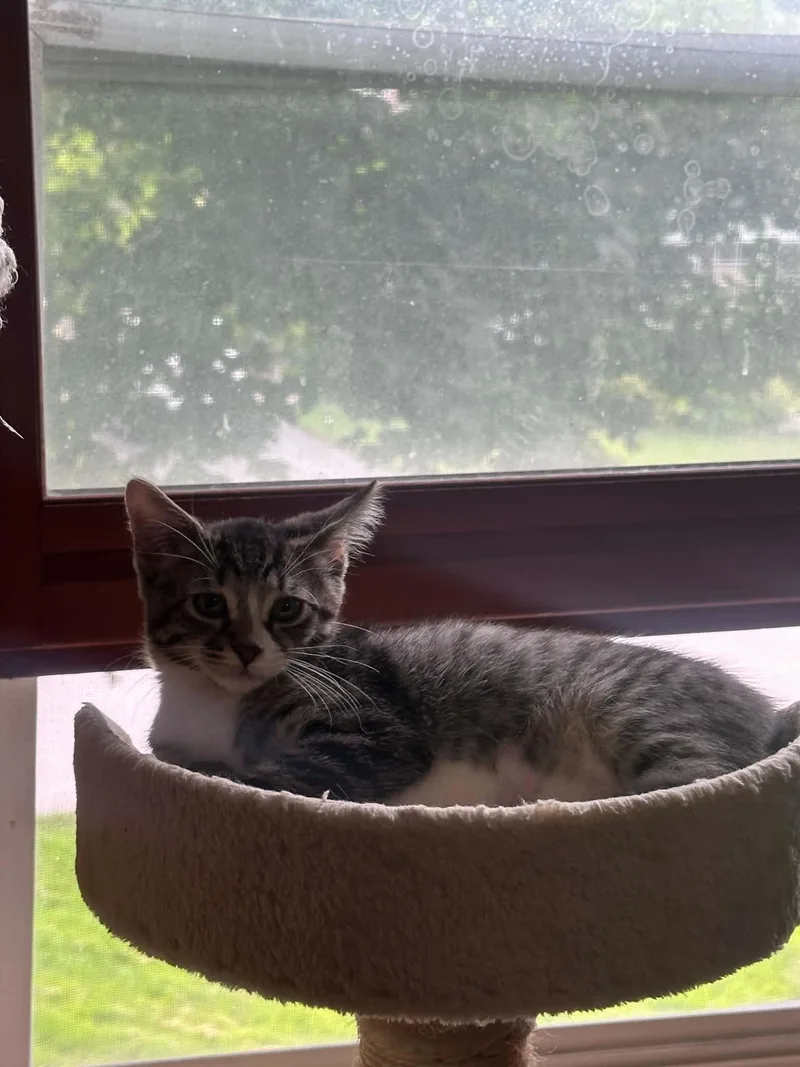
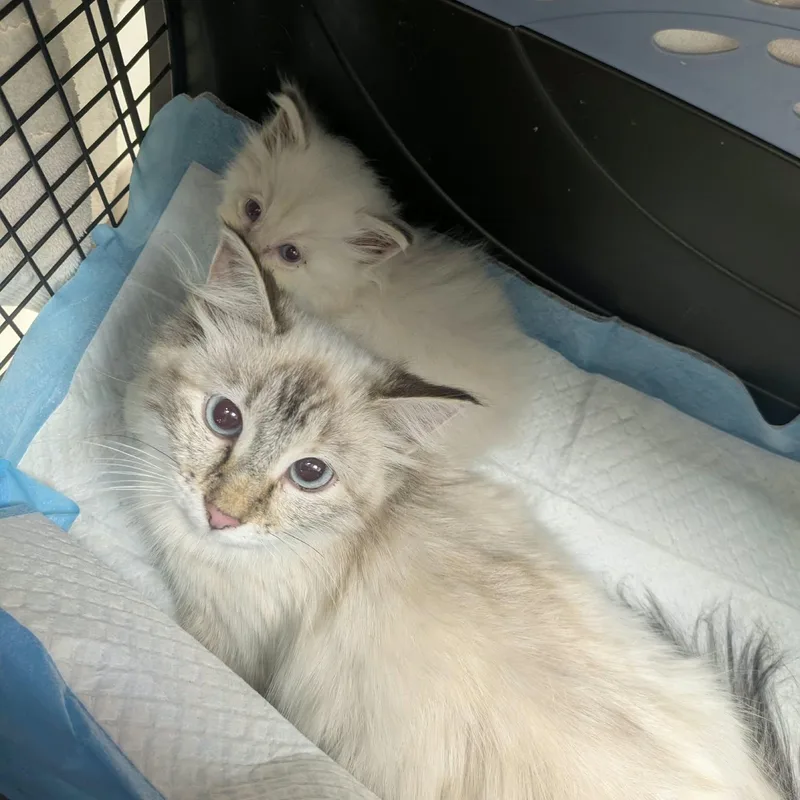
Russian Blue Cats for Adoption in Milwaukee, WI

Your guide to finding and caring for a Russian Blue in Milwaukee

Russian Blues fit well in the quieter parts of Milwaukee, like the tree-lined brick streets of Story Hill or a Riverwest duplex. They like a predictable routine and a window to watch from, and a second-floor flat overlooking the street gives them exactly that. They're reserved with visitors, so a calm household works best. Plan on daily play, since the breed loves food and gains weight easily, and put a sturdy scratching post by the front window.

709 Russian Blues available in Milwaukee and nationwide

Find your Russian Blue

While we don't have enough cats near Milwaukee, keep in mind that many rescues may offer transport.

Russian Blues Available for Adoption Near Milwaukee

About the Russian Blue breed

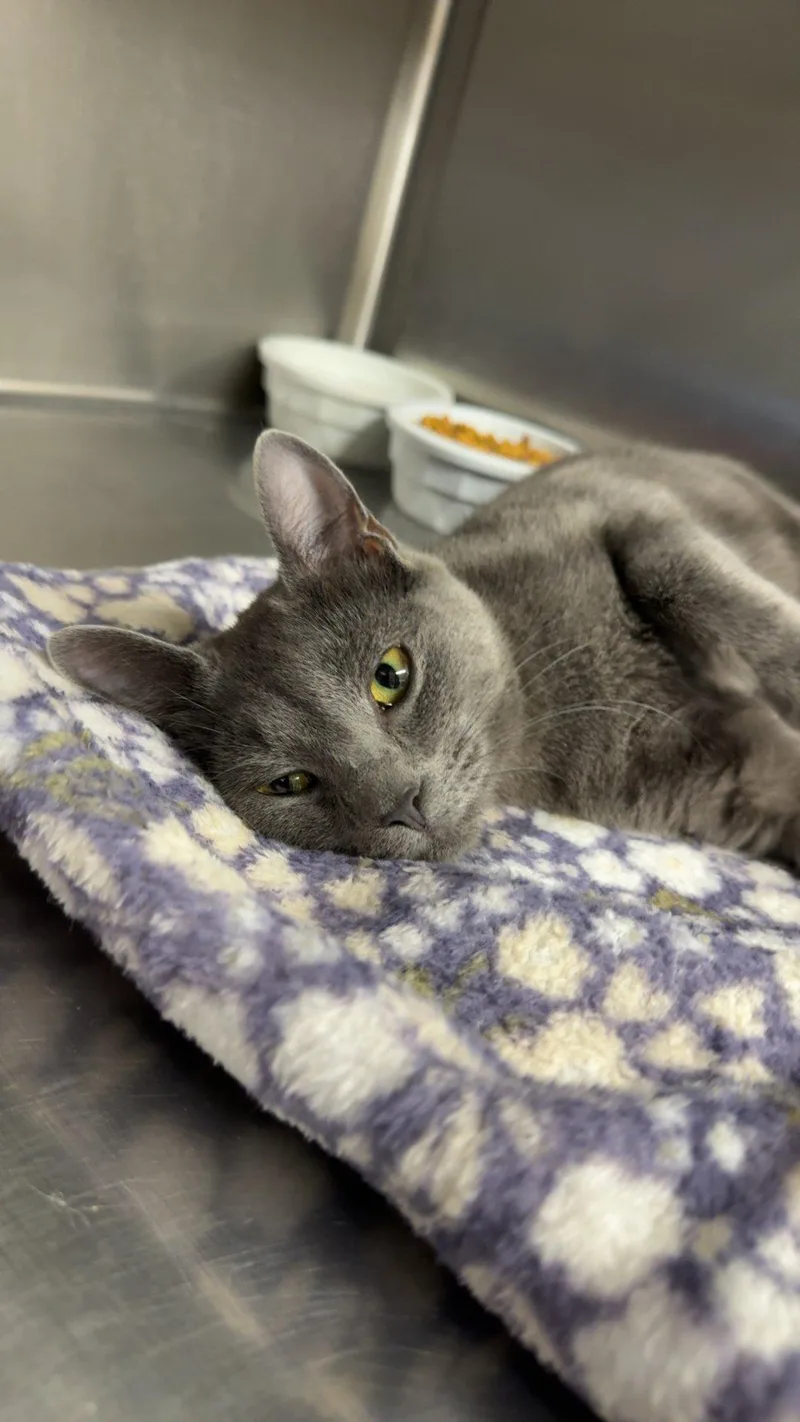
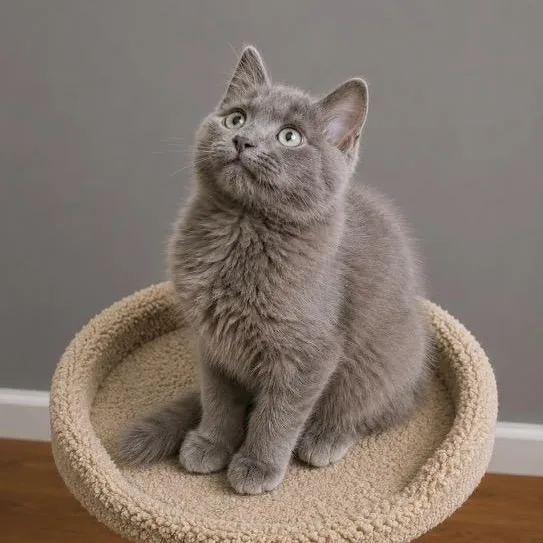
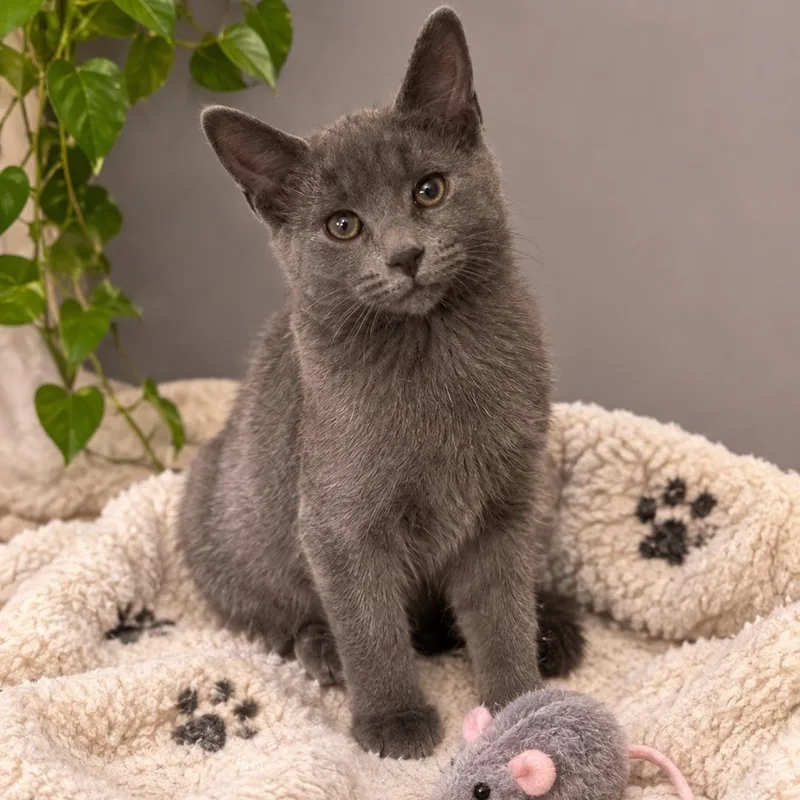
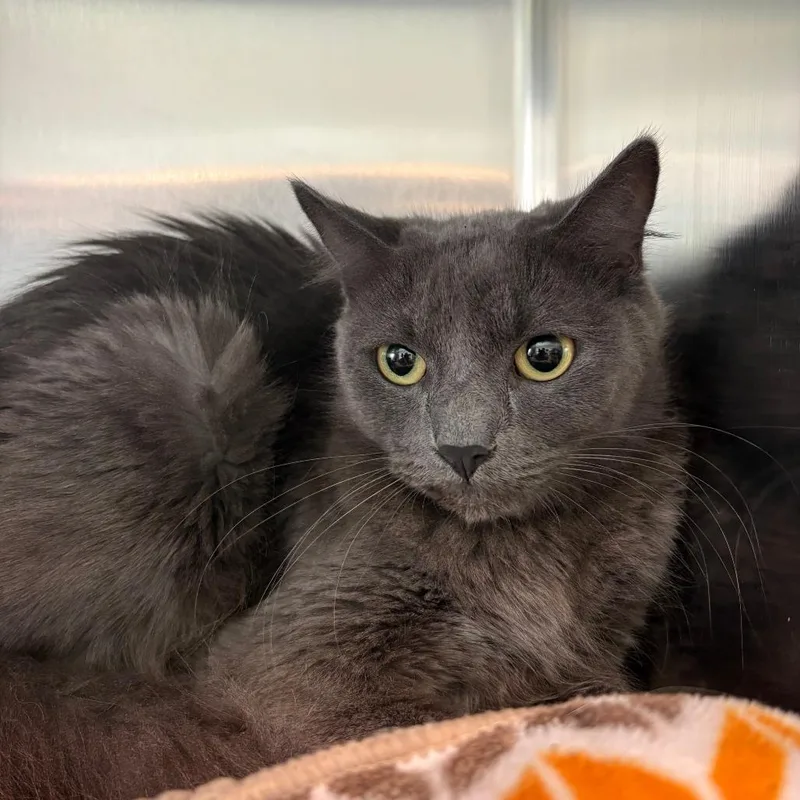
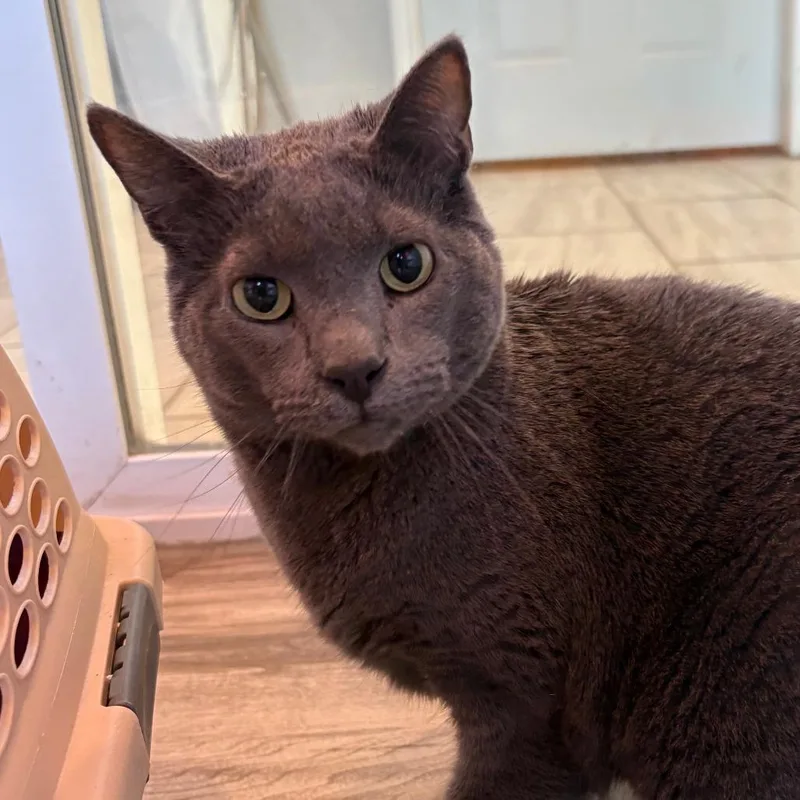
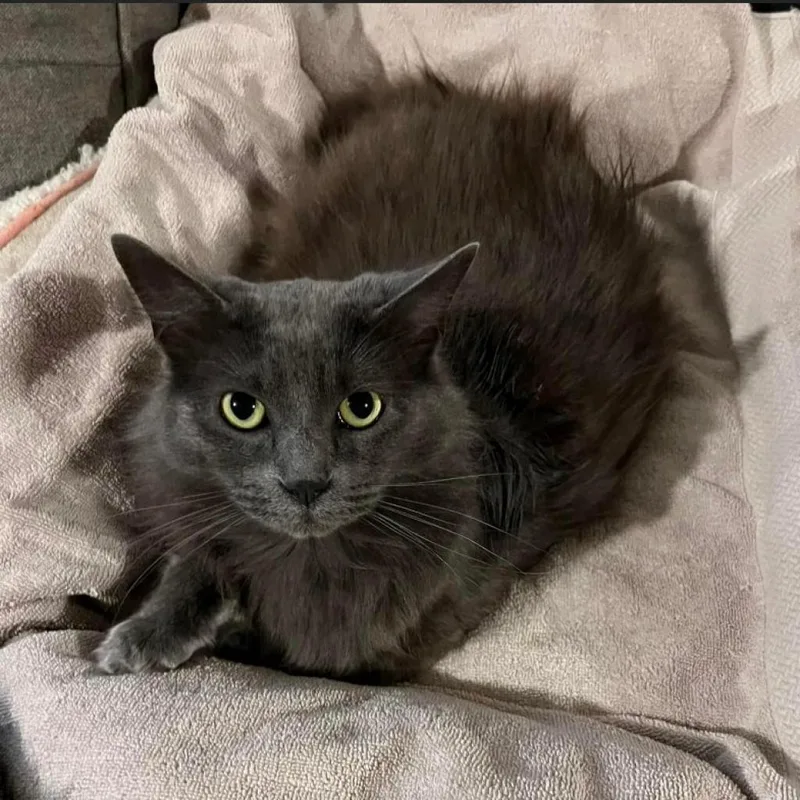
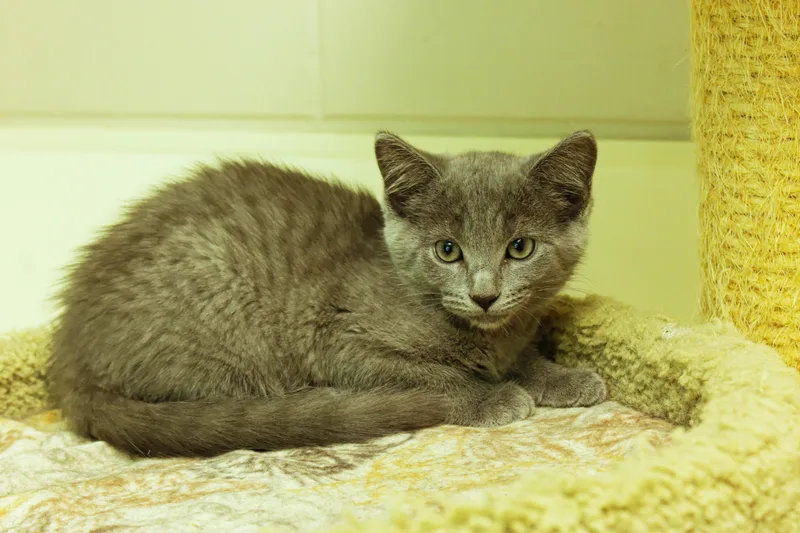
Russian Blues are slender, fine-boned shorthairs with a dense, plush double coat of even blue-grey, tipped with silver so it seems to shimmer, and vivid green eyes. The breed is believed to come from the Archangel region of northern Russia, and cats reached Britain by ship in the 1800s before the breed was refined in Britain, Scandinavia and the US.

Many are gentle, quiet and devoted to their own people while staying reserved with strangers, which suits calm Milwaukee apartments and duplexes. They like routine, notice moods and enjoy puzzle games. The short coat needs little care, but a hearty appetite calls for portion control. A grey cat isn't automatically a Russian Blue, and every cat's personality differs, so spend time with the cat before deciding.

Weight
6–12 lbs
Height
8–10 in
Lifespan
12–16 yrs
Temperament
Gentle, Quiet, Intelligent
Shedding
Low to Moderate

Owning a Russian Blue in Milwaukee

Having a Russian Blue in Milwaukee

Russian Blues pair a low-maintenance coat with a sensitive, observant nature. In a Milwaukee home, routine, noise level and a few safe perches matter more than square footage, so these traits help you picture daily life with one.

Temperament

Russian Blues are typically gentle, quiet and devoted to their families, while staying shy with newcomers. In Milwaukee flats with neighbors close by, a cat that dislikes loud noise may prefer a quiet back room. Introductions to other pets work best when slow, and each cat's history shapes how fast trust builds.

Exercise Needs

Plan on two or three short play sessions a day with wand toys, chase games and puzzle feeders, which also help control weight. Milwaukee's long winters mean most play happens indoors, so a tall cat tree by a window and a few climbing shelves give a Russian Blue room to burn energy.

Health Considerations

Russian Blues have no widely recognized breed-specific inherited disease, but like other cats they can develop dental disease, bladder stones, kidney disease and heart conditions. Their appetite makes obesity a common concern, so measure meals. A veterinarian can check the heart, teeth and weight at the first visit after adoption.

Living Space

Russian Blues usually do well in apartments and quiet houses. Milwaukee's many flats, duplexes and bungalows offer plenty of window ledges, and a cat tree beside a window gives the cat a street view. Add a covered bed or hiding spot so it can retreat when visitors or building noise pick up.

What it costs to own a Russian Blue in Milwaukee

ExpenseTypical costPer year
Food$25 to $50 per month$300 to $600
Pet insurance$25 to $50 per month$300 to $600
Routine vet care$150 to $350 per year$150 to $350
Other*$462 to $1,162 per year$462 to $1,162
Estimated yearly total (after year one)$1,212 to $2,712

Other costs are estimates and vary with size, age and health.

* The Milwaukee County cat license, litter, flea prevention, a dental cleaning allowance, toys, scratchers and other supplies, and minimal home grooming for the short coat.

Adopt a Russian Blue in Milwaukee.

Now that you know more, let’s find you a new best friend. These rescues and shelters below have cats available in and near Milwaukee.

Rescues and Shelters in or near Milwaukee

Milwaukee's rescue community includes county animal control and nonprofit groups, and cats of many kinds are waiting for adoption here. Here are the rescues & shelters in the Milwaukee area with cats available for adoption, worth asking whether a Russian Blue is coming in.

Frequently Asked Questions

Yes. Milwaukee has no breed-specific rules, so a Russian Blue is treated like any other cat. You'll need a county license for any cat over five months old, a current rabies certificate and a registered microchip. Households are capped at four dogs, cats and rabbits combined without a permit, and apartments allow no more than four.

Yes, as indoor cats. A Russian Blue's dense double coat copes well with cool rooms, and Milwaukee winters bring lows near 17°F, about 49 inches of snow and many freezing nights. Keep the cat inside, give it a warm bed away from drafty windows, and use a microchip and tag in case it slips out the door.

Yes, in a carrier. MCTS buses, including CONNECT 1, and The Hop streetcar allow animals only in a closed pet carrier that fits on your lap, aside from service animals. A Russian Blue weighs about 6 to 12 pounds, so choose a carrier it can settle into comfortably, and check current MCTS fares before riding.

Yes, Russian Blues usually do well in apartments because they value calm routines over space. Give the cat a window perch, a cat tree and a hiding spot to cope with hallway noise. Milwaukee apartments cap households at four dogs, cats and rabbits combined, and a lease may add pet rent or fees, so read it before moving in.

Often, for a quiet household. Russian Blues are reserved, like routine and stay indoors, which suits Milwaukee's long winters. The loud spots are fireworks, which are illegal in the city but still set off around July 4, when a nervous cat needs a quiet room. Daily play keeps its weight down through the indoor months.

Very little. Brush a Russian Blue's short, dense coat once or twice a week, more often in spring and fall when it sheds. Trim nails every few weeks and brush teeth if the cat allows it. Professional grooming is rarely needed, so it adds little to the Other costs of $462 to $1,162 a year.

Russian Blue cats are often gentle, quiet and deeply attached to their families, while staying reserved with strangers. Many like predictable routines, follow favorite people around and enjoy interactive games that test their intelligence. They tend to be sensitive to household mood and noise. Personality varies, so a foster's description of an individual cat is the best guide.

A Russian Blue is a medium-sized shorthaired cat with a dense, plush blue-grey coat tipped in silver, vivid green eyes and a slender, graceful build. The breed is thought to come from northern Russia. Many Russian Blues are quiet, intelligent and loyal to their people, though often shy around visitors until they feel comfortable.

No, Russian Blue cats are not hypoallergenic. They produce the Fel d 1 allergen like other cats, even though their dense coat may shed less noticeably than some breeds. Claims that they cause fewer allergy symptoms are anecdotal rather than proven. People with allergies should spend extended time with the specific cat before adopting.

Plan on roughly $1,200 to $2,700 a year for a Russian Blue in Milwaukee. That covers food at $25 to $50 a month, insurance at $25 to $50 a month, routine vet care of $150 to $350 a year, and $462 to $1,162 a year for litter, prevention, dental care, supplies and the county license.