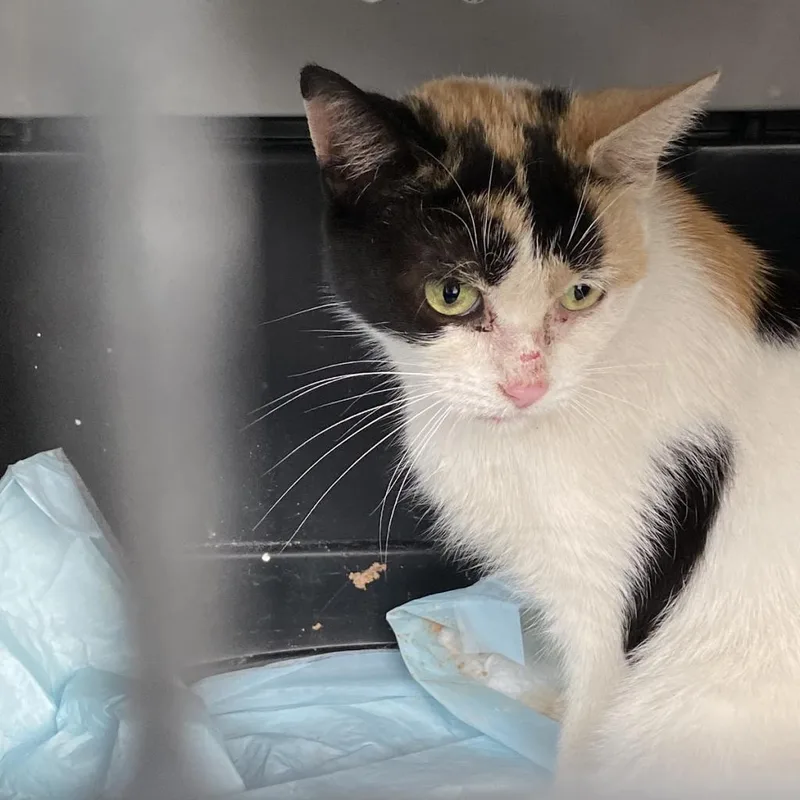
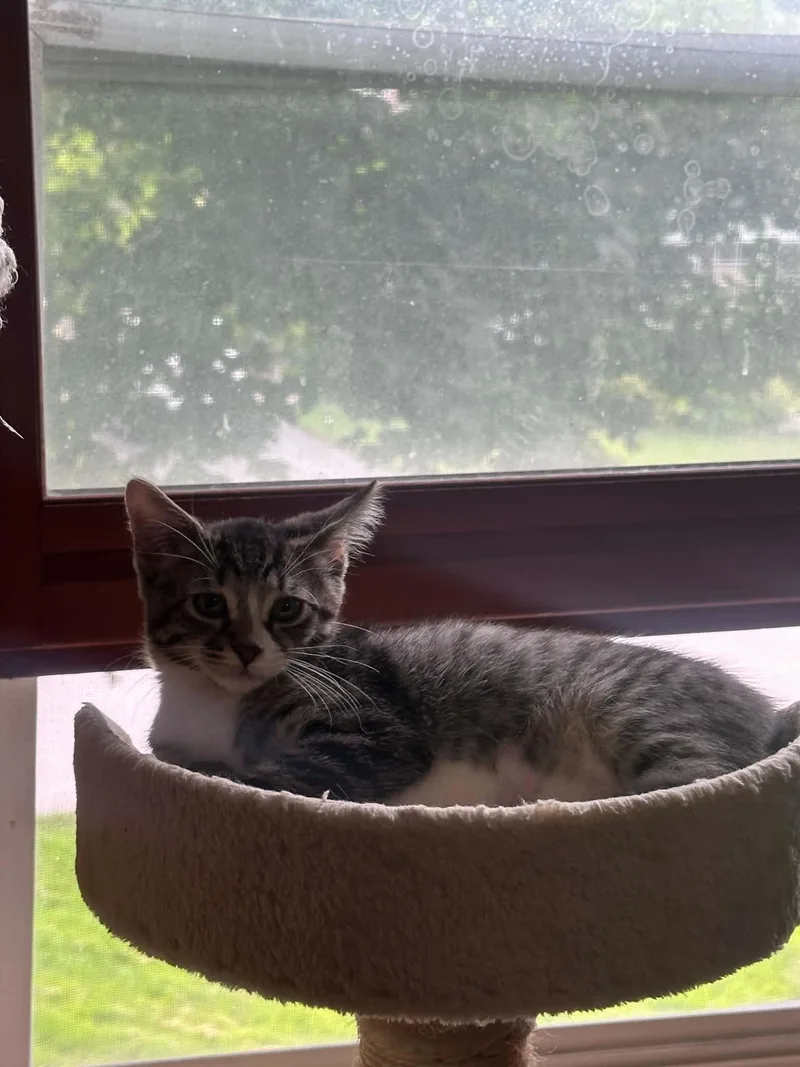
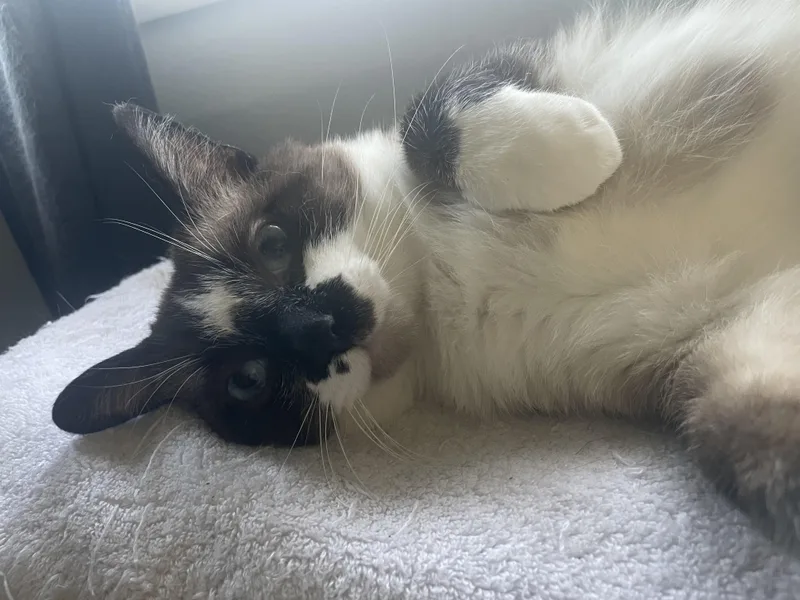
Havana Cats for Adoption in Milwaukee, WI

Your guide to finding and caring for a Havana in Milwaukee

A Havana suits Milwaukee's duplexes and flats well, since this cat cares more about company than square footage. In Riverwest or Bay View, where bungalows and old workers' cottages come with deep windowsills, a Havana will happily supervise the street from a perch and follow you from room to room. They're chatty in a soft voice and love puzzle toys, so they do best when someone's home part of the day. Because the breed is rare, brown shorthairs and Havana mixes are the likelier match.

2798 cats similar to Havana available in Milwaukee and nationwide

Give a Havana Brown a home

While we don't have enough cats near Milwaukee, keep in mind that many rescues may offer transport.

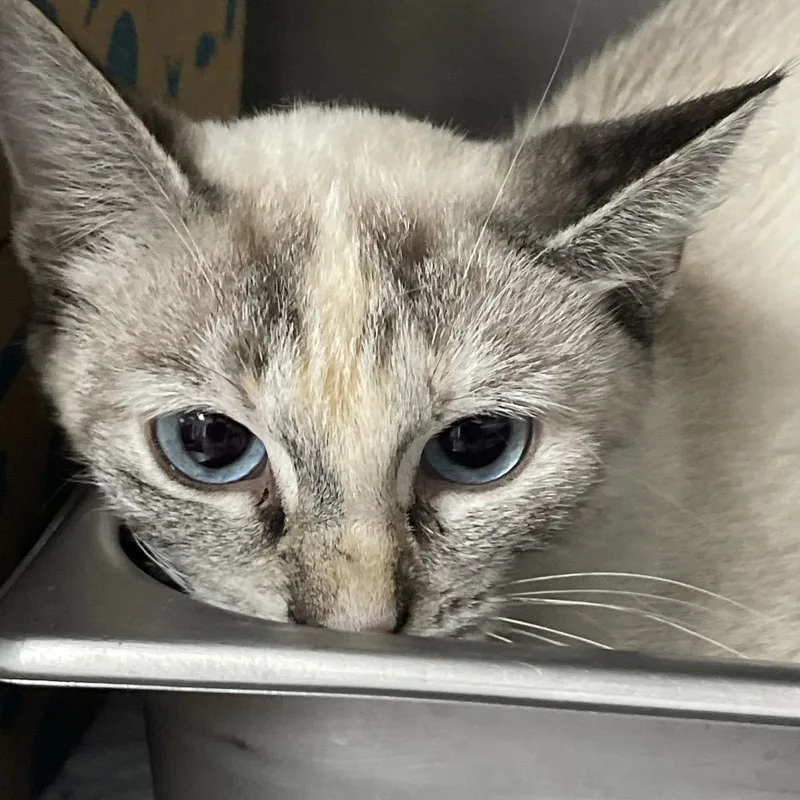
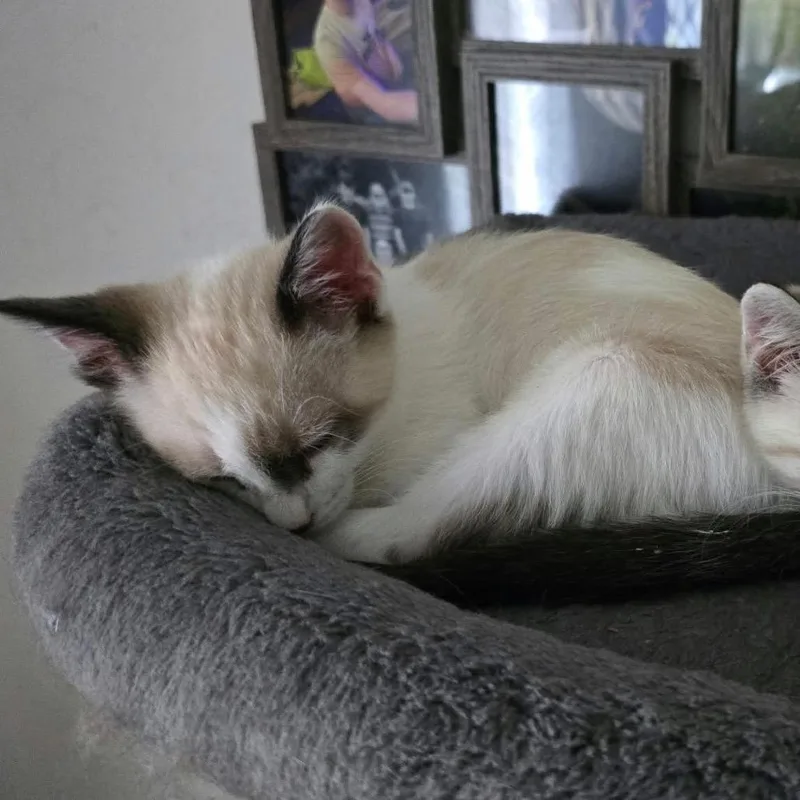
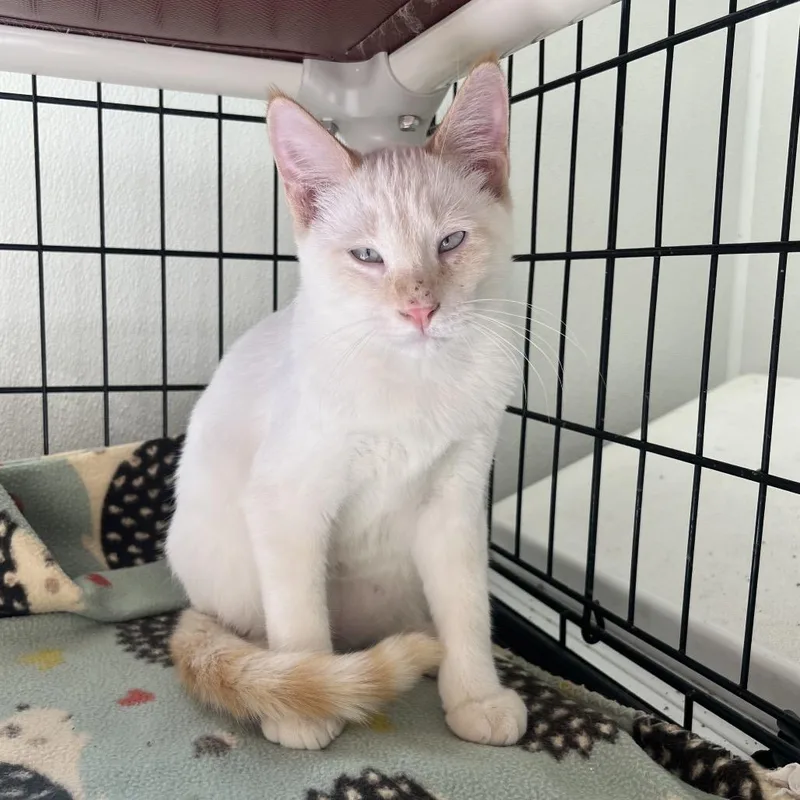
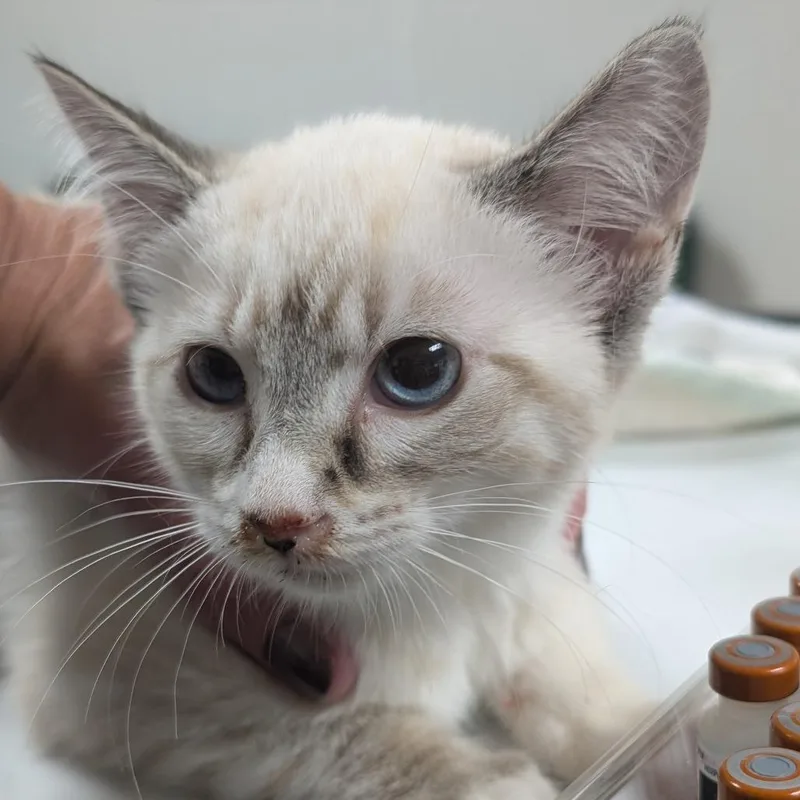
Havanas and Similar Breeds Available for Adoption Near Milwaukee

About the Havana breed

The Havana, called the Havana Brown by some registries, began in 1950s Britain, when chocolate-carrying Siamese were paired with black domestic shorthairs. The result is a medium, muscular cat with a warm chocolate coat, brown whiskers, green eyes, large forward-tilted ears and a squared-off muzzle. Most weigh 6 to 10 pounds and live 10 to 15 years.

Havanas are curious and people-focused, and many reach out with a paw to investigate whatever you're doing. Their voice is softer than a Siamese's. The short coat sheds little and needs only occasional brushing, though their gums deserve attention. The breed is genuinely rare, so in Milwaukee you're more likely to meet a brown shorthair or a Havana mix, and those cats can vary in personality.

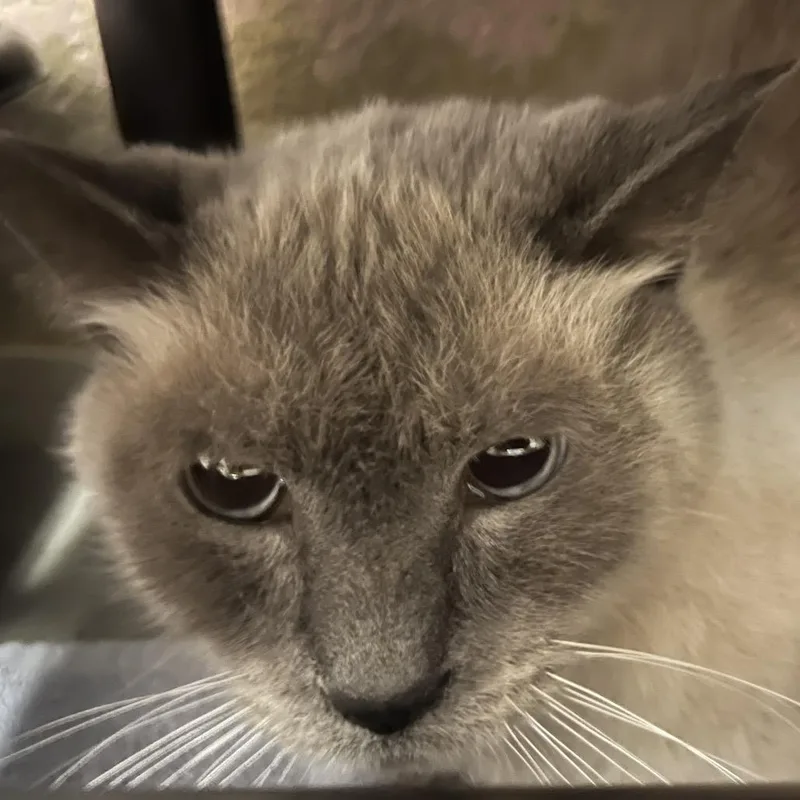
Weight
6–10 lbs
Height
9–11 in
Lifespan
10–15 yrs
Temperament
Social, Curious, Affectionate, Playful
Shedding
Low

Owning a Havana in Milwaukee

Having a Havana in Milwaukee

A Havana pairs a low-maintenance coat with a strong need to be involved. In Milwaukee, that mostly means planning indoor enrichment for a long winter and making sure someone is around for company. Each cat's own personality counts for more than the breed label.

Temperament

Havanas are often affectionate and interactive, greeting visitors with interest and trailing family members from room to room. Many get along with considerate children and calm dogs. Because they're so people-oriented, some get lonely during long workdays, so a second friendly cat may help. Spend time with a cat before deciding, since behavior varies.

Exercise Needs

Plan on two or three short play sessions a day with wand toys, balls and puzzle feeders. Milwaukee's long winter keeps cats indoors anyway, so a tall cat tree, a window perch and a little fetch or trick training give a curious Havana plenty to do. Rotating toys every week keeps them interesting.

Health Considerations

No breed-specific genetic disease is well documented, though gum inflammation may be somewhat more common, so dental care matters. The breed's small gene pool means records are limited, so schedule a checkup soon after adoption and ask your veterinarian about screening. Keep rabies vaccination current, since Milwaukee County requires proof of it for licensing.

Living Space

Havanas adapt to flats, duplexes and houses alike, because company and enrichment matter more than space. Add a window perch for watching the street, a sturdy cat tree and a couple of hiding spots. Many do best with someone home for part of the day, or with a friendly companion pet.

What it costs to own a Havana in Milwaukee

ExpenseTypical costPer year
Food$25 to $50 per month$300 to $600
Pet insurance$25 to $50 per month$300 to $600
Routine vet care$150 to $350 per year$150 to $350
Other*$462 to $1,174 per year$462 to $1,174
Estimated yearly total (after year one)$1,212 to $2,724

Other costs are estimates and vary with size, age and health.

* The $12 to $24 Milwaukee County cat license, litter, flea prevention, a dental cleaning allowance, toys, scratchers and other supplies, and minimal home grooming for the short coat.

Adopt a Havana in Milwaukee.

Now that you know more, let’s find you a new best friend. These rescues and shelters below have cats available in and near Milwaukee.

Frequently Asked Questions

Yes. Milwaukee has no breed-specific cat rules. You'll need a county license for any cat over five months old, a registered microchip, and no more than four dogs, cats and rabbits combined. Havanas are rare, so watch the listings on this page, browse similar breeds and nearby cities, or save a search to hear about new cats.

A Havana fits Milwaukee well if you want a social, indoor companion and are home for part of the day. The short coat handles dry winter air easily, and the cat's curiosity thrives in a city flat with a good window. It's a weaker match if the household is empty for long days.

Yes. At roughly 6 to 10 pounds, a Havana needs enrichment more than space, so a window perch, a cat tree and daily play go a long way. Its soft voice rarely causes trouble with neighbors. Confirm your lease allows cats and ask about any pet deposit or monthly pet rent before signing.

Yes, as long as they live indoors. A Havana's short coat gives little protection against Milwaukee's freezing nights, but a warm bed, a spot away from drafts and a heated pet pad keep the cat comfortable. Dry indoor air can make skin itchy, so brush regularly and keep fresh water available.

Very little. A Havana's short coat needs a quick weekly brushing, a bit more in spring when shedding picks up. Add nail trims and regular tooth care, since gum inflammation can be a concern. Professional grooming is rarely necessary, so grooming adds little beyond the minimal home-care costs already counted in the Other line.

Yes, but only in a carrier. MCTS buses, including CONNECT 1, and The Hop streetcar allow pets only in a closed carrier that fits on your lap. A Havana at 6 to 10 pounds usually fits a standard carrier, which also makes vet trips easier. Current fares are listed with MCTS.

A Havana cat, also called the Havana Brown, is a rare shorthaired breed developed in Britain in the 1950s from Siamese and black domestic cats. It is recognized by its rich chocolate-brown coat, brown whiskers, green eyes and distinctive muzzle. Havanas tend to be social, curious and people-focused, and few are available, so brown shorthaired mixes are more common in shelters.

Expect roughly $100 to $225 a month for a Havana in Milwaukee, or about $1,200 to $2,700 a year, once everything is counted. Food and insurance each run $25 to $50 a month, routine vet care $150 to $350 a year, and other costs $462 to $1,174 a year.