Tortoiseshell Cats for Adoption in Seattle, WA

Your guide to finding and caring for a Tortoiseshell in Seattle

A tortoiseshell cat suits Seattle's apartment buildings well, since most torties are happy living indoors. In Belltown or Wallingford, a window perch over the street is often all the entertainment a tortie needs, with a wand-toy session in the evening. Coat color doesn't set personality, so torties here run from shy to bold. Seattle's drizzly afternoons make playtime at home an easy habit to build. Think of a tortie here as a long-term indoor companion, often for 12 to 18 years.

960 Tortoiseshells available in Seattle and nationwide

Your Tortoiseshell is waiting

Tortoiseshells Available for Adoption Near Seattle

About the Tortoiseshell breed

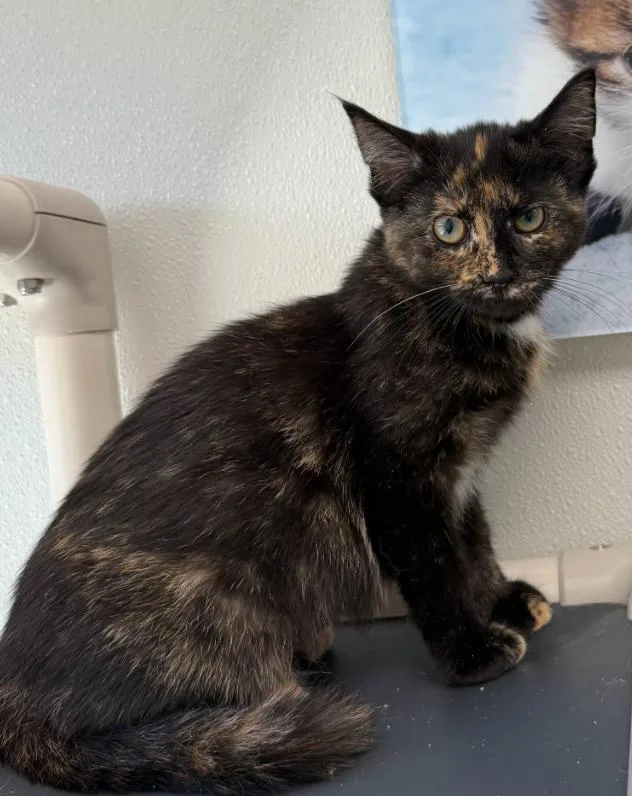
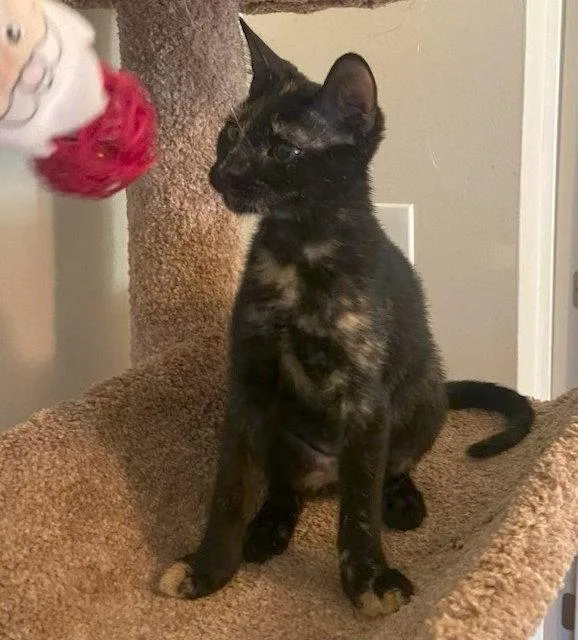
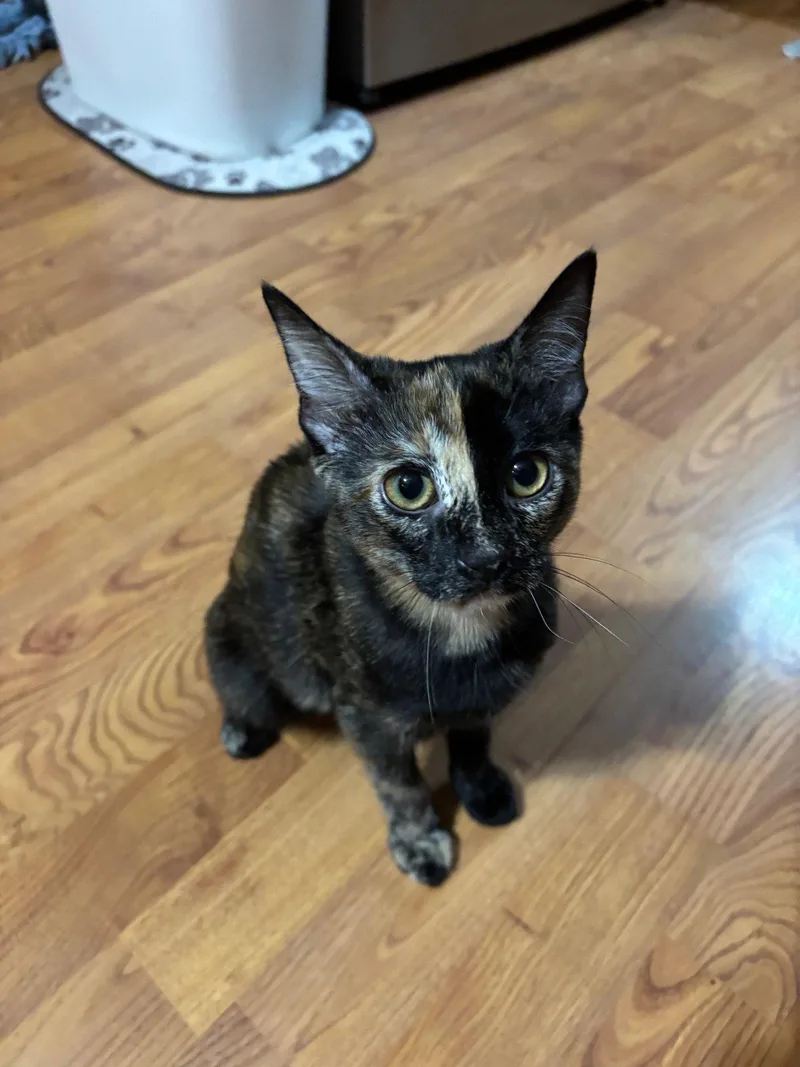
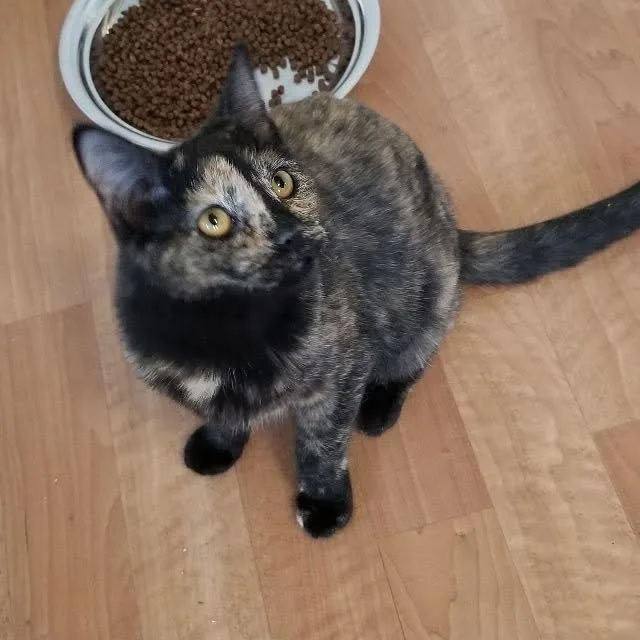
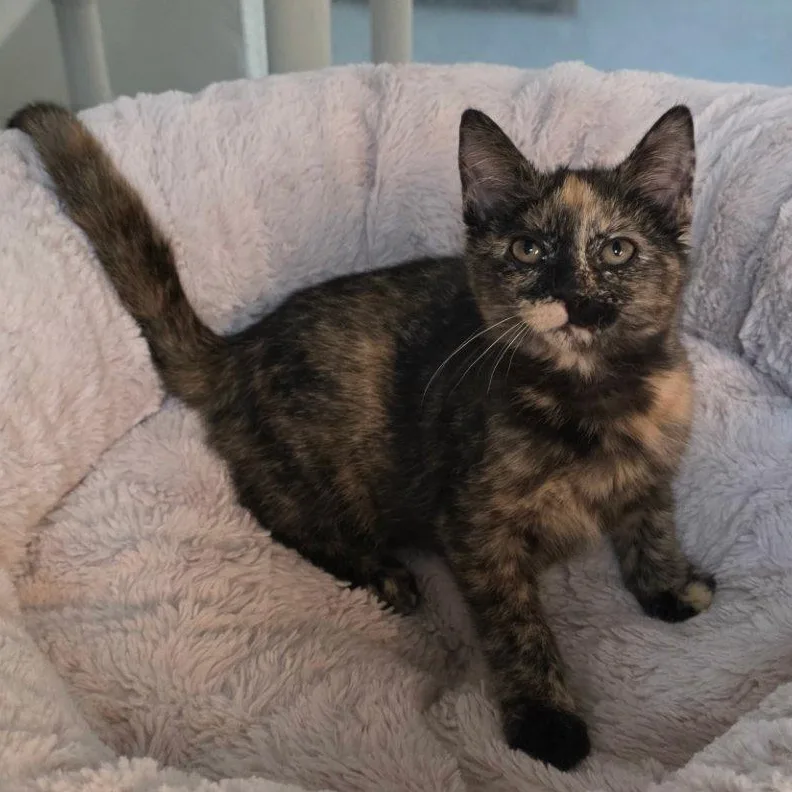
Tortoiseshell is a coat pattern rather than a breed. The coat blends black-based and orange-based colors in patches or a fine mottle, usually with little white. Add large white areas and the cat is called a calico. Because the orange gene sits on the X chromosome, nearly all torties are female. Most are domestic shorthairs, though the pattern turns up in many breeds.

The "tortitude" reputation for spirited, opinionated cats is folklore more than fact. A tortie's age, history and socialization say far more than coat color, and torties come in every temperament. Expect moderate shedding and a medium frame of roughly 6 to 14 pounds, so a tortie fits most homes.

Weight
6–14 lbs
Height
8–10 in
Lifespan
12–18 yrs
Temperament
Independent, Affectionate, Playful
Shedding
Moderate

Owning a Tortoiseshell in Seattle

Having a Tortoiseshell in Seattle

Tortoiseshell describes a coat, not a breed, so these cards cover what's typical of the domestic cats most torties are. In Seattle, the practical questions are indoor enrichment, rainy-season routines and apartment living rather than anything about color.

Temperament

Torties are known for big personalities, but that reputation rests mostly on owner impressions. Seattle torties vary as much as cats anywhere: some bold, some shy, some lap-seekers. In a busy apartment building, a calm cat with quiet corners and a high perch often settles best. Watch how a cat reacts to handling and noise.
Exercise Needs

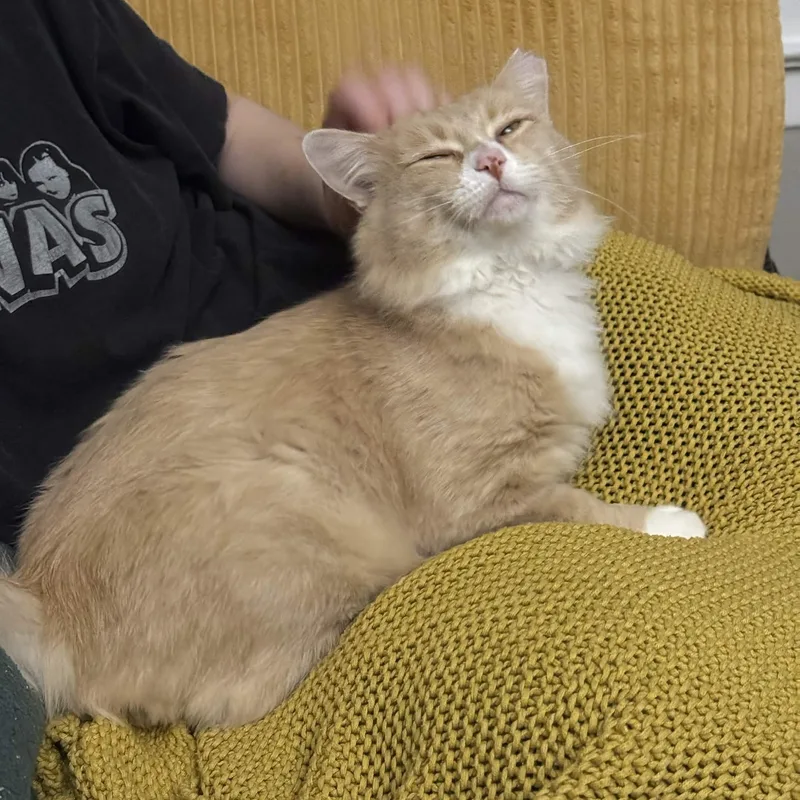
Plan on daily play with wand toys, chase games and puzzle feeders. Seattle's wet months keep most cats indoors anyway, so a cat tree by a window and two short play sessions a day cover a lot. Kittens and young adults need more activity, while seniors enjoy gentler games.

Health Considerations

The tortie pattern carries no special health risks for females, while the rare males usually have an extra X chromosome and may face added issues. Otherwise health follows age and care: yearly exams, dental care and a healthy weight. Coyotes live in many Seattle green spaces, so indoor living is safest.

Living Space

Torties do well in houses and apartments alike, and Seattle has plenty of both, from Belltown towers to Craftsman bungalows. Vertical space matters most: a cat tree, a window perch and a sturdy scratching post. Cats that prefer quiet may enjoy a calm building more than a lively one.

What it costs to own a Tortoiseshell in Seattle

ExpenseTypical costPer year
Food$25 to $50 per month$300 to $600
Pet insurance$20 to $45 per month$240 to $540
Routine vet care$150 to $350 per year$150 to $350
Other*$480 to $1,180 per year$480 to $1,180
Estimated yearly total (after year one)$1,170 to $2,670

Other costs are estimates and vary with size, age and health.

* Litter, flea prevention, a dental cleaning allowance, toys and supplies, home grooming, and the $30 Seattle license for a spayed or neutered cat.

Adopt a Tortoiseshell in Seattle.

Now that you know more, let’s find you a new best friend. These rescues and shelters below have cats available in and near Seattle.

Rescues and Shelters in or near Seattle

Seattle's shelters and rescues care for cats of every coat and age, from kittens to calm seniors. Here are the rescues & shelters in the Seattle area with cats available for adoption, worth asking whether a Tortoiseshell is coming in.

Frequently Asked Questions

Often, yes, if you can offer indoor enrichment. Seattle's long rainy stretches suit a cat who enjoys window-watching, and evening play fits a home-based routine. Because coat color doesn't predict personality, judge the cat in front of you: a calm senior suits a quiet apartment, while a young cat wants more play. Expect a 12 to 18 year commitment.

Yes, most tortoiseshell cats do well in apartments. Focus on vertical space, with a tall cat tree and a window perch, plus daily play and a sturdy scratching post. Make sure window screens are secure. Check the lease for pet limits and pet rent before you apply, and consider a calmer building for a shy cat.

Yes. Seattle has no known breed bans or breed-specific rules, and Washington law limits them statewide. You'll need to license your cat, keep the rabies vaccine current and stay within the three-pet limit for dogs and cats combined on a typical lot. If you rent, your landlord may also limit the number of pets.

Yes, the mild climate suits indoor tortoiseshell cats. Winters are cool and damp rather than frozen, and summers stay short and mild. The bigger concern is outdoors: coyotes live in many city parks and wooded areas, so keeping cats indoors or in an enclosed catio, and feeding them inside, is safest. Storm outages and rare heat waves are worth planning for.

Usually just home brushing: a quick weekly brush for a shorthair, several sessions a week for a longhair, and more during seasonal shedding. Seattle's damp weather matters little for indoor cats, but towel-dry a cat that gets wet. Professional grooming is rarely needed, which fits the small grooming allowance in the Other costs above.

Yes, in a carrier. King County Metro asks that cats and other non-dog pets ride in a carrier, with no fare, and animals can't take up a seat. Sound Transit allows pets carried in small containers, and the King County Water Taxi requires cats in an enclosed carrier. Choose a sturdy, ventilated carrier and practice at home first.

A tortoiseshell cat is a cat with a coat pattern of black-based and orange-based colors blended or patched together, usually with little or no white. It is not a breed; the pattern appears in many breeds and most often in domestic shorthairs. Nearly all tortoiseshells are female because the genes for orange and black are carried on the X chromosome.

Almost all tortoiseshell cats are female, but not all. A female has two X chromosomes and can carry both orange and black color genes, producing the mixed coat. Males normally have only one X. Rare male torties usually have an extra X chromosome or are genetic chimeras, and they are estimated at roughly 1 in 3,000 tortoiseshells.

No, tortoiseshell cats are not rare. They are common among domestic cats and are regularly found in shelters and rescues. What is rare is a male tortoiseshell, since the pattern almost always requires two X chromosomes. Certain variations, such as long-haired or dilute torties, are less common simply because they require additional recessive genes.

Expect roughly $1,170 to $2,670 a year for a tortie in Seattle: food at $25 to $50 a month, insurance at $20 to $45 a month, routine vet care at $150 to $350 a year, and $480 to $1,180 a year in other costs such as litter, dental care and the city license.

Explore Other Breeds in Seattle

Looking for a different breed? Browse other cats available for adoption in Seattle.