Chinchilla Cats for Adoption in Seattle, WA

Your guide to finding and caring for a Chinchilla in Seattle

A Chinchilla cat suits the apartment-heavy side of Seattle, where a quiet lap cat fits right in. In Belltown, on First Hill or in a Wallingford condo, a silver Persian-type cat can spend the day on a window perch watching the rain and the street below. It doesn't need much space, but it does want company and a calm routine. The coat needs combing every day, so this is a cat for people who enjoy that daily ritual.

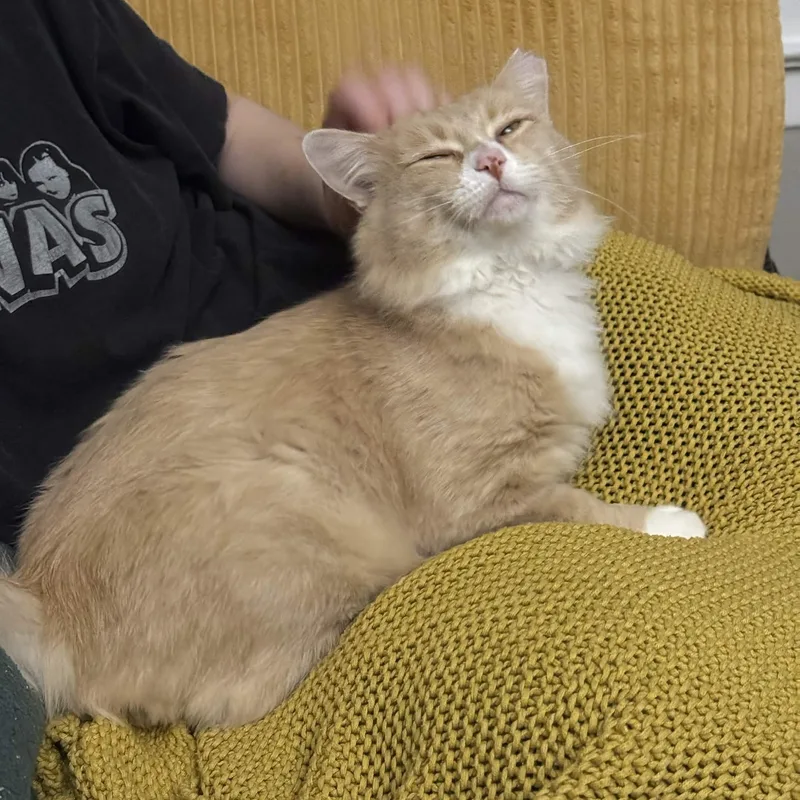
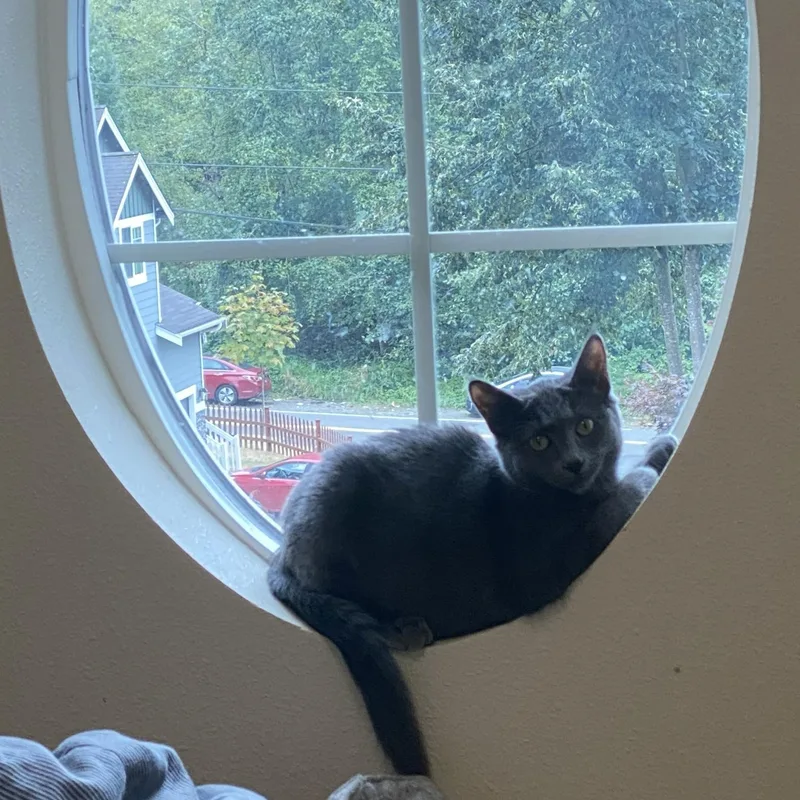
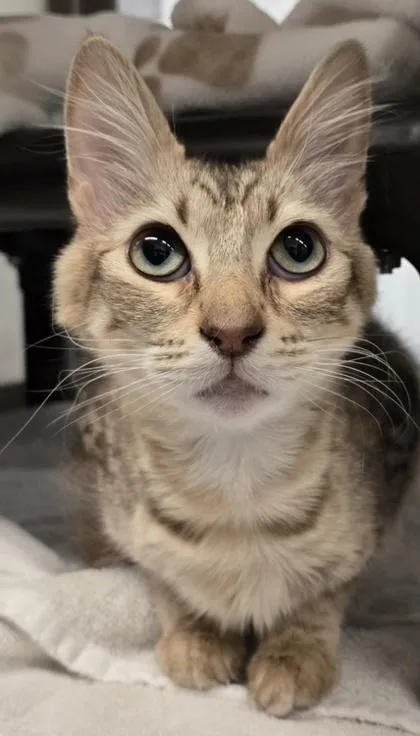
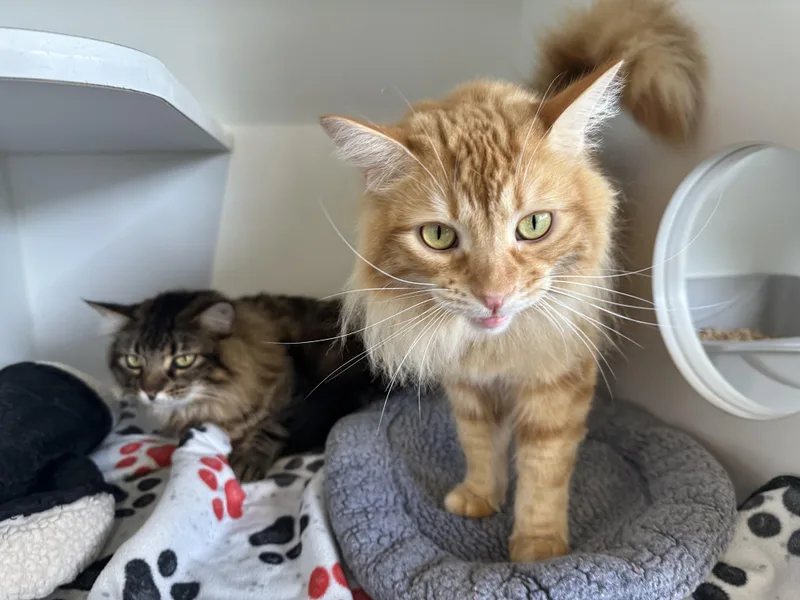
224 cats similar to Chinchilla available in Seattle and nationwide

Give a Chinchilla cat a home

While we don't have enough cats near Seattle, keep in mind that many rescues may offer transport.

Chinchillas and Similar Breeds Available for Adoption Near Seattle

About the Chinchilla breed

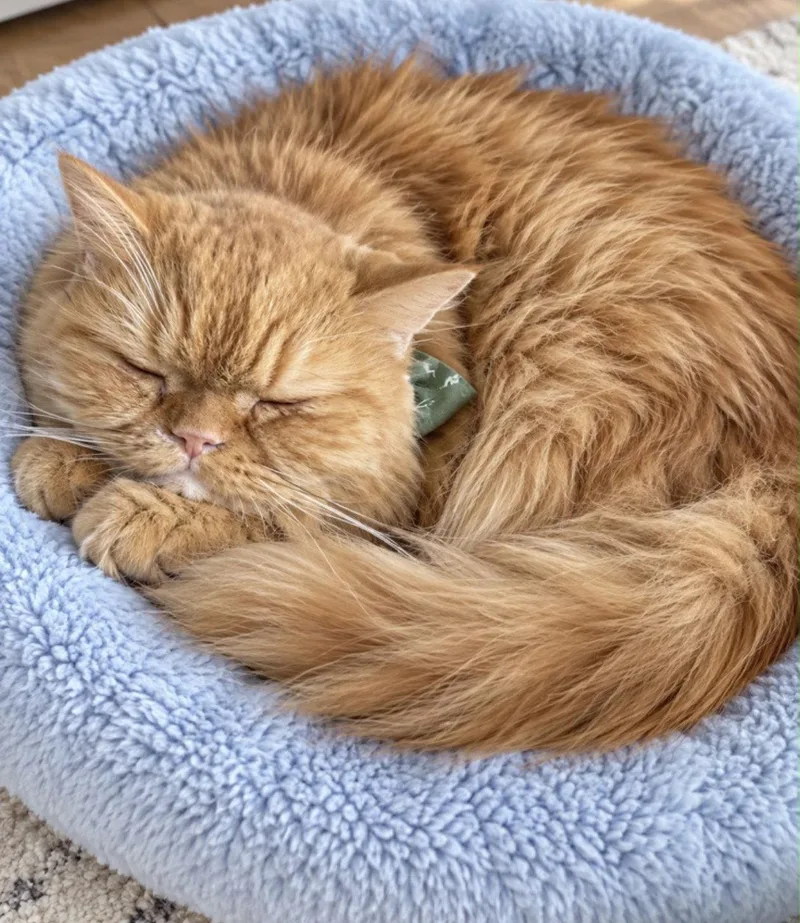
The Chinchilla look is a silver coat on a Persian-type cat. Each long white hair is tipped with black, which gives the fur its shimmer, and green or blue-green eyes with dark rims finish the picture. The line traces back to Silver Lambkin, an English cat born in 1882. Most registries treat chinchilla as a Persian color rather than a separate breed, and cats listed as Chinchillas are often Persians or Persian mixes.

In Seattle, a Chinchilla is an indoor cat. Coyotes are common in the city's larger green spaces, and a slow-moving, flat-faced cat is safer inside. Expect a calm, quiet companion that likes a predictable day, plus daily combing, regular baths and face cleaning. Cats vary, so how a particular cat handles touch and noise matters more than the label.

Weight
7–12 lbs
Height
10–15 in
Lifespan
12–15 yrs
Temperament
Calm, Gentle, Sweet, Quiet
Shedding
High

Owning a Chinchilla in Seattle

Having a Chinchilla in Seattle

Chinchillas pair an easygoing, quiet nature with a high-maintenance coat. In Seattle that means a calm indoor cat that suits apartments, a daily grooming habit, and a few precautions for a flat face and a sensitive nose and eyes.

Temperament

Chinchillas tend to be placid, affectionate and undemanding, often happier lounging beside you than climbing shelves. Many prefer quiet homes and may hide from loud noise, which matters around July 4 and New Year's, when fireworks can be heard across Seattle despite the ban. Watch how a cat reacts to handling and sudden sounds.

Exercise Needs

Daily play keeps a Chinchilla trim, and a few short sessions with wand toys, rolling balls or treat puzzles are plenty. Rainy Seattle days are easy on a cat that lives indoors. Keep play gentle in warm rooms, since flat-faced cats overheat easily, and offer low cat trees and a window perch for a cat that isn't a big jumper.

Health Considerations

Persians can inherit polycystic kidney disease, and flatter faces bring risks of breathing trouble, tear staining, eye problems and dental crowding. Heart disease also shows up in the group. Wipe the eyes daily, watch for noisy breathing, and have a veterinarian check the kidneys, heart and teeth at the first visit and at regular exams.

Living Space

A Chinchilla suits Seattle's apartments and condos, since it needs a comfortable resting spot, an easy-to-reach litter box and a grooming area more than room to roam. A window perch gives it something to watch. Keep the home cool and fairly quiet, because flat-faced cats handle heat poorly and busy households can stress sensitive cats.

What it costs to own a Chinchilla in Seattle

ExpenseTypical costPer year
Food$25 to $50 per month$300 to $600
Pet insurance$30 to $60 per month$360 to $720
Routine vet care$150 to $350 per year$150 to $350
Other*$830 to $2,030 per year$830 to $2,030
Estimated yearly total (after year one)$1,640 to $3,700

Other costs are estimates and vary with size, age and health.

* The $30 Seattle license for a spayed or neutered cat, litter, professional grooming or sanitary clips, flea prevention, a dental cleaning allowance, daily eye and face care supplies, and toys.

Adopt a Chinchilla in Seattle.

Now that you know more, let’s find you a new best friend. These rescues and shelters below have cats available in and near Seattle.

Rescues and Shelters in or near Seattle

Seattle has a city animal shelter and nonprofit rescues, and the ones listed here share cats looking for homes. Here are the rescues & shelters in the Seattle area with cats available for adoption, worth asking whether a Chinchilla is coming in.

Frequently Asked Questions

Yes, you can get a Chinchilla in Seattle, and the city has no breed bans. Washington law also limits them statewide. The city does require a license for every cat, and state rules require rabies vaccination. Households can have up to three dogs and cats combined on a typical lot, so count any pets you already have.

Yes, a Chinchilla is one of the better apartment cats, since it's calm, quiet and happy with a window perch and a few play sessions a day. Thin walls and noisy neighbors can stress a sensitive cat, so set up a quiet retreat. Confirm your lease's pet terms before you adopt.

A Chinchilla can be a good fit for Seattle if you're home a fair amount and enjoy a daily grooming routine. Its indoor, low-key lifestyle suits rainy months and compact apartments. It's less ideal if you want an adventurous cat, travel constantly, or live somewhere loud, because most Chinchillas prefer calm and predictability.

Mostly yes. Seattle's mild, damp weather suits an indoor Chinchilla, and long cool seasons rarely stress a cat that stays inside. The main concern is heat, because flat-faced cats overheat easily during the occasional 90-degree stretch. Keep a cool, shaded room and water available, and keep windows closed on wildfire smoke days.

Yes, in a carrier. Metro buses allow cats in a carrier without a fare, and Sound Transit allows pets in small containers on Link light rail. The Water Taxi requires cats in an enclosed carrier. Choose a sturdy, ventilated carrier and keep trips short, since a flat-faced Chinchilla can get stressed or overheat.

A Chinchilla needs a full comb-out every day, a regular bath, and daily eye and face cleaning, because the long coat mats and tear stains build up quickly. Seattle's damp months don't change the routine, but make sure the coat is fully dry after baths. Professional grooming or sanitary clips are covered in the yearly Other costs above.

A Chinchilla cat is typically a Persian, or Persian-type longhair, with a silver-tipped coat: white hair with black only at the very tips, which gives a sparkling silver effect. Most registries consider it a Persian color variety rather than a separate breed. Chinchillas usually have green or blue-green eyes outlined in dark pigment and the Persian's calm, gentle personality.

Chinchilla cats typically live about 12 to 15 years, similar to other Persians, and some reach their late teens with good care. Insurance data suggests Persians as a group have a median lifespan somewhat over 12 years. Kidney disease is a major factor, so screening, a healthy weight and regular veterinary checkups help a Chinchilla live as long as possible.

Yes, Chinchilla cats often make lovely pets for calm households. Many are affectionate, quiet and gentle, happy to lounge near their people and undemanding about activity. The trade-offs are significant grooming, a tendency toward eye and breathing issues linked to their flatter faces, and possible kidney disease. They suit adopters who enjoy daily grooming routines and a peaceful home.

Plan on about $25 to $50 a month for food, $30 to $60 a month for insurance, $150 to $350 a year for routine vet care, and $830 to $2,030 a year for other costs such as litter, grooming, dental care and the Seattle license. Insurance runs higher because Persian-type cats are flat-faced.

Explore Other Breeds in Seattle

Looking for a different breed? Browse other cats available for adoption in Seattle.