Balinese Cats for Adoption in Seattle, WA

Your guide to finding and caring for a Balinese in Seattle

A Balinese suits Seattle apartment life well, as long as someone's home to talk back. In a Belltown tower or a Wallingford condo, this chatty, clever cat is happy with a window perch over the street and a wand toy at the end of the day. Rainy months mean more time indoors, which a Balinese doesn't mind if there's a cat tree to climb. The silky single coat is easy to keep up, but the cat wants company, so a person who works from home or keeps a flexible schedule is a good match.

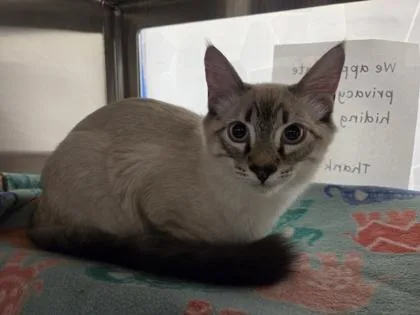
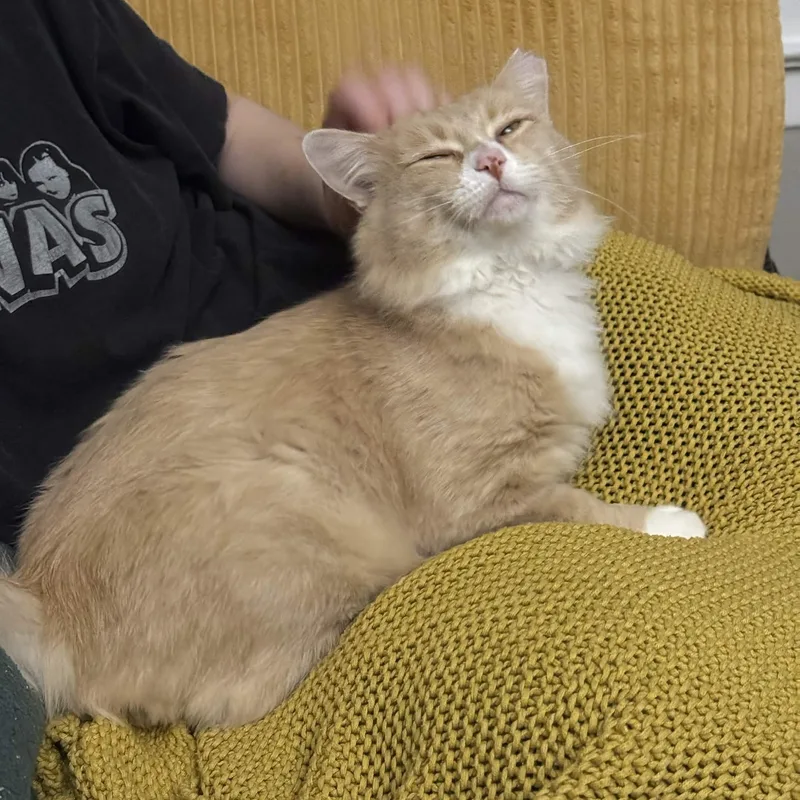
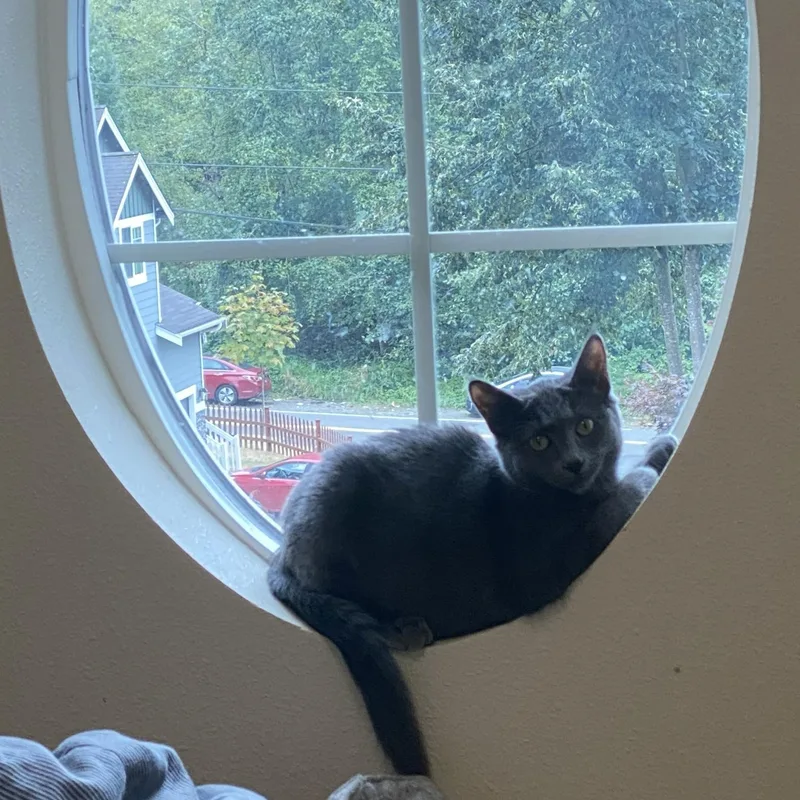
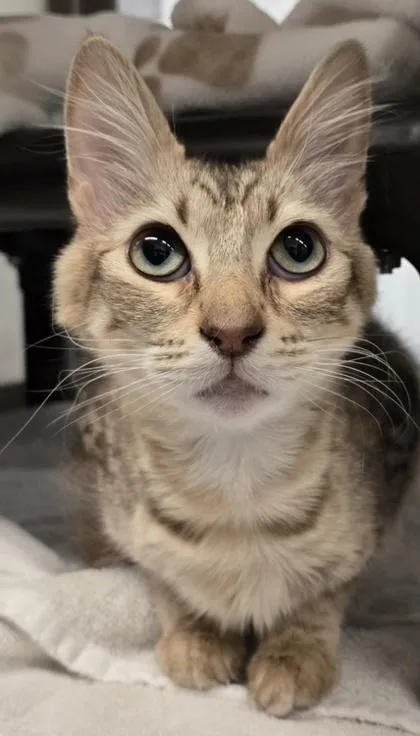
2387 cats similar to Balinese available in Seattle and nationwide

Fall for a Balinese

Balinese and Similar Breeds Available for Adoption Near Seattle

About the Balinese breed

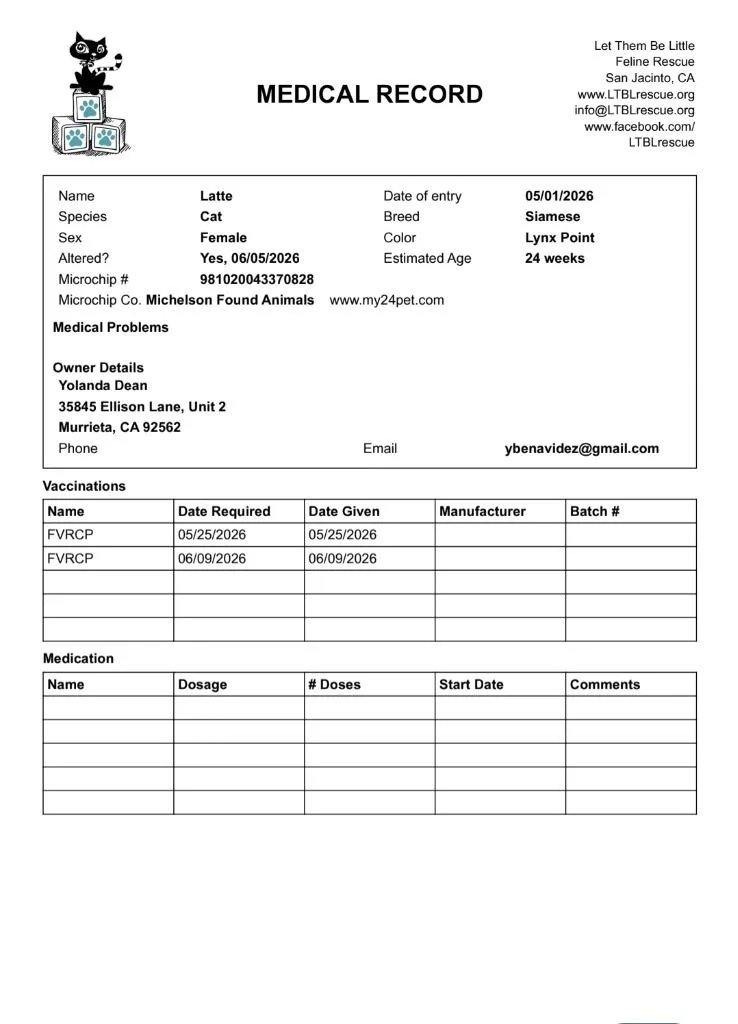
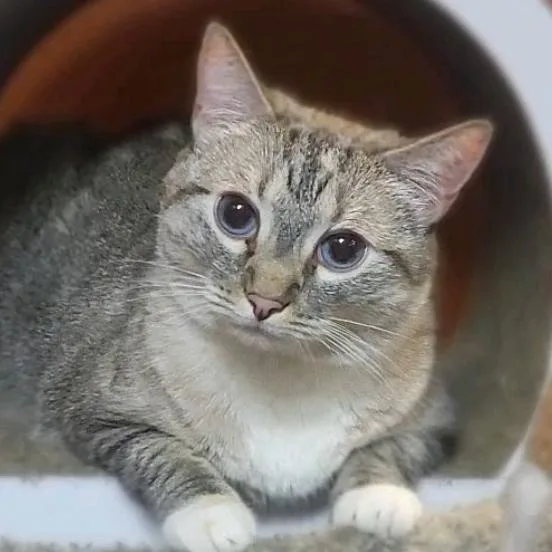
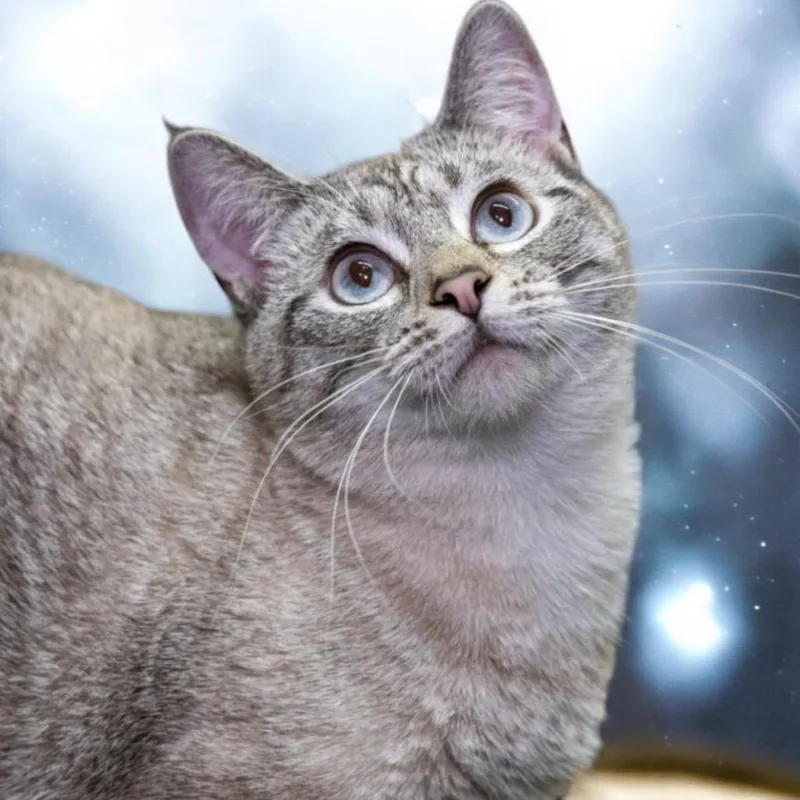
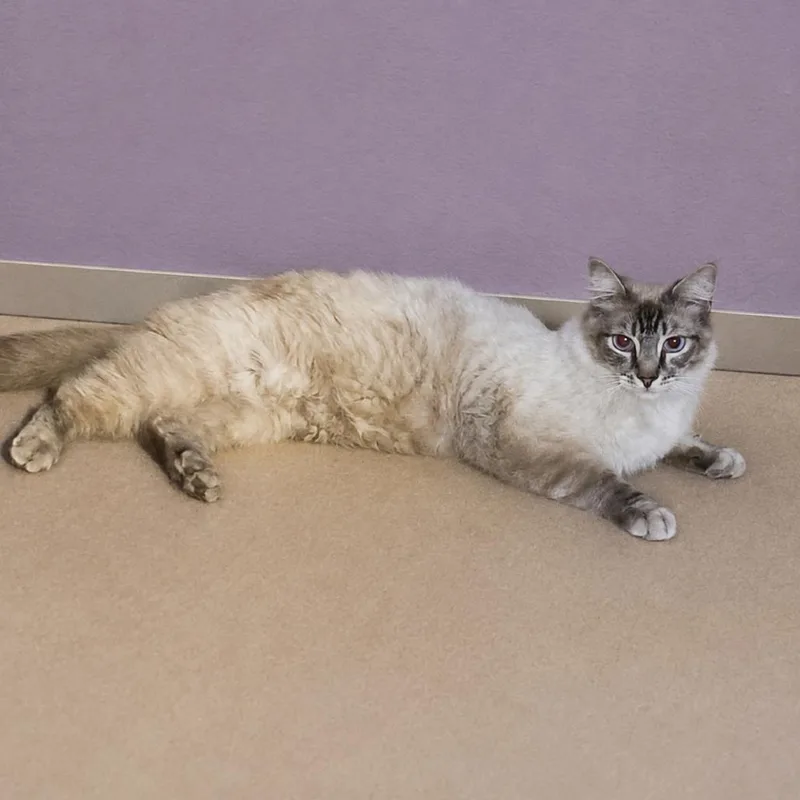
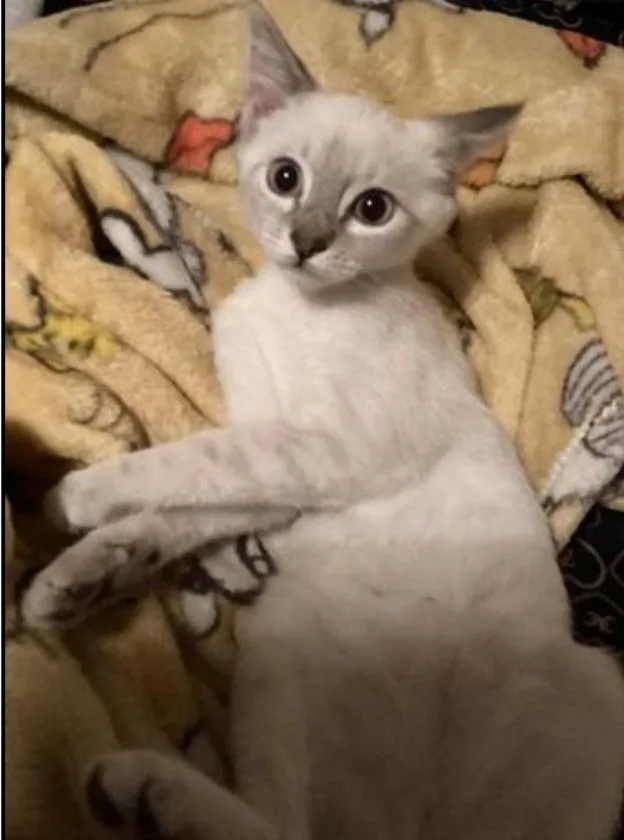
Despite the name, the Balinese has no link to Indonesia. It's essentially a longhaired Siamese, developed in the United States in the 1940s and 1950s and named for the graceful movement of Balinese dancers. The look is the Siamese colorpoint pattern with vivid blue eyes, a slender body and a plumed tail. Both a modern, wedge-headed type and a sturdier traditional type exist.

Many Balinese are bright, social and playful, and they're usually a little quieter than a Siamese while still chatty. Fetch, puzzle toys and high perches go over well, which helps in a Seattle apartment where floor space is limited. The coat has no dense undercoat, so grooming is easy, though these cats typically want daily interaction. Personalities vary, especially in adult cats.

Weight
5–10 lbs
Height
8–11 in
Lifespan
12–20 yrs
Temperament
Affectionate, Intelligent, Playful, Vocal
Shedding
Low to Moderate

Owning a Balinese in Seattle

Having a Balinese in Seattle

Balinese pair Siamese brains with a silky, easy-care coat. Company, active play, vertical space and some inherited eye and liver concerns shape daily life, and Seattle's rainy months make indoor enrichment especially useful.

Temperament

Many Balinese bond closely with their people, follow them from room to room and comment on the day in a softer voice than most Siamese. They're curious and clownish, and they often get along with considerate kids and pets. Some get clingy or bored alone, which matters when workdays run long. Personalities vary.

Exercise Needs

Plan several short play sessions a day with wand toys, fetch, puzzle feeders and a tall cat tree. Seattle's wet stretches make indoor play the default, so rotate toys to keep a clever cat interested. Coyotes live in many of the city's green spaces, so indoor exercise is also the safer choice.

Health Considerations

Siamese-related lines can be prone to progressive retinal atrophy, liver amyloidosis, dental disease and crossed eyes, which is usually harmless. Not every cat develops these. Watch for vision changes, weight loss or bad breath, and schedule a full veterinary exam soon after adoption. A vet can also check the teeth and track them year to year.

Living Space

Seattle's many apartments and condos suit a Balinese if the space offers stimulation. Window perches, shelves and a cat tree matter more than square footage. This cat does best indoors, with people around much of the day or a compatible feline companion for company.

What it costs to own a Balinese in Seattle

ExpenseTypical costPer year
Food$25 to $50 per month$300 to $600
Pet insurance$25 to $50 per month$300 to $600
Routine vet care$150 to $350 per year$150 to $350
Other*$480 to $1,180 per year$480 to $1,180
Estimated yearly total (after year one)$1,230 to $2,730

Other costs are estimates and vary with size, age and health.

* Litter, the $30 Seattle cat license for a spayed or neutered cat, flea prevention, a dental cleaning allowance, toys, scratchers and cat trees, and minimal grooming for a single coat.

Adopt a Balinese in Seattle.

Now that you know more, let’s find you a new best friend. These rescues and shelters below have cats available in and near Seattle.

Rescues and Shelters in or near Seattle

Seattle's shelters and rescues care for cats of all ages, and the ones serving the area are listed here. Here are the rescues & shelters in the Seattle area with cats available for adoption, worth asking whether a Balinese is coming in.

Frequently Asked Questions

Yes, Seattle has no breed bans, and Washington law limits breed-specific rules statewide. Washington requires rabies vaccination for cats, and Seattle limits households to three dogs and cats combined on a typical city lot, so count any current pets before adopting. Because a Balinese craves company, a home with people around much of the day is a better match.

Yes, a Balinese can be happy in a Seattle apartment when it has things to climb, watch and chase. Put a cat tree by a window, schedule short play sessions and rotate puzzle toys. This breed is chatty, though softer than a Siamese, so expect some conversation through shared walls. Confirm the lease allows cats before you adopt.

Yes, as long as the Balinese rides in a secure carrier. Sound Transit's standing rule lets pets ride in small containers, and its leashed-pet pilot covers dogs, so cats still need a carrier. The King County Water Taxi and Washington State Ferries also want cats in an enclosed carrier or crate. Keep the carrier off seats.

Yes, an indoor Balinese usually handles Seattle winters well, since they're cool and damp rather than frozen. Hilly streets can turn a few inches of snow or ice into a multi-day disruption, so keep food and litter stocked and a carrier handy for vet trips. A heated bed helps a thin-coated cat stay comfortable.

Not often. The Balinese has a silky single coat with no dense undercoat, so brushing a few times a month usually keeps it smooth and mat-free. Seattle's damp weather matters little for an indoor cat. Baths and professional grooming are rarely needed, and the small grooming allowance sits inside the Other costs in the cost table.

Probably not. Washington's food code generally bars live animals from food establishments, and the exception covers pet dogs on outdoor patios where a restaurant has a health-department-approved plan, not cats. A Balinese is also usually happier at home than in a noisy dining area, so plan on leaving your cat there.

No, Balinese cats are not hypoallergenic. Claims that they produce less of the main cat allergen, Fel d 1, are widely repeated but not supported by solid research. Their single coat sheds less than many longhaired breeds, which some allergic people find easier. Reactions vary between people and cats, so spend time with the individual cat before adopting.

Balinese is usually pronounced BAH-lih-neez, with the stress on the first syllable, the same way people say the word for something from Bali. Some people say BAL-ih-neez instead, and both are understood. The name was chosen to evoke the grace of Balinese dancers, not because the cats come from Bali.

Balinese cats shed, but usually less than you might expect from a longhaired cat. Their fine, silky coat has no dense undercoat, so it sheds lightly year-round with modest seasonal increases. The coat rarely mats. Brushing or combing once or twice a week removes loose hair and helps reduce hairballs.

Expect roughly $1,230 to $2,730 a year for a Balinese in Seattle, or about $100 to $230 a month. That covers food, insurance, routine vet care and other costs such as litter, the city license, dental care and supplies. Emergencies and illness aren't included, so a savings cushion helps.

Explore Other Breeds in Seattle

Looking for a different breed? Browse other cats available for adoption in Seattle.