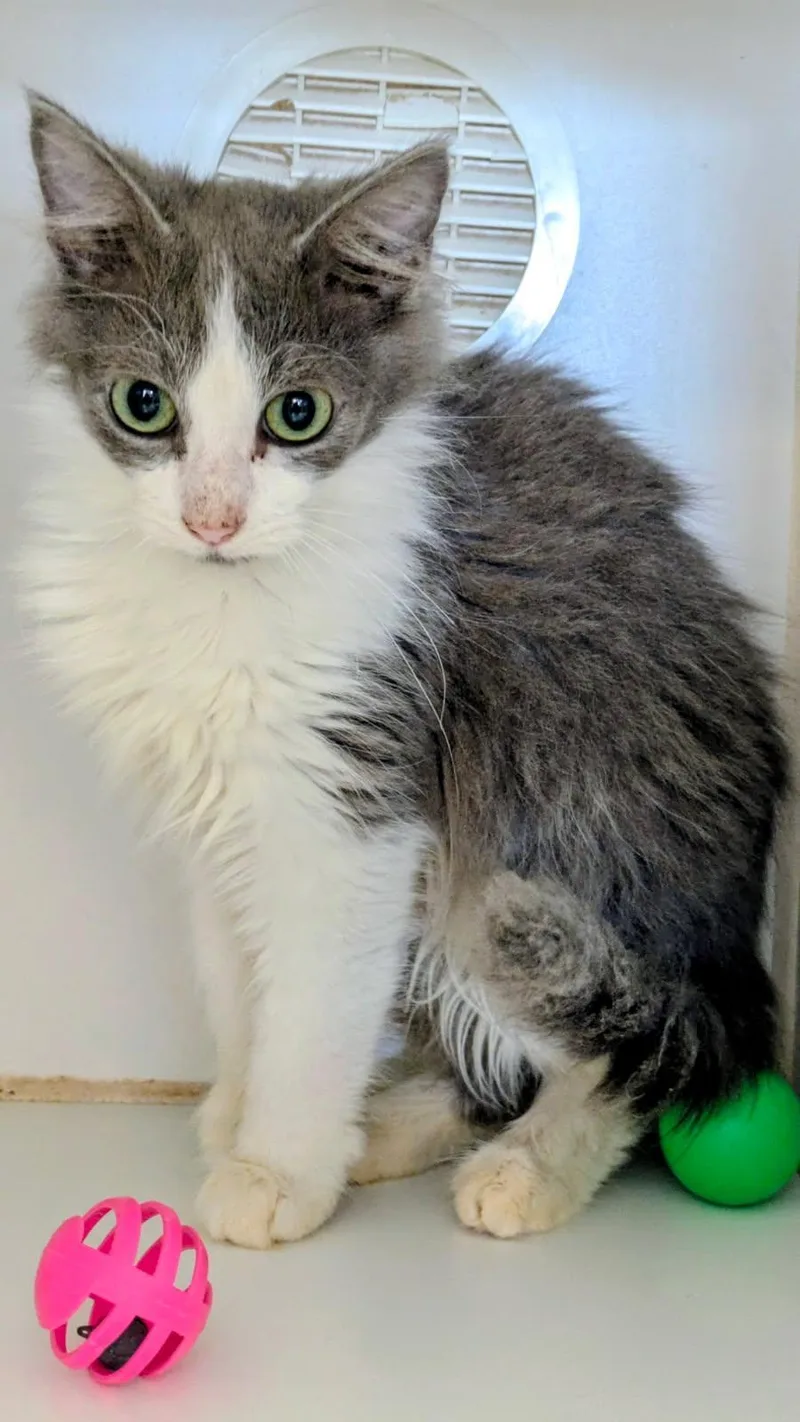
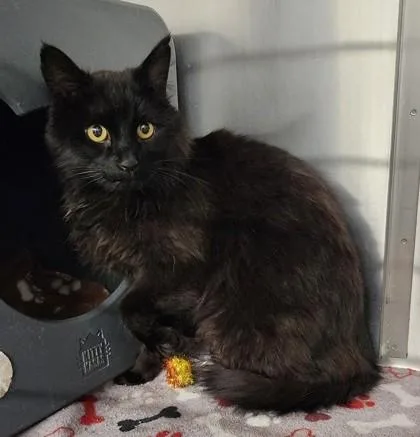
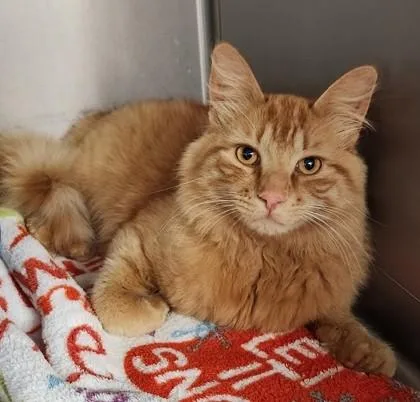
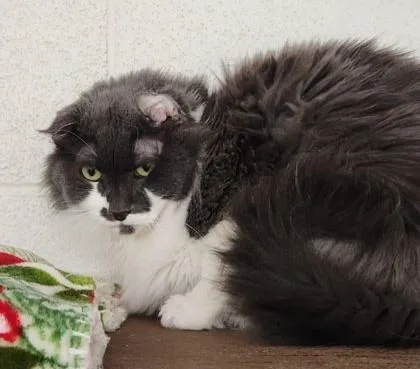
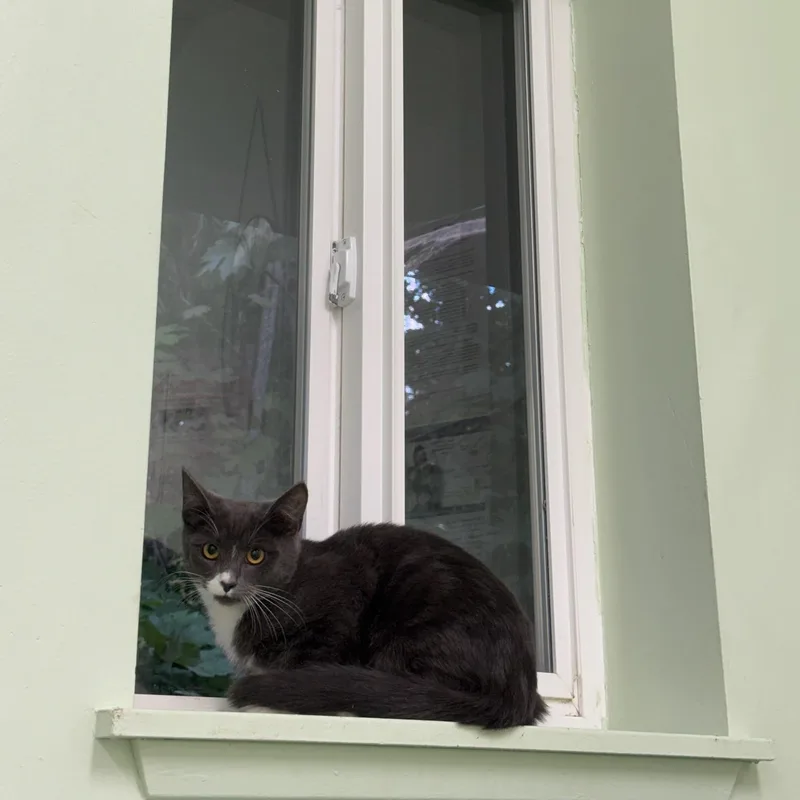
Domestic Long Hair Cats for Adoption in Kent, WA

Your guide to finding and caring for a Domestic Long Hair in Kent

A Domestic Long Hair suits Kent's apartments and townhomes well, because the cat's whole world can be a sunny window and a daily brushing. Plenty of renters near Kent Station and along Meeker Street live in compact places, and a longhaired cat is content there with a scratching post and a perch. A house near Panther Lake gives the same cat more room to roam indoors. Either way, expect fur on the couch and keep a brush handy.

5937 Domestic Long Hairs available in Kent and nationwide

Your Domestic Long Hair is waiting

Domestic Long Hairs Available for Adoption Near Kent

About the Domestic Long Hair breed

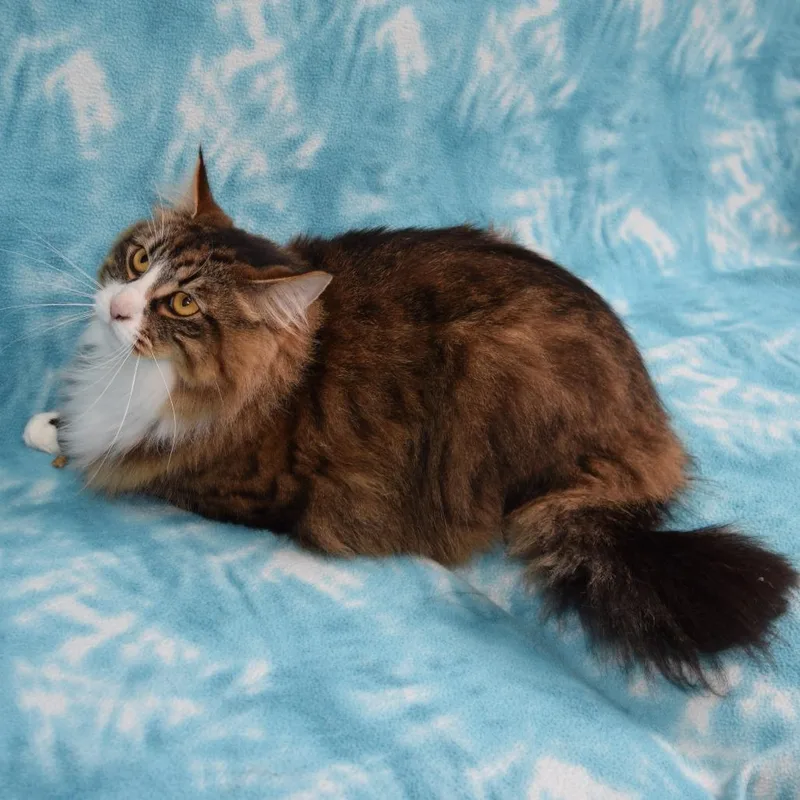
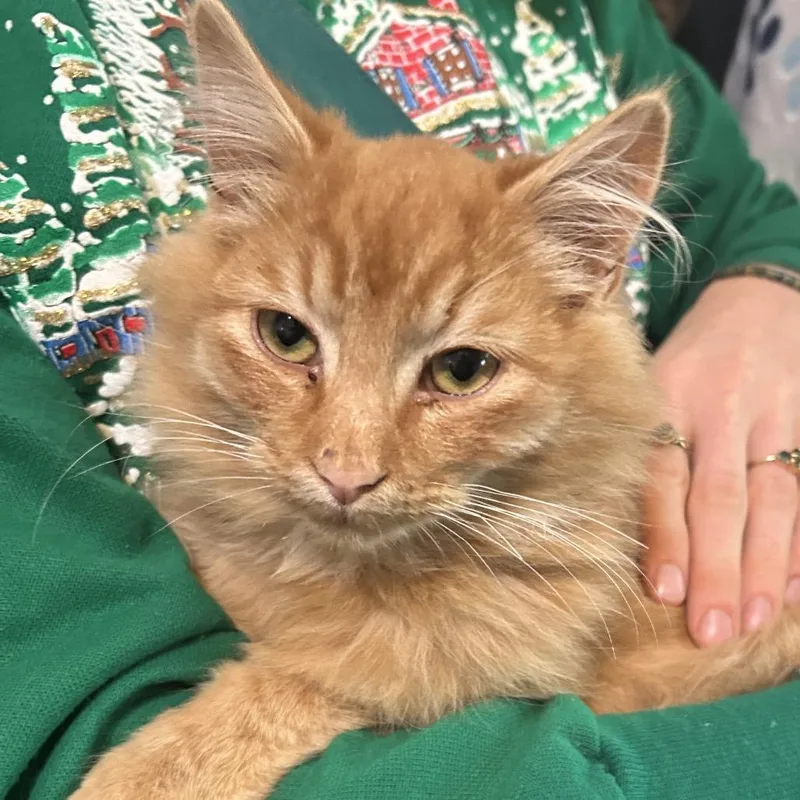
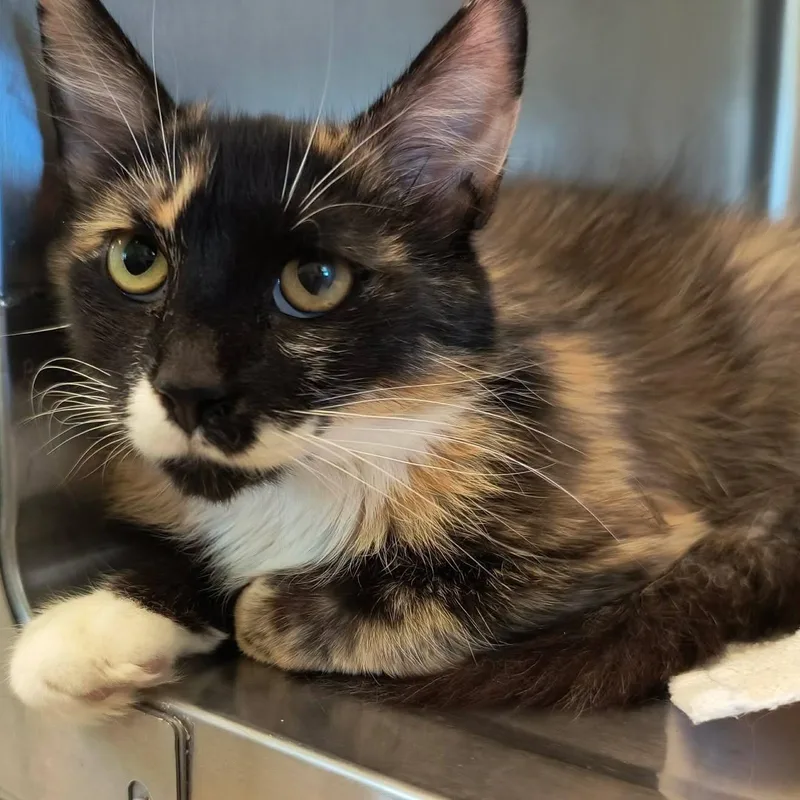
Domestic Long Hair is a coat description, not a breed. Shelters use the label for mixed-ancestry cats with medium to long fur, and these cats arrive in every color and pattern, from tabby and calico to smoke and solid black. Some have a ruff or ear tufts that make them look like a Maine Coon, though they share no pedigree.

Size and personality vary from cat to cat, with most adults weighing 8 to 15 pounds. The coat needs regular brushing to prevent mats and hairballs, which matters in Kent, where an indoor cat spends many rainy months at home. Mixed ancestry also tends to mean fewer inherited health problems, though checkups still count. Meeting the cat tells you more than the label does.

Weight
8–15 lbs
Height
8–11 in
Lifespan
12–18 yrs
Temperament
Adaptable, Affectionate, Gentle
Shedding
Moderate to High

Owning a Domestic Long Hair in Kent

Having a Domestic Long Hair in Kent

Domestic Long Hairs share a coat type, not a pedigree, so each cat's needs differ. In Kent, the practical questions are how much brushing the fur needs, how to keep an indoor cat busy through wet months, and what a checkup should cover.

Temperament

Personality comes from genes, early socialization and past experience rather than a breed profile. Many Domestic Long Hairs are adaptable and affectionate once settled, but some are bold explorers and others warm up slowly. Spend time with the cat first to see how it handles noise, visitors and a busy building.

Exercise Needs

Most Domestic Long Hairs enjoy a couple of short play sessions a day with wand toys, balls or puzzle feeders. Those sessions matter on wet Kent days when outdoor time is out. Climbing shelves and window perches add variety, and staying lean helps a cat keep up with grooming its own long fur.

Health Considerations

Mixed ancestry gives broad genetic diversity, so these cats aren't tied to breed-specific inherited conditions. Mats, hairballs and soiled fur are the usual coat problems, especially in older or overweight cats. Dental disease, obesity and kidney disease are common in cats generally, and a veterinarian can check teeth, weight, coat and kidney values at checkups.

Living Space

A Domestic Long Hair fits Kent's apartments and houses alike if there are litter boxes, scratching posts, hiding spots and climbing space. Indoor living protects the coat from burrs and the cat from traffic and coyotes. A grooming routine matters more than square footage, and a cool resting spot helps on warm days.

What it costs to own a Domestic Long Hair in Kent

ExpenseTypical costPer year
Food$25 to $50 per month$300 to $600
Pet insurance$20 to $45 per month$240 to $540
Routine vet care$150 to $350 per year$150 to $350
Other*$530 to $1,280 per year$530 to $1,280
Estimated yearly total (after year one)$1,220 to $2,770

Other costs are estimates and vary with size, age and health.

* The $30 King County pet license for a spayed or neutered cat, litter, flea prevention, a dental cleaning allowance, supplies like scratchers and toys, and brushing or grooming for the long coat.

Adopt a Domestic Long Hair in Kent.

Now that you know more, let’s find you a new best friend. These rescues and shelters below currently have Domestic Long Hairs available.

Rescues in Kent with Domestic Long Hairs Available

Kent is home to King County's regional adoption center, along with rescues that place cats across the area. Here are the rescues & shelters in the Kent area where you can find Domestic Long Hairs and other cats available for adoption.

Frequently Asked Questions

Yes. Cats eight weeks and older need a King County pet license in Kent, which costs $30 if the cat is spayed or neutered and $60 if not, and they must stay current on rabies vaccination. Renters should read the lease for pet deposits, fees and limits on the number of pets before bringing a cat home.

Yes. Domestic Long Hairs usually adapt well to apartments and townhomes as long as they have a litter box, a scratching post, hiding spots and a window perch. Check the lease for pet deposits, monthly pet rent and pet limits, since those vary by landlord. Regular brushing keeps fur under control in a small space.

Yes, for an indoor cat. Kent's winters are mild and rainy, and summers are dry with only a few 90°F days a year. The thick coat holds heat, so provide cool spots and fresh water in July and August. Keep the cat inside from dusk to dawn, because coyotes live in local parks and greenbelts.

Plan on brushing a few times a week, and more often during spring and fall coat changes, to prevent mats and hairballs. Kent's damp winters mean towel-drying a wet coat so it doesn't tangle. Professional grooming is optional and falls under the Other line in the cost table, along with litter and flea prevention.

Yes, in a carrier. King County Metro buses, including the RapidRide A Line, allow cats in carriers. Sound Transit normally allows pets in small containers on Sounder at Kent Station and Link at Kent Des Moines, and its current pilot through spring 2027 requires cats to stay in a carrier. A secure, familiar carrier keeps a nervous cat calmer.

You can usually tell a kitten will have long hair by about three to four weeks old, when its fur looks noticeably fluffier than its littermates'. Look for longer tufts on the ears, between the toes and on the tail, plus a softer, fuller coat overall. The full adult coat, ruff and tail plume can take one to two years to develop.

Yes, long hair is a recessive trait in cats. A kitten needs two copies of a long-hair variant, usually in the FGF5 gene, one from each parent, to grow a long coat. Two shorthaired parents can produce longhaired kittens if both carry the variant, while a longhair bred to a cat with two short-hair copies produces only shorthaired kittens.

Domestic Long Hair cats commonly live about 12 to 18 years, and many indoor cats reach their late teens or beyond. Mixed-breed cats have broad genetic diversity, and UK veterinary research found non-pedigree cats lived longer than purebreds on average. Indoor living, a healthy weight, dental care and regular checkups make the biggest difference.

We have 1 rescue with Domestic Long Hairs available: Regional Animal Services of King County (RASKC) (WA). You can see every rescue with Domestic Long Hairs available in the list above these questions, or scroll to the top to see the Domestic Long Hairs near Kent.

Expect roughly $1,200 to $2,800 a year for a Domestic Long Hair in Kent. That covers food at $25 to $50 a month, insurance at $20 to $45 a month, routine vet care at $150 to $350 a year, and about $530 to $1,280 a year in extras such as litter, flea prevention, dental care and grooming.

Explore Other Breeds in Kent

Looking for a different breed? Browse other cats available for adoption in Kent.