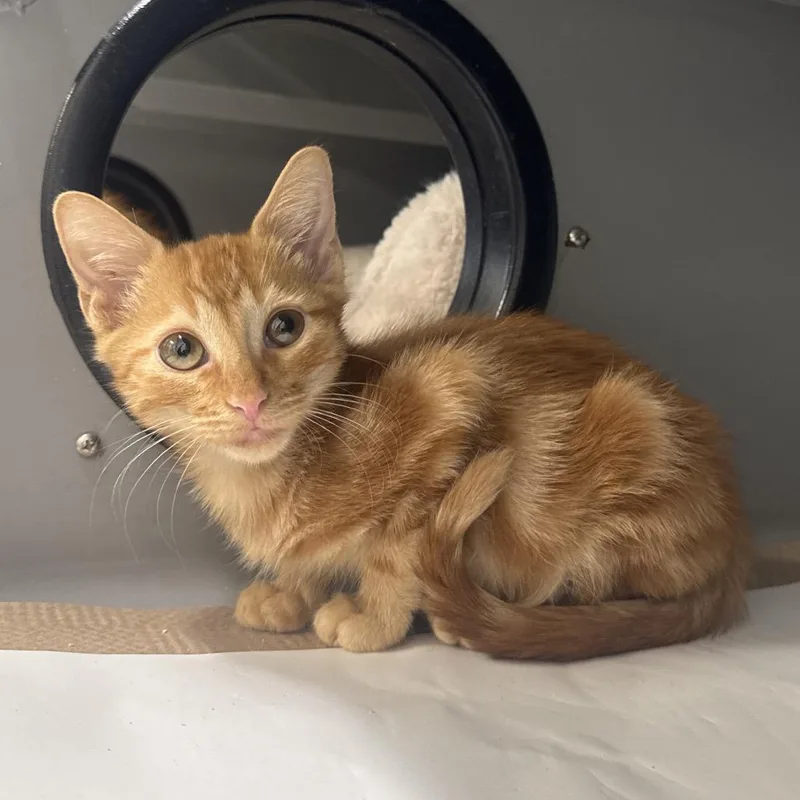
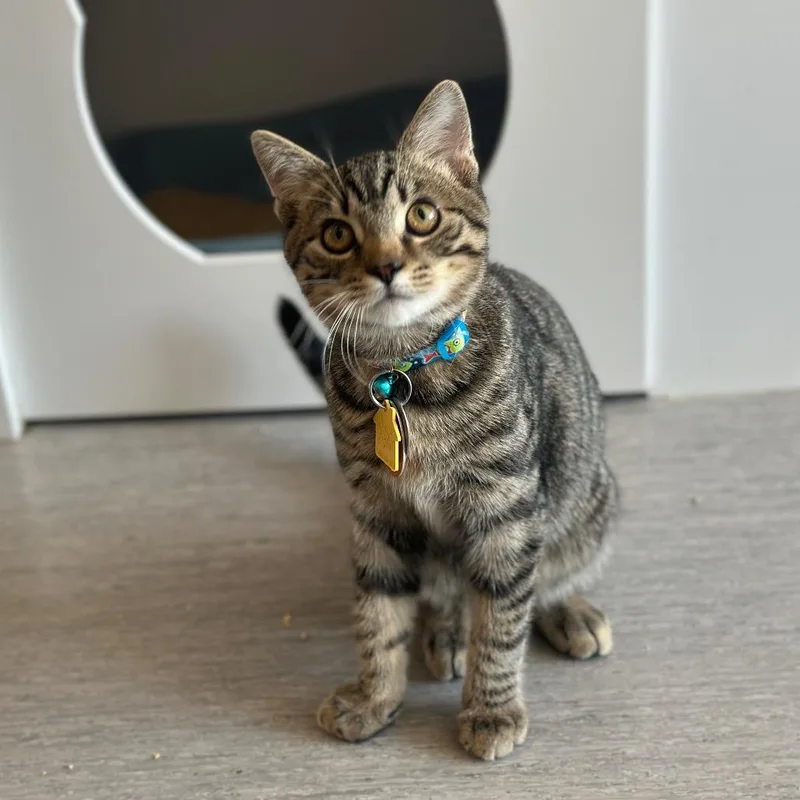
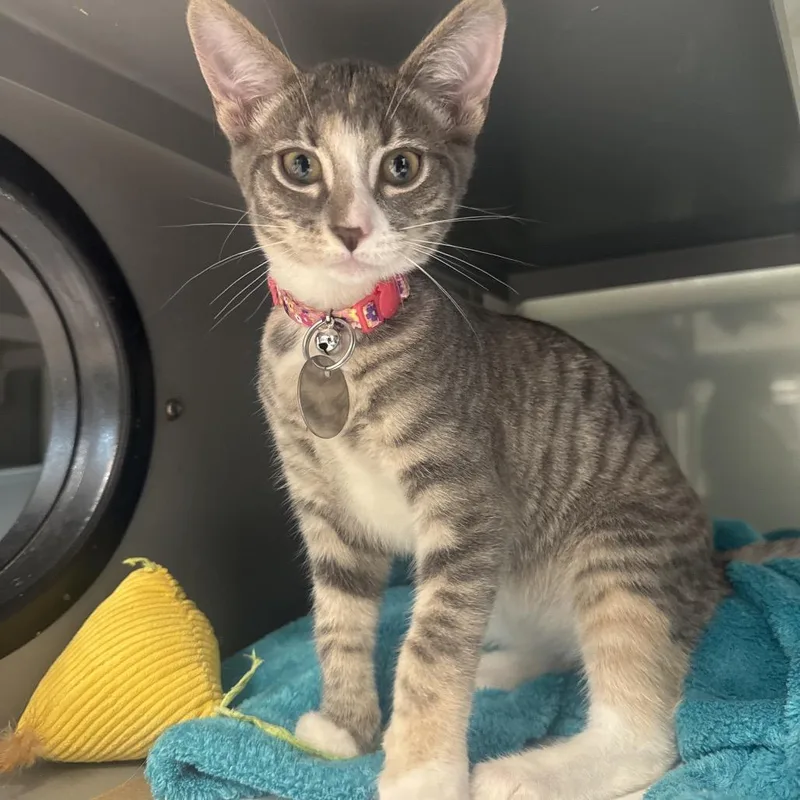
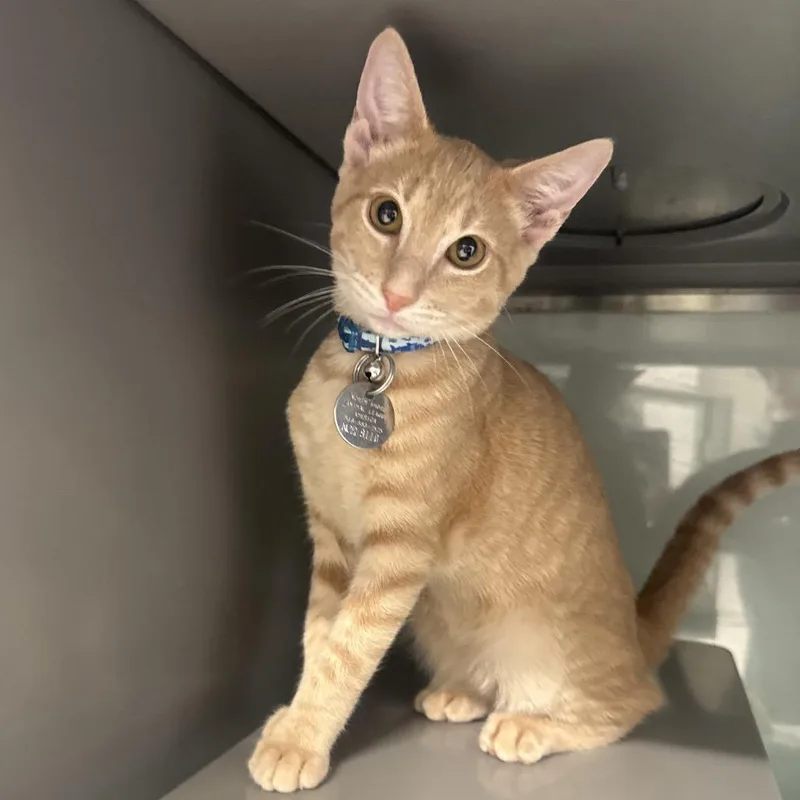
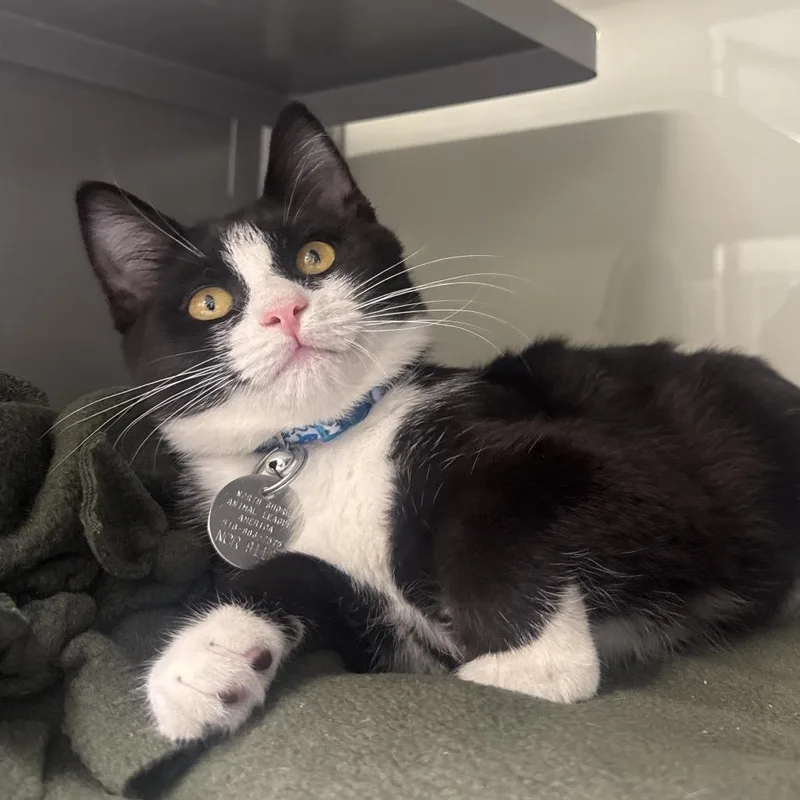
Domestic Short Hair Cats for Adoption in St. Albans, VT

Your guide to finding and caring for a Domestic Short Hair in St. Albans

Domestic Short Hairs fit St. Albans' apartments and duplexes without much fuss. Plenty of homes here are upstairs units in converted houses or small buildings on streets like Lake and Federal, and a cat doesn't need a yard to be content there, just a window perch and a few things to climb. Winter lasts long enough that most of the year is spent indoors, so daily play matters. Coats and personalities vary, from lap cats to quiet watchers.

137896 Domestic Short Hairs available in St. Albans and nationwide

Find your Domestic Short Hair

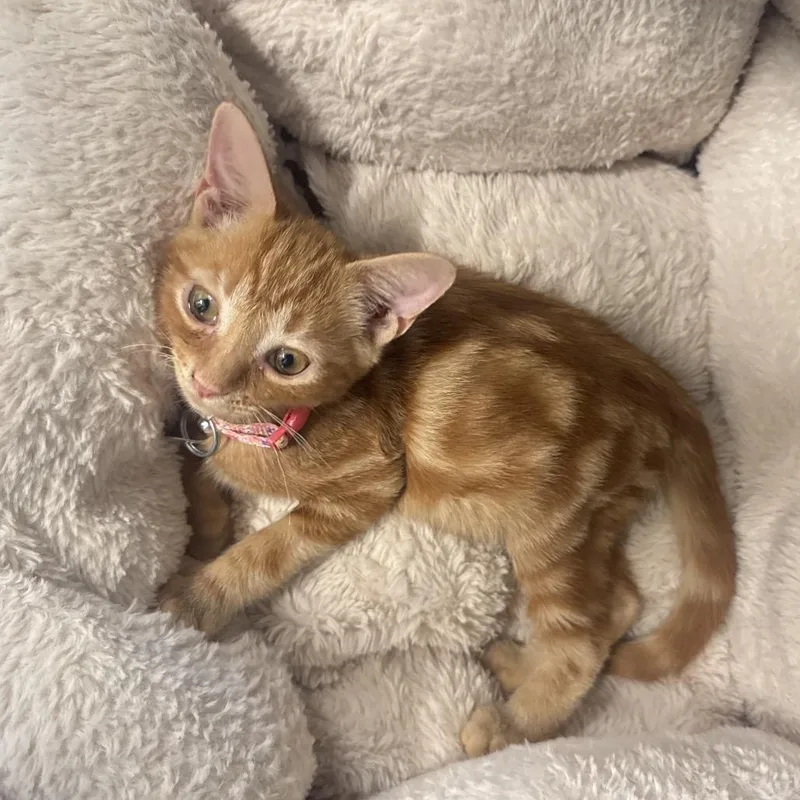
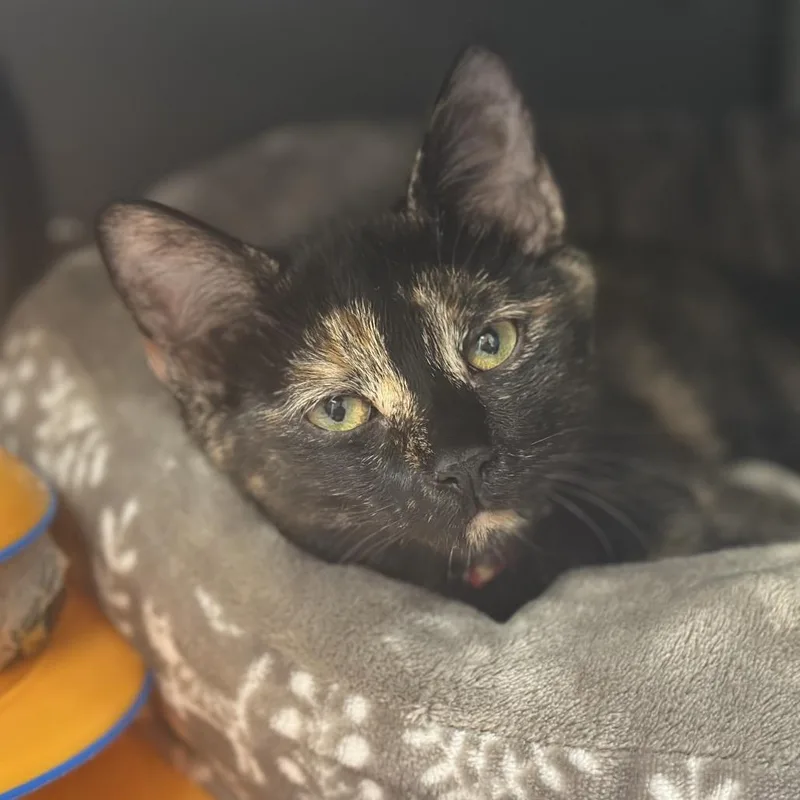
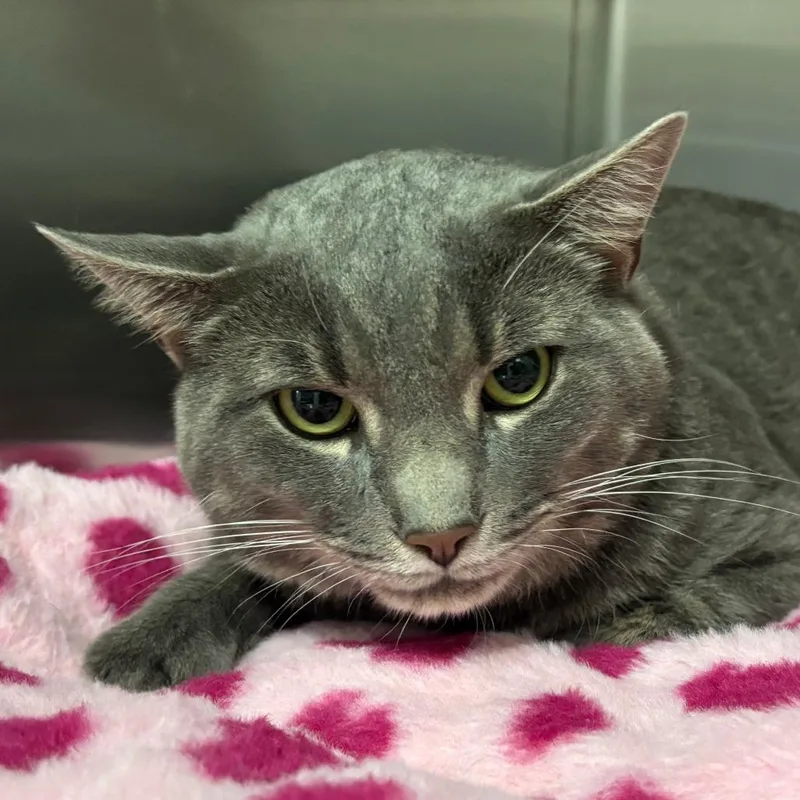
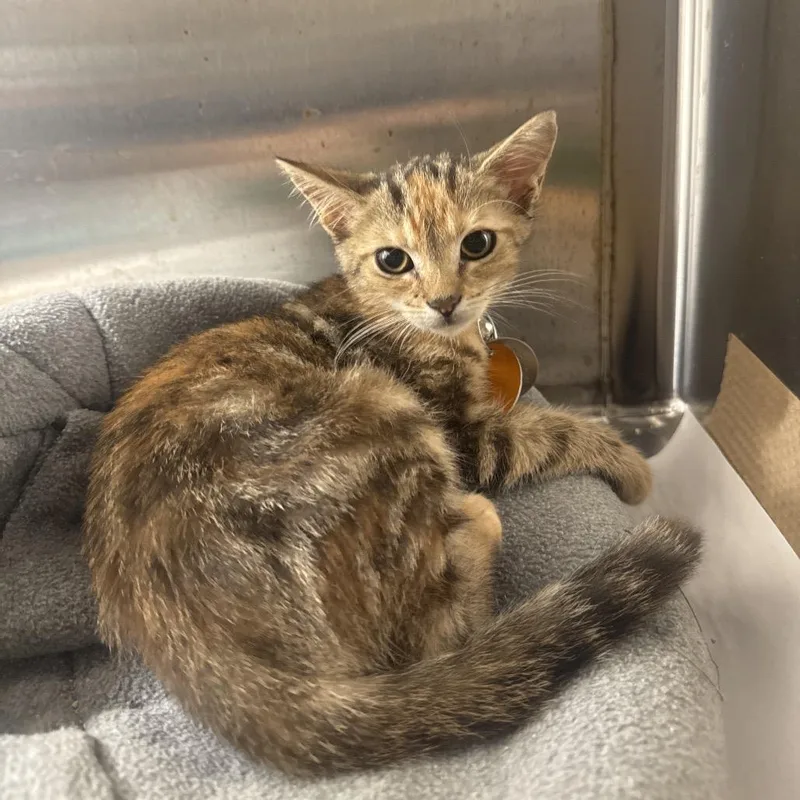
Domestic Short Hairs Available for Adoption Near St. Albans

About the Domestic Short Hair breed

Domestic Short Hair describes a type of cat rather than a breed: a short-coated cat of mixed or unknown ancestry, often shortened to DSH on adoption records. It's the most common kind of cat in American homes, and it shouldn't be confused with the pedigreed American Shorthair. Coats come in every color and pattern, from tabby and tuxedo to calico and solid black.

Because the gene pool is so wide, size, energy and personality vary. Most DSH cats are medium, 6 to 14 pounds, sturdy and adaptable, with a coat that needs only weekly brushing. In St. Albans, where long winters keep cats inside, a cat's age and activity level matter most: kittens need play outlets, while adults and seniors often settle into a quiet routine quickly.

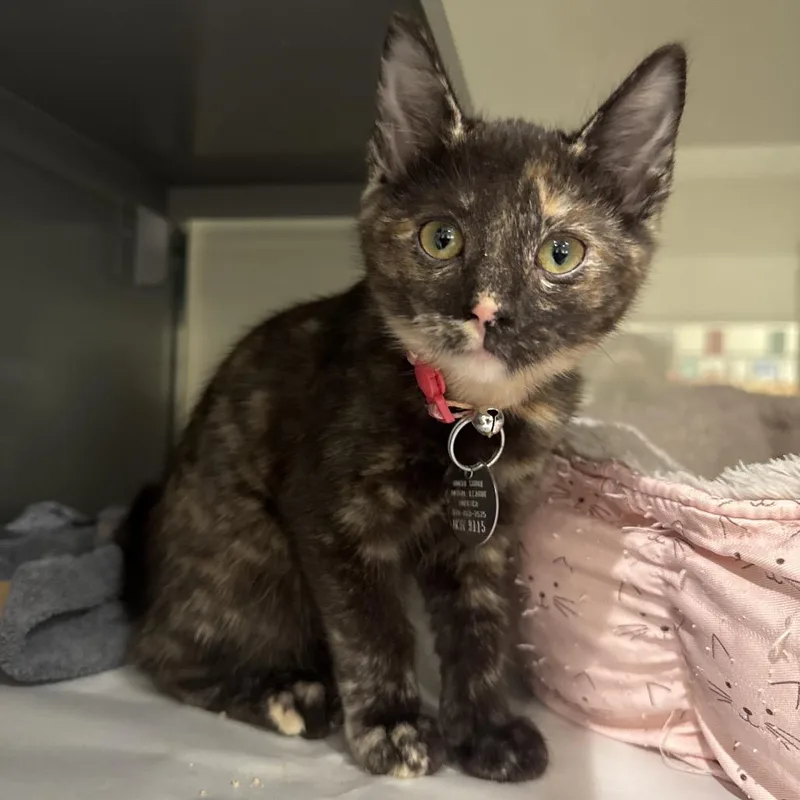
Weight
6–14 lbs
Height
8–10 in
Lifespan
12–18 yrs
Temperament
Adaptable, Curious, Affectionate
Shedding
Moderate

Owning a Domestic Short Hair in St. Albans

Having a Domestic Short Hair in St. Albans

Domestic Short Hairs are defined by a short coat rather than a set personality, so a cat's age, energy and comfort with people tell you more than the label does. In St. Albans, long winters make indoor routines especially important.

Temperament

Domestic Short Hairs run from outgoing lap cats to quiet watchers, and past experiences shape behavior more than coat does. Many adapt to apartment life and calm housemates with gradual introductions. In a small St. Albans duplex, a cat that enjoys company and a predictable routine often settles fast, while a shy cat may need a quiet room first.

Exercise Needs

Daily interactive play matters most, since indoor cats burn energy through chasing, climbing and hunting games. Wand toys, food puzzles and a few short sessions a day work for most ages. With snow on the ground for months, plan on window perches and cat trees to stand in for outdoor time, and keep sessions gentler for seniors.

Health Considerations

Domestic Short Hairs commonly face obesity, dental disease and urinary problems, plus kidney disease, hyperthyroidism and diabetes in older cats. Yearly exams, weight checks and dental care catch trouble early. Ticks are common in Vermont, so a veterinarian can advise on parasite prevention and review a new cat's health at the first visit.

Living Space

Cats adapt well to apartments and houses alike if they have vertical space, scratching posts, a clean litter box and a quiet retreat. That suits St. Albans' mix of upstairs flats and small multi-family buildings. Keep windows screened, since open windows in spring and summer are a fall risk.

What it costs to own a Domestic Short Hair in St. Albans

ExpenseTypical costPer year
Adoption fee$225, one time$225 in year one
Food$25 to $50 per month$300 to $600
Pet insurance$20 to $45 per month$240 to $540
Routine vet care$150 to $350 per year$150 to $350
Other*$450 to $1,150 per year$450 to $1,150
Estimated yearly total (after year one)$1,140 to $2,640
First-year total (with adoption fee)$1,365 to $2,865

Adoption fee is the fee on Domestic Short Hair listings in St. Albans on GetBuddy today. Other costs are estimates and vary with size, age and health.

* Litter, flea and tick prevention, a dental cleaning allowance, toys, scratchers and other supplies, and minimal home grooming.

Adopt a Domestic Short Hair in St. Albans.

Now that you know more, let’s find you a new best friend. These rescues and shelters below currently have Domestic Short Hairs available.

Rescues in St. Albans with Domestic Short Hairs Available

St. Albans has a nonprofit shelter serving northern Vermont, and its cat adoptions include spay/neuter, vaccines and a microchip. Here are the rescues & shelters in the St. Albans area where you can find Domestic Short Hairs and other cats available for adoption.

Frequently Asked Questions

Yes. Nothing in St. Albans' animal ordinance restricts cats by type, and the city's licensing rules apply only to dogs. What you do need is a current rabies vaccination under Vermont law, plus a lease that allows pets if you rent. Keep any pet deposit agreement in writing.

Yes, apartments are a natural fit. Cats care more about perches, scratching posts, play and a clean litter box than floor space. In an upstairs unit, add window screens, a sturdy scratcher and some daytime play, so a cat doesn't turn to frequent howling, which city noise rules treat as a nuisance.

Yes, as indoor cats. St. Albans sees about 21 nights a year at or below 0°F, and short coats offer little protection outdoors. Keep your cat inside with warm perches away from drafts. If a cat does slip out in single-digit cold, a microchip and ID tag make a safe return far likelier.

Yes, on Green Mountain Transit buses, but only in a closed, secured carrier. GMT prohibits animals on board other than service animals and pets that can be safely carried in a closed bag or carrier. St. Albans has no subway. A sturdy carrier with a secure latch keeps the cat calmer and keeps you within the rules.

Usually, if you want an easygoing indoor companion for long winters. Domestic Short Hairs vary in energy and sociability, so a cat's actual behavior is the best guide. A small household in a duplex or apartment, with time for daily play, matches St. Albans well. Active kittens suit busy homes, while calmer adults suit quieter ones.

Very little: a quick brush once or twice a week handles most coats. Shedding can rise with dry winter indoor air and again with the spring thaw, so brush more often then. Nail trims and dental care matter more than professional grooming, which is why grooming is a small part of yearly costs.

Domestic shorthair cats typically live about 12 to 18 years, and many indoor cats reach their late teens or early twenties. Large UK veterinary studies have found mixed-breed cats tend to live slightly longer than pedigreed cats on average. Spaying or neutering, indoor living, a healthy weight, dental care and regular checkups all help a cat enjoy a longer life.

No, domestic shorthair cats are not hypoallergenic. The main cat allergen, a protein called Fel d 1, comes from saliva and skin glands, so short fur does not prevent reactions. Allergen levels vary between individual cats, and some people react less to certain cats. Spending time with a specific cat before adopting is the best way to test your response.

We have 1 rescue with Domestic Short Hairs available: Friends of Duke Rescue. You can see every rescue with Domestic Short Hairs available in the list above these questions, or scroll to the top to see the Domestic Short Hairs near St. Albans.

Expect roughly $25–$50 a month for food, $20–$45 a month for insurance, $150–$350 a year for routine vet care, and $450–$1,150 a year for other costs such as litter, parasite prevention and dental care. Together that's about $1,140–$2,640 a year, before any emergency.