Russian Blue Cats for Adoption in Burlington, VT

Your guide to finding and caring for a Russian Blue in Burlington

Russian Blues suit Burlington's long winters, since they're happiest in a calm, cozy home. A quiet Old North End apartment with a sunny window, or a Five Sisters house with a few high perches, gives a reserved cat plenty to watch. Russian Blues like routine, so snowed-in January days with wand toys and puzzle feeders often suit them fine. They can be shy with visitors, so a quieter household usually works better than a busy student house near UVM.

709 Russian Blues available in Burlington and nationwide

Find your Russian Blue

While we don't have enough cats near Burlington, keep in mind that many rescues may offer transport.

Russian Blues Available for Adoption Near Burlington

About the Russian Blue breed

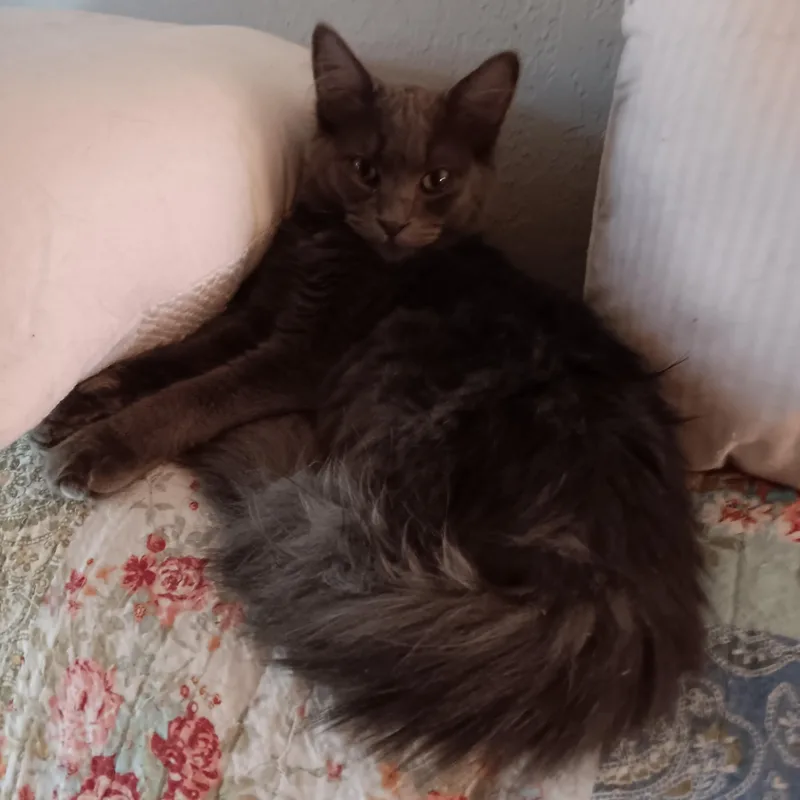
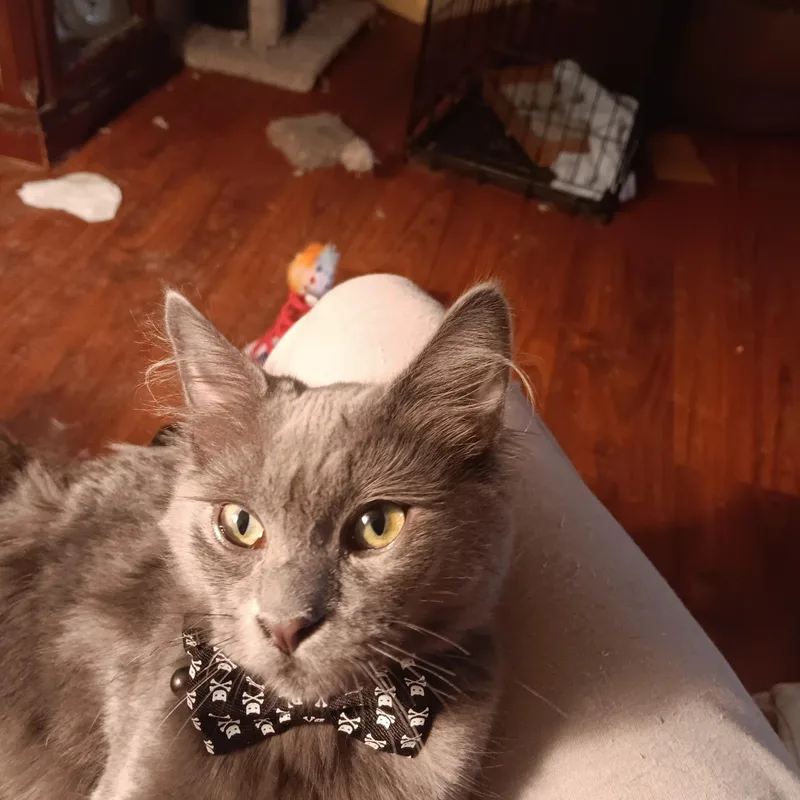
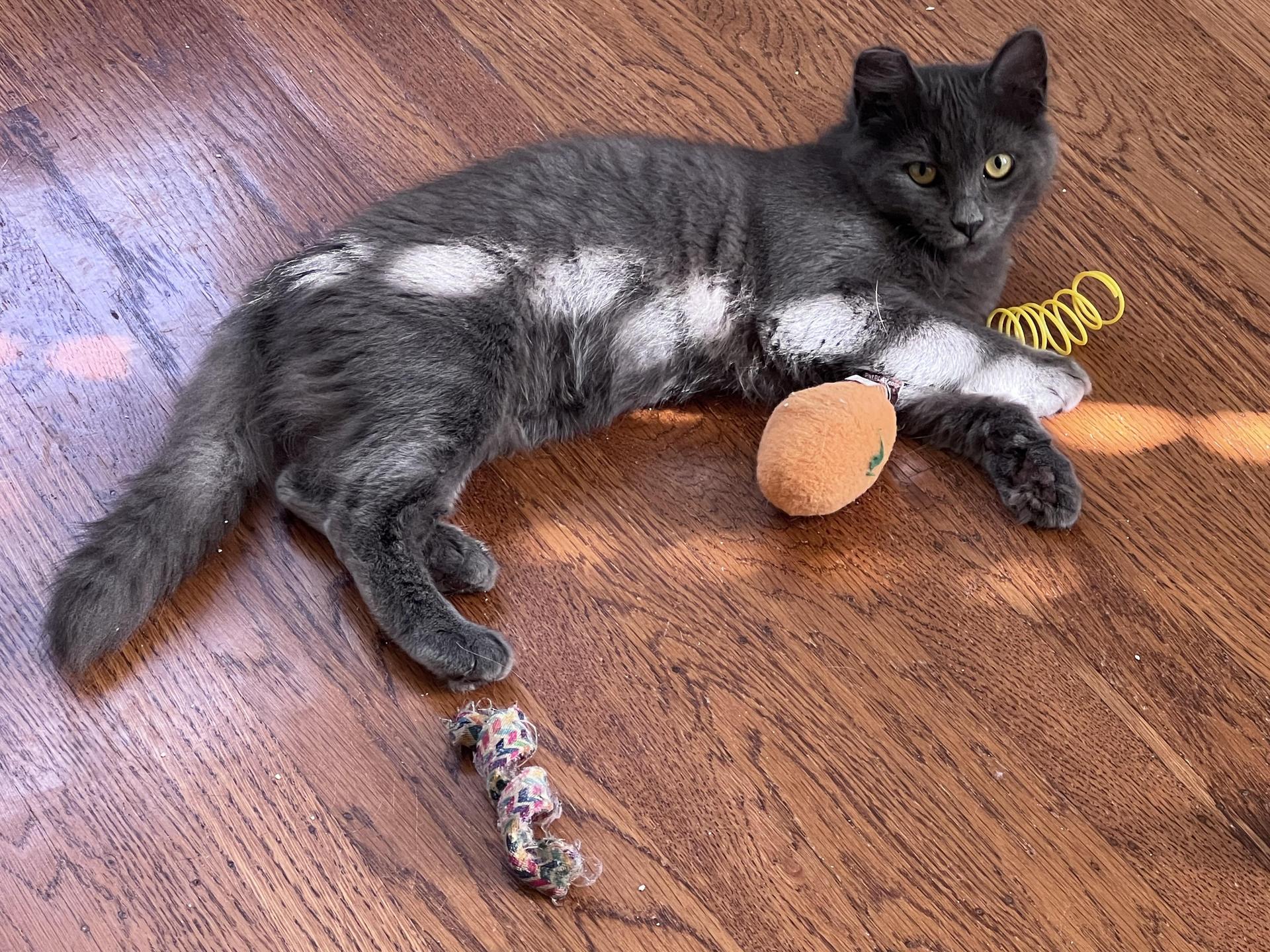
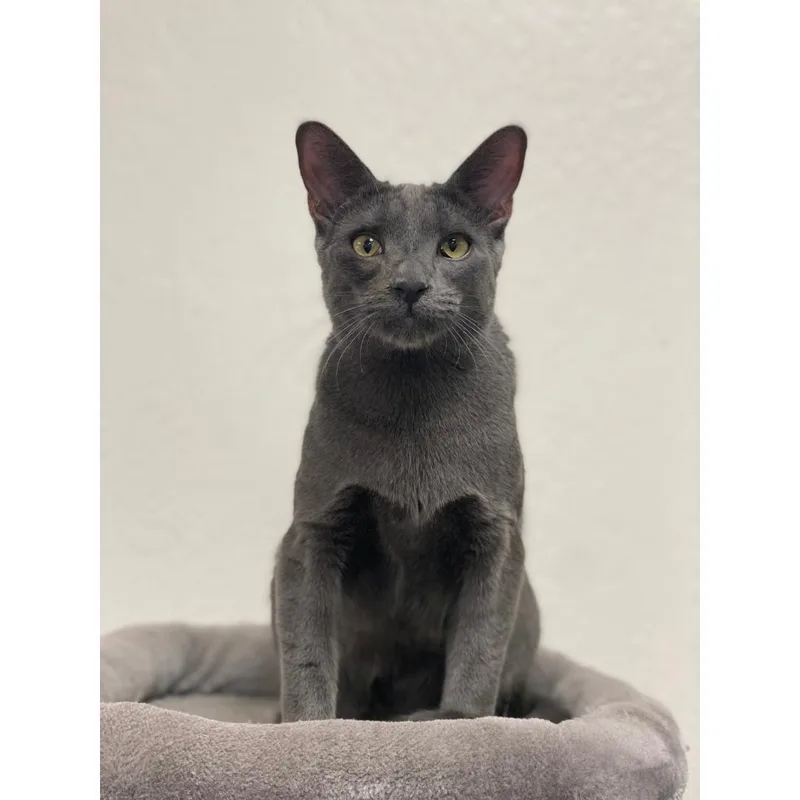
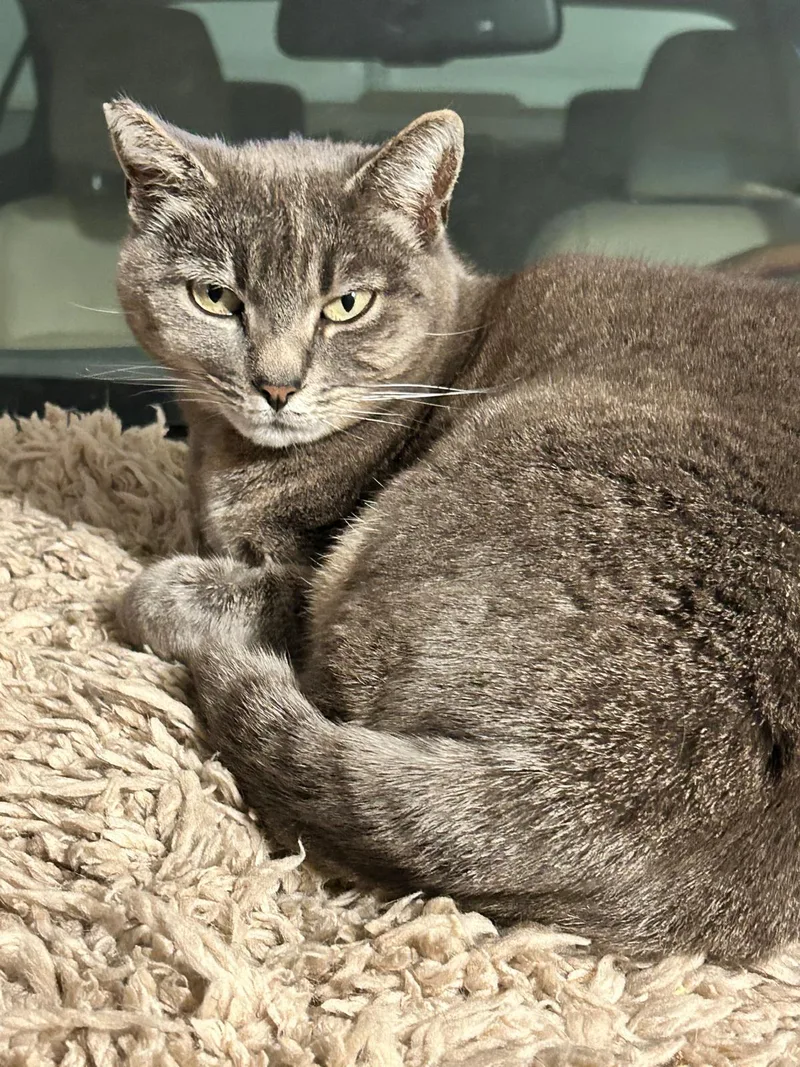
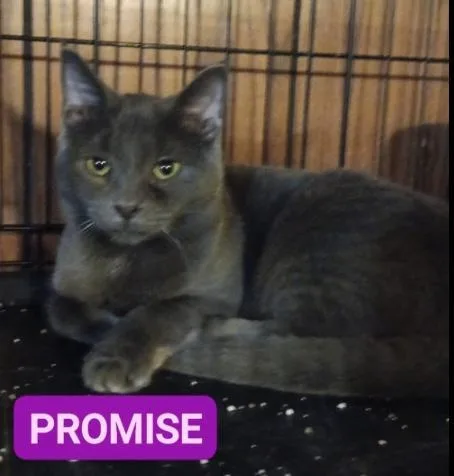
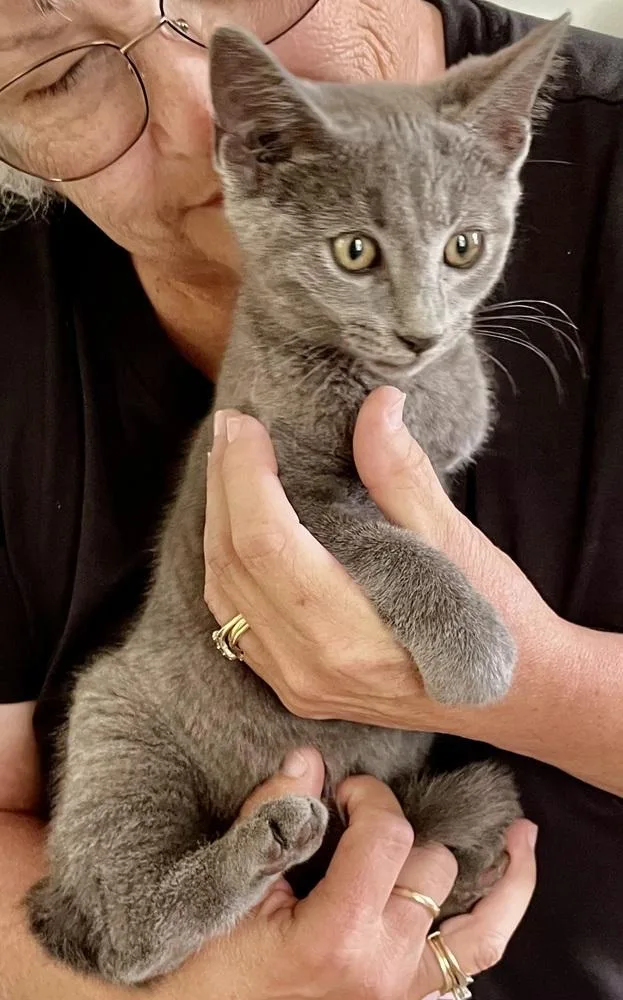
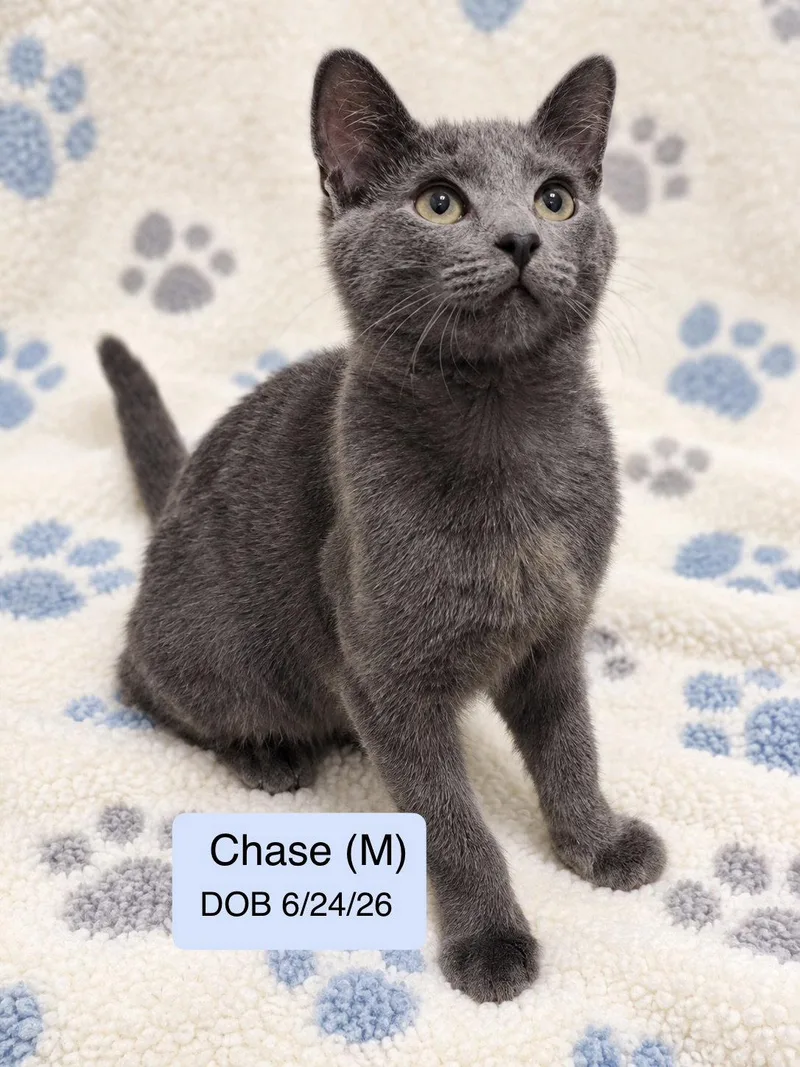
Russian Blues are slender, fine-boned shorthairs with a dense, plush double coat of even blue-grey, silver-tipped guard hairs and vivid green eyes. The breed is believed to come from the Archangel region of northern Russia and reached Britain by ship in the 1800s. Only blue is accepted in the CFA standard, so a grey shelter cat with white markings or stripes is almost certainly a mixed-breed blue cat.

Many Russian Blues are gentle, quiet and devoted to their own people while staying reserved with strangers. They notice changes in routine and mood, and they enjoy games that challenge their quick minds. The short coat is easy to maintain, but a hearty appetite means portion control matters. In Burlington's snowy months, a cat like this can settle into a predictable indoor routine with a window perch and daily play.

Weight
6–12 lbs
Height
8–10 in
Lifespan
12–16 yrs
Temperament
Gentle, Quiet, Intelligent
Shedding
Low to Moderate

Owning a Russian Blue in Burlington

Having a Russian Blue in Burlington

Russian Blues pair an easy-care coat with a sensitive, watchful personality. How a cat handles routine, visitors and household noise matters more than the label, so spend time understanding what a calm Burlington home needs to offer.

Temperament

Russian Blues tend to be gentle and loyal with family but cautious with newcomers, often watching from a distance first. Many prefer predictable households and can be unsettled by loud noise or frequent change. With patient introductions they often accept other cats and quiet dogs. Each cat's past shapes how quickly it builds trust.

Exercise Needs

Most Russian Blues are playful and agile, enjoying wand toys, chase games and fetch. Burlington's snowy stretches make indoor play the main outlet, so puzzle feeders, cat trees and shelves for high lookouts are worth setting up. Because they love food and can gain weight, daily interactive play helps keep them lean.

Health Considerations

Russian Blues have no widely recognized breed-specific inherited disease, but they can develop the same problems as other cats, including dental disease, bladder stones, kidney disease and heart conditions. Their strong appetite makes obesity a common, preventable concern. Regular veterinary checkups, measured meals and dental care help keep a cat healthy.

Living Space

Russian Blues often do well in apartments, which fits Burlington, where most households rent. They value cozy retreats and calm routines more than square footage. Window perches, hiding places and a cat tree help them feel secure, and indoor living with daily play keeps them safe and content through the winter.

What it costs to own a Russian Blue in Burlington

ExpenseTypical costPer year
Food$25 to $50 per month$300 to $600
Pet insurance$25 to $50 per month$300 to $600
Routine vet care$150 to $350 per year$150 to $350
Other*$450 to $1,150 per year$450 to $1,150
Estimated yearly total (after year one)$1,200 to $2,700

Other costs are estimates and vary with size, age and health.

* Litter, flea prevention, a dental cleaning allowance, toys, scratchers and other supplies, and minimal home grooming for the short coat.

Adopt a Russian Blue in Burlington.

Now that you know more, let’s find you a new best friend.

Frequently Asked Questions

Yes, Burlington's city code has no breed-specific rule for cats. You'll need to license a cat over six months old each year, and licensing began April 1, 2026. Proof of rabies vaccination is required, and the cat must wear a tag on a collar or harness or have a current microchip. Watch this page's listings for Russian Blues and grey shorthairs.

Yes, a Russian Blue can live comfortably in a Burlington apartment, where about 58% of households rent. Burlington caps pet deposits at half a month's rent and bars them for assistance animals, and the median rent is $1,649. Quiet buildings suit these cats best, and window perches and a cat tree keep them content through the winter.

Yes, but only in a carrier. Green Mountain Transit buses allow pets only when they're in a closed, secured bag or carrier, while service animals are allowed. Burlington has no subway or rail system. A sturdy, well-ventilated carrier your Russian Blue is used to makes vet trips smoother, since many are sensitive to noise and change.

Often, yes, especially for someone who wants a calm indoor companion through long winters. Burlington gets about 87 inches of snow a year, and Russian Blues like quiet routines and cozy perches. They can be shy, so a household without constant visitors suits many. Each cat's personality varies, so look at the cat's own temperament in the listing.

Very little. A weekly brushing handles the short double coat, with a bit more in spring and fall when Russian Blues shed seasonally. Burlington's dry winter indoor air can cause static, so brush gently. Professional grooming is rarely needed, so it's covered by the minimal home-grooming allowance in the Other costs of roughly $450–$1,150 a year.

Russian Blue cats are often gentle, quiet and deeply attached to their families, while staying reserved with strangers. Many like predictable routines, follow favorite people around and enjoy interactive games that test their intelligence. They tend to be sensitive to household mood and noise. Personality varies, so a foster's description of an individual cat is the best guide.

A Russian Blue is a medium-sized shorthaired cat with a dense, plush blue-grey coat tipped in silver, vivid green eyes and a slender, graceful build. The breed is thought to come from northern Russia. Many Russian Blues are quiet, intelligent and loyal to their people, though often shy around visitors until they feel comfortable.

No, Russian Blue cats are not hypoallergenic. They produce the Fel d 1 allergen like other cats, even though their dense coat may shed less noticeably than some breeds. Claims that they cause fewer allergy symptoms are anecdotal rather than proven. People with allergies should spend extended time with the specific cat before adopting.

Yes, Russian Blues are usually affectionate with the people they trust, often greeting them at the door, following them around and curling up nearby. They may take time to warm up and are often wary of strangers. Their affection tends to be steady rather than demanding. An adopted Russian Blue may need weeks of patience before fully bonding.

A Russian Blue in Burlington typically costs about $25–$50 a month for food and $25–$50 a month for pet insurance. Routine vet care runs about $150–$350 a year. Other yearly costs, such as litter, parasite prevention, dental care and supplies, come to about $450–$1,150.