Manx Cats for Adoption in Virginia Beach, VA

Your guide to finding and caring for a Manx in Virginia Beach

A Manx suits Virginia Beach's condos and townhouses well, because it would rather be indoors with its people. In Green Run, where single-family homes, townhouses and apartment communities sit near the neighborhood's canals, a Manx can watch the water from a window perch, then chase a wand toy down the hall. They often follow a favorite person from room to room and fetch like a dog. They're quiet, too, which helps in a Town Center high-rise with close neighbors.

282 Manxes available in Virginia Beach and nationwide

Find your Manx

While we don't have enough cats near Virginia Beach, keep in mind that many rescues may offer transport.

Manxes Available for Adoption Near Virginia Beach

About the Manx breed

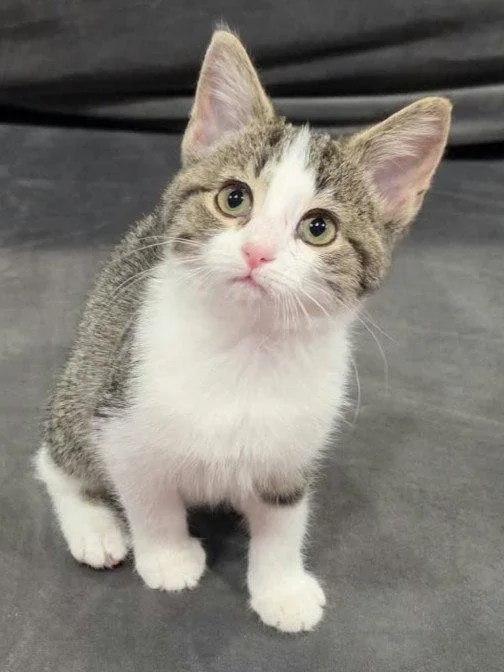
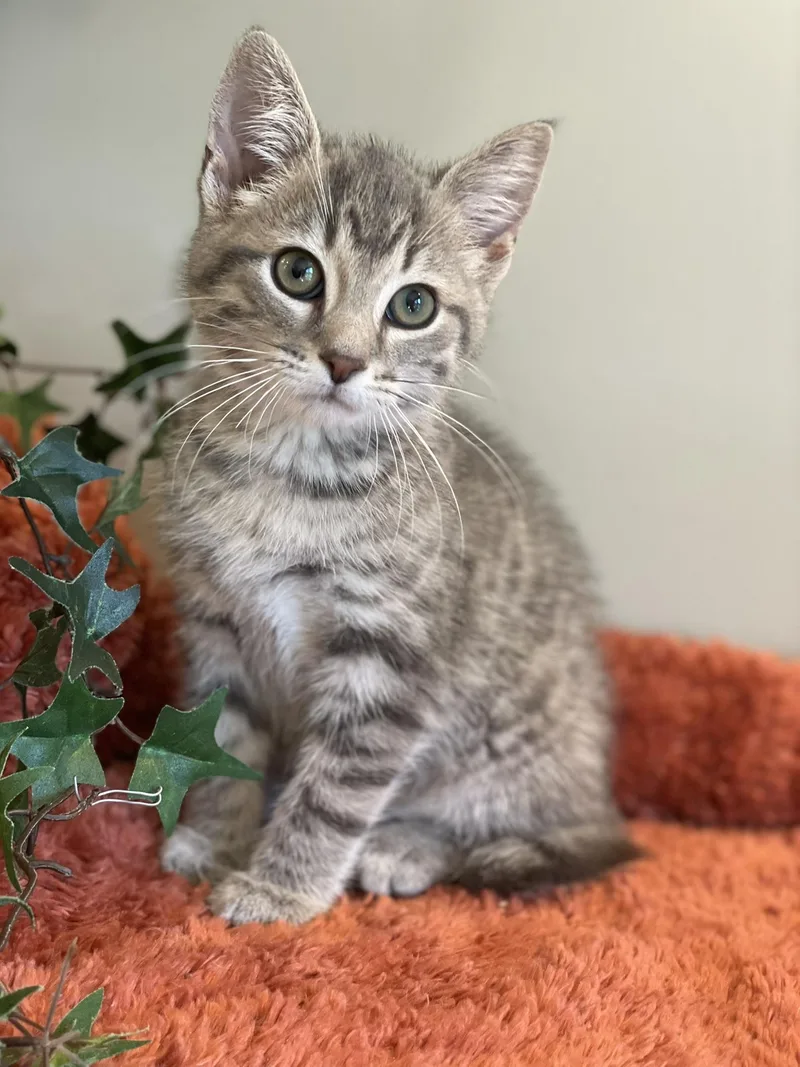
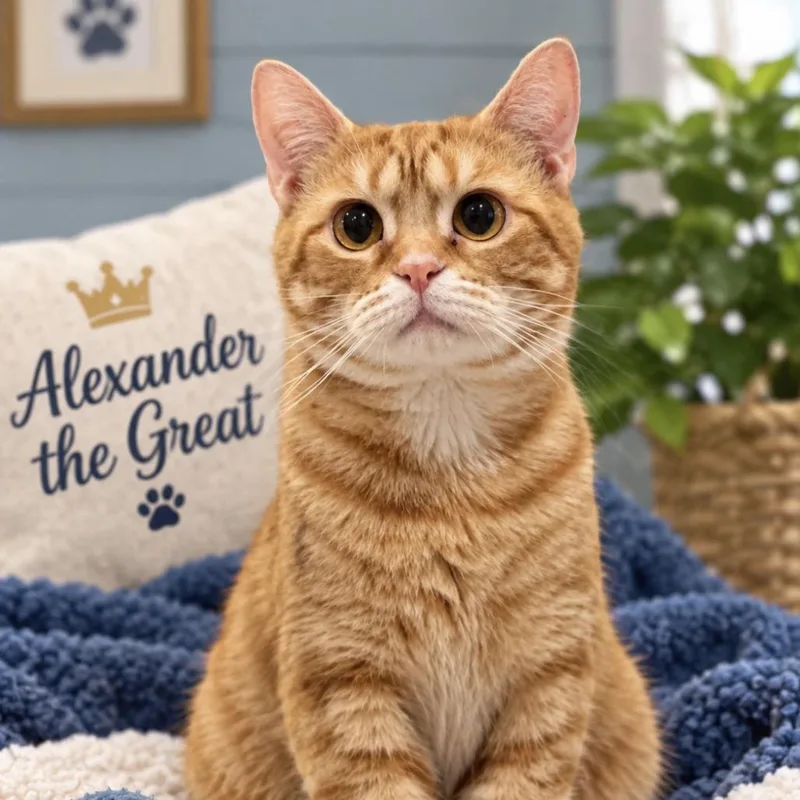
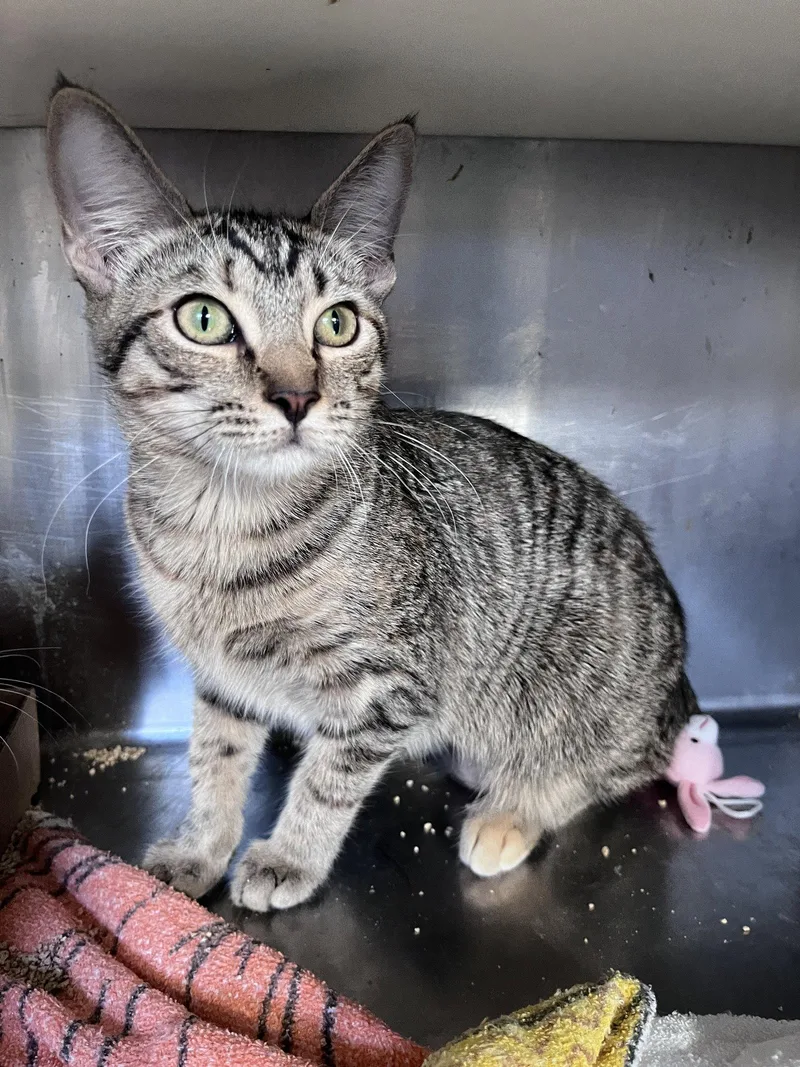
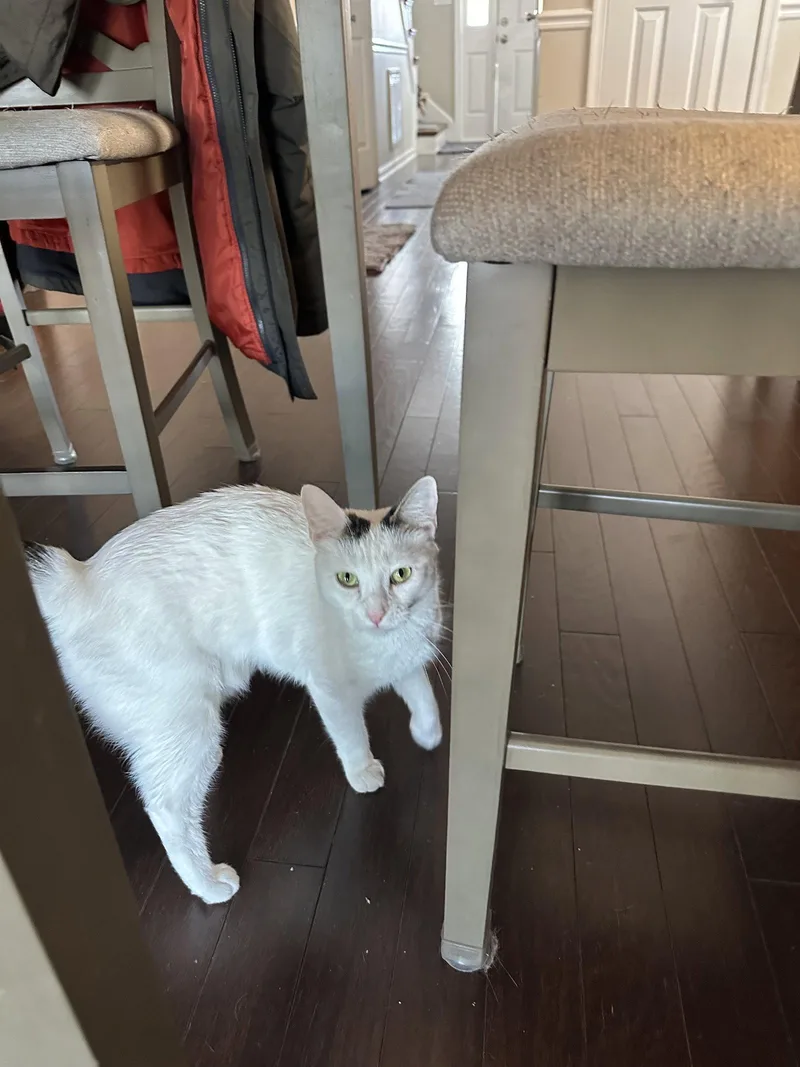
The Manx comes from the Isle of Man in the Irish Sea, where a natural mutation spread through the island's cats and created one of the oldest recognized breeds. The famous missing tail can be absent, short or, in some cats, nearly full length. Underneath, the Manx is round and solid, with a short back, hind legs longer than the front and a thick double coat that sheds moderately.

Most Manx are gentle, devoted and playful in bursts, and they trill softly rather than yowl. At 8 to 12 pounds they're medium-sized and slow to mature. The gene behind short tails can cause spinal, bowel and bladder problems, usually showing in kittenhood, so a veterinary exam soon after adoption is worthwhile. In Virginia Beach's humid summers, that thick coat is worth keeping brushed.

Weight
8–12 lbs
Height
8–10 in
Lifespan
10–14 yrs
Temperament
Playful, Devoted, Gentle
Shedding
Moderate

Owning a Manx in Virginia Beach

Having a Manx in Virginia Beach

Short or missing tails get the attention, but a Manx is mostly about its rounded build, strong hind legs and close bond with its household. The tail gene's health effects matter when choosing, and in Virginia Beach, indoor living and a storm plan matter too.

Temperament

Manx cats are often calm, affectionate and loyal, and some pick one favorite person to follow around. Many enjoy a good game of fetch, then settle in for a long nap. Some are wary of strangers at first. Every cat differs, so spend time with the Manx you're considering and see how it responds to your household's noise level.

Exercise Needs

Plan on a couple of play sessions a day with wand toys, fetch or food puzzles. Strong hind legs make Manx enthusiastic jumpers, so cat trees and wall shelves are welcome, and a sunny window perch gives them something to watch. Regular play also helps keep this solidly built cat at a healthy weight.

Health Considerations

Manx syndrome can affect the spine, hind legs, bladder and bowel, usually before four months of age, and tailless cats are more at risk. Stumpy tails can develop arthritis, and some Manx deal with constipation or megacolon. Have a veterinarian check walking and litter box habits early, and keep up parasite prevention, since the warm season runs long here.

Living Space

A Manx does well in a Virginia Beach apartment, condo or house with sturdy climbing furniture and cozy resting spots. Keep it indoors, since traffic is a risk and coyotes are reported across the city. A cat with mobility or continence issues may need a low-sided litter box and ramps.

What it costs to own a Manx in Virginia Beach

ExpenseTypical costPer year
Adoption fee$100, one time$100 in year one
Food$25 to $50 per month$300 to $600
Pet insurance$30 to $60 per month$360 to $720
Routine vet care$150 to $350 per year$150 to $350
Other*$455 to $1,160 per year$455 to $1,160
Estimated yearly total (after year one)$1,265 to $2,830
First-year total (with adoption fee)$1,365 to $2,930

Adoption fee is the fee on Manx listings in Virginia Beach on GetBuddy today. Other costs are estimates and vary with size, age and health.

* Litter, parasite prevention, a dental cleaning allowance, toys and scratchers, brushing supplies for the double coat, and the $5 to $10 yearly Virginia Beach cat license.

Adopt a Manx in Virginia Beach.

Now that you know more, let’s find you a new best friend. These rescues and shelters below currently have Manxes available.

Rescues in Virginia Beach with Manxes Available

Virginia Beach's shelters and rescues care for thousands of lost, stray and surrendered pets every year. Here are the rescues & shelters in the Virginia Beach area where you can find Manxes and other cats available for adoption.

Frequently Asked Questions

Yes. No known Virginia Beach rule restricts Manx cats by breed, and there's no known limit on how many cats a household can keep. You'll need a city license and a current rabies vaccine once the cat is four months old. Licenses can be bought online, by mail, at the Treasurer's offices or at participating vets.

Yes, a Manx adapts well to apartments, including Town Center's mid- and high-rise buildings. They're usually quiet, trilling rather than yowling, which suits shared walls. Provide a tall cat tree, a window perch and daily play. Keep balcony doors and windows screened, since Manx are strong jumpers, and use a low-sided litter box if the cat has mobility issues.

Yes, indoor Manx cats handle Virginia Beach summers well with some care. Their thick double coat holds heat in humid weather, so keep the air conditioning on during hot spells, brush regularly and set out fresh water in several spots. Keep them off hot patios and balconies, and never leave a cat in a parked car, even briefly.

Only in a small cage. Hampton Roads Transit buses and the VB Wave trolley allow animals in small cages that don't need a separate seat, so a Manx in a carrier small enough to stay on your lap qualifies. The Tide light rail runs only in Norfolk and admits just service animals. Check current fares with HRT.

Often, yes, especially for people who are home regularly and enjoy playing with a cat. Manx tend to bond closely and often prefer company. Fit also depends on being ready for possible veterinary needs tied to the tail gene and for hurricane-season planning, including a carrier and an evacuation plan, since a storm can mean leaving home.

Weekly brushing is enough for most shorthaired Manx, with extra sessions in spring when the thick double coat sheds, and more for longhaired cats. Humid summers don't call for baths; wipe the coat as needed and trim nails. Routine grooming costs are mostly brushing supplies, which fall under the Other line of the cost table.

Not as a general rule. Virginia's food rules let restaurants admit dogs on qualifying open-air patios, but they don't extend to cats, and live animals are generally barred indoors. Service animals fall under disability law. A Manx is usually happier at home with a window perch and a favorite toy.

A Manx is a medium-sized cat breed from the Isle of Man, best known for having no tail or a short tail due to a natural genetic mutation. Manx cats are round and sturdy, with longer hind legs, a thick double coat and a gentle, playful personality. Some Manx have full-length tails, since tail length varies even within litters.

We have 2 rescues with Manxes available: Caribbean Paws Adoption Network and Coastal Purrs Cat Rescue. You can see every rescue with Manxes available in the list above these questions, or scroll to the top to see the Manxes near Virginia Beach.

A Manx typically costs about $1,265 to $2,830 a year. That covers food at $25 to $50 a month, insurance at $30 to $60 a month, routine vet care at $150 to $350 a year, and other costs of $455 to $1,160 a year. Care for Manx syndrome would add to that.

Explore Other Breeds in Virginia Beach

Looking for a different breed? Browse other cats available for adoption in Virginia Beach.