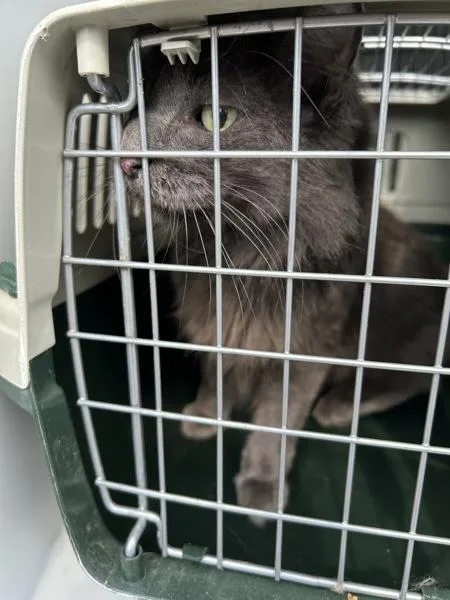
Dilute Tortoiseshell Cats for Adoption in Virginia Beach, VA

Your guide to finding and caring for a Dilute Tortoiseshell in Virginia Beach

Dilute Tortoiseshell cats fit the townhouses and garden apartments around Green Run and Kempsville easily. The blue-cream coat is a pattern, not a breed, so these cats run from lap-seekers to aloof window watchers. A medium-sized indoor cat needs little more than a scratching post, a sunny perch and a couple of play sessions a day. Coyote sightings across the city, from the southern farmland to First Landing, are one more reason to keep a Virginia Beach tortie inside.

278 Dilute Tortoiseshells available in Virginia Beach and nationwide

Meet your next Dilute Tortie

While we don't have enough cats near Virginia Beach, keep in mind that many rescues may offer transport.

Dilute Tortoiseshells Available for Adoption Near Virginia Beach

About the Dilute Tortoiseshell breed

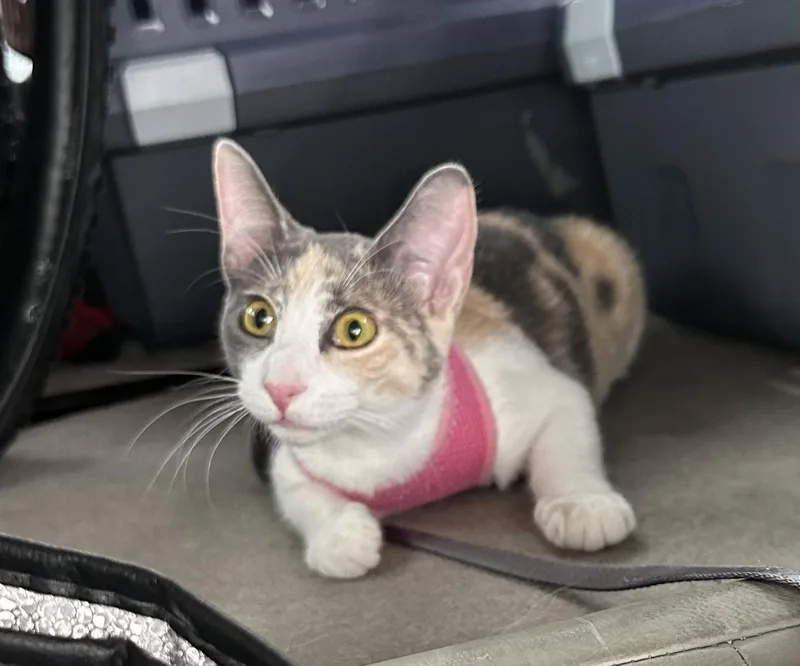
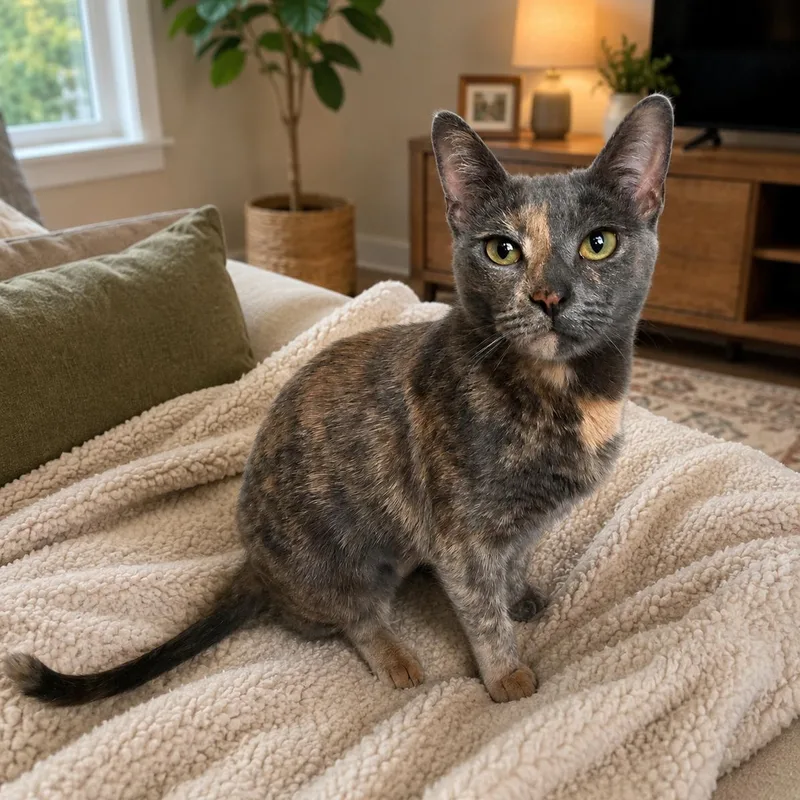
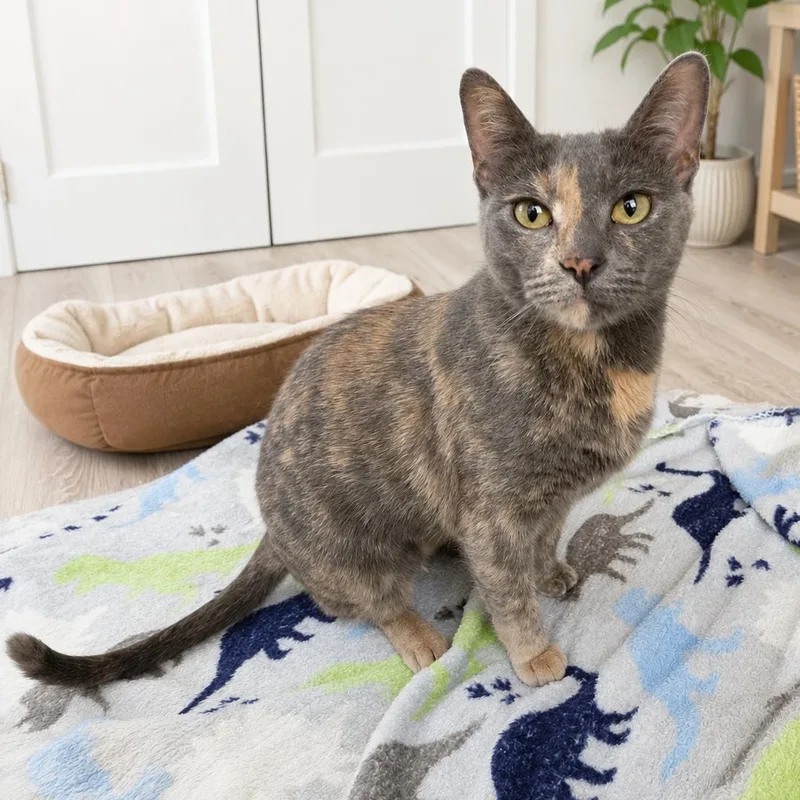
A dilute tortoiseshell is a coat pattern rather than a breed: blue-gray and cream patches or a fine marbled blend, produced when a cat inherits the recessive dilution gene from both parents. Because the patchwork depends on two X chromosomes, nearly all dilute torties are female. Most are domestic shorthairs or longhairs, though the coloring also appears in Persians, British Shorthairs and Maine Coons.

Coat color says little about personality. Dilute torties in Virginia Beach homes can be shy, outgoing, cuddly or independent. Shedding is moderate, so a weekly brushing keeps fur off the furniture. Adults typically weigh 6 to 14 pounds and live 12 to 18 years. Spend time with a cat before deciding, and let how she behaves, rather than her coat, guide the match.

Weight
6–14 lbs
Height
8–10 in
Lifespan
12–18 yrs
Temperament
Affectionate, Independent, Curious
Shedding
Moderate

Owning a Dilute Tortoiseshell in Virginia Beach

Having a Dilute Tortoiseshell in Virginia Beach

Dilute tortoiseshell describes coloring, so traits follow a cat's mix, age and upbringing. In Virginia Beach, the practical questions are indoor enrichment, a coat routine that suits the humidity, and a plan for storm season.

Temperament

Dilute torties range from timid to confident, and from lap cats to independent explorers. Tortitude is folklore with little evidence behind it. A cat's socialization and behavior when you meet predict life together far better than coat color. In a busy Virginia Beach household, a confident cat copes with visitors, while quieter cats prefer calm rooms.

Exercise Needs

Most indoor cats do well with a couple of daily play sessions using wand toys or balls, plus puzzle feeders and climbing spots. Kittens and young adults need the most, while older cats prefer gentler games. A sunny window perch gives a cat something to watch between games, and a harness-trained cat can enjoy supervised time on a screened porch or in a catio.

Health Considerations

The dilute tortie pattern carries no known health risk for female cats. The rare males usually have an extra X chromosome and may face added concerns. Otherwise health follows breed mix, age and care, so yearly checkups, dental attention and a healthy weight matter most. Virginia requires rabies vaccination, and a veterinarian can check a new cat for fleas, ear mites and dental trouble.

Living Space

Dilute torties adapt to apartments and houses alike, since needs follow the cat rather than the coat. Virginia Beach offers both, from Town Center condos to Kempsville townhouses. Provide scratching posts, perches and hiding spots, and keep window screens secure. Longhaired dilute torties also need a regular brushing routine.

What it costs to own a Dilute Tortoiseshell in Virginia Beach

ExpenseTypical costPer year
Food$25 to $50 per month$300 to $600
Pet insurance$20 to $45 per month$240 to $540
Routine vet care$150 to $350 per year$150 to $350
Other*$455 to $1,155 per year$455 to $1,155
Estimated yearly total (after year one)$1,145 to $2,645

Other costs are estimates and vary with size, age and health.

* The $5 Virginia Beach license for a spayed or neutered cat, litter, flea and tick prevention, a dental cleaning allowance, toys and supplies, and light home grooming.

Adopt a Dilute Tortoiseshell in Virginia Beach.

Now that you know more, let’s find you a new best friend. These rescues and shelters below have cats available in and near Virginia Beach.

Rescues and Shelters in or near Virginia Beach

Virginia Beach's rescue community includes a city shelter and a private SPCA, with cats adopted spayed or neutered and microchipped. Here are the rescues & shelters in the Virginia Beach area with cats available for adoption, worth asking whether a Dilute Tortoiseshell is coming in.

Frequently Asked Questions

Yes, on Hampton Roads Transit buses and the VB Wave trolley, as long as the cat stays in a small carrier that doesn't need its own seat. The Tide light rail runs only in Norfolk and accepts service animals only. Choose a secure, ventilated carrier and check current fares with HRT before riding.

Yes, as indoor cats. Summers bring about a month of 90°F days and humid nights near 70°F, so the main risks are overheating on sunny windowsills and in parked cars. Keep air moving, offer fresh water in several rooms, and stay home with a quiet hiding spot during thunderstorms and July 4 fireworks.

Yes. No known breed rules apply to cats here, and a coat pattern isn't regulated anyway. You'll need a city license once the cat is four months old, plus a current rabies vaccination. Watch the listings on this page, since which cats are available changes often.

Yes, cats generally do well in apartments. Read the lease for animal type, breed or size restrictions before adopting, and get the pet policy in writing. Inside, give the cat vertical space, scratching posts and a window perch, and keep screens secure, especially in a high-rise around Town Center.

It depends on coat length. Shorthaired dilute torties usually need a weekly brushing, while longhaired cats do better with several sessions a week to prevent tangles. Shedding rises in spring as temperatures warm. Home grooming is a small part of the yearly Other costs, and professional grooming is rarely necessary.

A tortoiseshell cat is a cat with a coat pattern, not a breed, that mixes black-based and orange-based colors in patches or a mottled blend with little or no white. The dilute version shows blue-gray and cream instead. The pattern appears in domestic shorthairs and many purebreds, and because of its genetics nearly all tortoiseshells are female.

Almost all tortoiseshell cats are female, but not every single one. The orange and black color genes sit on the X chromosome, and a cat needs two X chromosomes to show both colors together. Females have two, so they can be torties. A tortoiseshell male is possible only through rare genetic exceptions, such as carrying an extra X chromosome.

No, tortoiseshell cats are not rare. The pattern is common among domestic cats, and shelters regularly have torties available for adoption. What is rare is a male tortoiseshell, which occurs in only about one in every few thousand. Dilute torties are less common than standard black-and-orange ones because dilution is recessive, but they are far from unusual.

Yes, tortoiseshell cats can be male, but it is very rare, estimated at about one in 3,000 tortoiseshells. Most male torties have an extra X chromosome, an XXY makeup, which allows both orange and black colors to appear. These males are usually sterile and can face added health issues. A few others result from unusual genetic events such as chimerism.

Expect food at $25 to $50 a month, insurance at $20 to $45 a month, routine vet care at $150 to $350 a year, and other costs at $455 to $1,155 a year. Together that comes to roughly $1,145 to $2,645 a year, with costs close to the national average.

Find Dilute Tortoiseshells in Nearby Cities

Expand your search to find Dilute Tortoiseshells available for adoption near Virginia Beach.

Explore Other Breeds in Virginia Beach

Looking for a different breed? Browse other cats available for adoption in Virginia Beach.