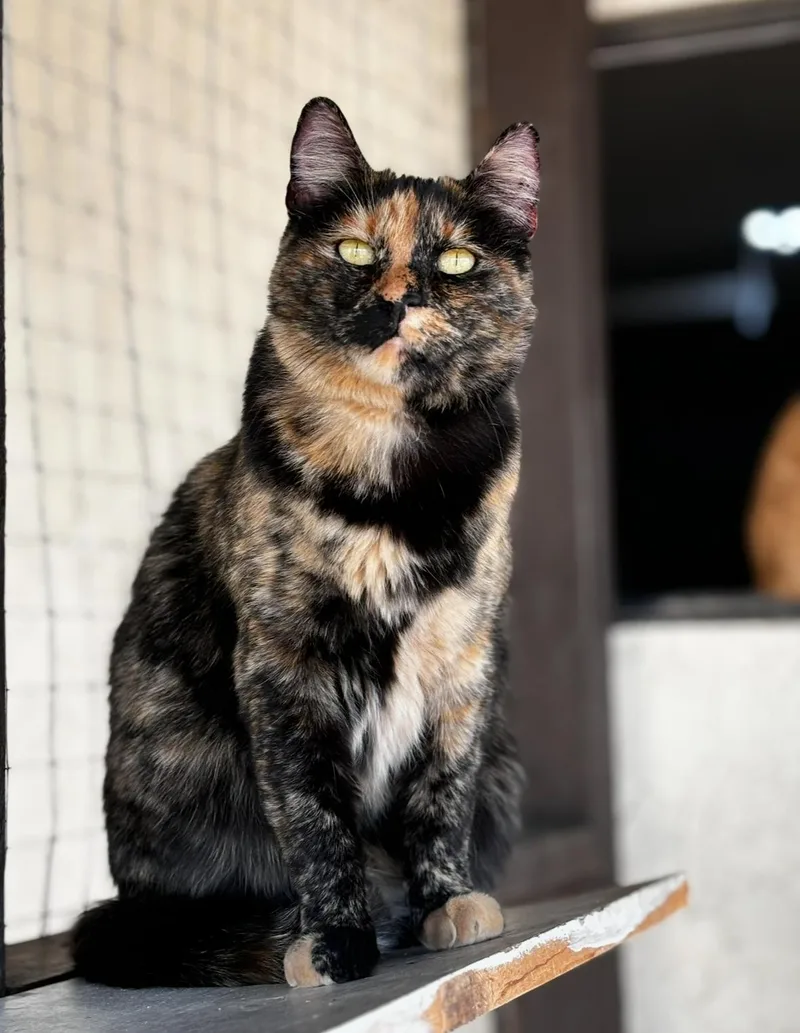
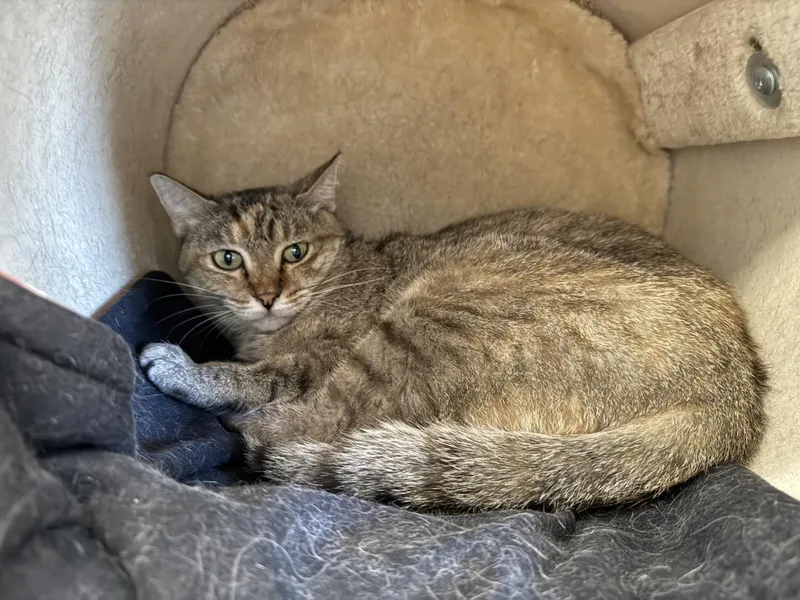
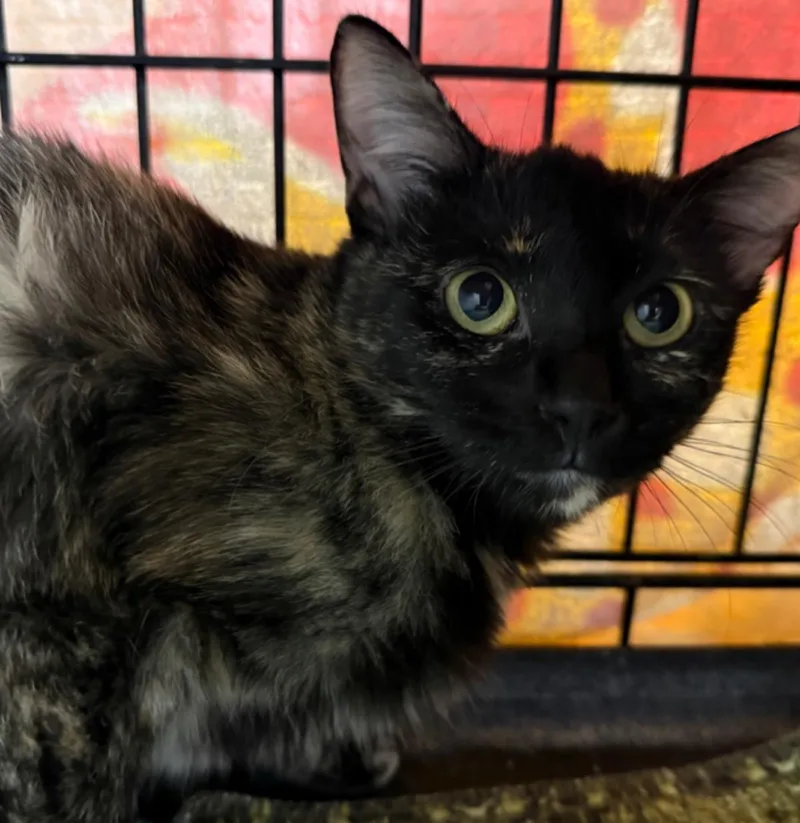
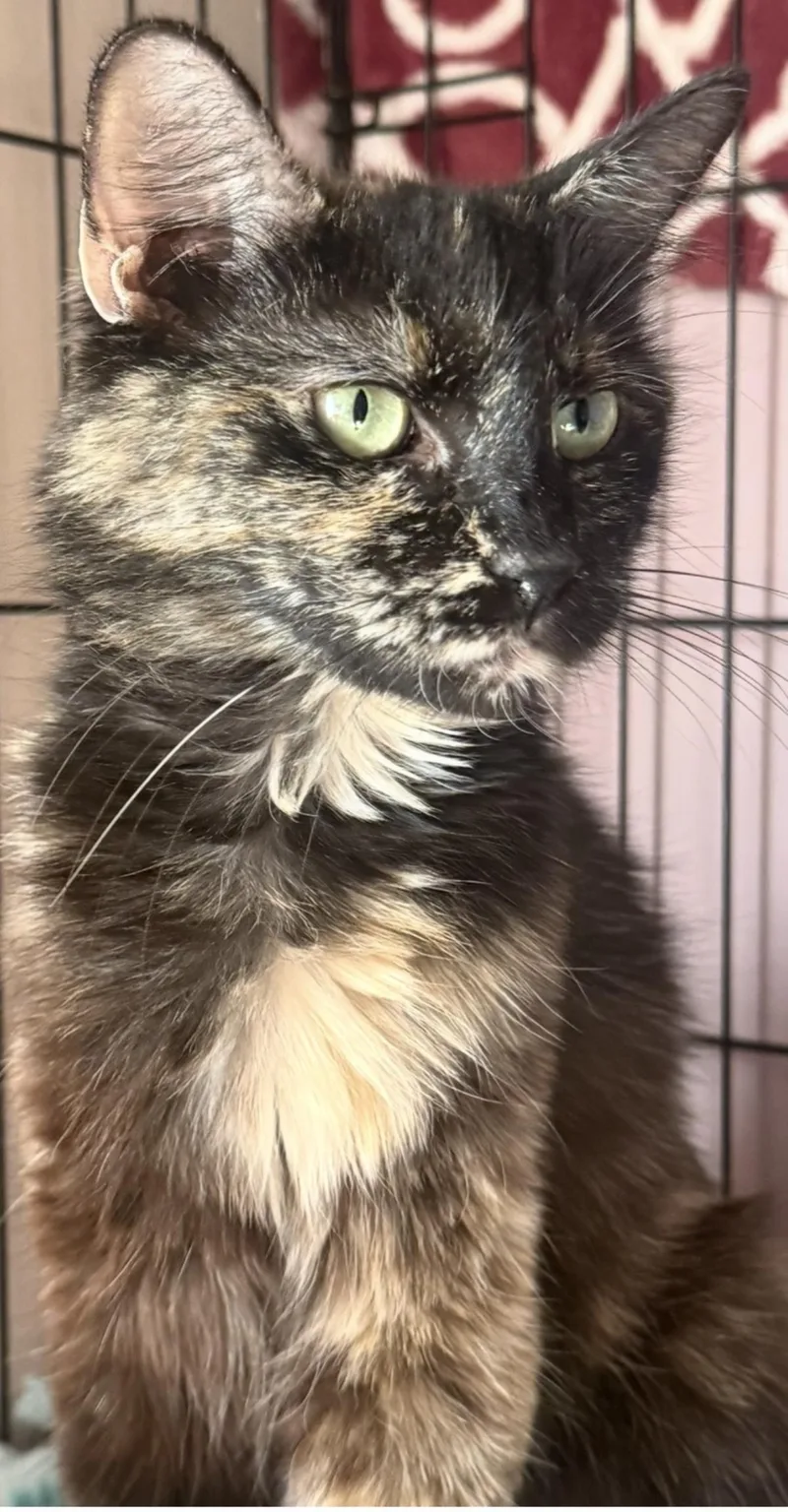
Tortoiseshell Cats for Adoption in Salt Lake City, UT

Your guide to finding and caring for a Tortoiseshell in SLC

Tortoiseshell cats fit well into Salt Lake City's older apartments and houses, as long as they have somewhere good to look outside. Around the Avenues, with its Victorian-era houses and apartment buildings on steep, quiet streets, a window perch gives a tortie plenty to watch. Tortoiseshell is a coat pattern, not a breed, so personalities run from shy to bold. Most settle in with daily play, a cat tree and a sunny sill in a Central City one-bedroom.

960 Tortoiseshells available in Salt Lake City and nationwide

Your Tortoiseshell is waiting

While we don't have enough cats near Salt Lake City, keep in mind that many rescues may offer transport.

Tortoiseshells Available for Adoption Near Salt Lake City

About the Tortoiseshell breed

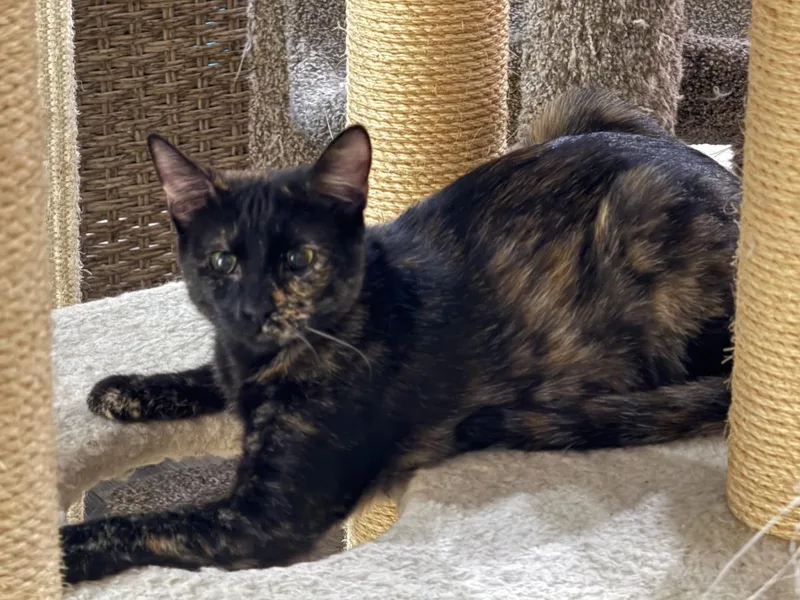
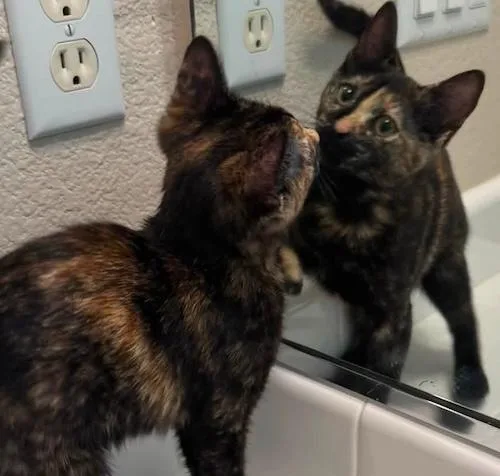
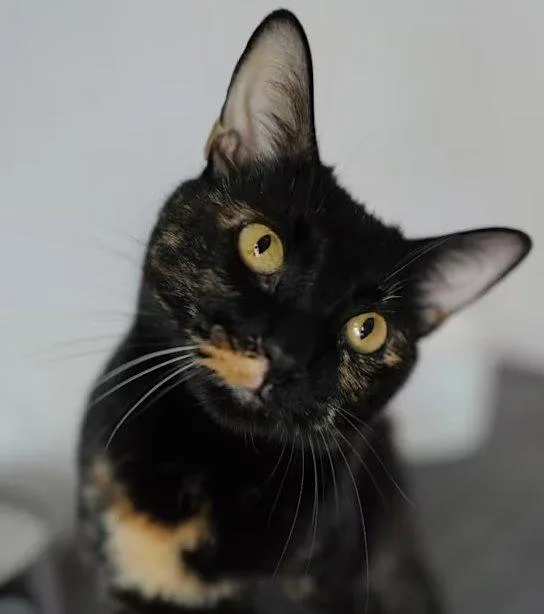
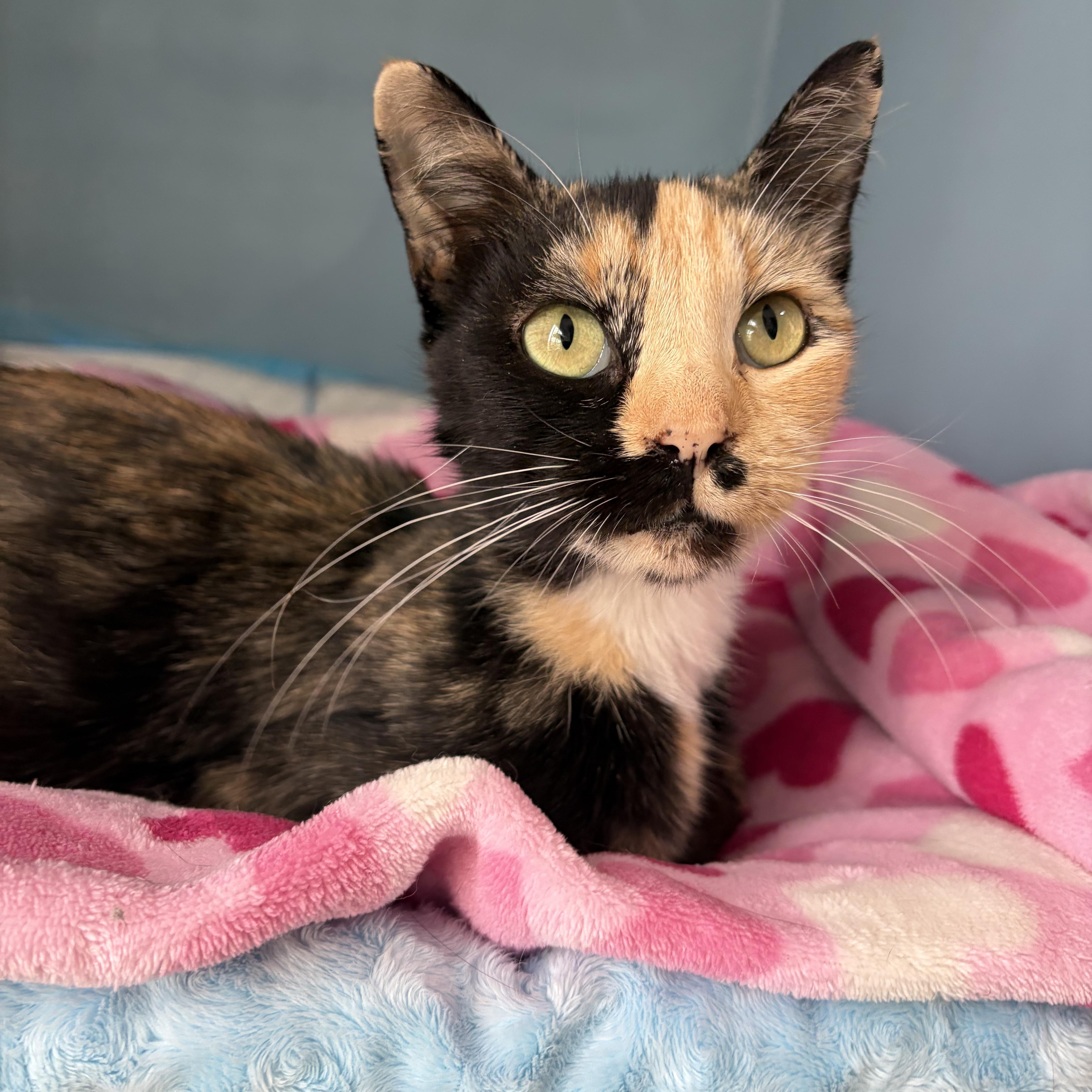
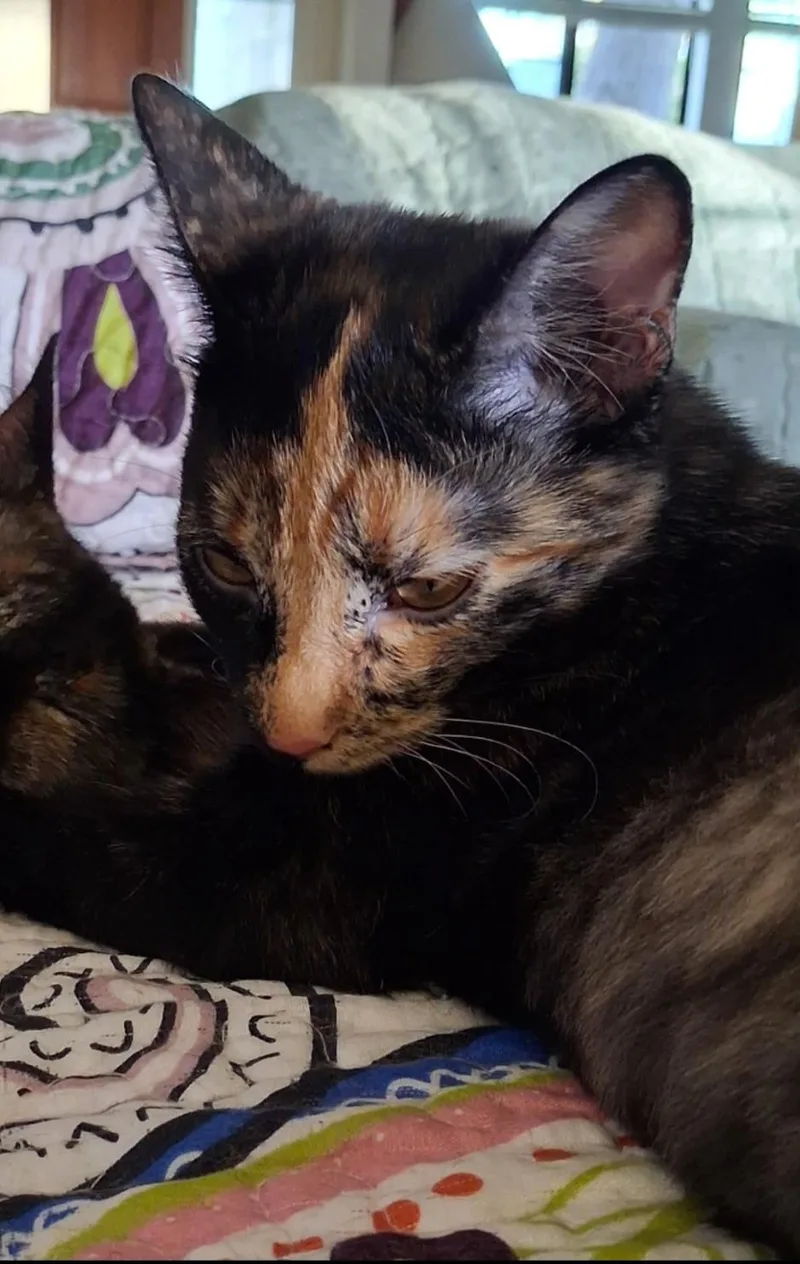
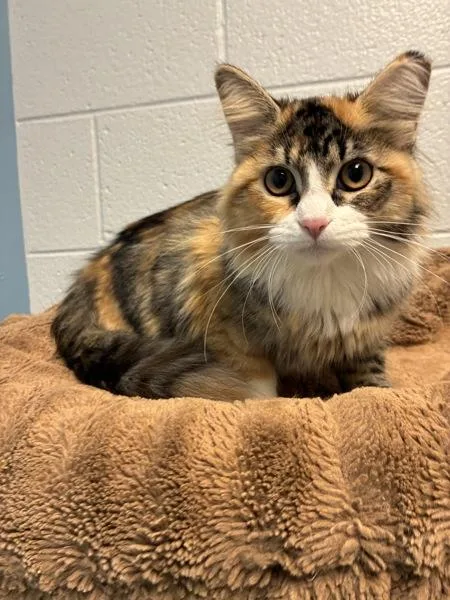
Tortoiseshell is a coat pattern rather than a breed. A tortie's fur mixes black-based and orange-based colors in patches or a fine mottled blend, usually with little or no white. Dilute torties show soft gray and cream, and torbies add tabby stripes. Because the orange gene sits on the X chromosome, nearly all tortoiseshells are female.

Most torties in Salt Lake City homes are domestic shorthairs, though the pattern also appears in Persians, Maine Coons and many other breeds. The nickname tortitude suggests a sassy streak, but the evidence is thin, and a cat's age, history and socialization say far more than coat color. Expect moderate shedding, a medium frame of roughly 6 to 14 pounds and a lifespan that often runs 12 to 18 years. Short coats need a weekly brush; longhaired torties need more.

Weight
6–14 lbs
Height
8–10 in
Lifespan
12–18 yrs
Temperament
Independent, Affectionate, Playful
Shedding
Moderate

Owning a Tortoiseshell in Salt Lake City

Having a Tortoiseshell in SLC

Because tortoiseshell describes a coat, a tortie's traits come mostly from ancestry, age and upbringing. These cards cover what holds for most tortoiseshells, typically domestic shorthairs, and how that plays out in a Salt Lake City home.

Temperament

Torties have a reputation for being spirited, but the evidence is mostly owner impressions, and cats range from shy to bold and from cuddly to independent. A confident cat may enjoy a busy apartment building, while a shy one may prefer a quieter corner. Spend time with the cat and watch how she responds.

Exercise Needs

Most tortoiseshells do well with two or three short play sessions a day using wand toys, chase games and puzzle feeders. Kittens and young adults need more, seniors less. Salt Lake City's long winters keep many cats indoors, so a tall cat tree and a window perch matter for daily enrichment.

Health Considerations

The tortoiseshell pattern carries no particular health risks in female cats; the rare males usually have an extra X chromosome and may face added issues. Otherwise, health depends on ancestry, age and care. Yearly vet exams, dental care and a healthy weight matter most, and a veterinarian can check a newly adopted cat for fleas, dental disease and other concerns.

Living Space

Tortoiseshells fit apartments and houses equally well, since space needs depend on the cat rather than the coat. In a rental, a cat tree, scratching posts and a hideaway make a smaller place comfortable. Quiet cats may prefer calmer buildings, while social, confident ones often adapt to busier ones.

What it costs to own a Tortoiseshell in Salt Lake City

ExpenseTypical costPer year
Food$25 to $50 per month$300 to $600
Pet insurance$20 to $45 per month$240 to $540
Routine vet care$150 to $350 per year$150 to $350
Other*$475 to $1,200 per year$475 to $1,200
Estimated yearly total (after year one)$1,165 to $2,690

Other costs are estimates and vary with size, age and health.

* The Salt Lake City cat license, litter, flea and tick prevention, a yearly dental cleaning allowance, toys and supplies, and home grooming.

Adopt a Tortoiseshell in Salt Lake City.

Now that you know more, let’s find you a new best friend. These rescues and shelters below currently have Tortoiseshells available.

Rescues in Salt Lake City with Tortoiseshells Available

Salt Lake County Animal Services and Best Friends in Sugar House are two of the groups caring for adoptable cats here. Here are the rescues & shelters in the SLC area where you can find Tortoiseshells and other cats available for adoption.

Frequently Asked Questions

Yes. No known Salt Lake City rule treats cats differently by coat pattern; what matters is licensing. Cats must be licensed by 5 months old or within 30 days of arrival, with proof of rabies vaccination, and renewed yearly. The city doesn't cap licensed cats, but your lease might, so confirm pet terms before signing.

Often, yes, especially for people who can offer daily play and keep her indoors. Cold winters and hot July afternoons are easy to manage inside, and cats adapt well to city living. Since tortoiseshell is a coat rather than a personality, spend time with a cat before deciding, because shy and bold torties both exist.

Yes. Cats adapt well to apartments, and torties are no exception. Provide a cat tree, scratching posts and a window perch, and read the lease for pet fees and limits. Pet terms vary by building, so get them in writing. A quiet hideaway helps if the cat is shy or the building is noisy.

Yes, as indoor cats. Salt Lake City winters bring freezing nights, regular snow and some smoggy inversion days. A heated home, warm bedding and a sunny perch keep a tortie comfortable. Keep her inside, especially on poor-air days, and brush regularly, since dry indoor air can leave skin itchy or flaky.

Most shorthaired torties need brushing about once a week, more often in spring when coats lighten, while longhaired ones need several sessions a week to prevent mats. Dry air can make skin flaky, so brush gently. Home grooming adds little to yearly costs and falls within the Other costs listed on this page.

Yes, as long as the cat is securely contained. UTA allows pets on its buses, TRAX trains and FrontRunner only in a cage, kennel, carrier or container, and staff can't carry or help with it. A sturdy carrier that fits at your feet or on your lap works well for a tortie.

A tortoiseshell cat is a cat with a coat pattern of black-based and orange-based colors blended or patched together, usually with little or no white. It is not a breed; the pattern appears in many breeds and most often in domestic shorthairs. Nearly all tortoiseshells are female because the genes for orange and black are carried on the X chromosome.

Almost all tortoiseshell cats are female, but not all. A female has two X chromosomes and can carry both orange and black color genes, producing the mixed coat. Males normally have only one X. Rare male torties usually have an extra X chromosome or are genetic chimeras, and they are estimated at roughly 1 in 3,000 tortoiseshells.

We have 1 rescue with Tortoiseshells available: Pet Samaritan Fund. You can see every rescue with Tortoiseshells available in the list above these questions, or scroll to the top to see the Tortoiseshells near Salt Lake City.

Expect roughly $1,150 to $2,700 a year for a tortoiseshell in SLC: food at $25 to $50 a month, insurance at $20 to $45 a month, routine vet care at $150 to $350 a year, and $475 to $1,200 a year in other costs such as litter, parasite prevention, dental care and the city license.

Find Tortoiseshells in Nearby Cities

Expand your search to find Tortoiseshells available for adoption near Salt Lake City.

Explore Other Breeds in Salt Lake City

Looking for a different breed? Browse other cats available for adoption in Salt Lake City.