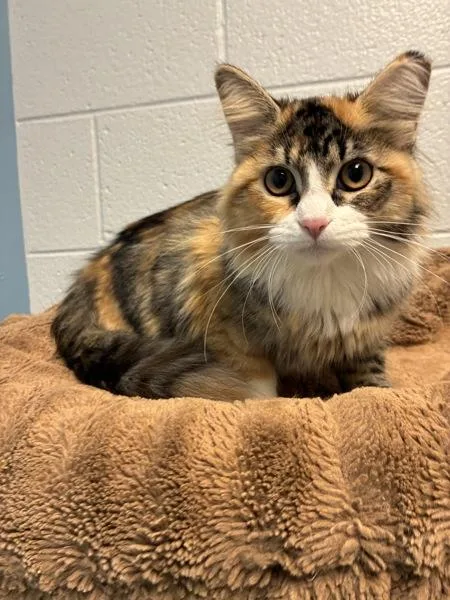
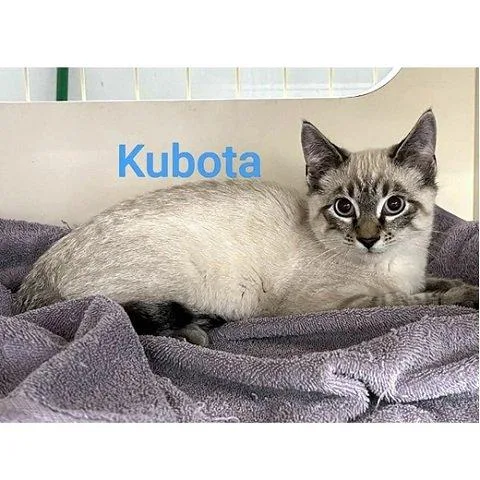
Torbie Cats for Adoption in Salt Lake City, UT

Your guide to finding and caring for a Torbie in SLC

A torbie fits Salt Lake City apartment life well, as long as there's a window to watch from. In the Avenues, where Victorian-era houses and apartment buildings climb the hillside streets, a sunny sill gives a curious cat hours of entertainment. Torbie is a coat pattern rather than a breed, so personalities range from shy to chatty, but most are playful and enjoy a daily game with a wand toy. With coyotes and cougars in the foothills above town, they're safest as indoor cats.

303 Torbies available in Salt Lake City and nationwide

Fall for a Torbie

While we don't have enough cats near Salt Lake City, keep in mind that many rescues may offer transport.

Torbies Available for Adoption Near Salt Lake City

About the Torbie breed

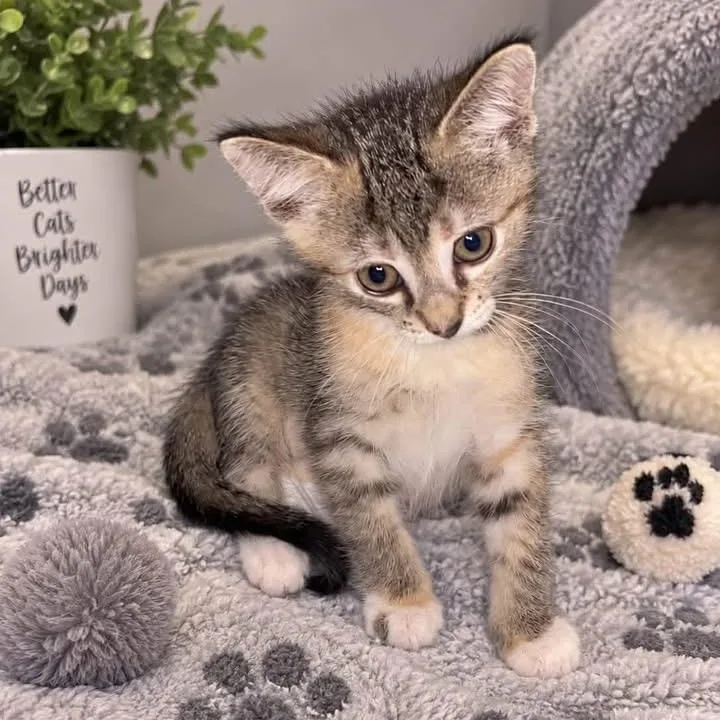
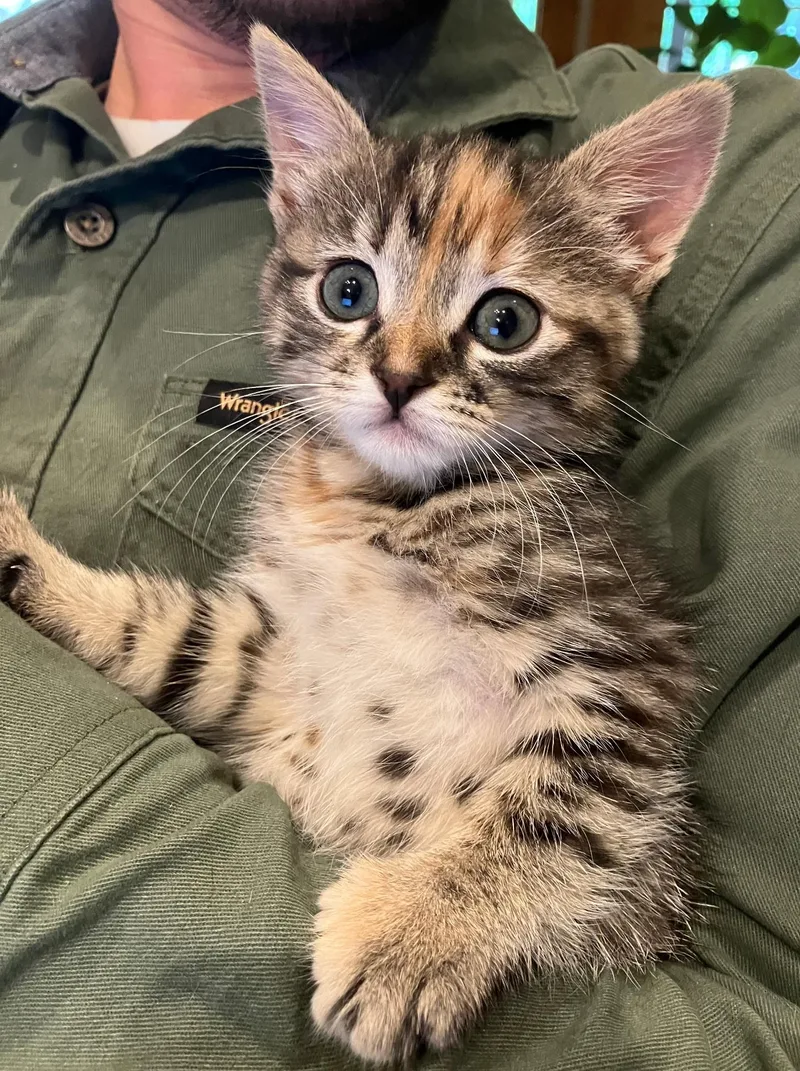
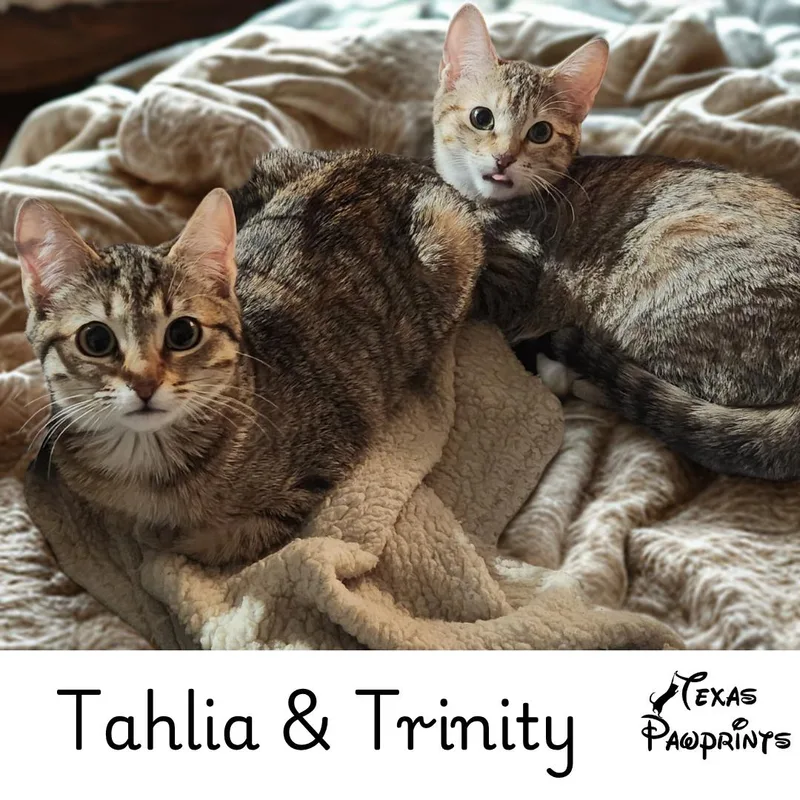
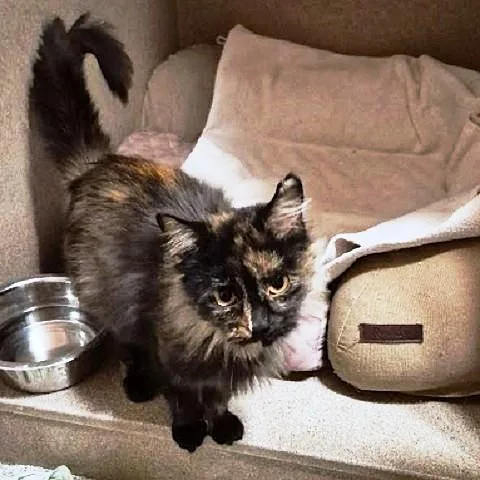
Torbie describes a coat, not a breed. The name blends tortoiseshell and tabby, so a torbie carries patches of black-based and orange-based color with tabby stripes, swirls or spots running through them, often with the classic M on the forehead. Nearly all torbies are female, and most torbies in shelters are domestic shorthairs or longhairs, usually medium-sized cats of roughly 6 to 14 pounds.

Because the pattern says little about a cat's ancestry, the best guide is the cat in front of you. Some torbies are playful and talkative, others reserved, and coat color doesn't predict which. Moderate shedding is typical, so weekly brushing keeps fur under control. Plan on scratching posts, window perches and daily play, and weigh a cat's age, history and personality well above its pattern.

Weight
6–14 lbs
Height
8–10 in
Lifespan
12–18 yrs
Temperament
Playful, Affectionate, Curious
Shedding
Moderate

Owning a Torbie in Salt Lake City

Having a Torbie in SLC

Torbie is a coat pattern, so these cards describe domestic cats in general. In SLC, the practical questions are indoor enrichment, comfort through hot summers and cold winters, and how a particular cat's age and history fit your home.

Temperament

Torbies are often called playful, affectionate and curious, but that comes from owners' impressions, and coat color hasn't been shown to predict behavior. Shy cats usually settle best in a quiet apartment, while outgoing ones enjoy company. Time spent with a cat is the best way to judge whether its temperament suits your household.

Exercise Needs

Daily play matters most for indoor cats in SLC, especially through long winters. Aim for a few short sessions with wand toys, chase games and puzzle feeders, and give climbers a cat tree or shelf near a window. Kittens and young adults want more activity, while seniors prefer gentler play.

Health Considerations

A torbie's health depends on ancestry, age and care, not the pattern. Rare male torbies usually carry an extra X chromosome and may face added health issues. Keep up vaccinations, dental care and a healthy weight, and have a veterinarian check any newly adopted cat soon after it comes home.

Living Space

Torbies adapt to apartments and houses alike, whether in an Avenues apartment or a small brick house in Rose Park. Vertical space does a lot of work: a cat tree, window perch and scratching post suit most. Shy cats prefer calmer homes, while social ones often handle busy households.

What it costs to own a Torbie in Salt Lake City

ExpenseTypical costPer year
Food$25 to $50 per month$300 to $600
Pet insurance$20 to $45 per month$240 to $540
Routine vet care$150 to $350 per year$150 to $350
Other*$475 to $1,175 per year$475 to $1,175
Estimated yearly total (after year one)$1,165 to $2,665

Other costs are estimates and vary with size, age and health.

* The $25 Salt Lake City license for a sterilized cat, litter, flea and parasite prevention, a dental cleaning allowance, toys and supplies, and home grooming.

Adopt a Torbie in Salt Lake City.

Now that you know more, let’s find you a new best friend. These rescues and shelters below currently have Torbies available.

Rescues in Salt Lake City with Torbies Available

Salt Lake City's shelters and rescues care for cats of every age, coat and personality, torbies among them. Here are the rescues & shelters in the SLC area where you can find Torbies and other cats available for adoption.

Frequently Asked Questions

Often, yes, especially for adopters who can offer daily play and a safe indoor home. Torbies are commonly described as playful and curious, but personalities vary, so judge the cat rather than its coat. With cold winters and hot summers, SLC suits indoor cats that have window views, climbing spaces and company in the evening.

Yes, torbies adapt well to apartments, because a cat's space needs come from its age and energy, not its coat. Provide a window perch, cat tree, scratching post and daily play. Shy cats suit quiet buildings, while outgoing ones tolerate neighbor noise better. Confirm pet terms and deposits in your lease before you sign.

Yes. The city doesn't cap the number of licensed cats, but it does require a license by five months of age, with proof of vaccination and sterilization. Your landlord may set its own limits, so confirm pet terms first. Browse the cats on this page, or save a search to hear about new torbies.

Yes, for indoor torbies. Winters are cold and snowy, with freezing nights from November through March, and summers are hot and dry, with July highs averaging in the mid-90s. A cat living indoors with fans or air conditioning in summer, a warm bed in winter and fresh water year-round handles both comfortably.

Most torbies need brushing about once a week, since shedding is moderate. Longhaired ones may need it every few days, and spring coat changes can call for extra sessions. Grooming is usually done at home, so it adds little to the yearly Other costs of $475 to $1,175, which also cover litter, parasite prevention and dental care.

Yes, if the torbie is securely contained. UTA allows pets on its buses, TRAX light rail and FrontRunner only inside a cage, kennel, carrier or container, and staff can't carry or help with it. A sturdy, ventilated carrier that stays closed for the whole ride also makes vet trips easier.

A torbie cat is a cat whose coat combines tortoiseshell and tabby patterns, with patches of black-based and orange-based color plus tabby stripes, swirls or spots. It is a coat pattern, not a breed, and appears mostly in domestic shorthairs and longhairs. Torbies are also called tortie-tabbies or patched tabbies, and nearly all are female.

No, torbie cats are not especially rare. The pattern appears whenever a tortoiseshell cat also inherits tabby markings, which is common, and shelters regularly have torbies available. Male torbies are a different story: like other male tortoiseshells, they are very rare. Some variations, such as silver or dilute torbies, are seen less often but are still not unusual.

We have 1 rescue with Torbies available: Pet Samaritan Fund. You can see every rescue with Torbies available in the list above these questions, or scroll to the top to see the Torbies near Salt Lake City.

Expect roughly $25 to $50 a month for food, $20 to $45 a month for insurance, $150 to $350 a year for routine vet care, and $475 to $1,175 a year for everything else, including litter, parasite prevention and the license. That puts a typical year at about $1,165 to $2,665 before any emergencies.

Find Torbies in Nearby Cities

Expand your search to find Torbies available for adoption near Salt Lake City.

Explore Other Breeds in Salt Lake City

Looking for a different breed? Browse other cats available for adoption in Salt Lake City.