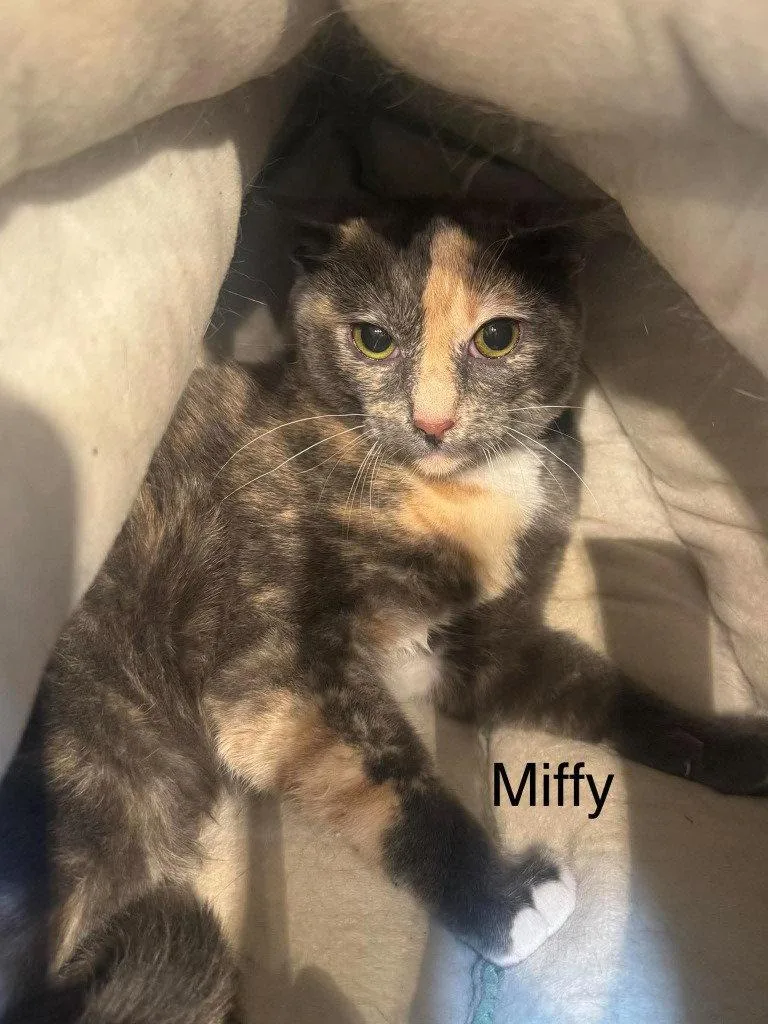
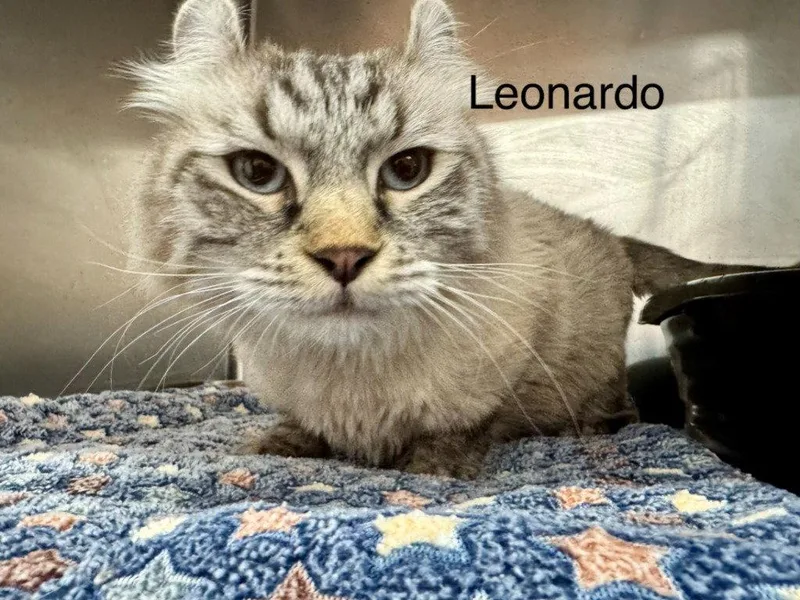
Russian Blue Cats for Adoption in St. George, UT

Your guide to finding and caring for a Russian Blue in St. George

A Russian Blue suits a quiet home in St. George, whether that's a Desert Color townhome or an older house in Bloomington Hills. These cats like routine and calm, so a place without constant visitors tends to work well. Most spend the day on a sunny window perch, then come out for a wand-toy session in the evening. Since summer afternoons here regularly pass 100°F, an indoor life with air conditioning is the easy choice for this breed.

764 Russian Blues available in St. George and nationwide

Find your Russian Blue

While we don't have enough cats near St. George, keep in mind that many rescues may offer transport.

Russian Blues Available for Adoption Near St. George

About the Russian Blue breed

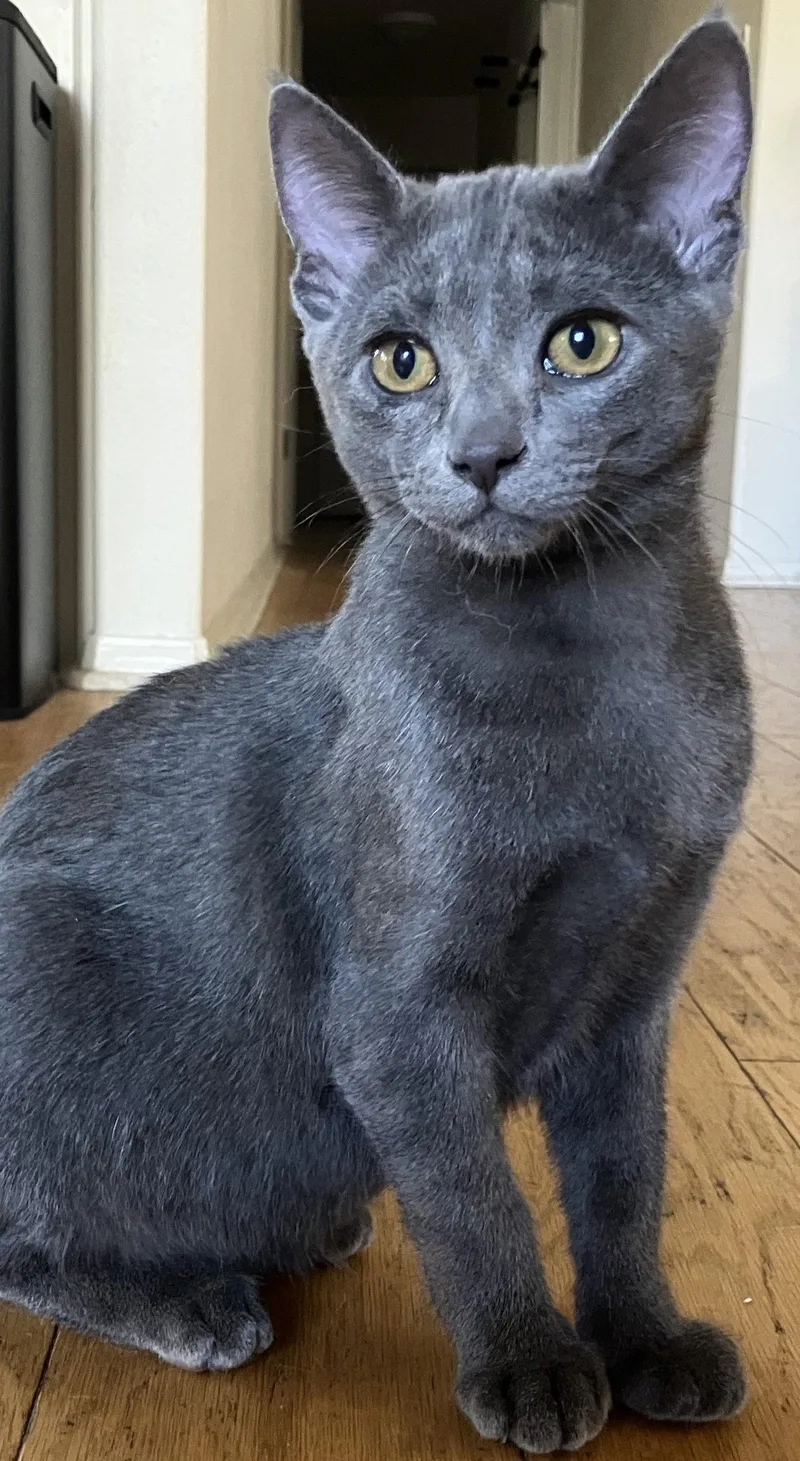
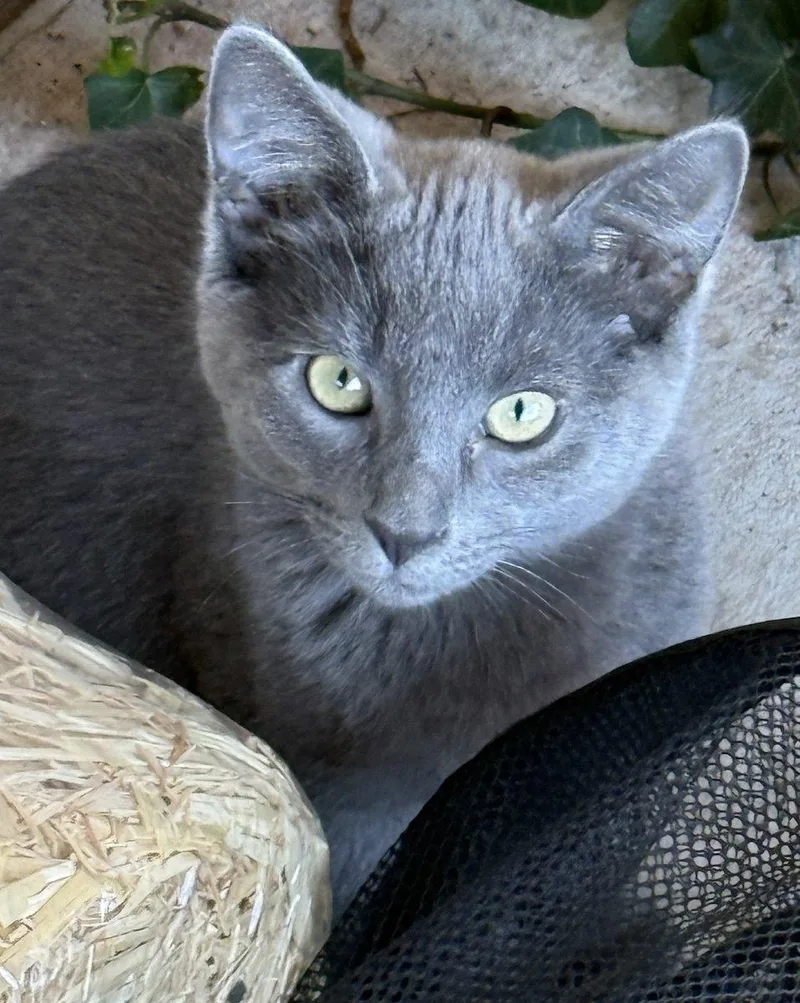
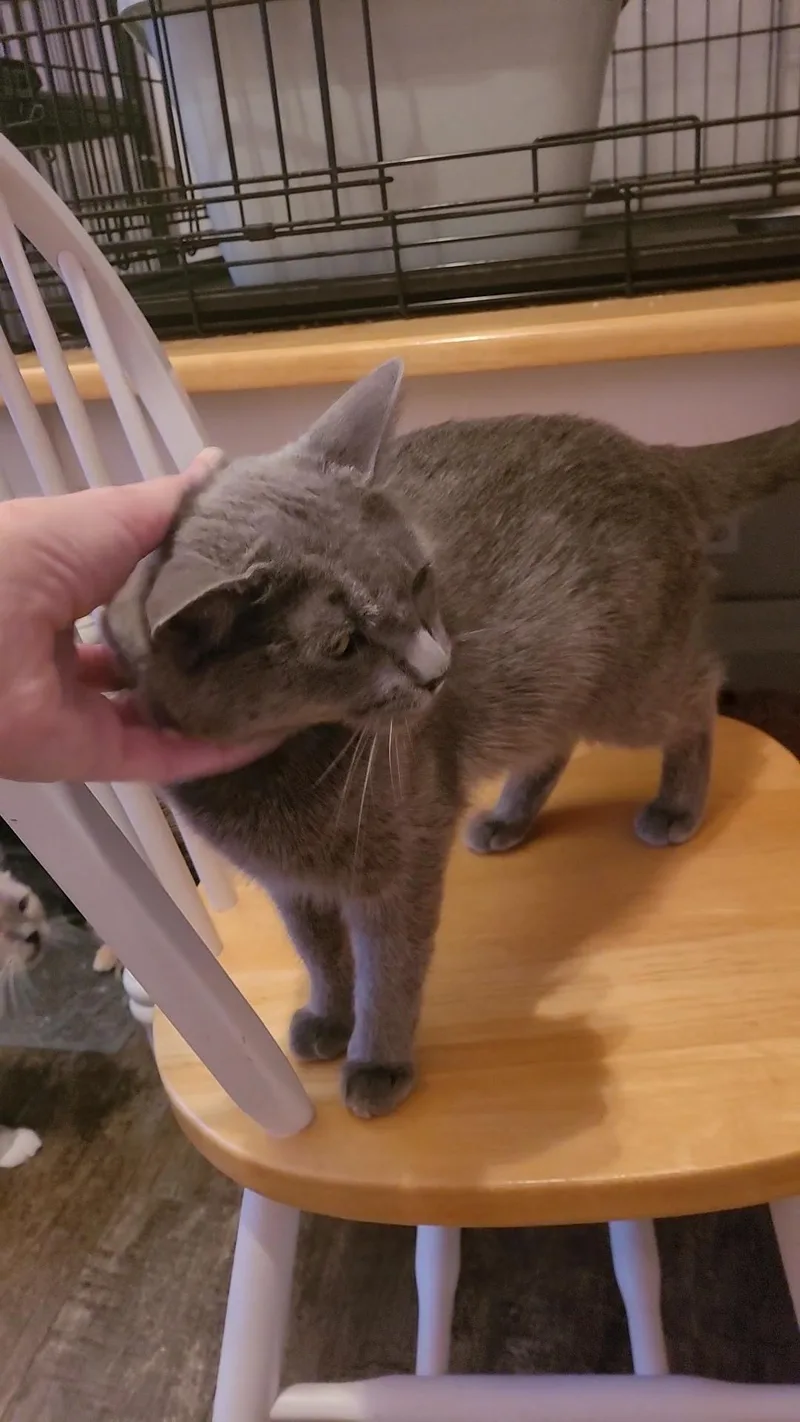
Russian Blues are slender, fine-boned cats with a dense, plush double coat of even blue-grey, tipped with silver so it seems to shimmer, and vivid green eyes. The breed is believed to come from the Archangel region of northern Russia, and sailors brought cats to Britain in the 1860s. Adults usually weigh 6 to 12 pounds.

Many are gentle, quiet and devoted to their own people while staying reserved with strangers. They like routine, notice shifts in mood, and enjoy games that challenge them. In a city with long, hot summers, that home-centered nature is an advantage. Their short coat is easy to keep, but a healthy appetite means portion control matters. Cats vary, so a shy one may take weeks to settle in.

Weight
6–12 lbs
Height
8–10 in
Lifespan
12–16 yrs
Temperament
Gentle, Quiet, Intelligent
Shedding
Low to Moderate

Owning a Russian Blue in St. George

Having a Russian Blue in St. George

Russian Blues pair an easy coat with a sensitive streak. How a cat handles routine, visitors and noise matters more than looks, so these four traits are worth weighing against your St. George household before you meet a cat.

Temperament

Many Russian Blues are gentle and loyal with family but cautious with newcomers, often watching from across the room first. Quiet, predictable households tend to suit them. Fireworks around July 4 and Pioneer Day can unsettle a noise-shy cat, so a quiet interior room helps. Each cat's history shapes how fast trust builds.

Exercise Needs

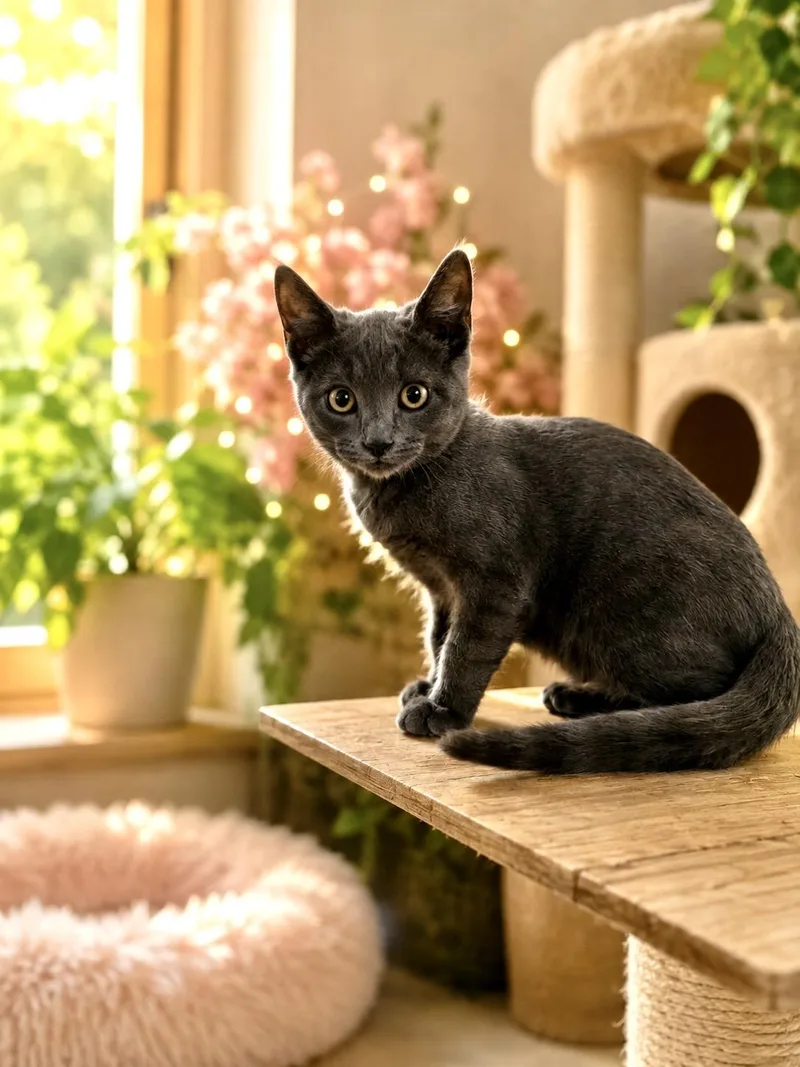
Russian Blues are agile and playful, and enjoy wand toys, chase games and puzzle feeders. Plan two short sessions a day, ideally in the cooler morning and evening, with a cat tree or shelf for climbing. Because they love food, daily play helps keep them lean, especially when summer heat keeps everyone indoors.

Health Considerations

Russian Blues have no widely recognized breed-specific inherited disease, but they can develop dental disease, bladder stones, kidney disease and heart conditions. Obesity is the common, preventable concern. In a dry climate, plenty of fresh water supports urinary health, so offer several bowls or a fountain. Regular vet checkups and measured meals help.

Living Space

Russian Blues usually do well in apartments and quieter houses, valuing cozy retreats over square footage. St. George has a mix of rentals and single-family homes, and either works with window perches, a cat tree and a hiding spot. Indoor living also keeps a cat away from heat and desert wildlife.

What it costs to own a Russian Blue in St. George

ExpenseTypical costPer year
Food$25 to $50 per month$300 to $600
Pet insurance$25 to $50 per month$300 to $600
Routine vet care$150 to $350 per year$150 to $350
Other*$450 to $1,150 per year$450 to $1,150
Estimated yearly total (after year one)$1,200 to $2,700

Other costs are estimates and vary with size, age and health.

* Litter, flea and parasite prevention, a dental cleaning allowance, toys, scratchers and other supplies, and minimal home grooming for the short coat.

Adopt a Russian Blue in St. George.

Now that you know more, let’s find you a new best friend. These rescues and shelters below currently have Russian Blues available.

Rescues in St. George with Russian Blues Available

St. George has a city animal shelter and local rescue groups working to place cats and other pets in homes. Here are the rescues & shelters in the St. George area where you can find Russian Blues and other cats available for adoption.

Frequently Asked Questions

Yes, as an indoor cat. Summers are long and very hot, so a Russian Blue needs air conditioning, shade and several water bowls, with play kept to early morning and evening. Its dense double coat handles the mild winters easily, even though nights regularly dip to freezing. Dry air makes fresh water especially important.

Yes. St. George has no known city cat license, and its at-large rule leaves out domestic cats, so owning a Russian Blue is straightforward. The two-dog household limit applies to dogs only. The basics still matter: a current rabies vaccine, a microchip and an indoor home protect the cat.

Often, yes. Russian Blues value calm routines and cozy retreats over space, so a quiet apartment with a window perch and cat tree can suit them well. Pick a unit away from busy hallways, since noise and frequent visitors can stress a shy cat, and make sure the air conditioning works well.

Often, for a quiet household that's home regularly. A Russian Blue bonds closely with its people and likes routine, which suits someone who works from home or keeps steady hours. Long, hot summers keep the cat indoors anyway, so plan on daily play and enrichment. Busy, noisy homes may need slower introductions.

Very little. The short, plush double coat needs a brush about once a week, a bit more during seasonal shedding in spring and fall. Baths are rarely needed. Nail trims and tooth care matter more than coat work, and the small grooming expense falls within the Other line of the cost table.

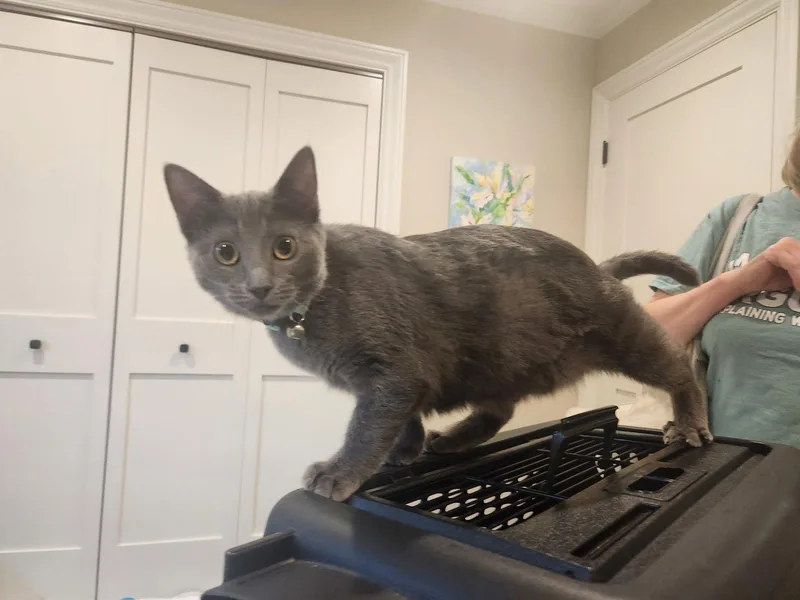
Possibly, in a carrier. St. George's SunTran runs buses Monday through Saturday, with no rail or subway, and a Russian Blue would need a secure, fully enclosed carrier on any trip. Check SunTran's current pet rules before riding, since policies vary. For vet visits, a car is usually easier on a cat.

Russian Blue cats are often gentle, quiet and deeply attached to their families, while staying reserved with strangers. Many like predictable routines, follow favorite people around and enjoy interactive games that test their intelligence. They tend to be sensitive to household mood and noise. Personality varies, so a foster's description of an individual cat is the best guide.

A Russian Blue is a medium-sized shorthaired cat with a dense, plush blue-grey coat tipped in silver, vivid green eyes and a slender, graceful build. The breed is thought to come from northern Russia. Many Russian Blues are quiet, intelligent and loyal to their people, though often shy around visitors until they feel comfortable.

We have 1 rescue with Russian Blues available: Providing Animals With Support (PAWS). You can see every rescue with Russian Blues available in the list above these questions, or scroll to the top to see the Russian Blues near St. George.

Plan on roughly $1,200 to $2,700 a year for a Russian Blue in St. George. That covers food at $25 to $50 a month, insurance at $25 to $50 a month, routine vet care of $150 to $350 a year, and $450 to $1,150 a year in other costs. Adoption fees appear in the listings.