Tortoiseshell Cats for Adoption in Dallas, TX

Your guide to finding and caring for a Tortoiseshell in Dallas

Tortoiseshell cats suit Dallas apartment life, where a sunny window and a tall cat tree cover a lot of what they need. Whether it's a Vickery Meadow complex or a Lakewood duplex, a tortie mostly wants perches, daily play and a steady routine. Tortoiseshell is a coat pattern, not one breed, so personalities run from shy to bossy. Dallas summers are long, so a home with reliable air conditioning matters.

1043 Tortoiseshells available in Dallas and nationwide

Your Tortoiseshell is waiting

Tortoiseshells Available for Adoption Near Dallas

About the Tortoiseshell breed

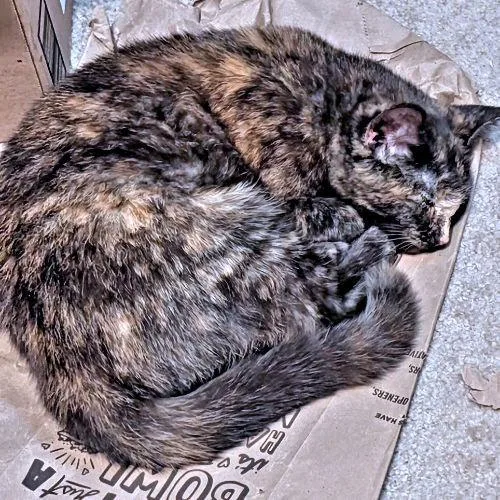
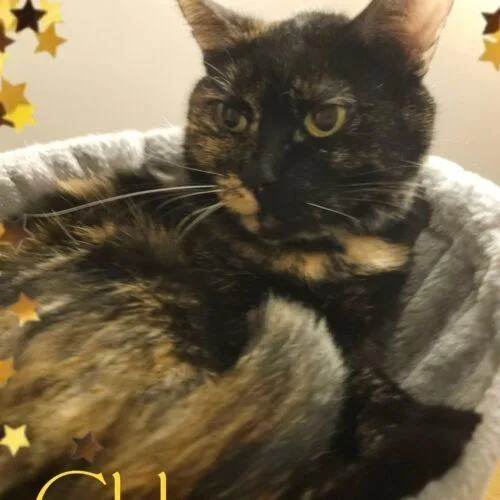
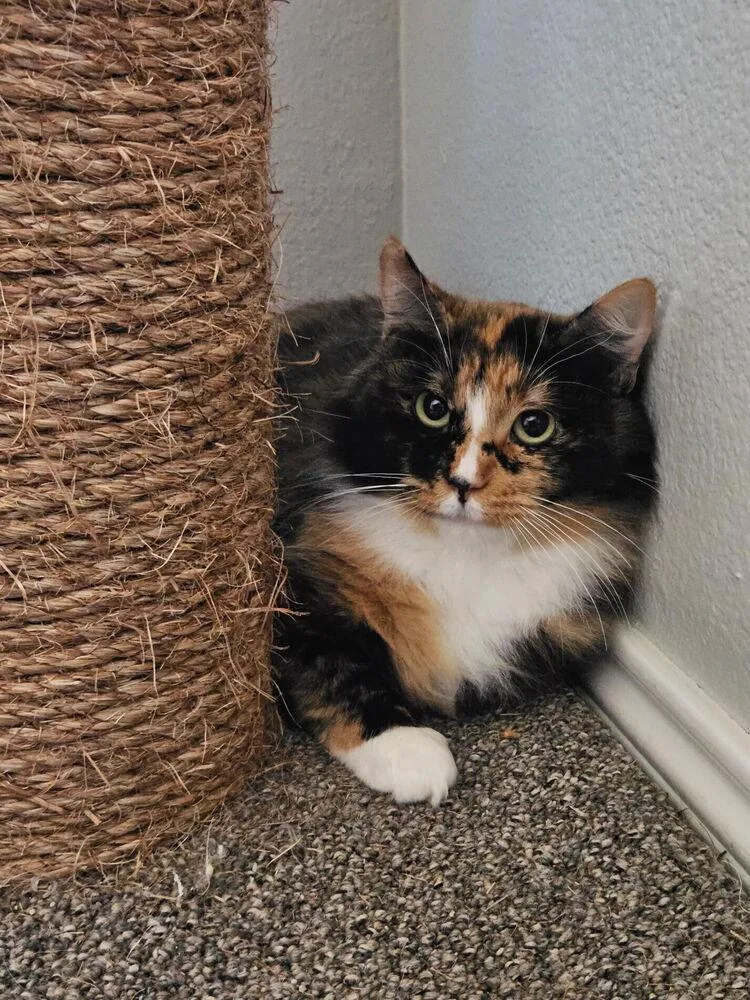
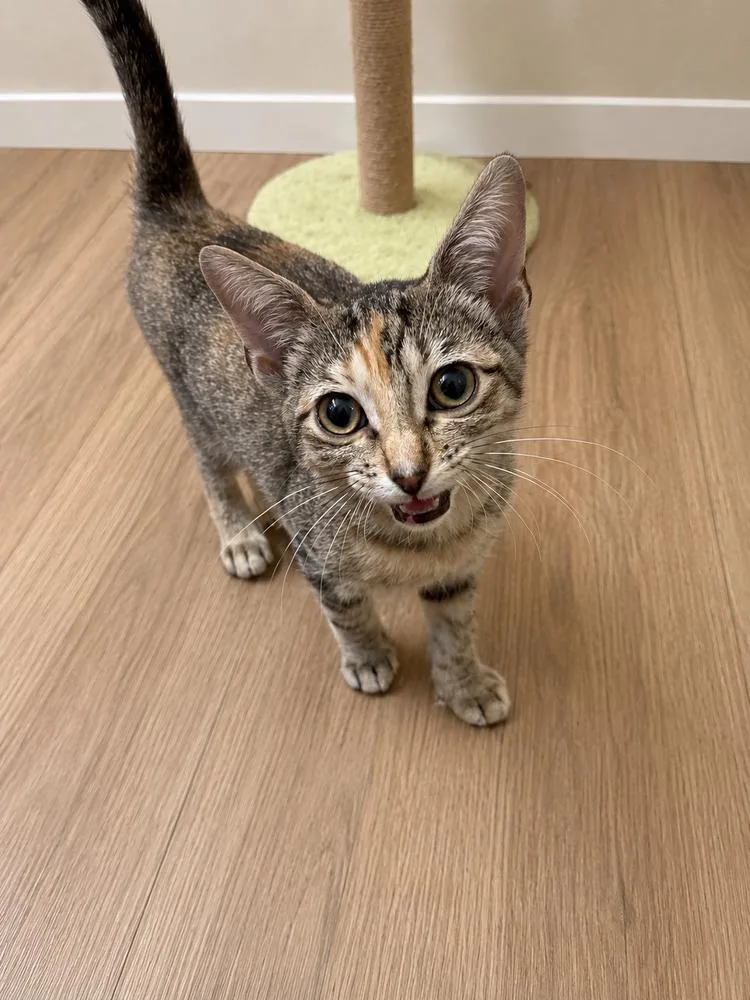
Tortoiseshell is a coat pattern rather than a breed. The coat mixes black-based and orange-based colors in patches or a fine mottled blend, usually with little or no white, and dilute torties show soft gray and cream. Because the orange gene sits on the X chromosome, nearly all torties are female. Most are domestic shorthairs, though the pattern also appears in breeds like Persians and Maine Coons.

Torties have a reputation for "tortitude," but that's folklore more than science. A cat's age, history and socialization say far more about personality than coat color. In Dallas, that means judging each cat on its own: a shy tortie may want a quiet apartment in Lake Highlands, while a bold one may enjoy a busy household. Expect moderate shedding and a lifespan of 12 to 18 years.

Weight
6–14 lbs
Height
8–10 in
Lifespan
12–18 yrs
Temperament
Independent, Affectionate, Playful
Shedding
Moderate

Owning a Tortoiseshell in Dallas

Having a Tortoiseshell in Dallas

Tortoiseshell describes a coat, not a breed, so a tortie's traits come from ancestry, age and upbringing. These cards cover what holds for most torties in Dallas homes, typically domestic shorthairs, and how that plays out in indoor city life.

Temperament

Torties are often called spirited or opinionated, but evidence linking coat color to behavior is limited. In real life they range from shy to bold and from cuddly to aloof. In a Dallas apartment, watch how a cat handles noise and visitors, since hallway sounds and storm season suit calm cats better than easily startled ones.

Exercise Needs

Plan on daily interactive play, such as wand toys, chase games and puzzle feeders, with more for young cats and gentler sessions for seniors. Indoor play matters in Dallas, since summer afternoons are too hot for outdoor time. A cat tree and a window perch add easy enrichment between sessions.

Health Considerations

The tortoiseshell pattern carries no particular health risks in females, while the rare male torties usually have an extra X chromosome and may face added issues. Overall health depends on age and ancestry, so regular checkups, dental care and a healthy weight matter most. Ask a veterinarian about year-round flea prevention in Dallas's warm climate.

Living Space

Torties fit apartments and houses equally well, since space needs depend on the cat rather than the coat. In a typical Dallas apartment, a cat tree, scratching posts and a window perch make a one-bedroom work. Shy cats may prefer a quieter building, while confident, social torties often adapt to busy ones.

What it costs to own a Tortoiseshell in Dallas

ExpenseTypical costPer year
Food$25 to $50 per month$300 to $600
Pet insurance$20 to $45 per month$240 to $540
Routine vet care$150 to $350 per year$150 to $350
Other*$450 to $1,150 per year$450 to $1,150
Estimated yearly total (after year one)$1,140 to $2,640

Other costs are estimates and vary with size, age and health.

* Litter, flea and tick prevention, a dental cleaning allowance, toys and supplies, and home grooming supplies.

Adopt a Tortoiseshell in Dallas.

Now that you know more, let’s find you a new best friend. These rescues and shelters below currently have Tortoiseshells available.

Frequently Asked Questions

Yes. Dallas has no breed-specific rules, and tortoiseshell is a coat pattern anyway. Cats four months and older must be microchipped with a registered chip and vaccinated for rabies, and cats over six months must be spayed or neutered unless a veterinarian documents an exemption. Keep your contact details current with the microchip company.

Yes, in a carrier. DART allows non-service animals on its buses and trains only in a securely latched cage or container, so a tortie in a sturdy carrier can ride, while a cat on a leash or harness can't. Rules on the M-Line trolley and Dallas Streetcar may differ, so confirm before boarding.

Yes. Most torties are domestic shorthairs that do well in apartments with a cat tree, scratching posts, window perches and daily play. Dallas limits how many dogs and cats can share a unit with common walls, and landlords set their own pet deposits and rent, so get the terms in writing before you sign.

Yes, as indoor cats. Dallas has more than 100 days a year at 90°F or higher, so keep the air conditioning on, offer fresh water in several spots and never leave a cat in a parked car. Heavy panting, drooling or lethargy can signal heatstroke, which needs a veterinarian right away.

Most torties are shorthairs and need a quick weekly brushing, while longhaired ones do better with brushing a few times a week to prevent mats. Shedding is moderate. Dallas heat doesn't call for shaving. Home grooming supplies are part of the Other costs on this page, and professional grooming is usually only needed for longhaired cats.

Often, yes, if you can offer an air-conditioned home, daily play and a plan for storm season. Personality varies more by each cat's age and history than by coat, so look through the cats on this page and note which are shy, social or playful before deciding.

A tortoiseshell cat is a cat with a coat pattern of black-based and orange-based colors blended or patched together, usually with little or no white. It is not a breed; the pattern appears in many breeds and most often in domestic shorthairs. Nearly all tortoiseshells are female because the genes for orange and black are carried on the X chromosome.

Almost all tortoiseshell cats are female, but not all. A female has two X chromosomes and can carry both orange and black color genes, producing the mixed coat. Males normally have only one X. Rare male torties usually have an extra X chromosome or are genetic chimeras, and they are estimated at roughly 1 in 3,000 tortoiseshells.

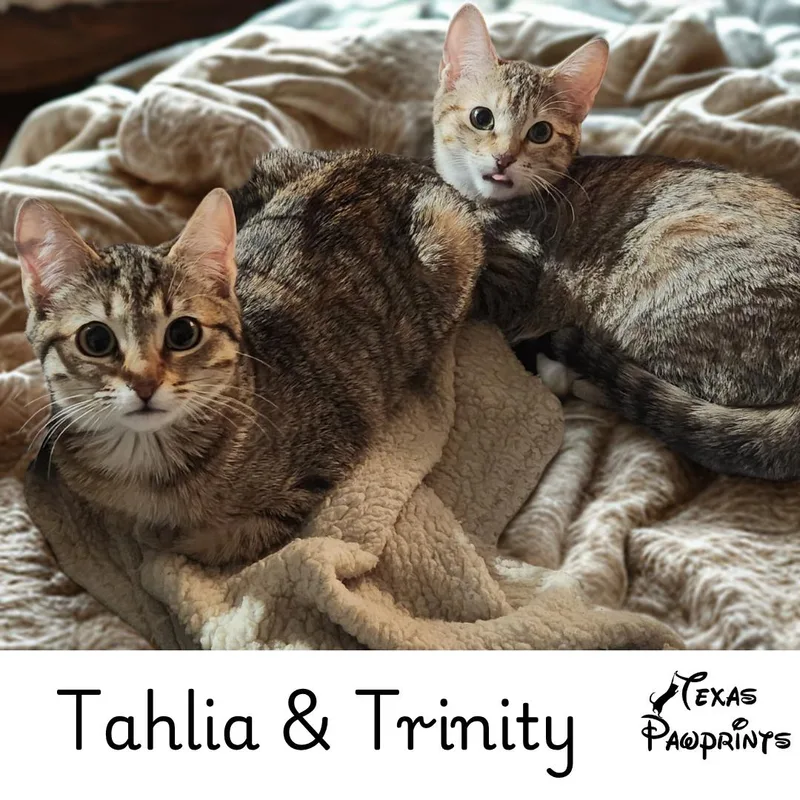
We have 1 rescue with Tortoiseshells available: Texas Pawprints Cat & Kitten Rescue. You can see every rescue with Tortoiseshells available in the list above these questions, or scroll to the top to see the Tortoiseshells near Dallas.

Expect roughly $25 to $50 a month for food, $20 to $45 for pet insurance, $150 to $350 a year for routine vet care, and $450 to $1,150 a year for other costs. That works out to about $1,140 to $2,640 a year. Dallas has no city pet license fee.