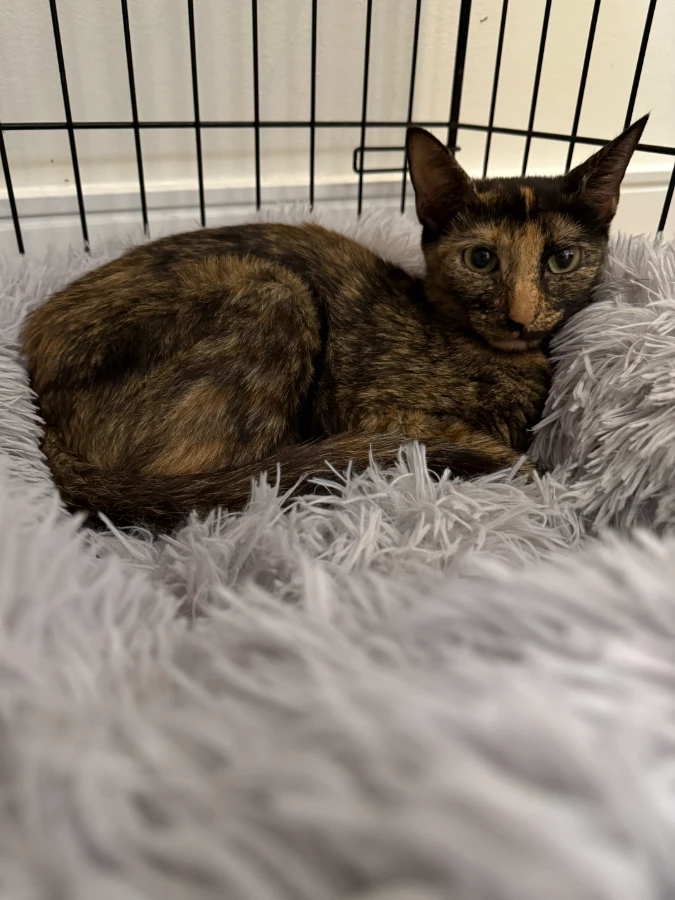
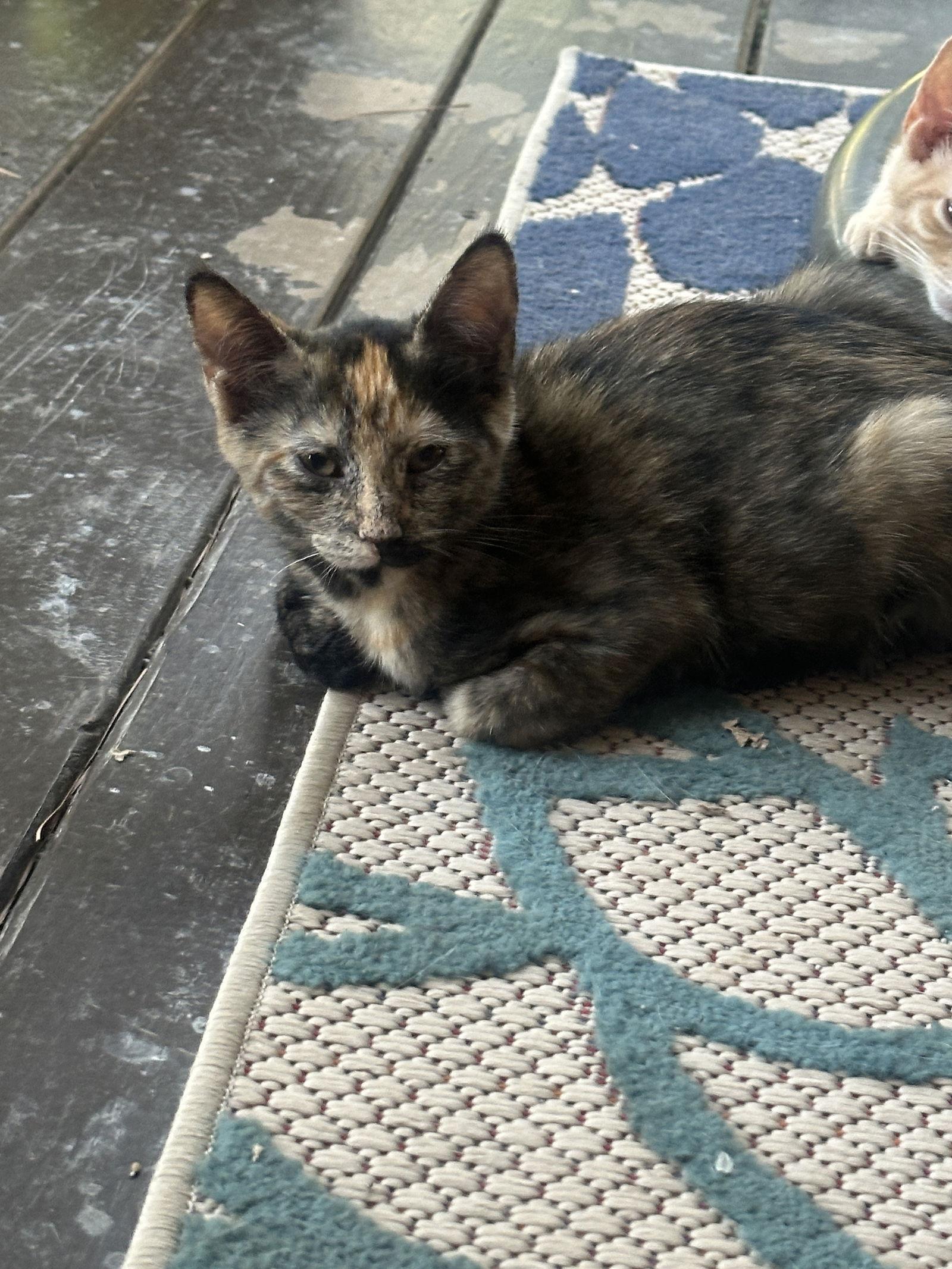
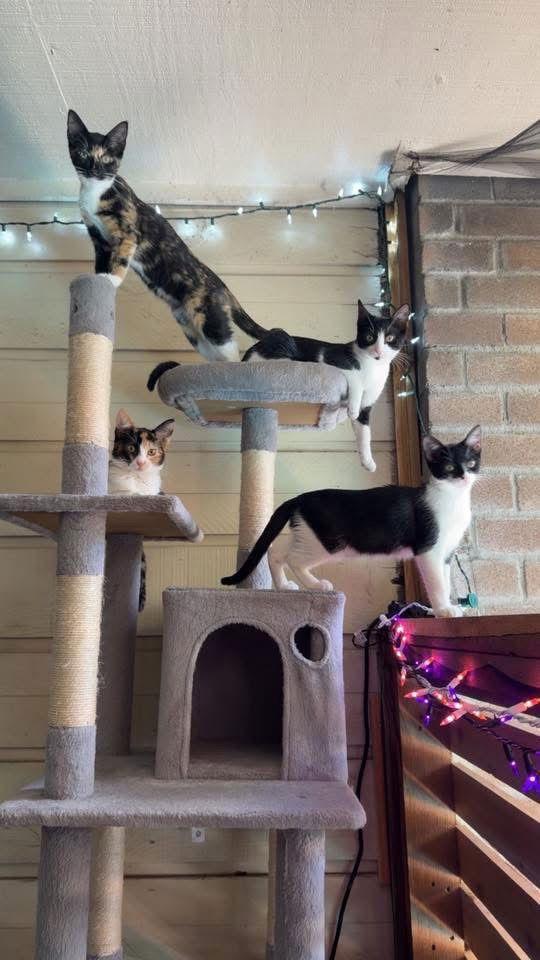
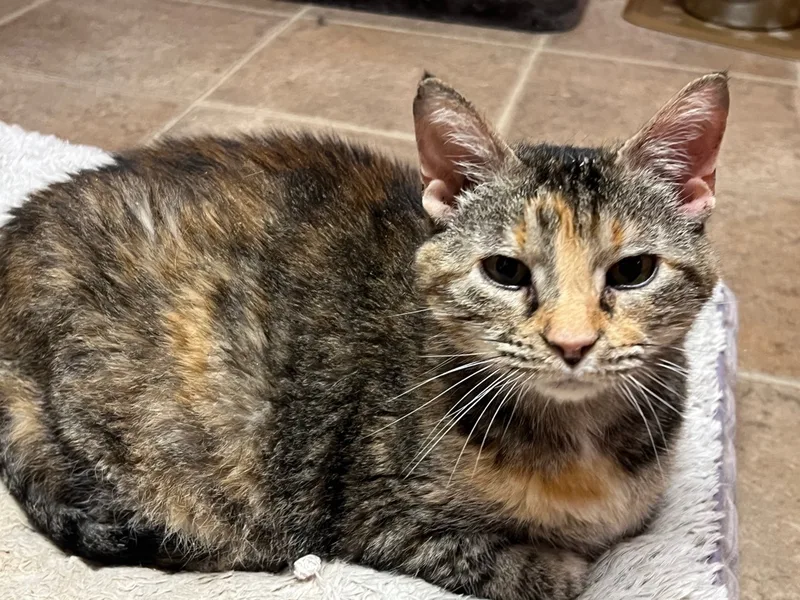
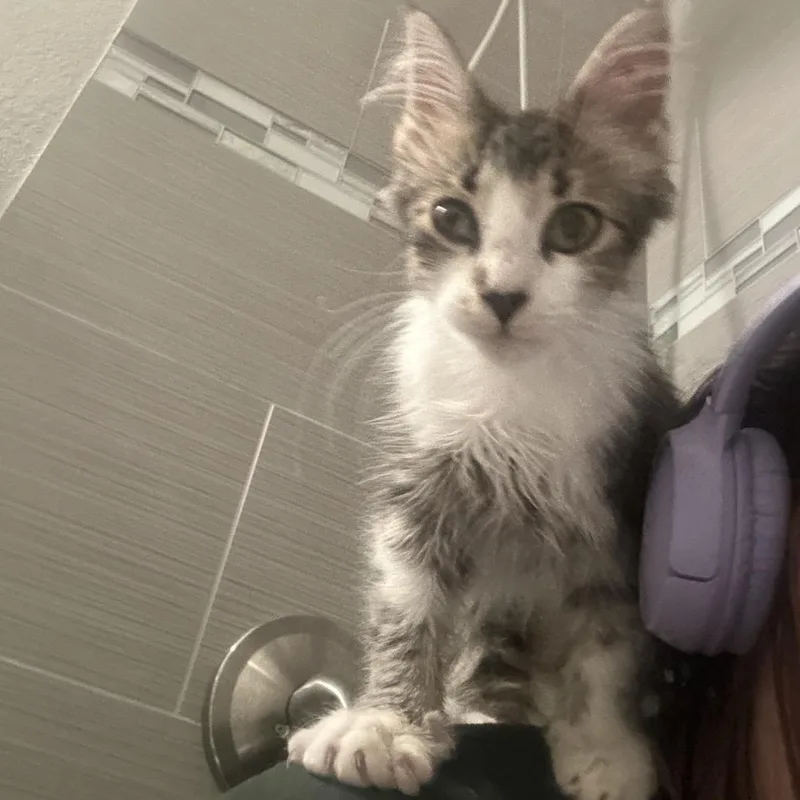
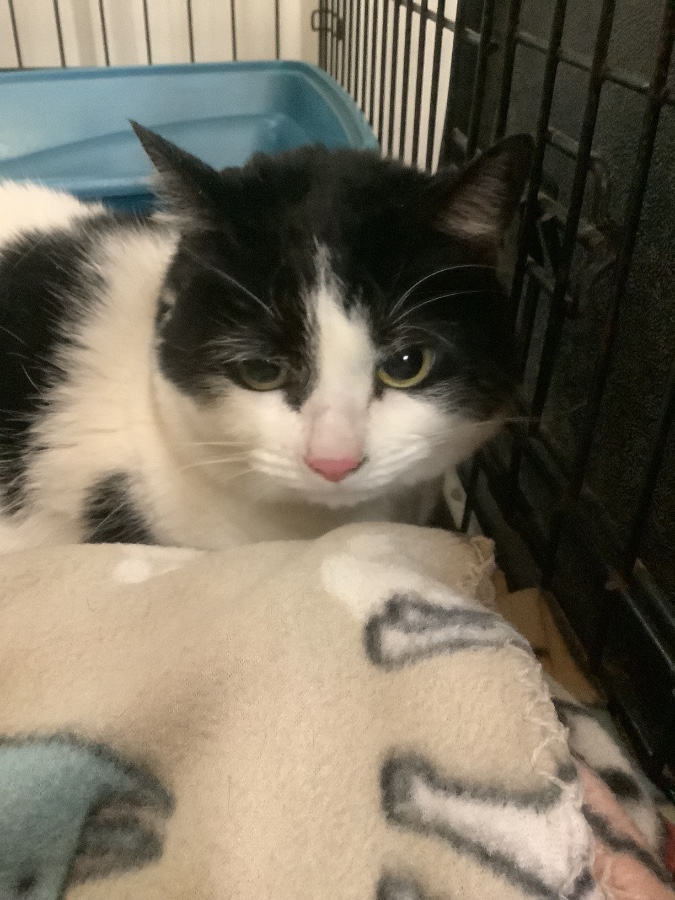
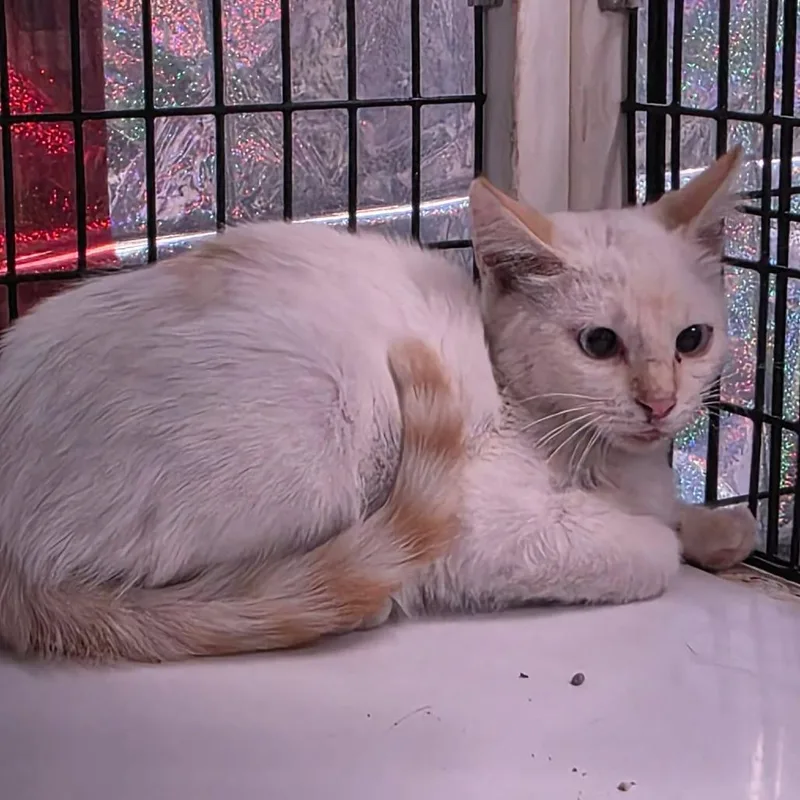
Tortoiseshell Cats for Adoption in Amarillo, TX

Your guide to finding and caring for a Tortoiseshell in Amarillo

Tortoiseshells fit Amarillo's older houses and newer apartments equally well. A tortie is a coat pattern, not a breed, so these cats run from shy to bold. In a Plemons-Eakle house or an apartment near Westover Village, a tall cat tree by a window gives a tortie plenty to watch. The Panhandle wind can rattle a window, so a quiet back room helps a nervous cat settle. A sunny sill and a few perches are all most of them ask for.

982 Tortoiseshells available in Amarillo and nationwide

Your Tortoiseshell is waiting

While we don't have enough cats near Amarillo, keep in mind that many rescues may offer transport.

Tortoiseshells Available for Adoption Near Amarillo

About the Tortoiseshell breed

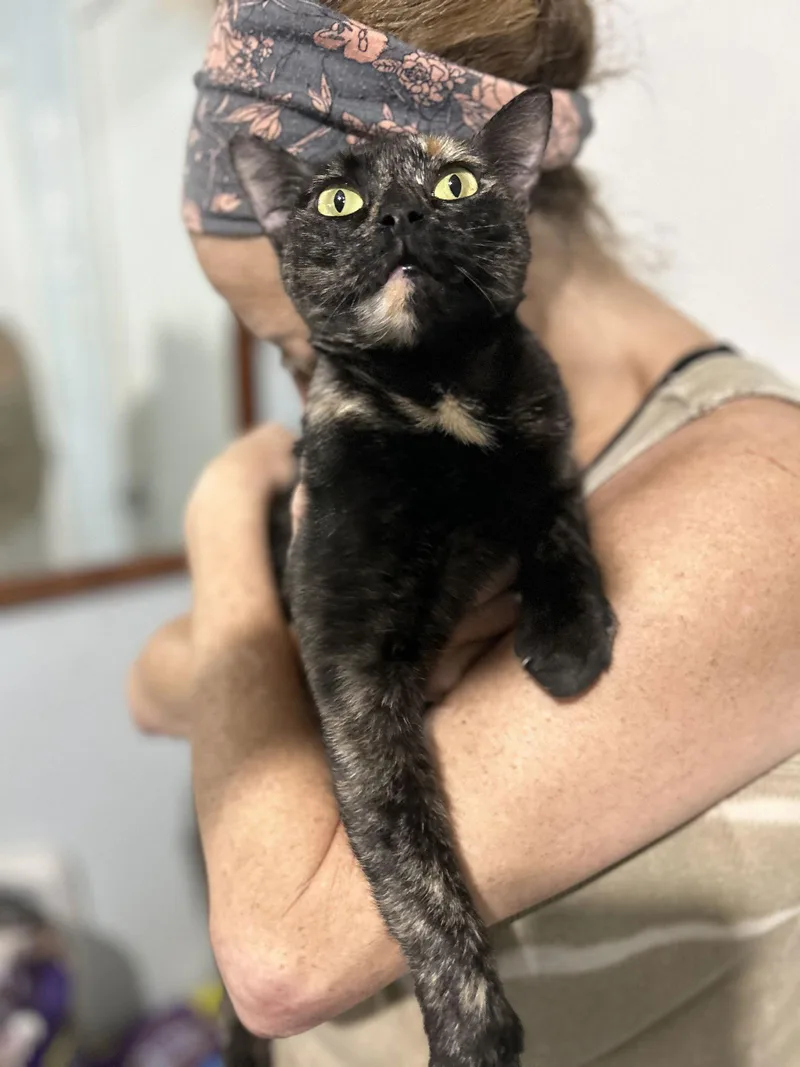
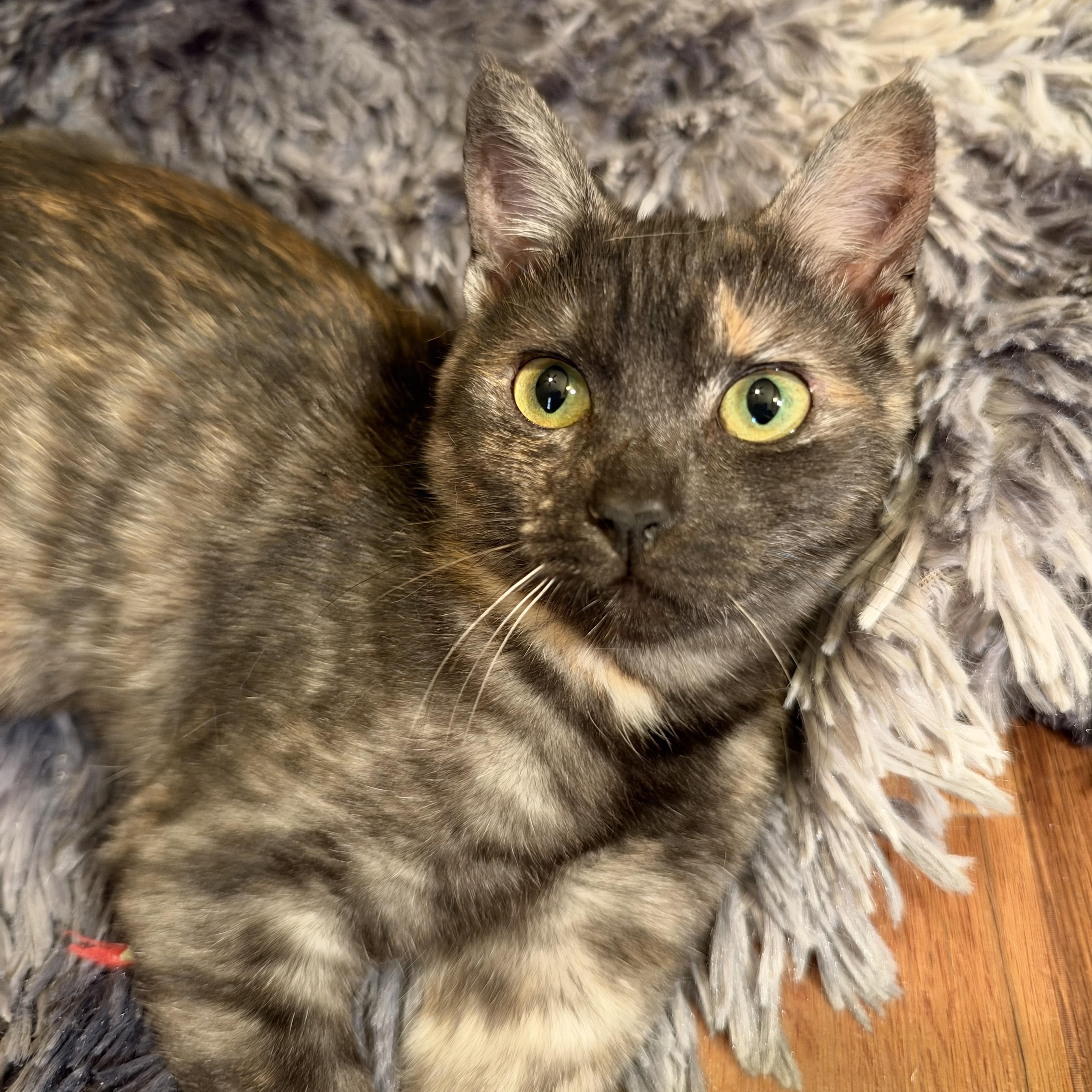
Tortoiseshell describes a coat, not a breed. The pattern mixes black-based and orange-based colors in patches or a fine blend, usually with little white; add large white areas and the cat is called a calico. Dilute torties show soft gray and cream, and torbies add tabby stripes. Because the orange gene sits on the X chromosome, nearly all torties are female.

Most torties adopters meet are domestic shorthairs, though the pattern also appears in Persians, Maine Coons and British Shorthairs. The "tortitude" reputation for sass comes mostly from owner impressions, so a cat's age, history and socialization say more than color. In Amarillo, where winters are cold and spring storms roll across the Panhandle, most torties do best as indoor cats with plenty of play, climbing and scratching spots.


Weight
6–14 lbs
Height
8–10 in
Lifespan
12–18 yrs
Temperament
Independent, Affectionate, Playful
Shedding
Moderate

Owning a Tortoiseshell in Amarillo

Having a Tortoiseshell in Amarillo

Because tortoiseshell is a coat rather than a breed, these cards describe what holds for most torties, typically domestic shorthairs of every personality. Age, history and upbringing shape a cat far more than color does, in Amarillo as anywhere.

Temperament

Torties have a reputation for being spirited and opinionated, but the evidence is limited and rests largely on owner surveys. In practice they range from shy to bold and from cuddly to independent. In Amarillo homes of any size, a calm routine and a quiet retreat help sensitive cats settle in.

Exercise Needs

Most torties benefit from daily play with wand toys, chase games and puzzle feeders, and kittens and young adults need the most. Amarillo's wind, winter cold and hot summer afternoons make indoor play the reliable choice. A cat tree by a window and a few short sessions morning and evening burn energy well.

Health Considerations

The tortoiseshell coat carries no particular health risks in females; the rare males usually have an extra X chromosome and may face added issues. Otherwise health follows age and ancestry, so yearly vet exams, dental care and a healthy weight matter most. A veterinarian can check a newly adopted cat's teeth, weight and parasite needs.

Living Space

Torties adapt to apartments and houses alike, since space needs depend on the cat rather than the coat. Amarillo's mix of older homes and apartments works well with scratching posts, vertical perches and a cozy hideaway. Shy cats often prefer calmer homes, while confident, social ones adapt easily to busy households.

What it costs to own a Tortoiseshell in Amarillo

ExpenseTypical costPer year
Food$25 to $50 per month$300 to $600
Pet insurance$20 to $45 per month$240 to $540
Routine vet care$150 to $350 per year$150 to $350
Other*$450 to $1,150 per year$450 to $1,150
Estimated yearly total (after year one)$1,140 to $2,640

Other costs are estimates and vary with size, age and health.

* Litter, flea prevention, a dental cleaning allowance, toys and supplies, and light home grooming.

Adopt a Tortoiseshell in Amarillo.

Now that you know more, let’s find you a new best friend. These rescues and shelters below currently have Tortoiseshells available.

Rescues in Amarillo with Tortoiseshells Available

Amarillo's shelters and rescues care for cats and kittens of every color, age and personality. Here are the rescues & shelters in the Amarillo area where you can find Tortoiseshells and other cats available for adoption.

Frequently Asked Questions

Yes. Amarillo has no breed-specific rules, and tortoiseshell is a coat pattern rather than a breed, so adopting a tortie works like adopting any cat. Texas requires rabies vaccination by four months of age, so plan a vet visit soon after adoption. Browse the cats listed on this page and save a search to hear about new arrivals.

Often, yes, especially for people who can keep a cat indoors and play with it daily. Amarillo's wind, spring storms and cold snaps all favor an indoor life, and a carrier kept ready covers severe weather. Personality varies from tortie to tortie, so read each listing on this page to find a cat that matches your household.

Yes, as indoor cats. Amarillo sees freezing nights on roughly 108 days a year, about 17 inches of snow and strong winds, so a tortie should stay inside with warm bedding and a draft-free spot to sleep. Keep a carrier, food and medications ready in case a blizzard causes a power outage.

Yes. Torties of every personality do well in apartments when they have vertical space, scratching posts and daily play. Window perches keep them entertained, and a quiet hideaway helps shy cats handle hallway noise. Read the lease for pet deposits and monthly pet rent, and get the terms in writing before you move in.

Yes, in a carrier. Amarillo City Transit runs buses only, with no subway or rail, and pets may ride when they're in a carrier. Choose a secure, well-ventilated one and check current fares and any size limits before you go. Service animals follow separate rules, and emotional support animals aren't counted as service animals.

Very little. Most torties are shorthaired and shed moderately, so a weekly brushing keeps coats healthy, and longhaired cats need it a few times a week. Dry Amarillo air and winter heating can leave some coats flaky, so brush a bit more often then. Home grooming costs are small and fall within the Other line.

A tortoiseshell cat is a cat with a coat pattern of black-based and orange-based colors blended or patched together, usually with little or no white. It is not a breed; the pattern appears in many breeds and most often in domestic shorthairs. Nearly all tortoiseshells are female because the genes for orange and black are carried on the X chromosome.

Almost all tortoiseshell cats are female, but not all. A female has two X chromosomes and can carry both orange and black color genes, producing the mixed coat. Males normally have only one X. Rare male torties usually have an extra X chromosome or are genetic chimeras, and they are estimated at roughly 1 in 3,000 tortoiseshells.

We have 1 rescue with Tortoiseshells available: Amarillo S.P.C.A.. You can see every rescue with Tortoiseshells available in the list above these questions, or scroll to the top to see the Tortoiseshells near Amarillo.

Expect roughly $1,140 to $2,640 a year for a tortie in Amarillo. That covers food at $25 to $50 a month, insurance at $20 to $45 a month, routine vet care at $150 to $350 a year, and about $450 to $1,150 a year in other costs such as litter, parasite prevention and dental care.