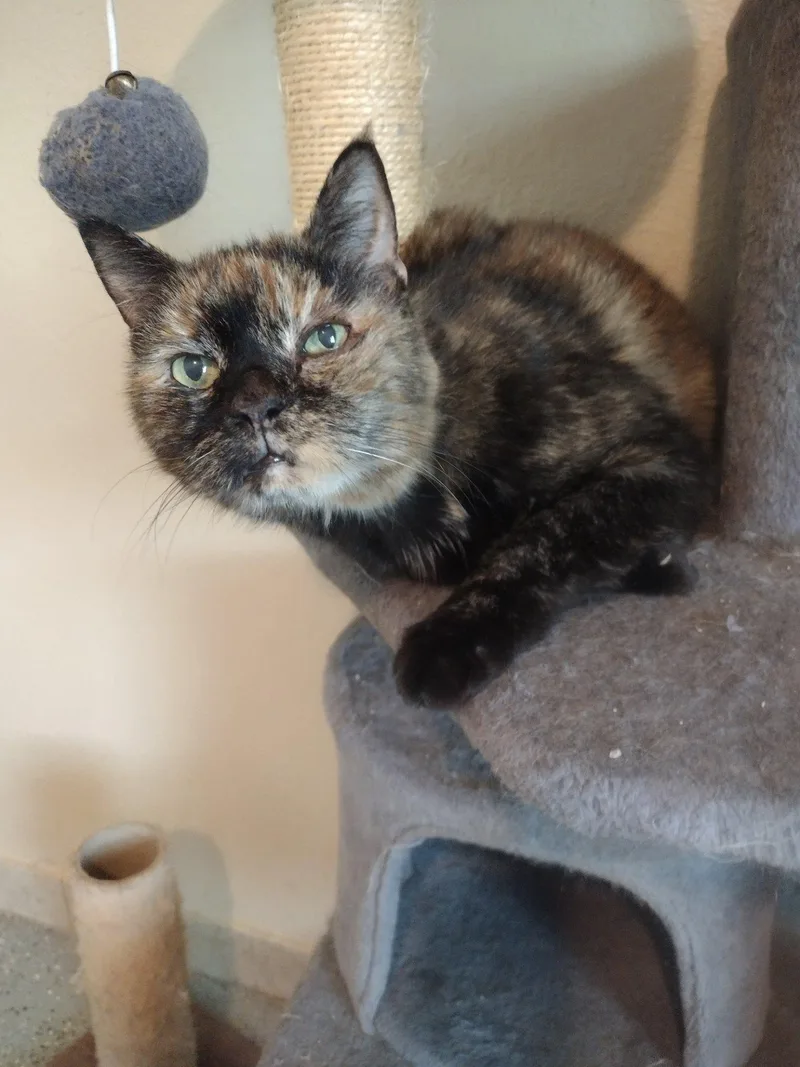
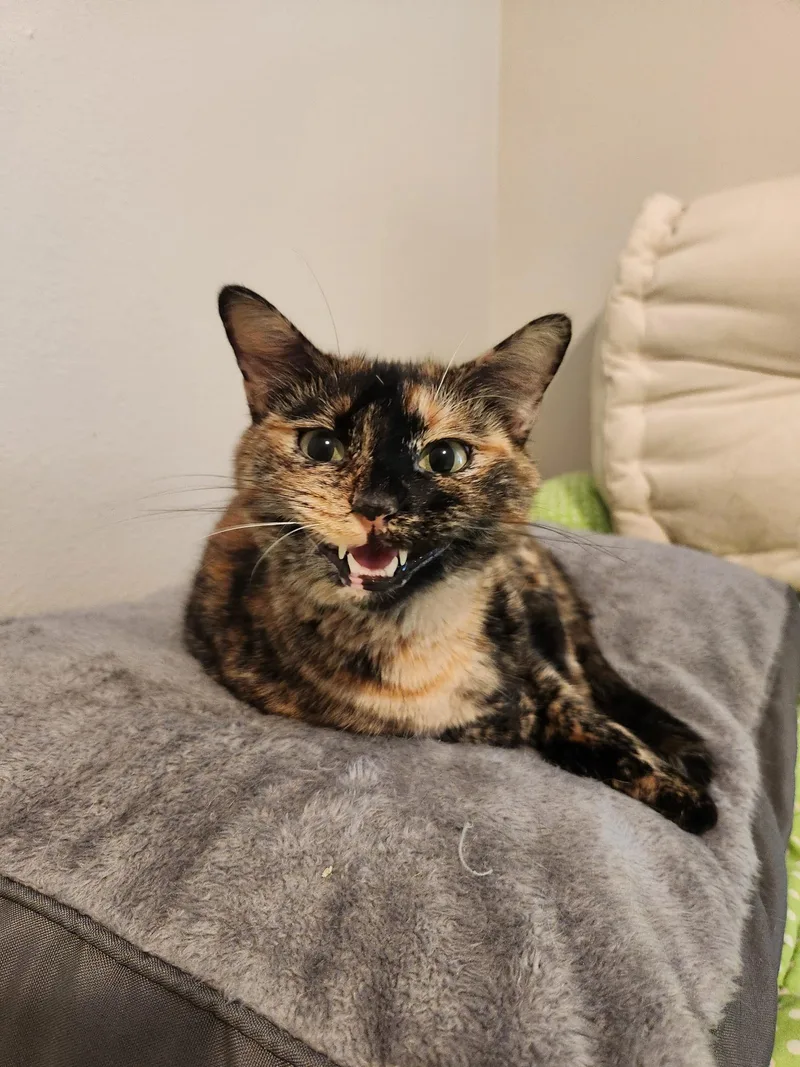
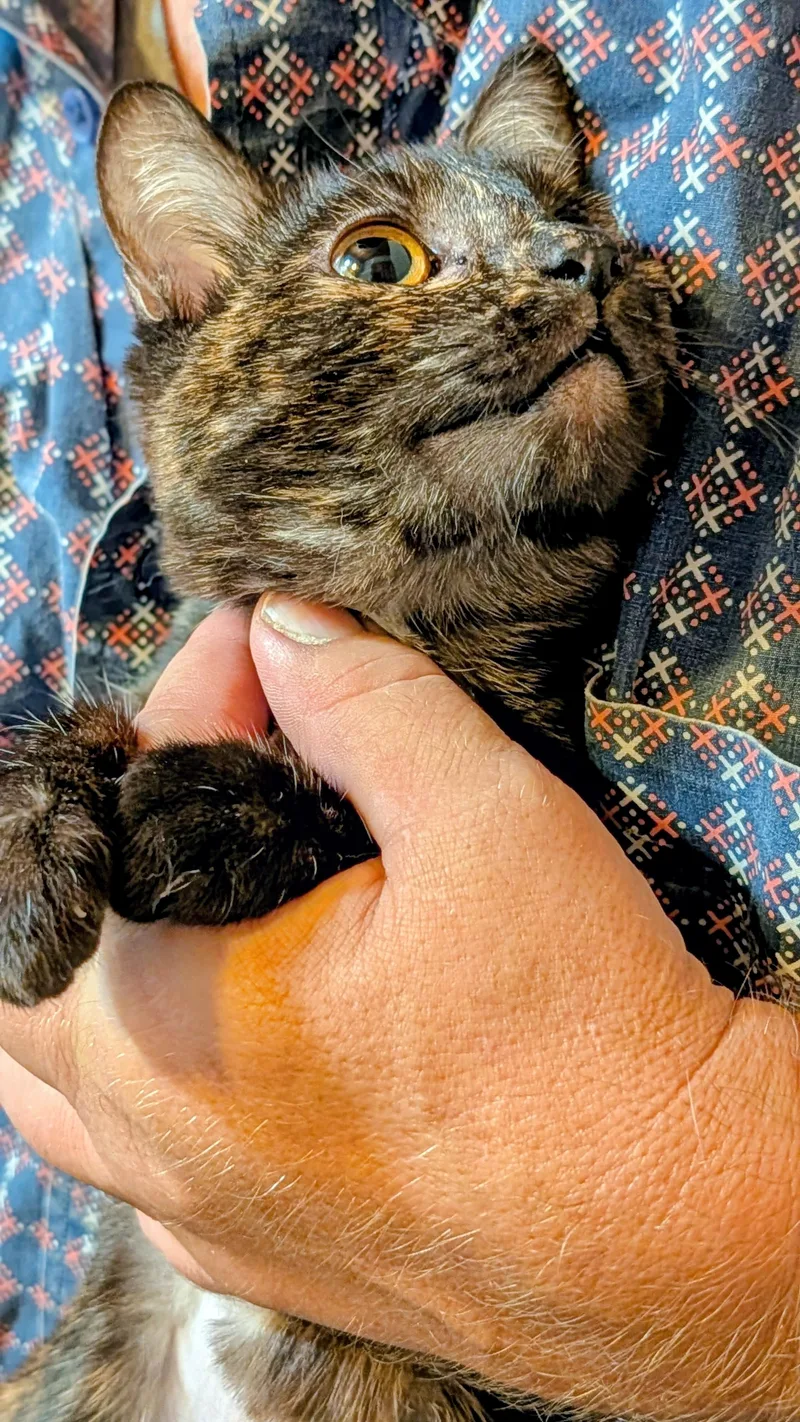
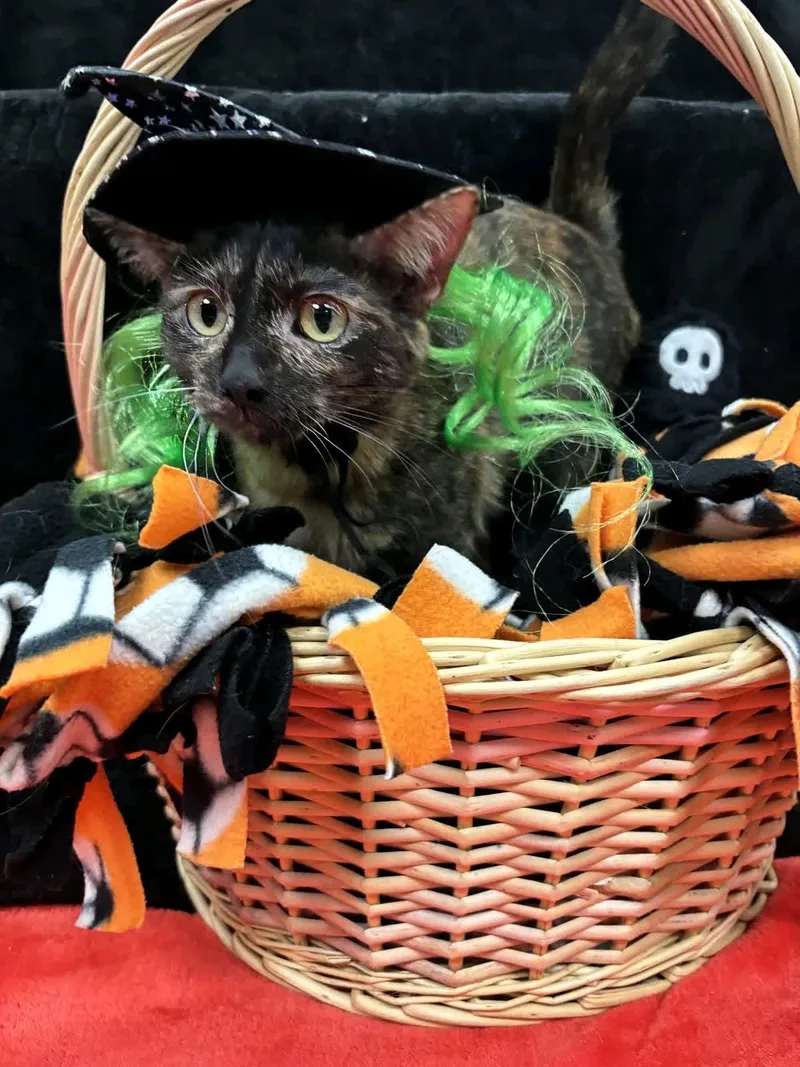
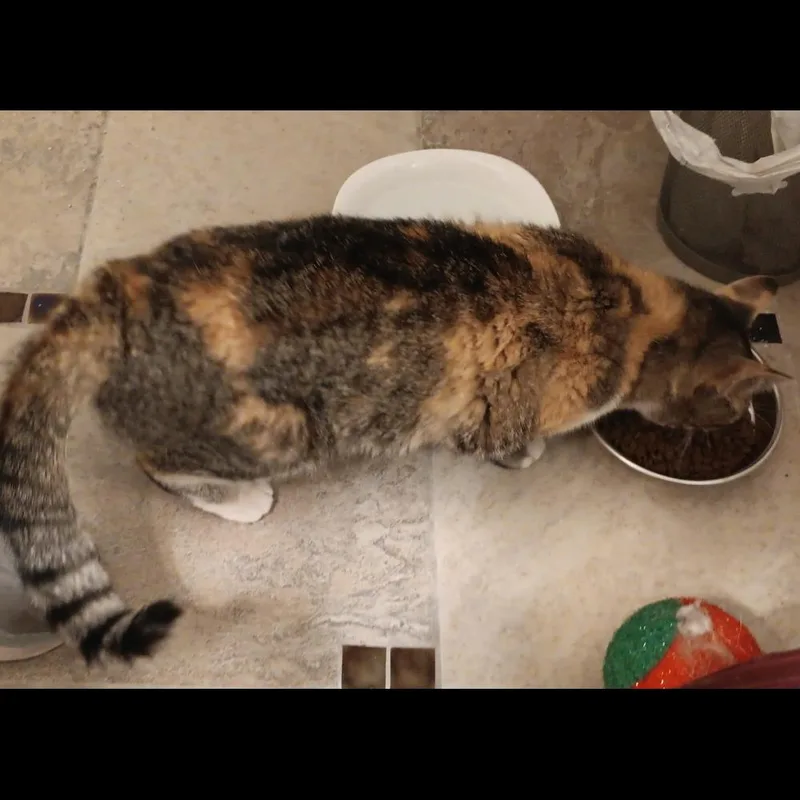
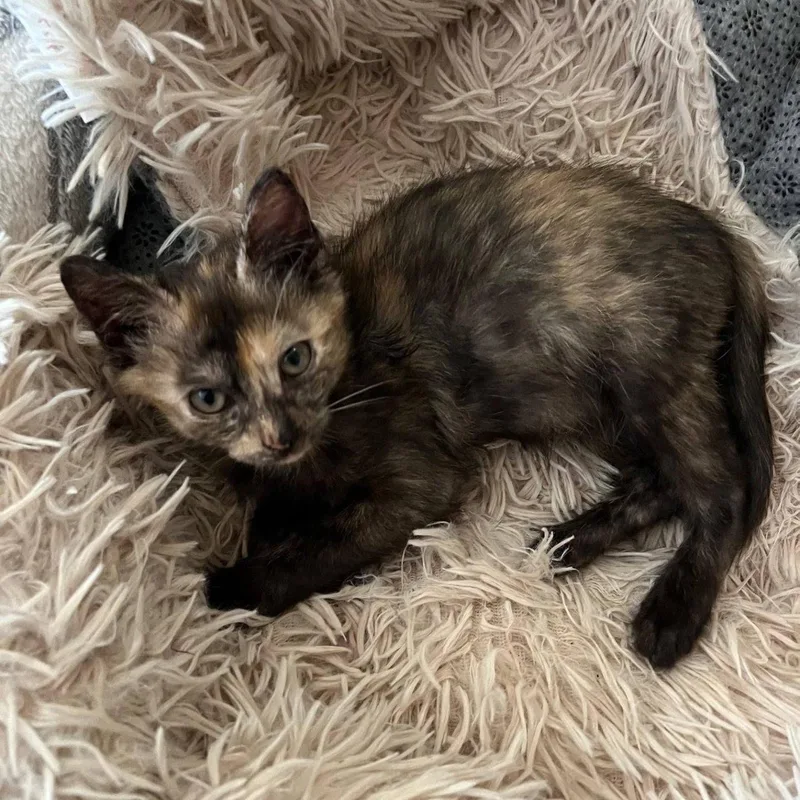
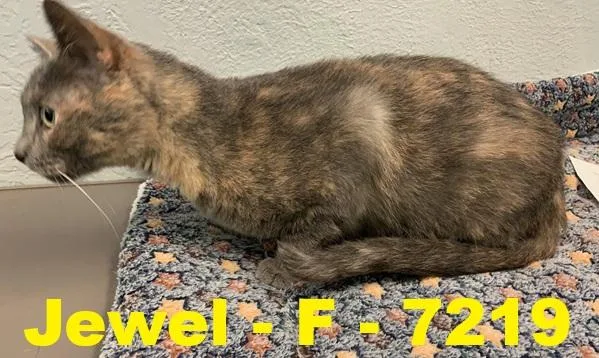
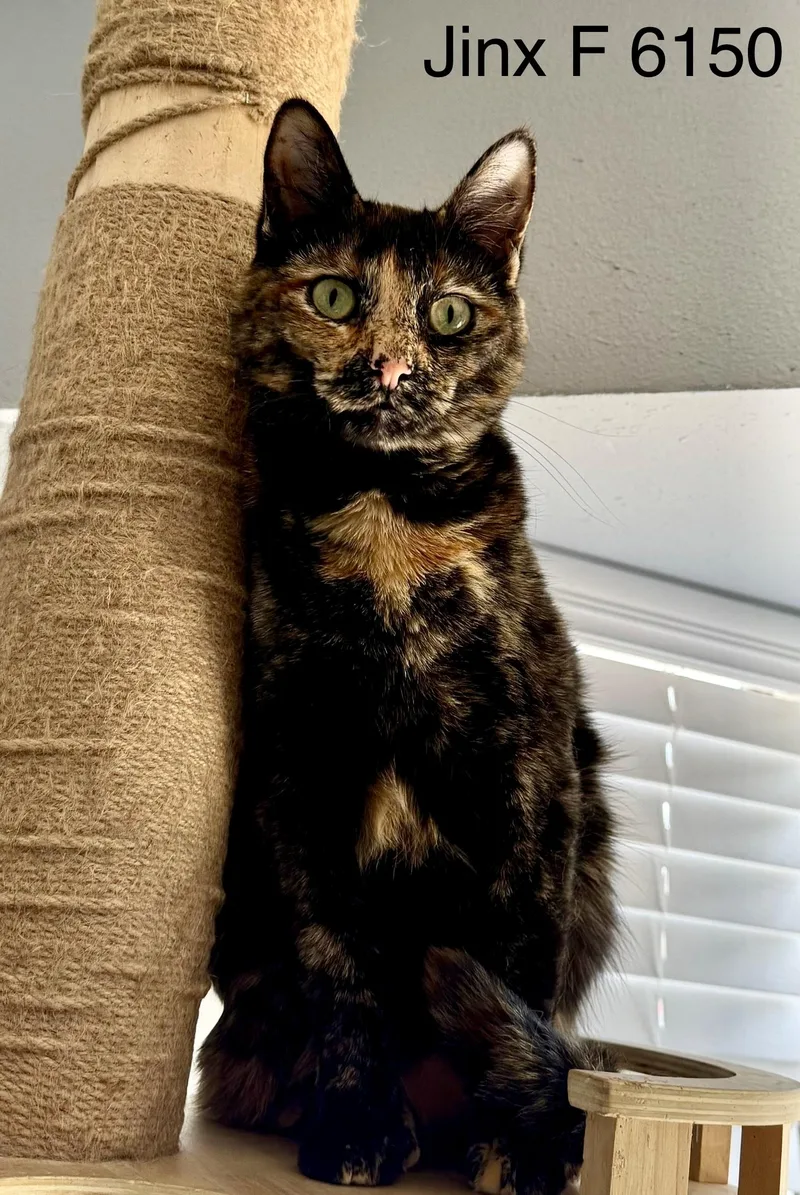
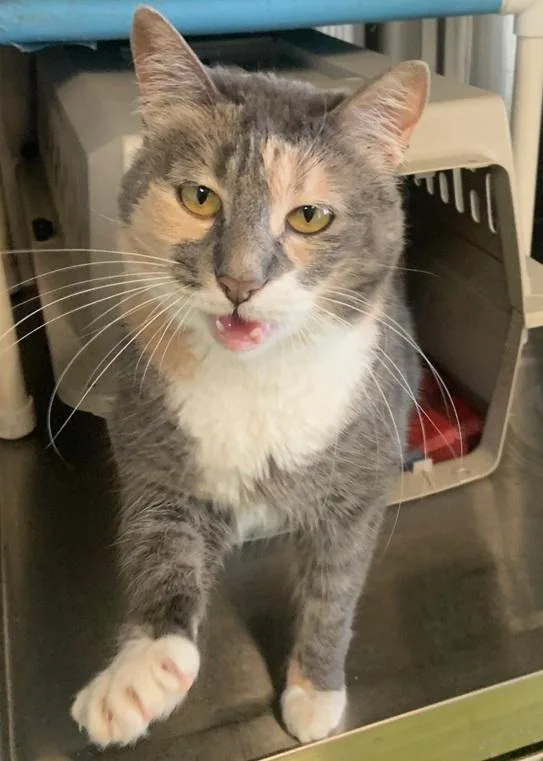
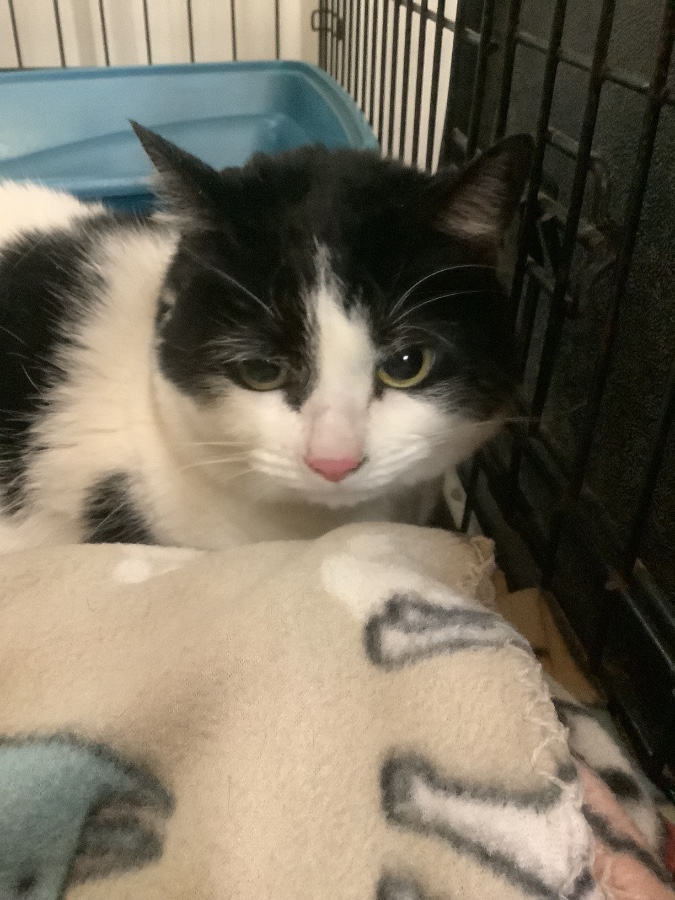
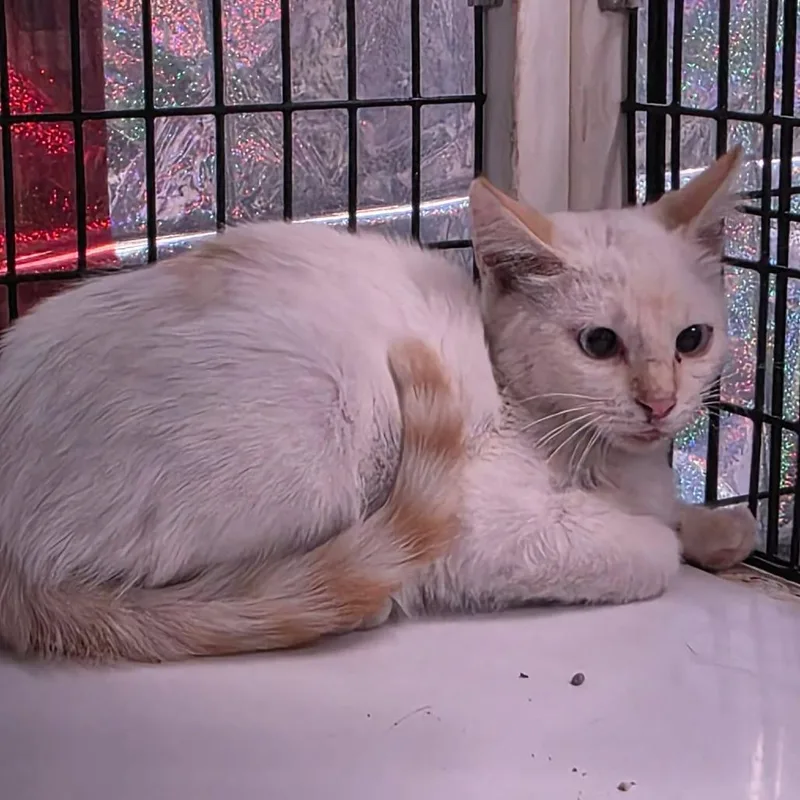
Tortoiseshell describes a coat, not a breed. The pattern mixes black-based and orange-based colors in patches or a fine blend, usually with little white; add large white areas and the cat is called a calico. Dilute torties show soft gray and cream, and torbies add tabby stripes. Because the orange gene sits on the X chromosome, nearly all torties are female.
Most torties adopters meet are domestic shorthairs, though the pattern also appears in Persians, Maine Coons and British Shorthairs. The "tortitude" reputation for sass comes mostly from owner impressions, so a cat's age, history and socialization say more than color. In Amarillo, where winters are cold and spring storms roll across the Panhandle, most torties do best as indoor cats with plenty of play, climbing and scratching spots.