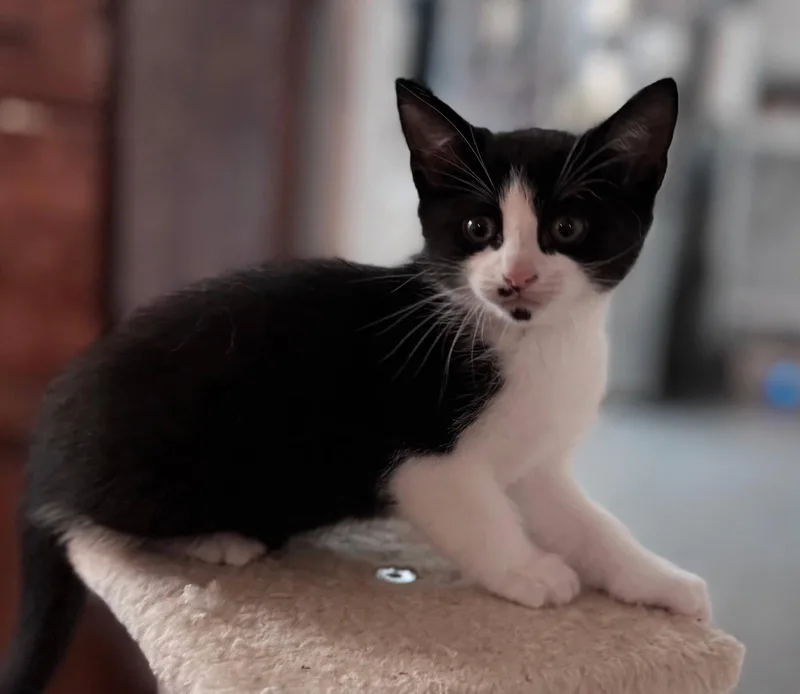
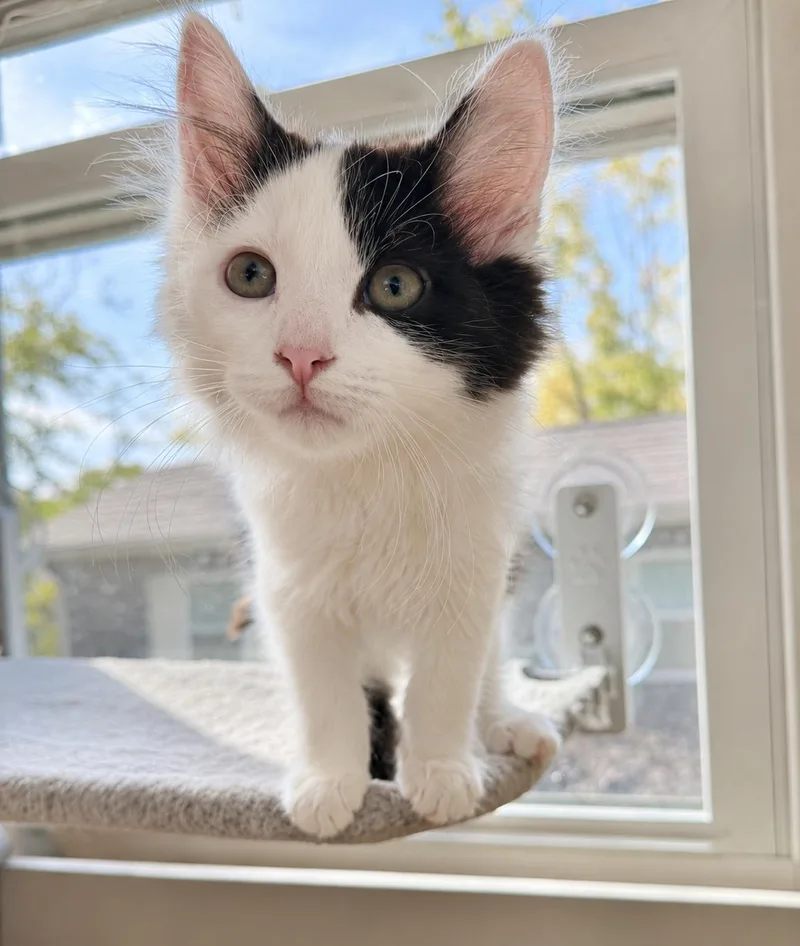
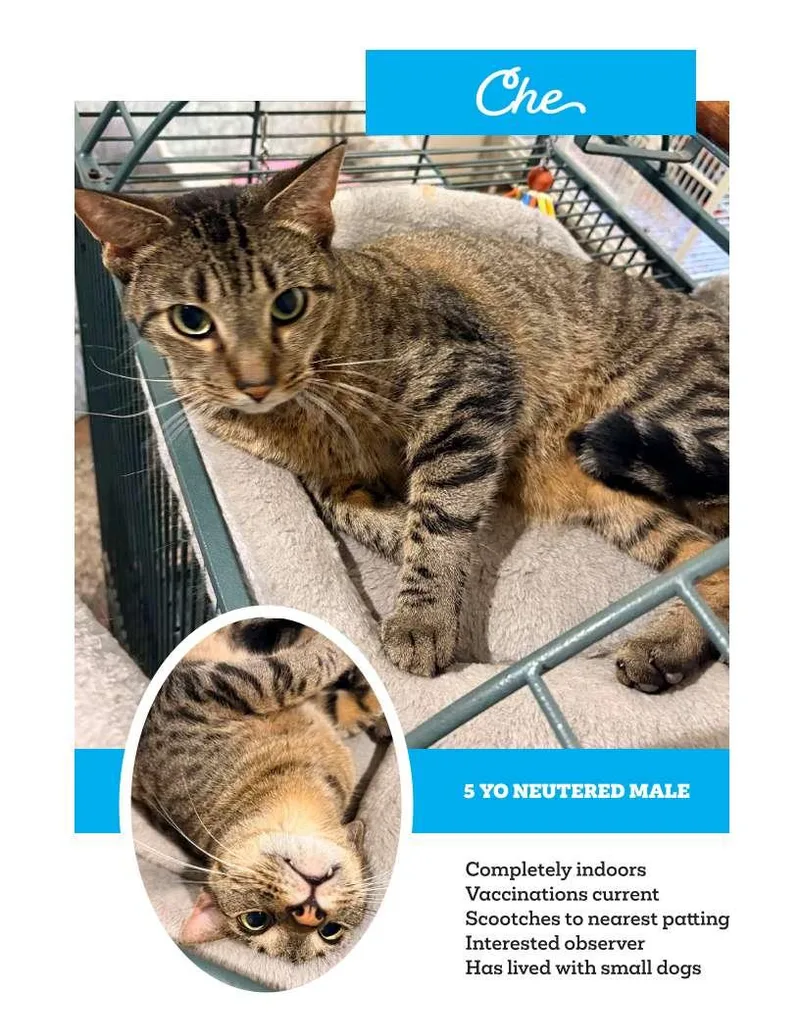
Tortoiseshell Cats for Adoption in Franklin, TN

Your guide to finding and caring for a Tortoiseshell in Franklin

Tortoiseshell cats do well in Franklin's condos and townhomes as long as they have something to climb and watch. Tortoiseshell is a coat pattern, so adopters meet every personality. In a Berry Farms townhome or a Victorian near downtown, a cat tree by the window gives a tortie plenty to follow. A few minutes of wand-toy play morning and evening burns off most of the energy, and staying indoors keeps her clear of Franklin's roads.

1043 Tortoiseshells available in Franklin and nationwide

Your Tortoiseshell is waiting

Tortoiseshells Available for Adoption Near Franklin

About the Tortoiseshell breed

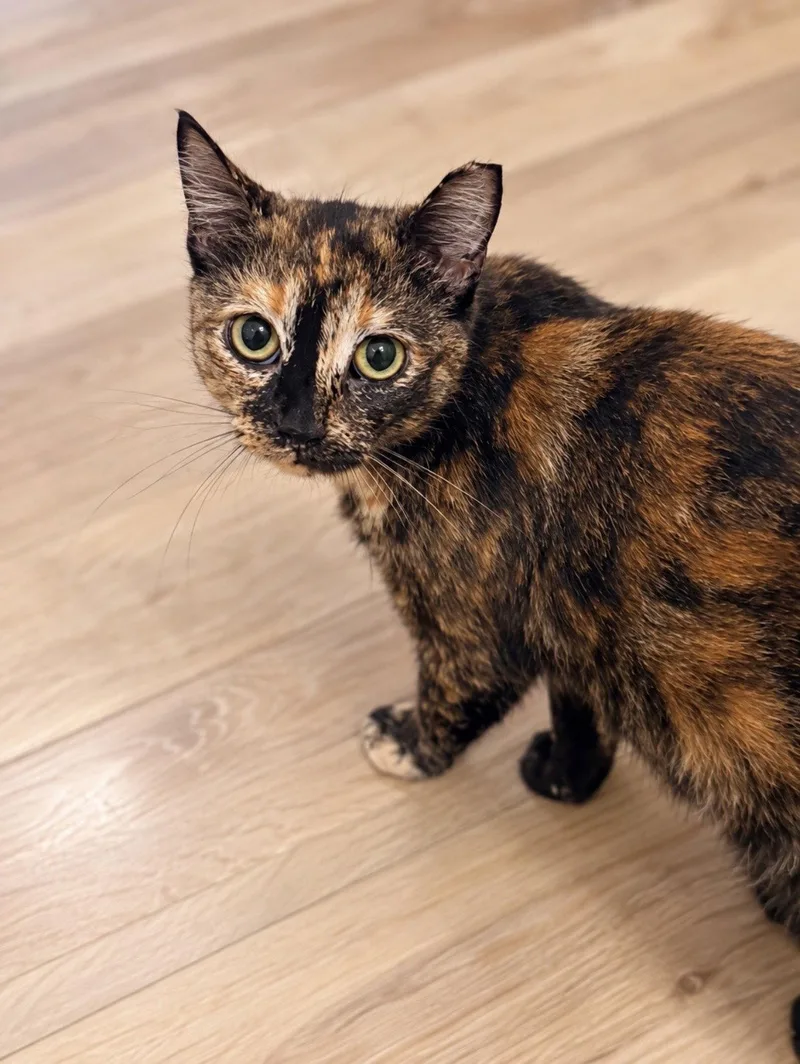
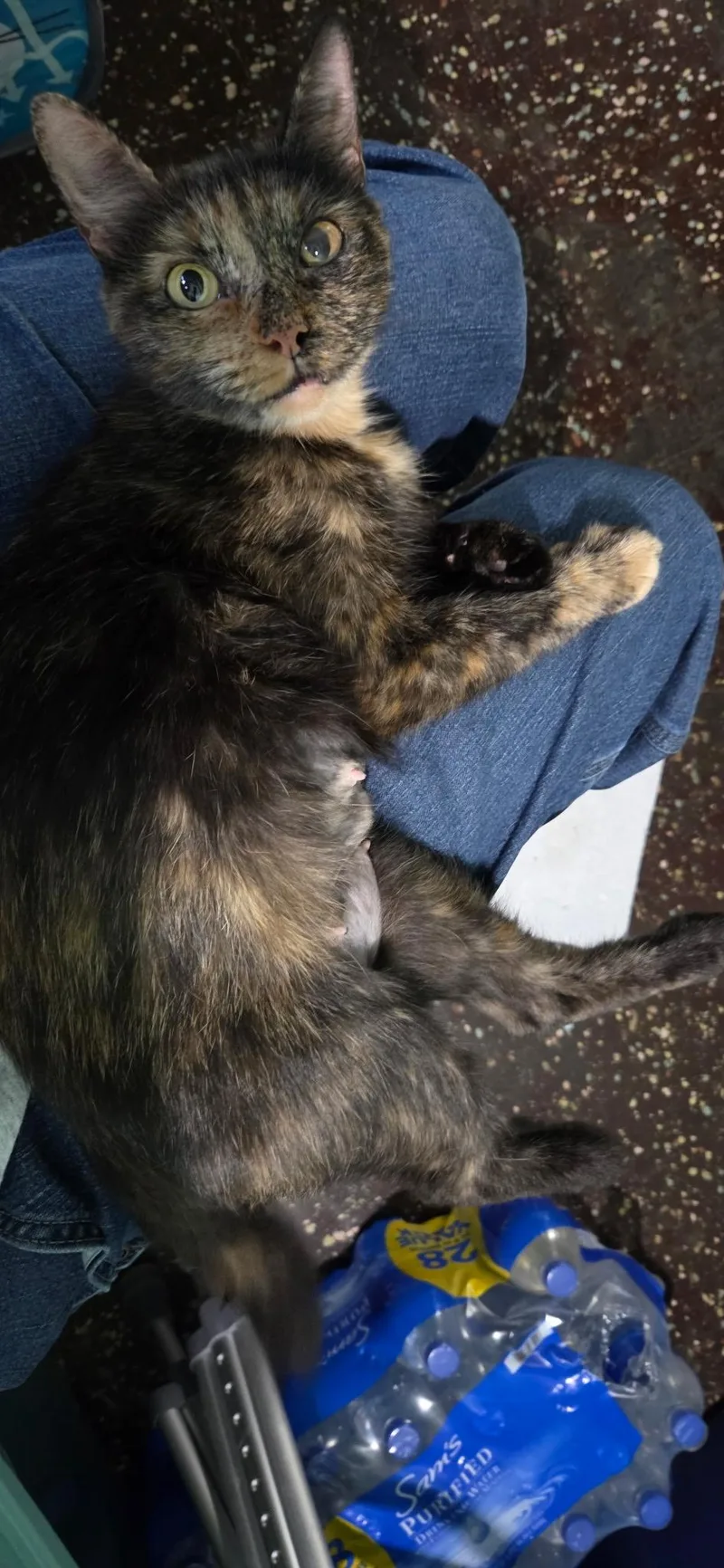
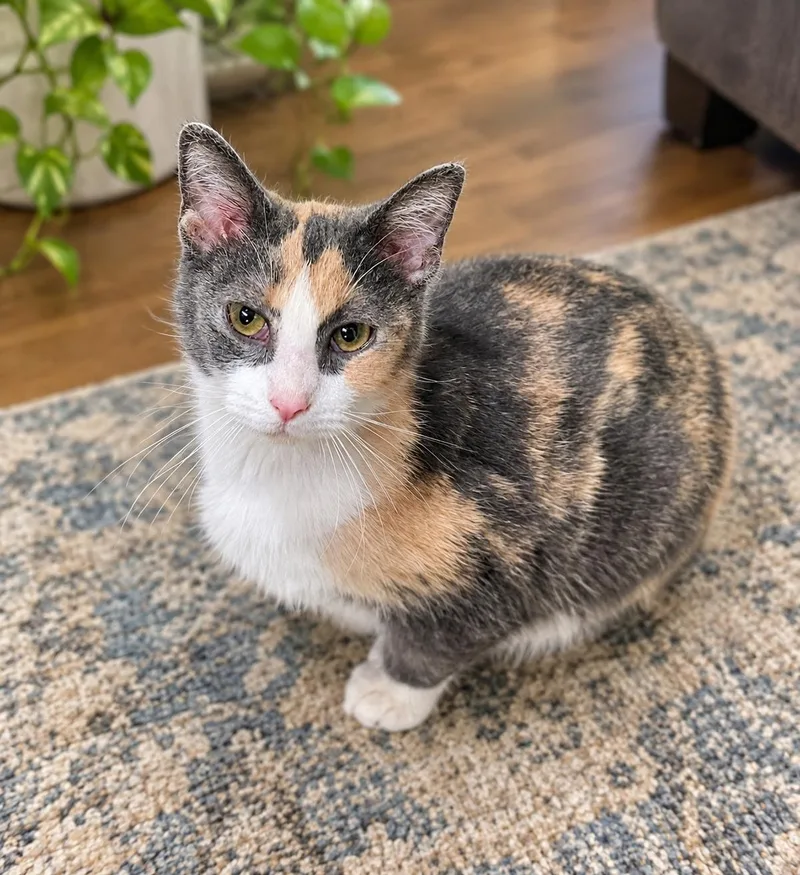
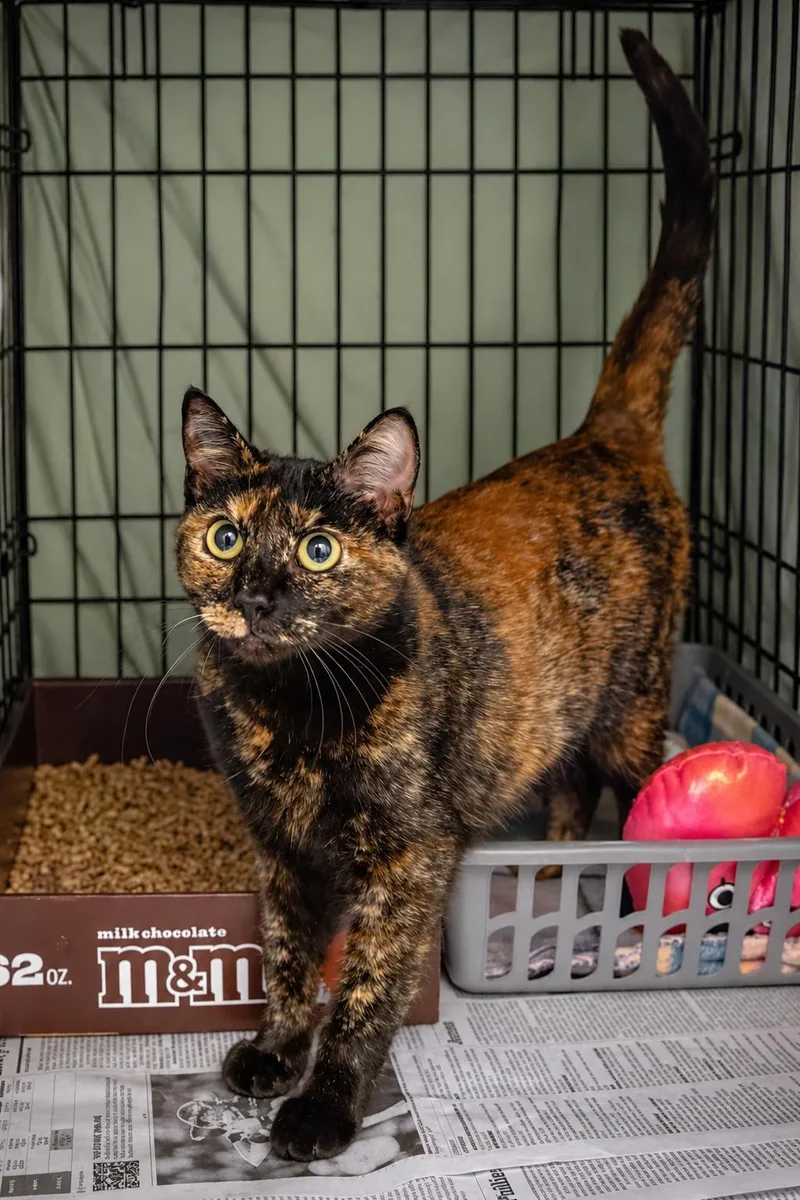
Tortoiseshell describes a coat, not a breed. The pattern mixes black-based and orange-based colors in patches or a fine blend, with little or no white. Cats with large white areas are called calicos, dilute torties look soft gray and cream, and torbies add tabby stripes. Nearly all are female, because the orange gene sits on the X chromosome.

Most torties are domestic shorthairs or longhairs, though the pattern also turns up in Maine Coons, Persians and British Shorthairs. Owners often talk about "tortitude," a sassy streak, but the evidence is thin and rests on owner impressions. A tortie's age, history and socialization say far more than color, so expect everything from shy to bold. Shedding is moderate, and a weekly brush covers most coats.

Weight
6–14 lbs
Height
8–10 in
Lifespan
12–18 yrs
Temperament
Independent, Affectionate, Playful
Shedding
Moderate

Owning a Tortoiseshell in Franklin

Having a Tortoiseshell in Franklin

A tortie's traits come mostly from ancestry, age and upbringing, not the coat. For Franklin adopters, the practical questions are indoor enrichment, comfort through hot summers and storm season, and a home that works for a rental or a house.

Temperament

Torties have a reputation for spirited, opinionated behavior, but evidence linking coat color to personality is limited and rests mostly on owner impressions. Some are shy, some bold, some cuddly. Since owner reports lean toward a stronger streak, plan for a cat with firm opinions about petting and playtime, and let her set the pace in a new home.

Exercise Needs

Most torties do well with daily interactive play: wand toys, chase games and puzzle feeders, split into a few short sessions. Kittens and young adults need more, seniors less. A window perch facing a Franklin backyard and a tall cat tree give indoor cats something to climb and watch between play sessions.

Health Considerations

The tortoiseshell pattern carries no particular health risks in females, while the rare males usually have an extra X chromosome and may face added issues. Otherwise health follows ancestry, age and care. Yearly vet exams, dental care and a healthy weight matter most, and flea prevention is worth keeping up through Franklin's long, humid summers.

Living Space

Torties fit apartments and houses equally well, since space needs follow the cat, not the coat. In Franklin's condos and townhomes, vertical space such as cat trees, wall shelves and window perches matters more than square footage. A few scratching posts and a quiet hideaway help a new cat settle in.

What it costs to own a Tortoiseshell in Franklin

ExpenseTypical costPer year
Food$25 to $50 per month$300 to $600
Pet insurance$20 to $45 per month$240 to $540
Routine vet care$150 to $350 per year$150 to $350
Other*$450 to $1,150 per year$450 to $1,150
Estimated yearly total (after year one)$1,140 to $2,640

Other costs are estimates and vary with size, age and health.

* Litter, flea prevention, a dental cleaning allowance, toys and supplies, and home grooming.

Adopt a Tortoiseshell in Franklin.

Now that you know more, let’s find you a new best friend. These rescues and shelters below currently have Tortoiseshells available.

Rescues in Franklin with Tortoiseshells Available

Franklin's rescue community includes the Williamson County Animal Center and Happy Tales Humane, a privately funded no-kill nonprofit shelter. Here are the rescues & shelters in the Franklin area where you can find Tortoiseshells and other cats available for adoption.

Frequently Asked Questions

Yes, you can get a Tortoiseshell in Franklin, since coat color isn't regulated and no known breed-specific rules apply. Cats six months and older need a rabies vaccination under Tennessee law, and there's no separate city pet license. Renters should have written permission from the landlord. Watch the listings on this page for torties, since availability changes often.

Yes, indoor Tortoiseshells handle Franklin summers well with air conditioning. About 45 days a year reach 90°F, and the humidity makes it feel heavier, so keep water in several spots and shade sunny windows. Skip outdoor time on the hottest afternoons, and never leave a cat in a parked car, where Tennessee law can treat it as cruelty.

Yes, a Tortoiseshell can live happily in a Franklin apartment, since space needs follow the cat rather than the coat. Give her a cat tree, scratching posts and a window perch, and schedule a few play sessions a day. Apartments are common around Cool Springs and downtown, so read the lease for pet terms before applying.

Often, yes, for adopters who want an indoor cat and can plan for local weather. Franklin's mix of condos, townhomes and older houses suits cats well. Prepare for spring storms and summer heat, and expect fireworks noise around July 4, since displays just outside the city line carry into Franklin. A tortie's fit still depends on her age and personality.

Grooming is light for most Tortoiseshells. Shorthairs need a weekly brush, while longhaired torties do better with brushing every few days, especially during spring and fall shedding. Most owners groom at home, which fits within the yearly Other budget of $450 to $1,150 alongside litter, prevention and dental care.

A tortoiseshell cat is a cat with a coat pattern of black-based and orange-based colors blended or patched together, usually with little or no white. It is not a breed; the pattern appears in many breeds and most often in domestic shorthairs. Nearly all tortoiseshells are female because the genes for orange and black are carried on the X chromosome.

Almost all tortoiseshell cats are female, but not all. A female has two X chromosomes and can carry both orange and black color genes, producing the mixed coat. Males normally have only one X. Rare male torties usually have an extra X chromosome or are genetic chimeras, and they are estimated at roughly 1 in 3,000 tortoiseshells.

No, tortoiseshell cats are not rare. They are common among domestic cats and are regularly found in shelters and rescues. What is rare is a male tortoiseshell, since the pattern almost always requires two X chromosomes. Certain variations, such as long-haired or dilute torties, are less common simply because they require additional recessive genes.

We have 1 rescue with Tortoiseshells available: Critter Cavalry Rescue. You can see every rescue with Tortoiseshells available in the list above these questions, or scroll to the top to see the Tortoiseshells near Franklin.

Expect roughly $1,140 to $2,640 a year for a tortie in Franklin, or about $95 to $220 a month. That covers food at $25 to $50 a month, insurance at $20 to $45, routine vet care at $150 to $350 a year, and $450 to $1,150 a year for litter, prevention, dental care and supplies.