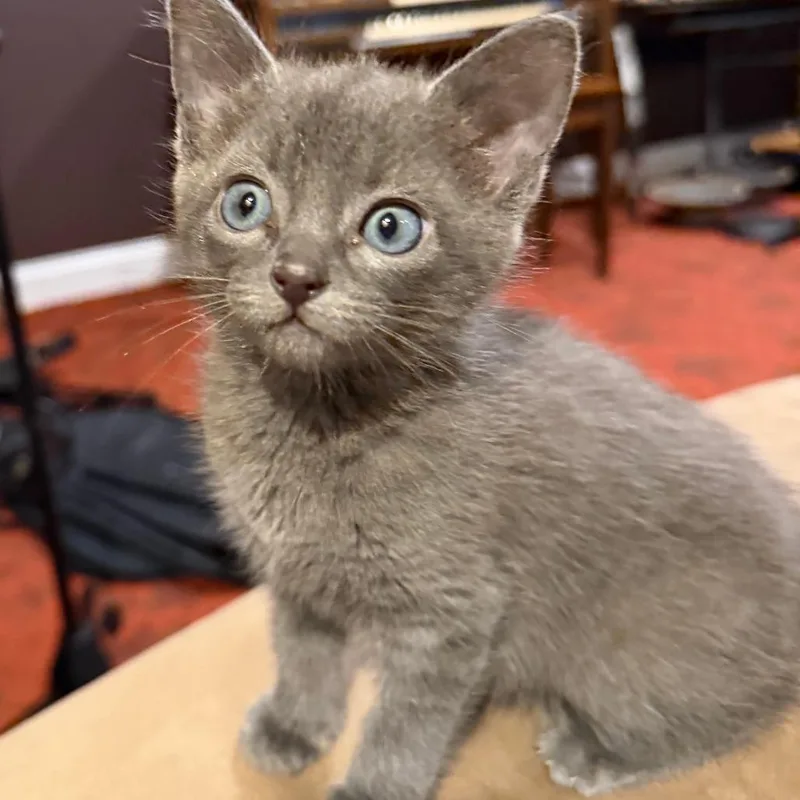
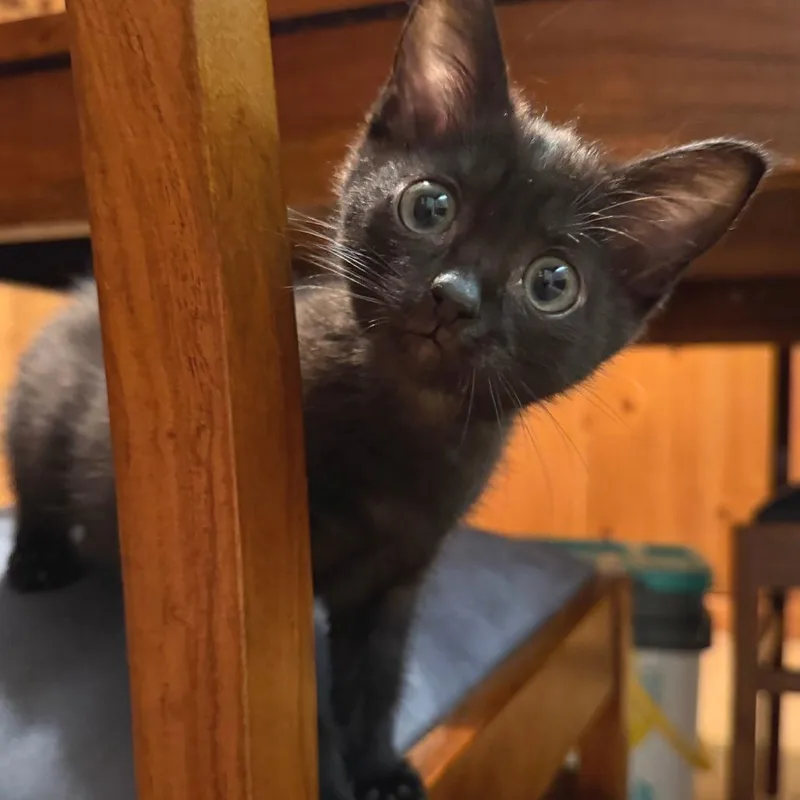
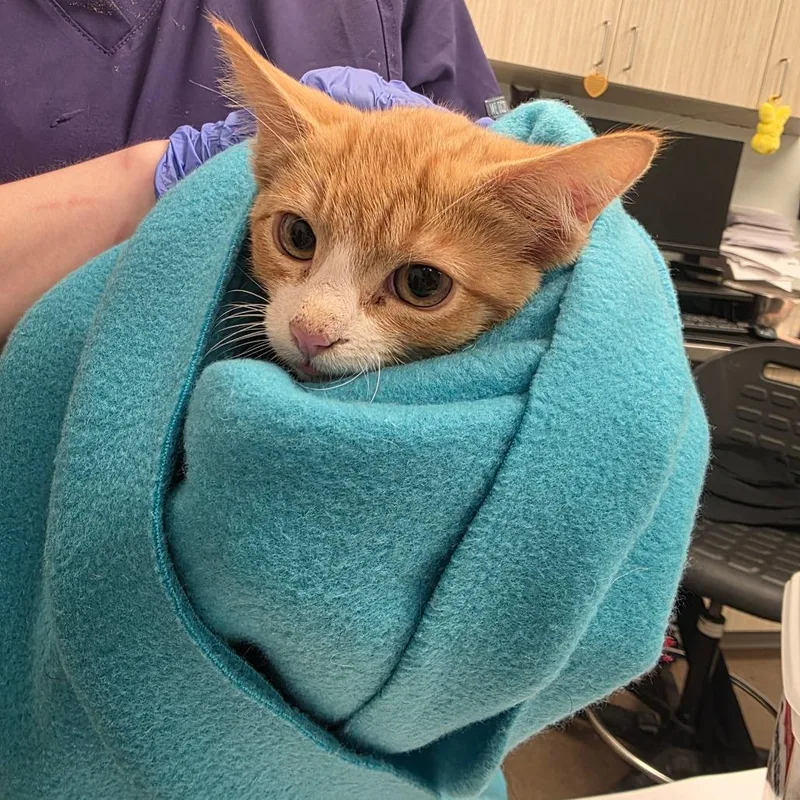
Domestic Short Hair Cats for Adoption in Chattanooga, TN

Your guide to finding and caring for a Domestic Short Hair in Chattanooga

A Domestic Short Hair suits a Fort Wood apartment as easily as a ranch house in East Brainerd. These are mixed-ancestry cats with short coats, so the one you meet could be a lap sitter or a window-watcher. In converted Victorian apartments near UTC, a window perch and a scratching post cover most of what a cat needs. Chattanooga's summers get humid, so a cool, shaded room matters for indoor cats too. Expect some personality surprises, and plan for daily play.

470 Domestic Short Hairs available for adoption in Chattanooga

Find your Domestic Short Hair

Domestic Short Hairs Available for Adoption in Chattanooga

About the Domestic Short Hair breed

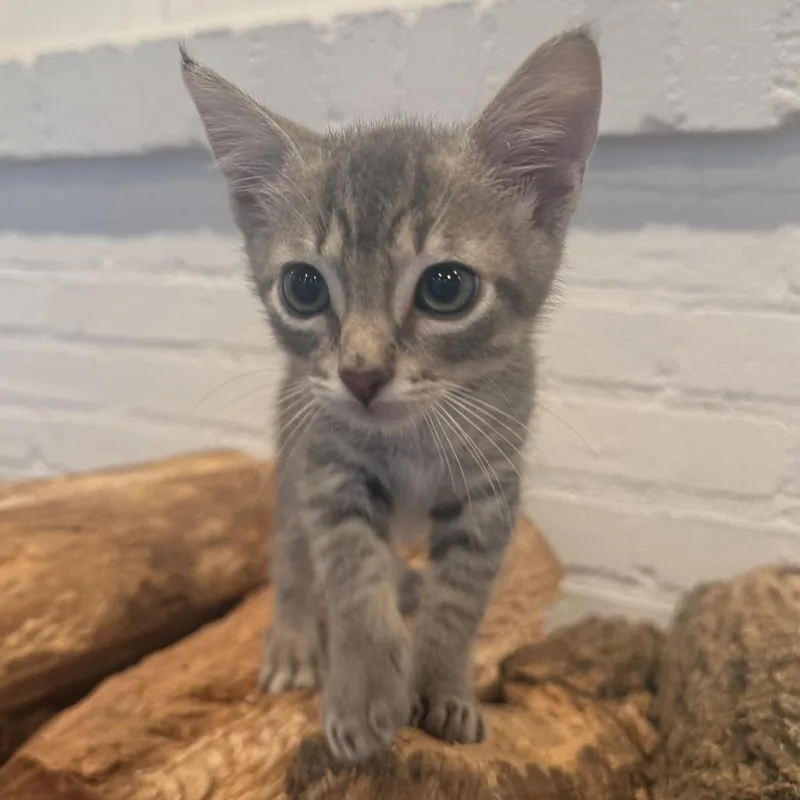
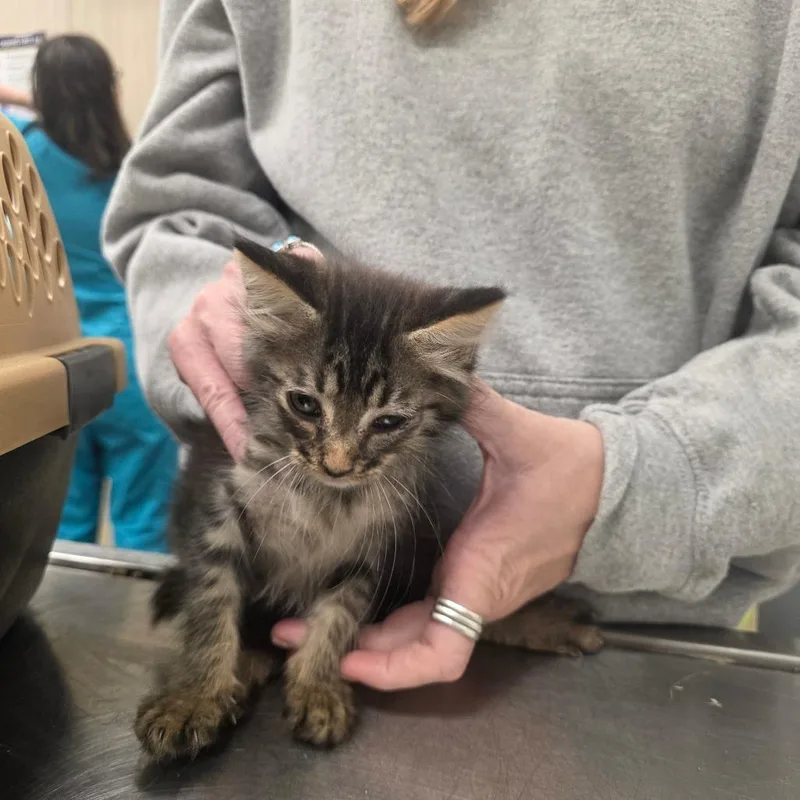
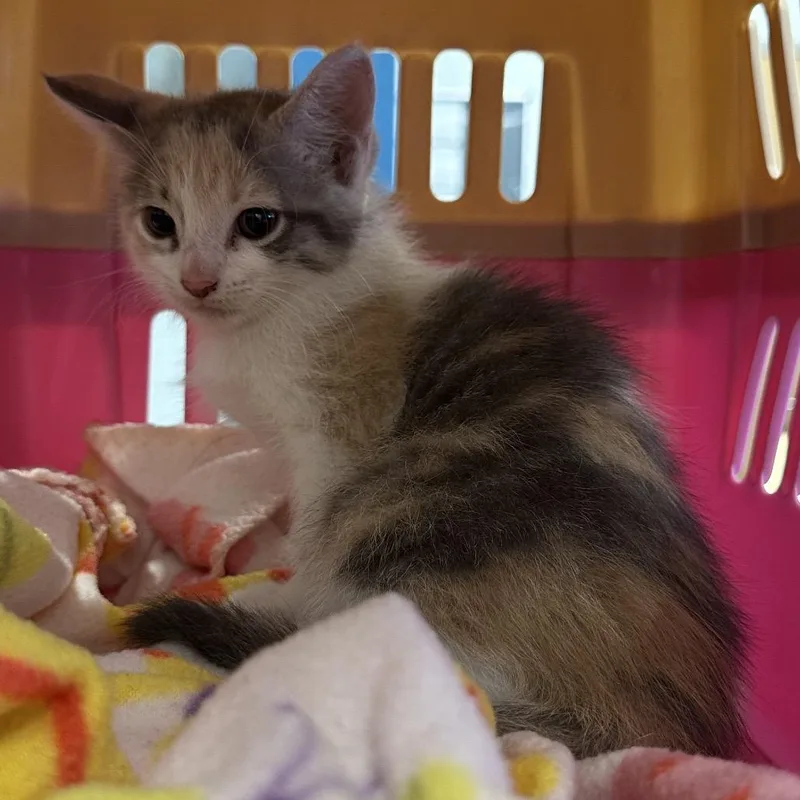
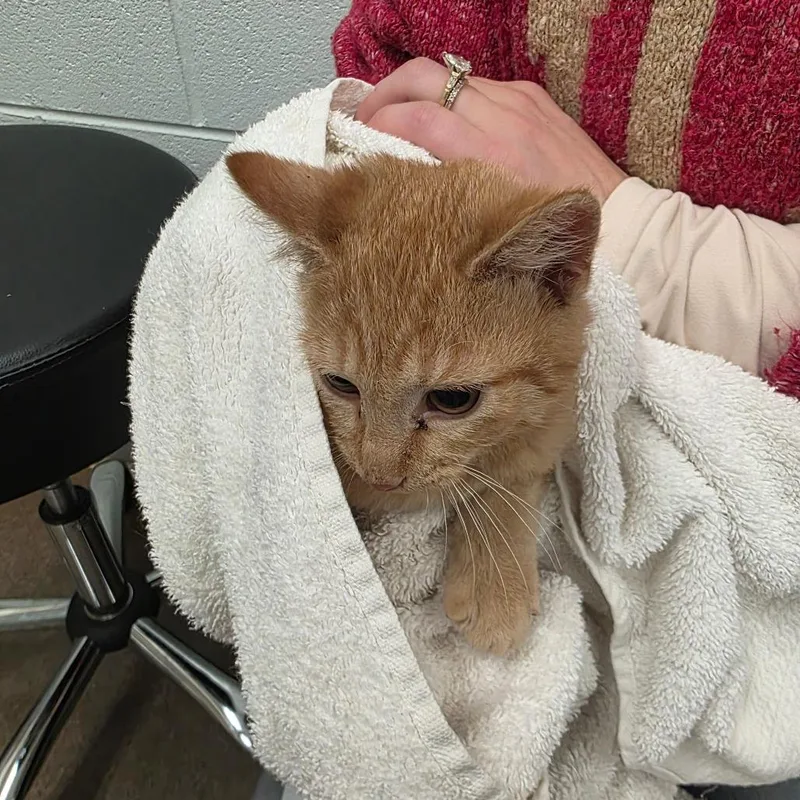
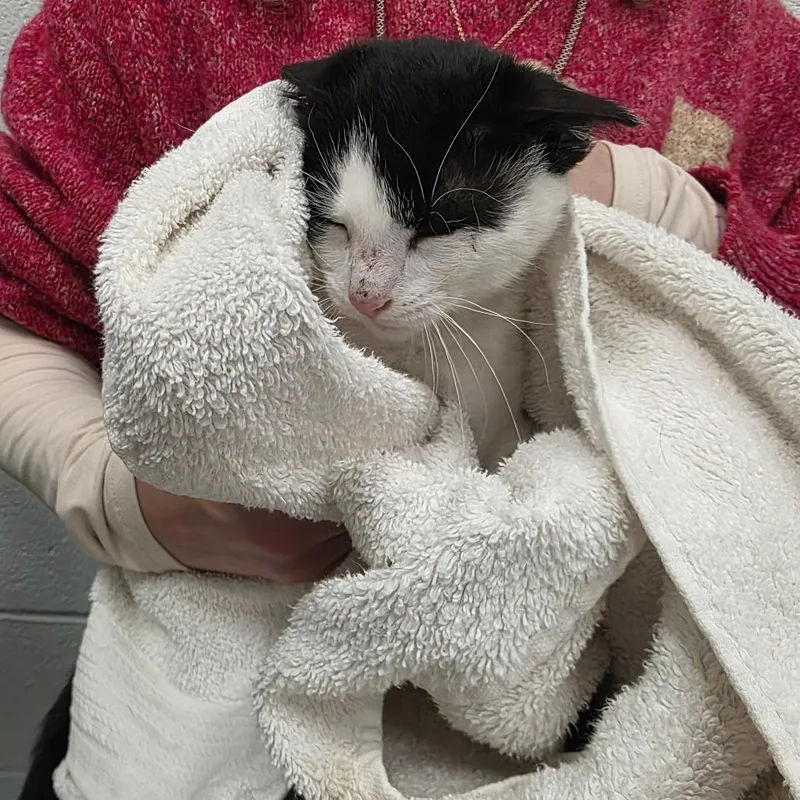
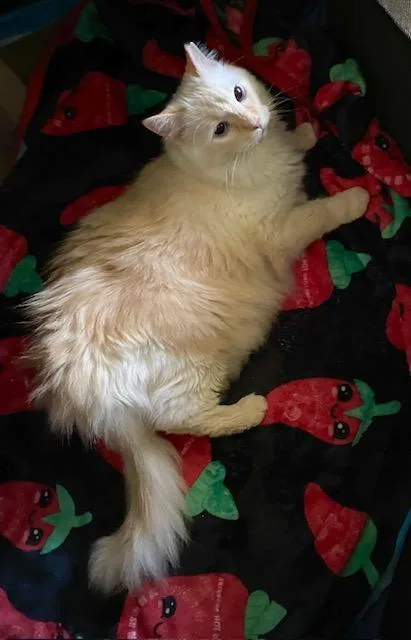
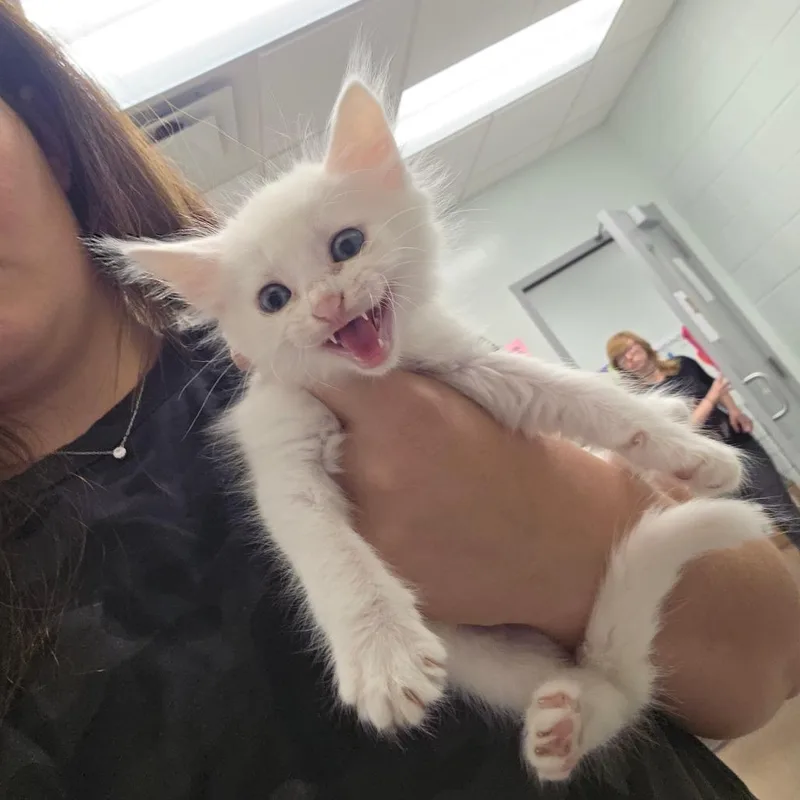
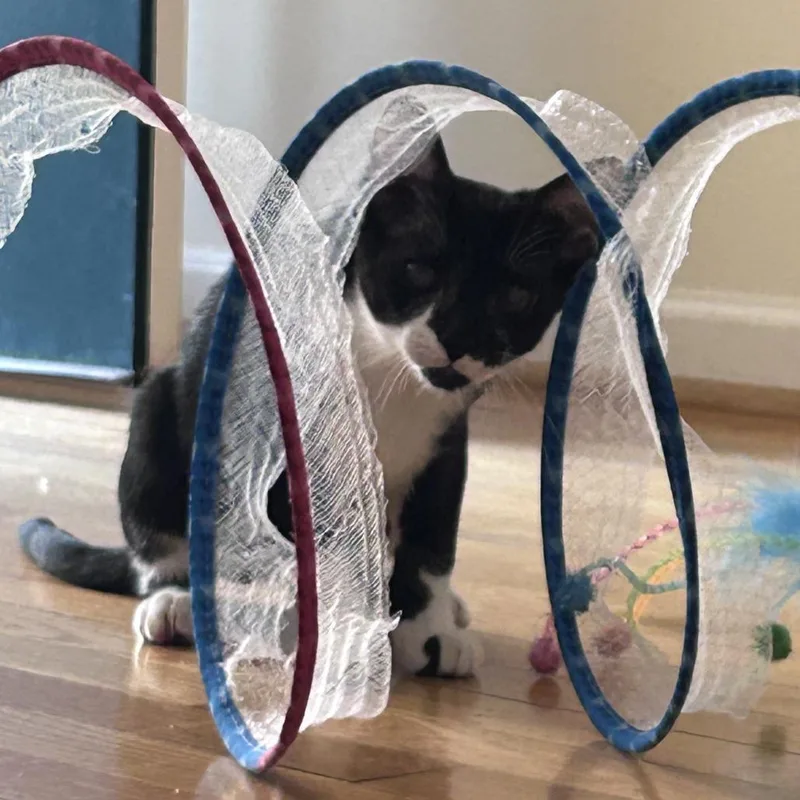
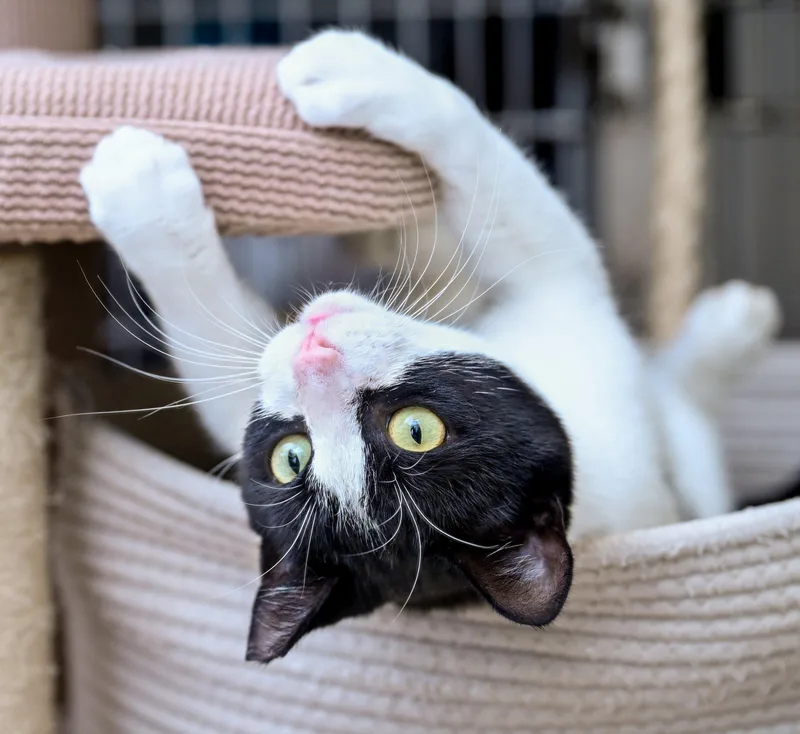
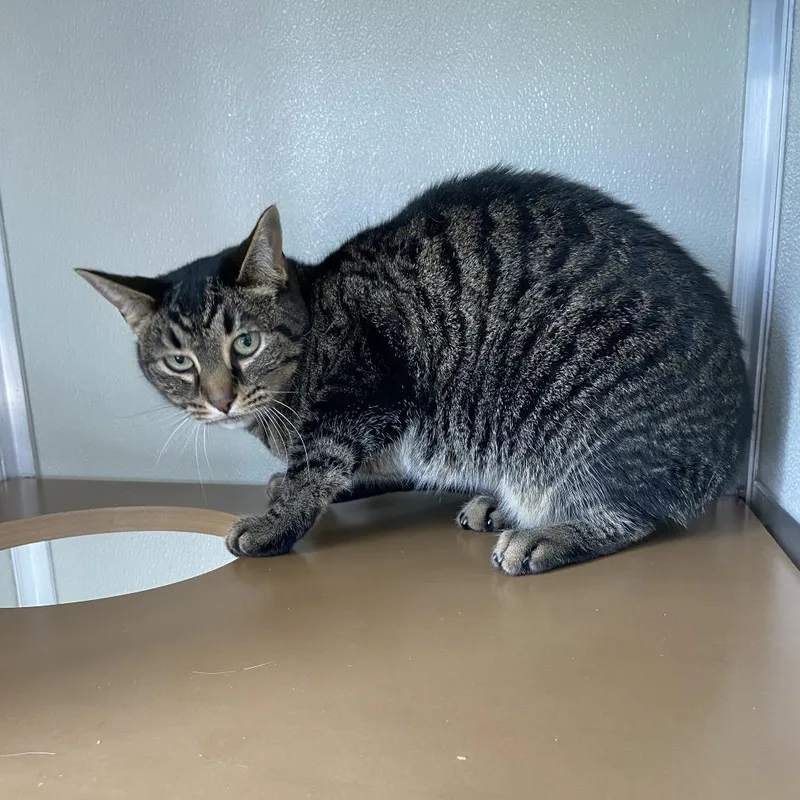
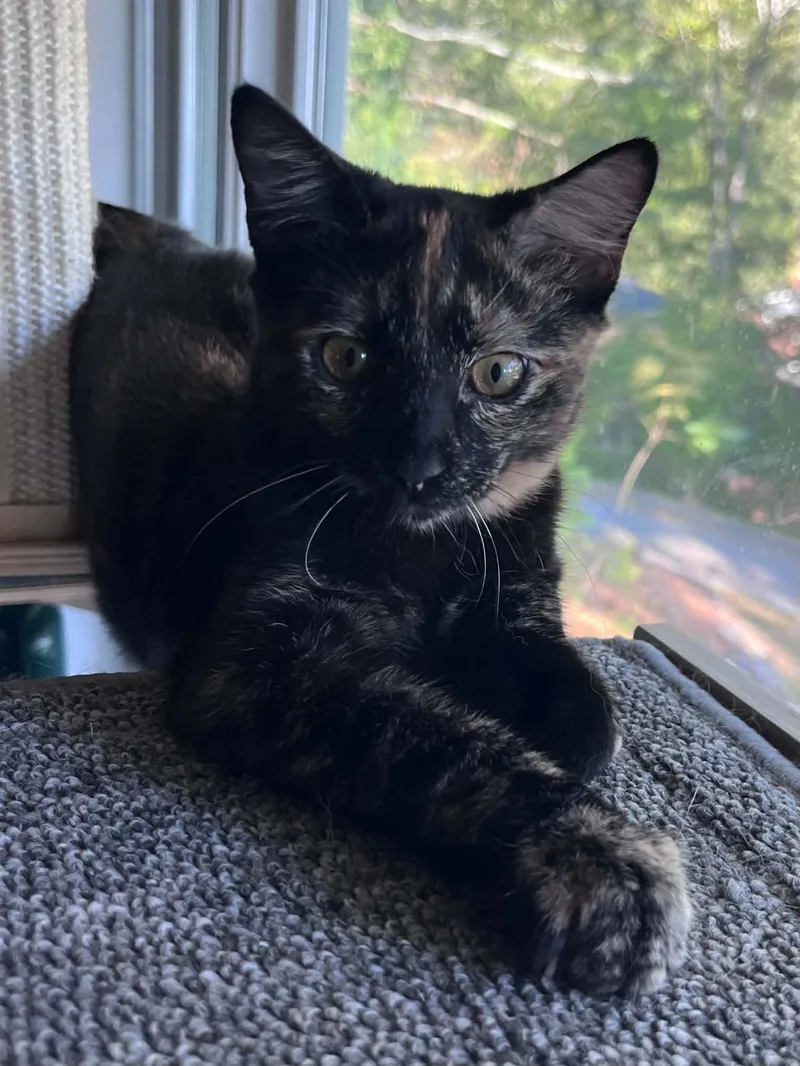
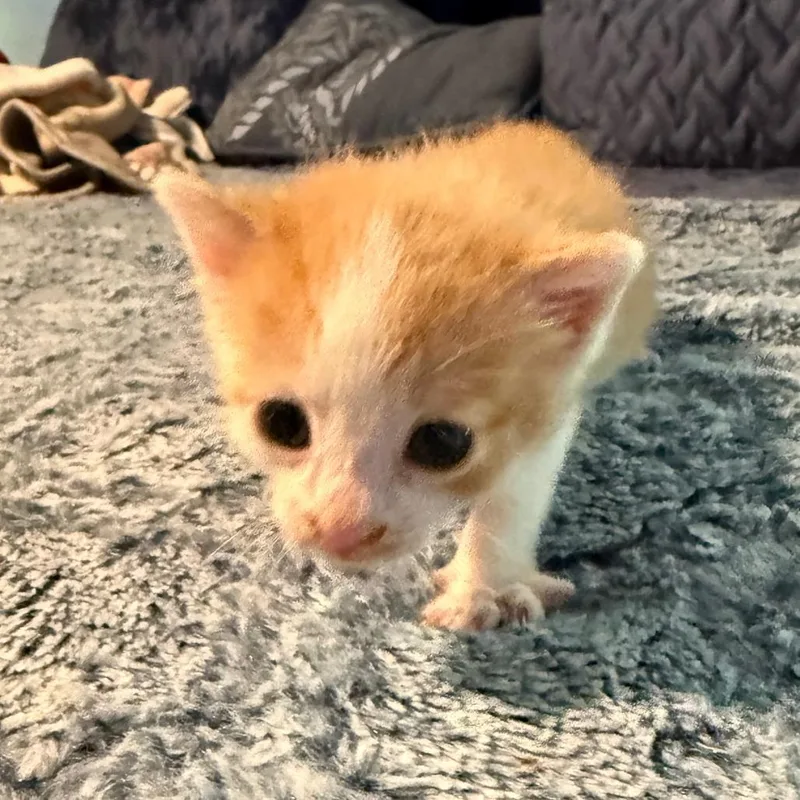
Domestic Short Hair isn't a breed. It's a label for short-coated cats of mixed or unknown ancestry, and it's the most common kind of cat in American homes. You'll see tabbies, tuxedos, calicos, torties and solid blacks, usually medium-sized and sturdy, often weighing between 6 and 14 pounds.

Because the gene pool is so wide, personality varies from cat to cat. Some are chatty lap cats, others are happiest watching from a shelf. The short coat is easy to keep up with a weekly brush, though DSH cats shed year-round and a bit more in spring and fall. A cat's age, energy and history tell you far more than its coat does, so match the cat to your daily routine.

Weight
6–14 lbs
Height
8–10 in
Lifespan
12–18 yrs
Temperament
Adaptable, Curious, Affectionate
Shedding
Moderate

Owning a Domestic Short Hair in Chattanooga

Having a Domestic Short Hair in Chattanooga

Domestic Short Hairs share a practical coat, but little else is fixed. In Chattanooga, a cat's age, energy and comfort with noise or other pets count for more than its looks, and indoor living suits nearly all of them.

Temperament

Temperament runs from outgoing lap cat to quiet observer, and no coat color predicts it. Many adapt well to new homes and other pets with slow introductions. In an apartment building, a cat that stays calm around hallway noise and neighbors' footsteps is a good fit, while a shy cat may prefer a quieter layout.

Exercise Needs

Plan on daily interactive play: a wand toy or chase game in two or three short bursts keeps most cats fit indoors. Kittens and young adults want more, seniors less. Window perches, cat trees and food puzzles fill the hours between, and they're handy on Chattanooga's rainy days, since rain falls in every season.

Health Considerations

Domestic Short Hairs can face obesity, dental disease and urinary problems, and as seniors, kidney disease, hyperthyroidism and diabetes. Yearly exams, weight checks and dental care catch trouble early. Fleas and ticks thrive in the humid months, so a veterinarian can set up prevention that fits whether the cat stays inside or goes out.

Living Space

Climbing shelves, hiding spots, scratchers and a clean litter box matter more than square footage, whether it's a Southside loft or a house in Hixson. Secure window screens and balcony doors prevent falls, and keeping the cat indoors or in an enclosure protects both the cat and local wildlife.

What it costs to own a Domestic Short Hair in Chattanooga

ExpenseTypical costPer year
Adoption fee$25 to $150, one time$25 to $150 in year one
Food$25 to $50 per month$300 to $600
Pet insurance$20 to $45 per month$240 to $540
Routine vet care$150 to $350 per year$150 to $350
Other*$460 to $1,160 per year$460 to $1,160
Estimated yearly total (after year one)$1,150 to $2,650
First-year total (with adoption fee)$1,175 to $2,800

Adoption fee is the range of fees on Domestic Short Hair listings in Chattanooga on GetBuddy today. Other costs are estimates and vary with size, age and health.

* Litter, flea and tick prevention, a dental cleaning allowance, toys, scratchers and other supplies, minimal home grooming, and the $10 Chattanooga license for a spayed or neutered cat.

Adopt a Domestic Short Hair in Chattanooga.

Now that you know more, let’s find you a new best friend. These rescues and shelters below currently have Domestic Short Hairs available.

Frequently Asked Questions

Often, yes, especially for cats kept indoors. Whether it's a downtown apartment or a Hixson subdivision house, a Domestic Short Hair needs daily play, a safe indoor routine, and a plan for spring storms and holiday fireworks. Because these cats vary so much, match the cat's age and energy to your schedule rather than expecting a standard personality.

Yes. Chattanooga has no breed-specific rules, and the city has no fixed cap on cats per household, though it enforces care and sanitation standards. Every cat over three months needs a city license ($10 spayed or neutered, $50 if not) and a current rabies vaccination, which Tennessee requires by six months.

Yes, they usually do well in apartments, from Southside lofts to converted Victorians near UTC. A scratcher, a cat tree, a window perch and a clean litter box matter more than square footage. Read the lease for pet fees and limits, and get them in writing before you sign.

Yes, for cats kept indoors. Short coats handle Chattanooga's mild winters and humid summers well. The main concerns are staying cool and hydrated in July and August, and wet weather tracking mud inside. Never leave a cat in a parked car, since the city treats that as an offense and heat builds fast.

Very little. A weekly brush handles most coats, with extra brushing when shedding picks up in spring and fall. Humid summers and frequent rain rarely cause coat problems for indoor cats, though outdoor cats may need muddy paws wiped. Professional grooming is seldom needed, so it adds little to the yearly Other costs on this page.

Generally no. CARTA's animal policy permits only police, guide, signal and service dogs on its buses, so a pet cat can't board. The Lookout Mountain Incline allows only registered service animals. Chattanooga has no subway or rail system, so plan on a car and a secure carrier for vet visits.

Domestic shorthair cats typically live about 12 to 18 years, and many indoor cats reach their late teens or early twenties. Large UK veterinary studies have found mixed-breed cats tend to live slightly longer than pedigreed cats on average. Spaying or neutering, indoor living, a healthy weight, dental care and regular checkups all help a cat enjoy a longer life.

No, domestic shorthair cats are not hypoallergenic. The main cat allergen, a protein called Fel d 1, comes from saliva and skin glands, so short fur does not prevent reactions. Allergen levels vary between individual cats, and some people react less to certain cats. Spending time with a specific cat before adopting is the best way to test your response.

We have 8 rescues with Domestic Short Hairs available, including Humane Educational Society of Chattanooga, TN, McKamey Animal Center and Friends of Greybeard. You can see every rescue with Domestic Short Hairs available in the list above these questions, or scroll to the top to see the Domestic Short Hairs in Chattanooga.

Plan on about $1,150 to $2,650 a year for a Domestic Short Hair in Chattanooga. That covers food at $25 to $50 a month, insurance at $20 to $45 a month, routine vet care at $150 to $350 a year, and other costs of $460 to $1,160 a year, including the city license.