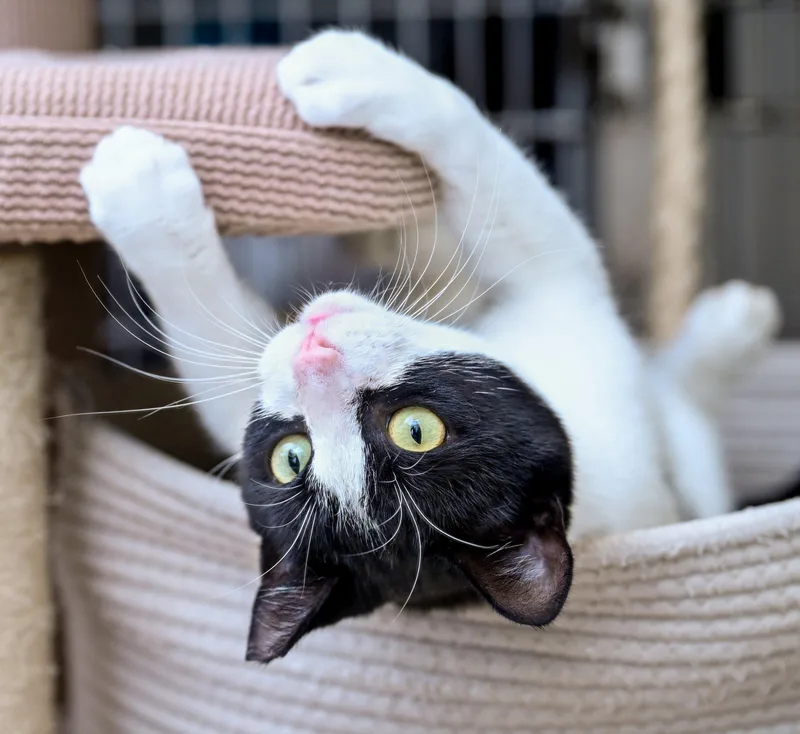
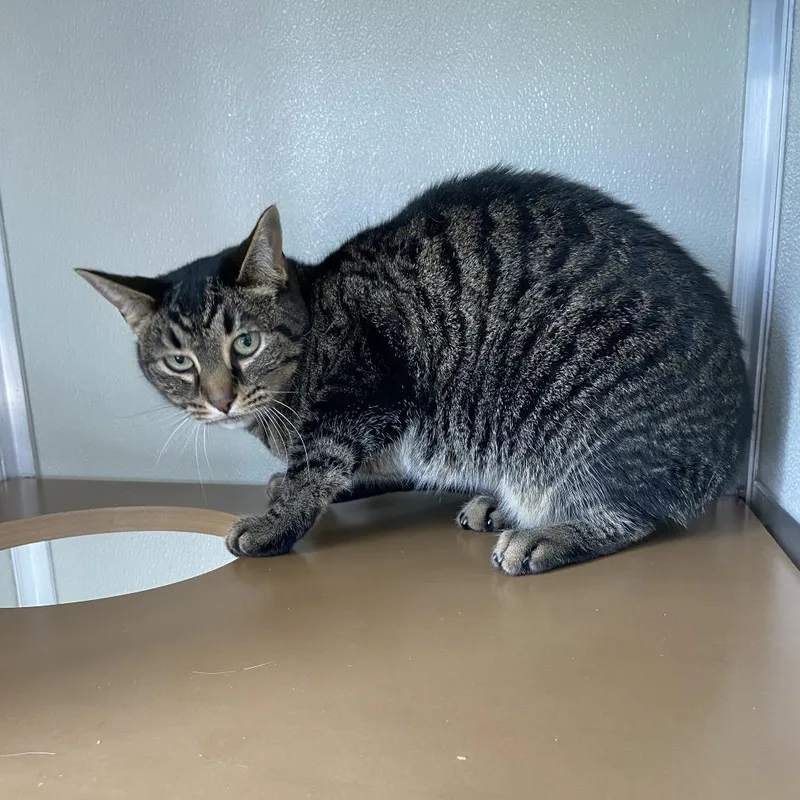
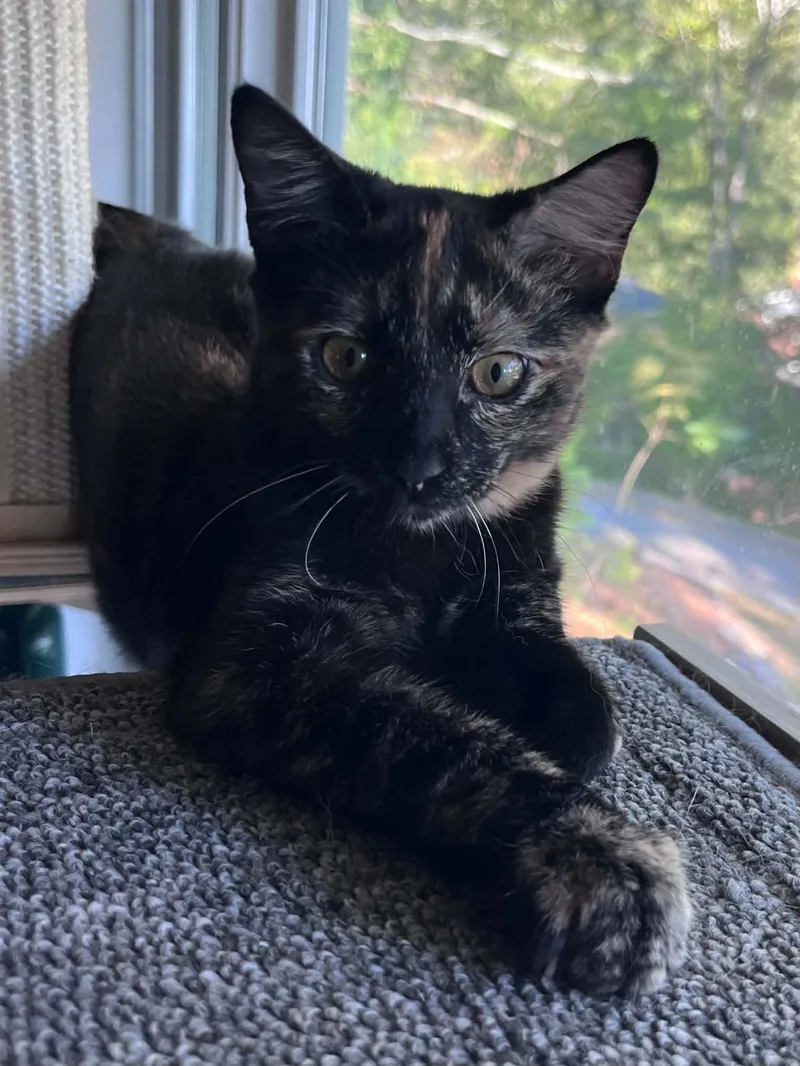
Domestic Long Hair Cats for Adoption in Chattanooga, TN

Your guide to finding and caring for a Domestic Long Hair in Chattanooga

Domestic Long Hairs fit Chattanooga's older bungalow neighborhoods well, since they're happiest indoors with a window to watch from. In Highland Park or St. Elmo, where many homes date from the early 1900s, a fluffy cat on a sunny sill is a pretty ordinary sight. The coat does need brushing a few times a week, and Chattanooga's humid summers are when a neglected one mats fastest. Most do fine in an apartment or a house, so the real question is whether you'll keep up with the brush.

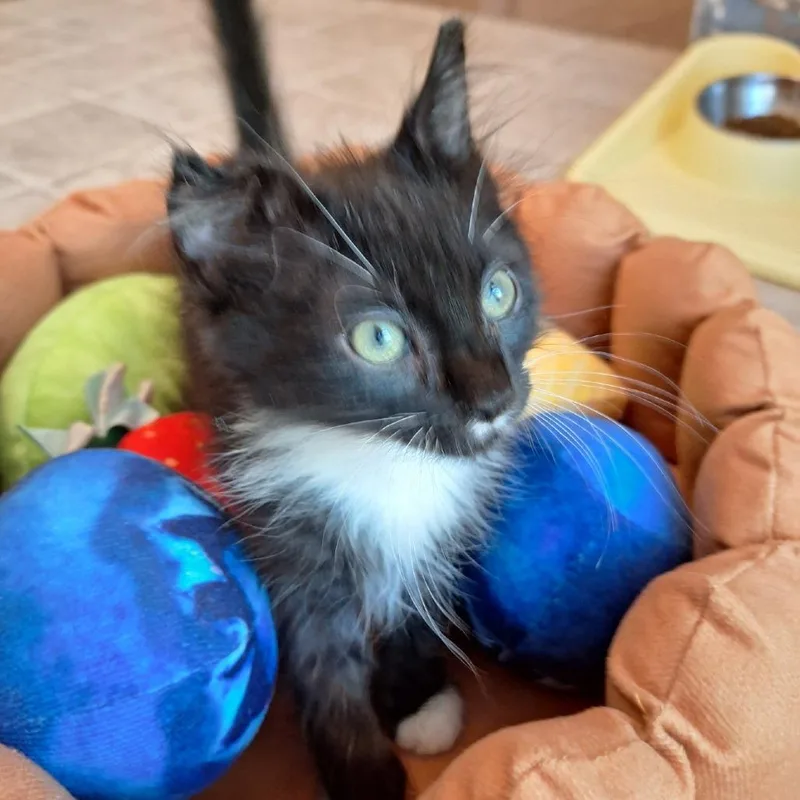
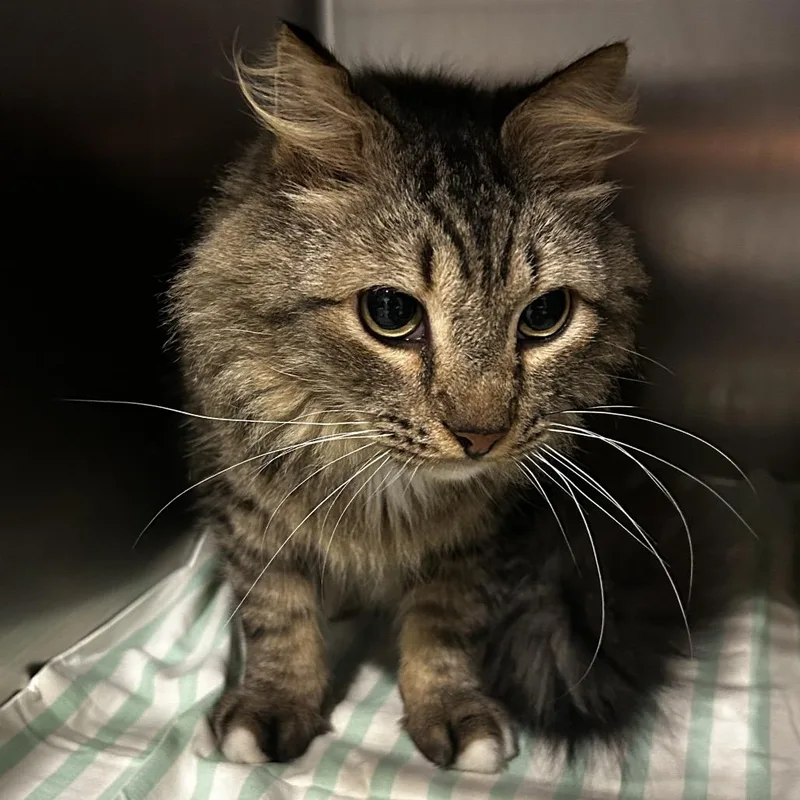
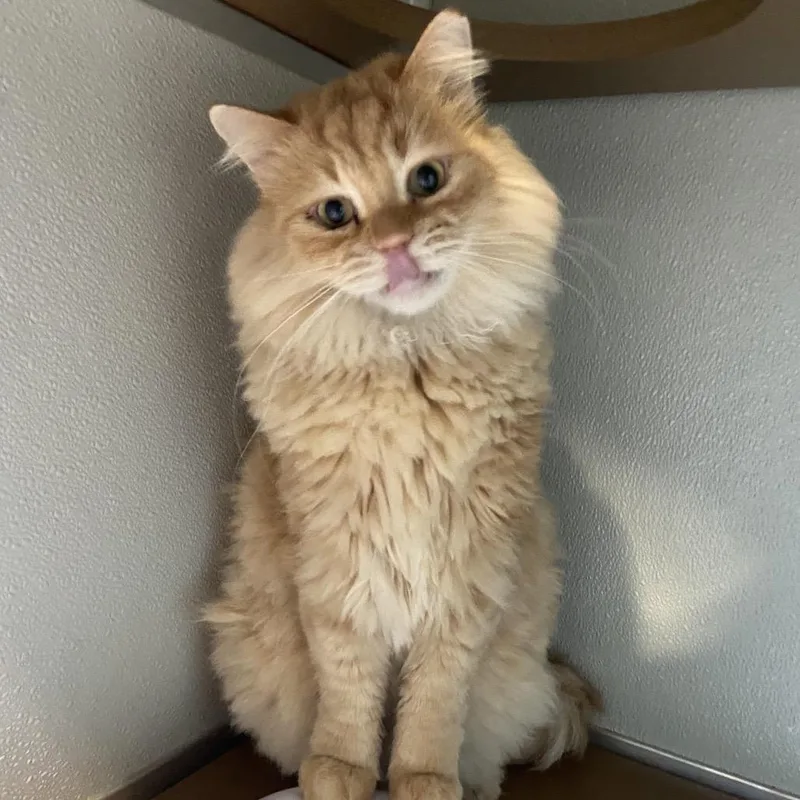
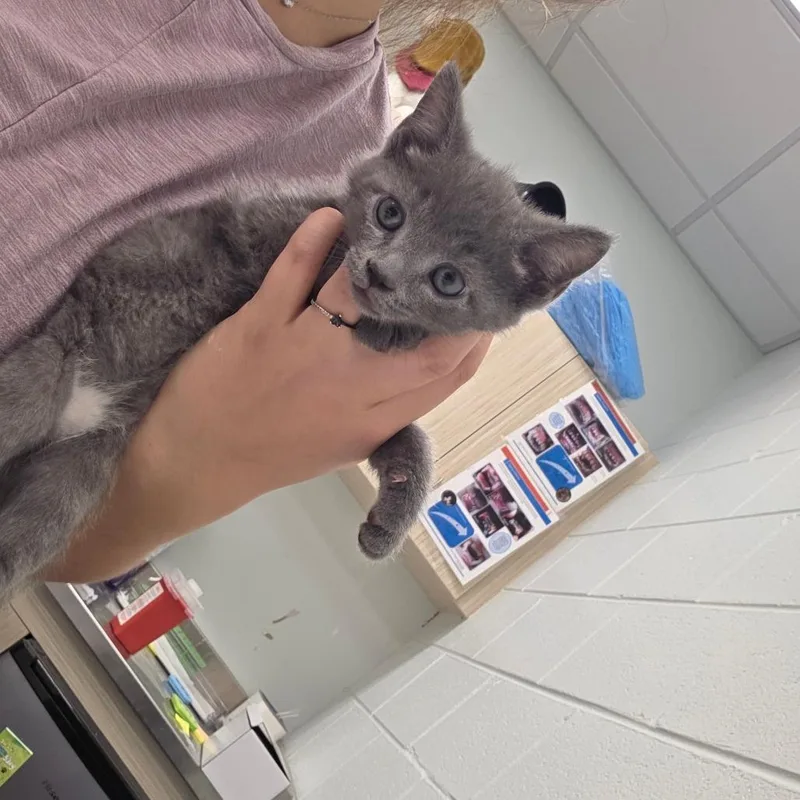
20 Domestic Long Hairs available for adoption in Chattanooga

Your Domestic Long Hair is waiting

Domestic Long Hairs Available for Adoption in Chattanooga

About the Domestic Long Hair breed

Domestic Long Hair isn't a breed. It's the label for a mixed-ancestry cat with a medium-to-long coat, and the cats wearing it come in every color and pattern, from tabby and calico to solid black, smoke and bicolor. Some look like a Maine Coon or a Persian without sharing that ancestry. Adults usually weigh 8 to 15 pounds, and the fur can make them look even bigger.

Because there's no breed standard, size, coat texture and personality vary from cat to cat. What they share is a coat that needs regular brushing to prevent mats and hairballs. In a place with year-round rain and sticky summers, that routine matters, and keeping the cat indoors spares the fur from mud and burrs. Meeting the cat tells you far more than the label does.

Weight
8–15 lbs
Height
8–11 in
Lifespan
12–18 yrs
Temperament
Adaptable, Affectionate, Gentle
Shedding
Moderate to High

Owning a Domestic Long Hair in Chattanooga

Having a Domestic Long Hair in Chattanooga

Domestic Long Hair describes a coat, not a pedigree, so traits vary widely from cat to cat. In Chattanooga, the practical points are keeping up with brushing, planning for humid summers and spring storms, and matching the cat's habits to your home.

Temperament

Personality comes from each cat's genes, early socialization and life experience rather than a breed profile. Many are affectionate and adaptable once settled, though some are bold explorers and others warm up slowly. In a Chattanooga apartment or bungalow, give a new cat a quiet room and a few weeks to adjust.

Exercise Needs

Most Domestic Long Hairs enjoy a couple of short play sessions a day with wand toys, balls or puzzle feeders. Window perches overlooking the yard or street give indoor cats something to watch, and wall shelves or cat trees add climbing room in smaller rentals. Staying lean also makes self-grooming easier with a thick coat.

Health Considerations

Mixed ancestry means these cats aren't tied to the inherited conditions of particular breeds. Mats, hairballs and soiled fur are the usual coat problems, especially in older or overweight cats. Dental disease, obesity and kidney disease affect cats generally, so yearly vet visits matter. Tennessee requires rabies vaccination for cats six months and older.

Living Space

Apartments and houses both work when there are litter boxes, scratching posts, hiding spots and places to climb. Staying indoors protects the coat from burrs and mud and the cat from traffic and disease. Thick-coated cats appreciate a cool resting spot, such as a tile floor or a shaded window, in summer.

What it costs to own a Domestic Long Hair in Chattanooga

ExpenseTypical costPer year
Adoption fee$50 to $300, one time$50 to $300 in year one
Food$25 to $50 per month$300 to $600
Pet insurance$20 to $45 per month$240 to $540
Routine vet care$150 to $350 per year$150 to $350
Other*$510 to $1,260 per year$510 to $1,260
Estimated yearly total (after year one)$1,200 to $2,750
First-year total (with adoption fee)$1,250 to $3,050

Adoption fee is the range of fees on Domestic Long Hair listings in Chattanooga on GetBuddy today. Other costs are estimates and vary with size, age and health.

* The $10 Chattanooga license for a spayed or neutered cat, litter, flea prevention, a dental cleaning allowance, toys, scratchers and supplies, and brushing tools for the long coat.

Adopt a Domestic Long Hair in Chattanooga.

Now that you know more, let’s find you a new best friend. These rescues and shelters below currently have Domestic Long Hairs available.

Frequently Asked Questions

Yes. Domestic Long Hair is a coat type, not a regulated breed, and Chattanooga's pet rules apply to all cats equally. The city requires a license for every cat over three months old, $10 if spayed or neutered and $50 if not, plus a current rabies certificate. Tennessee requires rabies vaccination by six months, and the city has no fixed cap on pets per household.

Yes, a Domestic Long Hair can live happily in a Chattanooga apartment as long as it has litter boxes, scratching posts and perches. Read the lease first, since Tennessee sets no cap on pet deposits, fees or pet rent, so amounts vary by building. Deposits must be held in a separate bank account and itemized at move-out, so photograph the unit when you move in.

Plan on brushing a few times a week, and daily during heavy shedding in spring and fall. Regular brushing keeps tangles and hairballs in check through Chattanooga's humid months, especially for older or overweight cats that groom less. Brushes and combs are inexpensive, and an occasional professional groom for mats is optional. Both fit within the $510 to $1,260 yearly in other costs.

Yes, with some care. Summers are hot and humid, with about 58 days a year reaching 90°F, so keep the home cool, offer water in several spots and brush out loose undercoat. Indoor cats do best. Rain falls year-round too, which is another reason to keep a long coat away from mud and burrs.

Generally no. CARTA's posted policy allows only service animals and police dogs on its buses, and Chattanooga has no subway or rail system. The Lookout Mountain Incline Railway also admits only registered service animals. Check CARTA's current rules before planning any ride, and expect to travel by car with a secure carrier for vet visits.

You can usually tell a kitten will have long hair by about three to four weeks old, when its fur looks noticeably fluffier than its littermates'. Look for longer tufts on the ears, between the toes and on the tail, plus a softer, fuller coat overall. The full adult coat, ruff and tail plume can take one to two years to develop.

Yes, long hair is a recessive trait in cats. A kitten needs two copies of a long-hair variant, usually in the FGF5 gene, one from each parent, to grow a long coat. Two shorthaired parents can produce longhaired kittens if both carry the variant, while a longhair bred to a cat with two short-hair copies produces only shorthaired kittens.

Domestic Long Hair cats commonly live about 12 to 18 years, and many indoor cats reach their late teens or beyond. Mixed-breed cats have broad genetic diversity, and UK veterinary research found non-pedigree cats lived longer than purebreds on average. Indoor living, a healthy weight, dental care and regular checkups make the biggest difference.

We have 5 rescues with Domestic Long Hairs available, including Humane Educational Society of Chattanooga, TN, Friends of Greybeard and McKamey Animal Center. You can see every rescue with Domestic Long Hairs available in the list above these questions, or scroll to the top to see the Domestic Long Hairs in Chattanooga.

Expect roughly $1,200 to $2,750 a year for a Domestic Long Hair in Chattanooga. Food runs $25 to $50 a month, insurance $20 to $45 a month, and routine vet care $150 to $350 a year. Other costs, such as litter, parasite prevention, dental care, supplies and grooming, add $510 to $1,260 a year. Illness and emergencies cost extra.