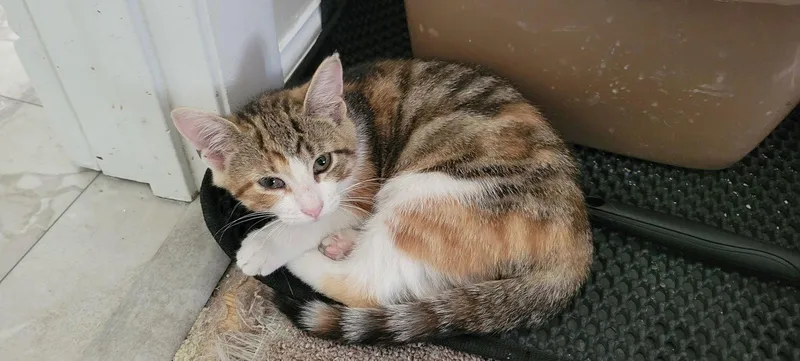
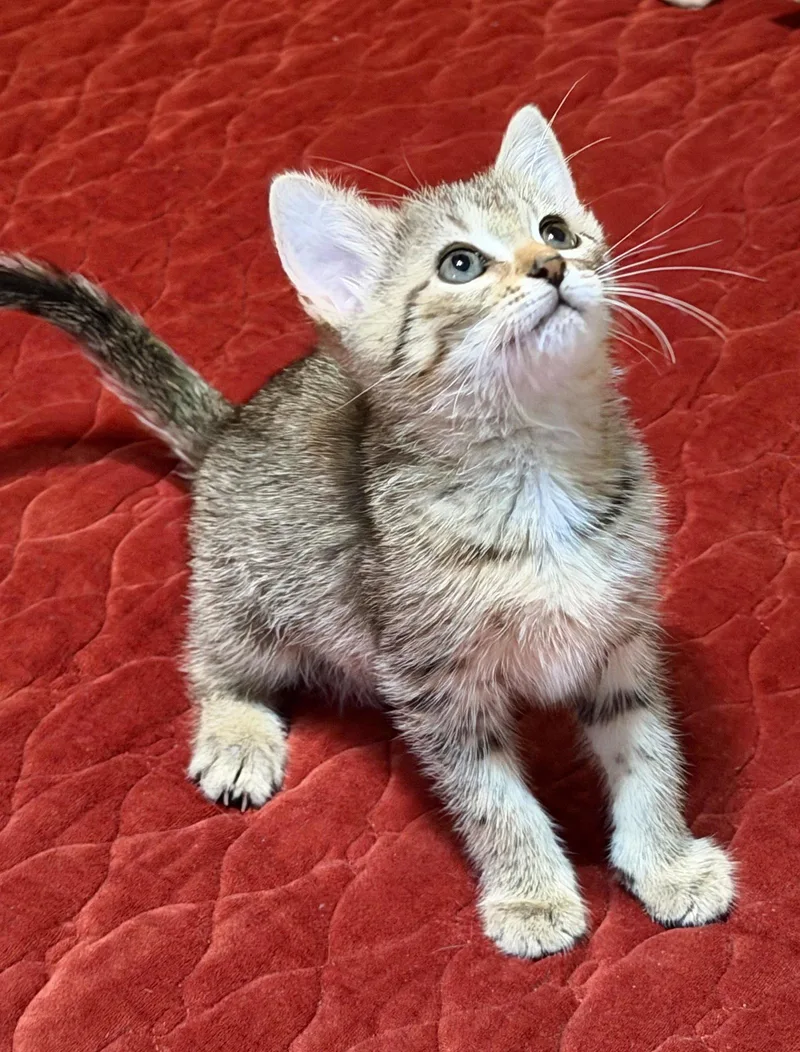
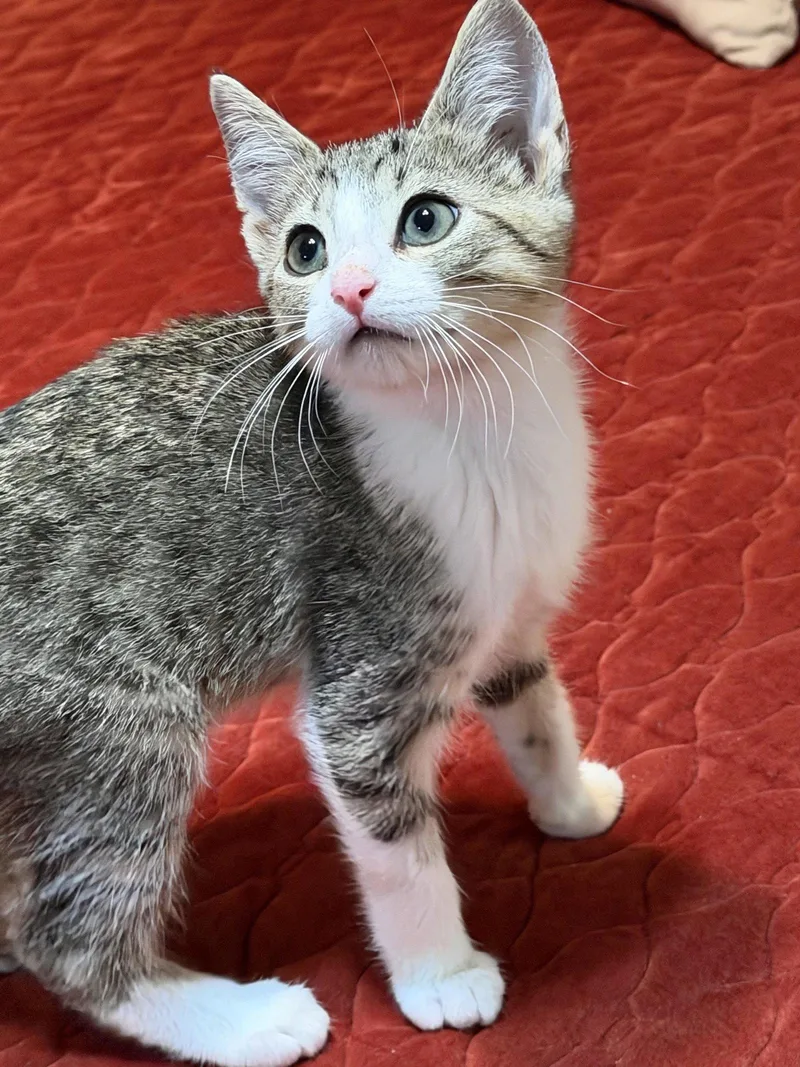
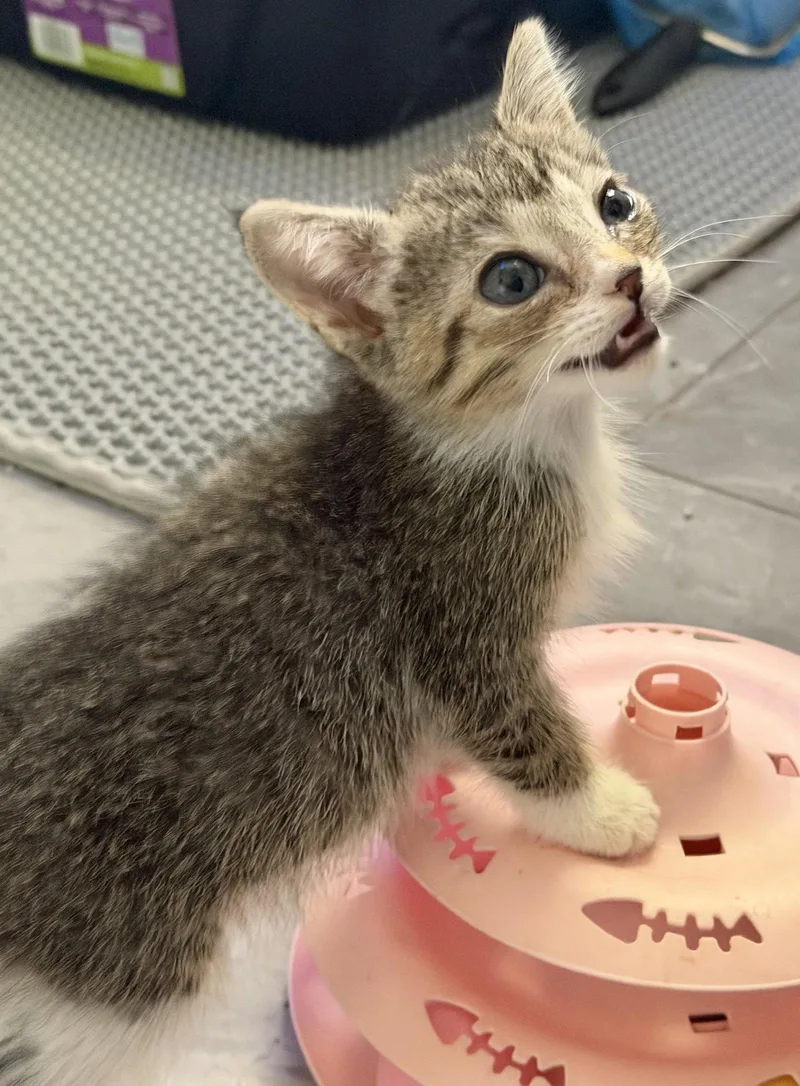
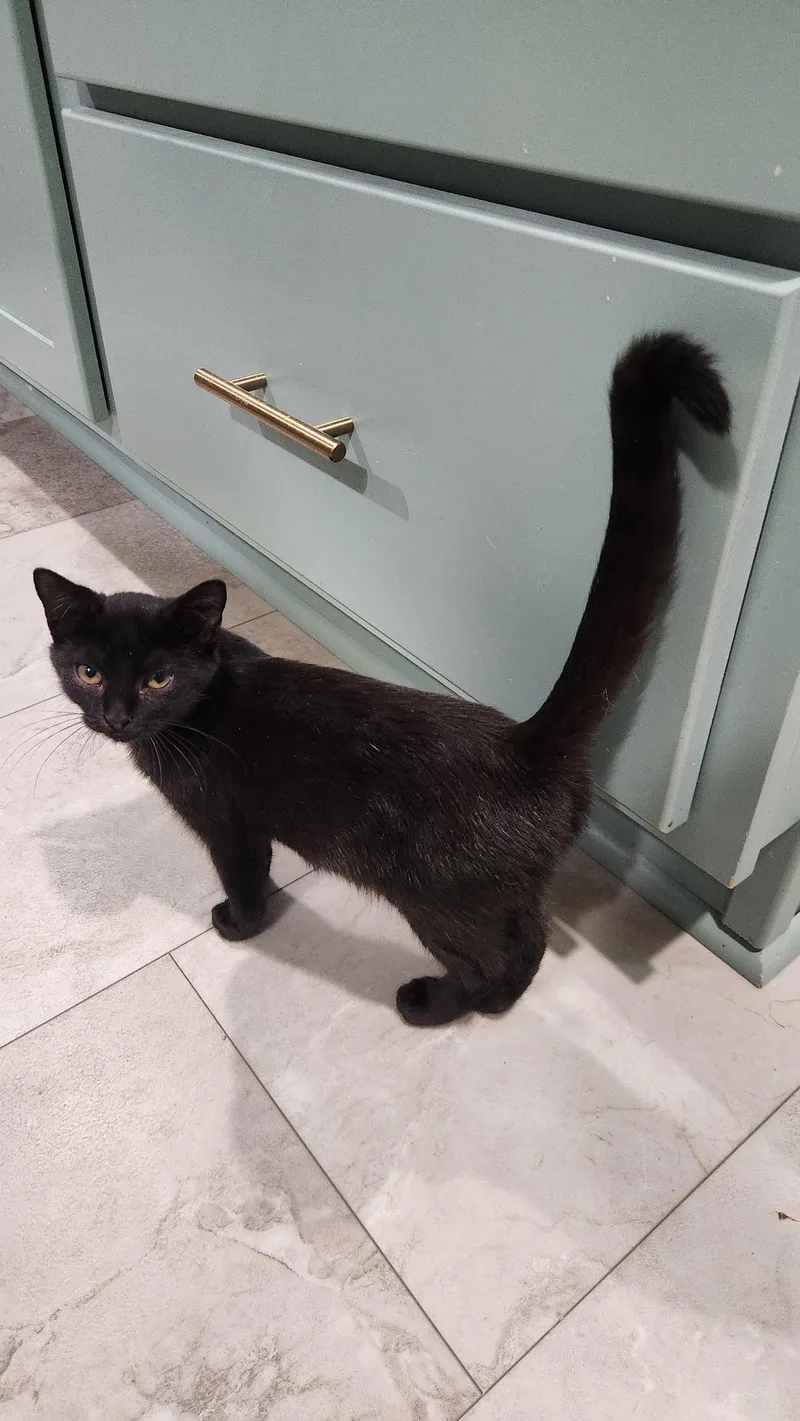
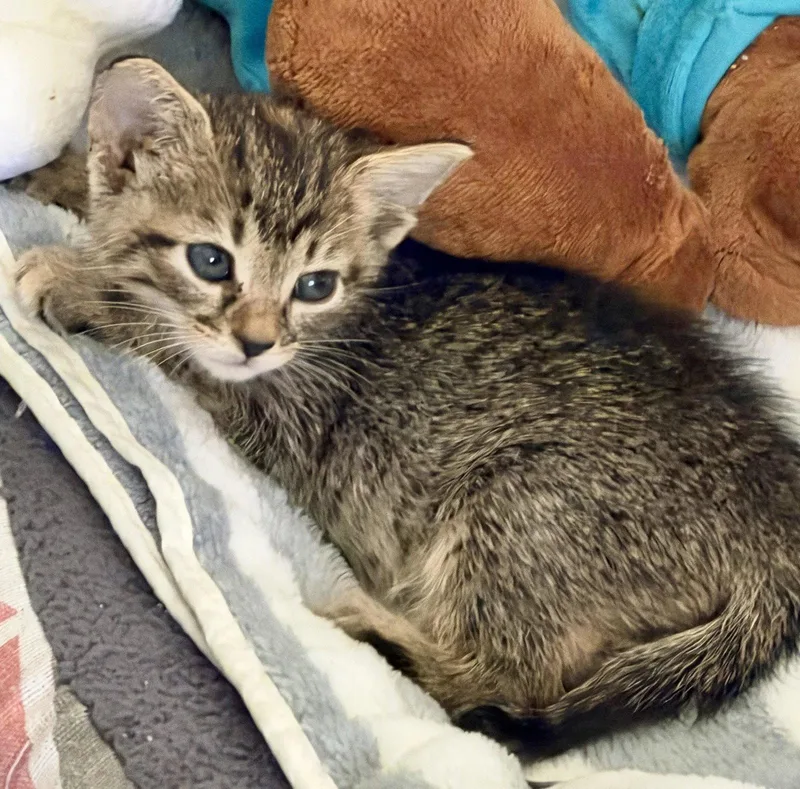
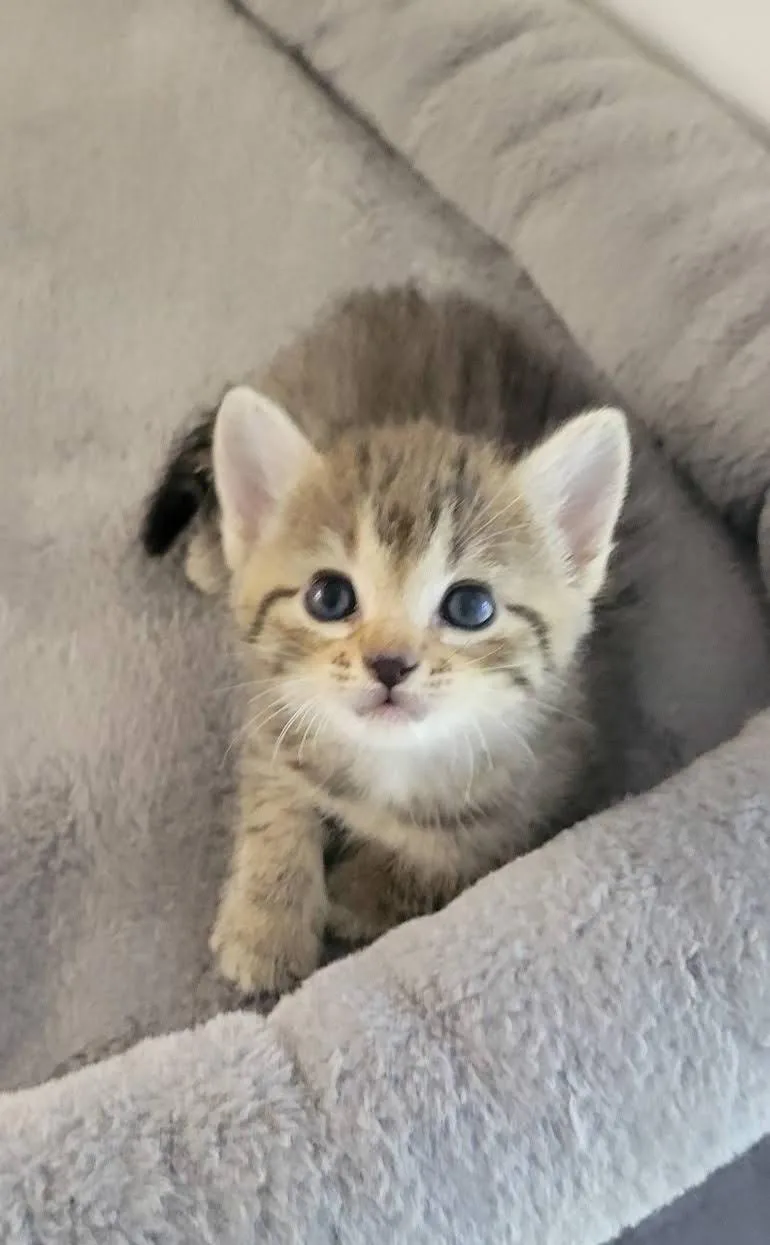
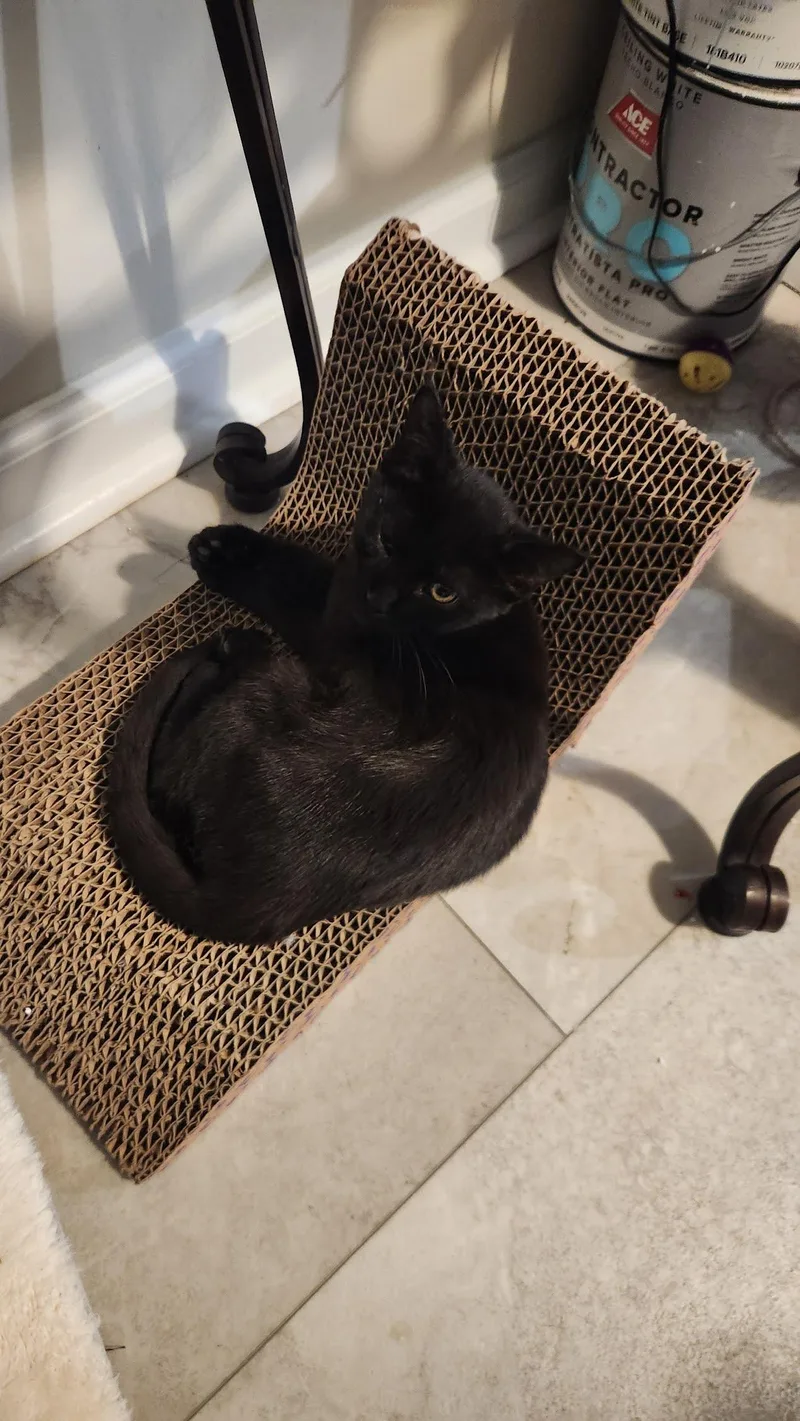
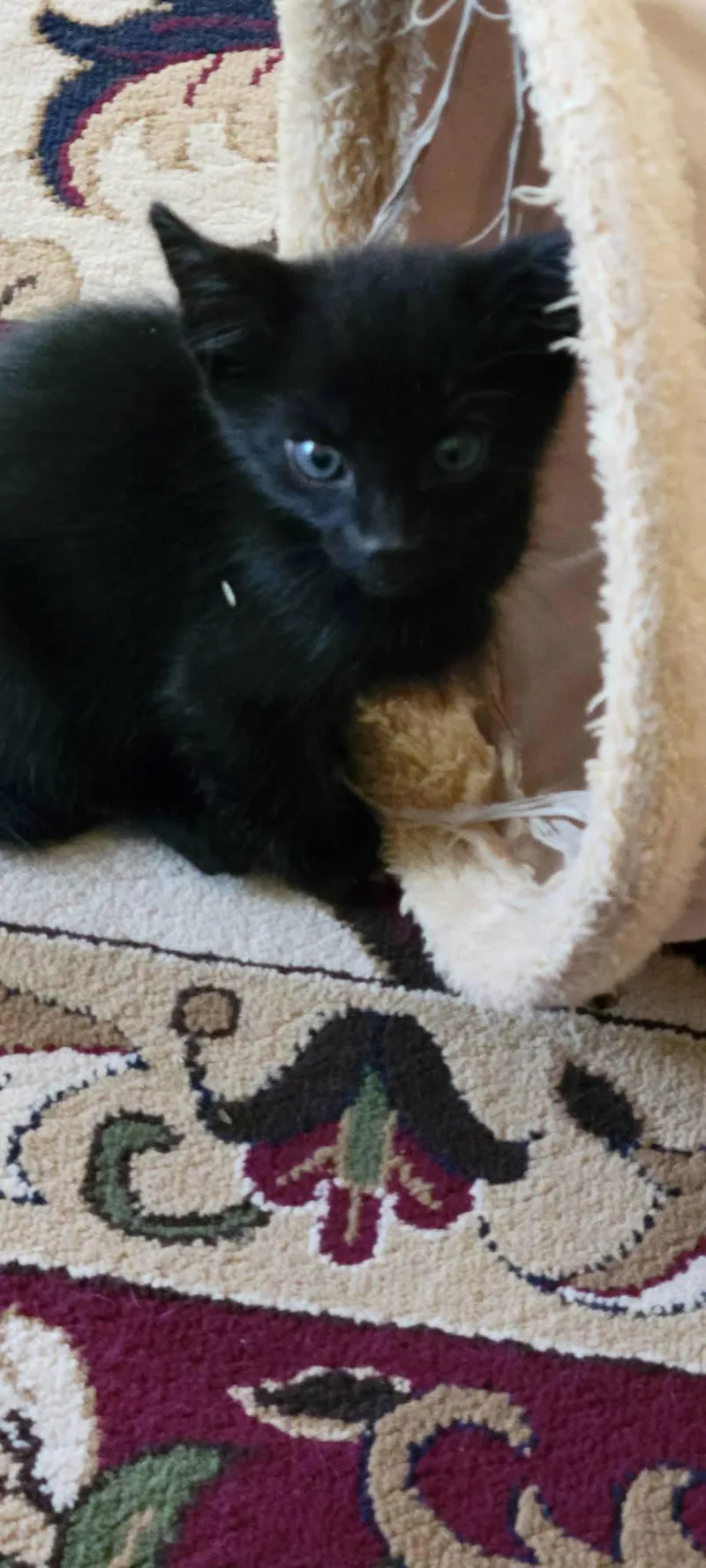
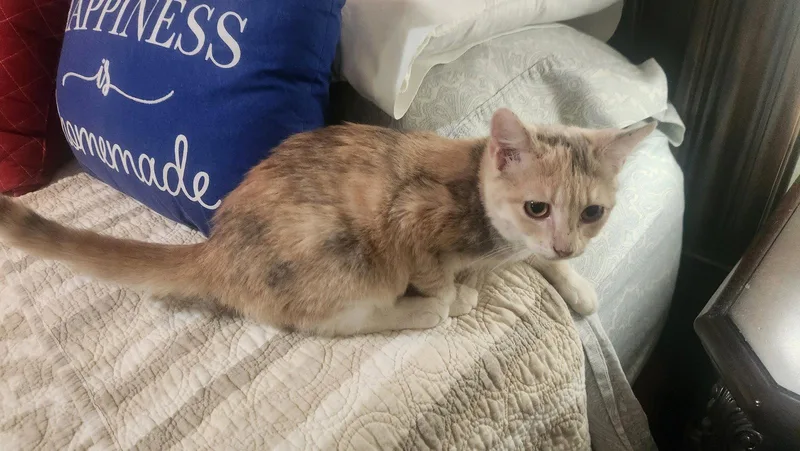
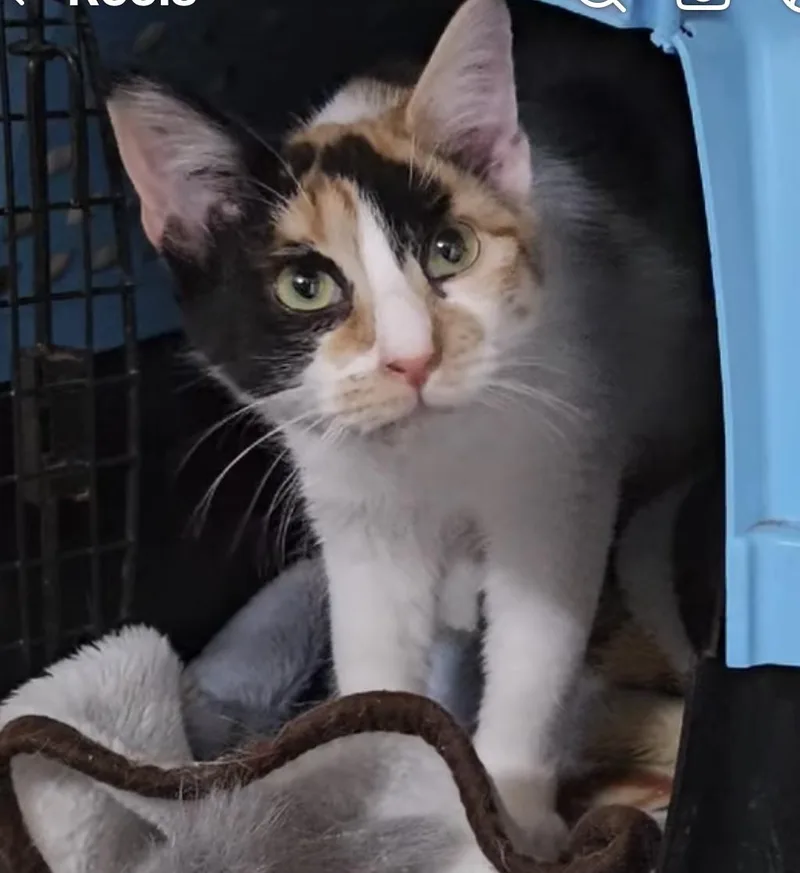
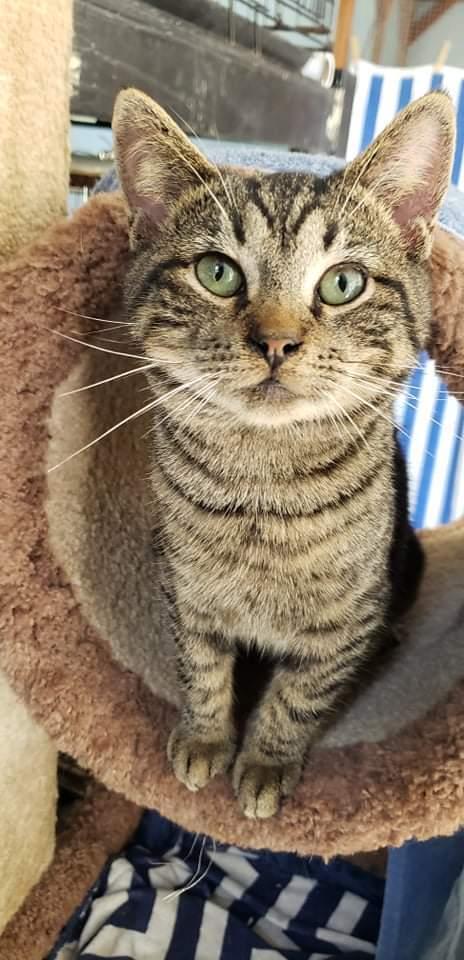
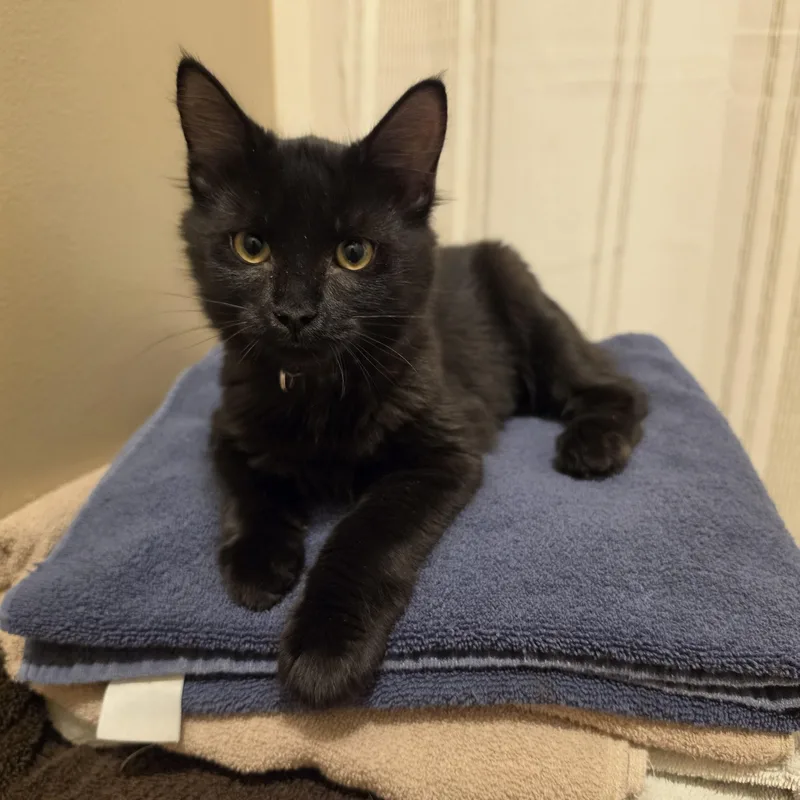
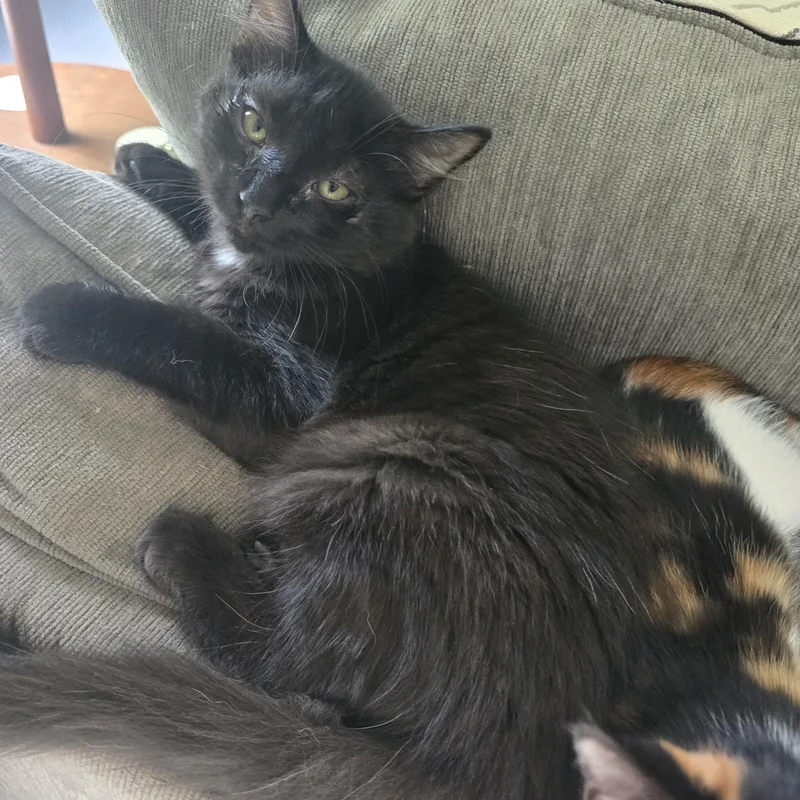
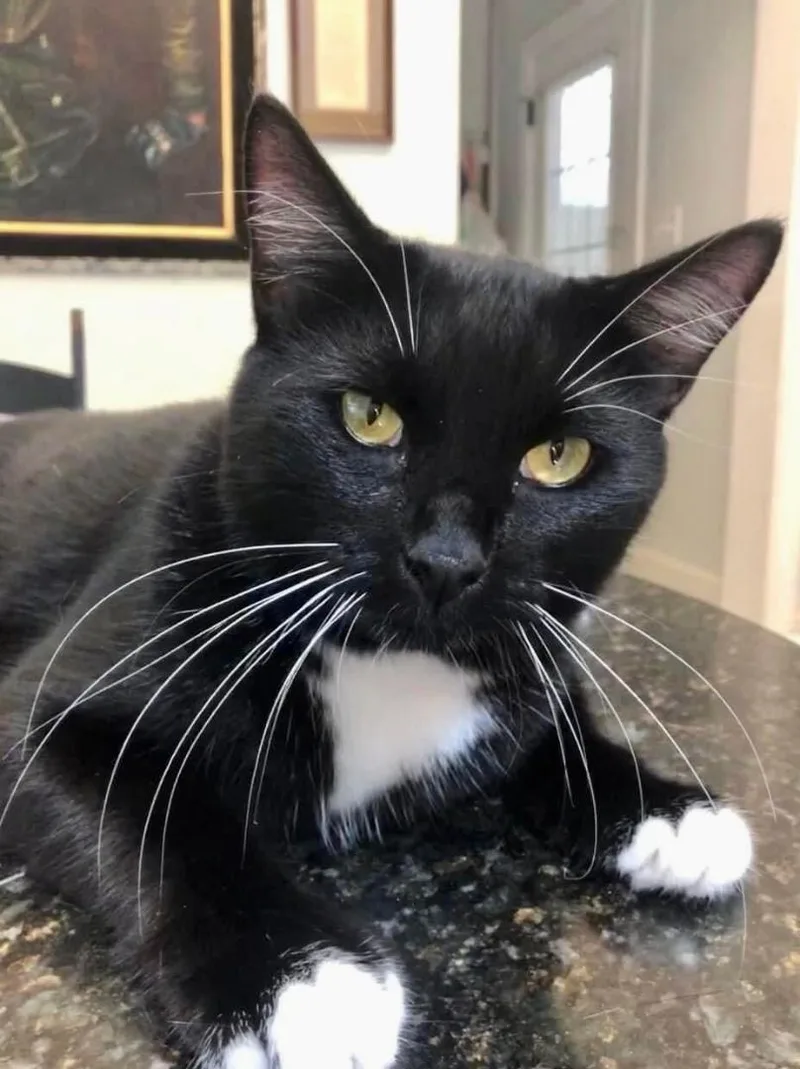
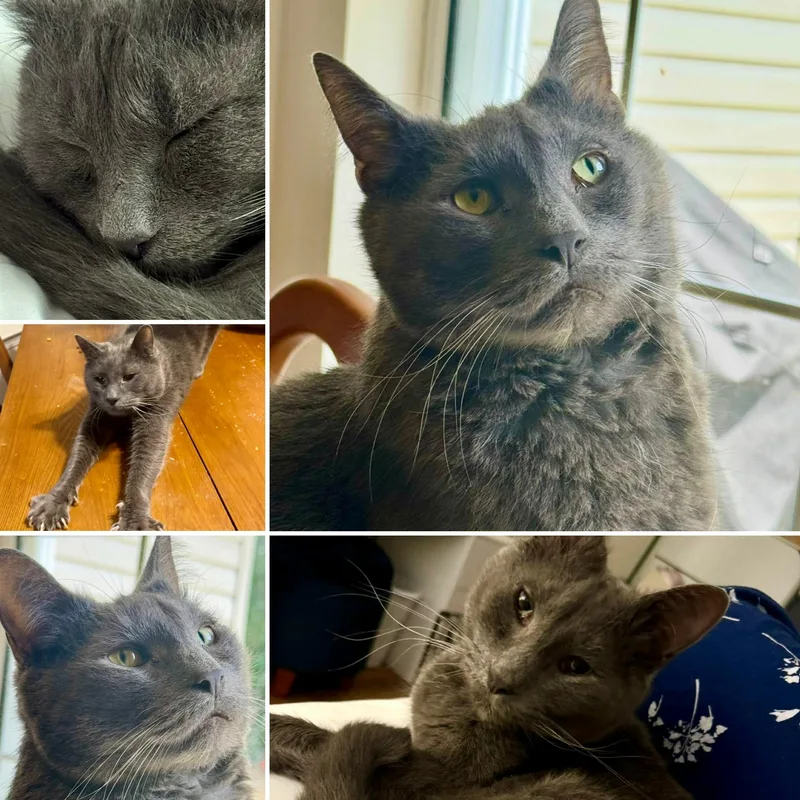
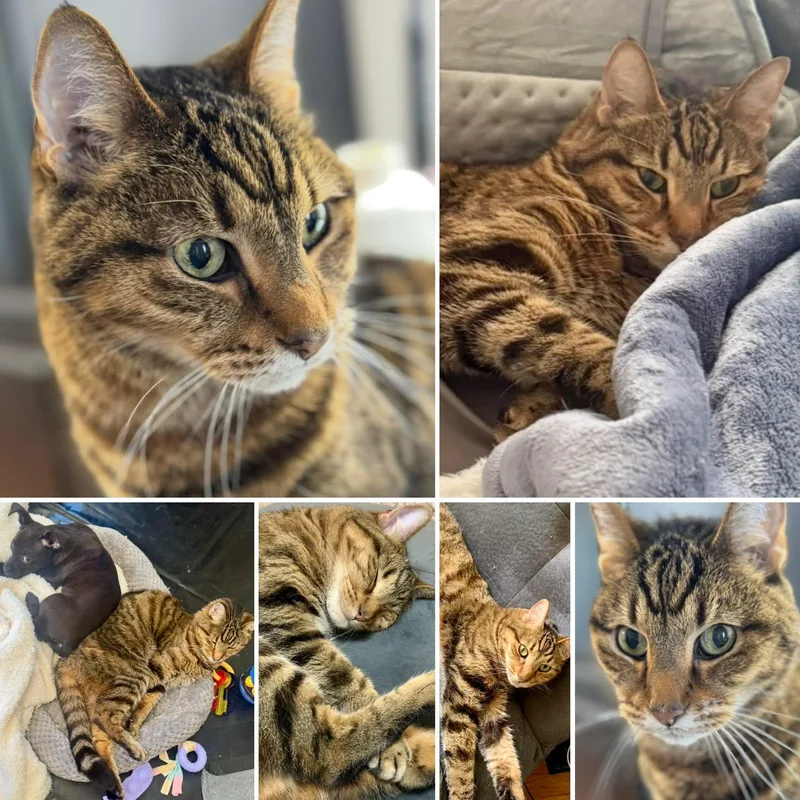
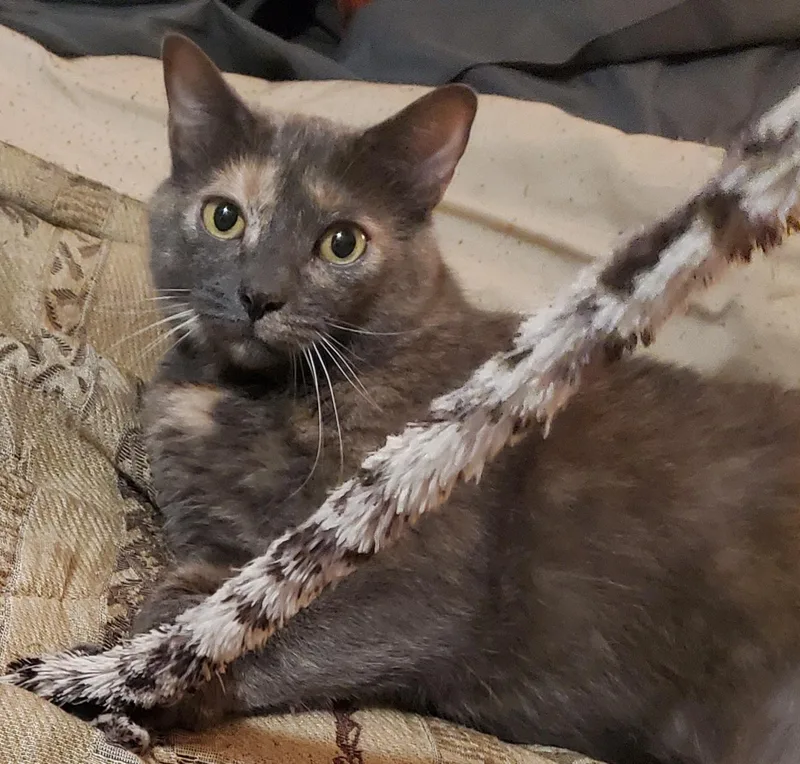
American Shorthair cat

American Shorthair Cats for Adoption in Myrtle Beach, SC

Your guide to finding and caring for an American Shorthair in Myrtle Beach

American Shorthairs fit Myrtle Beach's condo-heavy housing well, because they're happy to live indoors. A calm cat can spend the day on a windowsill in a Seagate Village condo, an oceanfront high-rise or a house in Pine Lakes, watching the street without needing a yard. Summer thunderstorms make a daily wand-toy session an easy habit. These cats are easygoing but gain weight quickly, so planned play matters more than space. Expect a sturdy, quiet roommate rather than a lap-clinger.

3545 American Shorthairs available in Myrtle Beach and nationwide

Adopt an American Shorthair today

While we don't have enough cats near Myrtle Beach, keep in mind that many rescues may offer transport.

American Shorthairs Available for Adoption Near Myrtle Beach

About the American Shorthair breed

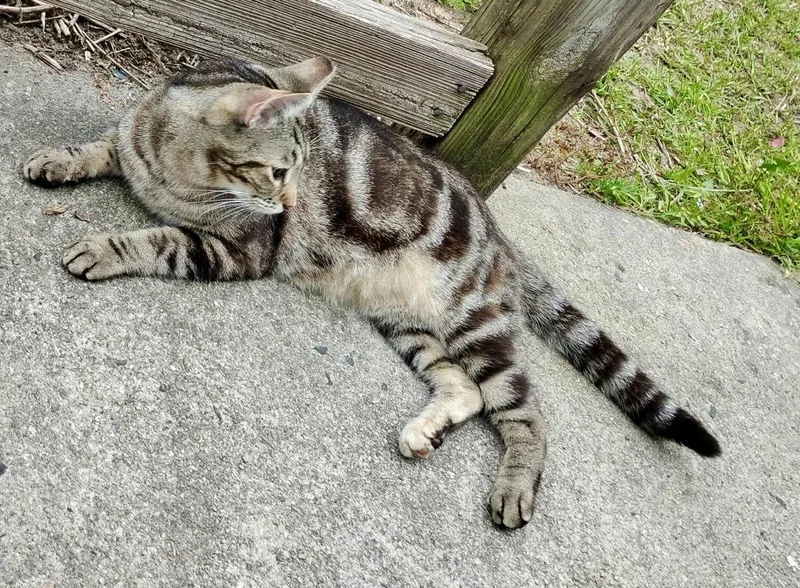
The American Shorthair descends from working cats that traveled with early settlers to guard cargo and later farms. Today it's a sturdy, medium-sized cat, usually 6 to 15 pounds, with a dense, hard-textured coat, a broad face and a build made for pouncing. The silver tabby is the classic look, but the coat comes in dozens of colors and patterns.

In Myrtle Beach, the breed's relaxed manner suits apartments and condos, and its hunting instincts are easy to satisfy with toys by a sunny window. Many shelter cats are random-bred domestic shorthairs with the same look and a similar temperament, so a coat alone doesn't predict behavior. Watch for a steady appetite and a healthy weight, since this breed tends to put on pounds.

Weight
6–15 lbs
Height
8–10 in
Lifespan
12–17 yrs
Temperament
Easygoing, Adaptable, Quiet
Shedding
Moderate

Owning an American Shorthair in Myrtle Beach

Having an American Shorthair in Myrtle Beach

Expect a steady, sociable cat that's more about quiet company than constant attention. For life in Myrtle Beach, the main things to plan around are indoor play, weight control and a calm space during storms and fireworks.

Temperament

American Shorthairs are usually even-tempered and friendly without being clingy, so they cope well with busy condo buildings and varied schedules. Many get along with respectful children and calm dogs after gradual introductions. Fireworks around July 4 and New Year's can unsettle any cat, so a quiet room helps. Each cat's personality varies.

Exercise Needs

Aim for two or three short play sessions a day with wand toys, chase games and food puzzles. In Myrtle Beach's wet summers and warm evenings, indoor play is the simplest routine. Cat trees and window perches add climbing. Because many American Shorthairs are food-motivated, regular activity keeps weight in check.

Health Considerations

American Shorthairs are generally robust, and obesity is the main preventable risk, raising the chance of diabetes and arthritis. Heart disease and polycystic kidney disease have been reported in the breed, so a veterinarian can check the heart and kidneys at a first exam. Measured meals, dental care and yearly checkups help, along with flea prevention through the mild months.

Living Space

A medium-sized American Shorthair does well in a condo or apartment if it has perches, scratching posts and hiding spots. Many Myrtle Beach homes sit in multi-unit buildings, so secure balcony doors and window screens, since these strong hunters will chase birds. A catio or an indoor-only routine keeps them safe.

What it costs to own an American Shorthair in Myrtle Beach

ExpenseTypical costPer year
Adoption fee$125, one time$125 in year one
Food$25 to $50 per month$300 to $600
Pet insurance$25 to $50 per month$300 to $600
Routine vet care$150 to $350 per year$150 to $350
Other*$450 to $1,150 per year$450 to $1,150
Estimated yearly total (after year one)$1,200 to $2,700
First-year total (with adoption fee)$1,325 to $2,825

Adoption fee is the fee on American Shorthair listings in Myrtle Beach on GetBuddy today. Other costs are estimates and vary with size, age and health.

* Cat litter, flea prevention, a dental cleaning allowance, toys, scratching posts and other supplies, and simple brushing at home for a short coat.

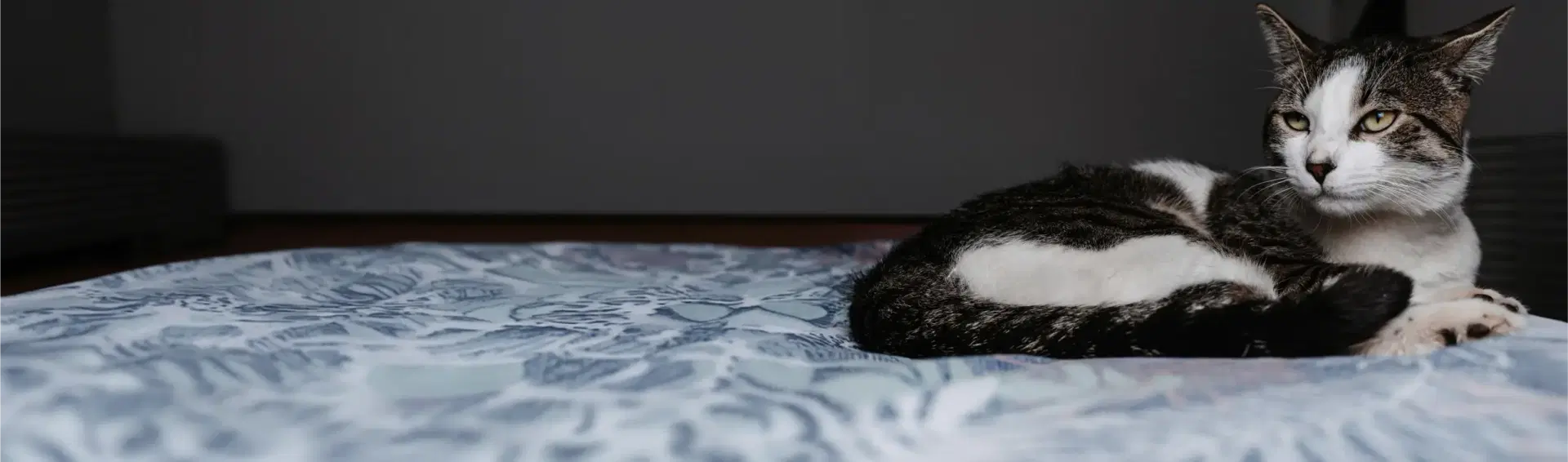
American Shorthair cat

Adopt an American Shorthair in Myrtle Beach.

Now that you know more, let’s find you a new best friend. These rescues and shelters below currently have American Shorthairs available.

Rescues in Myrtle Beach with American Shorthairs Available

Shelters and rescues around Myrtle Beach list cats of every age and coat, including shorthairs with the American Shorthair look. Here are the rescues & shelters in the Myrtle Beach area where you can find American Shorthairs and other cats available for adoption.

Frequently Asked Questions

Yes, you can get an American Shorthair in Myrtle Beach, and no known city rule targets the breed. The basics are rabies vaccination for cats over four months old, a collar or harness with the rabies tag, and a look at your lease or condo rules for pet limits. Browse the cats listed on this page, and save a search to hear about new arrivals.

It can be, especially for people in condos or apartments who want a calm, low-drama companion. An American Shorthair needs daily play, a cool home through the summer and a plan for hurricane season. It's a weaker match if no one can play with it regularly, since the breed gains weight easily. Each cat's personality still varies.

Yes, an American Shorthair adapts well to apartments and condos, which make up a large share of Myrtle Beach housing. Give it perches, scratching posts and daily play, and keep balcony doors and screens secure. Before signing, read the lease and any condo rules for pet limits, fees and deposits, since those vary by building.

Yes, as indoor cats. In air conditioning, American Shorthairs handle Myrtle Beach summers well, and their short coat helps. Keep fresh water out, skip midday outdoor time, and watch for panting or drooling, which can signal overheating. Summer storms can knock out power, so have a cool, shaded spot and a battery fan ready.

Very little. An American Shorthair's short, dense coat needs a weekly brushing, with a few extra sessions in spring when the undercoat sheds. Myrtle Beach's mild climate doesn't change that much, and indoor cats rarely need baths. Professional grooming is seldom necessary, and any cost falls in the Other line of the cost table.

Coast RTA runs the buses in Myrtle Beach, so check its current pet policy before you board. Whatever the rule, a cat should travel in a secure, well-ventilated carrier kept closed the whole trip. For most American Shorthairs, a quiet car ride to the vet is less stressful than a crowded bus, so plan trips accordingly.

An American Shorthair is a pedigreed North American cat breed descended from the working cats that came over with European settlers to control rodents. It is a sturdy, muscular, medium-to-large cat with a round face, full cheeks and a thick short coat in many colors, most famously silver tabby. Many are calm, adaptable and quietly affectionate.

American Shorthairs shed a moderate amount. Their dense coat drops hair year-round, with a heavier shed in spring when the undercoat thins and a lighter one in fall. Brushing a few times a week with a slicker brush or grooming mitt keeps loose hair under control and reduces hairballs. Sudden bald patches or excessive shedding deserve a veterinary visit.

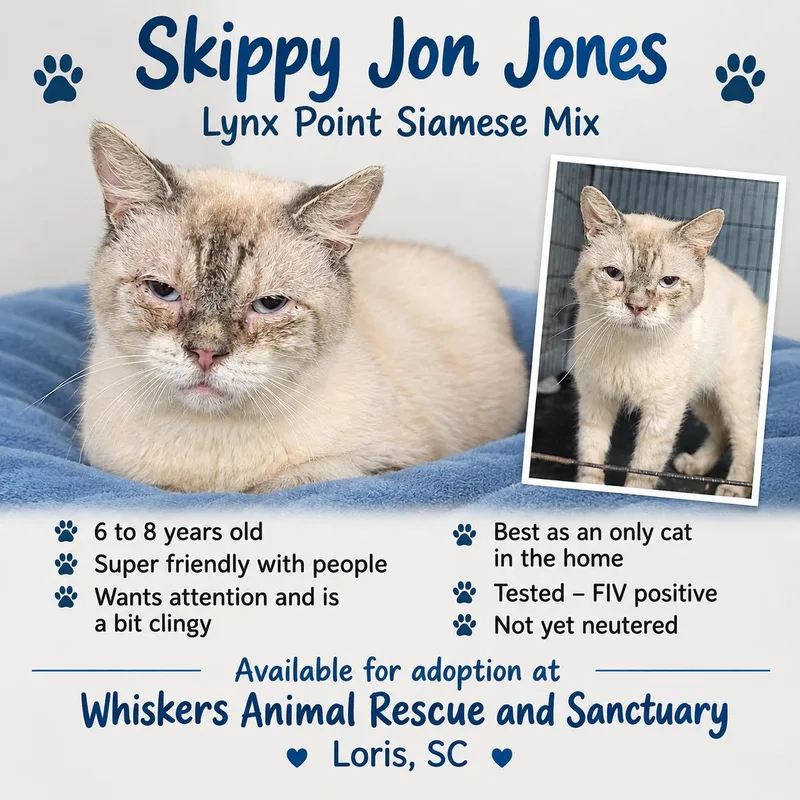
We have 1 rescue with American Shorthairs available: Whiskers Animal Rescue & Sanctuary. You can see every rescue with American Shorthairs available in the list above these questions, or scroll to the top to see the American Shorthairs near Myrtle Beach.

Budget roughly $1,200 to $2,700 a year for an American Shorthair in Myrtle Beach. That covers food at $25 to $50 a month, insurance at $25 to $50 a month, routine vet care at $150 to $350 a year, and other costs such as litter, flea prevention and dental care at $450 to $1,150 a year. Emergencies come on top.