Turkish Angora Cats for Adoption in Hilton Head Island, SC

Your guide to finding and caring for a Turkish Angora in Hilton Head

A Turkish Angora suits Hilton Head Island best as an indoor cat with a tall window perch. Whether you live in a Forest Beach house or somewhere in Indigo Run, an Angora will patrol the place and supervise everything you do. Staying inside also keeps it away from the island's lagoons and their alligators. These cats are athletic and clever, so plan on daily play, and expect a shadow that follows you from the kitchen to the back window.

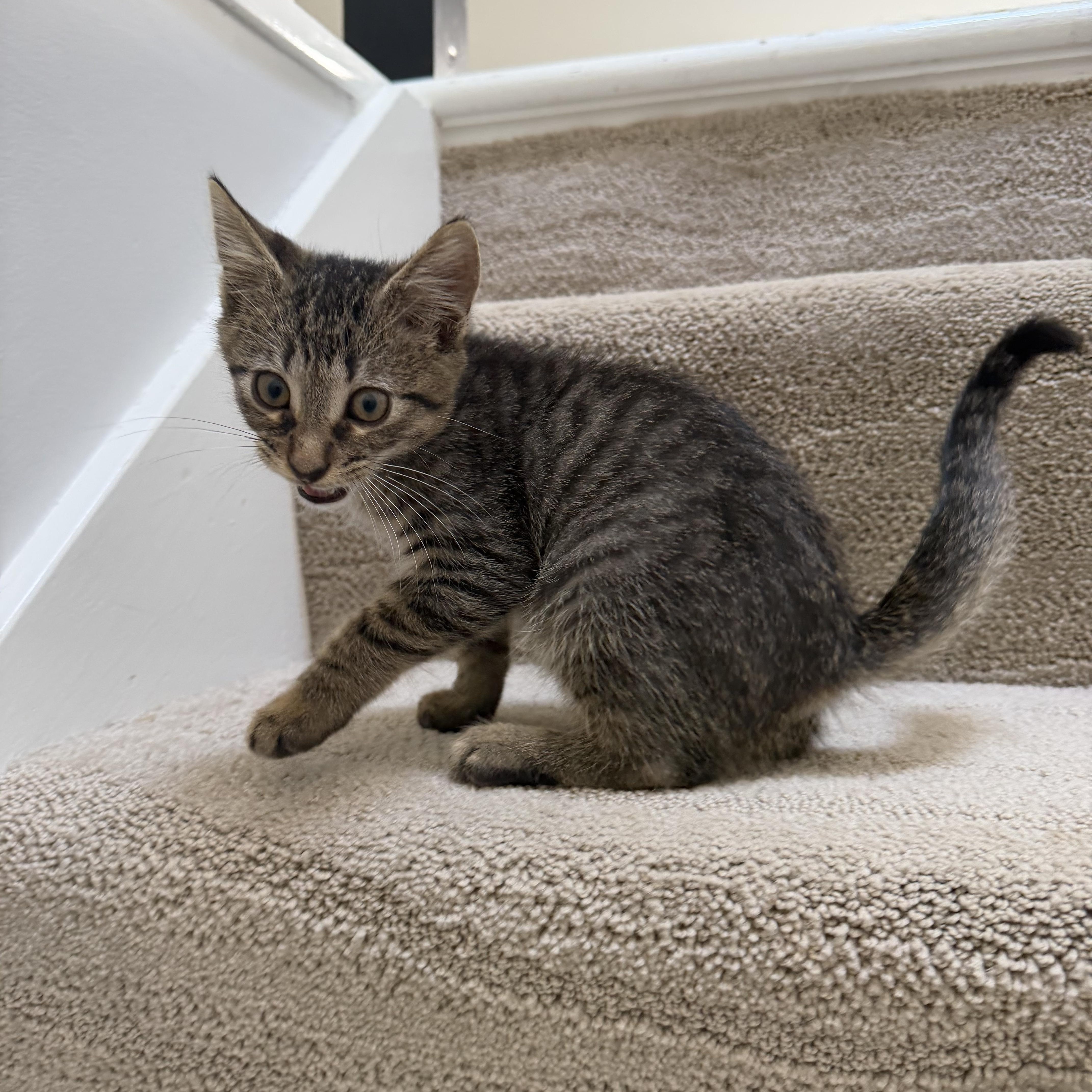
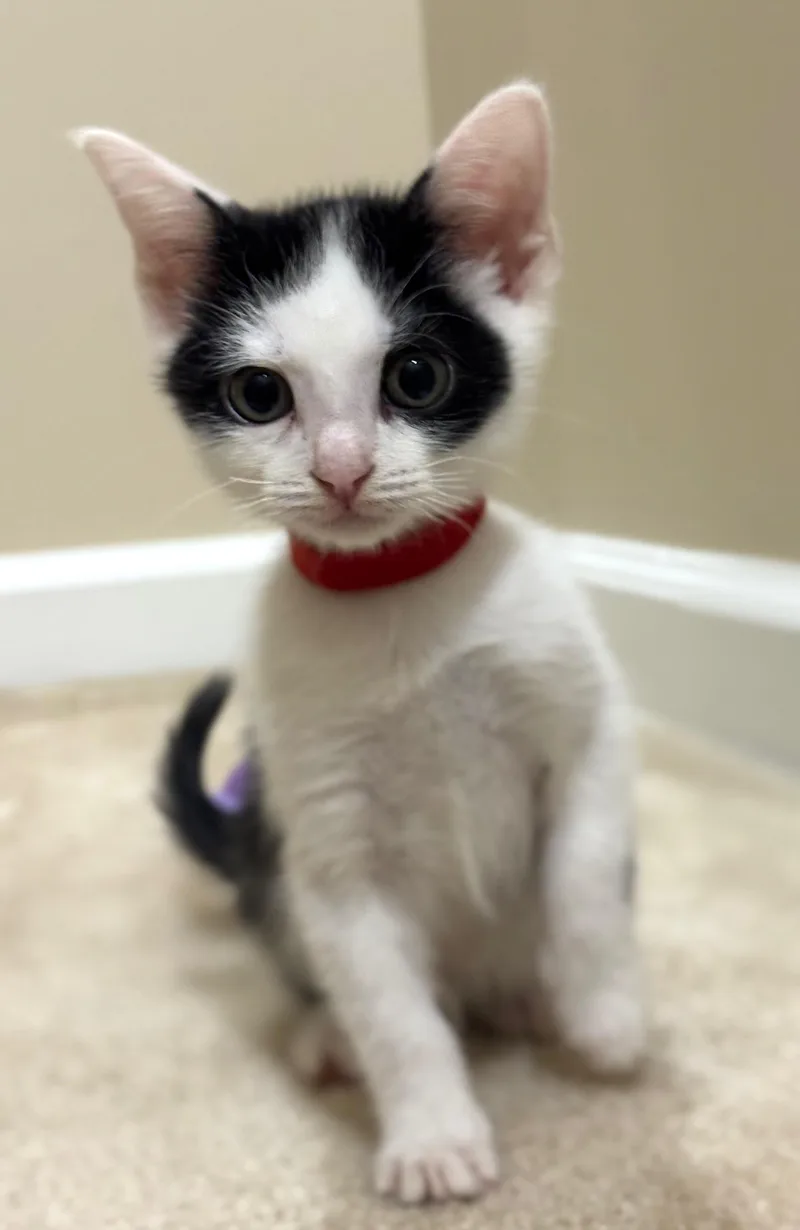
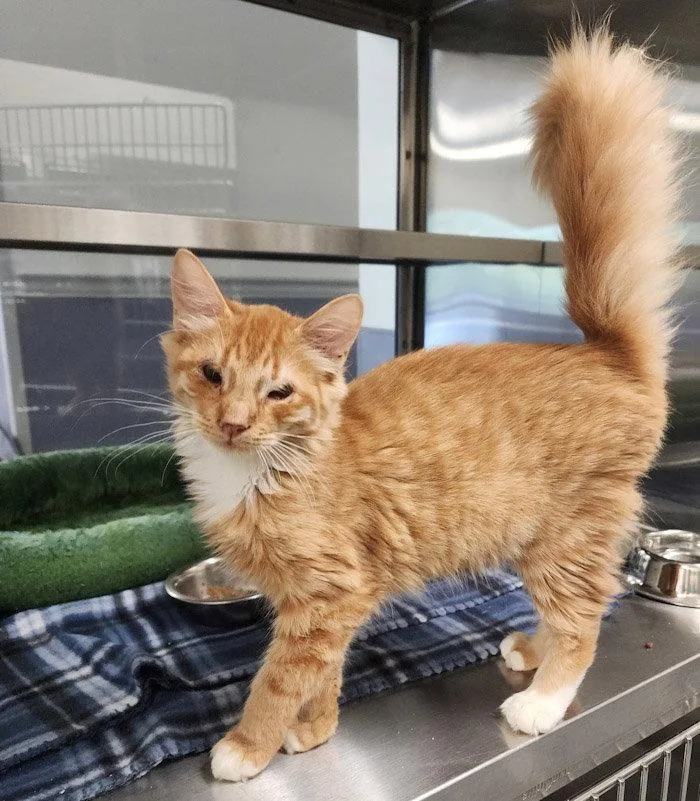
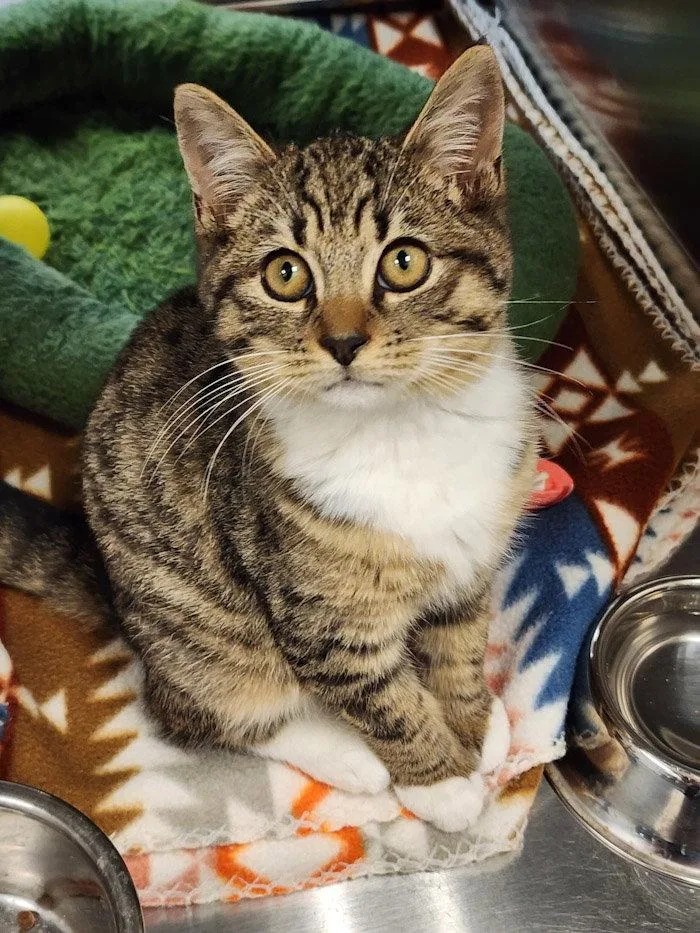
56 Turkish Angoras available in Hilton Head Island and nationwide

Your Turkish Angora is waiting

While we don't have enough cats near Hilton Head Island, keep in mind that many rescues may offer transport.

Turkish Angoras Available for Adoption Near Hilton Head Island

About the Turkish Angora breed

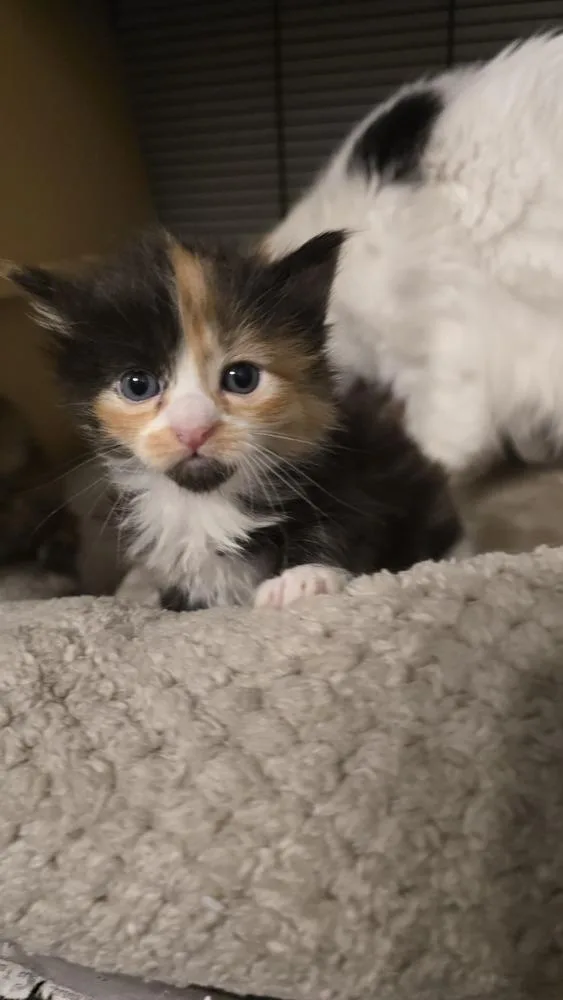
Turkish Angoras come from central Anatolia, around Ankara, and are among the oldest known longhaired breeds. They have a fine-boned, elegant body, very large upright ears, a plumed tail and a silky single coat with no undercoat. White is the best-known color, but most colors and eye colors occur. Adults usually weigh about 6 to 12 pounds.

Temperament is a big part of the appeal. Angoras tend to be interactive, curious and a little doglike, and many pick one favorite person. They like routine and can be unsettled by sudden change. The coat resists matting, so combing a couple of times a week is usually enough, with extra sessions during spring shedding. Every cat is different, so a listing's description tells you more than the breed label.

Weight
6–12 lbs
Height
9–11 in
Lifespan
12–16 yrs
Temperament
Active, Affectionate, Intelligent, Playful
Shedding
Moderate

Owning a Turkish Angora in Hilton Head Island

Having a Turkish Angora in Hilton Head

Turkish Angoras are graceful, busy cats that want a part in everything you do. Their energy, loyalty to a favorite person and silky coat shape daily life on Hilton Head Island, and white cats carry a deafness risk worth a vet check.

Temperament

Many Turkish Angoras are affectionate, clever and sociable on their own terms, often choosing one favorite person. Some dislike sudden changes, so a steady routine helps, especially in a vacation town with a steady stream of seasonal visitors. Cats vary, so use a listing's description rather than assuming every Angora fits the mold.

Exercise Needs

Expect several active play sessions a day, with wand toys, fetch, food puzzles and climbing trees. Without outlets, a bored Angora may start opening cabinets and inventing its own games. Indoors on Hilton Head Island, a tall cat tree by a window gives it something to watch while you're busy.

Health Considerations

Turkish Angoras are generally healthy, but white cats, especially blue-eyed or odd-eyed ones, can be born deaf. Hypertrophic cardiomyopathy has been reported in adults. Ask a veterinarian to check hearing and heart health, and in a warm, humid climate like this one, talk through year-round flea prevention.

Living Space

A Turkish Angora can do well in a house or an apartment on Hilton Head Island if it has cat trees, shelves and a window to watch from. Vertical space matters more than square footage. Secure screens and balconies, and keep deaf cats strictly indoors.

What it costs to own a Turkish Angora in Hilton Head Island

ExpenseTypical costPer year
Adoption fee$100, one time$100 in year one
Food$25 to $50 per month$300 to $600
Pet insurance$25 to $50 per month$300 to $600
Routine vet care$150 to $350 per year$150 to $350
Other*$500 to $1,250 per year$500 to $1,250
Estimated yearly total (after year one)$1,250 to $2,800
First-year total (with adoption fee)$1,350 to $2,900

Adoption fee is the fee on Turkish Angora listings in Hilton Head Island on GetBuddy today. Other costs are estimates and vary with size, age and health.

* Litter, flea prevention, a dental cleaning allowance, toys and supplies, and regular combing for the long silky coat.

Adopt a Turkish Angora in Hilton Head Island.

Now that you know more, let’s find you a new best friend. These rescues and shelters below currently have Turkish Angoras available.

Rescues in Hilton Head Island with Turkish Angoras Available

The Hilton Head area has a humane association and a county animal campus working to find cats and dogs homes. Here are the rescues & shelters in the Hilton Head area where you can find Turkish Angoras and other cats available for adoption.

Frequently Asked Questions

Yes, a Turkish Angora can fit Hilton Head Island life well if you can offer daily play and a safe indoor home. These cats are active, clever and people-focused, so they do best with someone around often. Living indoors also keeps them away from lagoon alligators and summer heat. Read each listing's description, since personalities vary.

Yes, as indoor cats in an air-conditioned home, Turkish Angoras handle Hilton Head Island summers well. Highs reach about 90°F, nights stay near 74°F and the air is humid, so keep fresh water out and avoid hot rooms and sunny midday perches. Their coat is shorter in summer, and combing removes loose fur. Never leave a cat in a parked car.

Yes, a Turkish Angora can live in an apartment on Hilton Head Island if it has vertical space, daily play and secure windows. Cat trees and shelves matter more than square footage. Many buildings sit in gated or HOA communities, so read the lease and association pet rules before applying, and get any pet terms in writing.

No. Palmetto Breeze buses and the seasonal Breeze Trolley don't allow pets other than guide dogs or trained assistance animals, and no carrier exception is listed. Evacuation buses also exclude pets. Plan on driving to vet visits with your Angora in a secure carrier, and line up a ride well before any storm evacuation.

Yes. No known Hilton Head Island or Beaufort County rule restricts owning a Turkish Angora; the county's breed-specific spay/neuter and microchip rule covers pit bull–type dogs, not cats. Cats over four months old need a Beaufort County license with proof of rabies vaccination, and South Carolina requires the rabies tag on a collar or harness.

Plan on combing a Turkish Angora a couple of times a week, and more often during spring shedding. The silky single coat resists matting, and the summer coat is shorter, so Hilton Head Island's warm weather doesn't change the routine much. Home combing costs little, and any occasional professional grooming falls within the Other line of the cost table.

You can often identify a Turkish Angora by its fine-boned, elegant body, long legs, large upright ears set high on a wedge-shaped head, almond eyes and a silky single coat ending in a long plumed tail. Many are white, but other colors exist. Looks alone cannot confirm ancestry, so a long-haired rescue cat may resemble the breed without being purebred.

Turkish Angoras commonly live about 12 to 16 years, and some reach their late teens. Estimates vary between sources, with some suggesting a shorter range. Regular veterinary care, a healthy weight, dental care and keeping the cat indoors or safely enclosed help support a long life, though no range predicts an individual cat's future.

We have 1 rescue with Turkish Angoras available: Salty Paws of the Lowcountry. You can see every rescue with Turkish Angoras available in the list above these questions, or scroll to the top to see the Turkish Angoras near Hilton Head Island.

Expect roughly $25 to $50 a month for food and $25 to $50 a month for pet insurance, plus $150 to $350 a year for routine vet care. Other costs, including litter, flea prevention, dental care, supplies and coat combing, run about $500 to $1,250 a year, bringing the total to roughly $1,250 to $2,800 a year.

Explore Other Breeds in Hilton Head Island

Looking for a different breed? Browse other cats available for adoption in Hilton Head Island.