Tortoiseshell Cats for Adoption in Hilton Head Island, SC

Your guide to finding and caring for a Tortoiseshell in Hilton Head Island

Tortoiseshell cats can do well as indoor companions on Hilton Head Island. The pattern shows up on cats of every temperament, so a tortie might claim a sunny window in a Forest Beach home or watch the marsh from a cat tree near Broad Creek. Staying inside also keeps her away from the lagoons and golf-course ponds where alligators live. Nearly all torties are female, and since tortoiseshell is a coat rather than a breed, personalities vary.

1058 Tortoiseshells available in Hilton Head Island and nationwide

Your Tortoiseshell is waiting

While we don't have enough cats near Hilton Head Island, keep in mind that many rescues may offer transport.

Tortoiseshells Available for Adoption Near Hilton Head Island

About the Tortoiseshell breed

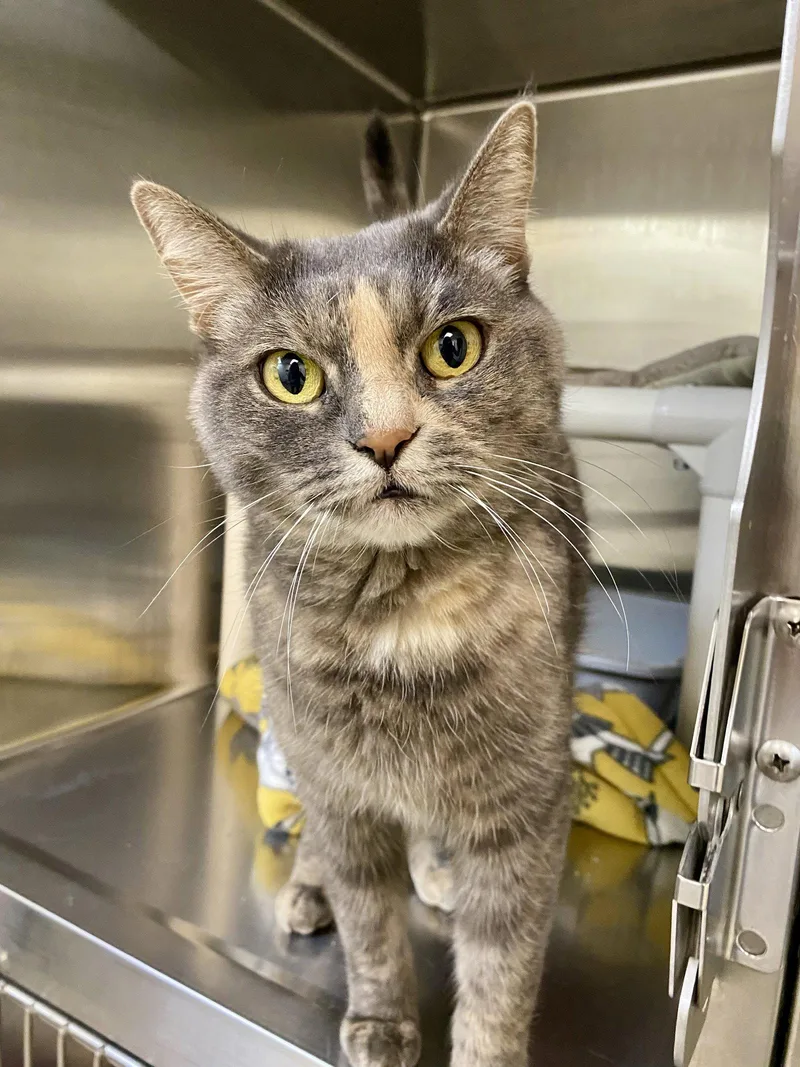
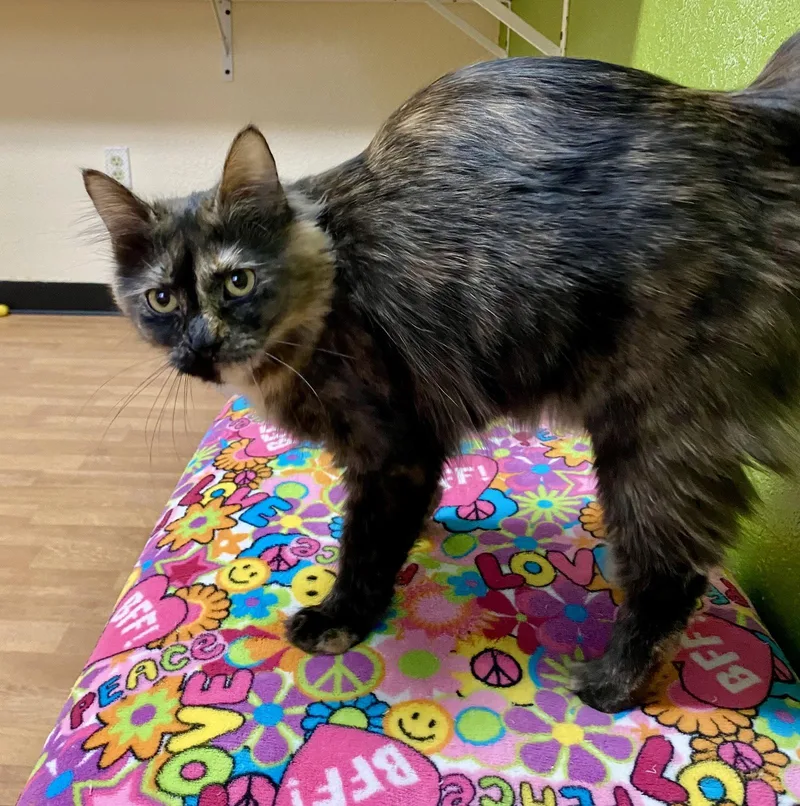
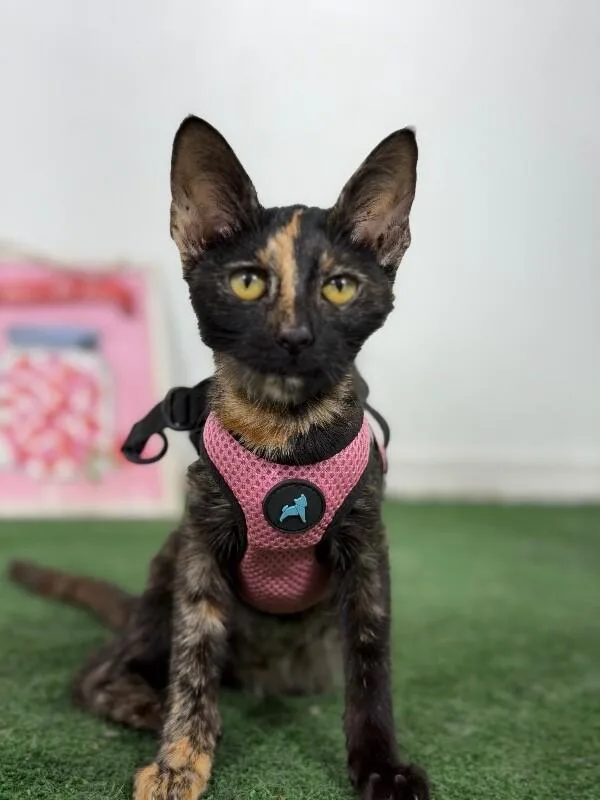
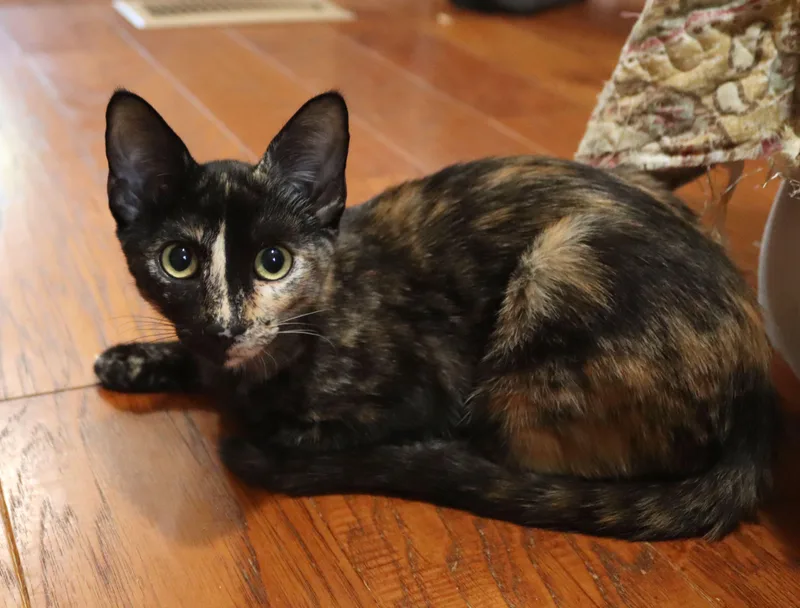
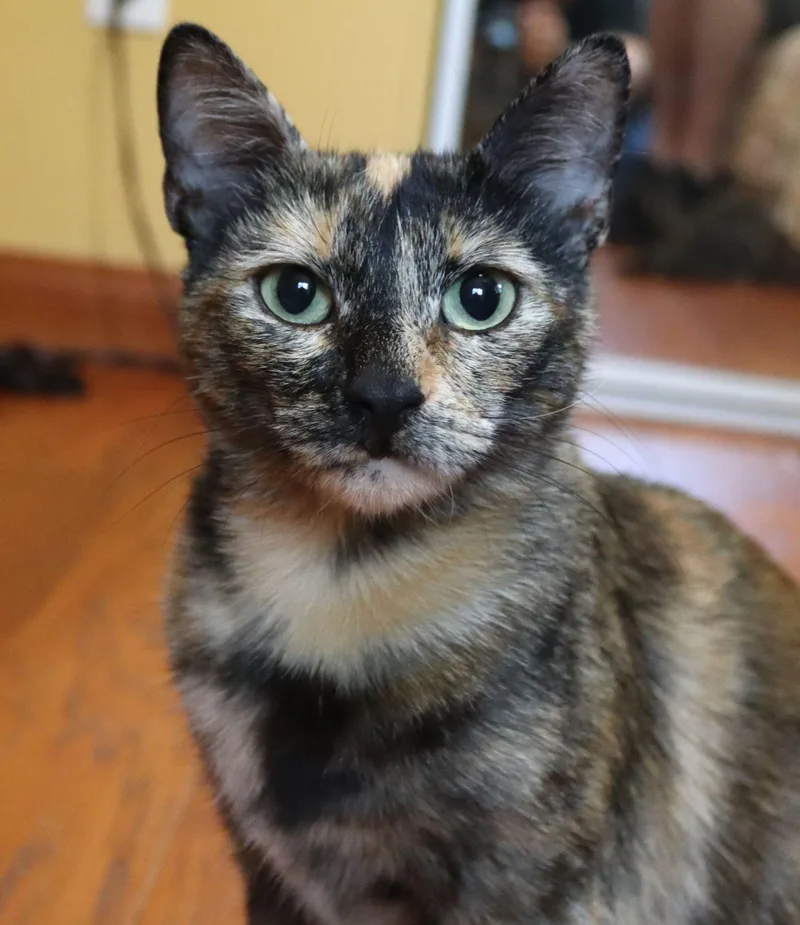
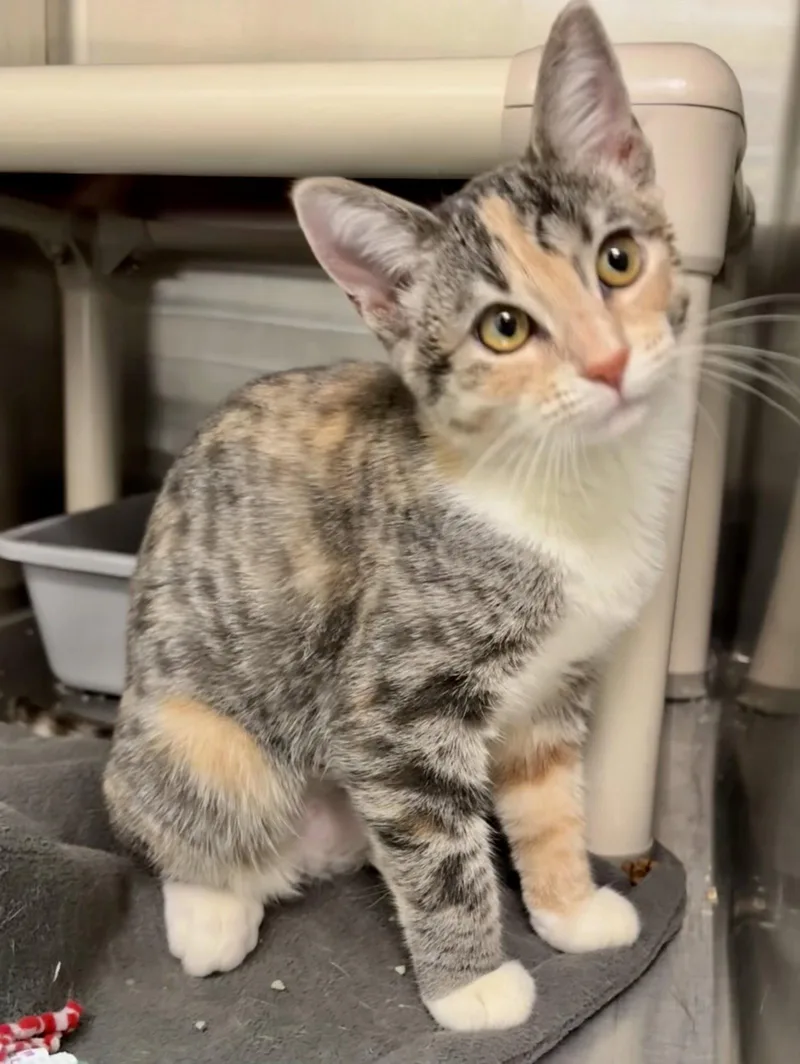
Tortoiseshell is a coat pattern, not a breed. A tortie's fur blends black-based and orange-based colors in patches or a fine mottle, usually with little white. Dilute torties look soft gray and cream, and torbies add tabby stripes. Because the orange gene sits on the X chromosome, almost all tortoiseshells are female.

Most torties adopters meet are domestic shorthairs, though the pattern also appears in Persians, Maine Coons and many other breeds. Their reputation for "tortitude" is mostly folklore, backed only by limited owner surveys. A cat's age, history and socialization say far more about personality than color does. For a Hilton Head Island home, that means planning around the cat in front of you: her energy, coat length and comfort with visitors.

Weight
6–14 lbs
Height
8–10 in
Lifespan
12–18 yrs
Temperament
Independent, Affectionate, Playful
Shedding
Moderate

Owning a Tortoiseshell in Hilton Head Island

Having a Tortoiseshell in Hilton Head Island

Tortoiseshell describes a coat, so these cards cover what holds for most torties, typically domestic shorthairs, and what matters on Hilton Head Island: indoor safety, warm summers and condo-sized living. Each cat's age and background shape the details.

Temperament

Torties have a reputation for spirited "tortitude," but the evidence is thin and mostly owner impressions. Expect a range from shy to bold and from cuddly to aloof. Seasonal crowds and July 4 fireworks add noise on the island, so a confident cat may adapt more easily than a shy one, and a quiet hideaway helps either.

Exercise Needs

Most tortoiseshell cats enjoy daily interactive play: wand toys, chase games and puzzle feeders. Kittens and young adults usually need more, and seniors prefer gentler sessions. Hilton Head Island's hot, humid summers make indoor play the easy default, so window perches, a climbing tree and a few short play sessions each day cover most needs.

Health Considerations

The tortoiseshell pattern carries no particular health risks in females, while the rare males usually have an extra X chromosome and may face added concerns. A tortie's health depends on her ancestry, age and care, so plan for regular checkups, dental care and a healthy weight. Ask your veterinarian about flea and heartworm prevention for this warm, humid climate.

Living Space

Tortoiseshell cats fit apartments and houses alike, since space needs follow the cat's personality, not her coat. Hilton Head Island has condos, villas and single-family homes, and any of them works with scratching posts, a cat tree and a window to watch from. Keeping her indoors also protects her from alligators near lagoons.

What it costs to own a Tortoiseshell in Hilton Head Island

ExpenseTypical costPer year
Adoption fee$100, one time$100 in year one
Food$25 to $50 per month$300 to $600
Pet insurance$20 to $45 per month$240 to $540
Routine vet care$150 to $350 per year$150 to $350
Other*$450 to $1,150 per year$450 to $1,150
Estimated yearly total (after year one)$1,140 to $2,640
First-year total (with adoption fee)$1,240 to $2,740

Adoption fee is the fee on Tortoiseshell listings in Hilton Head Island on GetBuddy today. Other costs are estimates and vary with size, age and health.

* Litter, flea and heartworm prevention, a dental cleaning allowance, toys and supplies, and home grooming.

Adopt a Tortoiseshell in Hilton Head Island.

Now that you know more, let’s find you a new best friend. These rescues and shelters below currently have Tortoiseshells available.

Rescues in Hilton Head Island with Tortoiseshells Available

The Hilton Head area has a humane association and a county animal campus that care for cats of every coat. Here are the rescues & shelters in the Hilton Head Island area where you can find Tortoiseshells and other cats available for adoption.

Frequently Asked Questions

No. Palmetto Breeze buses and the seasonal Breeze Trolley allow only guide dogs and trained personal assistant animals, so pets can't ride, and Hilton Head Island has no subway or rail. Plan to bring a tortoiseshell cat to vet visits by car or ride, in a secure carrier. Evacuation buses don't take pets either.

Yes, for indoor cats. Winters are mild, but summers bring highs near 90°F, warm humid nights and a rainy season from June through September, so air conditioning and fresh water matter. Coat color doesn't change heat tolerance. Hurricane season runs into fall, so keep a carrier and supplies ready.

Yes. No known rule limits tortoiseshell cats because of their coat. Beaufort County licensing applies to cats over four months old, and South Carolina requires shelters and rescues to sterilize cats before release or have adopters agree to do so within 30 days. Check your HOA or landlord rules, since those vary.

Yes. Cats adapt well to apartments, and a tortie needs vertical space more than square footage: a cat tree, window perch and scratching posts. Confirm your lease or HOA allows cats before applying, and ask for pet terms in writing. Daily play sessions keep a young cat busy indoors.

Often, for adopters who keep their cat indoors and plan ahead. Indoor living avoids alligators near lagoons and golf-course ponds, and air conditioning handles the heat. A cat doesn't do well alone for long stretches, so extended travel needs a sitter, and you'll want a hurricane evacuation plan that includes her.

Little. Most torties are shorthairs that shed moderately, so a weekly brushing is usually enough, while long-haired cats need it several times a week. Humidity can make coats feel damp but doesn't change the routine. Grooming is mostly done at home, so it falls within the yearly Other costs shown on this page.

A tortoiseshell cat is a cat with a coat pattern of black-based and orange-based colors blended or patched together, usually with little or no white. It is not a breed; the pattern appears in many breeds and most often in domestic shorthairs. Nearly all tortoiseshells are female because the genes for orange and black are carried on the X chromosome.

Almost all tortoiseshell cats are female, but not all. A female has two X chromosomes and can carry both orange and black color genes, producing the mixed coat. Males normally have only one X. Rare male torties usually have an extra X chromosome or are genetic chimeras, and they are estimated at roughly 1 in 3,000 tortoiseshells.

We have 1 rescue with Tortoiseshells available: Salty Paws of the Lowcountry. You can see every rescue with Tortoiseshells available in the list above these questions, or scroll to the top to see the Tortoiseshells near Hilton Head Island.

Plan on roughly $25 to $50 a month for food and $20 to $45 for insurance, plus $150 to $350 a year for routine vet care and $450 to $1,150 a year for other costs including litter. That comes to about $1,140 to $2,640 a year, before any illness or emergency.

Find Tortoiseshells in Nearby Cities

Expand your search to find Tortoiseshells available for adoption near Hilton Head Island.

Explore Other Breeds in Hilton Head Island

Looking for a different breed? Browse other cats available for adoption in Hilton Head Island.