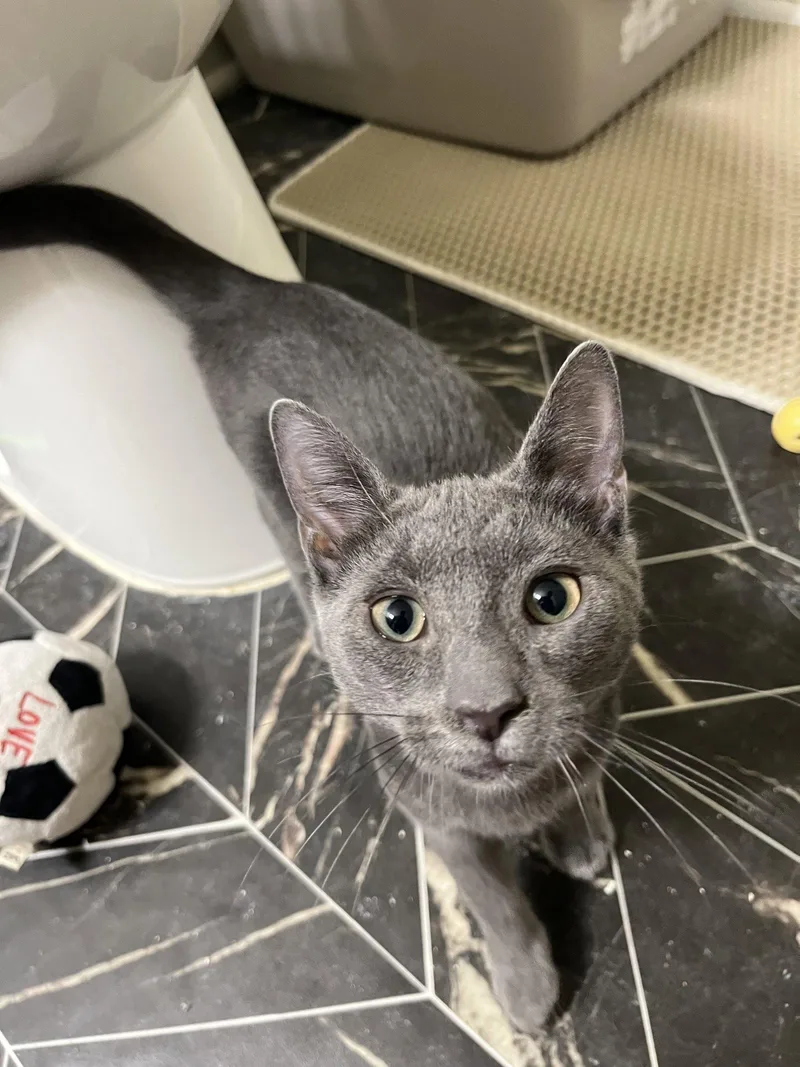
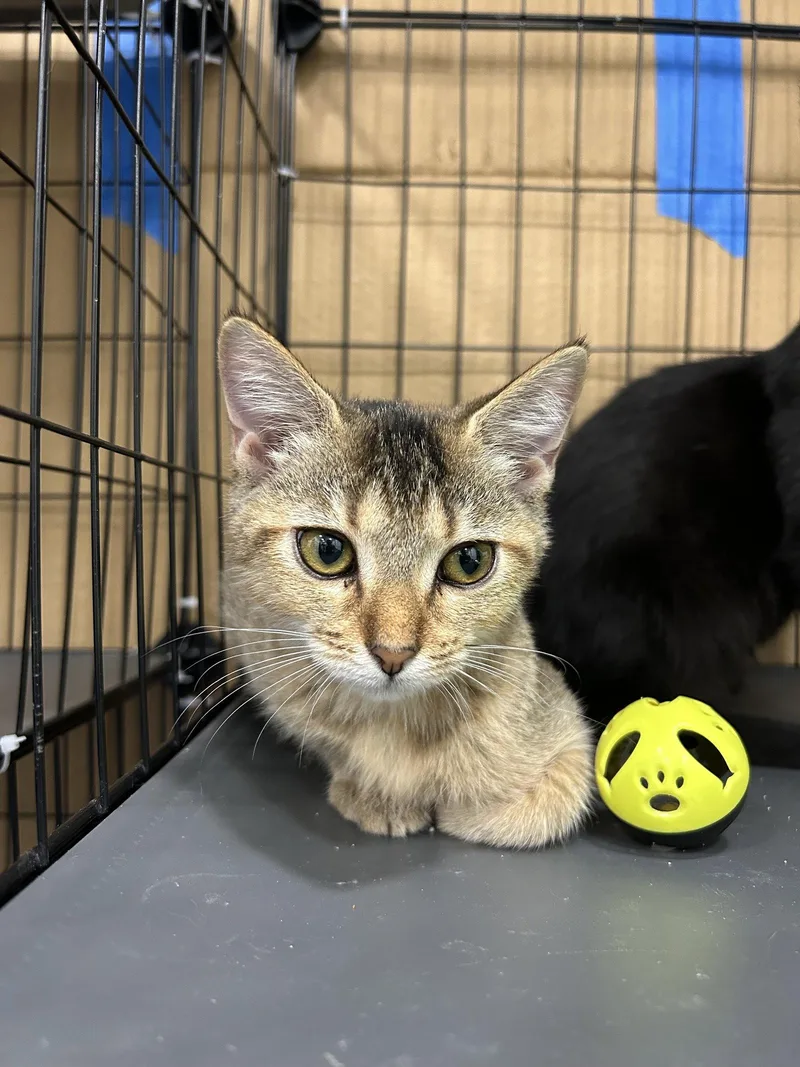
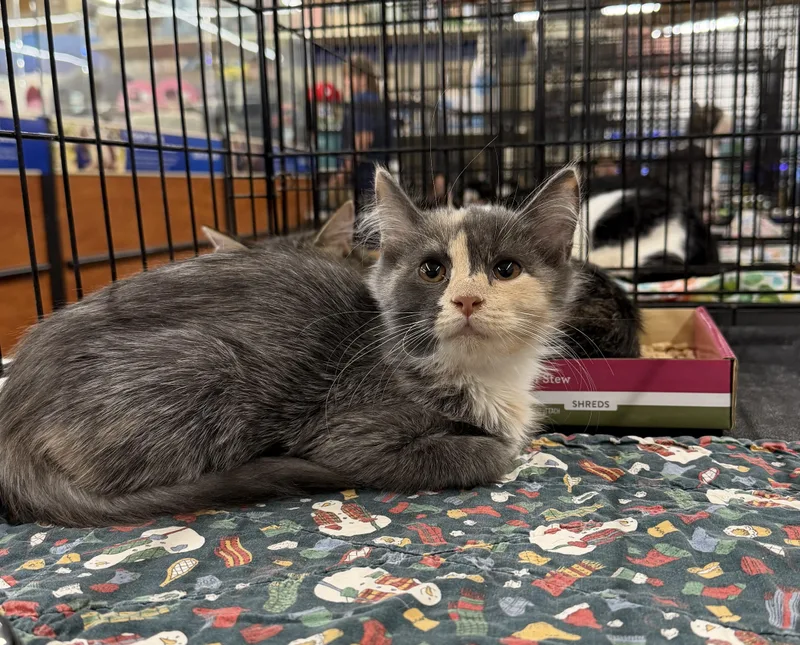
Tortoiseshell Cats for Adoption in Columbia, SC

Your guide to finding and caring for a Tortoiseshell in Columbia

Tortoiseshell cats fit right into the bungalow streets of Rose Hill and Elmwood Park, where a sunny front window makes a good lookout post. Tortoiseshell is a coat pattern, not a breed, so Columbia's torties range from shy to bold. Some settle into BullStreet District apartments, others into older Shandon houses, and most do well as indoor cats with a cat tree and daily play. Summer afternoons get hot, so a cool room matters.

1043 Tortoiseshells available in Columbia and nationwide

Your Tortoiseshell is waiting

While we don't have enough cats near Columbia, keep in mind that many rescues may offer transport.

Tortoiseshells Available for Adoption Near Columbia

About the Tortoiseshell breed

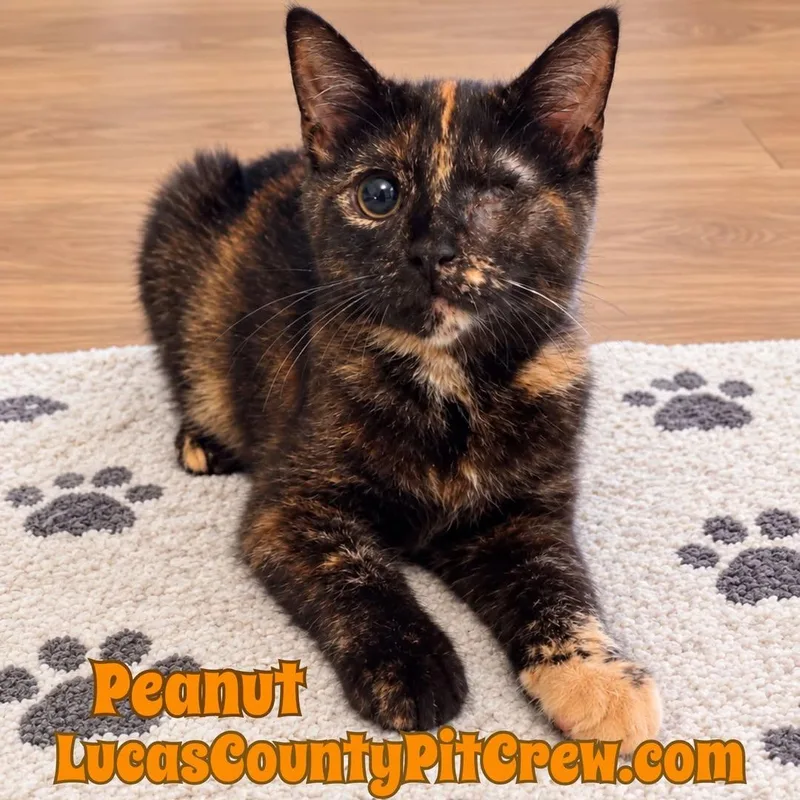
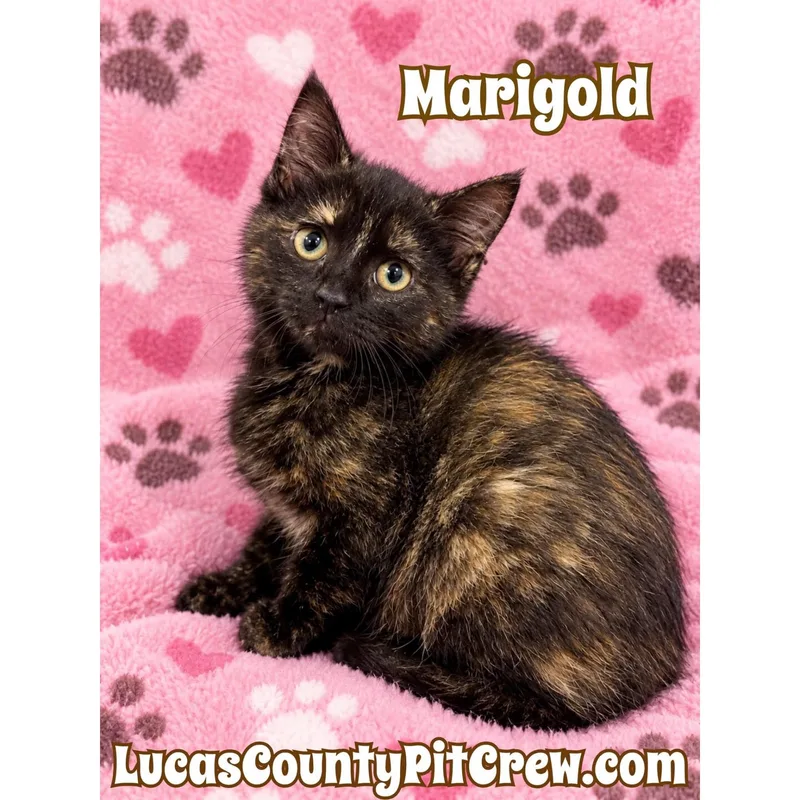
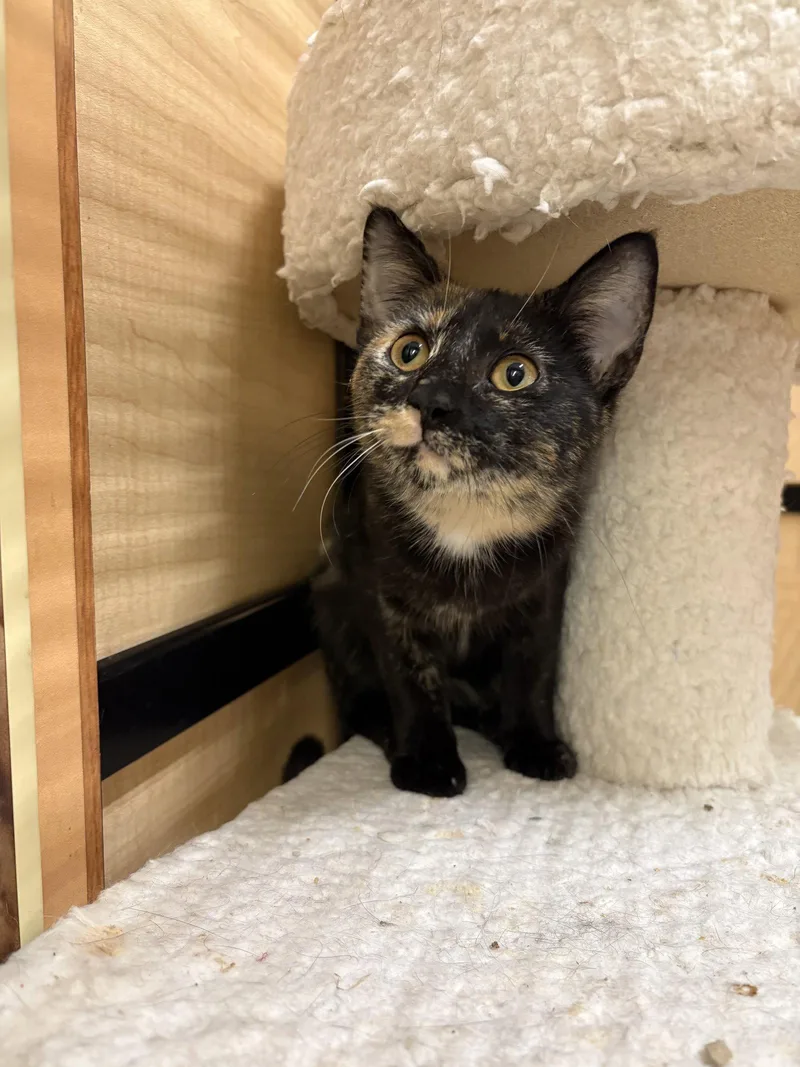
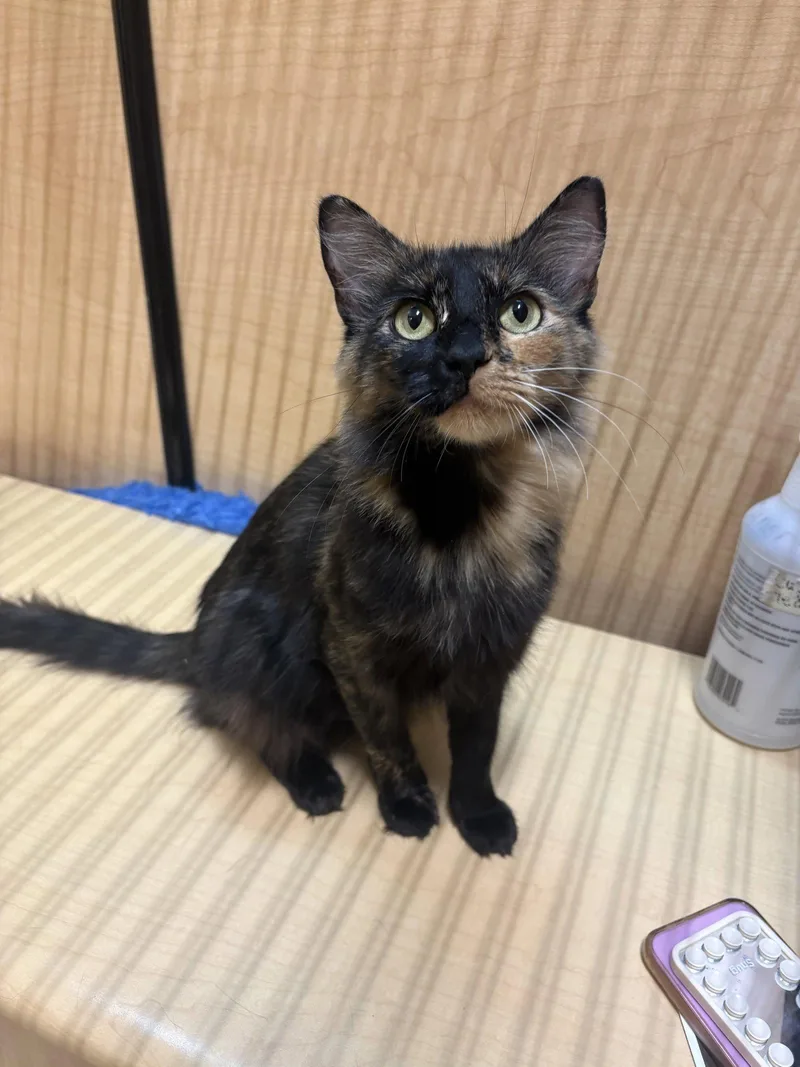
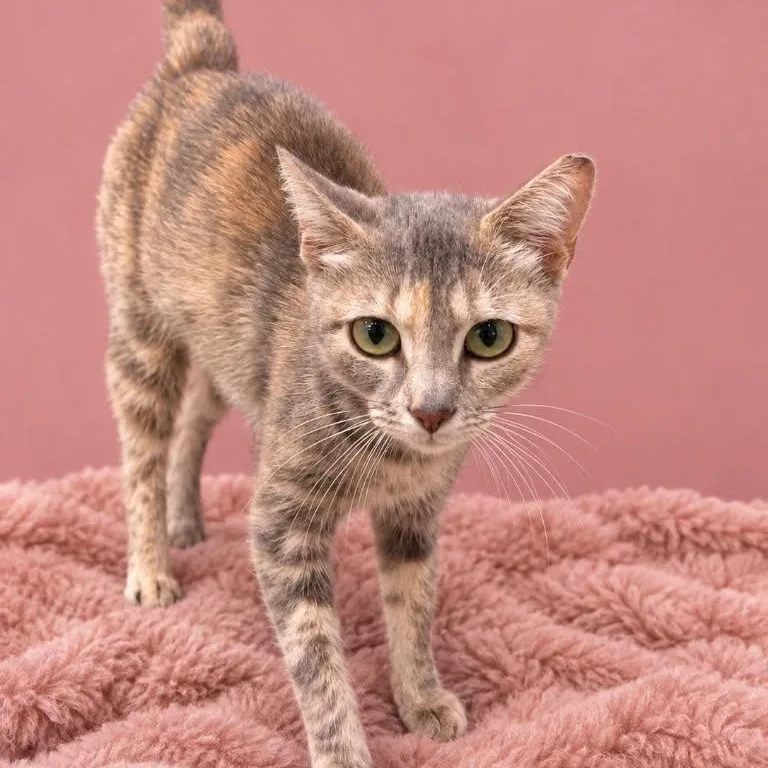
Tortoiseshell describes a coat, not a breed. A tortie's fur blends black-based and orange-based colors in patches or a fine mottle, usually with little white. Add large white areas and the cat is a calico; add tabby stripes and she's a torbie. Nearly all torties are female, because the orange gene sits on the X chromosome, and the rare males usually carry an extra X.

Most torties adopters meet are domestic shorthairs, though the pattern also appears in breeds such as Persians and Maine Coons. The "tortitude" reputation for sass is closer to folklore than science, so a cat's age, history and socialization say more than her color. In Columbia, that means judging each tortie by how she handles a new home, new people and everyday noise.

Weight
6–14 lbs
Height
8–10 in
Lifespan
12–18 yrs
Temperament
Independent, Affectionate, Playful
Shedding
Moderate

Owning a Tortoiseshell in Columbia

Having a Tortoiseshell in Columbia

Because tortoiseshell is a coat rather than a breed, these cards describe what holds for most torties. In Columbia, that mostly means an indoor cat who needs daily play, a cool spot in summer and routine veterinary care.

Temperament

Torties have a reputation for spirited, opinionated personalities, but the evidence behind "tortitude" is thin and mostly owner impressions. In Columbia's apartments and bungalows, some torties are chatty and bold, others shy and watchful. Pay attention to how a cat reacts to new people, handling and noise, and match that to your household.

Exercise Needs

Plan on daily interactive play, such as wand toys, chase games and puzzle feeders, split into a few short sessions. Kittens and young adults need more, while seniors prefer gentler games. Climbing space and window perches add enrichment, and Columbia's hot summers make indoor play the sensible choice by afternoon.

Health Considerations

The tortie pattern carries no particular health risks for females, while the rare males usually have an extra X chromosome and may face added issues. Otherwise health follows ancestry and age. Yearly checkups, dental care and a healthy weight matter most, and flea prevention is worth keeping up through Columbia's long warm season.

Living Space

Torties do well in apartments and houses alike, since space needs depend on the cat rather than the coat. A cat tree, scratching posts and a window perch cover most needs. Shy cats often prefer calmer homes, while bold, social ones handle busy buildings. Indoor living also keeps a cat clear of summer heat and wildlife such as coyotes.

What it costs to own a Tortoiseshell in Columbia

ExpenseTypical costPer year
Food$25 to $50 per month$300 to $600
Pet insurance$20 to $45 per month$240 to $540
Routine vet care$150 to $350 per year$150 to $350
Other*$455 to $1,155 per year$455 to $1,155
Estimated yearly total (after year one)$1,145 to $2,645

Other costs are estimates and vary with size, age and health.

* The Columbia cat license (a few dollars for a sterilized cat), litter, flea prevention, a dental cleaning allowance, toys and supplies, and home grooming.

Adopt a Tortoiseshell in Columbia.

Now that you know more, let’s find you a new best friend. These rescues and shelters below currently have Tortoiseshells available.

Rescues in Columbia with Tortoiseshells Available

Columbia's shelters and rescues care for cats and kittens in every color and personality, and the listings below change often. Here are the rescues & shelters in the Columbia area where you can find Tortoiseshells and other cats available for adoption.

Frequently Asked Questions

Yes, you can get a tortoiseshell cat in Columbia, because the rules apply to all cats and not to coat color. The city requires a yearly license for every owned cat, with proof of rabies vaccination, and the fee is only a few dollars if she's sterilized. State law also requires a rabies tag on a collar or harness.

Yes, a tortoiseshell cat can live happily in a Columbia apartment, which matters in a city with many renters. Look for a lease that allows cats and get the approval in writing. Then plan on a cat tree, scratching posts, a window perch and daily wand-toy play to keep her busy.

Yes, tortoiseshell cats handle Columbia summers well as indoor cats, but the long, humid heat is the main risk. Keep air conditioning or fans running, offer fresh water in several spots and shade sunny windows. Never leave a cat in a parked car. Heat tolerance depends on coat length, age and health more than color.

Yes, but only in a carrier. COMET buses allow non-service animals that weigh 30 pounds or less and are secured in a carrier, which fits nearly every tortoiseshell. Columbia has no subway or rail, only buses. Use a sturdy, ventilated carrier, and check current fares, which are $2 one way.

A tortoiseshell cat needs little grooming, usually a weekly brush for a shorthair and a few brushings a week for a longhair. Shedding is moderate and may pick up as the seasons change. Keep longhaired torties' coats tangle-free in the heat. Most of the work is a brush and occasional nail trim at home.

A tortoiseshell cat is a good fit for Columbia if you can offer an indoor home, daily play and a cool space for summer. The city's mix of apartments and older bungalows suits cats well. Personality varies, so a quiet, shy tortie may suit a calm household while a bold one handles a lively building.

A tortoiseshell cat is a cat with a coat pattern of black-based and orange-based colors blended or patched together, usually with little or no white. It is not a breed; the pattern appears in many breeds and most often in domestic shorthairs. Nearly all tortoiseshells are female because the genes for orange and black are carried on the X chromosome.

Almost all tortoiseshell cats are female, but not all. A female has two X chromosomes and can carry both orange and black color genes, producing the mixed coat. Males normally have only one X. Rare male torties usually have an extra X chromosome or are genetic chimeras, and they are estimated at roughly 1 in 3,000 tortoiseshells.

We have 3 rescues with Tortoiseshells available: ARC Animal Rescue Carolina, Inc., Final Victory Animal Rescue and Cats Are Good For The Soul Rescue. You can see every rescue with Tortoiseshells available in the list above these questions, or scroll to the top to see the Tortoiseshells near Columbia.

Budget about $25 to $50 a month for food and $20 to $45 for optional insurance, plus $150 to $350 a year for wellness exams and vaccines. Other yearly costs, including litter, flea prevention, dental care, supplies and the city license, run roughly $455 to $1,155. Costs vary with a cat's size, age and health.

Find Tortoiseshells in Nearby Cities

Expand your search to find Tortoiseshells available for adoption near Columbia.