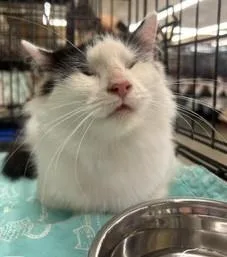
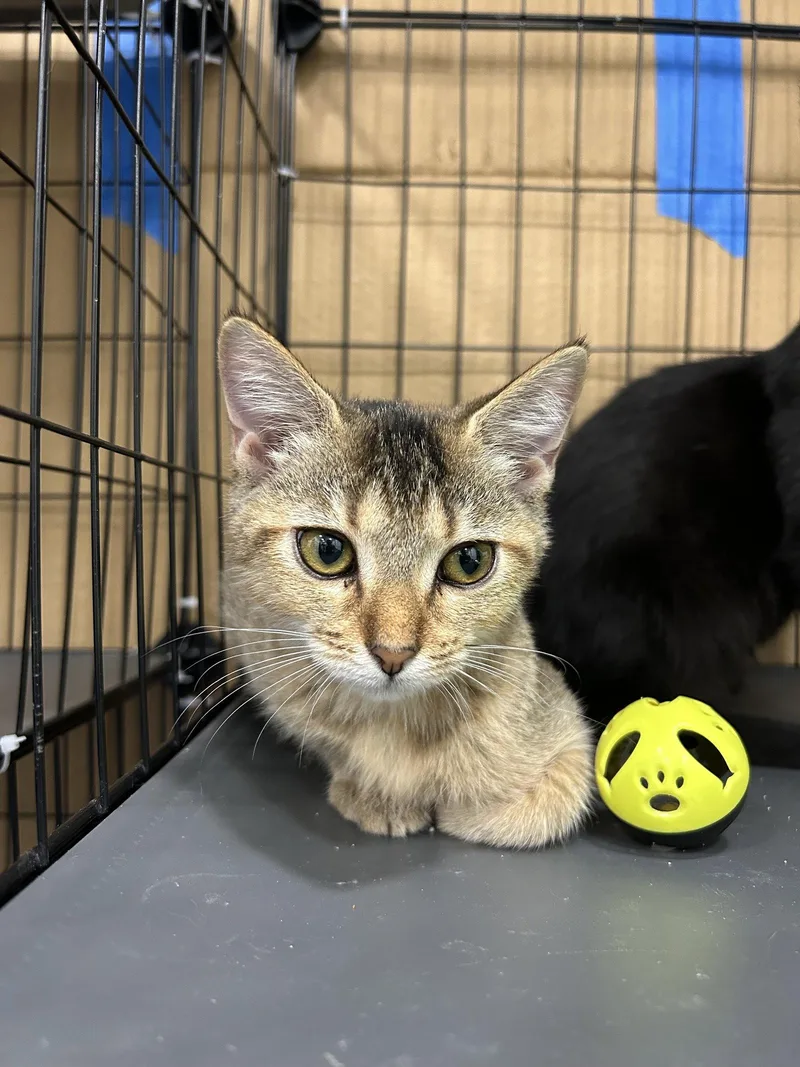
Calico Cats for Adoption in Columbia, SC

Your guide to finding and caring for a Calico in Columbia

A Calico fits Columbia's mix of bungalow streets and newer apartments well. Calico is a coat pattern rather than a breed, so these cats vary, but most are ordinary shorthairs with moderate energy. In Elmwood Park or Hollywood–Rose Hill, a sunny bungalow window gives a calico hours of bird-watching, and a BullStreet District apartment works just as well with a tall cat tree and a few play sessions a day.

1465 Calicos available in Columbia and nationwide

Bring home a Calico

While we don't have enough cats near Columbia, keep in mind that many rescues may offer transport.

Calicos Available for Adoption Near Columbia

About the Calico breed

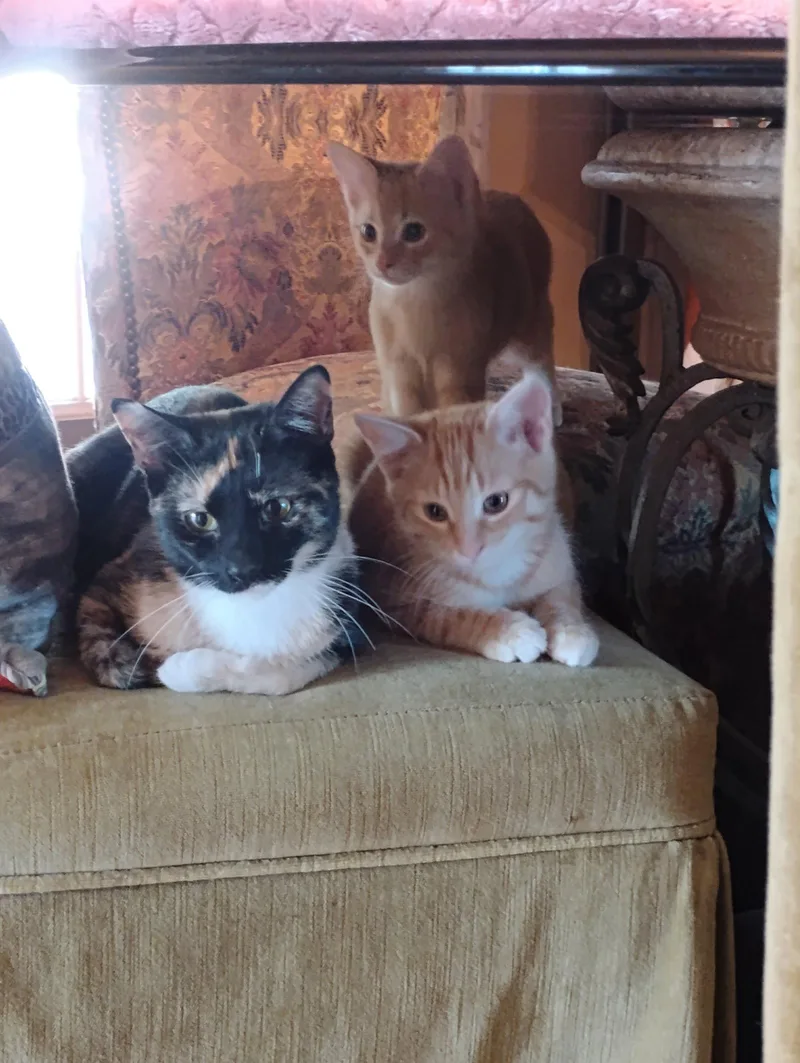
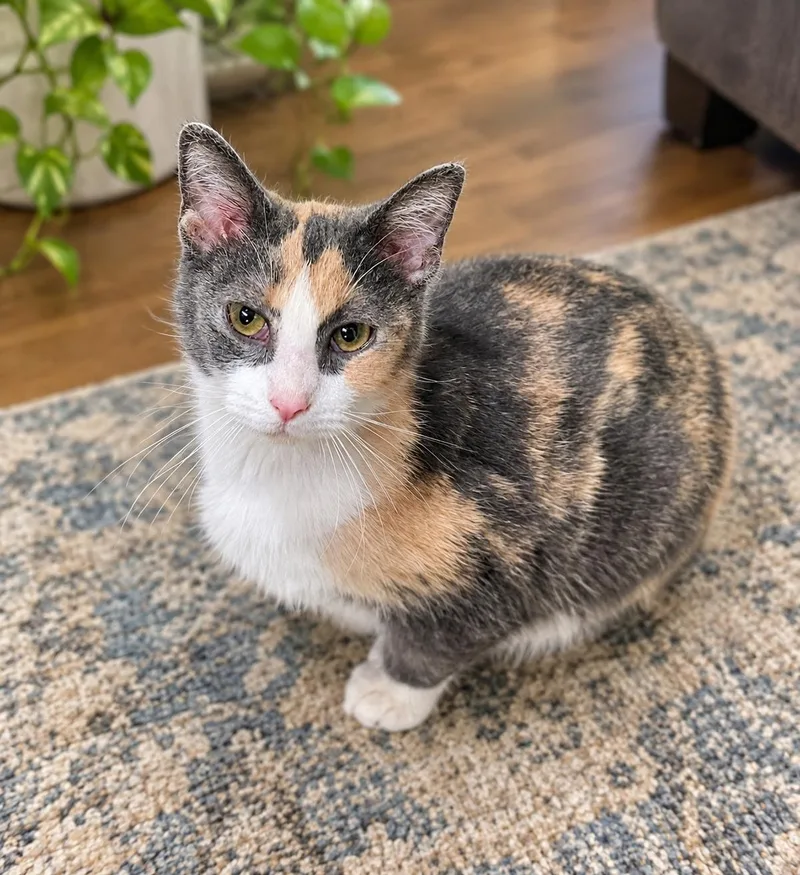
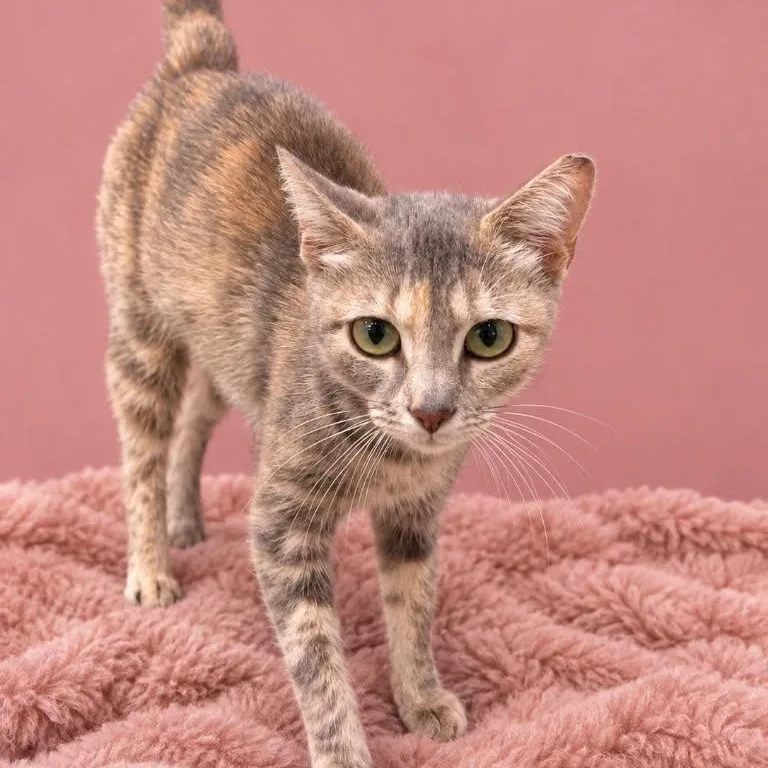
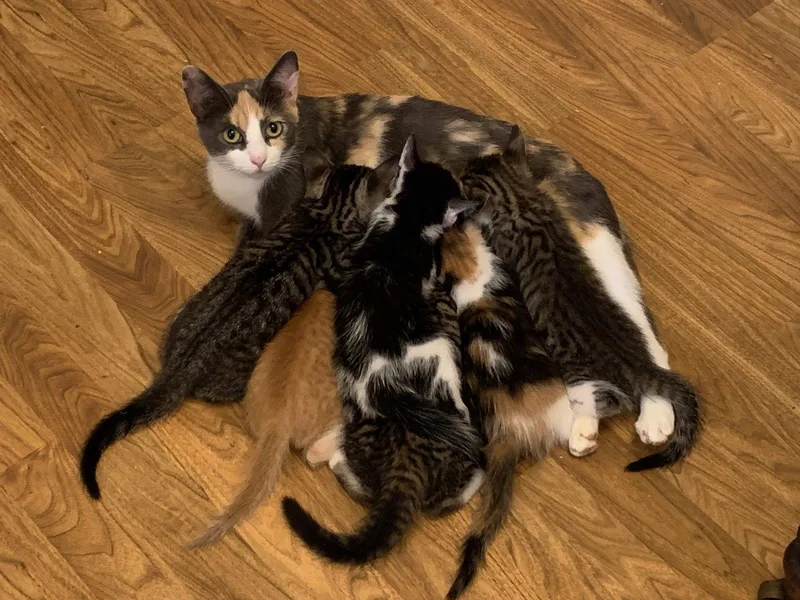
Calico is a coat pattern, not a breed. A calico has white mixed with patches of black and orange, or soft gray and cream in the dilute version, and the pattern appears in domestic shorthairs and longhairs as well as some pedigreed breeds. Nearly all calicos are female because the color genes sit on the X chromosome.

Most calicos you'll meet in Columbia are domestic shorthairs, so they usually weigh 6 to 12 pounds, shed a moderate amount and can live 12 to 18 years indoors. Folklore says calicos are sassy, but coat color doesn't reliably predict personality. A shy cat and a bold, chatty one can wear the same patches, so spend time with the cat in front of you and watch how she handles people and other pets.

Weight
6–12 lbs
Height
8–10 in
Lifespan
12–18 yrs
Temperament
Adaptable, Affectionate, Independent
Shedding
Moderate

Owning a Calico in Columbia

Having a Calico in Columbia

A calico's traits come from her ancestry, age and upbringing, not her patches. In Columbia, the practical points are indoor safety, staying cool through long humid summers, and matching her play and grooming needs to a rental or a house.

Temperament

Calicos range from shy and gentle to bold and talkative, since personality follows each cat's history rather than her colors. The "tortitude" reputation isn't reliably backed by research. In a Columbia apartment, a confident cat may enjoy a busy window, while a nervous one will want a quiet room and time to settle in.

Exercise Needs

Expect bursts of chasing and pouncing between long naps. Two or three short sessions a day with wand toys, balls or food puzzles keep a calico fit, and indoor play matters most during Columbia's steamy summers. Kittens and young adults need more than seniors, while heavier or longhaired mixes may prefer gentler games.

Health Considerations

Female calicos have no color-linked health problems, so care looks like any domestic cat's: vaccines, dental care, weight control and yearly checkups. Rare male calicos can face extra X chromosome issues. In Columbia's warm, humid climate, ask a veterinarian about year-round flea prevention and whether heartworm prevention makes sense for her.

Living Space

A calico usually adapts to a bungalow, an apartment or a house when she has scratching posts, a high perch, hiding spots and daily play. Shy cats appreciate a quiet room at first. Keeping her indoors, with a catio or harness time, protects her from summer heat, traffic and wildlife such as coyotes.

What it costs to own a Calico in Columbia

ExpenseTypical costPer year
Food$25 to $50 per month$300 to $600
Pet insurance$20 to $45 per month$240 to $540
Routine vet care$150 to $350 per year$150 to $350
Other*$455 to $1,155 per year$455 to $1,155
Estimated yearly total (after year one)$1,145 to $2,645

Other costs are estimates and vary with size, age and health.

* Litter, the city pet license for a sterilized cat, flea prevention, a dental cleaning allowance, toys and supplies, and home brushing.

Adopt a Calico in Columbia.

Now that you know more, let’s find you a new best friend. These rescues and shelters below currently have Calicos available.

Rescues in Columbia with Calicos Available

Columbia's city shelter and nonprofit rescues place many cats, with spay/neuter, microchip and vaccines typically included in the adoption fee. Here are the rescues & shelters in the Columbia area where you can find Calicos and other cats available for adoption.

Frequently Asked Questions

Yes, in a carrier. The COMET allows non-service animals on its buses if they weigh 30 pounds or less and are secured in a carrier, which fits nearly every calico. Columbia has buses only, with no subway or rail. The one-way fare is $2, so pick a sturdy carrier your cat is already comfortable in.

Yes, as indoor cats. Columbia sees about 81 days a year at 90°F or higher, with humid nights near 70°F, so keep the home cool, offer fresh water in several spots, and schedule play for early morning or evening. Longhaired calicos need regular brushing to stay comfortable. Never leave a cat in a parked car.

Yes. Calico is a coat pattern, not a breed, so there's nothing breed-specific to worry about. The city requires a yearly license for every owned cat, with proof of rabies vaccination, and a sterilized cat's license costs just a few dollars. The rabies tag goes on her collar or harness. Renters should confirm the lease allows pets.

Yes. Most calicos are medium-sized domestic cats who do well in apartments with a tall cat tree, a window perch and daily play. Because renting is common in Columbia, read the lease for pet deposits, monthly pet rent and limits, since South Carolina doesn't cap those fees. A quiet room helps a shy cat settle in.

Often, for people who can keep her indoors and cool. A calico's personality varies, so look for a temperament that matches your household rather than relying on coat color. Columbia's long hot summers, storm season and wildlife like coyotes favor indoor living, while its bungalows and apartments suit a medium-sized cat's modest space needs.

Most calicos are shorthaired and need a weekly brushing, while longhaired ones need it several times a week, especially when spring shedding starts. Humid summers can make mats worse in long coats. Home brushing is usually enough, so grooming adds little beyond the Other costs listed above.

Almost all calico cats are female, but not every single one. The genes for orange and black coat color sit on the X chromosome, so a cat normally needs two X chromosomes to show both colors at once. Roughly 1 in 3,000 calicos is male, usually because of an extra X chromosome, a genetic quirk rather than a separate type.

A calico cat is any cat with a three-color coat of white plus distinct patches of black and orange, or gray and cream in dilute calicos. Calico is a coat pattern rather than a breed, so it appears in domestic shorthairs, longhairs and many pedigreed breeds. Nearly all calicos are female because of how coat color genes are inherited.

We have 2 rescues with Calicos available: Final Victory Animal Rescue and ARC Animal Rescue Carolina, Inc.. You can see every rescue with Calicos available in the list above these questions, or scroll to the top to see the Calicos near Columbia.

Plan on roughly $1,150 to $2,650 a year for a calico in Columbia, covering food, optional insurance, routine veterinary care and other costs such as litter, the city license and flea prevention. Kittens and seniors can cost more, and illness or emergencies aren't included in those figures.

Find Calicos in Nearby Cities

Expand your search to find Calicos available for adoption near Columbia.