Snowshoe Cats for Adoption in Charleston, SC

Your guide to finding and caring for a Snowshoe in Charleston

A Snowshoe suits Charleston's apartments and older houses well, since it's an indoor cat that wants company more than space. In a Daniel Island condo or a brick-veneer Wagener Terrace house, a cat tree by a window gives it a view of the street while you're out. Snowshoes tend to follow their person from room to room and chat in a soft voice, so they fit people who are home often. Most you'll meet here are Snowshoe-pattern domestic cats.

188 Snowshoes available in Charleston and nationwide

Adopt a Snowshoe today

While we don't have enough cats near Charleston, keep in mind that many rescues may offer transport.

Snowshoes Available for Adoption Near Charleston

About the Snowshoe breed

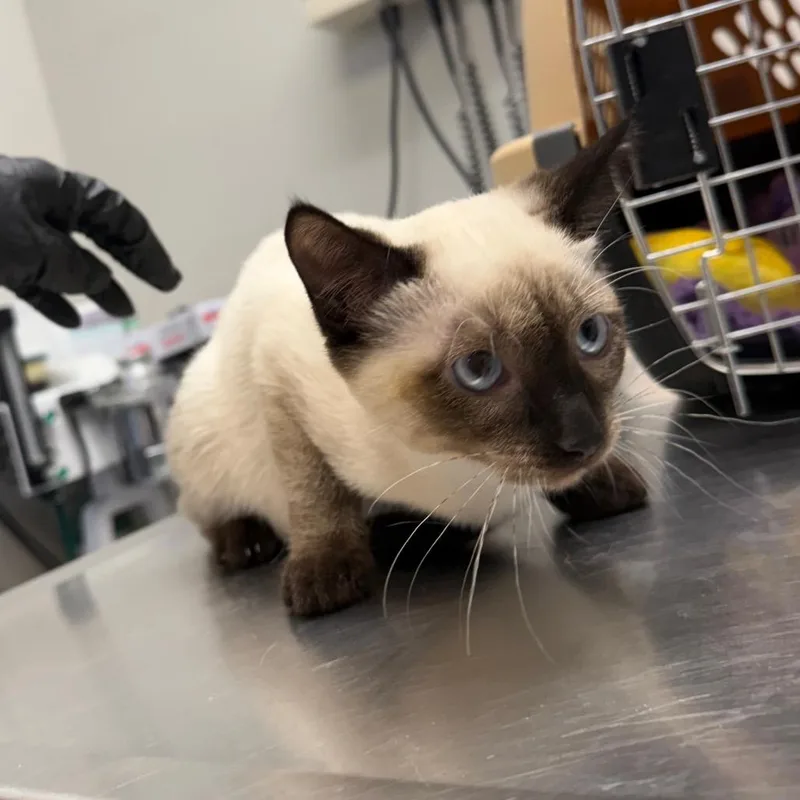
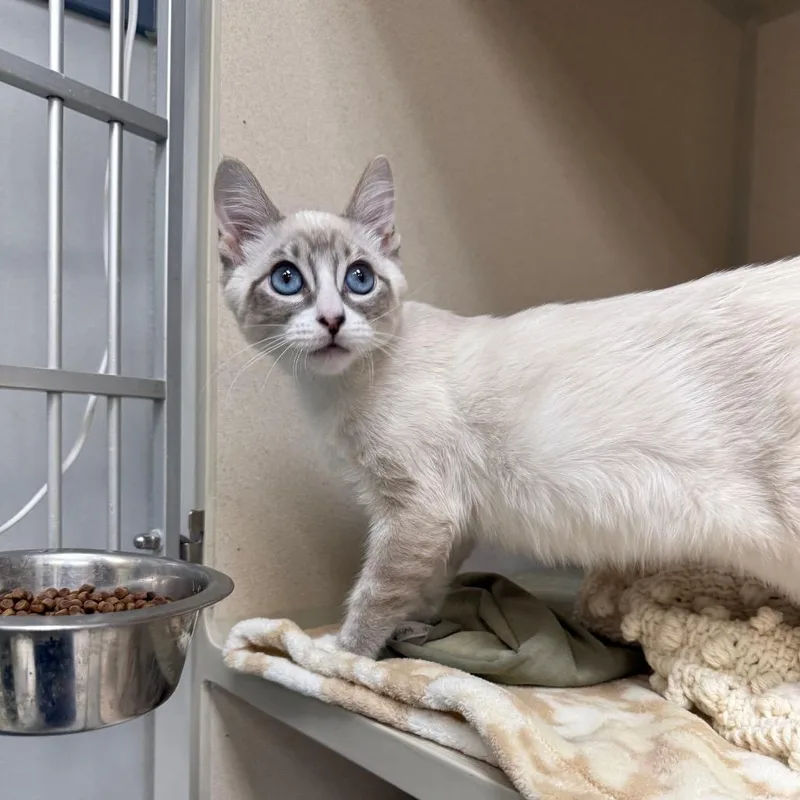
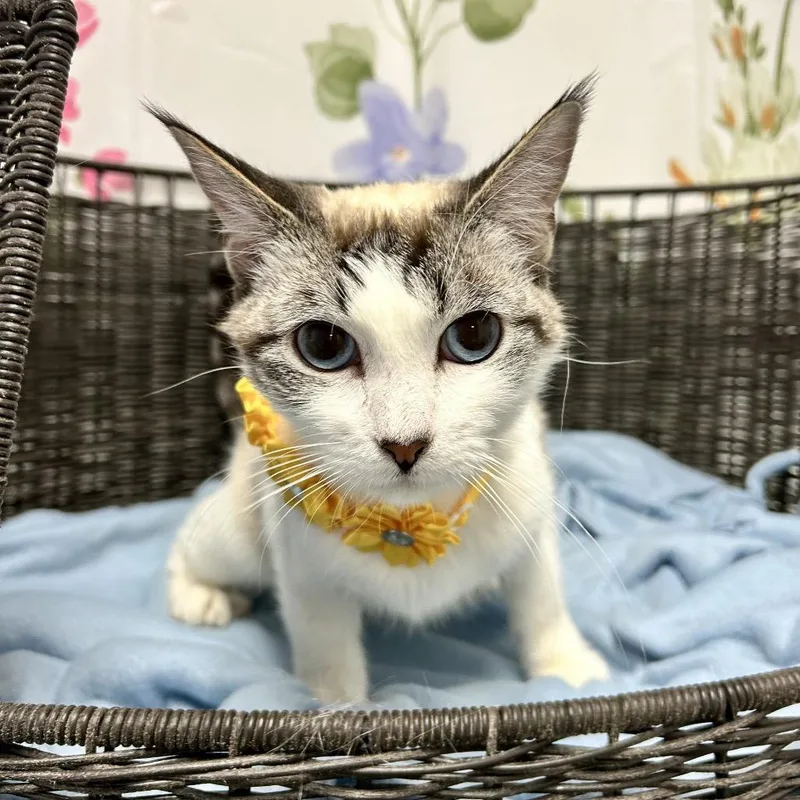
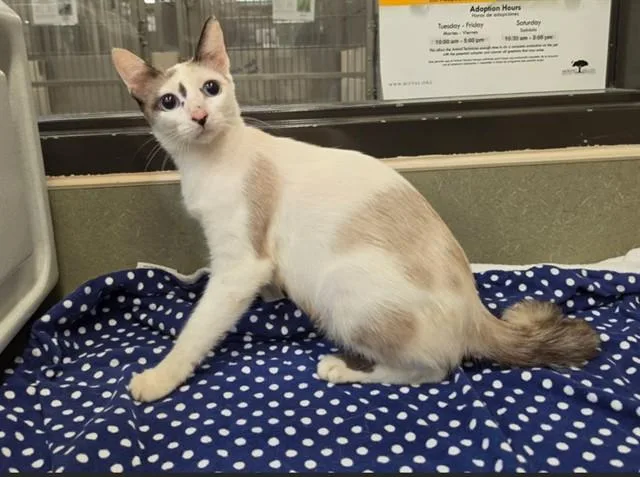
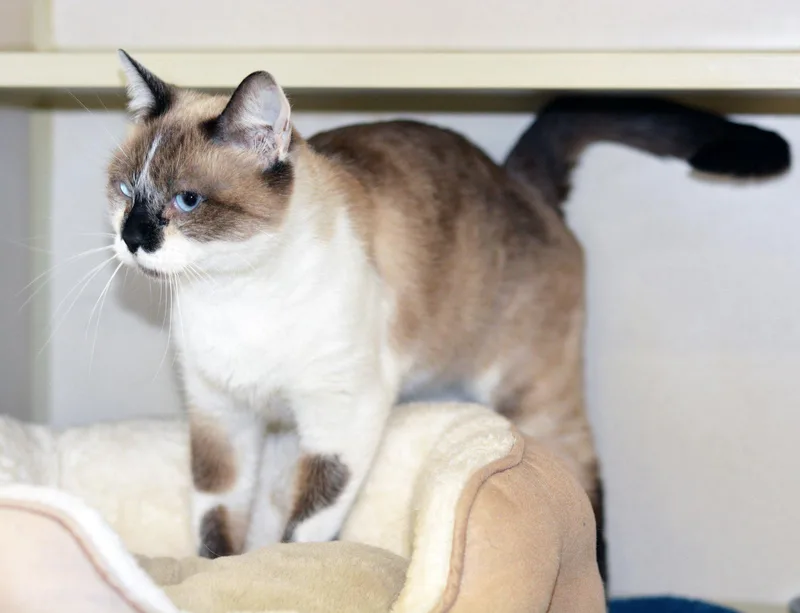
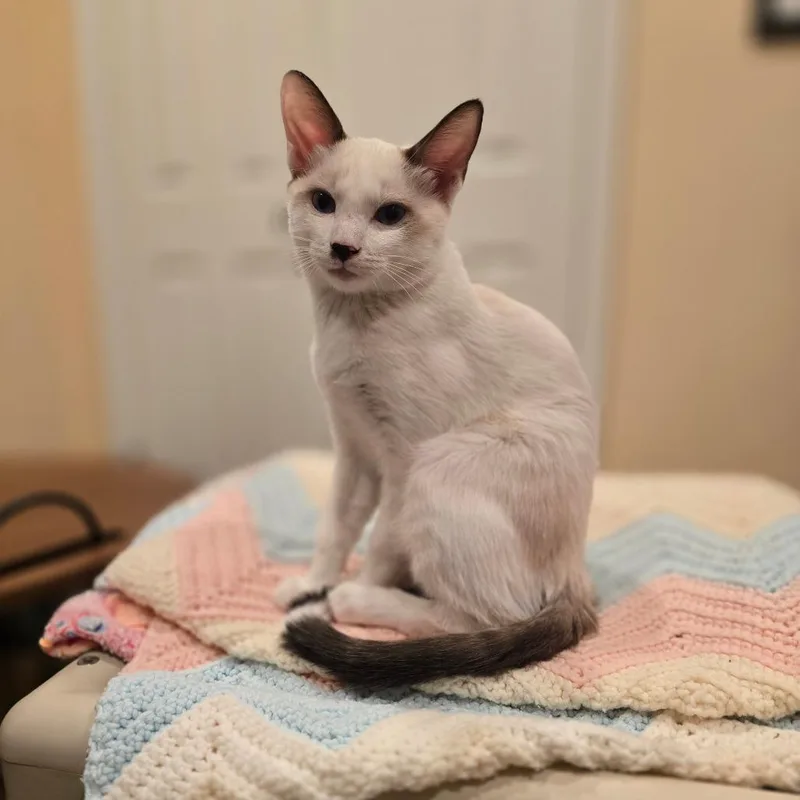
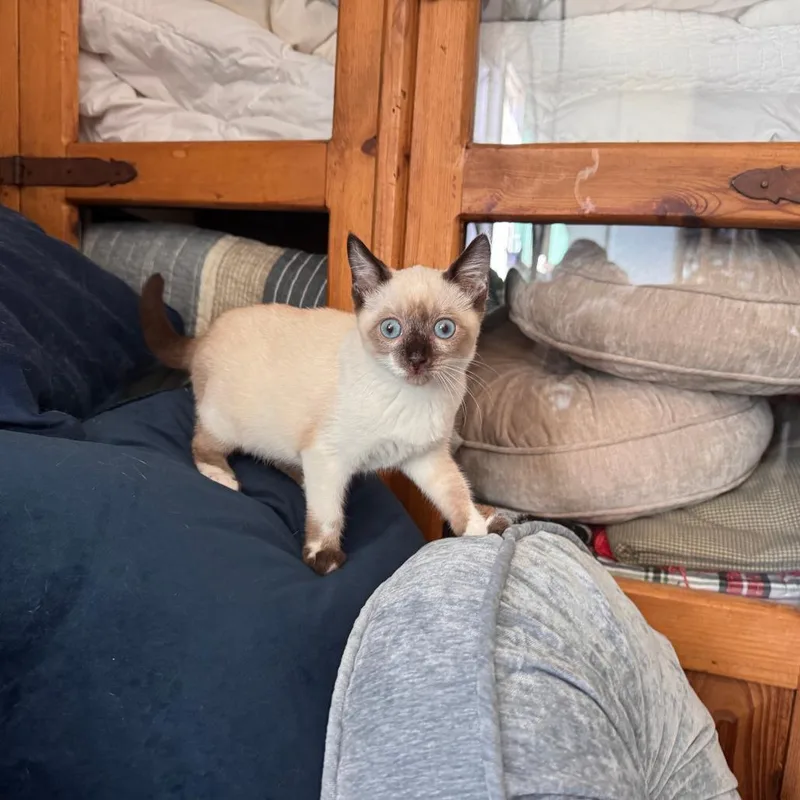
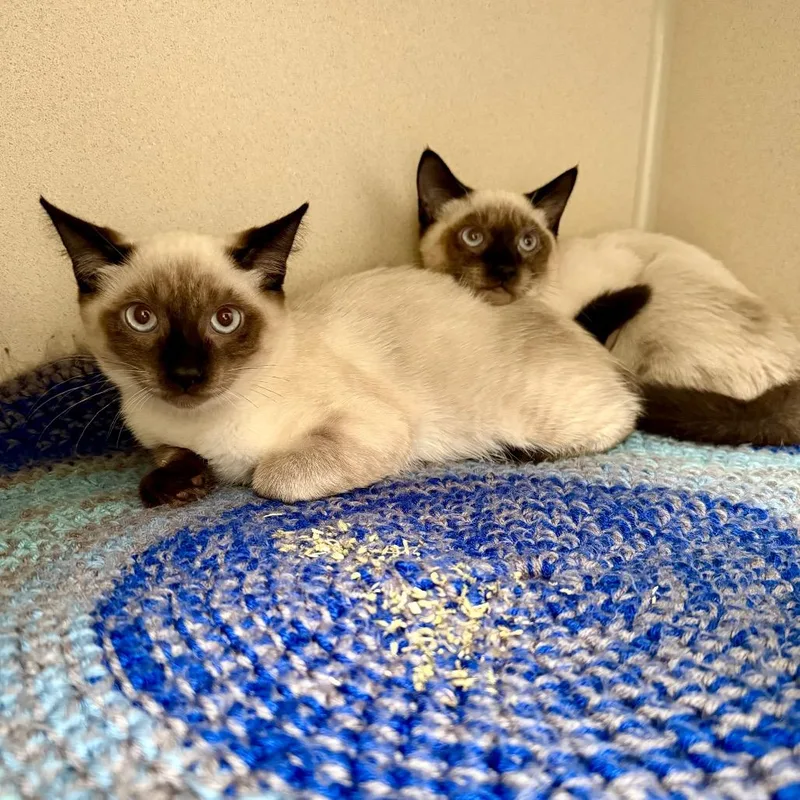
The Snowshoe began in 1960s Philadelphia, when three Siamese kittens were born with white feet. Crosses between Siamese and bicolor American Shorthairs carried the look forward: a medium-sized, athletic cat, usually 7 to 12 pounds, with a short, smooth coat, darker points, blue eyes, white mittens and often a white inverted V on the face. The pattern is hard to reproduce, so the true breed remains rare.

Many Snowshoes are affectionate, gentle and people-focused, often favoring one person. They're curious and smart, and some learn to open doors or play with running water. Their voices are soft and melodic rather than loud. Most Snowshoes found in Charleston are Snowshoe-patterned domestic cats, who can share that sociable charm, though personalities vary from cat to cat.

Weight
7–12 lbs
Height
8–12 in
Lifespan
14–19 yrs
Temperament
Affectionate, Sweet, Intelligent, Social
Shedding
Low to Moderate

Owning a Snowshoe in Charleston

Having a Snowshoe in Charleston

Snowshoes combine Siamese-style smarts with a mellow, people-loving nature. Company, play, easy coat care and generally sturdy health matter most when deciding if one fits your Charleston home, whether that's a rental near Hampton Park or a house on James Island.

Temperament

Snowshoes tend to be sweet and companionable, often following a favorite person from room to room. Many are a little shy with strangers but devoted at home, and they usually chat in a soft voice. Temperament varies, especially in Snowshoe-pattern mixes, so expect each cat to have its own personality.

Exercise Needs

Most Snowshoes are moderately active and enjoy daily play with wand toys, balls and puzzle feeders. Their intelligence makes trick training and fetch rewarding. Cat trees and window perches give them places to climb and watch the street. Evening play sessions after work usually cover their needs, and rotating toys keeps a curious cat from getting bored.

Health Considerations

Snowshoes are generally healthy and often live into their late teens. Studies suggest they may be overrepresented in urate bladder stones, so ask your vet about water intake and diet. Crossed eyes or kinked tails are cosmetic. Dental disease and heart conditions are worth watching for. Charleston's warm climate means fleas can stay active much of the year, so keep prevention current.

Living Space

A Snowshoe adapts well to apartments or houses, so a West Ashley rental, a peninsula flat or a Johns Island house can all work. Vertical space like cat trees and shelves enriches small homes. Many dislike long stretches alone, so homes where someone is around often, or with another friendly pet, usually suit them best.

What it costs to own a Snowshoe in Charleston

ExpenseTypical costPer year
Food$25 to $50 per month$300 to $600
Pet insurance$25 to $50 per month$300 to $600
Routine vet care$150 to $350 per year$150 to $350
Other*$450 to $1,150 per year$450 to $1,150
Estimated yearly total (after year one)$1,200 to $2,700

Other costs are estimates and vary with size, age and health.

* Litter, flea prevention, a dental cleaning allowance, toys, scratchers and bedding, and occasional brushing for a short coat.

Adopt a Snowshoe in Charleston.

Now that you know more, let’s find you a new best friend. These rescues and shelters below have cats available in and near Charleston.

Rescues and Shelters in or near Charleston

Charleston has a busy network of shelters and rescues that care for cats and kittens of every type. Here are the rescues & shelters in the Charleston area with cats available for adoption, worth asking whether a Snowshoe is coming in.

Frequently Asked Questions

Yes, no known Charleston rule limits Snowshoes or singles out a breed of cat. Adopted cats must be sterilized before going home or within a set window, usually 30 days under state rules, so plan a vet visit early. Confirm your lease allows cats before you apply, since landlords can set stricter terms than the city.

Yes, a Snowshoe adapts well to apartments as long as it has company and things to climb. Add a cat tree by a window, wall shelves and puzzle feeders. Their voices are usually soft, so they're rarely loud through thin walls. The bigger issue is loneliness: many dislike long days alone, so a friendly second pet or a home-based schedule helps.

Often yes, if you keep it indoors. Charleston has coyote sightings on the Upper Peninsula and alligators near ponds and marsh, so indoor life is safest. Snowshoes can also be shy with strangers, so give the cat a quiet hiding spot around July 4 and New Year's, when fireworks from neighboring towns can still carry into the city.

Yes, indoors with air conditioning. Humid nights stay warm, so keep the AC on when you're out and set out fresh water in several spots. Extra water also helps a breed that may be prone to urate bladder stones. Panting, drooling or hiding in unusual places can signal overheating, so call a vet promptly.

Very little. The short, smooth coat with little undercoat usually needs a quick weekly brushing, a bit more during heavier sheds. Charleston's humidity doesn't turn a coat like this into a grooming project, but regular tooth care and ear checks matter. Brushing at home costs little, and dental cleanings fall within the Other costs listed above.

CARTA buses, including the free downtown DASH shuttle, always accommodate service animals. Check CARTA's current pet rules before bringing a cat on board, and use a secure, covered carrier either way. For vet visits, a carrier in a car is usually calmer for a Snowshoe, which can be shy in unfamiliar crowds.

Only outdoors, and only where a restaurant chooses to allow it. South Carolina permits cats, dogs and ferrets on outdoor table-service patios with posted signs, but never inside, and pets can't sit on tables or seats. Many Snowshoes are shy with strangers and happier at home, so most will do better left there.

A Snowshoe cat is a rare American breed developed in the 1960s from Siamese and bicolor American Shorthair cats. It has a short coat, Siamese-style color points, blue eyes and distinctive white paws that look like snowshoes, often with a white inverted V on the face. Many are affectionate, intelligent and soft-voiced companions.

Expect a Snowshoe to cost roughly $25–$50 a month for food and $25–$50 a month for pet insurance. Routine vet care runs about $150–$350 a year, and other costs such as litter, flea prevention, dental care and supplies add roughly $450–$1,150 a year. Adoption fees are shown on each listing.

Explore Other Breeds in Charleston

Looking for a different breed? Browse other cats available for adoption in Charleston.