Russian Blue Cats for Adoption in Charleston, SC

Your guide to finding and caring for a Russian Blue in Charleston

A Russian Blue suits the quieter side of Charleston, like a condo on Daniel Island or one of the historic houses on Anson and George streets in Ansonborough. These cats like a calm routine and a good window perch, and they're often reserved with visitors, so a small household suits many of them better than a busy one. Daily play keeps them lean, and an indoor cat with air conditioning handles Charleston's humid summers well. A tall cat tree by the front window is the one purchase worth making first.

709 Russian Blues available in Charleston and nationwide

Find your Russian Blue

While we don't have enough cats near Charleston, keep in mind that many rescues may offer transport.

Russian Blues Available for Adoption Near Charleston

About the Russian Blue breed

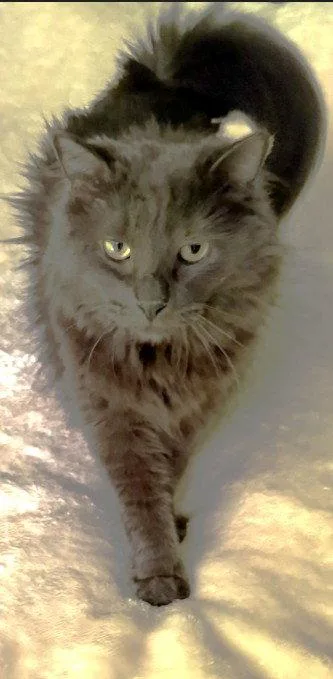
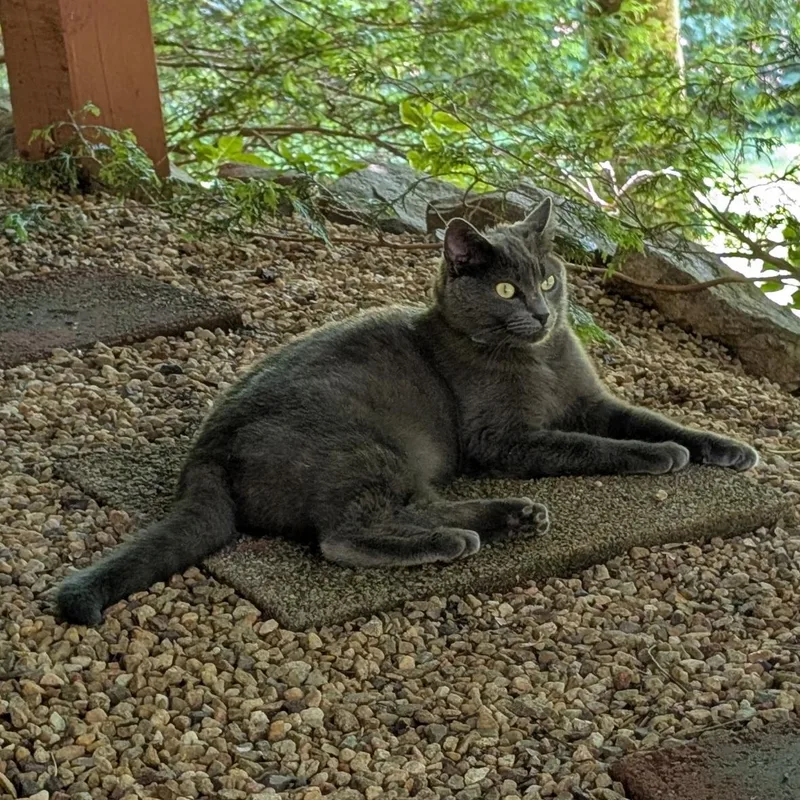
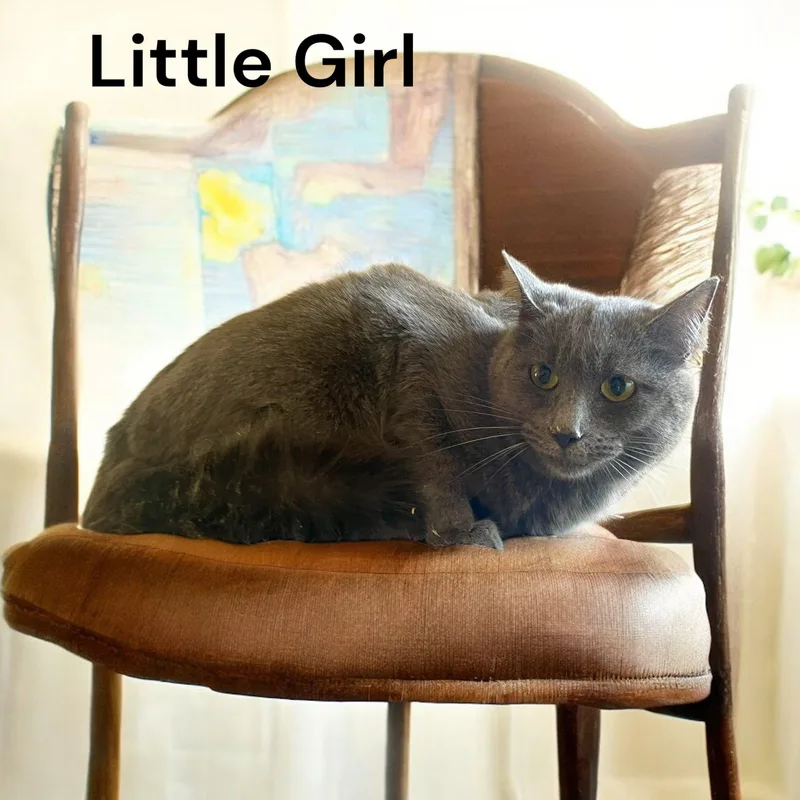
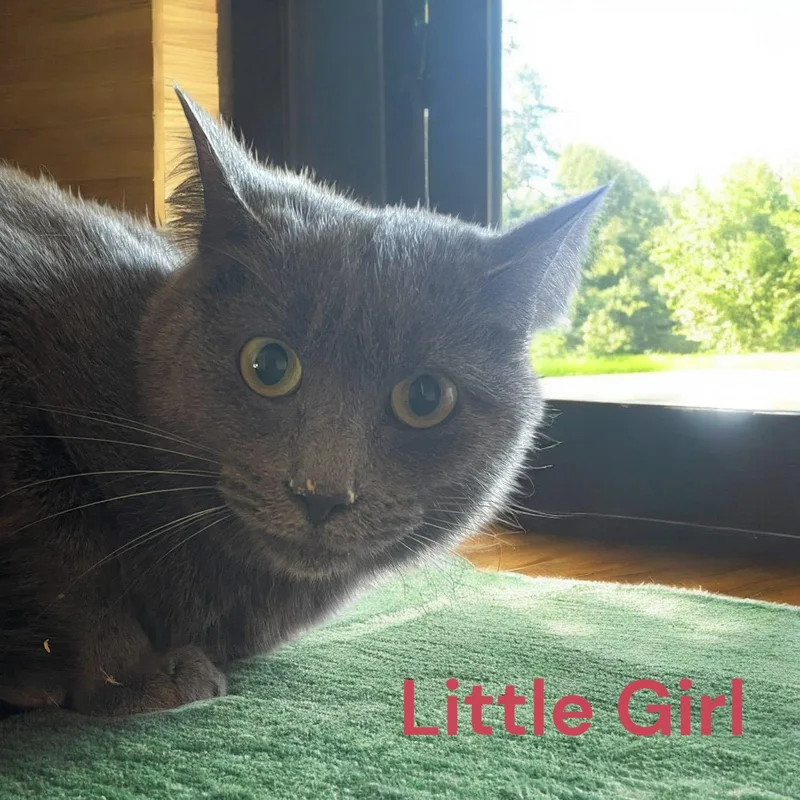
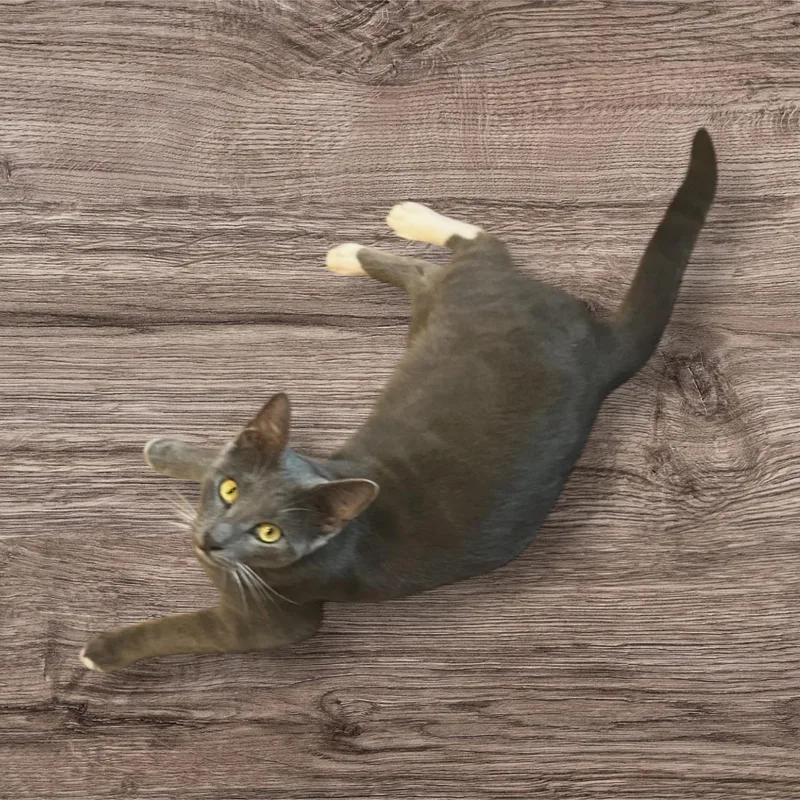
Russian Blues are slender, fine-boned shorthairs with a dense, plush double coat of even blue-grey that is tipped with silver, so it seems to shimmer, and vivid green eyes. The breed is believed to come from the Archangel region of northern Russia and reached Britain by ship in the nineteenth century. Most adults weigh roughly 6 to 12 pounds.

Many are gentle, quiet and devoted to their own people while staying reserved with strangers. They like routine and notice changes in the household. In a city where many people rent and summers keep the air conditioning running, that taste for a calm indoor home fits well. The short coat is easy to keep, but a healthy appetite calls for measured meals.

Weight
6–12 lbs
Height
8–10 in
Lifespan
12–16 yrs
Temperament
Gentle, Quiet, Intelligent
Shedding
Low to Moderate

Owning a Russian Blue in Charleston

Having a Russian Blue in Charleston

Russian Blues combine an easy-care coat with a sensitive, observant nature. Noise, visitors and changes of routine affect them more than most cats, so think about your household's rhythm before meeting a cat. Play and portion control matter as much as grooming.

Temperament

Russian Blues are usually gentle and loyal with family but cautious with newcomers, often watching from a distance first. Charleston homes with steady schedules and few visitors tend to suit them. Many get unsettled by loud noise or frequent change, though each cat's history shapes how quickly it builds trust.

Exercise Needs

Plan on daily play with wand toys, chase games and puzzle feeders, since many Russian Blues are agile and quick to bore. In a Charleston flat or house, tall cat trees and window shelves give them room to climb and watch the street. Regular play also helps keep their strong appetite from becoming extra weight.

Health Considerations

Russian Blues have no widely recognized breed-specific inherited disease, but they can develop the same problems as other cats, including dental disease, bladder stones, kidney disease and heart conditions. Obesity is a common, preventable concern. Yearly veterinary checkups, measured meals and dental care help, and a veterinarian can check a new cat's health after adoption.

Living Space

Russian Blues often do well in Charleston apartments, condos and quieter houses, because they value calm routines and cozy retreats more than square footage. Give them hiding spots, a window perch and a cat tree. Indoor living with daily play keeps them safe from traffic, heat and wildlife.

What it costs to own a Russian Blue in Charleston

ExpenseTypical costPer year
Food$25 to $50 per month$300 to $600
Pet insurance$25 to $50 per month$300 to $600
Routine vet care$150 to $350 per year$150 to $350
Other*$450 to $1,150 per year$450 to $1,150
Estimated yearly total (after year one)$1,200 to $2,700

Other costs are estimates and vary with size, age and health.

* Litter, flea and tick prevention, a dental cleaning allowance, toys, scratchers and other supplies, and minimal home grooming for the short coat.

Adopt a Russian Blue in Charleston.

Now that you know more, let’s find you a new best friend. These rescues and shelters below have cats available in and near Charleston.

Rescues and Shelters in or near Charleston

Charleston's rescue community includes the city's contracted shelter in North Charleston and a no-kill shelter on James Island. Here are the rescues & shelters in the Charleston area with cats available for adoption, worth asking whether a Russian Blue is coming in.

Frequently Asked Questions

Yes, for most calm, indoor households. Russian Blues like routine, and Charleston's apartments, condos and historic houses offer window perches and quiet corners. They're reserved with visitors and sensitive to noise, so a home with constant commotion may need extra hideaways. Fireworks are banned in city limits but legal in nearby towns, so a noise-shy cat may still hear them around July 4.

Yes, as indoor cats. Charleston summers are humid, with warm nights, and a Russian Blue's dense double coat holds heat. Keep the air conditioning on, leave fresh water in more than one spot, and keep windows screened or closed during the hottest stretch. Never leave a cat in a parked car, and plan for cooling during storm-related power outages.

Yes, Russian Blues often do well in apartments. They care more about calm routines and cozy retreats than space, so a window perch, a cat tree and a hiding spot go a long way. Daily play with wand toys and puzzle feeders keeps them active, and a quiet unit away from noisy hallways or streets helps.

Yes. No known Charleston rule is specific to Russian Blues. The city expects cats to be licensed, and cats over four months old must be microchipped or wear a collar with your contact information. State law requires rabies vaccination. Fees and steps can change, so confirm current licensing details with the city when you register.

CARTA buses always accommodate service animals, but no pet or carrier rule is published, so check CARTA's current pet policy before riding. Even where pets are allowed, most Russian Blues dislike noise and change, so a ride on a bus may be stressful. For vet visits, a sturdy, ventilated carrier in a car is usually calmer.

Very little. A weekly brush removes loose hair and keeps the plush double coat tidy, with a bit more during seasonal shedding. Charleston's humidity doesn't cause mats on a short coat, and professional grooming is rarely needed. Home grooming is part of the low Other costs, so budget for litter and dental care instead.

Possibly outdoors, but it's rarely a good idea. South Carolina lets restaurants allow cats, dogs and ferrets in outdoor table-service areas, and each restaurant decides; indoors, only service animals are allowed. Russian Blues are reserved and sensitive to noise, so a busy patio stresses most of them. If you try, keep your cat in a carrier, off tables and seats.

Russian Blue cats are often gentle, quiet and deeply attached to their families, while staying reserved with strangers. Many like predictable routines, follow favorite people around and enjoy interactive games that test their intelligence. They tend to be sensitive to household mood and noise. Personality varies, so a foster's description of an individual cat is the best guide.

A Russian Blue is a medium-sized shorthaired cat with a dense, plush blue-grey coat tipped in silver, vivid green eyes and a slender, graceful build. The breed is thought to come from northern Russia. Many Russian Blues are quiet, intelligent and loyal to their people, though often shy around visitors until they feel comfortable.

Plan on about $100 to $225 a month all in, or roughly $1,200 to $2,700 a year. That covers food at $25 to $50 a month, insurance at $25 to $50 a month, routine vet care at $150 to $350 a year, and other costs, such as litter and dental care, at $450 to $1,150 a year.

Find Russian Blues in Nearby Cities

Expand your search to find Russian Blues available for adoption near Charleston.

Explore Other Breeds in Charleston

Looking for a different breed? Browse other cats available for adoption in Charleston.