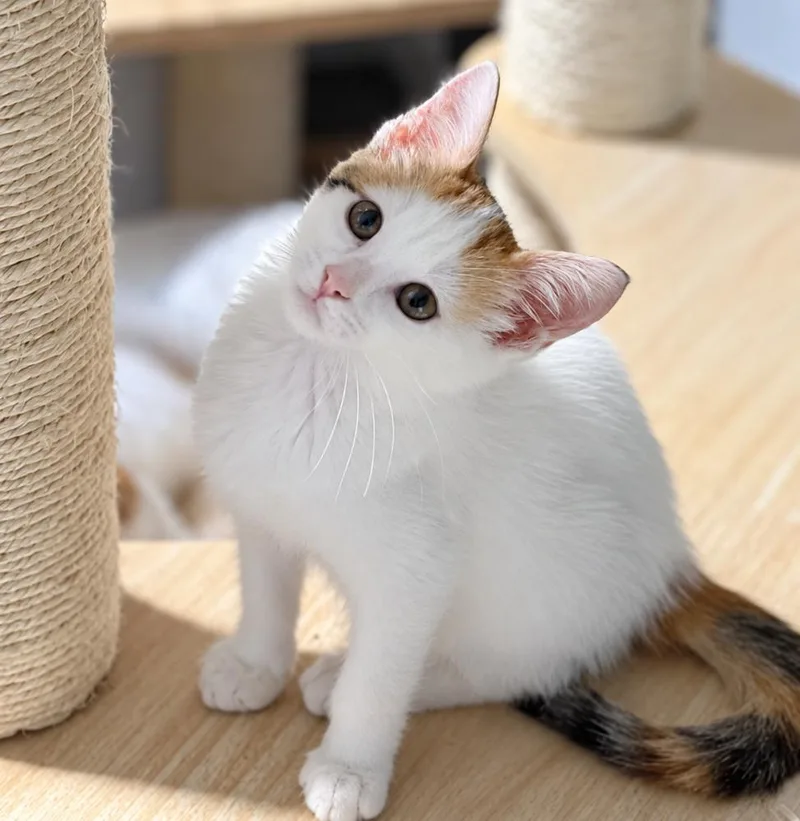
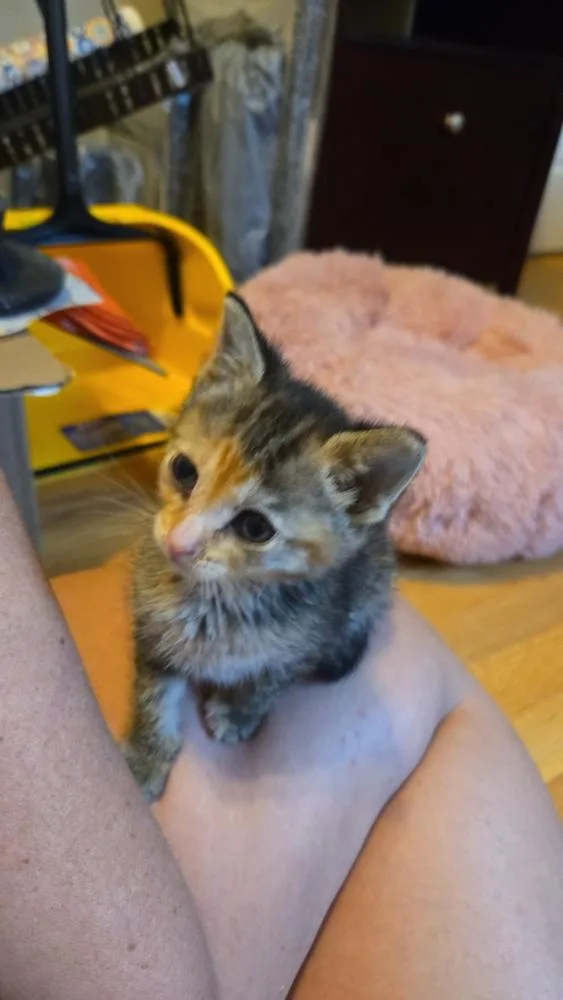
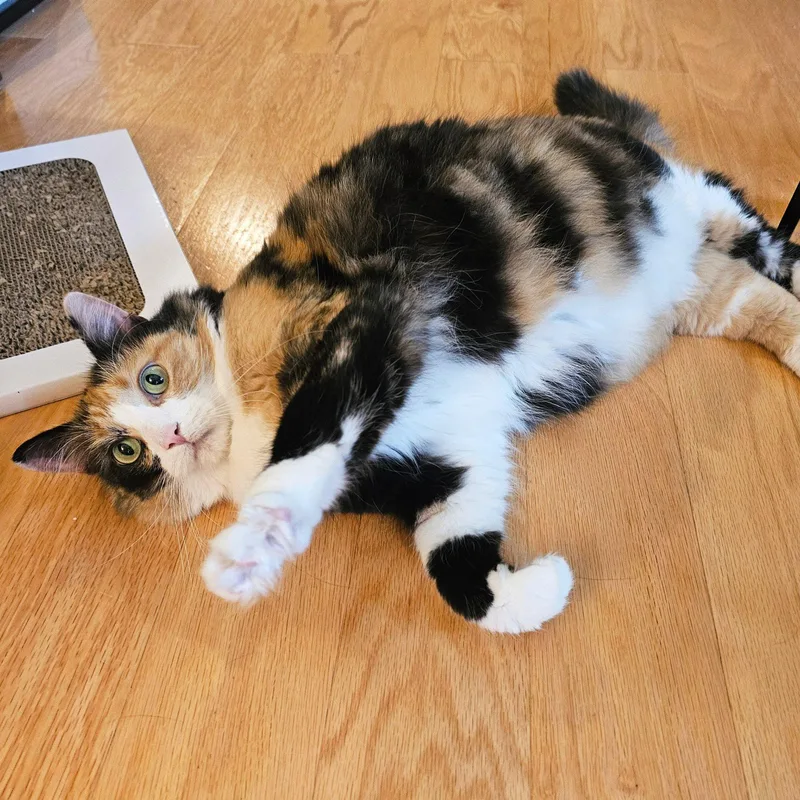
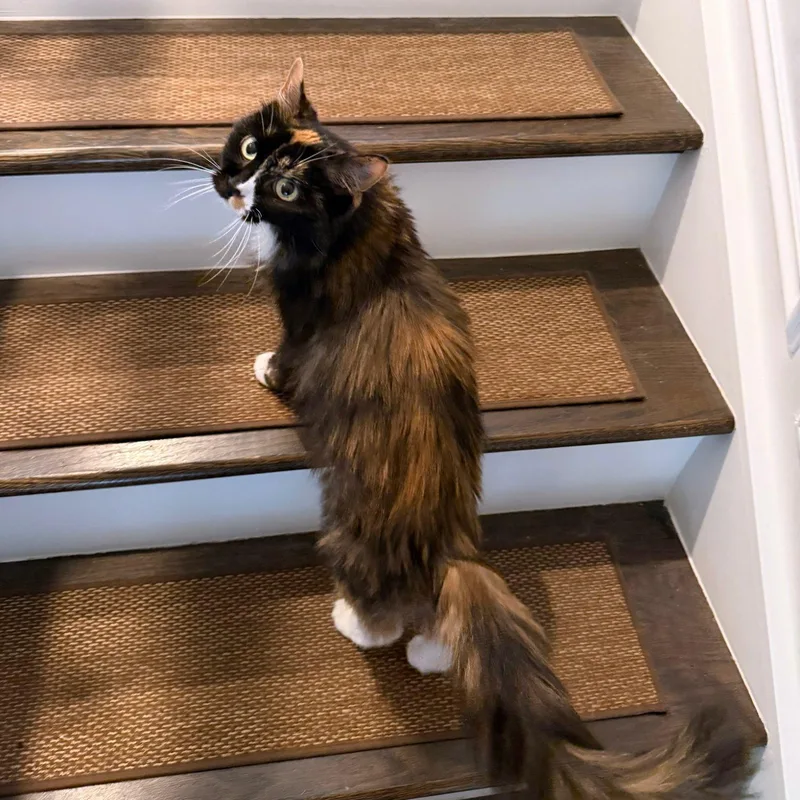
Calico Cats for Adoption in Charleston, SC

Your guide to finding and caring for a Calico in Charleston

A calico suits Charleston's apartments and brick-veneer houses well, from West Ashley complexes to the 1930s streets of Wagener Terrace. Calico is a coat pattern, not a breed, so most are ordinary domestic shorthairs of about 6 to 12 pounds with moderate energy. They're happy with a window perch, a few play sessions a day and a quiet corner to retreat to. Choose by personality rather than patches, and plan on an air-conditioned home once the summer humidity settles in.

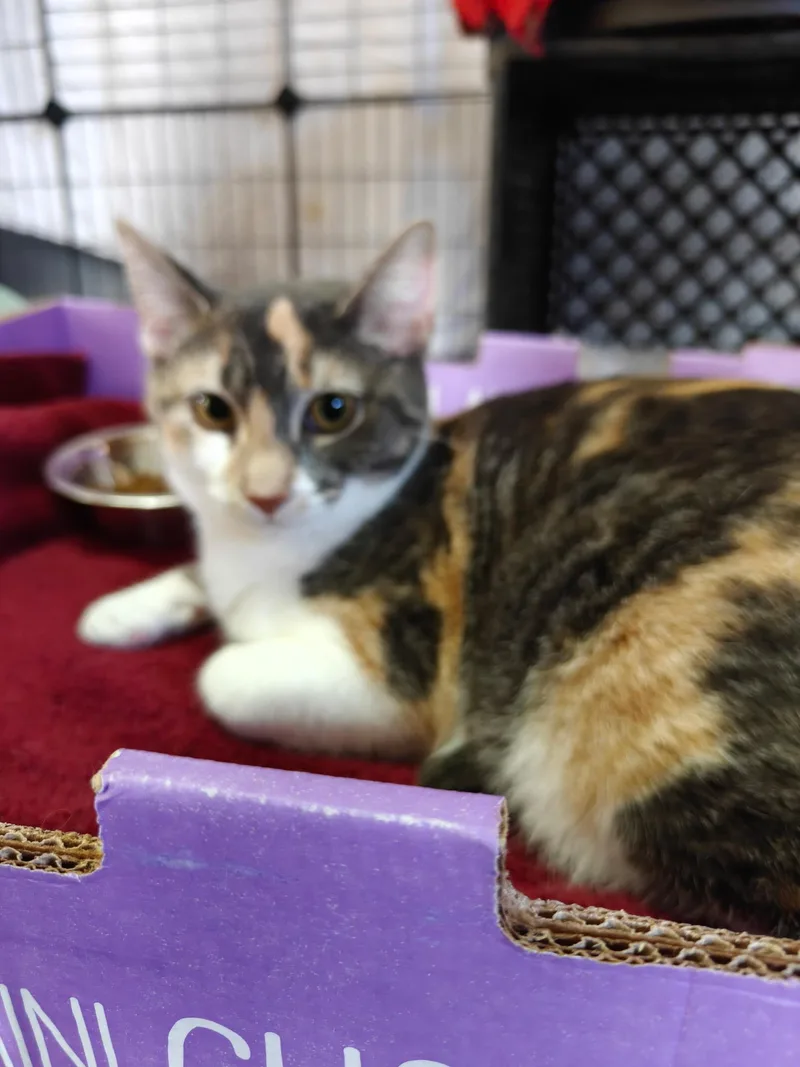
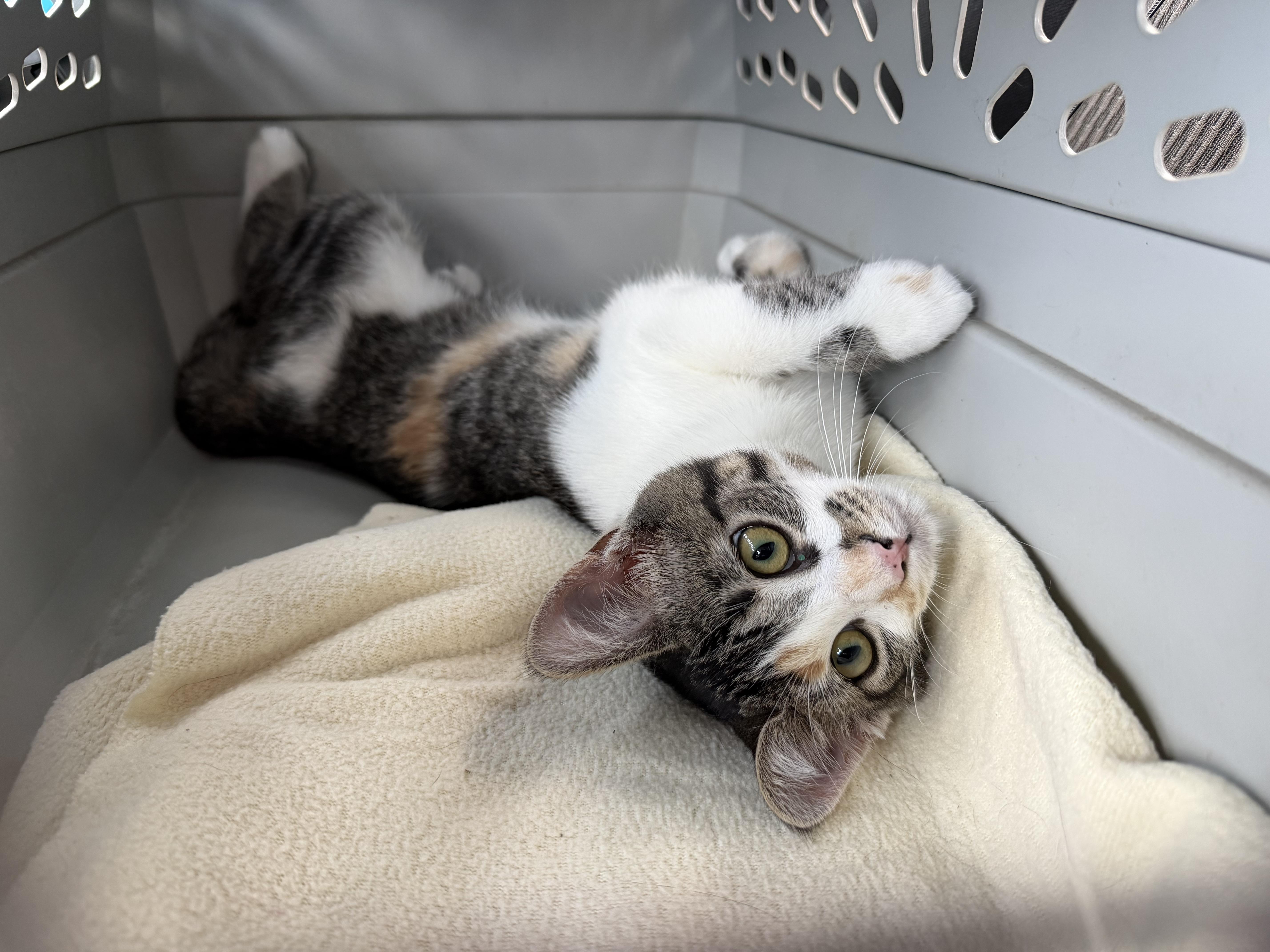
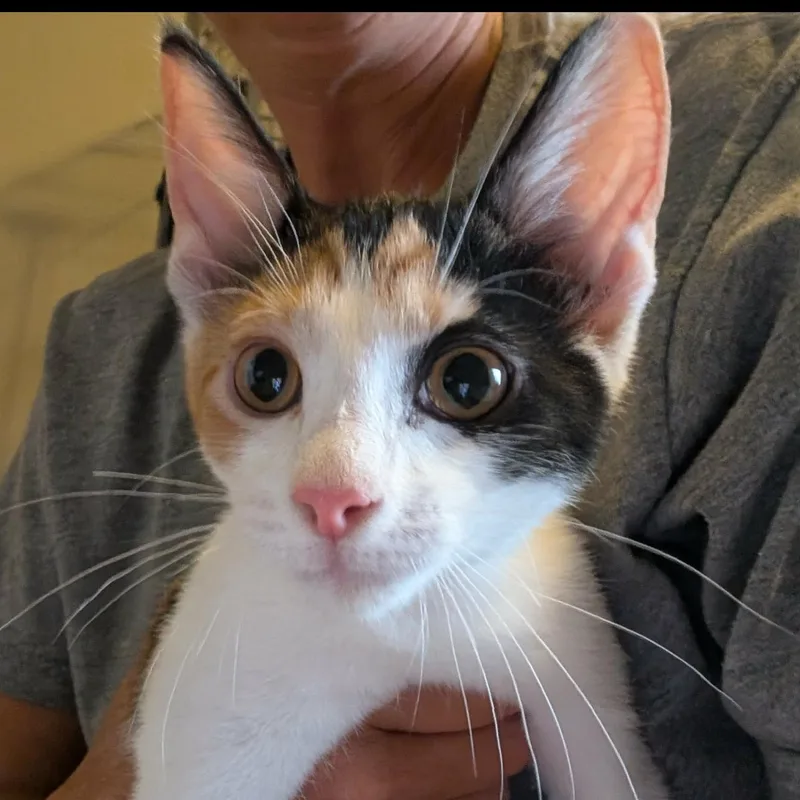
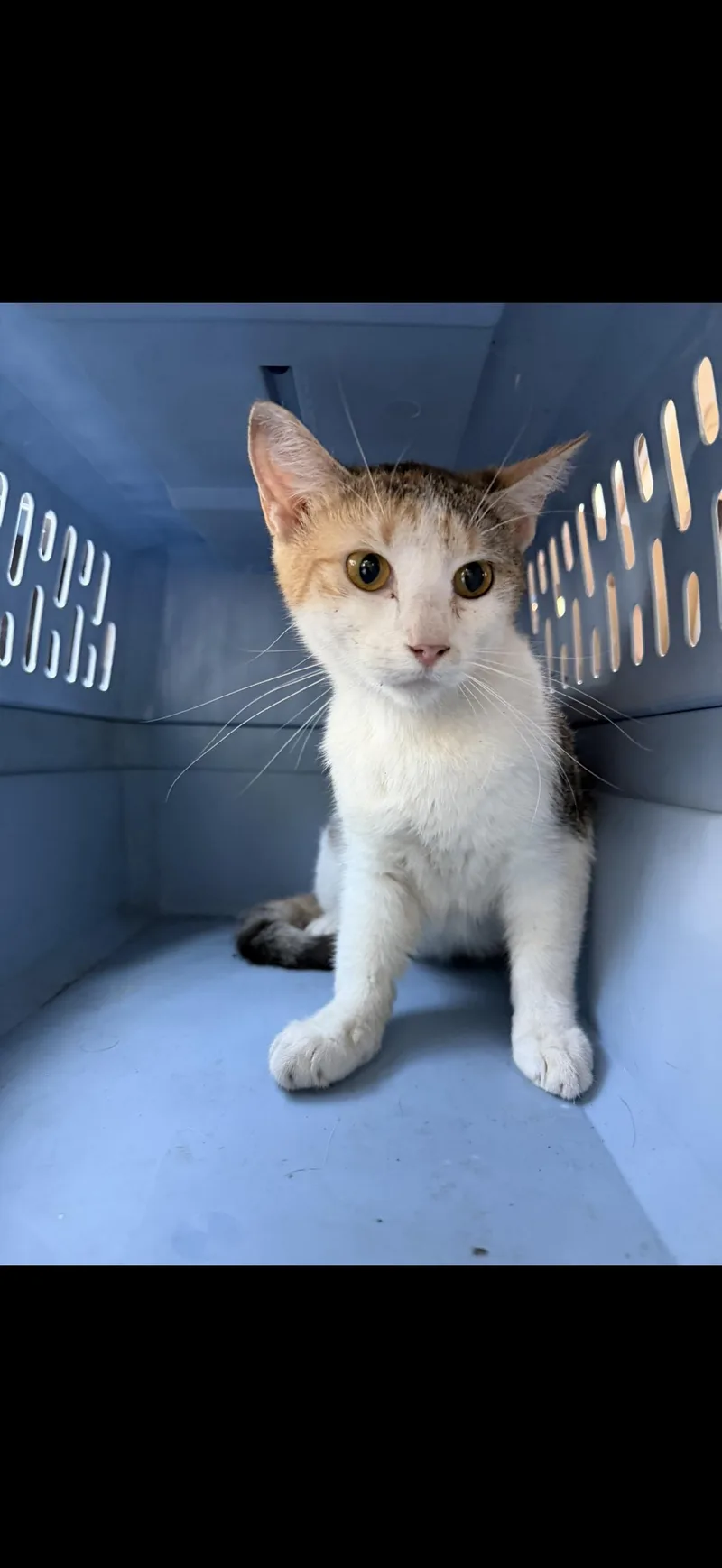
1492 Calicos available in Charleston and nationwide

Bring home a Calico

While we don't have enough cats near Charleston, keep in mind that many rescues may offer transport.

Calicos Available for Adoption Near Charleston

About the Calico breed

Calico describes a coat, not a breed: white with patches of black and orange, or soft gray and cream in the dilute version. Nearly all calicos are female, and the pattern appears in domestic shorthairs, longhairs and many pedigreed breeds. Most calicos you meet are domestic shorthairs, so their size, coat and health follow those of ordinary house cats.

Life in Charleston is mostly indoor life for a calico, with a sunny window, a scratching post and daily play. Shedding is moderate, so weekly brushing keeps a shorthair's coat tidy, while longhaired mixes need it more often. The "tortitude" reputation is folklore rather than a proven pattern, so each cat's own behavior is the best guide.

Weight
6–12 lbs
Height
8–10 in
Lifespan
12–18 yrs
Temperament
Adaptable, Affectionate, Independent
Shedding
Moderate

Owning a Calico in Charleston

Having a Calico in Charleston

Calico describes a coat, so each cat's traits come from her ancestry, age and past experiences. Most calicos are medium-sized house cats, and their care in Charleston centers on indoor enrichment, comfort in the heat and regular checkups.

Temperament

Calicos range from shy and gentle to bold and talkative, because personality comes from each cat's genes, socialization and history rather than her patches. The tortitude reputation is folklore, not a proven pattern. A calm, people-oriented cat tends to settle into apartment life easily, while a shy one may need time and a quiet room.

Exercise Needs

Plan on two or three short play sessions a day with wand toys, balls or food puzzles, plus a window perch for watching birds and squirrels. Kittens and young adults need more play than seniors. A confident cat may enjoy harness time outdoors, but keep her away from pond and marsh edges.

Health Considerations

Female calicos share the routine needs of any domestic cat: vaccines, dental care, weight control and yearly checkups. Charleston's warm climate makes year-round flea prevention worth discussing with a veterinarian. Rare male calicos can face extra health concerns, and a veterinarian can check a new cat's teeth, weight and overall health at a first visit.

Living Space

Calicos adapt well to the apartments, townhomes and older houses around Charleston as long as they have scratching posts, a perch, hiding spots and regular play. A shy cat does best with a quiet room at first. Keeping her indoors protects her from traffic, coyotes and wildlife near the water.

What it costs to own a Calico in Charleston

ExpenseTypical costPer year
Food$25 to $50 per month$300 to $600
Pet insurance$20 to $45 per month$240 to $540
Routine vet care$150 to $350 per year$150 to $350
Other*$450 to $1,150 per year$450 to $1,150
Estimated yearly total (after year one)$1,140 to $2,640

Other costs are estimates and vary with size, age and health.

* Litter, flea prevention, a yearly dental cleaning allowance, toys and supplies, and home brushing.

Adopt a Calico in Charleston.

Now that you know more, let’s find you a new best friend. These rescues and shelters below have cats available in and near Charleston.

Rescues and Shelters in or near Charleston

Charleston's shelters and rescues list cats of every coat, and the calicos and other cats available change often. Here are the rescues & shelters in the Charleston area with cats available for adoption, worth asking whether a Calico is coming in.

Frequently Asked Questions

Yes. No breed-specific rule is known in Charleston, and calico is only a coat pattern anyway. You'll need a rabies vaccination with a tag, a city pet license, and a microchip or collar with owner contact information for cats over four months old. Adopted cats are sterilized, or the adopter agrees to have it done within 30 days under state law.

Yes, calicos usually do well in apartments. Most are medium-sized, moderately active house cats that need a window perch, scratching posts, hiding spots and daily play. Since many Charleston households rent, read the lease for pet fees and rules first. Secure window screens matter too, especially in warm months when windows are open.

Generally yes, for an indoor calico. Mild winters need little more than a warm bed, while the humid summers call for air conditioning, fresh water and extra brushing for longhaired mixes. Hurricane season is the bigger local concern, so keep a carrier, supplies and current microchip details ready in case you need to evacuate.

Most calicos are shorthairs that need a weekly brushing, while longhaired mixes do better with brushing several times a week, especially when humid weather mats the coat or shedding picks up in spring. Professional grooming is rarely necessary. Home brushing is part of the yearly Other costs in the cost table.

CARTA runs Charleston's buses, including the free downtown DASH shuttle, and always accommodates service animals. Pet and carrier rules aren't published, so check CARTA's current pet policy before bringing a cat aboard. Charleston has no subway or rail. Most calicos travel only to the vet, where a secure carrier is the safest choice.

Only to outdoor patios that choose to allow pets. South Carolina lets restaurants permit cats and dogs in outdoor table-service areas, but each restaurant decides. Pets must be restrained and kept off tables, seats and counters, and they can't enter the building. Many calicos are calmer at home than in a busy patio.

Almost all calico cats are female, but not every single one. The genes for orange and black coat color sit on the X chromosome, so a cat normally needs two X chromosomes to show both colors at once. Roughly 1 in 3,000 calicos is male, usually because of an extra X chromosome, a genetic quirk rather than a separate type.

A calico cat is any cat with a three-color coat of white plus distinct patches of black and orange, or gray and cream in dilute calicos. Calico is a coat pattern rather than a breed, so it appears in domestic shorthairs, longhairs and many pedigreed breeds. Nearly all calicos are female because of how coat color genes are inherited.

Yes, calico cats can be male, but it is very rare. A male calico usually has XXY chromosomes instead of the typical XY, a condition similar to Klinefelter syndrome in people, or is a chimera formed from two embryos. These males are almost always sterile and may have extra health needs, so regular veterinary care is especially worthwhile.

Plan on roughly $1,140 to $2,640 a year for a calico in Charleston. That covers food at $25 to $50 a month, insurance at $20 to $45 a month, routine vet care at $150 to $350 a year, and $450 to $1,150 a year in other costs. Illness or emergencies would add to that.

Find Calicos in Nearby Cities

Expand your search to find Calicos available for adoption near Charleston.

Explore Other Breeds in Charleston

Looking for a different breed? Browse other cats available for adoption in Charleston.