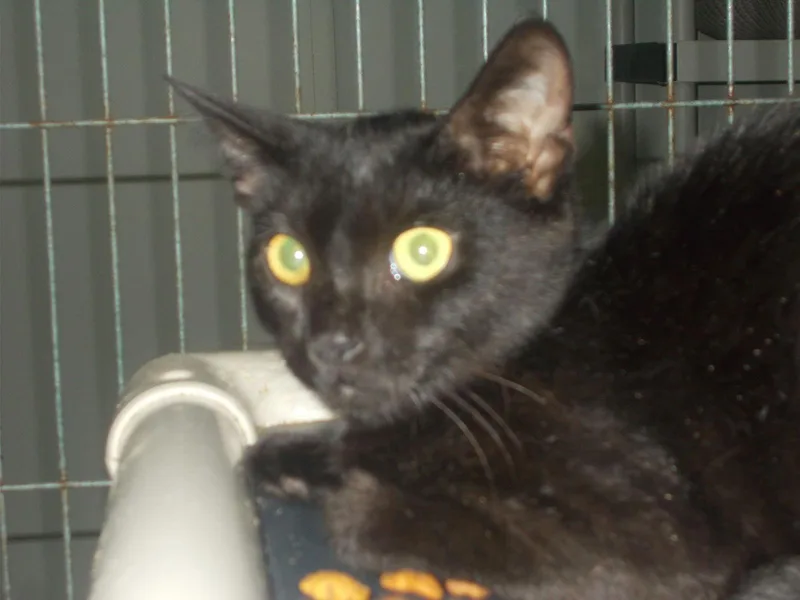
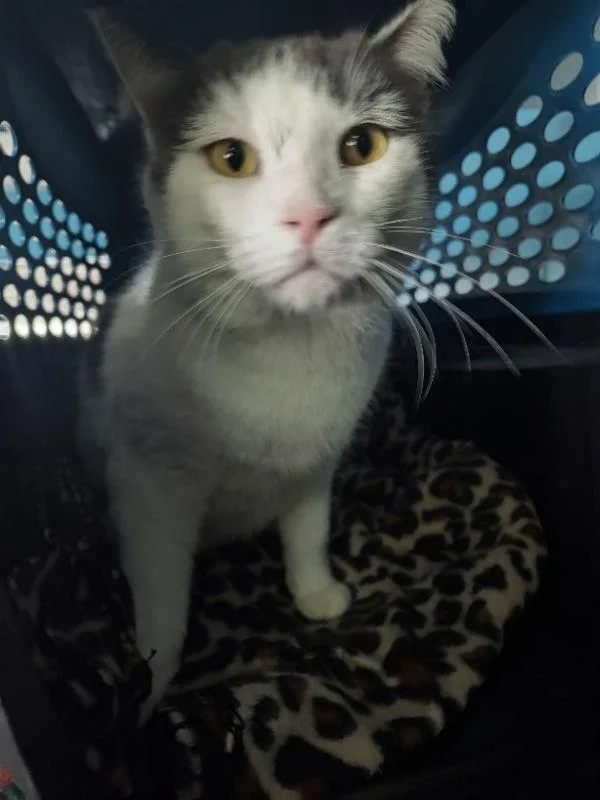
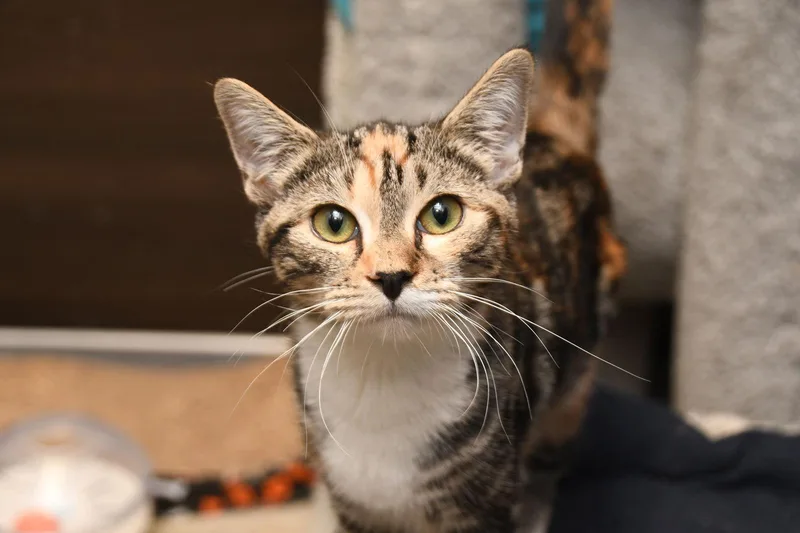
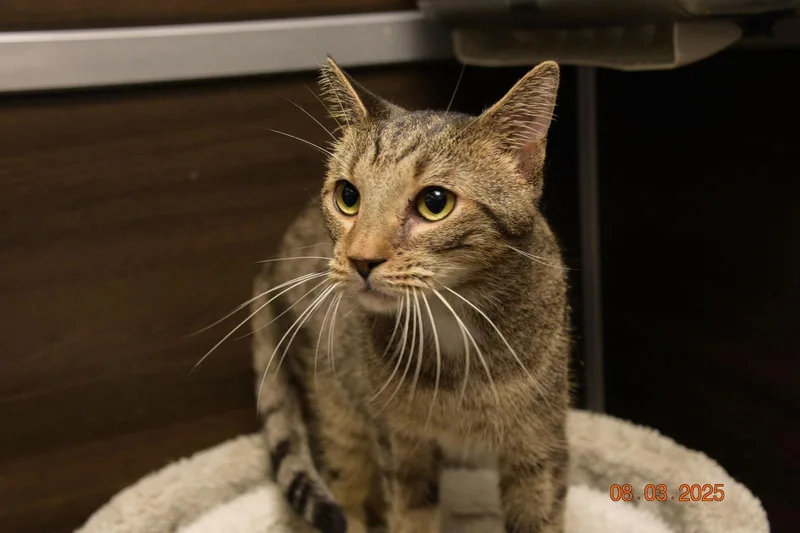
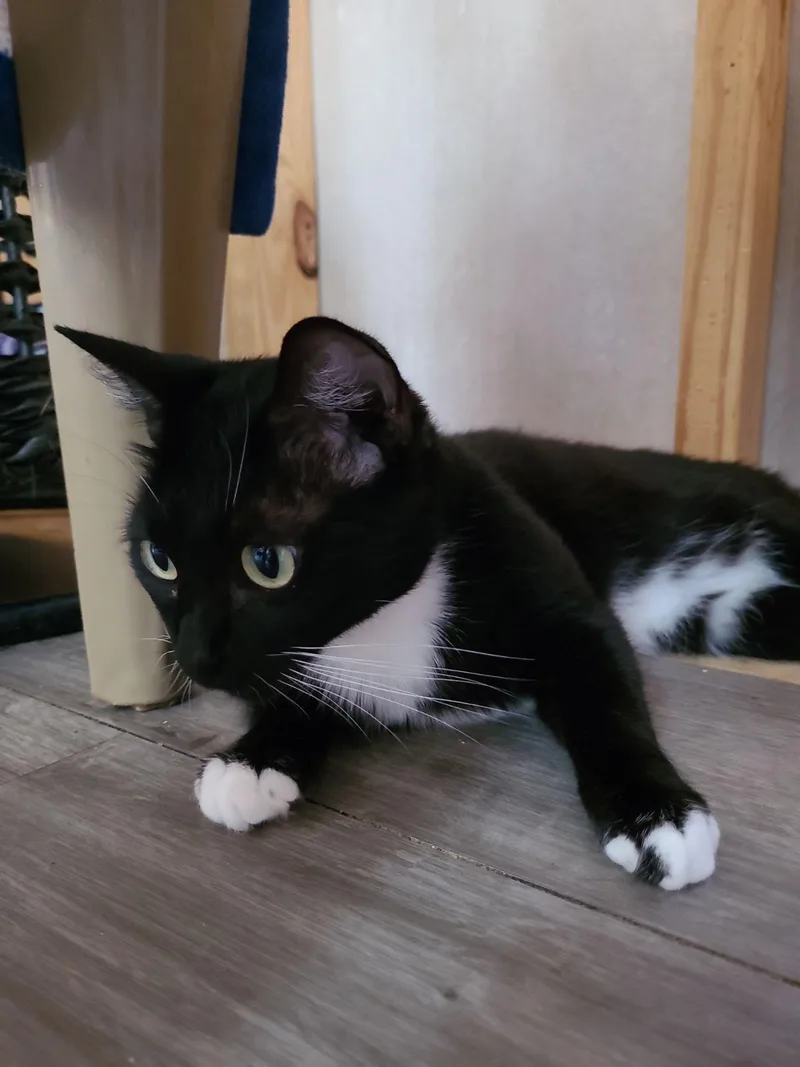
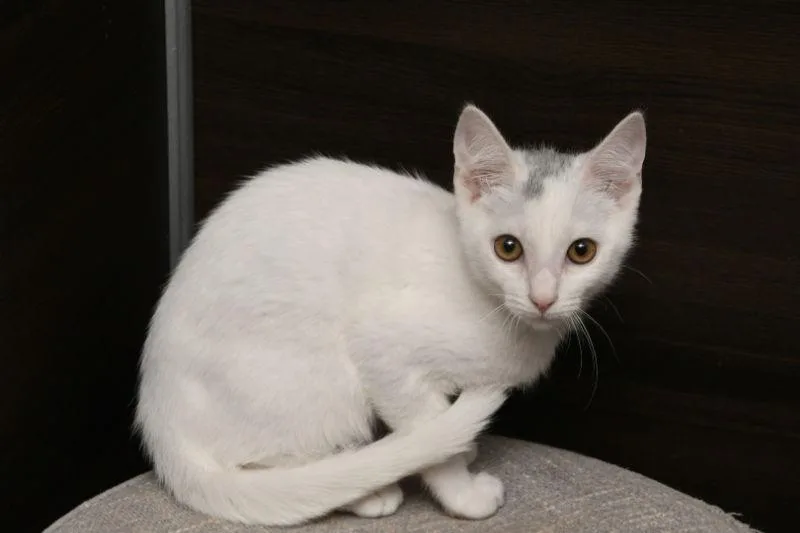
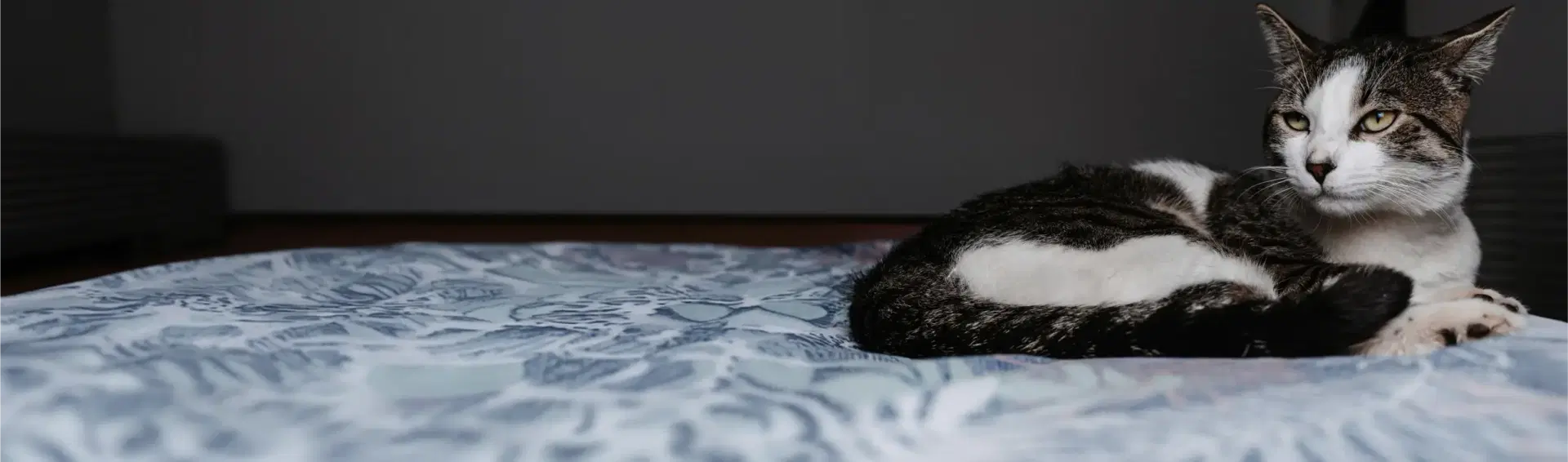
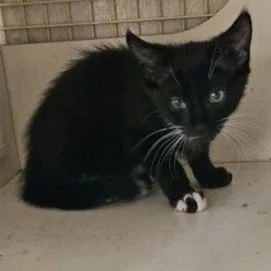
American Shorthair cat

American Shorthair Cats for Adoption in Charleston, SC

Your guide to finding and caring for an American Shorthair in Charleston

An American Shorthair suits Charleston whether you're in a brick-veneer house in Wagener Terrace or a rental near the College of Charleston. These calm, sturdy cats don't need much room, just a sunny window, a tall perch and a daily game of chase. Staying indoors matters here, since coyotes have been spotted on the Upper Peninsula and tidal flooding makes street roaming a poor bet. Most American Shorthairs are happy to watch the neighborhood from the sill.

3788 American Shorthairs available in Charleston and nationwide

Adopt an American Shorthair today

American Shorthairs Available for Adoption Near Charleston

About the American Shorthair breed

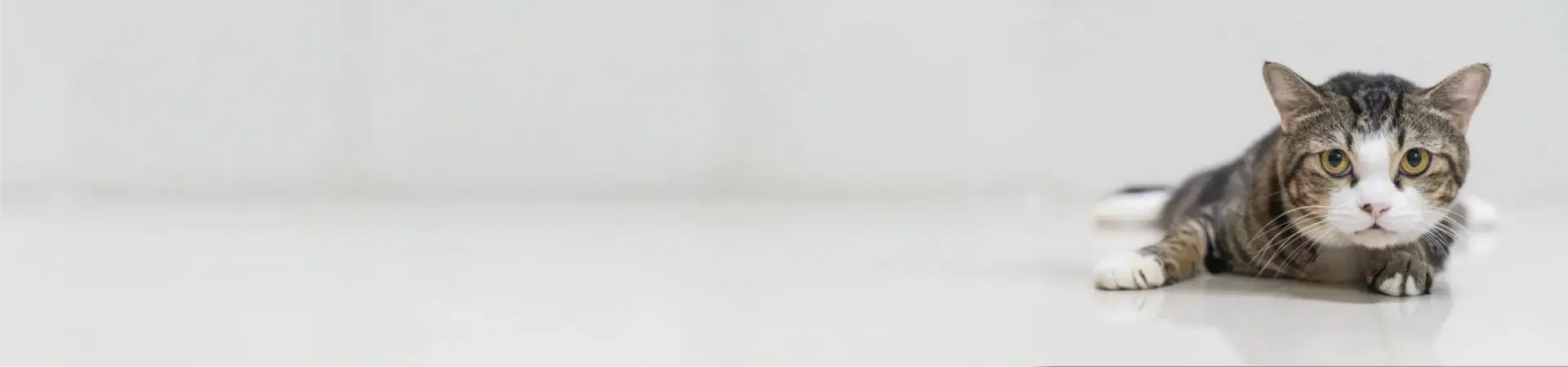
American Shorthairs descend from working cats that traveled with European settlers to keep rodents off ships and out of barns. They're solid, medium-to-large cats with broad faces, full cheeks and a dense, hard-textured coat that comes in dozens of colors, with the silver tabby as the classic look. Adults usually weigh 6 to 15 pounds and often live 12 to 17 years.

Many are easygoing and quietly affectionate, happy to supervise from a nearby chair. The short coat needs little more than weekly brushing, with heavier shedding in spring. Appetite is the main thing to manage, since they put on weight easily. Many shorthaired shelter cats are domestic shorthairs with the same look, so you may meet a similar cat under either name.

Weight
6–15 lbs
Height
8–10 in
Lifespan
12–17 yrs
Temperament
Easygoing, Adaptable, Quiet
Shedding
Moderate

Owning an American Shorthair in Charleston

Having an American Shorthair in Charleston

Calm, sturdy and food-motivated, the American Shorthair adapts well to Charleston's rentals and houses. Daily play, weight control and an indoor routine matter most here, where heat, humidity, storms and wildlife all favor keeping a cat inside.

Temperament

Even-tempered and sociable without being clingy, many American Shorthairs settle into busy downtown apartments or quiet homes. They tend to be quiet and often sit beside you rather than on you. Introductions to children or dogs go best gradually. A cat's history and socialization shape personality more than breed does.

Exercise Needs

Plan a couple of short play sessions a day with wand toys, chase games and food puzzles. A window perch facing a street or yard gives a Charleston cat plenty to watch. Because many are food-motivated, daily play helps keep weight in check, especially for indoor cats during the muggy months when everyone slows down.

Health Considerations

American Shorthairs are generally robust. Obesity is the most common preventable problem, so measure meals. Hypertrophic cardiomyopathy and polycystic kidney disease have been reported in the breed, and a veterinarian can screen for both. In Charleston's warm, humid climate, ask your vet about flea prevention that runs all year.

Living Space

Apartments suit them well, as long as there are scratching posts, perches, hiding spots and daily play. A house in West Ashley or on Johns Island works just as well if the cat stays indoors or uses a secure enclosure. Secure windows and balcony doors, since these strong hunters will chase anything that moves outside.

What it costs to own an American Shorthair in Charleston

ExpenseTypical costPer year
Food$25 to $50 per month$300 to $600
Pet insurance$25 to $50 per month$300 to $600
Routine vet care$150 to $350 per year$150 to $350
Other*$450 to $1,150 per year$450 to $1,150
Estimated yearly total (after year one)$1,200 to $2,700

Other costs are estimates and vary with size, age and health.

* Cat litter, flea prevention, a dental cleaning allowance, toys, scratching posts and other supplies, and simple brushing at home for a short coat.

American Shorthair cat

Adopt an American Shorthair in Charleston.

Now that you know more, let’s find you a new best friend. These rescues and shelters below have cats available in and near Charleston.

Rescues and Shelters in or near Charleston

Charleston's shelters and rescues, from North Charleston to James Island, care for many cats and kittens in need of homes. Here are the rescues & shelters in the Charleston area with cats available for adoption, worth asking whether an American Shorthair is coming in.

Frequently Asked Questions

Yes, you can get an American Shorthair in Charleston, and no breed restrictions for cats are known. The city requires a pet license and a rabies tag, and cats over four months old must be microchipped or wear a collar with current owner information. Keep your contact details up to date and confirm license details with the city.

Yes, indoors with cooling, though the dense coat means they aren't heat-proof. Charleston's humid nights stay warm, so keep air conditioning or fans running, offer fresh water in several places and save play for early morning or evening. Plan for power outages after storms, and call a veterinarian quickly if you see panting or lethargy.

Yes, an American Shorthair usually does well in a Charleston apartment, since the breed is calm and doesn't need much space. Provide a tall perch, scratching posts and daily play, and secure windows and balconies. Get pet permission, fees and deposit terms in writing before you sign, because rules vary by building.

It can be, if you're comfortable keeping a cat indoors and planning for storm season. Easygoing American Shorthairs adapt to downtown flats and suburban houses alike. Hurricane season calls for a carrier, ID and supplies, and fireworks around July 4 and New Year's can unsettle noise-shy cats, so set up a quiet room.

Very little: a short, dense coat needs a brush once or twice a week at home. Expect heavier shedding in spring and a lighter shed in fall, when extra brushing helps. Humid weather rarely causes problems for a short coat, so professional grooming is seldom needed, and home supplies fit within the yearly Other costs.

Possibly, but check first. CARTA runs the city's buses, including the free downtown DASH shuttle, and service animals are always accommodated. Pets are a separate question, so check CARTA's current pet rules before riding. If a carrier is allowed, choose a secure, ventilated one and keep it on your lap.

Only to outdoor patios, and only where the restaurant allows it. South Carolina lets restaurants permit dogs, cats and ferrets in outdoor table-service areas, but pets can't enter the building. Cats must be restrained and kept off tables, seats and counters. Many American Shorthairs are happier at home, so don't expect to bring yours often.

An American Shorthair is a pedigreed North American cat breed descended from the working cats that came over with European settlers to control rodents. It is a sturdy, muscular, medium-to-large cat with a round face, full cheeks and a thick short coat in many colors, most famously silver tabby. Many are calm, adaptable and quietly affectionate.

American Shorthairs shed a moderate amount. Their dense coat drops hair year-round, with a heavier shed in spring when the undercoat thins and a lighter one in fall. Brushing a few times a week with a slicker brush or grooming mitt keeps loose hair under control and reduces hairballs. Sudden bald patches or excessive shedding deserve a veterinary visit.

Expect roughly $1,200 to $2,700 a year for an American Shorthair in Charleston. Food and insurance each run about $25 to $50 a month, routine vet care $150 to $350 a year, and other costs $450 to $1,150 a year. Emergencies and illness would come on top of that.

Explore Other Breeds in Charleston

Looking for a different breed? Browse other cats available for adoption in Charleston.