Domestic Short Hair Cats for Adoption in Westerly, RI

Your guide to finding and caring for a Domestic Short Hair in Westerly

A Domestic Short Hair suits Westerly's mix of downtown apartments and year-round village homes. These cats are as happy watching the street from a window as they are in a busy household, so a flat near Wilcox Park works about as well as an old house in Avondale. Coat color says little about personality, so look at each cat's age and energy. Plan on a sturdy scratching post, daily play and one good sunny perch.

130358 Domestic Short Hairs available in Westerly and nationwide

Find your Domestic Short Hair

Domestic Short Hairs Available for Adoption Near Westerly

About the Domestic Short Hair breed

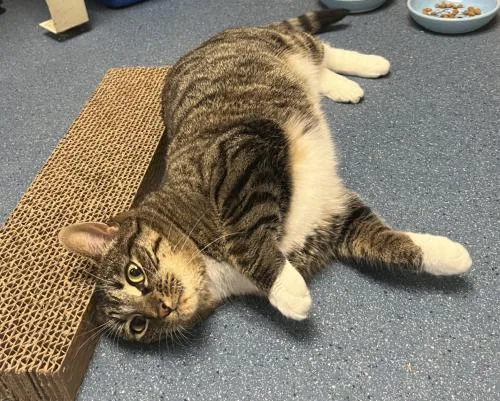
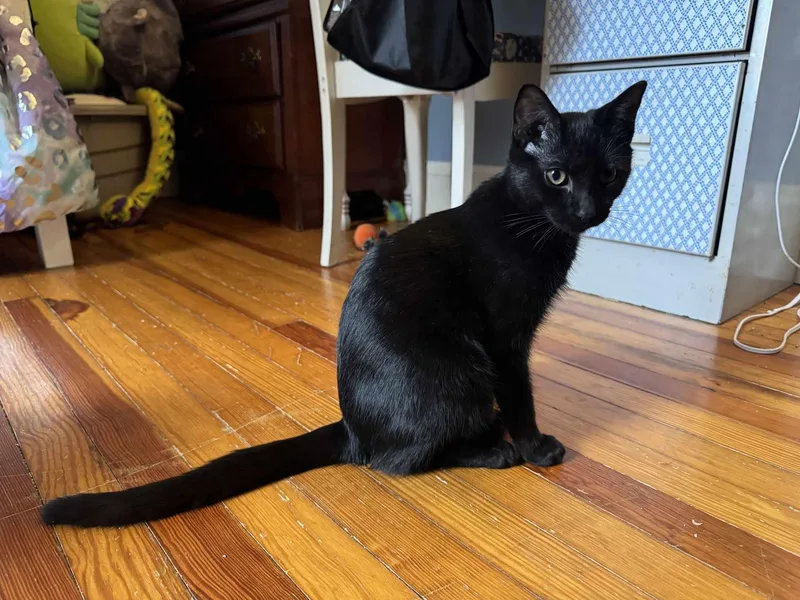
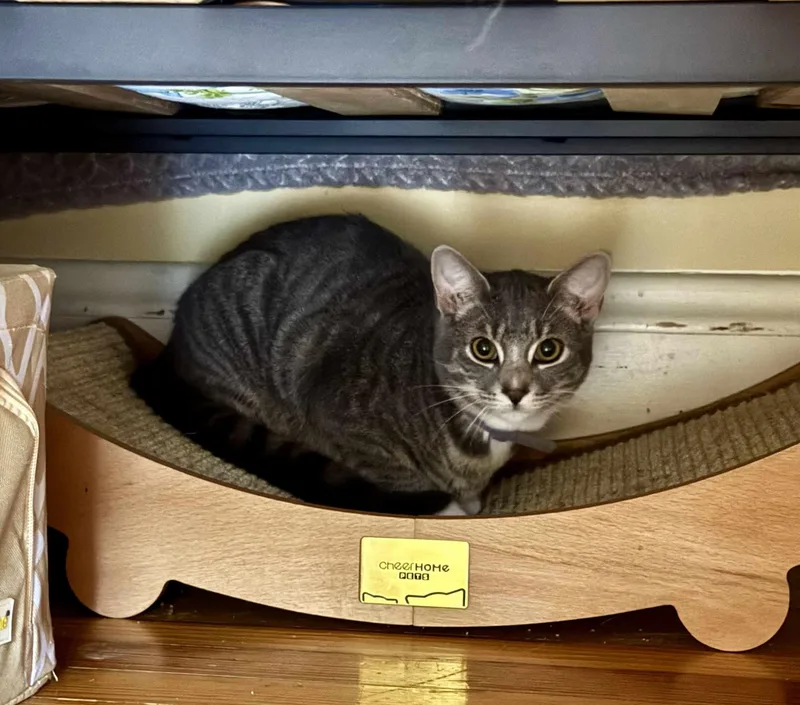
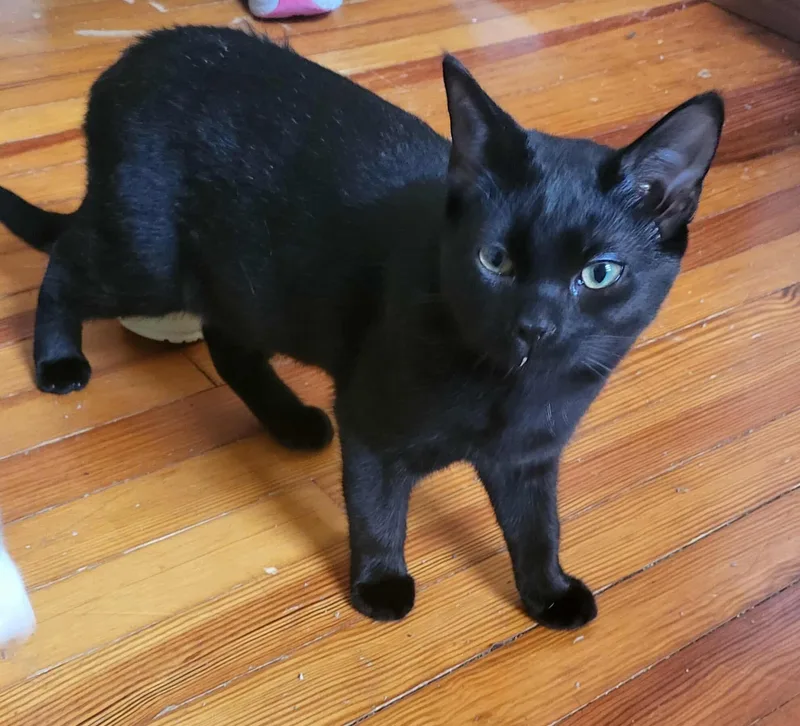
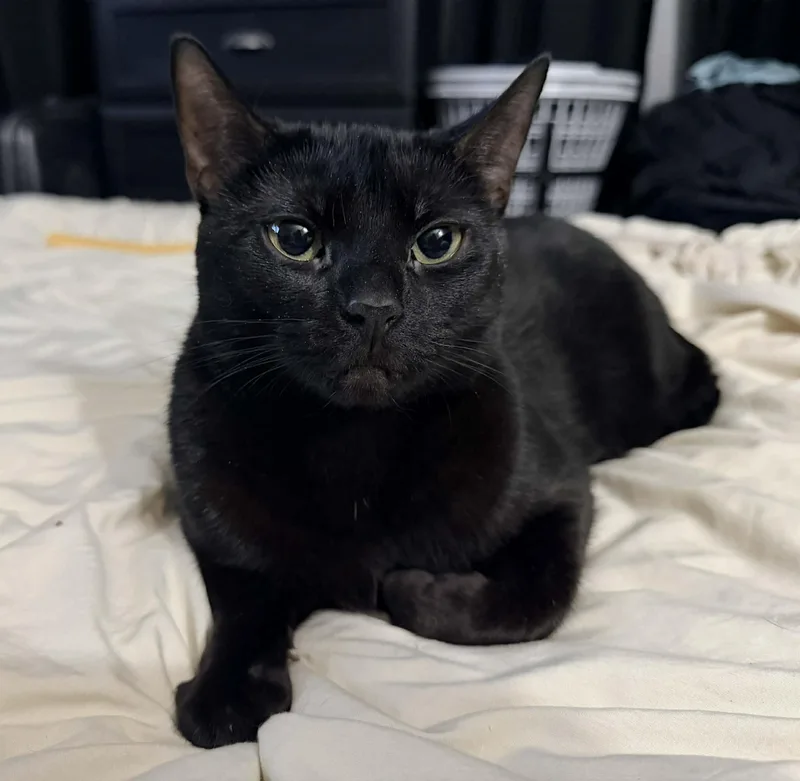
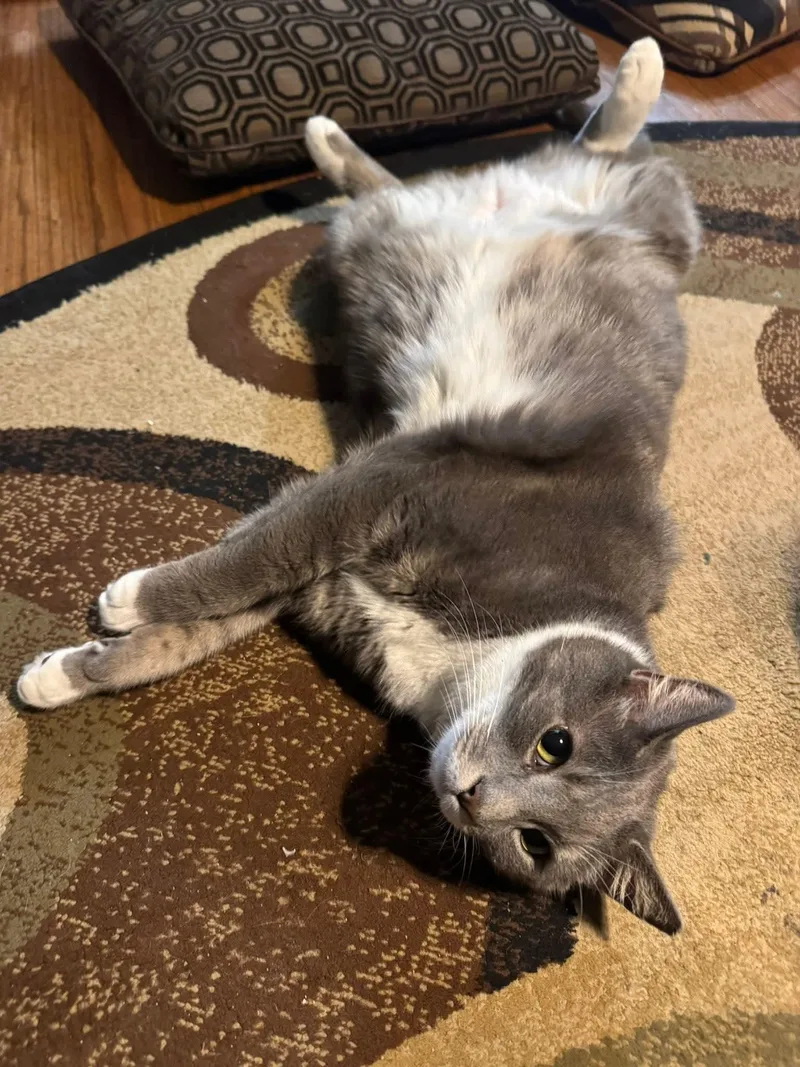
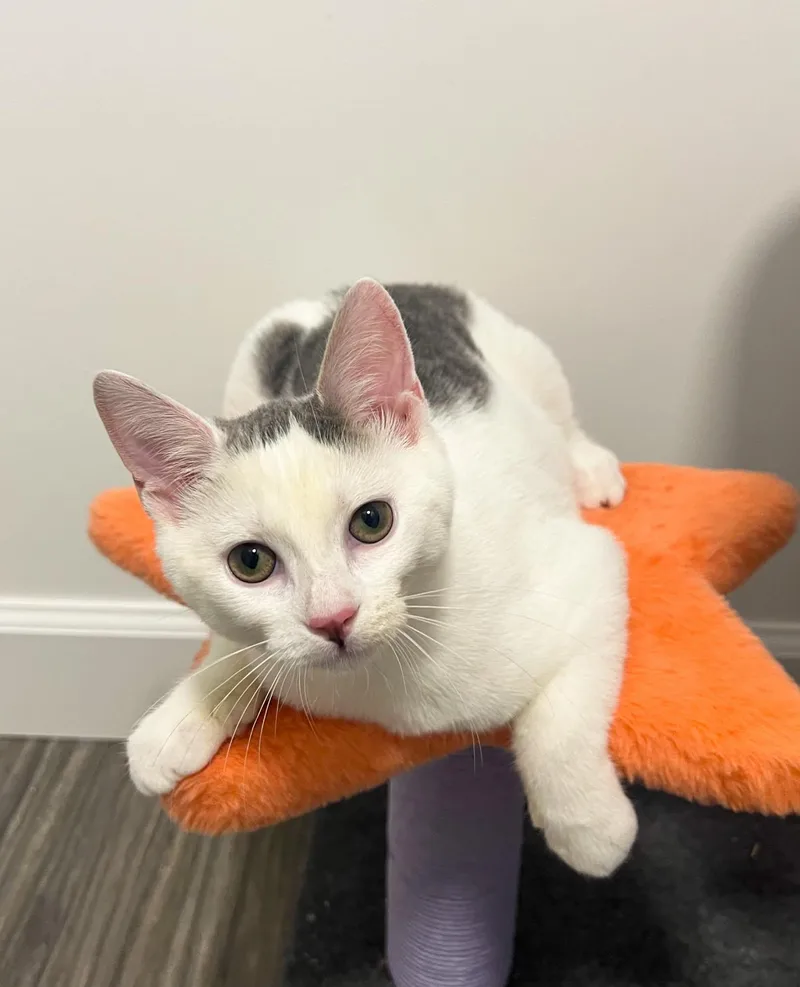
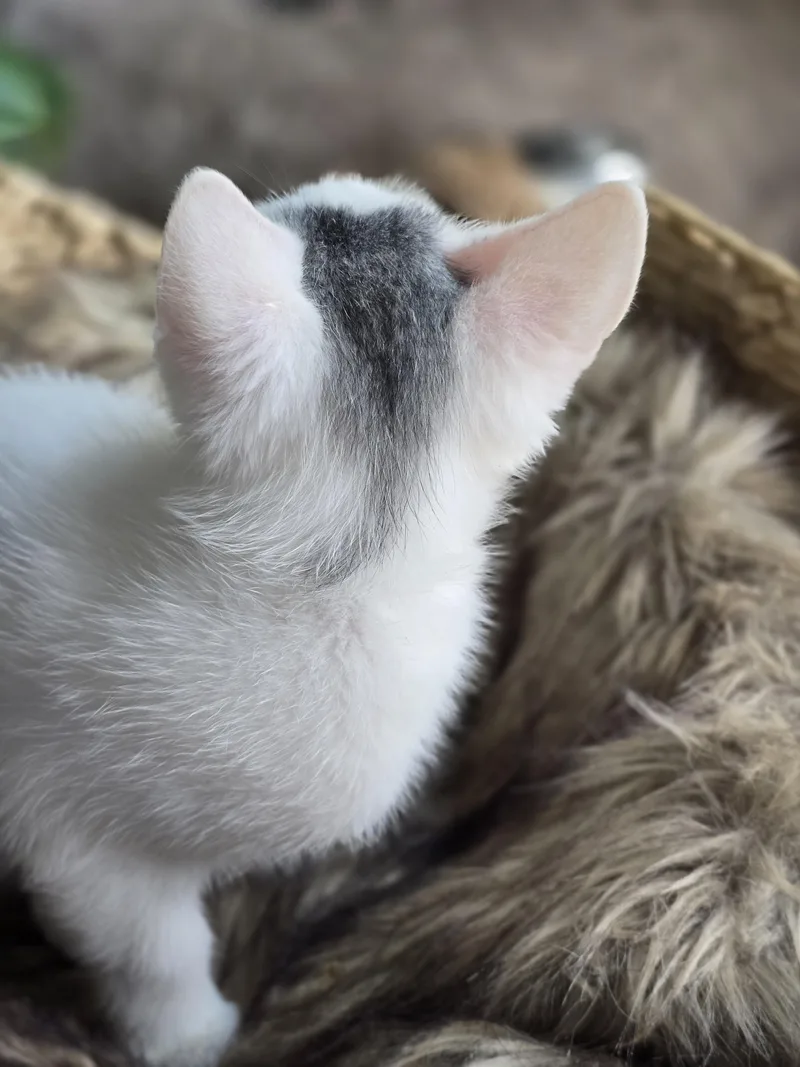
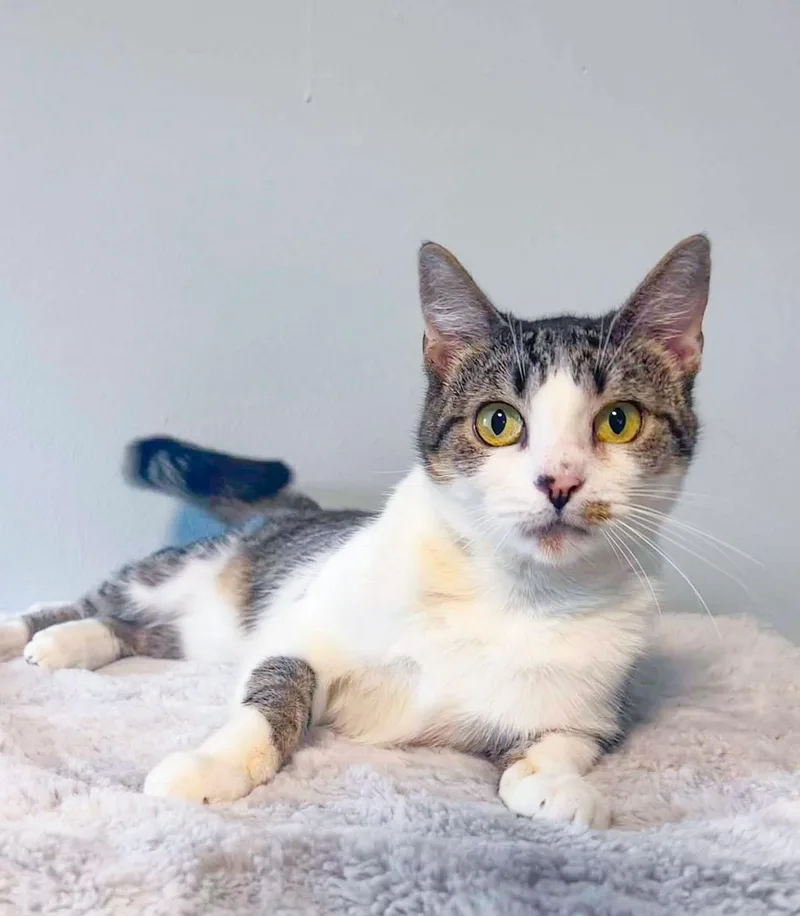
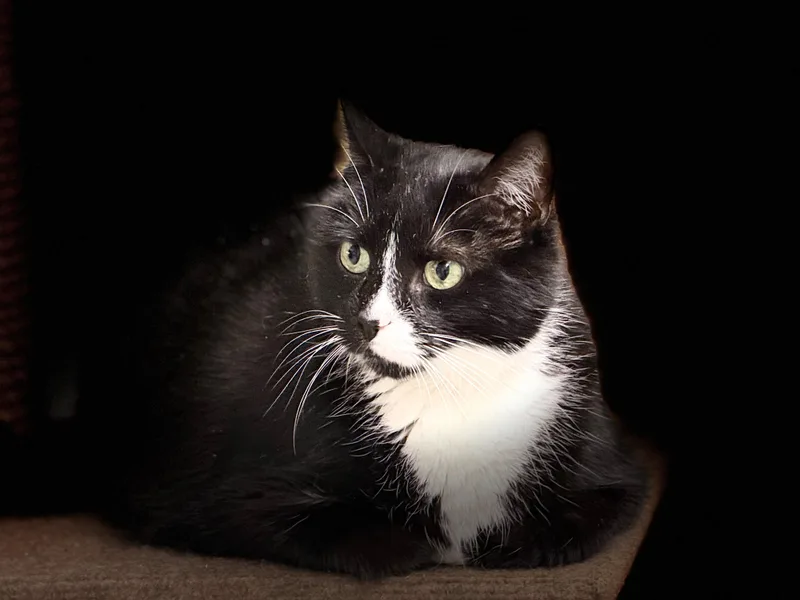
Domestic Short Hair describes a type of cat rather than a breed: a short-coated cat of mixed or unknown ancestry. It's the most common kind of cat in American homes, and you'll often see it abbreviated as DSH on adoption records. Coats come in every color and pattern, from tabby and tuxedo to calico and solid black.

Because the gene pool is so wide, size and personality vary a lot. Most are medium-sized, around 6 to 14 pounds, and sturdy. That adaptability helps in a town where housing ranges from compact downtown units to larger homes. Some cats are lap sitters, some are chatty, and others are happiest watching from a windowsill, so age and energy are the best guide.

Weight
6–14 lbs
Height
8–10 in
Lifespan
12–18 yrs
Temperament
Adaptable, Curious, Affectionate
Shedding
Moderate

Owning a Domestic Short Hair in Westerly

Having a Domestic Short Hair in Westerly

Domestic Short Hairs share a practical short coat, but little else is fixed. In Westerly, the useful questions are how much play a cat wants, how it handles quiet days at home, and whether it will be comfortable indoors through a cold coastal winter.

Temperament

Domestic Short Hairs range from outgoing lap cats to shy observers. Kittens tend to be bold and playful, while adults show more settled personalities. Many adapt to other cats or calm dogs after gradual introductions. Past experiences and early socialization shape behavior more than coat type, so a cat's own habits matter more than its label.
Exercise Needs

Plan on daily interactive play with wand toys, chase games and food puzzles. Young cats may want several bursts a day, while seniors prefer gentler sessions. During long Westerly winter evenings, a window perch facing the yard or street, a climbing shelf and a scratching post keep an indoor cat busy between games.

Health Considerations

Mixed ancestry can lower the risk of some inherited conditions, but common feline problems still apply: obesity, dental disease, urinary trouble and, in older cats, kidney disease, hyperthyroidism and diabetes. Regular vet exams, weight checks and dental care catch trouble early. Rhode Island law also requires rabies vaccination for cats.

Living Space

Domestic Short Hairs usually adapt to apartments and houses alike when they have enrichment and quiet retreats. Climbing shelves, hiding spots, scratching posts and a clean litter box matter more than square footage. Keeping cats indoors protects them from traffic and wildlife, and secure window screens help prevent falls.

What it costs to own a Domestic Short Hair in Westerly

ExpenseTypical costPer year
Food$25 to $50 per month$300 to $600
Pet insurance$20 to $45 per month$240 to $540
Routine vet care$150 to $350 per year$150 to $350
Other*$450 to $1,150 per year$450 to $1,150
Estimated yearly total (after year one)$1,140 to $2,640

Other costs are estimates and vary with size, age and health.

* Litter, flea prevention, a dental cleaning allowance, toys, scratchers and other supplies, and minimal home grooming.

Adopt a Domestic Short Hair in Westerly.

Now that you know more, let’s find you a new best friend. These rescues and shelters below have cats available in and near Westerly.

Rescues and Shelters in or near Westerly

Westerly has a town animal shelter and a nonprofit partner that work together to help cats and dogs find homes. Here are the rescues & shelters in the Westerly area with cats available for adoption, worth asking whether a Domestic Short Hair is coming in.

Frequently Asked Questions

Only in limited ways. RIPTA buses and Flex vans that serve the Westerly train station allow service animals only, so a pet cat shouldn't count on a ride. Amtrak's general pet policy covers one pet per customer in a carrier, up to 20 pounds, on eligible trips, and most Domestic Short Hairs weigh well under that. Confirm that your route accepts pets when you book.

Yes, indoor Domestic Short Hairs handle Westerly winters easily. Freezing nights run from November into April, but a warm bed away from drafts is enough for most cats. Outdoor and free-roaming cats face frostbite and cold exposure, so keeping cats inside is the safer plan. Cats also shouldn't be left in cars, since state law bars that in dangerous cold.

Yes. Rhode Island bars towns from enacting breed-specific rules, and Domestic Short Hair is a coat type rather than a breed anyway. Cats must be vaccinated against rabies, and cats older than six months must be spayed or neutered unless the owner holds an intact permit or a veterinary letter. Cats adopted under a releasing agency's spay/neuter agreement are covered by an exemption.

Yes, most Domestic Short Hairs do well in apartments, including the downtown flats near Wilcox Park. What matters is a window perch, a scratching post, daily play and a clean litter box. Screens on windows prevent falls. Rules differ from building to building, so read your lease for pet fees or limits before signing.

Often, yes. Domestic Short Hairs are adaptable, which suits a town where homes range from downtown apartments to village houses and beach-area rentals. They still need daily play, enrichment and an indoor lifestyle. Cats that are noise-sensitive may find early-July fireworks in the beach communities stressful, so set up a quiet interior room for them.

Very little. Brushing once or twice a week handles loose hair, with a bit more in spring when shedding picks up as the weather warms. Add nail trims every few weeks and regular tooth care. Professional grooming is rarely needed, so grooming supplies fall within the Other line of the cost table.

Domestic shorthair cats typically live about 12 to 18 years, and many indoor cats reach their late teens or early twenties. Large UK veterinary studies have found mixed-breed cats tend to live slightly longer than pedigreed cats on average. Spaying or neutering, indoor living, a healthy weight, dental care and regular checkups all help a cat enjoy a longer life.

No, domestic shorthair cats are not hypoallergenic. The main cat allergen, a protein called Fel d 1, comes from saliva and skin glands, so short fur does not prevent reactions. Allergen levels vary between individual cats, and some people react less to certain cats. Spending time with a specific cat before adopting is the best way to test your response.

A domestic shorthair cat is a short-coated cat of mixed or unknown ancestry rather than a member of a pedigreed breed. It is the most common type of cat in the United States and in shelters. Domestic shorthairs come in every color and pattern, and their size and personality vary widely depending on their varied genetic background.

Expect roughly $1,140 to $2,640 a year for a Domestic Short Hair in Westerly, covering food, pet insurance, routine vet care and other costs such as litter and flea prevention. Food runs about $25 to $50 a month and insurance $20 to $45. Illness and emergencies add to that, so a savings cushion helps.

Explore Other Breeds in Westerly

Looking for a different breed? Browse other cats available for adoption in Westerly.