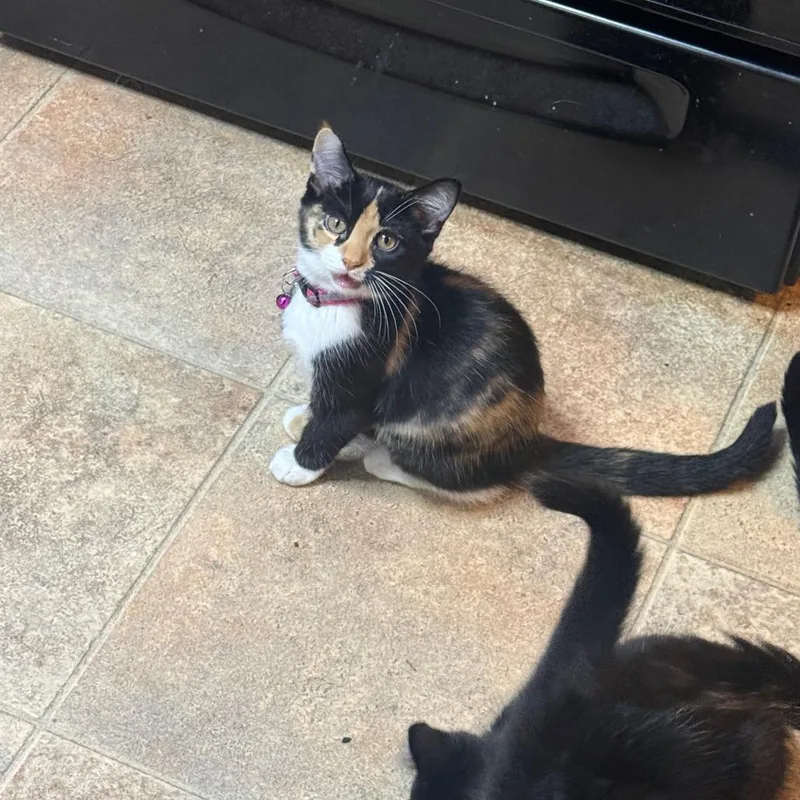
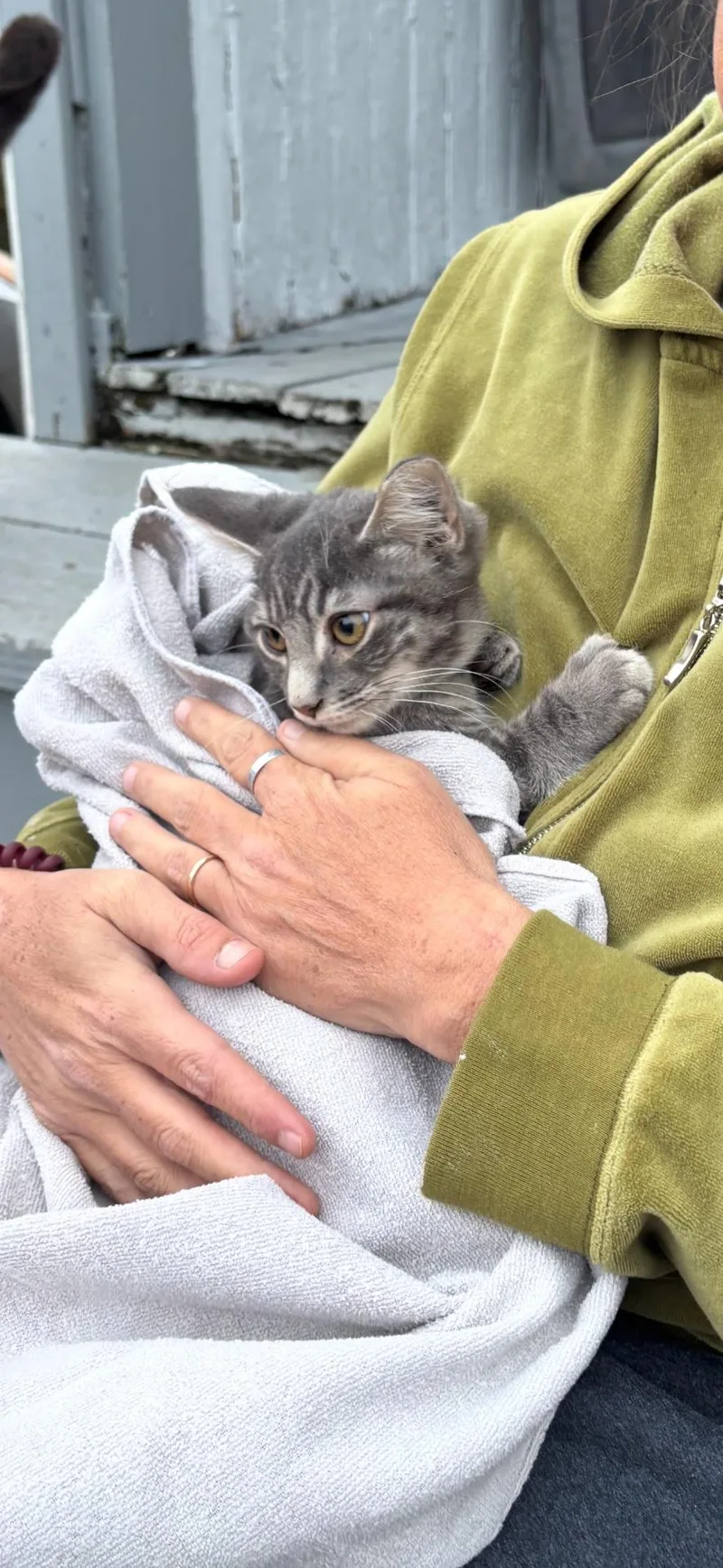
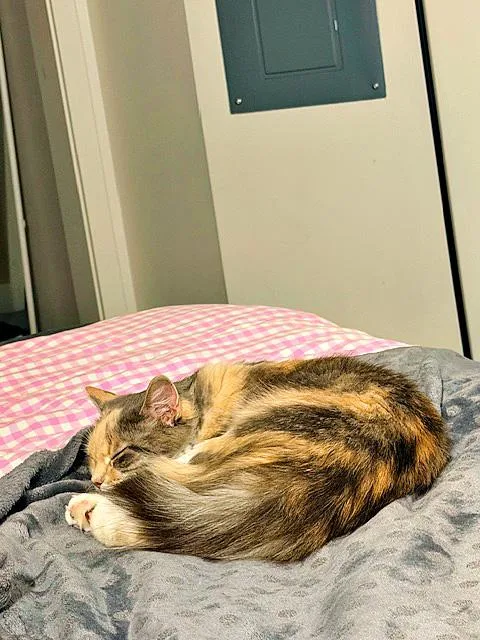
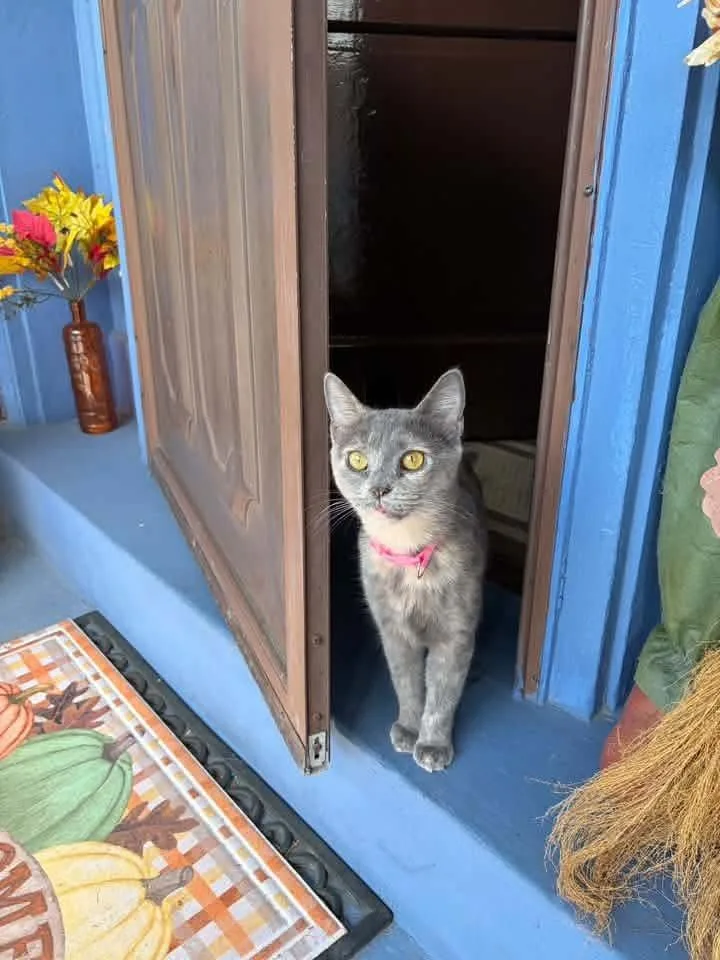
Tabby Cats for Adoption in Pittsburgh, PA

Your guide to finding and caring for a Tabby in Pittsburgh

A Tabby fits easily into the split-up Victorians of Friendship and the narrow rowhouses of Troy Hill. Tabby is a coat pattern, not a breed, so these cats range from lap-seekers to shy window-watchers. Stairs and tall windows are common in older Pittsburgh homes, which gives a curious cat plenty to climb and watch. Meet the cat first, since personality tells you far more than stripes do. A perch by a front window and a scratching post on the landing will make most of them feel at home.

7351 Tabbies available in Pittsburgh and nationwide

Find your Tabby

Tabbies Available for Adoption Near Pittsburgh

About the Tabby breed

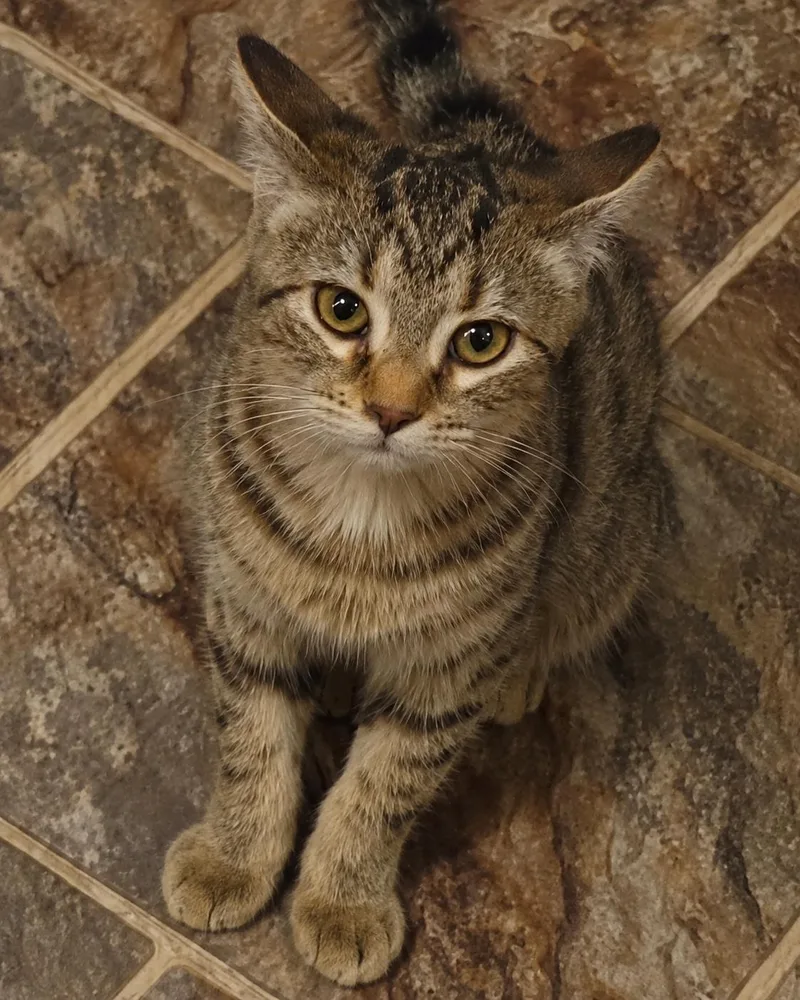
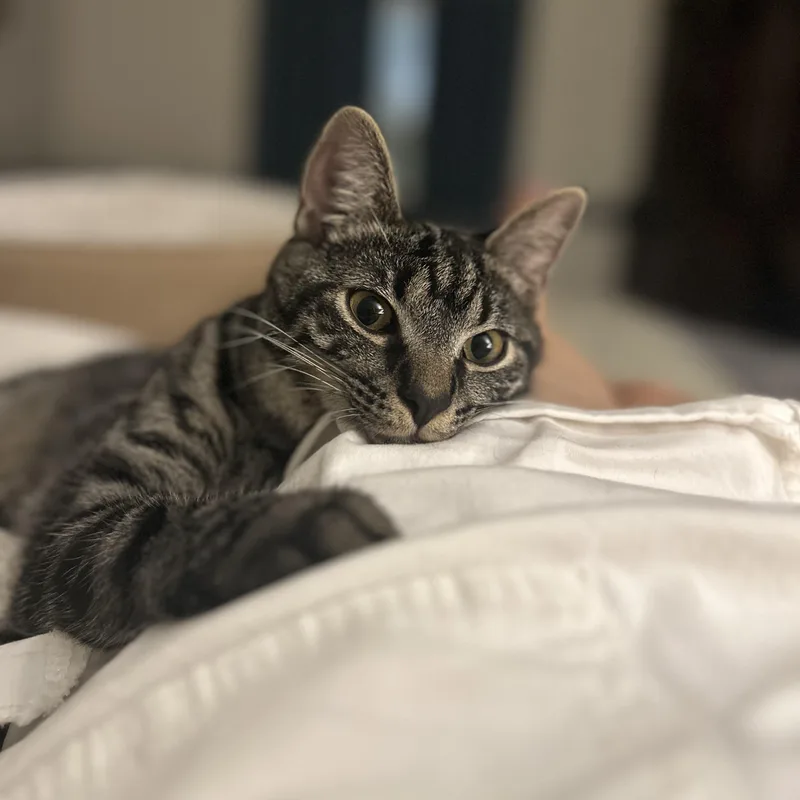
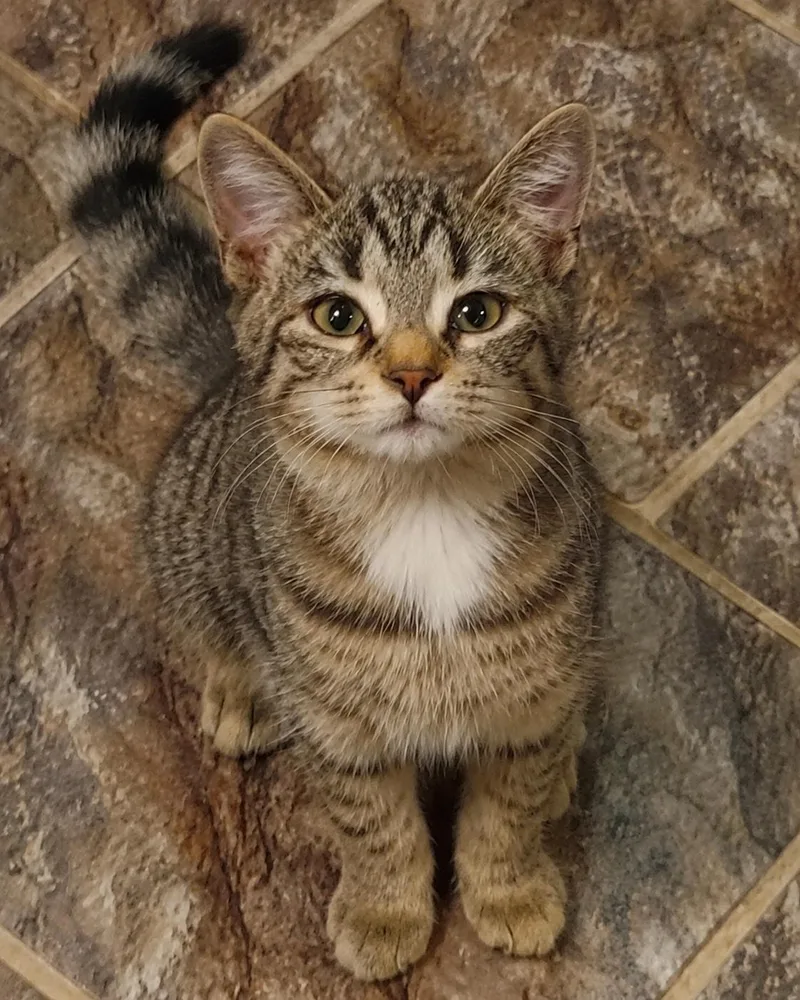
Tabby describes the coat, not the breed. Any cat with the M-shaped mark on the forehead plus stripes, swirls, spots or ticked hairs counts, whether it's a domestic shorthair, a Maine Coon or an American Shorthair. The four main patterns are mackerel, classic, spotted and ticked, and colors run from brown and orange to gray, silver and cream.

Most adoptable Tabbies are medium-sized domestic shorthairs weighing about 6 to 14 pounds, and many live 12 to 18 years. Temperament comes from genetics, early experiences and personality rather than the pattern, so some are bold and chatty while others are quiet. Plan on weekly brushing, daily play, and an indoor routine that keeps a cat safe from traffic, wildlife and cold.

Weight
6–14 lbs
Height
8–10 in
Lifespan
12–18 yrs
Temperament
Curious, Adaptable, Affectionate
Shedding
Moderate

Owning a Tabby in Pittsburgh

Having a Tabby in Pittsburgh

Because tabby is a pattern found across many breeds and mixes, each cat's traits come from its own background. Energy, coat length, age and health history say much more about daily life than stripes do.

Temperament

The tabby pattern doesn't predict personality, so expect everything from outgoing to reserved. In a busy Pittsburgh apartment, a confident cat may enjoy the foot traffic, while a shy one wants a quiet room and a high perch. Spend time with the cat and watch how it handles touch and noise.

Exercise Needs

Daily play with wand toys, chasing and pouncing keeps a Tabby fit indoors. Stairs, cat trees and window perches add climbing, and kittens may need several short sessions a day. Pittsburgh's long cold season means more time inside, so rotate toys and try puzzle feeders to keep a cat busy.

Health Considerations

Coat pattern has no known effect on health. Risks depend on age and background: obesity, dental disease and urinary problems are common, and older cats may develop kidney disease, hyperthyroidism or diabetes. Annual exams and a healthy weight help, and a veterinarian can check a new cat's teeth and weight. Ask your vet about flea and tick prevention, since Allegheny County has Lyme-carrying ticks.

Living Space

Tabbies adapt well to apartments and houses when they have places to climb, scratch, hide and watch the outdoors. Pittsburgh's rowhouses and hillside homes with stairs offer plenty of vertical space. Put a litter box on each floor of a multi-story home, and expect a long-haired Tabby to need more grooming time than a shorthair.

What it costs to own a Tabby in Pittsburgh

ExpenseTypical costPer year
Food$25 to $50 per month$300 to $600
Pet insurance$20 to $45 per month$240 to $540
Routine vet care$150 to $350 per year$150 to $350
Other*$450 to $1,150 per year$450 to $1,150
Estimated yearly total (after year one)$1,140 to $2,640

Other costs are estimates and vary with size, age and health.

* Litter, flea and tick prevention, a dental cleaning allowance, toys, scratchers and bedding, and occasional grooming.

Adopt a Tabby in Pittsburgh.

Now that you know more, let’s find you a new best friend. These rescues and shelters below currently have Tabbies available.

Frequently Asked Questions

Yes. Tabby is a coat pattern, and Pennsylvania law bars local breed-specific rules, so no Pittsburgh ordinance singles out any cat by looks. Pennsylvania also requires cats adopted from a shelter to be spayed or neutered, or the adopter must sign a sterilization agreement with a deposit. Keep the five dogs-and-cats household limit in mind if you already have pets.

Yes, most Tabbies do well in Pittsburgh apartments, from rowhouse flats to mid-rise buildings. Cats care more about vertical space, a scratching post and a window to watch than square footage. Confirm your lease allows cats and ask about pet fees. In a walk-up with steep stairs, a young cat may be easier than a senior with stiff joints.

Often, yes, as long as the home suits the cat. Most Tabbies adapt well to Pittsburgh's rowhouses, hillside homes and apartments when they have climbing spots and daily play. Consumer fireworks are legal in Pennsylvania and common around July 4 and New Year's, so a shy or noise-sensitive cat needs an interior room with a hiding spot.

Yes, Tabbies handle Pittsburgh winters well as indoor cats. The city gets about 44 inches of snow and more than 100 freezing nights a year, so outdoor time is best avoided. Heated beds, sunny window perches and extra play sessions keep a cat comfortable and active, and a short-haired Tabby chills quickly if it ever slips outside.

Yes, Tabbies can ride Pittsburgh Regional Transit buses and the T, including its Downtown subway, in a fully enclosed carrier small enough to fit on your lap. No extra fare is required. Carriers can't go on seats or block the aisle, so choose a compact or soft-sided carrier and keep it on your knees.

Most Tabbies are short-haired and do well with weekly brushing, rising to a few times a week during spring and fall shedding. A long-haired Tabby needs brushing most days to prevent mats. Dry heated air in winter can add dander, so keep the routine going. Professional grooming is occasional and fits within the yearly Other costs.

A tabby cat is any cat with a tabby coat pattern, meaning stripes, swirls, spots or ticked hairs plus a distinctive M-shaped marking on the forehead. Tabby is not a breed. The pattern appears in domestic shorthairs and longhairs as well as many pedigreed breeds, such as the American Shorthair, Maine Coon and Abyssinian, and it is one of the most common cat patterns.

A tabby cat isn't any one breed, because tabby is a coat pattern. Cats with the pattern include shelter domestic shorthairs and longhairs as well as breeds such as the American Shorthair, Maine Coon, Bengal and Abyssinian. Most tabbies available for adoption are mixed-breed domestic cats, so browse the cats listed here and look at each one's age and personality.

We have 2 rescues with Tabbies available: FosterCat Inc. and Kitty Queen Cat Rescue. You can see every rescue with Tabbies available in the list above these questions, or scroll to the top to see the Tabbies near Pittsburgh.

Expect roughly $1,140 to $2,640 a year for a Tabby in Pittsburgh. That covers food at $25 to $50 a month, insurance at $20 to $45 a month, routine vet care of $150 to $350 a year, and $450 to $1,150 in other costs such as litter and prevention. Illness and emergencies cost extra.