Bengal Cats for Adoption in Pittsburgh, PA

Your guide to finding and caring for a Bengal in Pittsburgh

A Bengal suits Pittsburgh's tall, narrow houses and converted lofts, as long as there's room to climb. On the South Side Slopes, where hillside houses run up to four stories, or in a Strip District warehouse loft with big windows, a Bengal can claim every level. The catch is time: it needs several play sessions a day, a tall cat tree and puzzle feeders. That's easier in a long gray Pittsburgh winter if you're home a fair amount.

193 Bengals available in Pittsburgh and nationwide

A Bengal is ready for you

While we don't have enough cats near Pittsburgh, keep in mind that many rescues may offer transport.

Bengals Available for Adoption Near Pittsburgh

About the Bengal breed

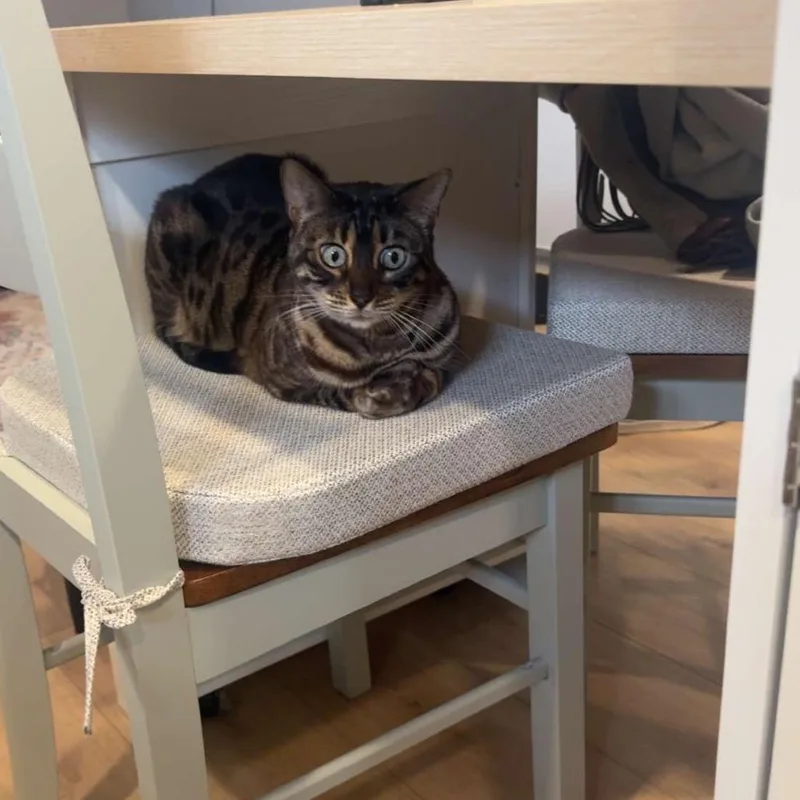
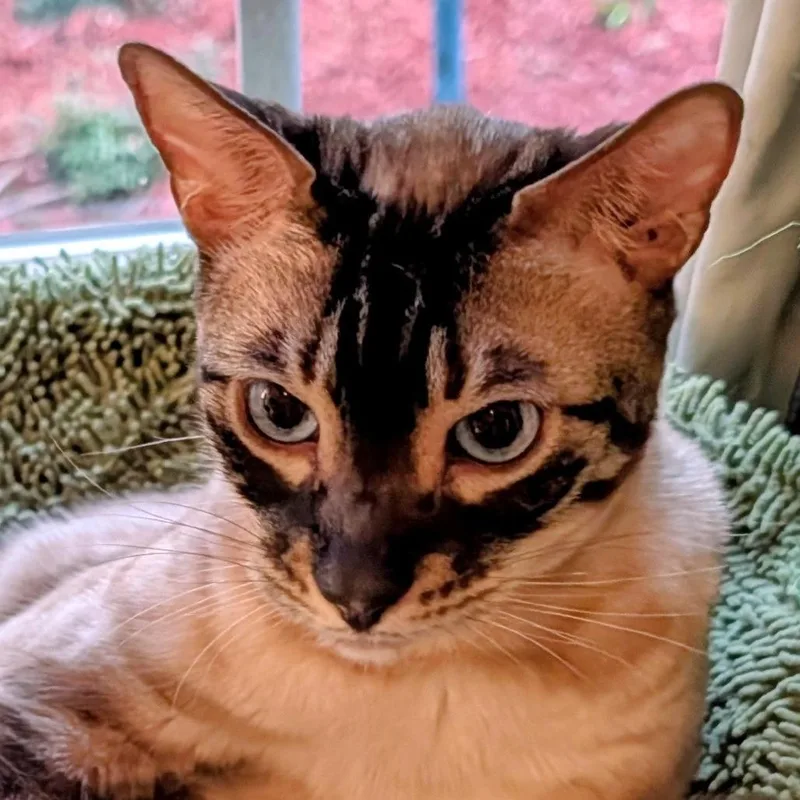
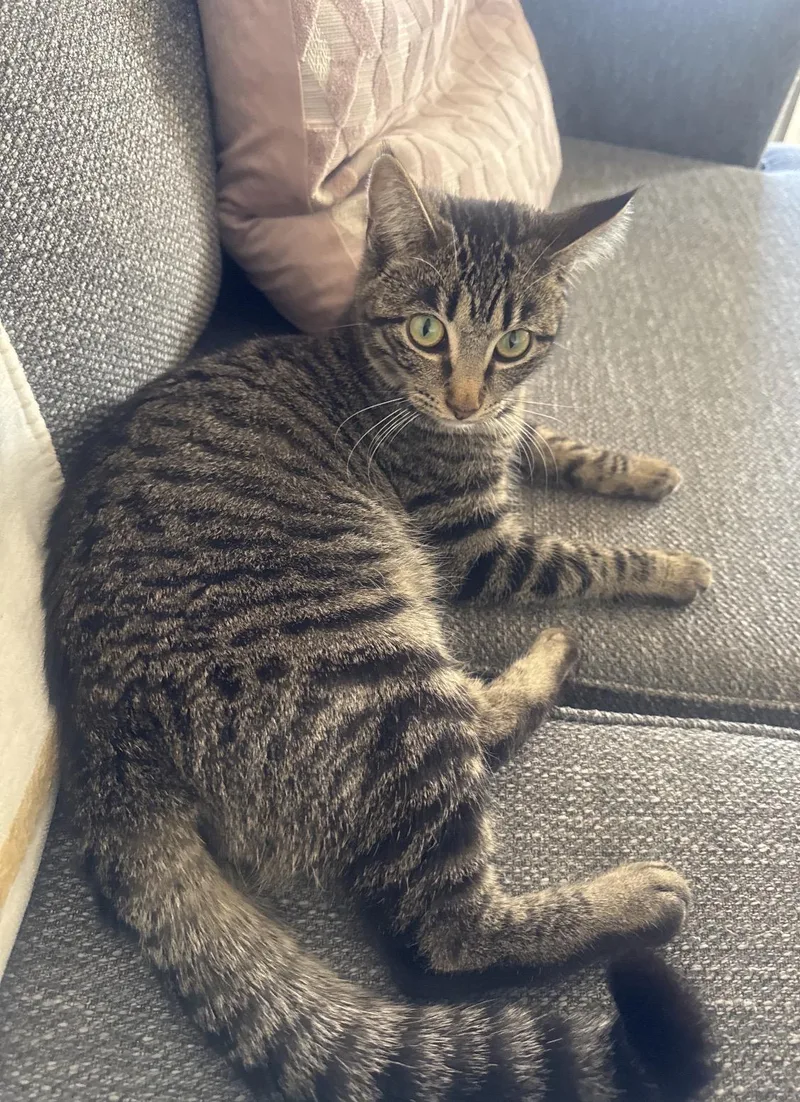
Bengals came out of 1960s California crosses between domestic cats and the Asian leopard cat, but pet Bengals today are many generations removed and fully domestic. The look is hard to miss: a muscular, medium-sized body of roughly 8 to 15 pounds, a soft, close-lying pelt, and a spotted, rosetted or marbled coat that often glitters in the light.

In a Pittsburgh home, personality matters more than pattern. Bengals are curious, smart and athletic, and many stay playful well into their senior years. They tend to open cupboards, play in running water and follow you from room to room. Shedding is low to moderate, so brushing is light, though Bengals aren't hypoallergenic. Each cat differs, so think honestly about whether this energy level fits your household.

Weight
8–15 lbs
Height
9–11 in
Lifespan
10–15 yrs
Temperament
Energetic, Curious, Intelligent
Shedding
Low to Moderate

Owning a Bengal in Pittsburgh

Having a Bengal in Pittsburgh

Bengals pair an athletic body with a busy, problem-solving mind. In Pittsburgh, the big questions are whether you can supply daily play and vertical space in a rowhouse or hillside home, and how you'll handle a few inherited health risks.

Temperament

Bengals tend to be confident, curious and closely tied to their people, often shadowing you through the house and helping with chores. Many get loud when bored, which is worth remembering in shared-wall rowhouses and apartments. They can do well with cat-savvy dogs and playful cats, though some are bossy, and every Bengal varies.

Exercise Needs

Plan on several active play sessions a day with wand toys, fetch and chasing games, plus tall cat trees and wall shelves. During Pittsburgh's long cold months, indoor play carries the load, so add food puzzles and clicker training. Many Bengals also learn harness walking for milder days.

Health Considerations

Bengals can inherit hypertrophic cardiomyopathy, a heart condition, along with progressive retinal atrophy and pyruvate kinase deficiency, a type of anemia. Genetic tests exist for some of these, so ask your veterinarian about heart screening. Year-round flea and tick prevention is wise in Allegheny County, especially for cats who go out on a harness.

Living Space

Pittsburgh's rowhouses, hillside homes and loft apartments can all work, because a Bengal cares more about climbing room than floor space. Tall cat trees, window perches and shelves matter most. Keep a Bengal indoors or on a secure enclosed patio, and secure cupboards, doors and cords.

What it costs to own a Bengal in Pittsburgh

ExpenseTypical costPer year
Adoption fee$1,000, one time$1,000 in year one
Food$25 to $50 per month$300 to $600
Pet insurance$30 to $60 per month$360 to $720
Routine vet care$150 to $350 per year$150 to $350
Other*$500 to $1,350 per year$500 to $1,350
Estimated yearly total (after year one)$1,310 to $3,020
First-year total (with adoption fee)$2,310 to $4,020

Adoption fee is the fee on Bengal listings in Pittsburgh on GetBuddy today. Other costs are estimates and vary with size, age and health.

* Litter, flea and tick prevention, a dental cleaning allowance, toys and bedding, light brushing, and climbing and puzzle enrichment; Pittsburgh requires no cat license.

Adopt a Bengal in Pittsburgh.

Now that you know more, let’s find you a new best friend. These rescues and shelters below currently have Bengals available.

Frequently Asked Questions

Yes. No known Pittsburgh rule targets Bengals, and pet Bengals are fully domestic cats. Cats need no city license, but keep proof of rabies vaccination on hand. A Bengal should wear an ID collar or tag if it ever goes outside, though staying indoors or going out on a harness is the safer plan.

Yes, if the apartment has room to climb. A Bengal cares more about vertical space than square footage, so tall cat trees, wall shelves and window perches matter most, and a loft with big windows or a tall, narrow rowhouse can suit one well. Plan daily play to keep it from opening cupboards, and get pet permission in writing.

It can be, if you're home often and enjoy an active cat. Pittsburgh's long, cloudy winters keep cats indoors, so you'll supply the entertainment with play sessions, puzzle feeders and climbing space. A Bengal is a weaker match for long workdays away, since a bored Bengal gets loud and destructive. Steep streets and city steps matter little to an indoor cat.

Yes, as indoor cats they handle it well. Bengals have a short, close-lying coat, so they're not built for snow or freezing nights and shouldn't spend time outside in January. Indoors, give them a warm perch near a sunny window and extra play, since winter days are long. Wipe paws after any harness trip over salted sidewalks.

Yes, in an enclosed carrier. Pittsburgh Regional Transit allows pets on its buses and the T, including the Downtown subway, if the cat rides in a fully enclosed carrier that fits on your lap. There's no extra fare, and pets can't sit on seats or block aisles. Practice with the carrier at home first so the trip is calmer.

Very little. A Bengal's short, close-lying coat needs a quick weekly brushing and no professional grooming. Winter's dry indoor air can make skin flaky, so brush gently and keep water available. Trim nails and wipe paws after salty walks. Brushing supplies fall within the yearly Other costs in the cost table.

A Bengal is a domestic cat breed developed from crosses between house cats and the small Asian leopard cat, then bred for generations with domestic cats. Bengals have short, sleek coats with spots, rosettes or marbling, muscular builds and lively, curious personalities. Pet Bengals are domestic cats, though their energy and intelligence often feel a little wilder.

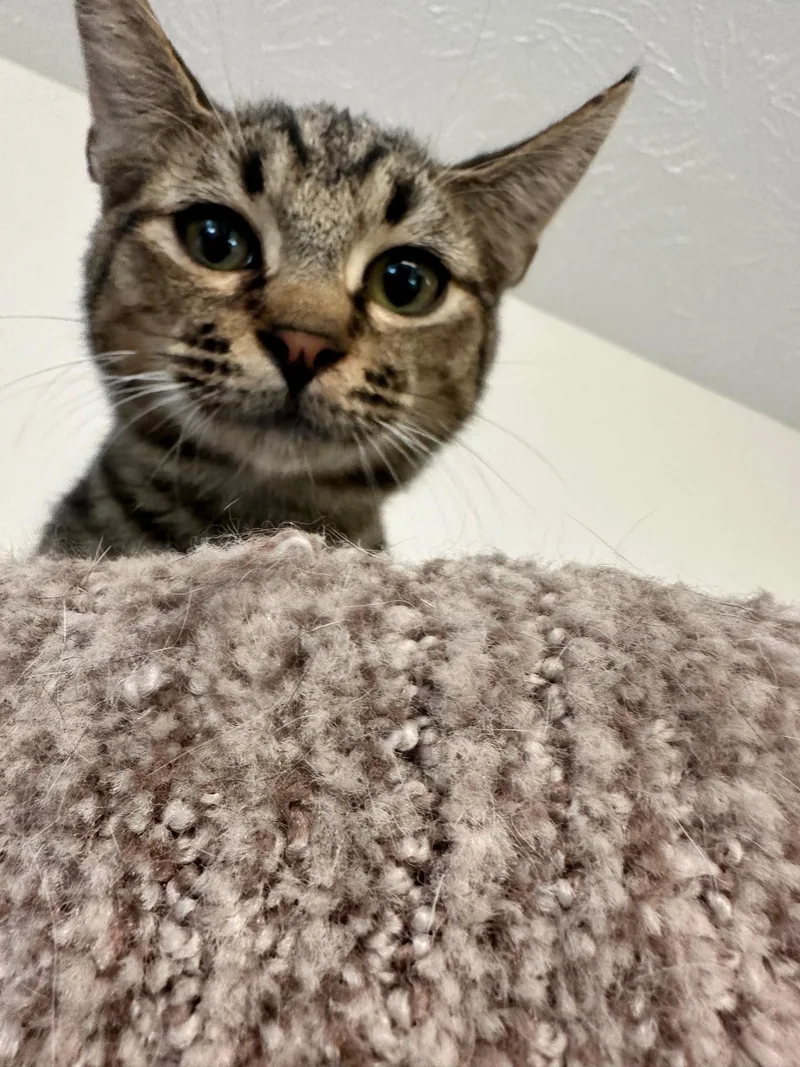
Bengal kittens look like tiny spotted or marbled wild cats, with large eyes, rounded ears and bold markings visible from birth. Many go through a fuzzy stage at a few weeks old, when longer guard hairs make the pattern look muddy or faded. The coat usually clears and sharpens over the first several months as the kitten matures.

We have 1 rescue with Bengals available: Save Our Strays, Inc. You can see every rescue with Bengals available in the list above these questions, or scroll to the top to see the Bengals near Pittsburgh.

Expect roughly $1,300 to $3,000 a year for a Bengal in Pittsburgh. Food runs $25 to $50 a month, insurance $30 to $60, routine vet care $150 to $350 a year, and other costs, including litter, parasite prevention, dental care and climbing and puzzle gear, $500 to $1,350 a year. Adoption fees are separate.