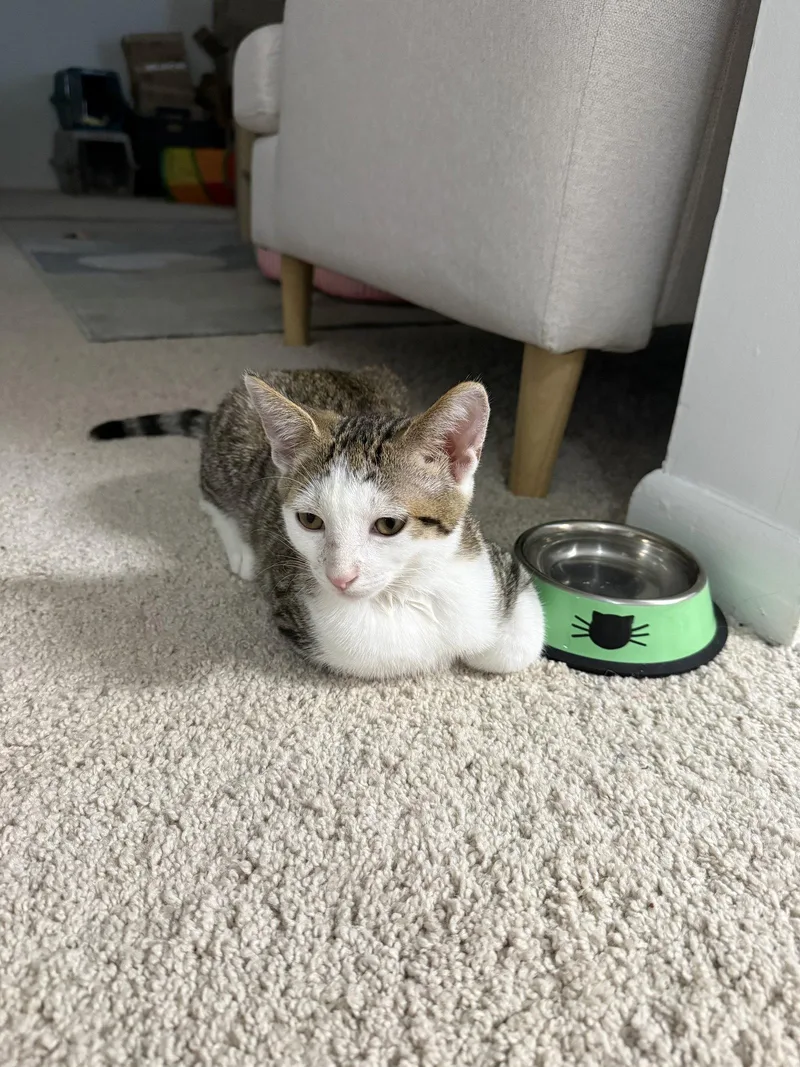
Tortoiseshell Cats for Adoption in Harrisburg, PA

Your guide to finding and caring for a Tortoiseshell in Harrisburg

A Tortoiseshell does well in a Harrisburg rowhouse as long as there's a good window to watch from. Rowhouses are the city's most common home, and blocks in Camp Curtin or on Allison Hill put squirrels, pigeons and foot traffic right outside the glass. Tortoiseshell is a coat pattern, not a breed, so these cats vary: some are shy, some bold. Most enjoy a perch, a couple of play sessions a day and a tall cat tree that fits a narrow floor plan.

1058 Tortoiseshells available in Harrisburg and nationwide

Your Tortoiseshell is waiting

While we don't have enough cats near Harrisburg, keep in mind that many rescues may offer transport.

Tortoiseshells Available for Adoption Near Harrisburg

About the Tortoiseshell breed

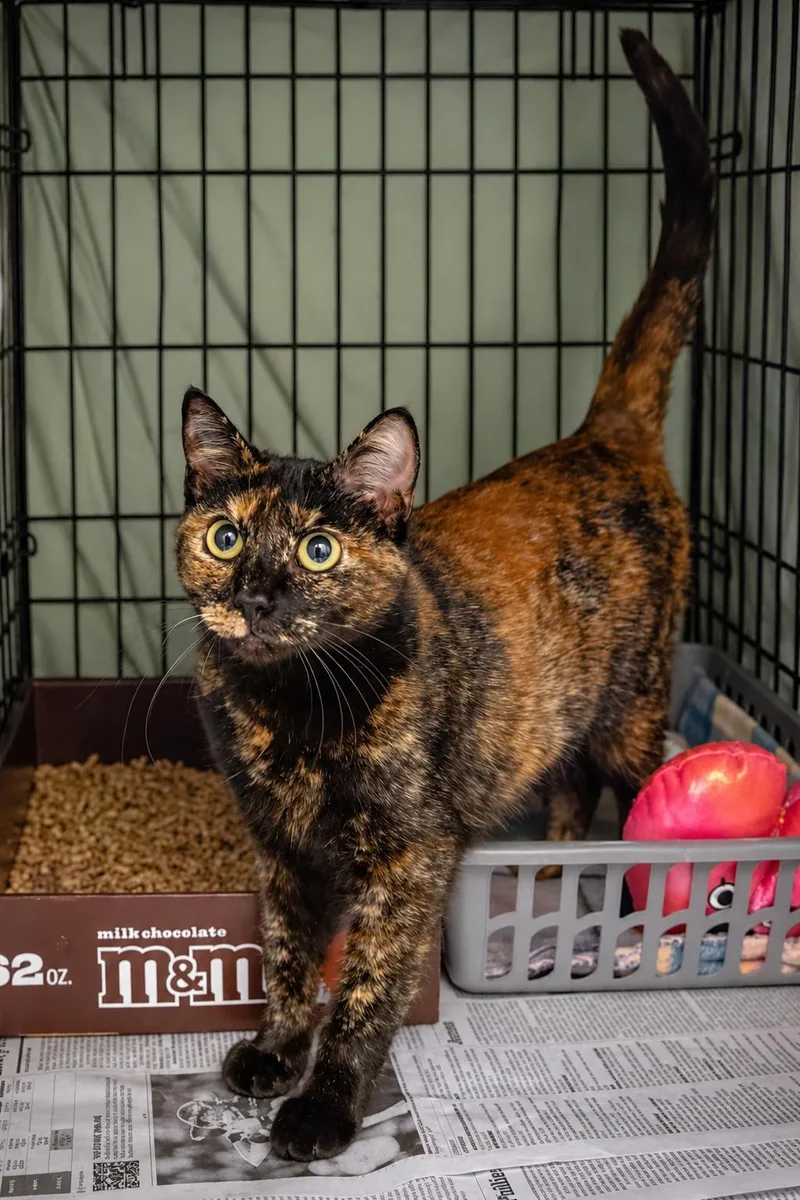
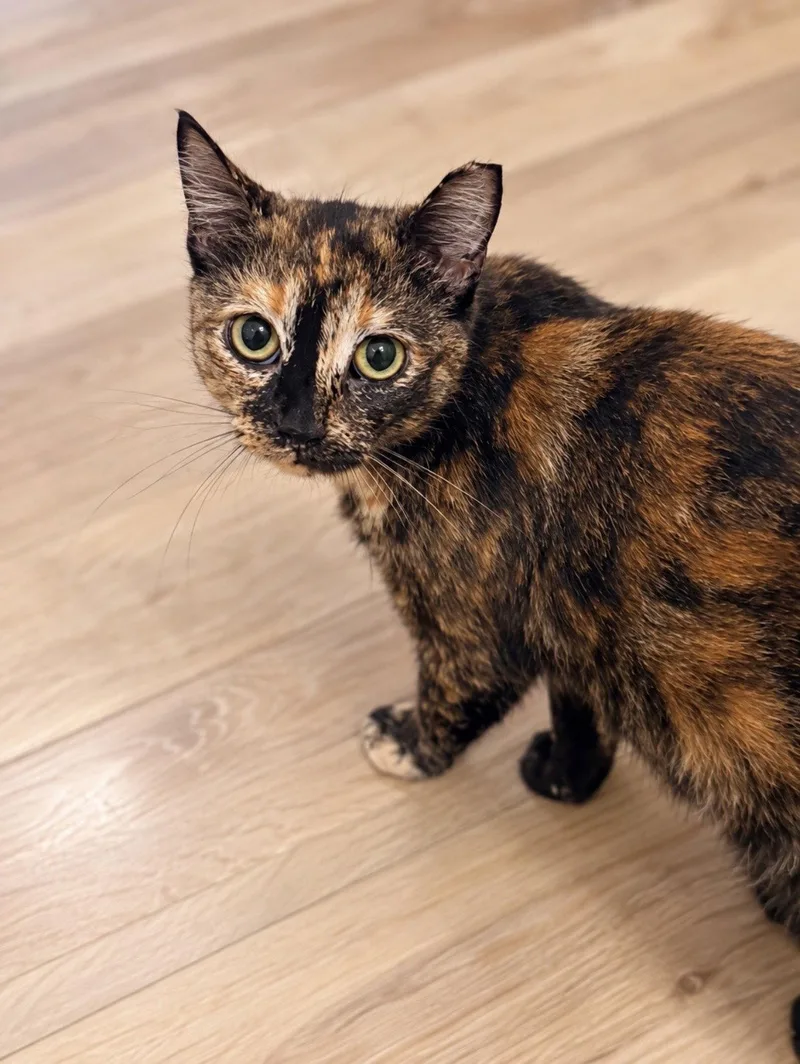
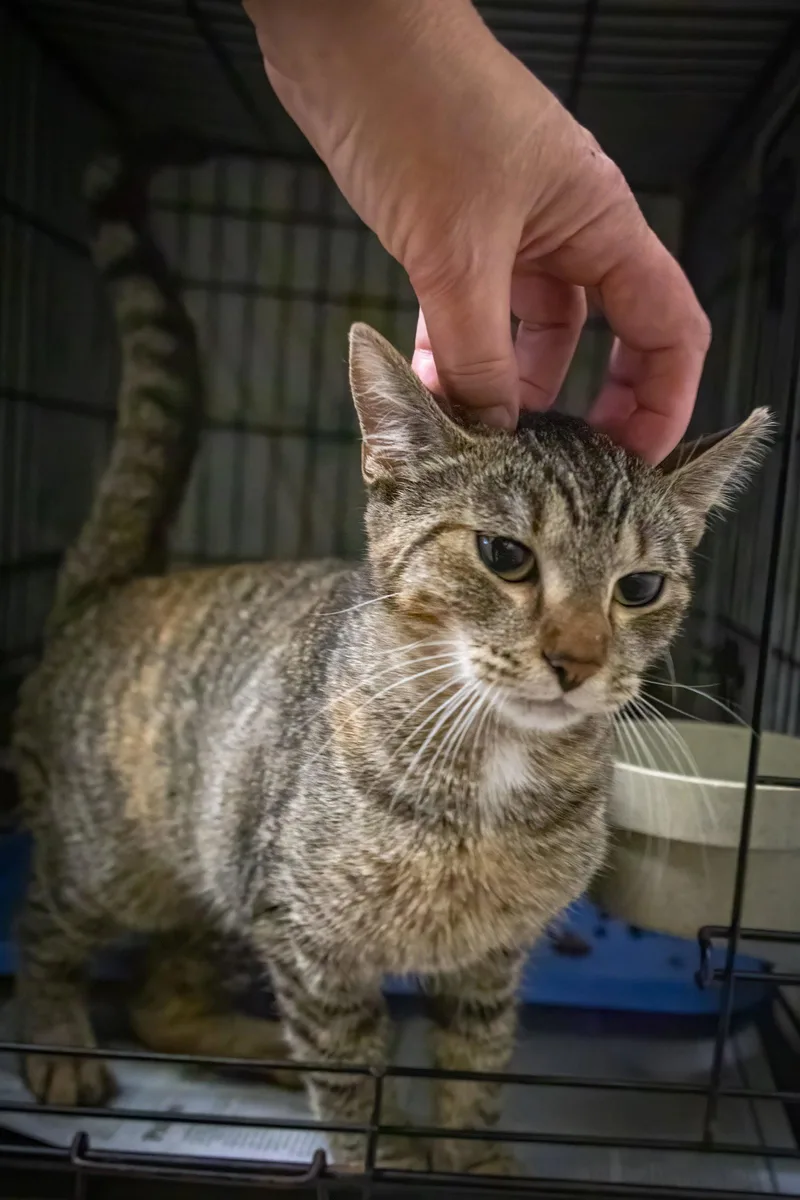
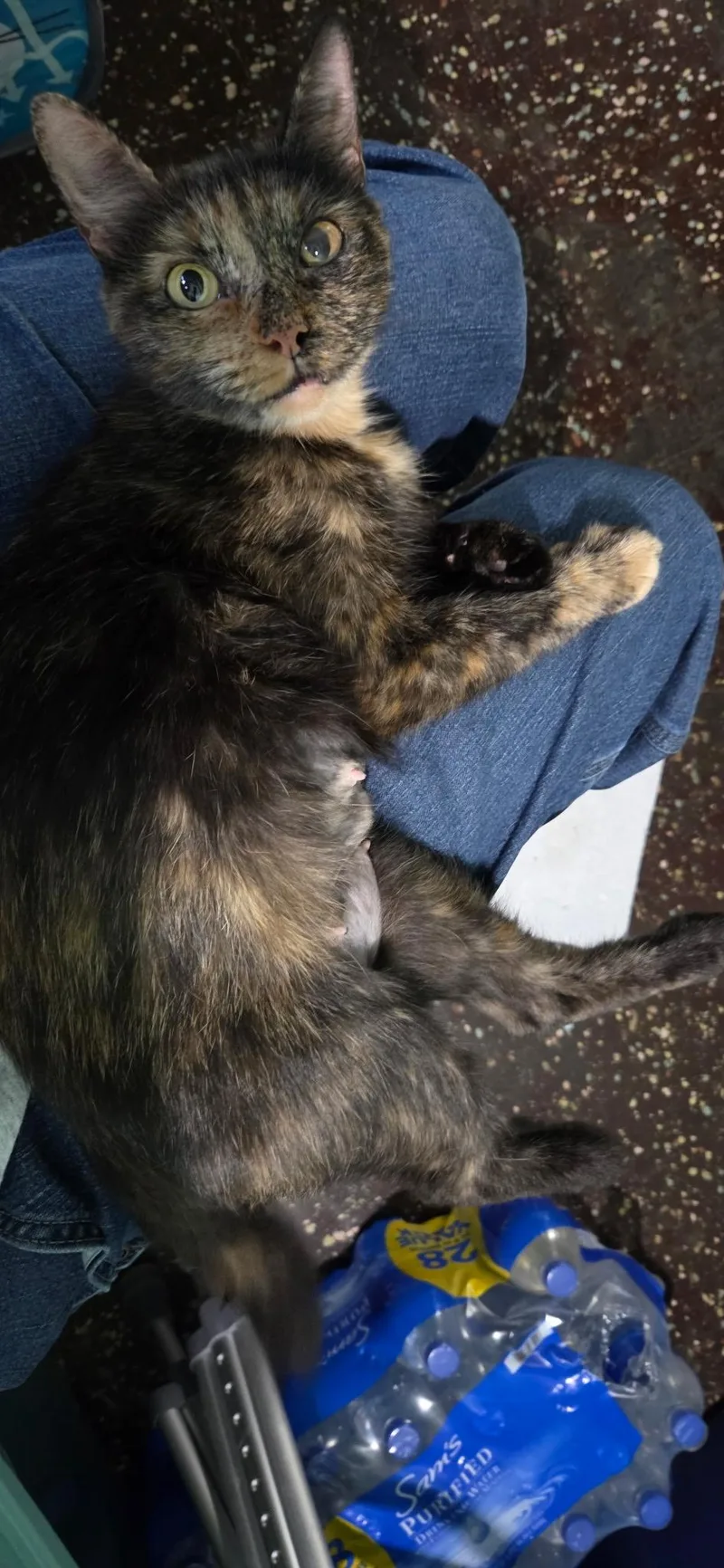
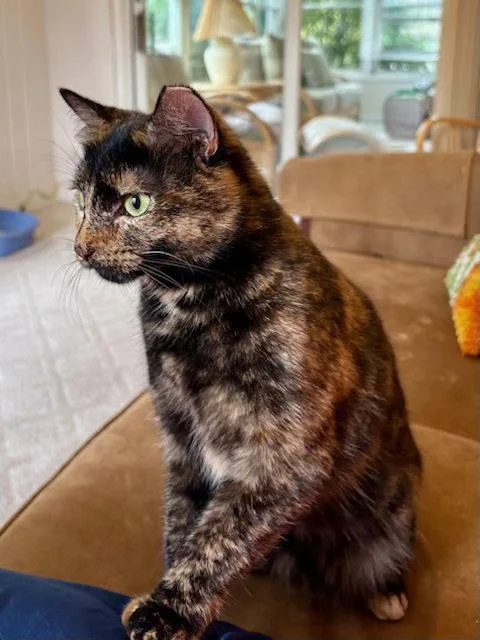
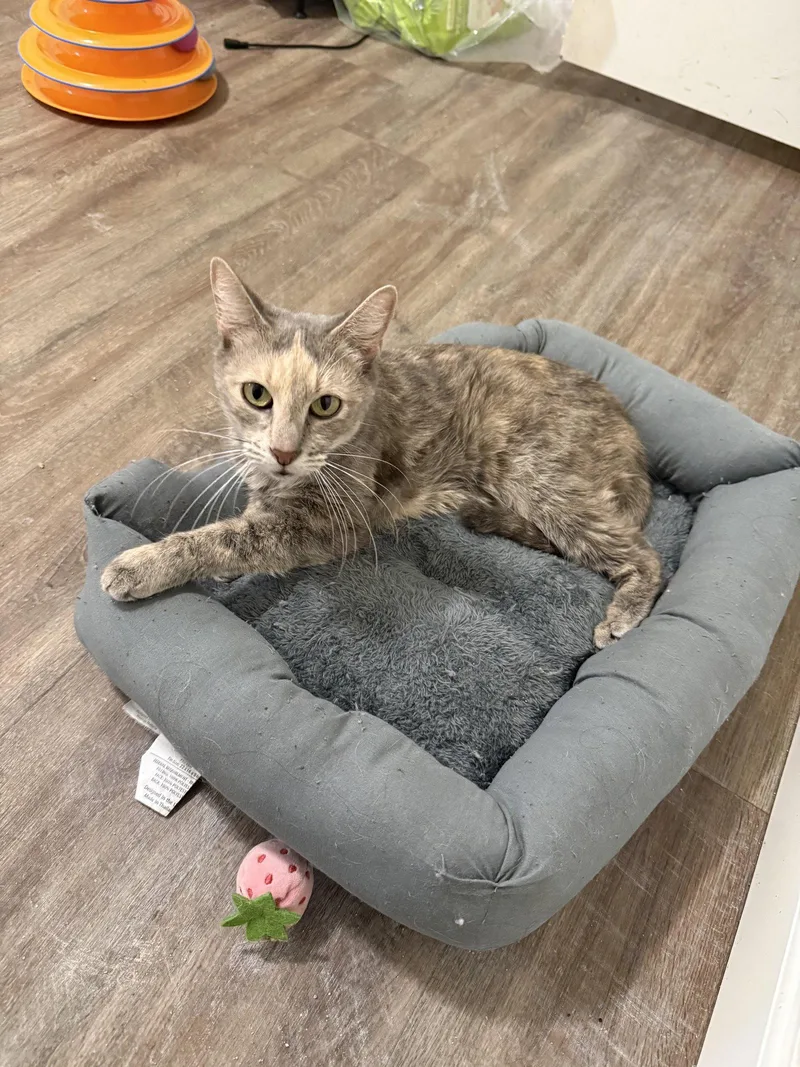
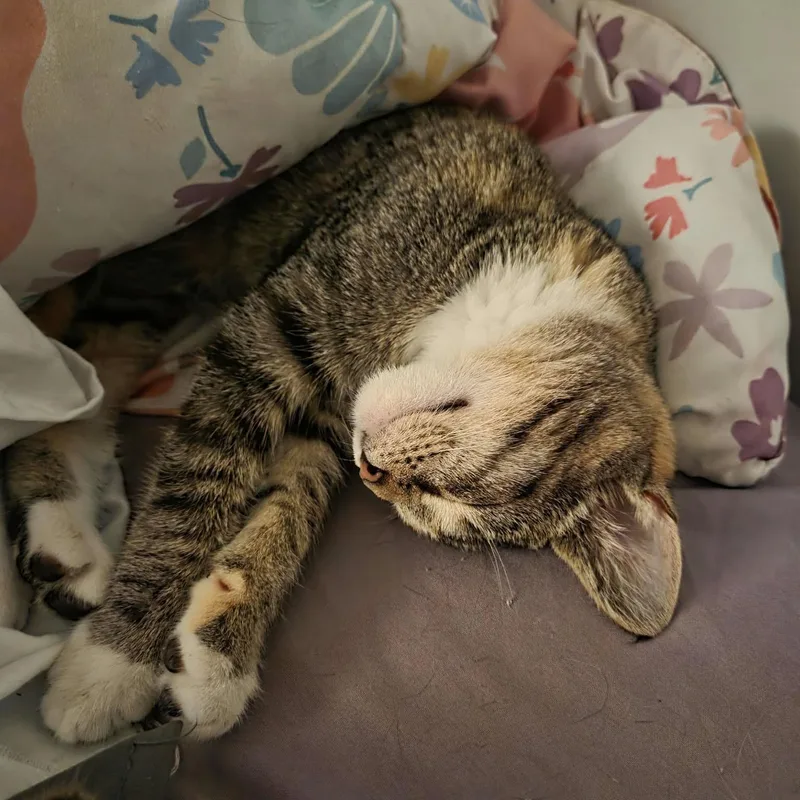
Tortoiseshell isn't a breed but a coat pattern: black-based and orange-based colors mixed in patches or a fine mottle, usually with little white. Add large white areas and it's a calico; add tabby stripes and it's a torbie. Because the orange gene sits on the X chromosome, nearly all torties are female. Most are domestic shorthairs, though the pattern turns up in many breeds.

Torties have a reputation for "tortitude," but that comes mostly from owner impressions, not firm evidence. A cat's age, history and socialization say more about personality than color does. Expect a medium-sized cat, roughly 6 to 14 pounds, with moderate shedding and a lifespan of 12 to 18 years. That's a long commitment, so it helps to start with a lease and a routine that suit a cat for the long haul.

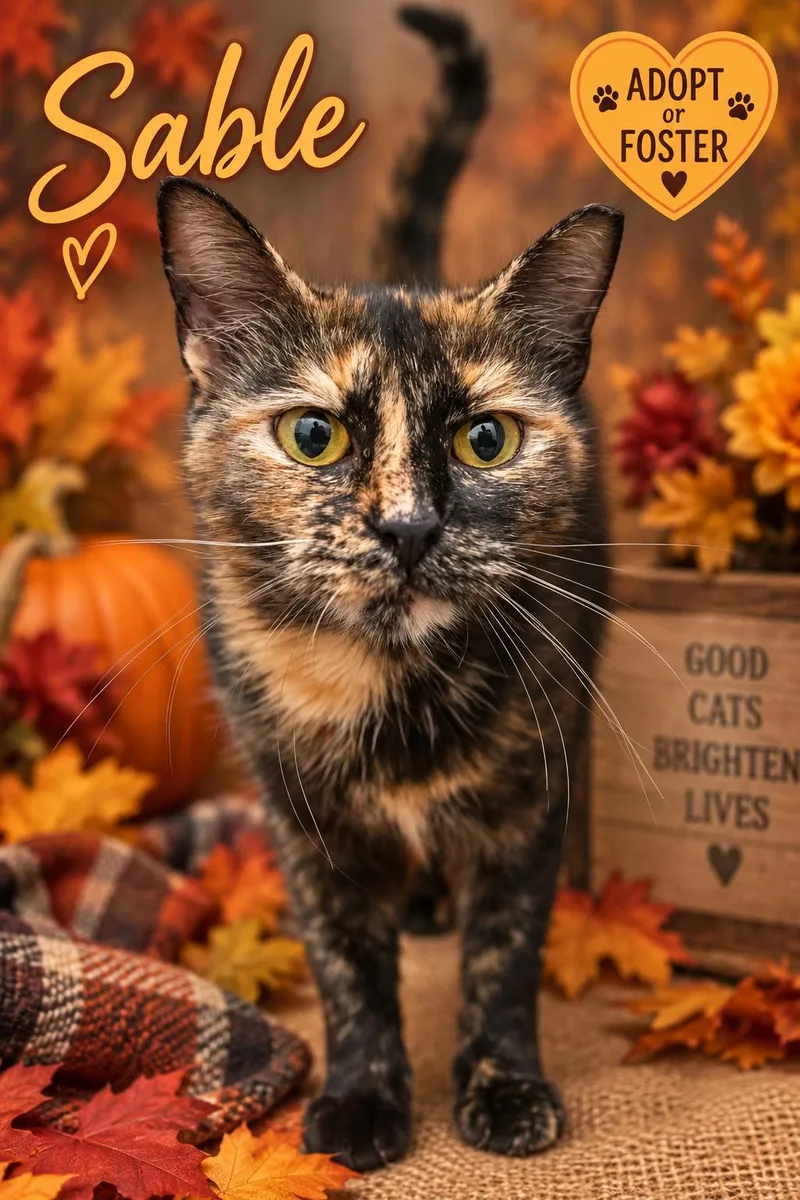
Weight
6–14 lbs
Height
8–10 in
Lifespan
12–18 yrs
Temperament
Independent, Affectionate, Playful
Shedding
Moderate

Owning a Tortoiseshell in Harrisburg

Having a Tortoiseshell in Harrisburg

Tortoiseshell describes a coat, not a breed, so these cats share a pattern more than a personality. The cards below cover what holds for most torties in Harrisburg homes, typically domestic shorthairs of every age and temperament.

Temperament

Torties are often called spirited or opinionated, a reputation nicknamed tortitude, but the evidence is thin and mostly based on owner impressions. In real life, tortoiseshell cats range from shy to bold and from lap cats to independent roommates. In a busy rowhouse or apartment building, watch how the cat handles noise and visitors.

Exercise Needs

Most tortoiseshell cats do well with a couple of short interactive play sessions a day using wand toys, chase games and puzzle feeders. Kittens and young adults usually want more, seniors less. In a Harrisburg rowhouse, use stairs, cat trees and window perches for climbing, and keep playtime indoors.

Health Considerations

The tortoiseshell pattern carries no particular health risks in females, and the rare males often have an extra X chromosome that can bring added issues. Otherwise health follows age, ancestry and care. Yearly vet exams, dental care and a healthy weight matter most. Ticks turn up across Pennsylvania, so keep parasite prevention current.

Living Space

Tortoiseshell cats fit apartments and houses equally well, which suits a city where most homes are rowhouses or apartments. Give the cat a cat tree, a scratching post, a hideaway and a window with a view. A shy cat may prefer a calmer unit, while a confident, social one usually handles a busy building.

What it costs to own a Tortoiseshell in Harrisburg

ExpenseTypical costPer year
Adoption fee$135, one time$135 in year one
Food$25 to $50 per month$300 to $600
Pet insurance$20 to $45 per month$240 to $540
Routine vet care$150 to $350 per year$150 to $350
Other*$450 to $1,150 per year$450 to $1,150
Estimated yearly total (after year one)$1,140 to $2,640
First-year total (with adoption fee)$1,275 to $2,775

Adoption fee is the fee on Tortoiseshell listings in Harrisburg on GetBuddy today. Other costs are estimates and vary with size, age and health.

* Litter, flea and tick prevention, a dental cleaning allowance, toys and supplies, and home grooming; costs vary with the cat's size and coat.

Adopt a Tortoiseshell in Harrisburg.

Now that you know more, let’s find you a new best friend. These rescues and shelters below currently have Tortoiseshells available.

Rescues in Harrisburg with Tortoiseshells Available

Harrisburg's shelter and rescue community serves the whole capital region, and cats of every color and coat pass through. Here are the rescues & shelters in the Harrisburg area where you can find Tortoiseshells and other cats available for adoption.

Frequently Asked Questions

Yes, you can. Pennsylvania doesn't allow breed-specific bans, and a coat color isn't something a law would target. In practice, the lease decides: confirm it permits cats and what pet fees apply. Once the cat is home, keep its rabies vaccination current and the household within the city's limit on dogs and cats.

Yes, most tortoiseshell cats do well in apartments and rowhouses, which are what much of Harrisburg offers. Vertical space and routine matter more than floor space, so add a cat tree, a window perch and daily play. Pennsylvania caps a security deposit at two months' rent in the first year and one month after.

Yes, if the cat travels in a carrier. rabbittransit Capital Region, the bus system that still carries Capital Area Transit branding, requires pets and companion animals to ride in carriers, while ADA service animals are permitted. Fixed routes don't run on Sundays. Use a secure, ventilated carrier, and check current fares with rabbittransit before a vet trip.

Yes, for indoor cats. Winters run roughly 24 to 39°F and summers reach the low 80s, so a heated home with a fan or air conditioning in July keeps a tortie comfortable. The main risks are overheated top-floor units, drafty winter windows and ticks for any cat that goes outside. Coat color doesn't change heat or cold tolerance.

Often, yes, for people who want a companion suited to rowhouse and apartment living. A tortie's personality varies, so match the cat's energy to your routine: bold, social cats suit busy households, shy ones calmer homes. Plan for daily play and a window with a view. Many adult cats handle workdays alone, but kittens need more company.

Most torties are short-haired and need a weekly brushing, more during spring and fall shedding, while long-haired cats need brushing several times a week. Grooming is mostly home care with a brush and occasional nail trims, so it falls within the Other costs of $450 to $1,150 a year rather than adding a separate salon bill.

A tortoiseshell cat is a cat with a coat pattern of black-based and orange-based colors blended or patched together, usually with little or no white. It is not a breed; the pattern appears in many breeds and most often in domestic shorthairs. Nearly all tortoiseshells are female because the genes for orange and black are carried on the X chromosome.

Almost all tortoiseshell cats are female, but not all. A female has two X chromosomes and can carry both orange and black color genes, producing the mixed coat. Males normally have only one X. Rare male torties usually have an extra X chromosome or are genetic chimeras, and they are estimated at roughly 1 in 3,000 tortoiseshells.

We have 2 rescues with Tortoiseshells available: Castaway Critters, The James A. Hueholt Foundation and Harrisburg Animal Rescue Team. You can see every rescue with Tortoiseshells available in the list above these questions, or scroll to the top to see the Tortoiseshells near Harrisburg.

Budget roughly $1,140 to $2,640 a year for a tortoiseshell cat in Harrisburg. That covers food at $300 to $600, insurance at $240 to $540, routine vet care at $150 to $350, and other costs such as litter and supplies at $450 to $1,150. Actual spending depends on the cat's age, size and health.