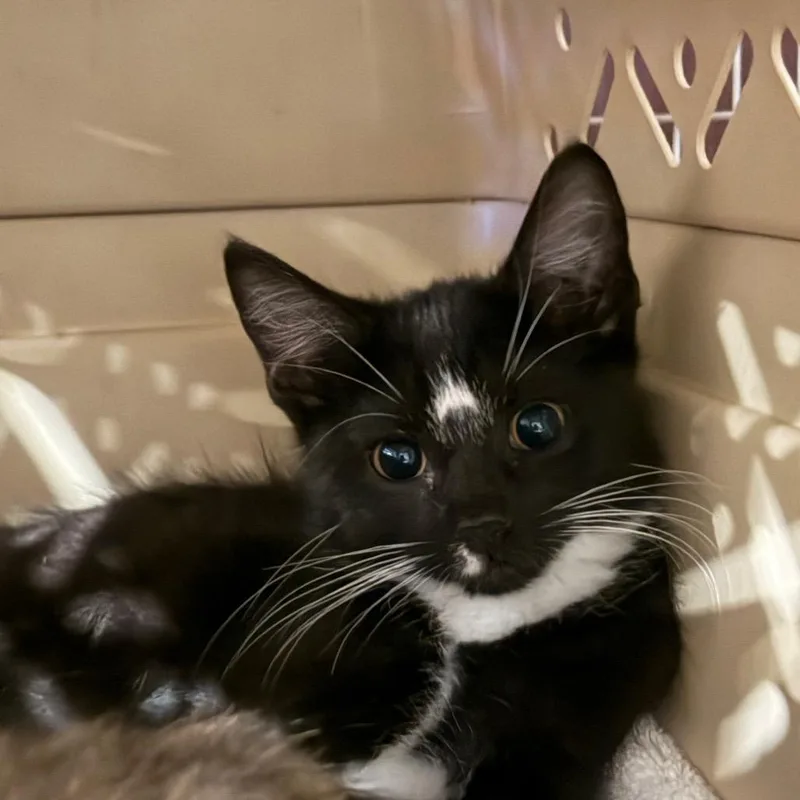
Domestic Short Hair Cats for Adoption in Doylestown, PA

Your guide to finding and caring for a Domestic Short Hair in Doylestown

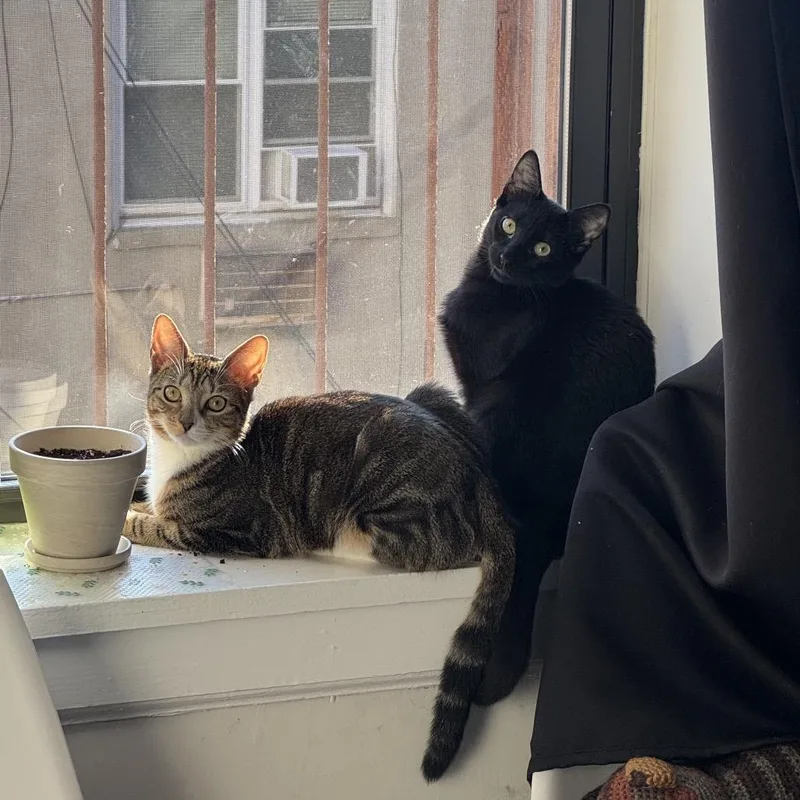
A Domestic Short Hair suits Doylestown's compact, walkable blocks because it's perfectly happy living indoors. Plenty of homes here are twins, rowhouses or apartments near State Street, and a cat with a sunny window perch and a few climbing shelves does fine in them. DSH cats run from lap-sitters to shy watchers, so a cat's age and mood tell you more than the label. Check that window screens fit snugly in older buildings.

130358 Domestic Short Hairs available in Doylestown and nationwide

Find your Domestic Short Hair

Domestic Short Hairs Available for Adoption Near Doylestown

About the Domestic Short Hair breed

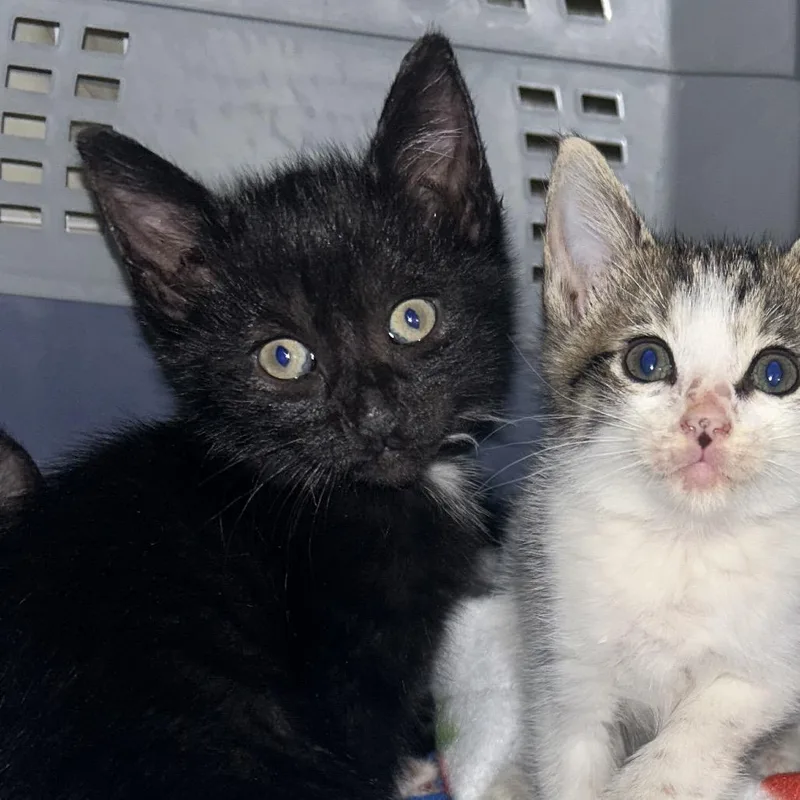
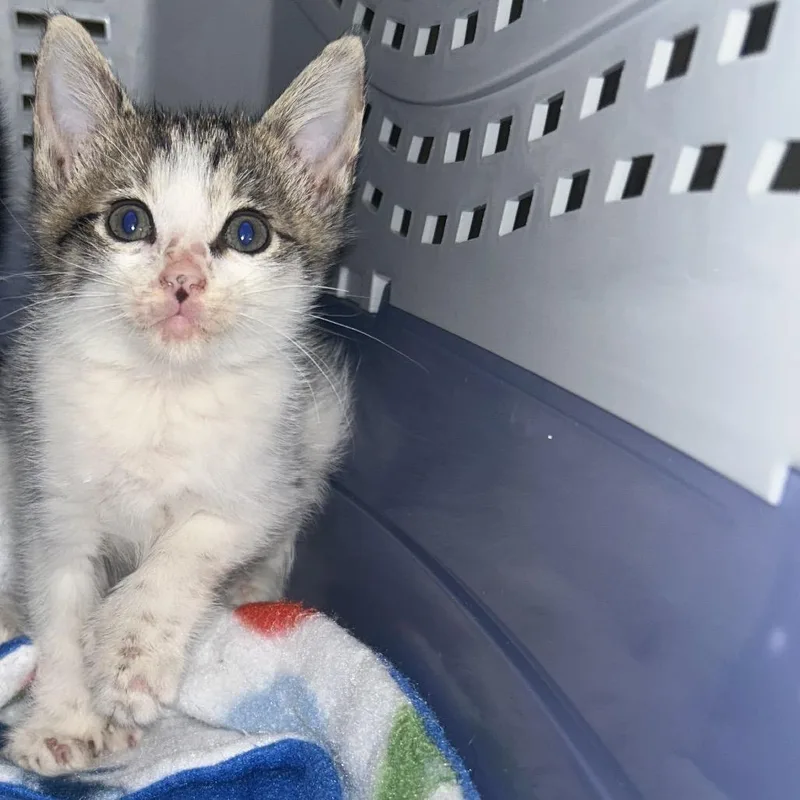
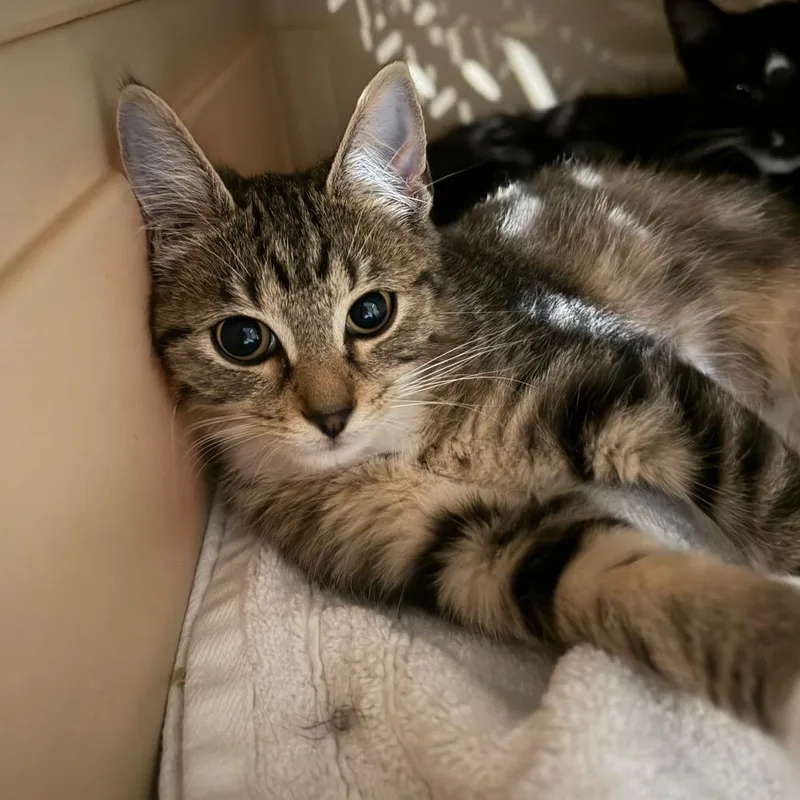
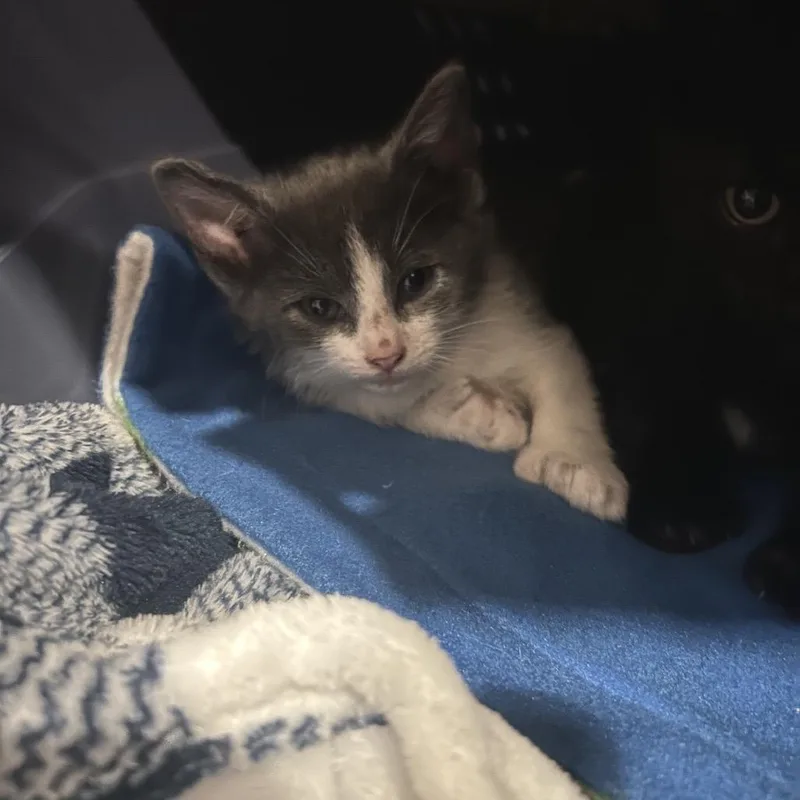
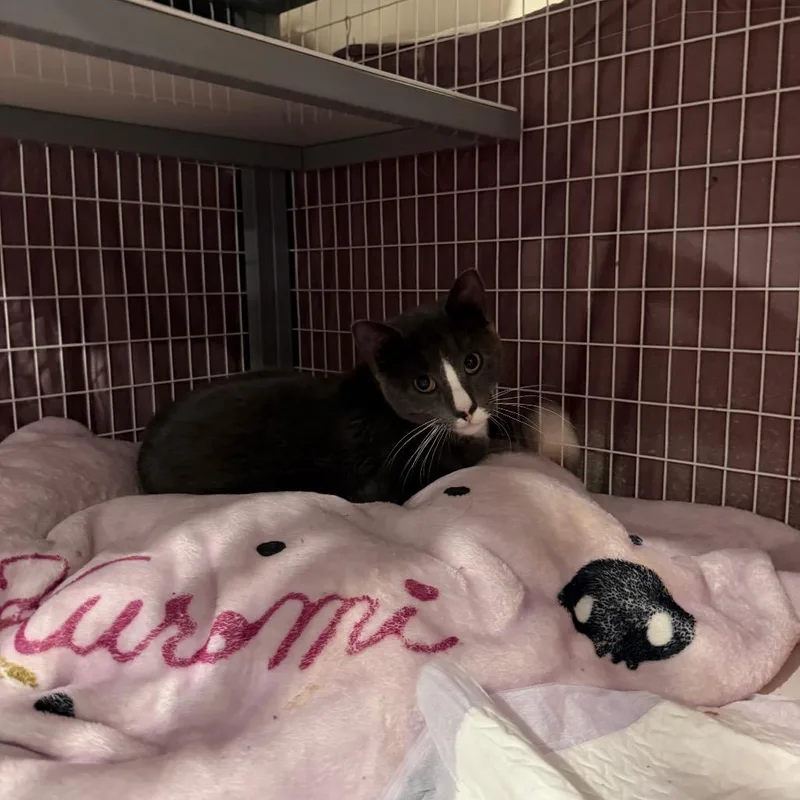
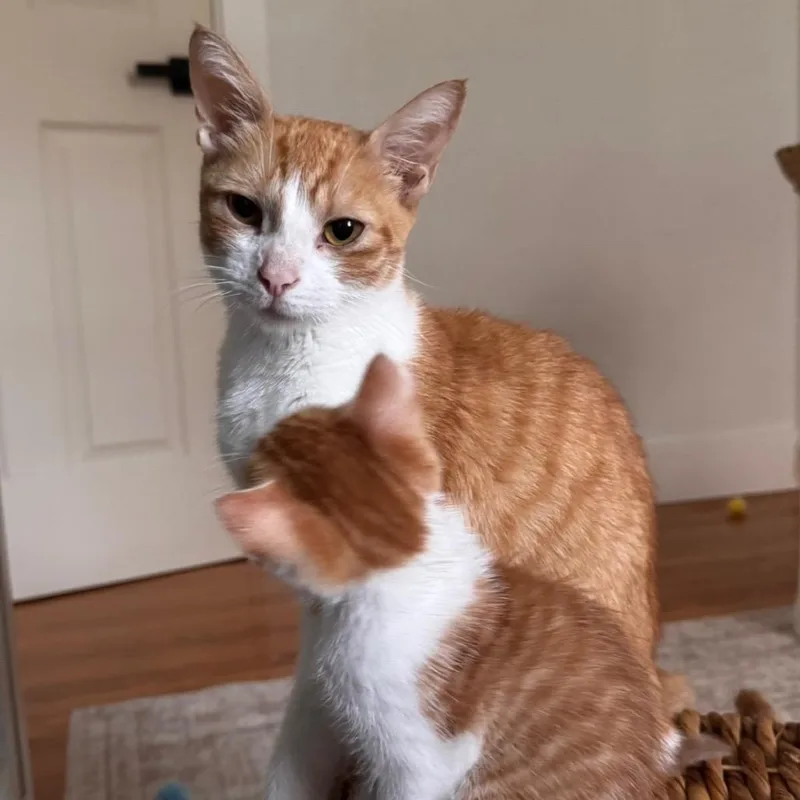
Domestic Short Hair describes a type of cat, not a breed: a short-coated cat of mixed or unknown ancestry. It's the most common kind of cat in American homes and is often abbreviated DSH on adoption records. Don't confuse it with the pedigreed American Shorthair. DSH cats come in every color and pattern, from tabby and tuxedo to calico and solid black.

With such a wide gene pool, looks and personality vary. Most are medium-sized, roughly 6 to 14 pounds, and shed moderately year-round, so a weekly brushing keeps fur under control. Some cats are lap sitters, some are chatty, and others are content watching from a windowsill. With Doylestown's cold winters, indoor play and a warm perch go a long way. Age, energy and past experience say more than coat type.

Weight
6–14 lbs
Height
8–10 in
Lifespan
12–18 yrs
Temperament
Adaptable, Curious, Affectionate
Shedding
Moderate

Owning a Domestic Short Hair in Doylestown

Having a Domestic Short Hair in Doylestown

DSH cats share a practical short coat and a varied background, but little else is fixed. In Doylestown most live indoors, so play, perches and a calm routine shape how well a cat settles in.

Temperament

Temperament runs from outgoing lap cats to shy, independent observers. Many adapt to new homes, other cats and calm dogs after gradual introductions. Kittens tend to be bold and playful, while adults show settled personalities. In a rowhouse or apartment with shared walls, a cat's comfort with noise and visitors is worth watching during an introduction.

Exercise Needs

Daily interactive play keeps indoor DSH cats fit. Wand toys, chase games and food puzzles burn energy, and young cats may want several short bursts a day. A window perch over the street gives a Doylestown cat something to watch, and shelves or a cat tree add climbing, which matters most on cold winter days.

Health Considerations

DSH cats can face obesity, dental disease and urinary problems, and older cats may develop kidney disease, hyperthyroidism or diabetes. Mixed ancestry lowers some inherited risks but not these. Keep rabies and other vaccines current, since wildlife rabies has been reported in the Doylestown area, and schedule regular veterinary exams to monitor weight and teeth.

Living Space

A DSH usually adapts to apartments, twins and detached houses alike, as long as it has enrichment and quiet retreats. Climbing shelves, scratching posts, hiding spots and a clean litter box matter more than square footage. Keep cats indoors or in a secure enclosure, and fit sturdy screens on windows, especially in older buildings.

What it costs to own a Domestic Short Hair in Doylestown

ExpenseTypical costPer year
Food$25 to $50 per month$300 to $600
Pet insurance$20 to $45 per month$240 to $540
Routine vet care$150 to $350 per year$150 to $350
Other*$450 to $1,150 per year$450 to $1,150
Estimated yearly total (after year one)$1,140 to $2,640

Other costs are estimates and vary with size, age and health.

* Litter, flea and tick prevention, a dental cleaning allowance, toys, scratchers and other supplies, and minimal home grooming.

Adopt a Domestic Short Hair in Doylestown.

Now that you know more, let’s find you a new best friend. These rescues and shelters below currently have Domestic Short Hairs available.

Rescues in Doylestown with Domestic Short Hairs Available

Bucks County's adoption community includes a county SPCA and rescue groups that place cats of every age, color and temperament. Here are the rescues & shelters in the Doylestown area where you can find Domestic Short Hairs and other cats available for adoption.

Frequently Asked Questions

Yes. Domestic Short Hair is a coat type rather than a breed, and Doylestown has no known borough limit on cats per household. Pennsylvania requires a current rabies vaccination from 3 months of age. Pet stores in the borough can't sell cats, so adoption is the route. If you rent, get your landlord's pet terms in writing.

Yes, as indoor cats. Doylestown sees about 106 freezing nights a year and roughly 21 days that never rise above freezing. A short coat gives little protection, so keep DSH cats inside, give them a warm bed away from drafty windows, and use indoor play to burn energy on the coldest days.

Yes, DSH cats generally adapt well to apartments. Provide a window perch, climbing shelves, scratching posts and a clean litter box, and use secure screens. With shared walls, the borough's animal noise rule matters: a cat that cries continuously for 10 minutes could draw complaints, so settle a new cat's routine early.

Yes, but only in a carrier. Doylestown has SEPTA Regional Rail, the end of the Lansdale/Doylestown Line, and no subway. SEPTA allows pets only in sturdy, nonobstructive carriers, and the animal can't be disruptive. Most DSH cats fit a standard carrier, so practice carrier time at home before a train trip.

Very little. A weekly brushing handles moderate year-round shedding, and you may want a few sessions a week in spring and fall as coats change. Mats are uncommon in short coats. Nail trims and dental care matter more, and minimal grooming fits within the $450 to $1,150 yearly Other cost range.

Domestic shorthair cats typically live about 12 to 18 years, and many indoor cats reach their late teens or early twenties. Large UK veterinary studies have found mixed-breed cats tend to live slightly longer than pedigreed cats on average. Spaying or neutering, indoor living, a healthy weight, dental care and regular checkups all help a cat enjoy a longer life.

No, domestic shorthair cats are not hypoallergenic. The main cat allergen, a protein called Fel d 1, comes from saliva and skin glands, so short fur does not prevent reactions. Allergen levels vary between individual cats, and some people react less to certain cats. Spending time with a specific cat before adopting is the best way to test your response.

A domestic shorthair cat is a short-coated cat of mixed or unknown ancestry rather than a member of a pedigreed breed. It is the most common type of cat in the United States and in shelters. Domestic shorthairs come in every color and pattern, and their size and personality vary widely depending on their varied genetic background.

We have 1 rescue with Domestic Short Hairs available: Almost Home Dog Rescue. You can see every rescue with Domestic Short Hairs available in the list above these questions, or scroll to the top to see the Domestic Short Hairs near Doylestown.

A Domestic Short Hair typically costs about $25 to $50 a month for food, $20 to $45 a month for insurance, $150 to $350 a year for routine vet care, and $450 to $1,150 a year for other costs. That works out to roughly $1,140 to $2,640 a year.