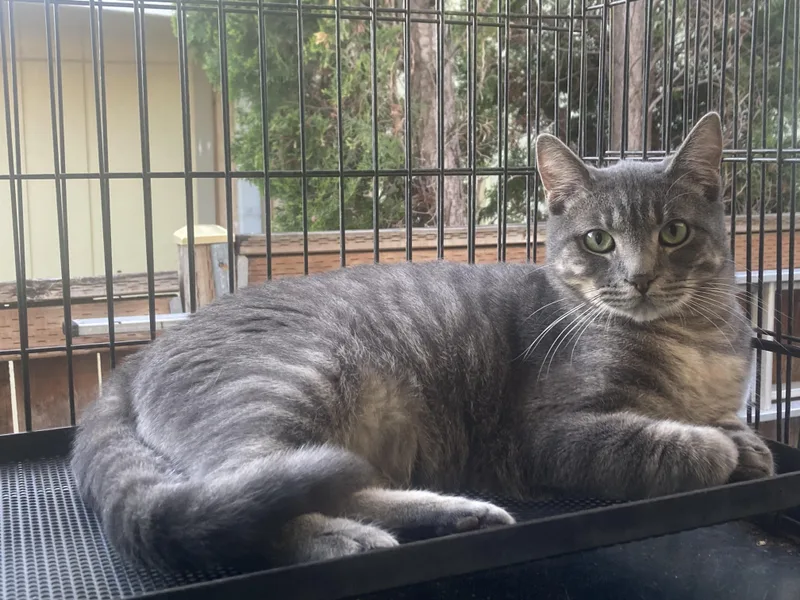
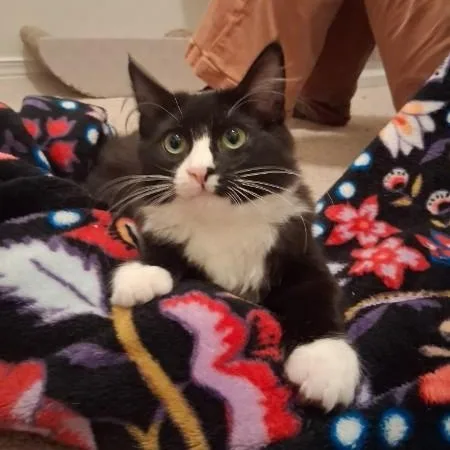
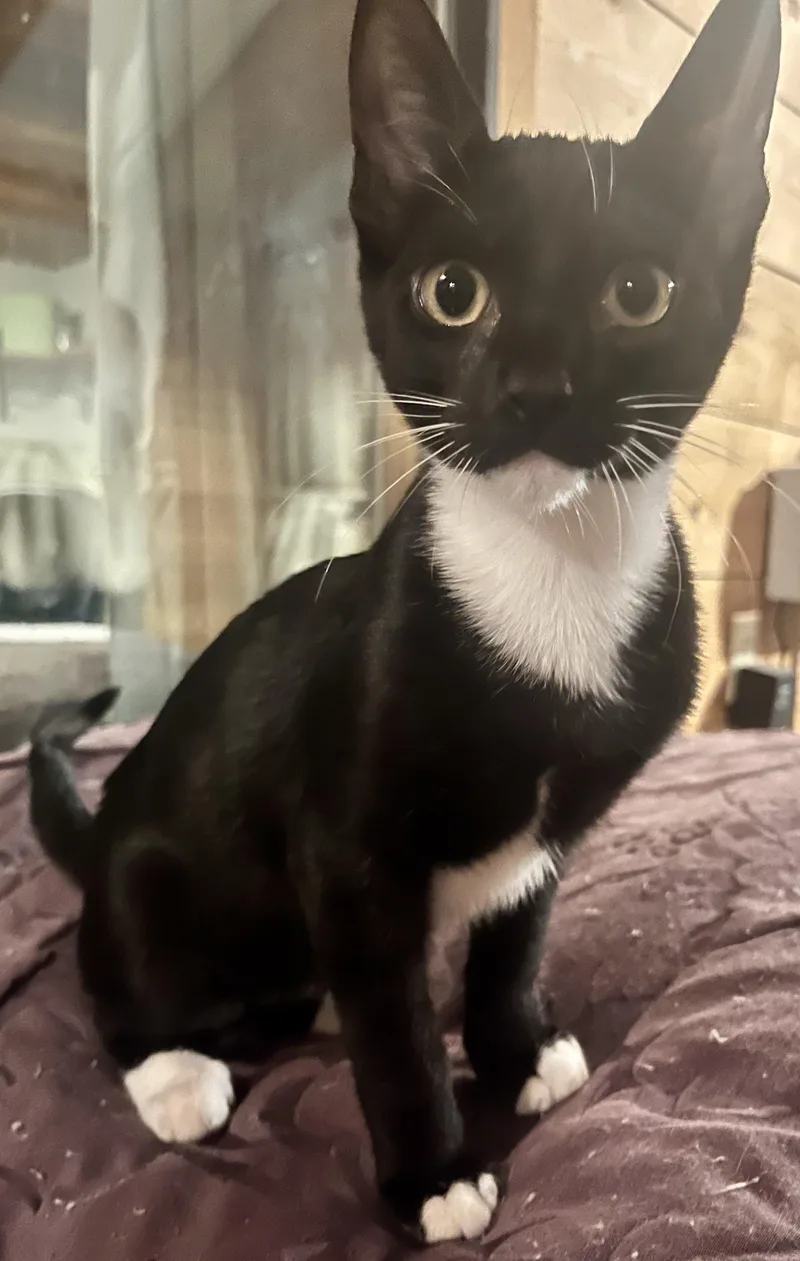
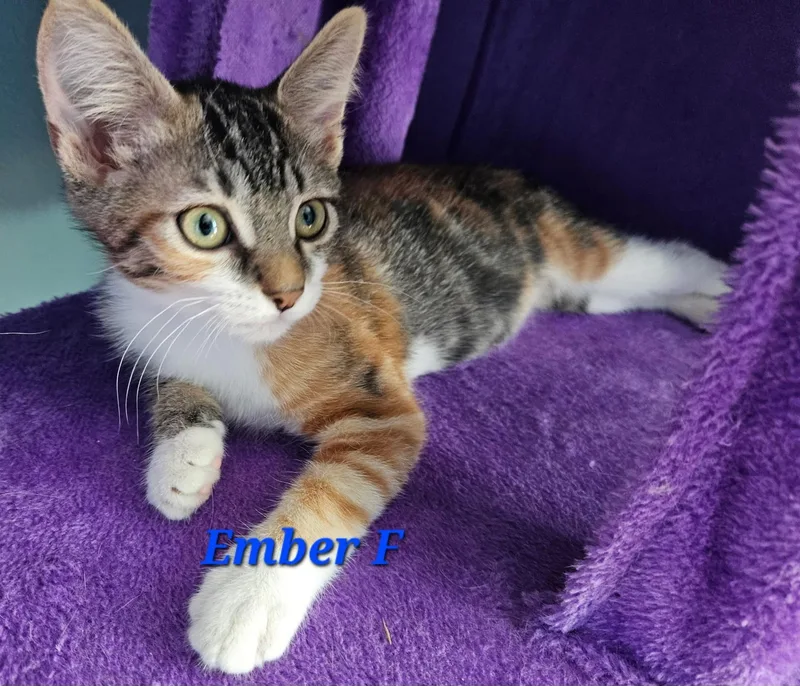
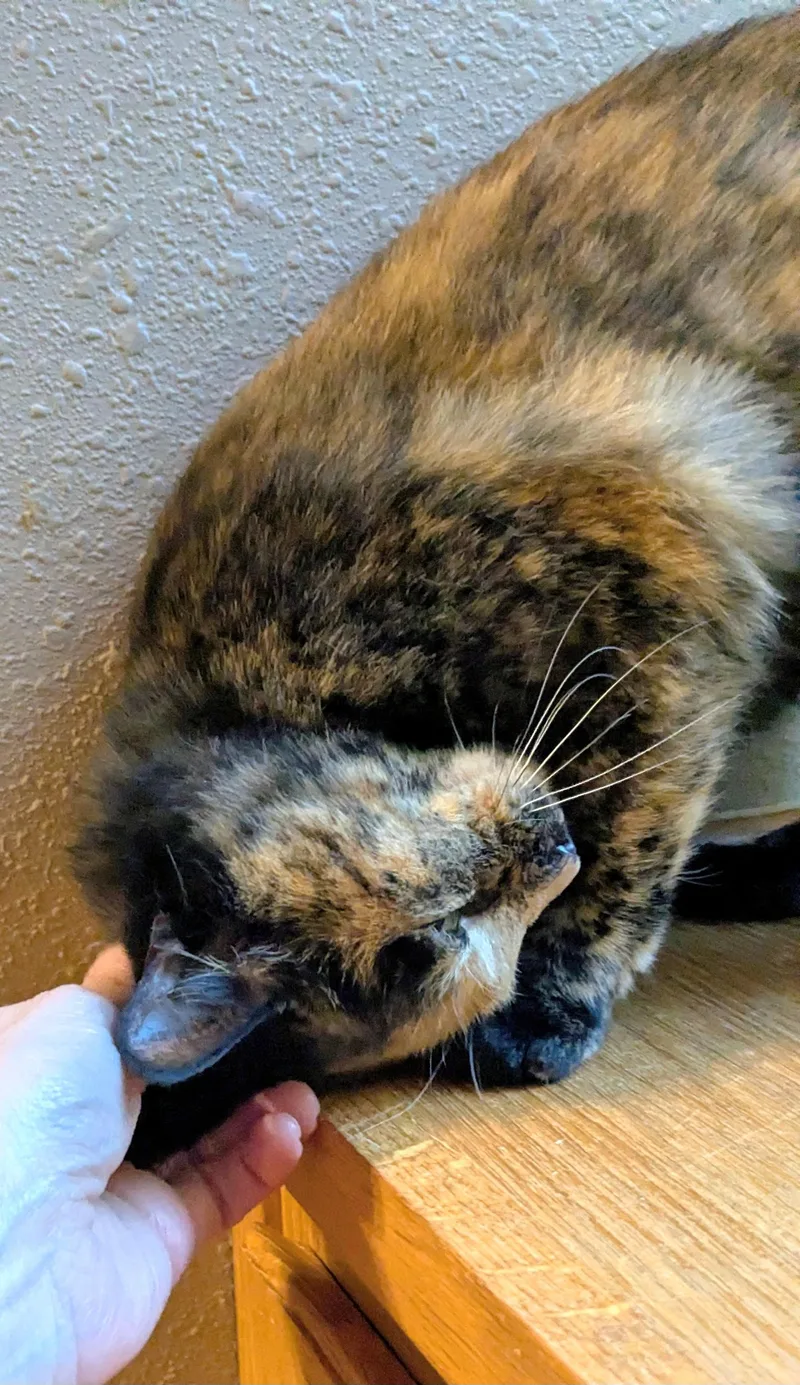
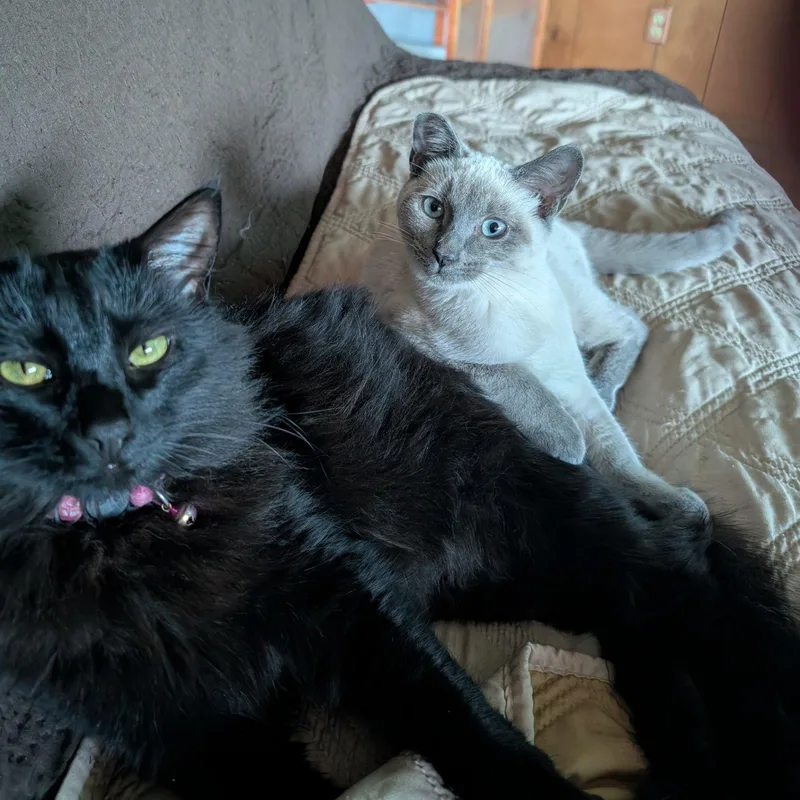
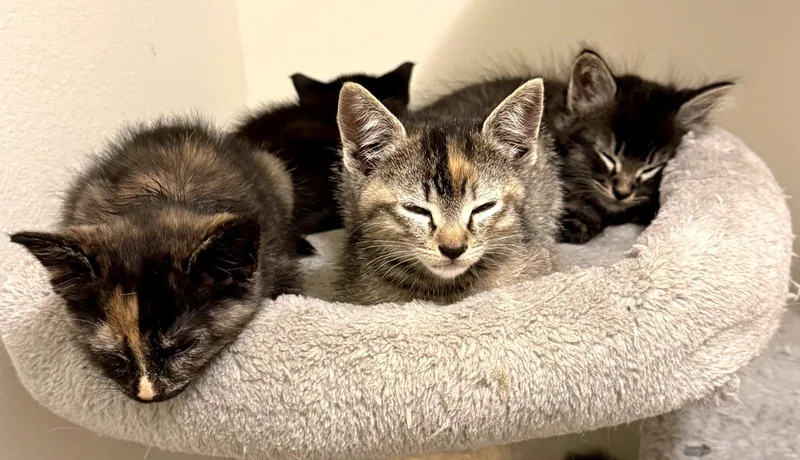
Domestic Short Hair Cats for Adoption in Springfield, OR

Your guide to finding and caring for a Domestic Short Hair in Springfield

Domestic Short Hairs fit Springfield's housing easily, from the apartment complexes around Gateway to the Craftsman bungalows of the Washburne district. They don't need a yard, just a window perch, a scratching post and daily play. DSH is a coat type, not a breed, so personalities run from lap cat to shy watcher. Springfield's long, rainy winters mean a lot of indoor play, which suits a cat that loves a wand toy.

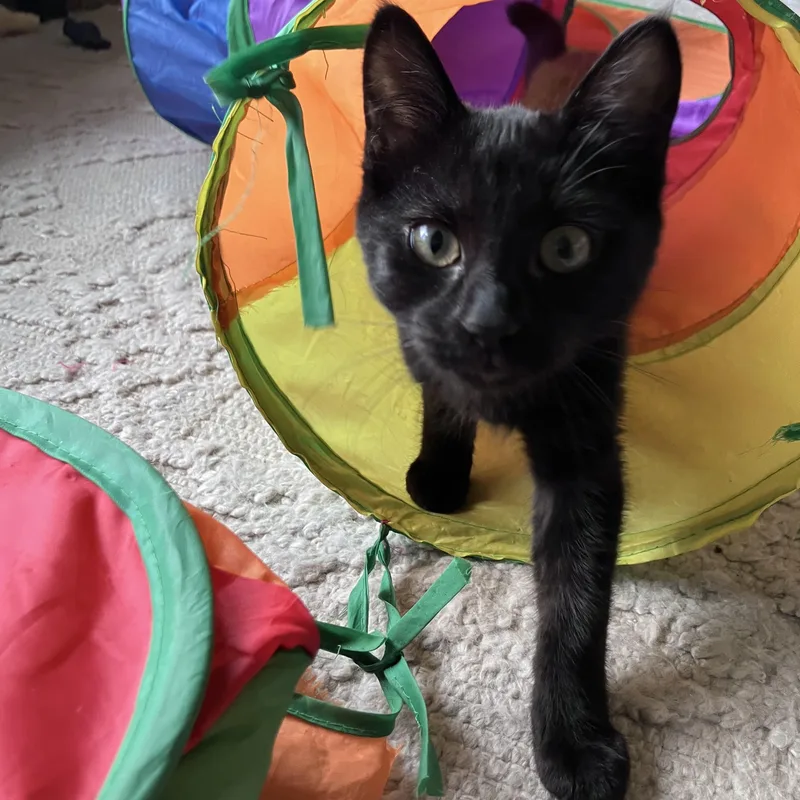
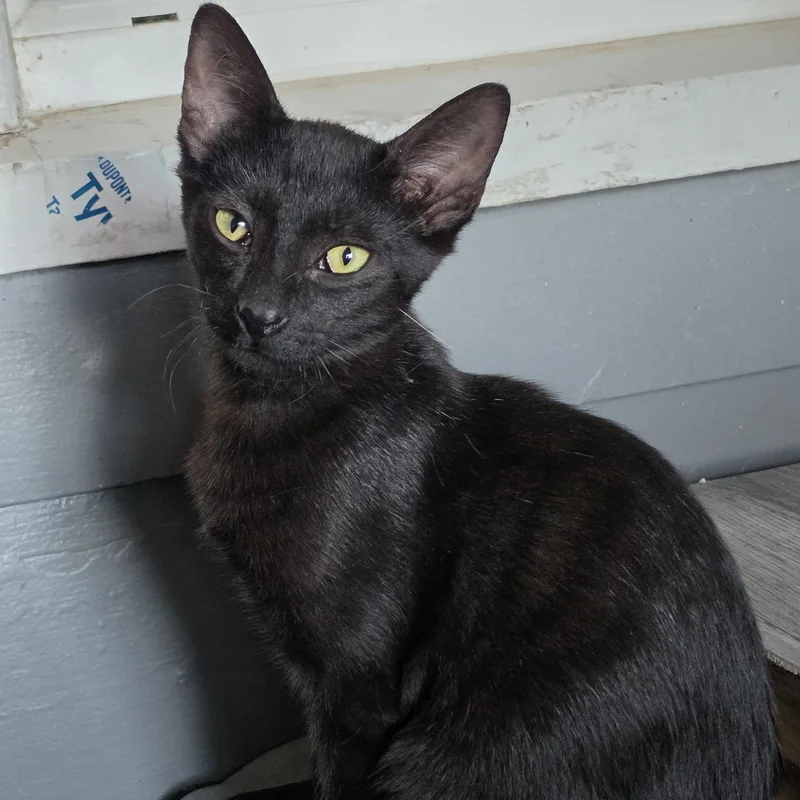
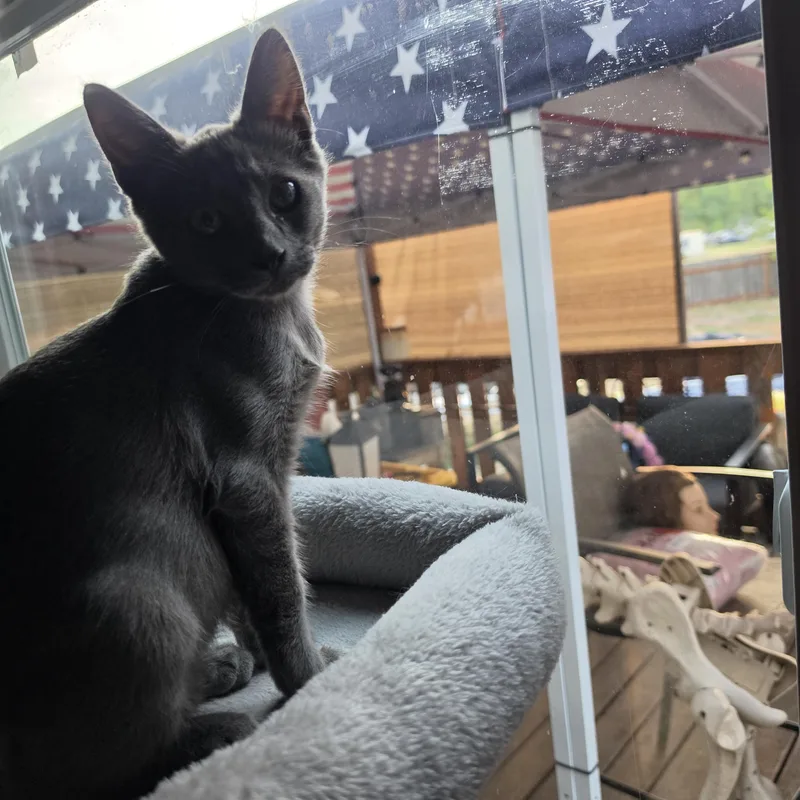
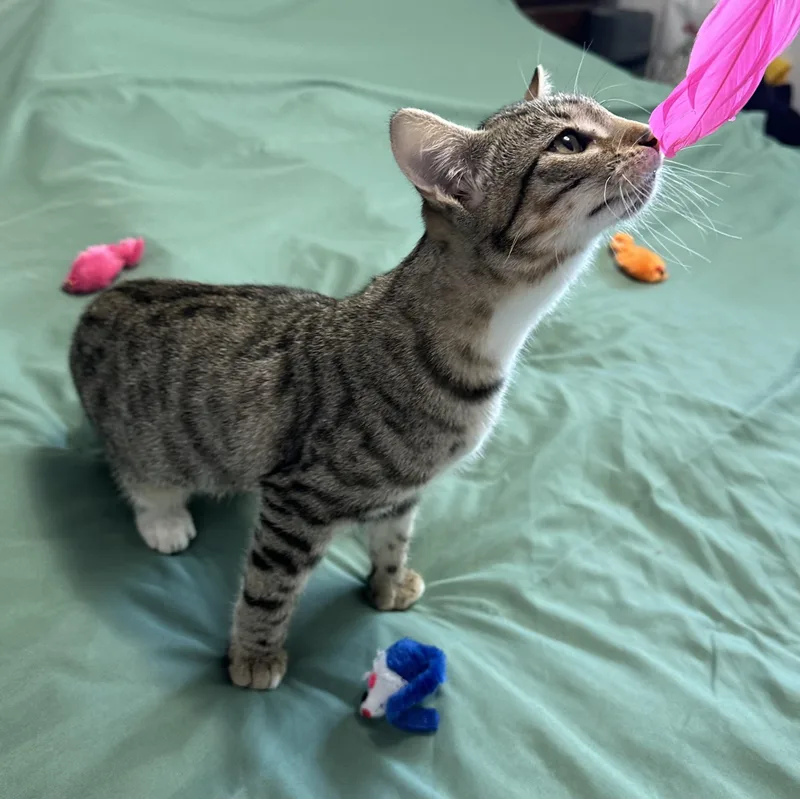
126 Domestic Short Hairs available for adoption in Springfield

Find your Domestic Short Hair

Domestic Short Hairs Available for Adoption in Springfield

About the Domestic Short Hair breed

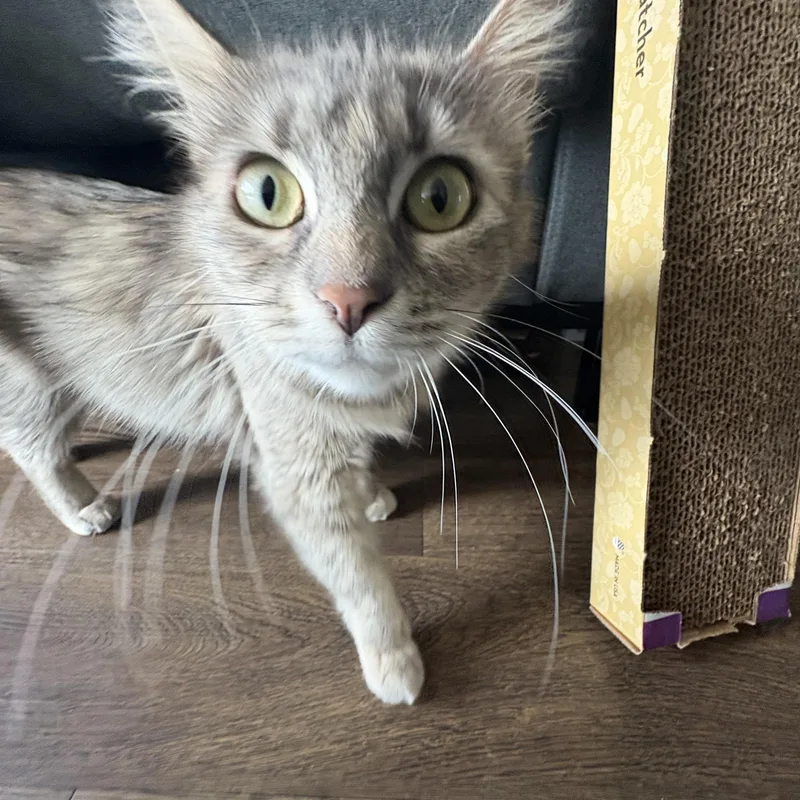
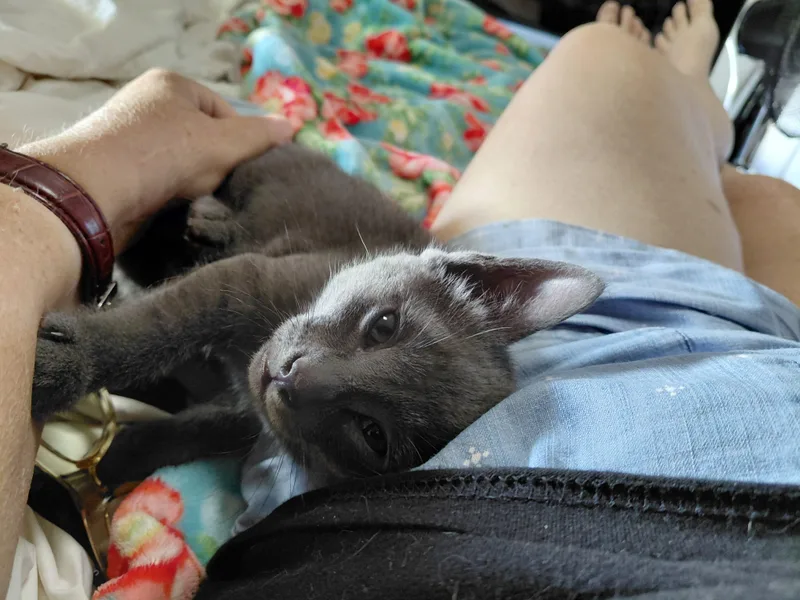
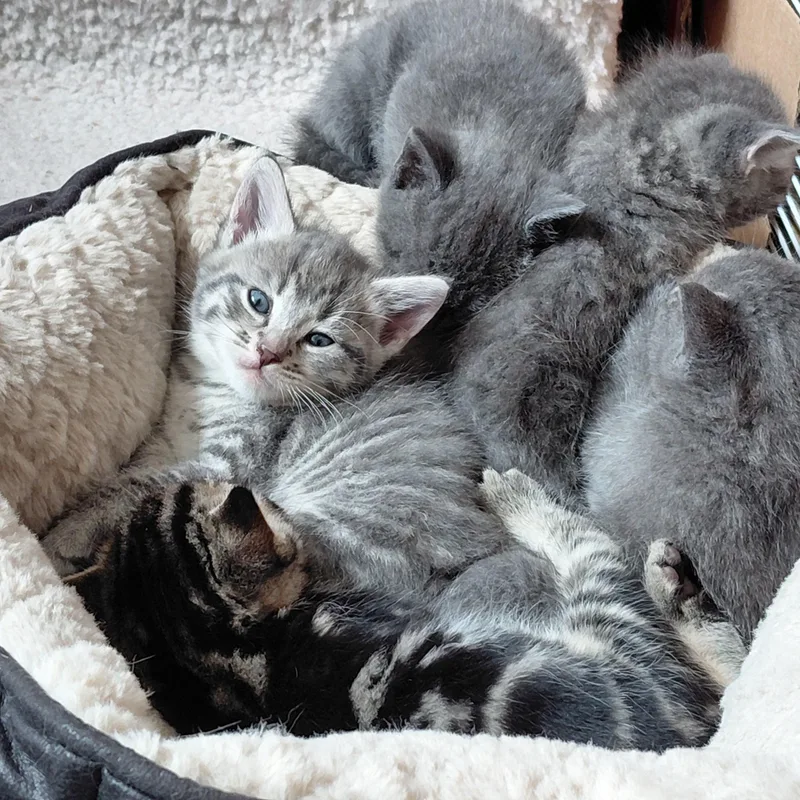
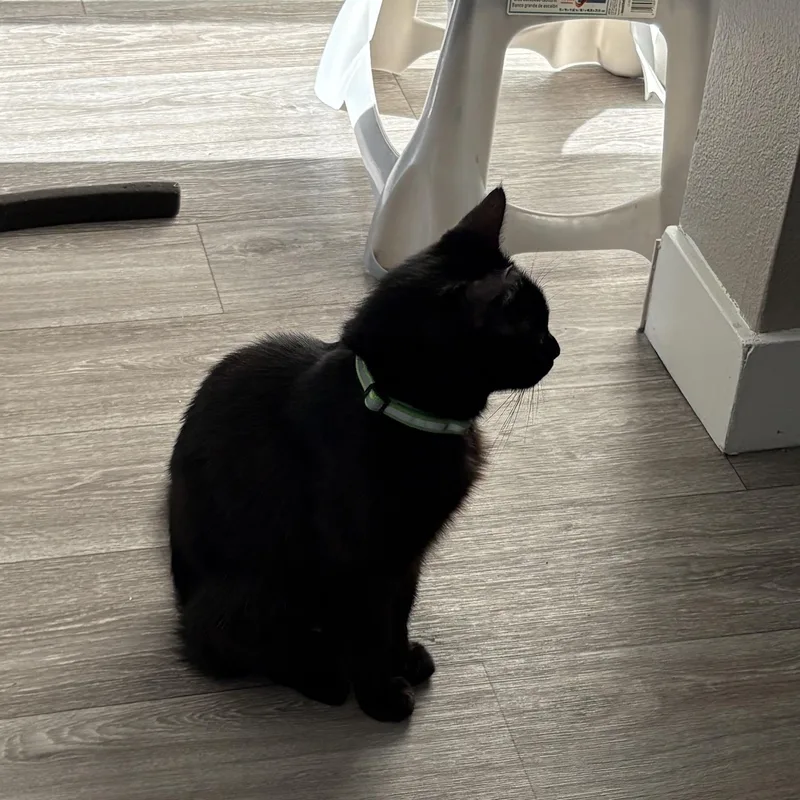
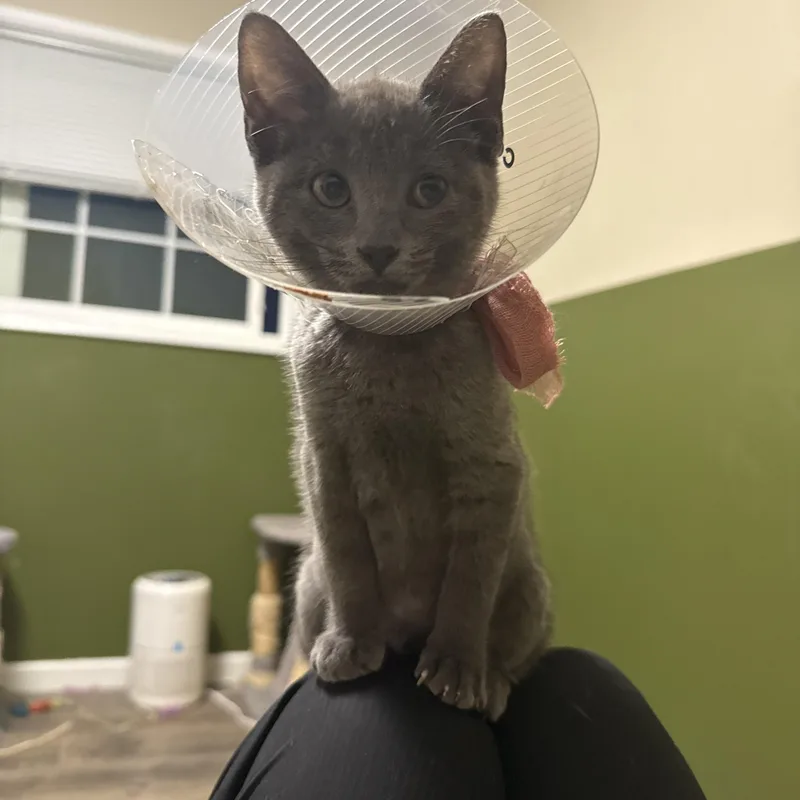
Domestic Short Hair describes a type of cat, not a breed: a short-coated cat of mixed or unknown ancestry, and the most common kind of cat in American homes. You'll often see it shortened to DSH on adoption records. Coats come in every color and pattern, from tabby and tuxedo to calico and solid black, and most of these cats are medium-sized, roughly 6 to 14 pounds.

Because the gene pool is so wide, no two are alike. Some are lap cats, some are chatty, and others prefer to watch from a windowsill. In a city of apartments and older houses like Springfield, their adaptable nature and easy-care coats make them simple to fit into daily life. A cat's age, energy and behavior say more than coat type, so spend time getting to know each cat before choosing.

Weight
6–14 lbs
Height
8–10 in
Lifespan
12–18 yrs
Temperament
Adaptable, Curious, Affectionate
Shedding
Moderate

Owning a Domestic Short Hair in Springfield

Having a Domestic Short Hair in Springfield

DSH describes a coat, not a personality, so energy and sociability vary from cat to cat. In Springfield, most of the work happens indoors: play, enrichment and a safe home, plus routine veterinary care to keep weight and teeth in check.

Temperament

Domestic Short Hairs range from outgoing lap cats to shy observers, and many settle well into apartment life once they have routines and quiet retreats. Kittens tend to be bold and playful, while adults show more settled personalities. Springfield's legal July 4 fireworks can unsettle noise-shy cats, so a quiet room with a hiding spot helps.

Exercise Needs

Plan on daily interactive play: wand toys, chase games and food puzzles, with several short bursts for young cats and gentler sessions for seniors. Rainy Springfield winters make indoor play the default, so add window perches, a cat tree and scratching posts. A harness-trained cat can enjoy a secure patio or catio.

Health Considerations

Common concerns include obesity, dental disease, urinary problems and, in older cats, kidney disease, hyperthyroidism and diabetes. Yearly exams, weight checks and dental care help catch problems early, and a veterinarian can do a full check soon after a newly adopted cat comes home. Keeping cats indoors also lowers the risks from cars, wildlife and fights.

Living Space

Domestic Short Hairs adapt to apartments and houses alike, so Springfield's mix of complexes, rentals and older homes works well. Climbing shelves, hiding spots, scratching posts and a clean litter box matter more than square footage. Secure window screens prevent falls, and keeping a cat indoors or in an enclosure protects it from traffic and wildlife.

What it costs to own a Domestic Short Hair in Springfield

ExpenseTypical costPer year
Adoption fee$70 to $375, one time$70 to $375 in year one
Food$25 to $50 per month$300 to $600
Pet insurance$20 to $45 per month$240 to $540
Routine vet care$150 to $350 per year$150 to $350
Other*$450 to $1,150 per year$450 to $1,150
Estimated yearly total (after year one)$1,140 to $2,640
First-year total (with adoption fee)$1,210 to $3,015

Adoption fee is the range of fees on Domestic Short Hair listings in Springfield on GetBuddy today. Other costs are estimates and vary with size, age and health.

* Litter, flea prevention, a dental cleaning allowance, toys, scratchers and other supplies, and minimal home grooming.

Adopt a Domestic Short Hair in Springfield.

Now that you know more, let’s find you a new best friend. These rescues and shelters below currently have Domestic Short Hairs available.

Rescues in Springfield with Domestic Short Hairs Available

Local rescues care for many Domestic Short Hairs, and the ones listed here are a good place to start. Here are the rescues & shelters in the Springfield area where you can find Domestic Short Hairs and other cats available for adoption.

Frequently Asked Questions

Yes, Domestic Short Hairs usually do well in Springfield apartments, since cats care more about enrichment than square footage. Give the cat a window perch, a tall scratching post, hiding spots and daily play. Secure the window screens, and get pet permission and any deposit terms in writing before signing a lease.

Yes, as long as the cat stays in a carrier. Lane Transit District requires pets to ride in a rigid, fully enclosed carrier that fits on your lap or under your seat. Animals must not cause disruptions, and violations can bring fines up to $250 or removal. A snug, well-ventilated carrier works best.

Yes, indoor Domestic Short Hairs handle Springfield's mild, wet winters and dry summers comfortably. Watch for a few hazards: hot July and August afternoons, late-summer wildfire smoke, and rare ice storms that cause power outages. Keep water, a carrier and a warm, quiet spot ready, and keep cats inside when smoke settles in.

Yes. Springfield has no known breed-specific rules, and the city's pet license covers dogs and miniature pigs, not cats. Vaccinations, a microchip and an ID tag are still smart, and a veterinarian can set up a care schedule soon after adoption. Check your lease for any pet terms before bringing a cat home.

No, plan to leave your cat at home. Oregon's food code lets restaurants allow pet dogs in designated outdoor seating after filing a plan, and only service animals are allowed indoors. The rule is written for dogs, and each restaurant decides for itself, so cats aren't something to expect at the table.

Very little. A weekly brushing handles a Domestic Short Hair's short coat, with a bit more in spring when shedding picks up. Trim nails regularly and plan for dental care. Home grooming is minimal, and its small cost sits within the $450 to $1,150 yearly Other range alongside litter, flea prevention and supplies.

Often, yes, especially for people who enjoy a quiet home and daily play. Domestic Short Hairs adapt to Springfield's apartments and bungalows, and rainy winters suit indoor routines. Personalities vary, so a cat's age and energy matter more than the label. Plan a quiet room for July 4, when fireworks are legal in city limits.

Domestic shorthair cats typically live about 12 to 18 years, and many indoor cats reach their late teens or early twenties. Large UK veterinary studies have found mixed-breed cats tend to live slightly longer than pedigreed cats on average. Spaying or neutering, indoor living, a healthy weight, dental care and regular checkups all help a cat enjoy a longer life.

We have 3 rescues with Domestic Short Hairs available: Twitchy Tails Rescue, Cat Rescue & Adoption Network and Community Cat Advocacy Team - Springfield (CCATS). You can see every rescue with Domestic Short Hairs available in the list above these questions, or scroll to the top to see the Domestic Short Hairs in Springfield.

Expect roughly $1,140 to $2,640 a year for a Domestic Short Hair. Food runs $25 to $50 a month, insurance $20 to $45 a month, routine vet care $150 to $350 a year, and other costs such as litter, flea prevention and dental care $450 to $1,150 a year. Adoption fees appear on the listings.