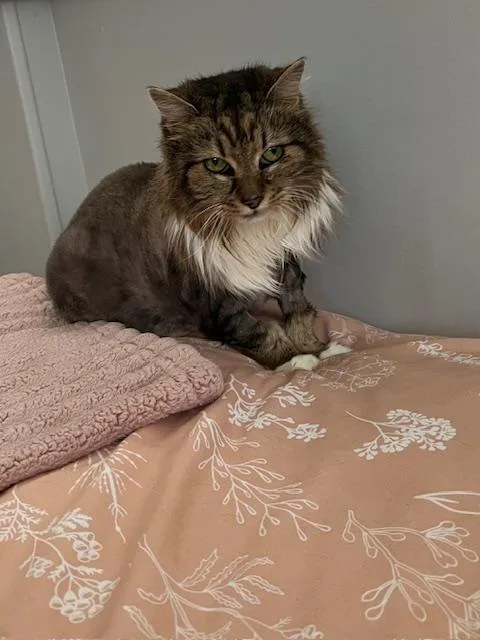
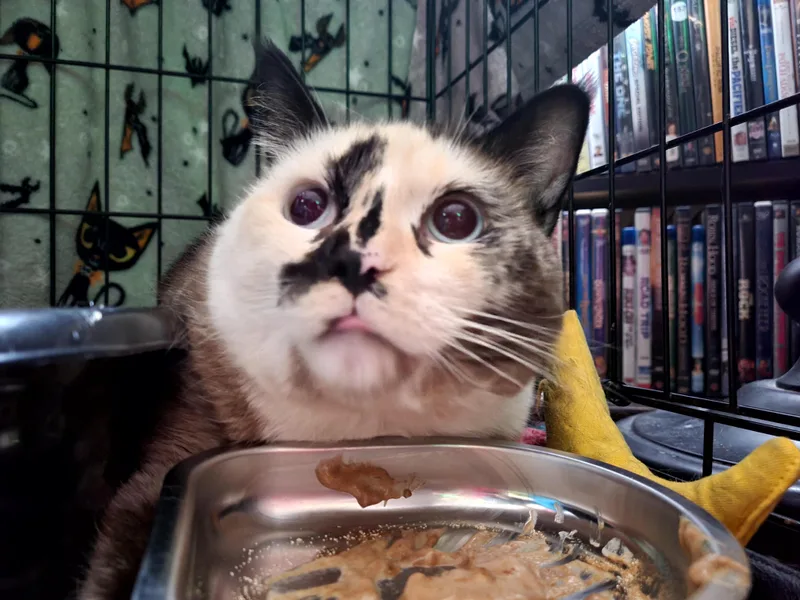
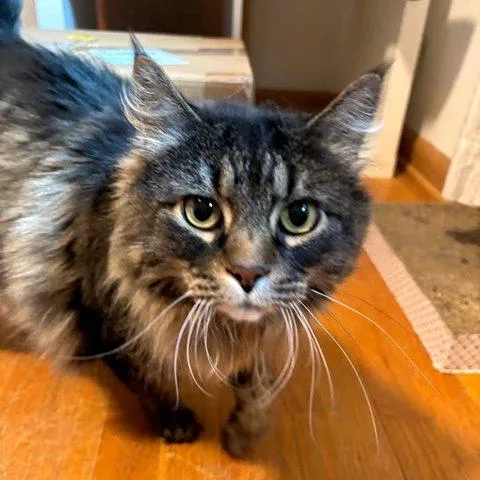
Tortoiseshell Cats for Adoption in Portland, OR

Your guide to finding and caring for a Tortoiseshell in Portland

Tortoiseshell cats fit Portland's mix of bungalows and apartments easily, since the coat says nothing about size or space. A tortie in a Montavilla ranch house can claim a sunny window, while one in a Goose Hollow apartment near the MAX line does just as well with a tall cat tree and a few minutes of wand play each evening. Tortoiseshell is a coat pattern, not a breed, so personalities run from shy to bold. On gray winter days, a good window perch matters.

1058 Tortoiseshells available in Portland and nationwide

Your Tortoiseshell is waiting

Tortoiseshells Available for Adoption Near Portland

About the Tortoiseshell breed

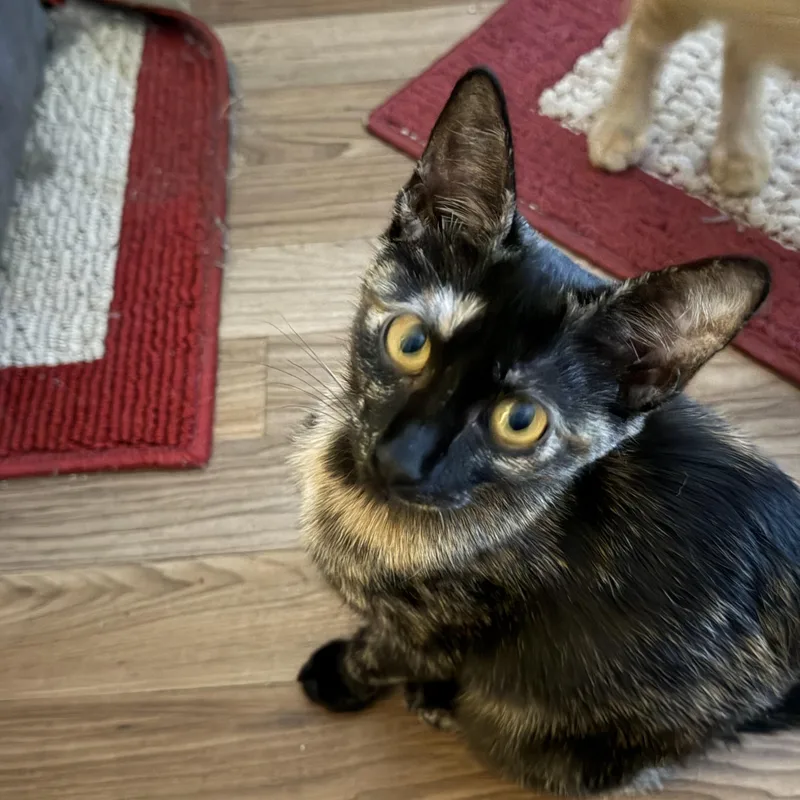
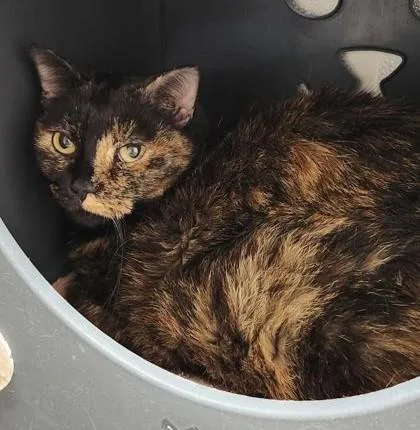
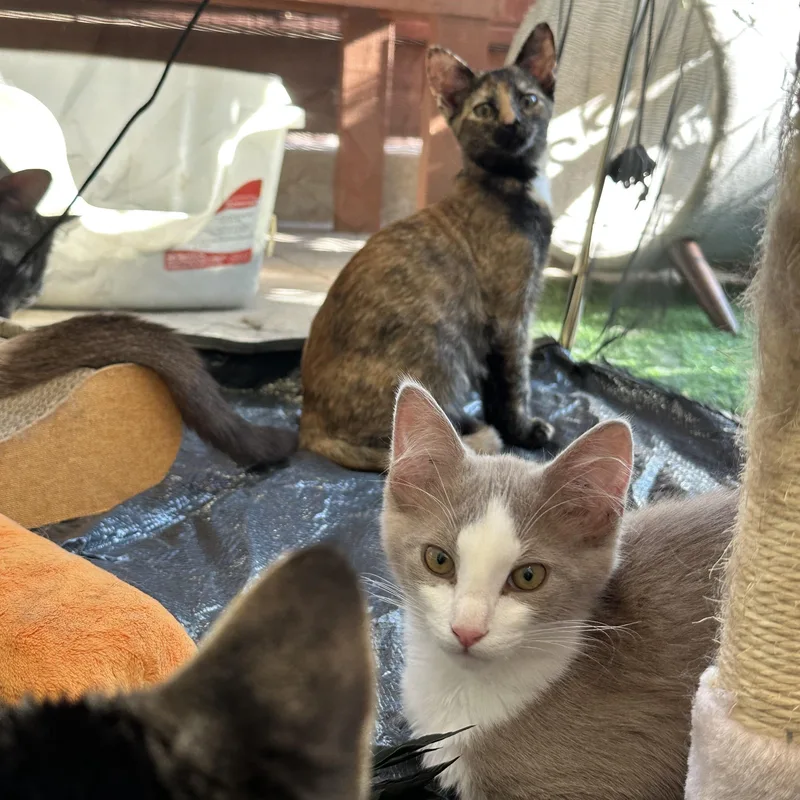
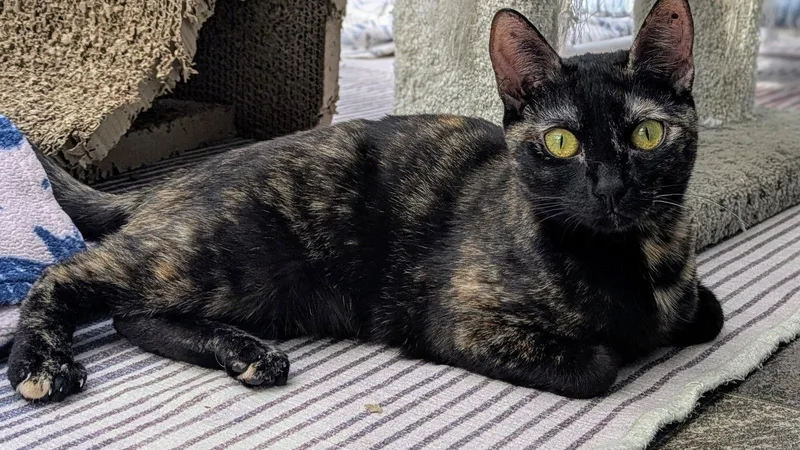
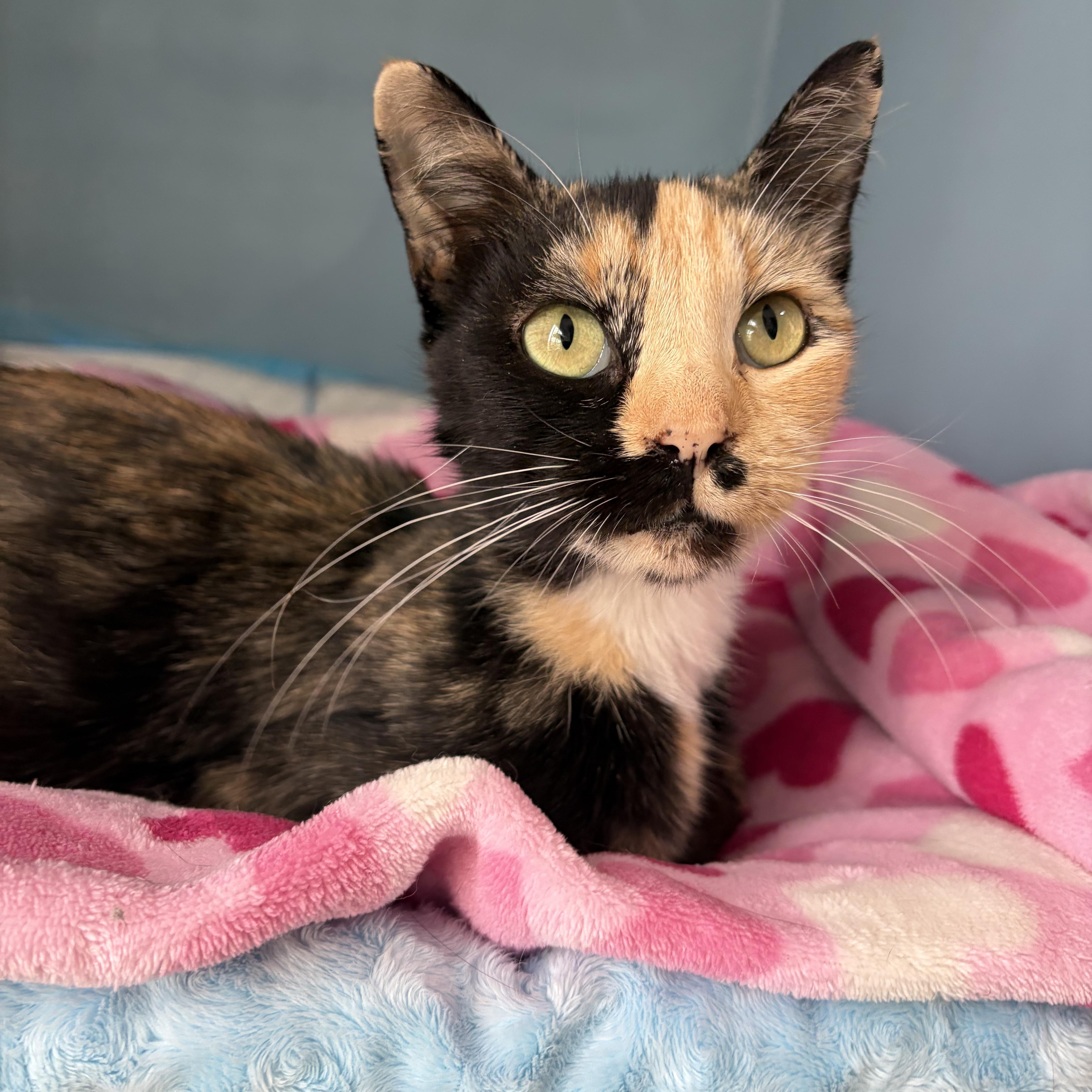
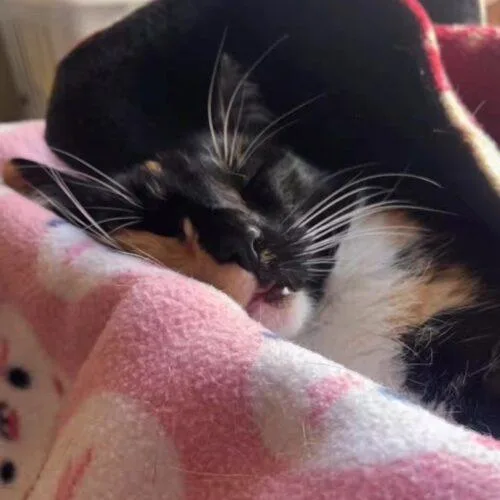
Tortoiseshell is a coat pattern, not a breed. The coat blends black-based and orange-based colors in patches or a fine mottle, usually with little white; a cat with large white areas is called a calico. Because the orange gene sits on the X chromosome, nearly all torties are female. Most are domestic shorthairs, though the pattern also appears in Maine Coons, British Shorthairs and others.

Torties are often said to have "tortitude," but evidence linking coat color to behavior is thin, and a cat's age, history and socialization say far more. Expect moderate shedding, a medium build of roughly 6 to 14 pounds and a lifespan of about 12 to 18 years. In Portland, where damp days stretch from fall into spring, an indoor tortie with good climbing and play options tends to settle in well.

Weight
6–14 lbs
Height
8–10 in
Lifespan
12–18 yrs
Temperament
Independent, Affectionate, Playful
Shedding
Moderate

Owning a Tortoiseshell in Portland

Having a Tortoiseshell in Portland

Tortoiseshell describes a coat, so a tortie's traits come mostly from ancestry, age and upbringing. The cards below cover what holds for many tortoiseshell cats, typically domestic shorthairs, and what to plan for in a Portland home.

Temperament

Torties are often called spirited or opinionated, but the link between coat color and behavior is based mostly on owner impressions. In Portland homes, tortoiseshell cats range from shy to bold and from cuddly to independent. Spend time with the cat and read its listing details; those tell you far more than color.

Exercise Needs

Most tortoiseshell cats benefit from daily interactive play with wand toys, chase games and puzzle feeders, and young cats usually need more than seniors. On Portland's rainy days, indoor play matters most. Cat trees, shelves and window perches add enrichment, and a harness-trained cat can explore outdoors on a leash.

Health Considerations

The tortoiseshell pattern itself carries no particular health risks in females. The rare males usually have an extra X chromosome, are typically sterile and may face added health issues. Otherwise, health depends on ancestry, age and care, so yearly checkups, dental care and a healthy weight matter most. A veterinarian can check a newly adopted cat soon after adoption.

Living Space

Tortoiseshell cats fit Portland apartments and houses equally well, since space needs depend on the cat, not the coat. Scratching posts, a cat tree and a cozy hideaway suit most. Quiet cats may prefer calmer homes, while confident, social torties often handle busy households, shared hallways and visitors easily.

What it costs to own a Tortoiseshell in Portland

ExpenseTypical costPer year
Food$25 to $50 per month$300 to $600
Pet insurance$20 to $45 per month$240 to $540
Routine vet care$150 to $350 per year$150 to $350
Other*$465 to $1,165 per year$465 to $1,165
Estimated yearly total (after year one)$1,155 to $2,655

Other costs are estimates and vary with size, age and health.

* The $15 Multnomah County license for a spayed or neutered cat, litter, flea prevention, a dental cleaning allowance, toys and supplies, and home grooming.

Adopt a Tortoiseshell in Portland.

Now that you know more, let’s find you a new best friend. These rescues and shelters below currently have Tortoiseshells available.

Rescues in Portland with Tortoiseshells Available

Portland's rescue community cares for cats of every coat and age, and the groups listed below show who is adoptable right now. Here are the rescues & shelters in the Portland area where you can find Tortoiseshells and other cats available for adoption.

Frequently Asked Questions

Yes, you can get a tortoiseshell cat in Portland, and no breed-specific rules apply to cats here. Multnomah County requires every cat to be licensed within 30 days of turning six months old or of moving in or getting the cat, with proof of a current rabies vaccination. The cat's tag should be worn whenever it's away from home.

Yes, tortoiseshell cats do well in Portland apartments, because coat pattern doesn't set space needs. Give the cat a tall tree, a window perch and daily wand play. Read the lease first: Oregon allows a pet deposit but bars a nonrefundable up-front pet fee. Secure screens matter in upper-floor units when you open windows in summer.

Yes, Portland's mild, damp climate suits tortoiseshell cats well, mostly because they live indoors. Winters run about 38 to 48°F with frequent rain, and summers average highs near 78°F, with a few days above 90°F. Plan a cool room for heat waves and a warm, dry spot in case an ice storm cuts power.

Yes, but only in a secure, enclosed carrier. TriMet MAX trains, buses and the Portland Streetcar all require non-service animals to ride enclosed, and a carrier shouldn't block aisles or exits. Service animals are exempt. Most tortoiseshell cats fit a standard carrier, so get yours used to it at home before a first ride.

A tortoiseshell cat can be a good fit for Portland if you can offer daily play and an indoor-focused routine. The damp months from October through April suit a cat content with window watching and climbing. Coyotes live throughout the city, so keeping cats inside after dark is safest. Match the cat's energy and confidence to your household.

Most tortoiseshell cats need only a weekly brushing for a short coat, or a few times a week for longer fur, since shedding is moderate. Damp fall and winter days may call for a quick towel wipe after time on a catio. Home grooming costs are already counted in the yearly Other line of the cost table.

A tortoiseshell cat is a cat with a coat pattern of black-based and orange-based colors blended or patched together, usually with little or no white. It is not a breed; the pattern appears in many breeds and most often in domestic shorthairs. Nearly all tortoiseshells are female because the genes for orange and black are carried on the X chromosome.

Almost all tortoiseshell cats are female, but not all. A female has two X chromosomes and can carry both orange and black color genes, producing the mixed coat. Males normally have only one X. Rare male torties usually have an extra X chromosome or are genetic chimeras, and they are estimated at roughly 1 in 3,000 tortoiseshells.

We have 1 rescue with Tortoiseshells available: Animal Rescue & Care Fund, Inc.. You can see every rescue with Tortoiseshells available in the list above these questions, or scroll to the top to see the Tortoiseshells near Portland.

Expect about $25 to $50 a month for food, $20 to $45 for insurance, $150 to $350 a year for routine vet care and $465 to $1,165 a year for other costs. Together that is roughly $1,150 to $2,650 a year, depending on the cat's size, age and health.