Havana Cats for Adoption in Portland, OR

Your guide to finding and caring for a Havana in Portland

Havanas fit Portland apartment life well, since they want company more than square footage. In an older Northwest District apartment or a Goose Hollow one-bedroom, a Havana will follow you from room to room, bat a toy under the couch and comment on it in a soft voice. Plenty of gray, rainy Portland afternoons suit a cat that's happiest on a window perch with someone nearby. Purebred Havanas are rare, so many adopters meet brown shorthairs or Havana mixes instead.

2798 cats similar to Havana available in Portland and nationwide

Give a Havana Brown a home

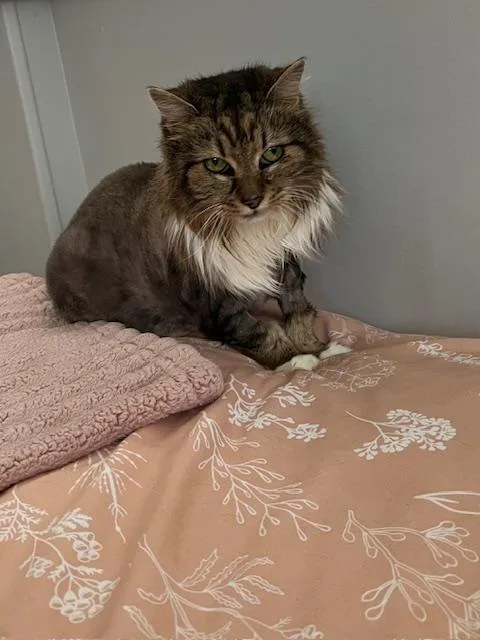
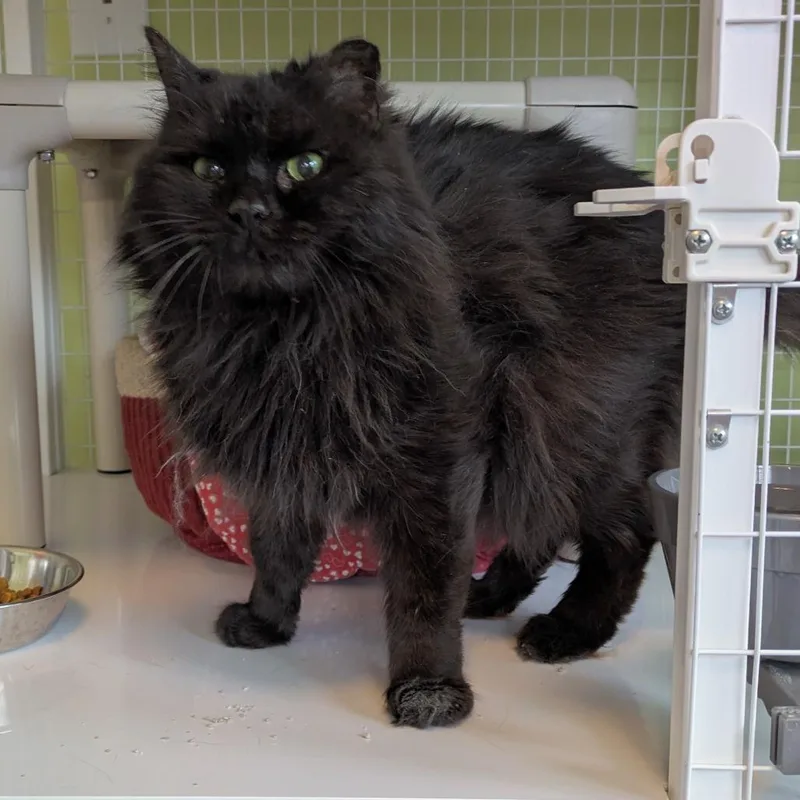
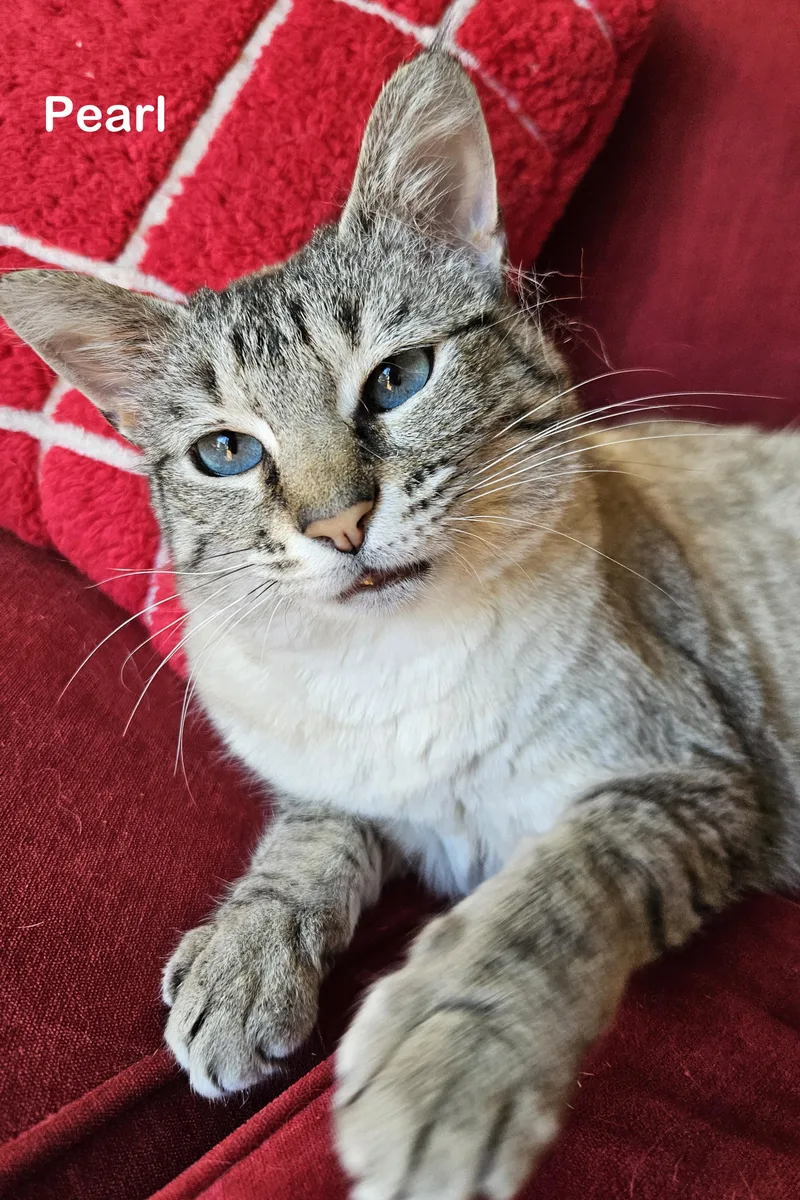
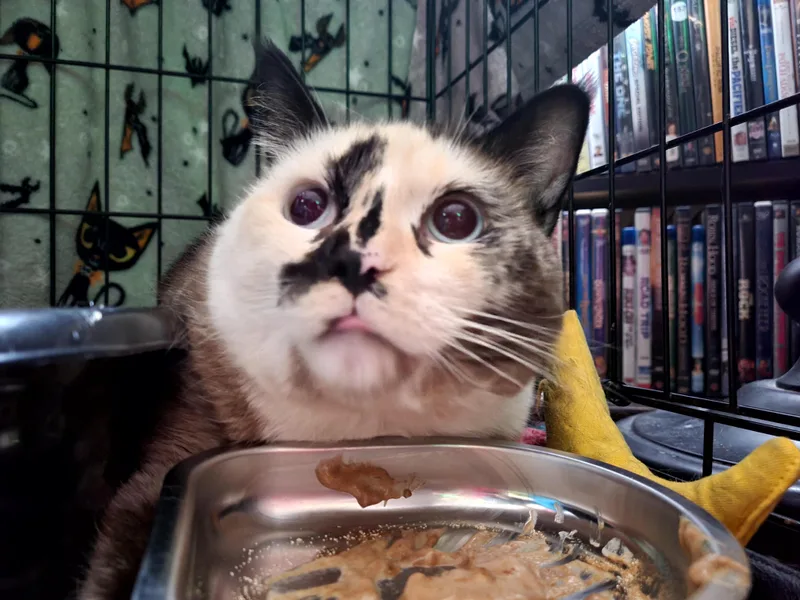
Havanas and Similar Breeds Available for Adoption Near Portland

About the Havana breed

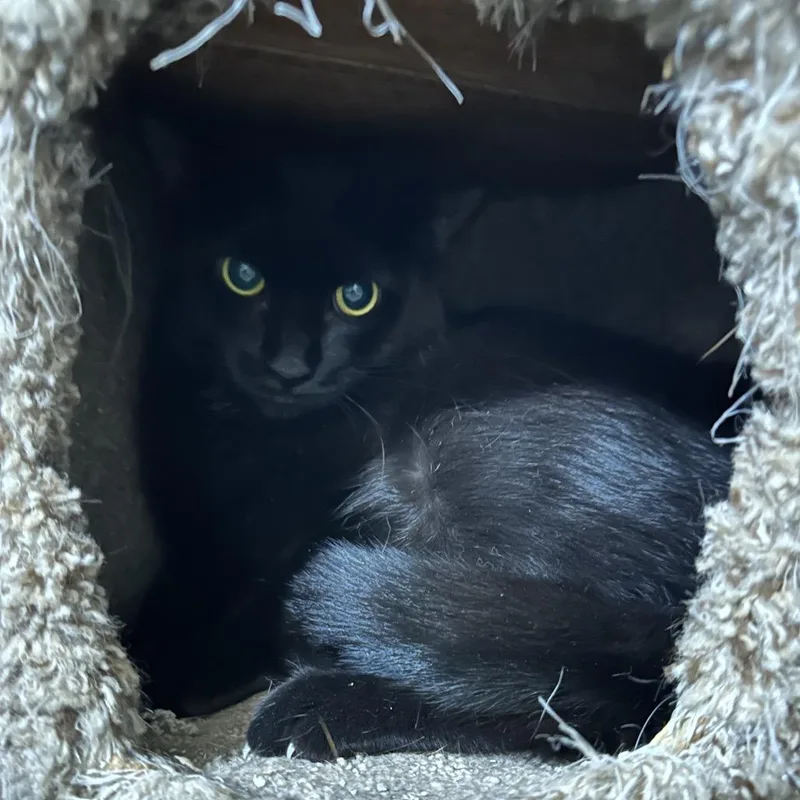
The Havana, called the Havana Brown by some registries, was developed in Britain in the 1950s from chocolate-carrying Siamese cats and black domestic shorthairs. The look is unmistakable: a glossy chocolate coat, brown whiskers, green eyes, large forward-tilted ears and a squared-off muzzle on a moderate, muscular body that usually weighs 6 to 10 pounds.

Havanas are curious and people-focused, and many reach out with a paw to investigate whatever you're doing. Their voice is softer than a Siamese's. The short coat needs little care, which helps in a rainy city where most of life happens indoors. Because the breed is so rare, a Portland adopter is more likely to meet a Havana-type mix, so judge each cat by its own personality rather than its coat color.

Weight
6–10 lbs
Height
9–11 in
Lifespan
10–15 yrs
Temperament
Social, Curious, Affectionate, Playful
Shedding
Low

Owning a Havana in Portland

Having a Havana in Portland

A Havana pairs a sleek, low-maintenance coat with a strong wish to be involved in family life. For a Portland household, that mix of curiosity, sociability and gentle chatter matters more than the chocolate color.

Temperament

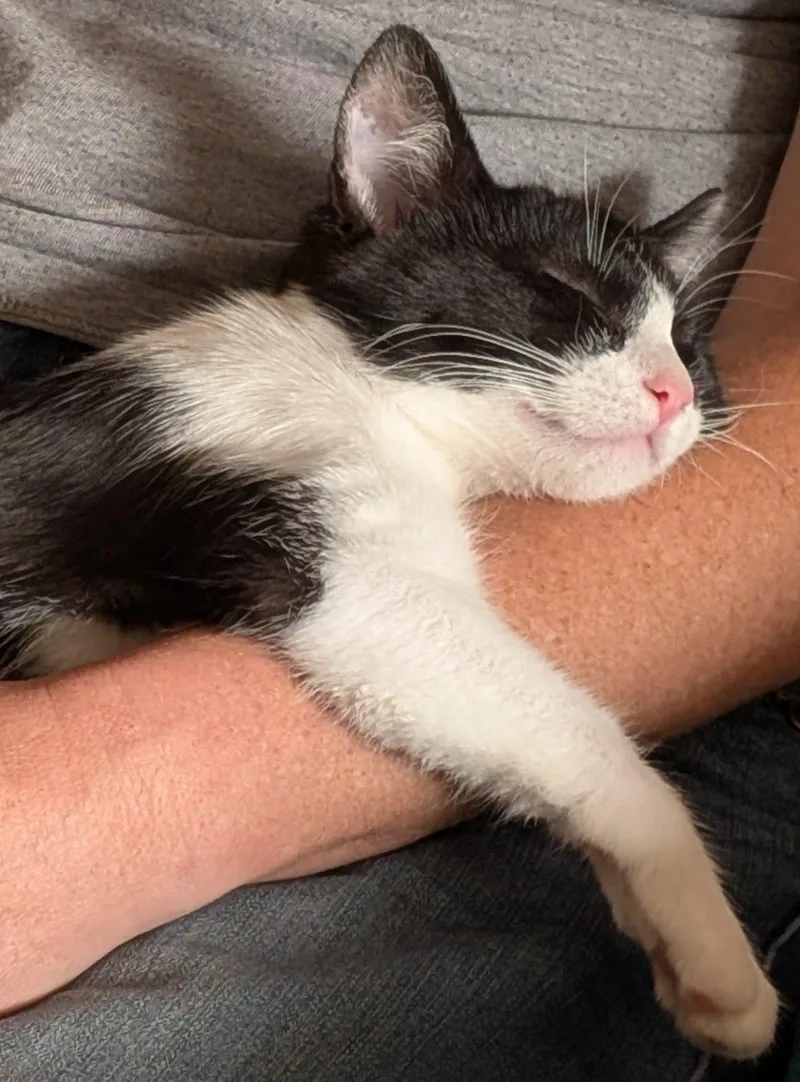
Havanas are often affectionate and interactive, following people around and greeting visitors with interest instead of hiding. Many get along with considerate children and calm dogs. Because they're so people-oriented, some get lonely during long workdays, so households with remote or flexible schedules tend to suit them. Each cat's personality varies, so spend time with a cat before deciding.
Exercise Needs

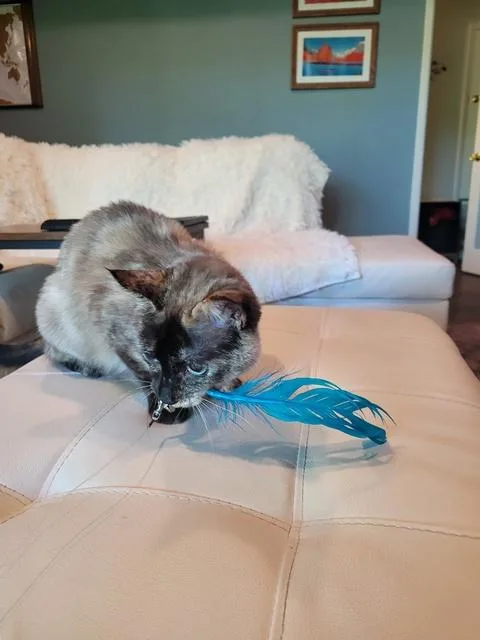
Most Havanas are moderately active and like daily play with wand toys, balls and anything they can bat. Puzzle feeders, climbing perches and short games of fetch keep their curious minds busy. Two or three brief sessions a day usually work better than one long one, which makes rainy Portland days easy to fill indoors.

Health Considerations

No breed-specific genetic disease is well documented, though gum inflammation may be somewhat more common. The gene pool is small, so records are limited. Plan on regular dental care and annual checkups, and have a veterinarian check a newly adopted cat's teeth, weight and general health early on.

Living Space

Havanas do well in apartments or houses because company and enrichment matter more than space. A window perch, a tall cat tree and a few hiding spots go a long way. Most do best as indoor cats with someone home part of the day, since long stretches alone can leave them bored.

What it costs to own a Havana in Portland

ExpenseTypical costPer year
Food$25 to $50 per month$300 to $600
Pet insurance$25 to $50 per month$300 to $600
Routine vet care$150 to $350 per year$150 to $350
Other*$465 to $1,165 per year$465 to $1,165
Estimated yearly total (after year one)$1,215 to $2,715

Other costs are estimates and vary with size, age and health.

* Litter, the $15 Multnomah County cat license for a spayed or neutered cat, flea prevention, a dental cleaning allowance, toys, scratchers and other supplies, and minimal home grooming for the short coat.

Adopt a Havana in Portland.

Now that you know more, let’s find you a new best friend. These rescues and shelters below have cats available in and near Portland.

Rescues and Shelters in or near Portland

Portland's shelters and rescues care for cats of every age and type, and the ones listed here change often. Here are the rescues & shelters in the Portland area with cats available for adoption, worth asking whether a Havana is coming in.

Frequently Asked Questions

Yes, nothing in Portland or Multnomah County restricts owning a Havana; the same rules apply to every cat. Because the breed is rare, watch the listings on this page, browse similar breeds and nearby cities, and save a search to hear about new cats. Brown shorthairs and Havana mixes may turn up more often than a registered Havana.

Yes, a Havana is a good apartment cat. It needs company, play and vertical space more than square footage, and its soft voice rarely bothers neighbors. Read your lease for pet terms before signing, then set up window perches and a tall cat tree. Expect a curious cat who'd rather be near you than shut in a bedroom.

Often, yes, especially for people who are home a fair amount, such as remote workers or couples with flexible schedules. Havanas are social and can get bored alone all day, and Portland's rainy months keep everyone indoors together, which suits them. Cats vary, so consider a cat's age and energy as well as its coat color.

Mostly yes. Mild, damp winters are easy on an indoor Havana, though its short coat offers little warmth in a cold house. The bigger risks are summer heat waves in homes without air conditioning and late-summer wildfire smoke, so shade windows, offer plenty of water and keep your cat inside on smoky days.

Only in a secure, enclosed carrier. TriMet MAX trains, buses and the Portland Streetcar allow pets only in carriers, and carriers shouldn't block aisles or exits; service animals are exempt. A Havana weighs about 6 to 10 pounds, so a carrier is manageable. Pick a sturdy one and let your cat get used to it at home first.

Very little. The short, glossy coat needs a quick weekly brush at most, and Portland's damp months don't cause matting. Professional grooming is rarely necessary, so costs stay small within the Other line of the cost table. Dental care is the bigger task, so plan on regular tooth brushing or a vet's dental plan.

A Havana cat, also called the Havana Brown, is a rare shorthaired breed developed in Britain in the 1950s from Siamese and black domestic cats. It is recognized by its rich chocolate-brown coat, brown whiskers, green eyes and distinctive muzzle. Havanas tend to be social, curious and people-focused, and few are available, so brown shorthaired mixes are more common in shelters.

Expect roughly $1,200 to $2,700 a year for a Havana in Portland, covering food, insurance, routine vet care and other costs such as litter, flea prevention, dental care, supplies and the county license. Insurance is the biggest variable, and a purebred-type cat may land toward the upper end. Emergencies and illness aren't included.