Bengal Cats for Adoption in Eugene, OR

Your guide to finding and caring for a Bengal in Eugene

A Bengal's constant need for play fits Eugene's long, rainy winters. A Whiteaker apartment with a window perch and a tall cat tree gives this athletic cat plenty to climb, and the walkable streets around Friendly make a harness stroll easy on a dry afternoon. Bengals are smart and busy, so they do best with someone who's home a fair amount and enjoys games. If you're thinking about adopting a Bengal in Eugene, plan on daily wand play.

207 Bengals available in Eugene and nationwide

A Bengal is ready for you

While we don't have enough cats near Eugene, keep in mind that many rescues may offer transport.

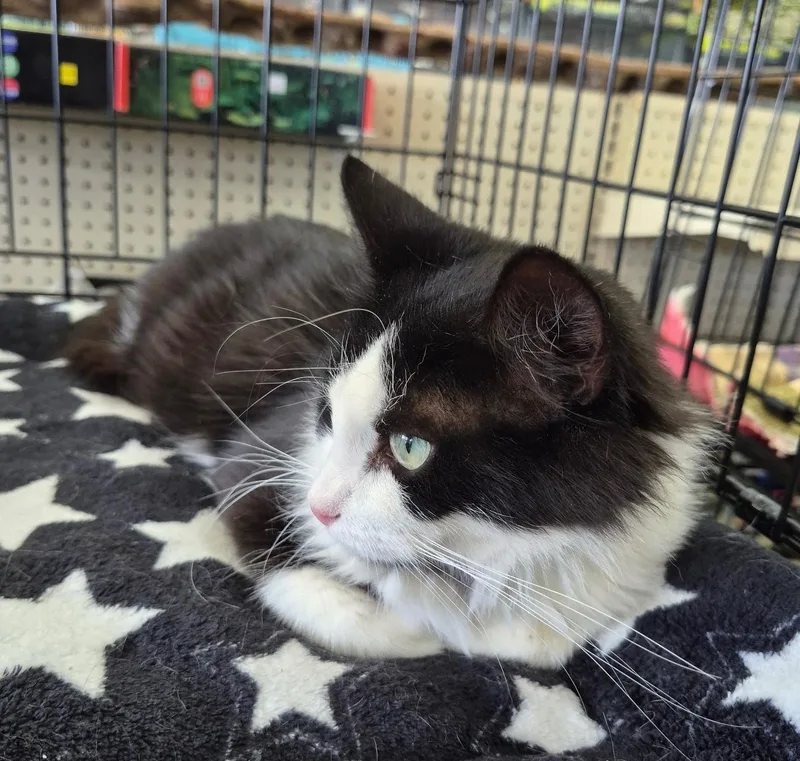
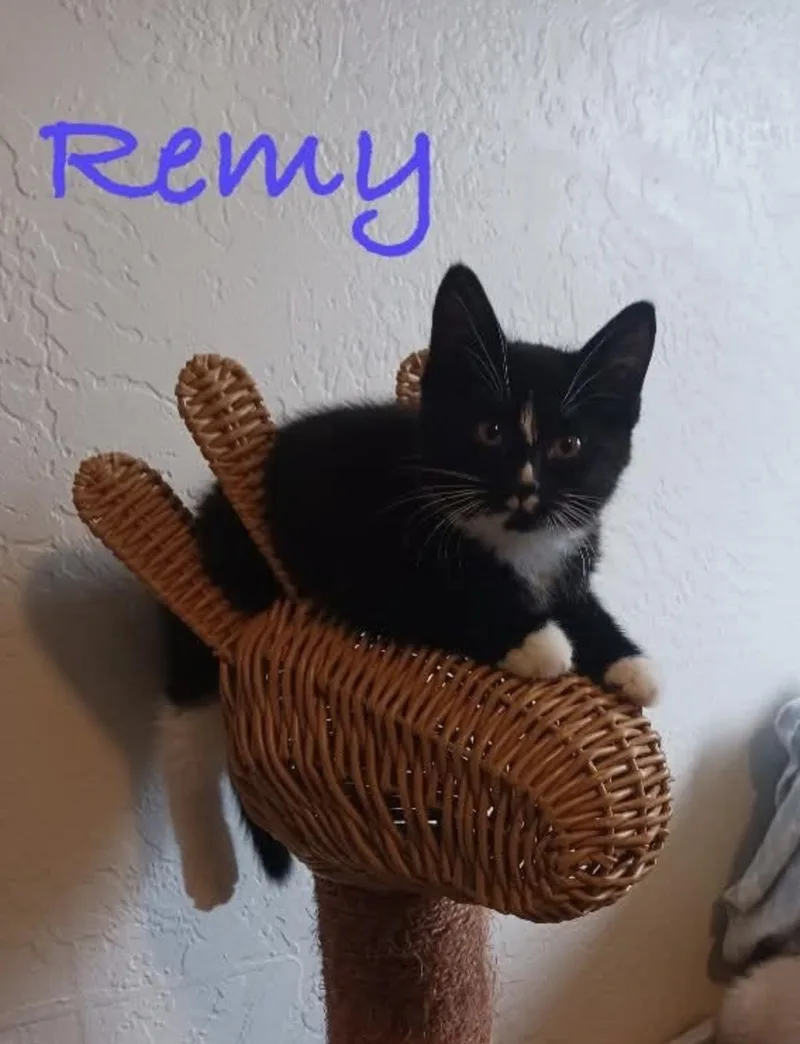
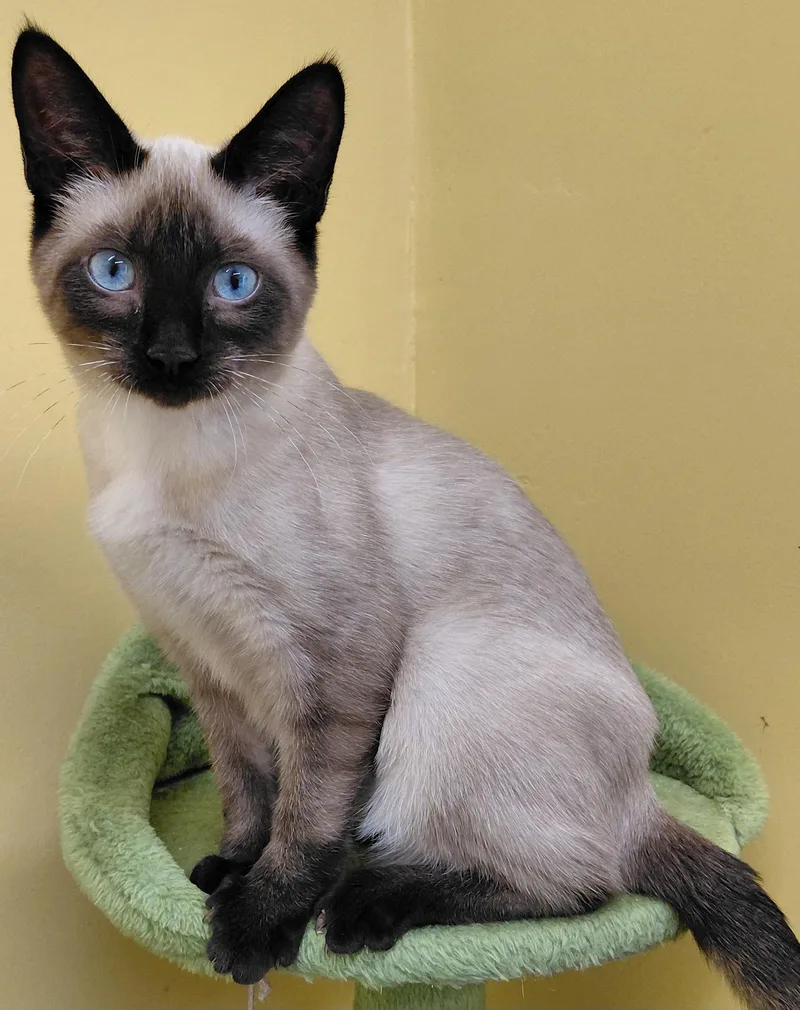
Bengals Available for Adoption Near Eugene

About the Bengal breed

Bengals look like small wild cats, with a sleek, muscular build and a spotted, rosetted or marbled coat that often shimmers. The breed started in the United States in the 1960s, from crosses between domestic cats and the Asian leopard cat. Today's pet Bengals are many generations removed from that ancestor and are fully domestic. Most weigh 8 to 15 pounds, and males tend to run larger.

The personality is as striking as the coat. Bengals are intelligent, curious and athletic, and many fetch, learn tricks or play in running water. That energy suits people who like an interactive cat, and it can wear on anyone hoping for a quiet lap cat. In Eugene's damp months, climbing space and puzzle toys do a lot of work indoors. Bengals vary, and some are mellower than others.

Weight
8–15 lbs
Height
9–11 in
Lifespan
10–15 yrs
Temperament
Energetic, Curious, Intelligent
Shedding
Low to Moderate

Owning a Bengal in Eugene

Having a Bengal in Eugene

Bengals pair a striking coat with a busy mind and an athletic body. Their activity level, need for company and a few inherited health risks matter most when deciding whether one fits your home in Eugene.

Temperament

Bengals tend to be confident, curious and closely tied to their people, often following them from room to room. Many get vocal when bored. Some get along with cat-savvy dogs and other active cats, though a few are bossy. Bengals vary widely, so the cat in front of you says more than the breed does.

Exercise Needs

Most Bengals need several active play sessions a day: wand toys, fetch and chasing games, plus tall trees and shelves to climb. Food puzzles and clicker training keep their minds busy. In Eugene, rainy days from fall through spring mean most of this happens indoors, and many Bengals enjoy a harness outing on a dry day.

Health Considerations

Bengals can develop hypertrophic cardiomyopathy, a heart condition, along with inherited problems such as progressive retinal atrophy and pyruvate kinase deficiency, a type of anemia. Genetic tests exist for some of these. Regular veterinary checkups, including heart screening if your vet recommends it, are the best preventive step.

Living Space

Bengals do fine in apartments or houses if they have vertical territory and daily interaction. Stimulation matters more than square footage, since a bored Bengal may open cupboards, knock things over or chew cords. Window perches and wall shelves help through Eugene's gray months, and a second playful cat can add company.

What it costs to own a Bengal in Eugene

ExpenseTypical costPer year
Food$25 to $50 per month$300 to $600
Pet insurance$30 to $60 per month$360 to $720
Routine vet care$150 to $350 per year$150 to $350
Other*$500 to $1,350 per year$500 to $1,350
Estimated yearly total (after year one)$1,310 to $3,020

Other costs are estimates and vary with size, age and health.

* Litter, flea prevention, a dental cleaning allowance, toys and bedding, light brushing, and extra climbing and puzzle enrichment for a very active cat.

Adopt a Bengal in Eugene.

Now that you know more, let’s find you a new best friend. These rescues and shelters below currently have Bengals available.

Rescues in Eugene with Bengals Available

Eugene's adoption community includes a busy public shelter and smaller rescues, and the cats they list change often. Here are the rescues & shelters in the Eugene area where you can find Bengals and other cats available for adoption.

Frequently Asked Questions

Yes, you can own a Bengal in Eugene. The city's animal code regulates dogs by behavior rather than breed, and no known rule restricts Bengals. Whether you can keep one mostly comes down to your lease, so make sure your rental allows cats before you adopt. Pet Bengals are fully domestic cats, many generations from the leopard cat.

Yes, but only in a carrier. Lane Transit District buses require pets to ride in a rigid, fully enclosed carrier that fits on your lap or under your seat. Bengals are active cats, so practice carrier time at home first. Aggression or accidents on board can bring a penalty of up to $250 or exclusion from the system.

Yes, a Bengal can live in a Eugene apartment if it gets vertical space and daily play. Pick a unit with a bright window, add a tall tree or wall shelves, and schedule wand sessions morning and evening, when many Bengals are busiest. Rain keeps many days indoors, so rotate puzzle feeders and toys, and tidy cords a bored Bengal might chew.

Mostly yes. Eugene's mild winters and warm, dry summers are easy on a short-coated indoor Bengal, which needs a cool room only on the few days that reach 90°F. The real hazards are late-summer wildfire smoke and rare ice storms, so keep a carrier and supplies ready, and keep the cat inside on smoky days.

Very little. A Bengal's short, close-lying coat needs only a weekly brush, and shedding stays low to moderate. Eugene's rain matters little for an indoor cat, though muddy paws after a harness outing may need a wipe. Grooming costs are minor and fall under the light brushing counted in the yearly Other costs.

A Bengal is a domestic cat breed developed from crosses between house cats and the small Asian leopard cat, then bred for generations with domestic cats. Bengals have short, sleek coats with spots, rosettes or marbling, muscular builds and lively, curious personalities. Pet Bengals are domestic cats, though their energy and intelligence often feel a little wilder.

Bengal kittens look like tiny spotted or marbled wild cats, with large eyes, rounded ears and bold markings visible from birth. Many go through a fuzzy stage at a few weeks old, when longer guard hairs make the pattern look muddy or faded. The coat usually clears and sharpens over the first several months as the kitten matures.

Bengal cats are medium-sized, muscular cats that usually weigh about 8 to 15 pounds as adults. Males are typically larger and heavier than females, and some big males exceed that range. Their long, athletic bodies and powerful hindquarters can make them look larger than they are. Weight depends on build and activity, so body condition matters more than the number.

We have 1 rescue with Bengals available: Hospice Pet Advocates. You can see every rescue with Bengals available in the list above these questions, or scroll to the top to see the Bengals near Eugene.

Expect about $25 to $50 a month for food and $30 to $60 a month for pet insurance, which reflects the breed's known heart and genetic risks. Routine vet visits run about $150 to $350 a year. Other costs, such as litter, flea prevention, dental care and enrichment, add roughly $500 to $1,350 a year.

Explore Other Breeds in Eugene

Looking for a different breed? Browse other cats available for adoption in Eugene.