Torbie Cats for Adoption in Tulsa, OK

Your guide to finding and caring for a Torbie in Tulsa

Torbies fit Tulsa's older midtown housing well, since a cat doesn't need a yard. The duplexes and small apartment buildings around Swan Lake, many built in the 1920s and '30s, have plenty of windows, and a perch facing the street gives a curious torbie hours of entertainment. Some torbies watch from the sill while others follow you from room to room. You're choosing a cat, not a coat, so spend time with the cat and see how its energy fits your evenings.

327 Torbies available in Tulsa and nationwide

Fall for a Torbie

While we don't have enough cats near Tulsa, keep in mind that many rescues may offer transport.

Torbies Available for Adoption Near Tulsa

About the Torbie breed

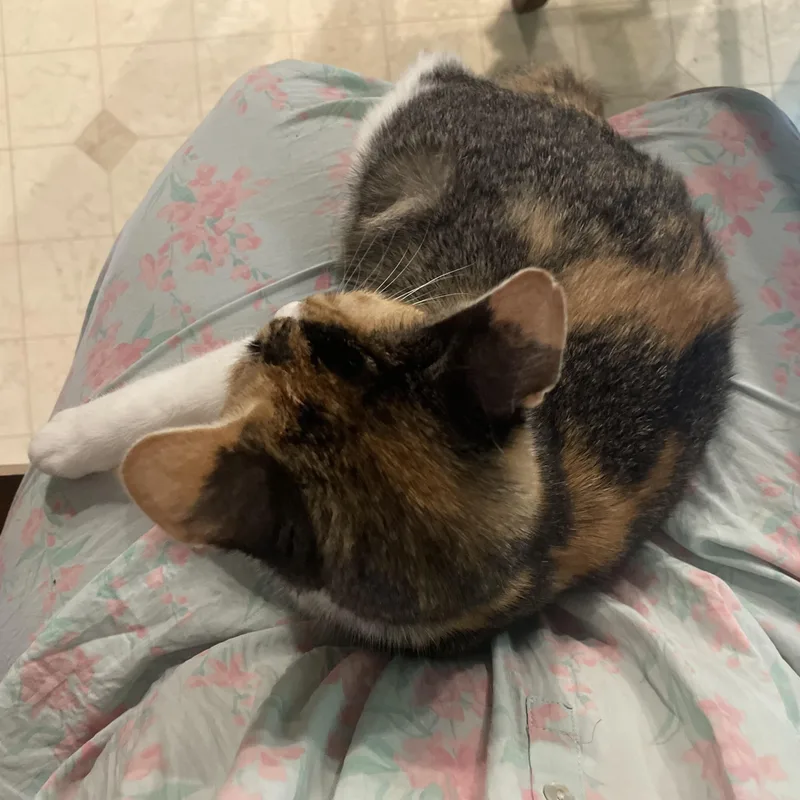
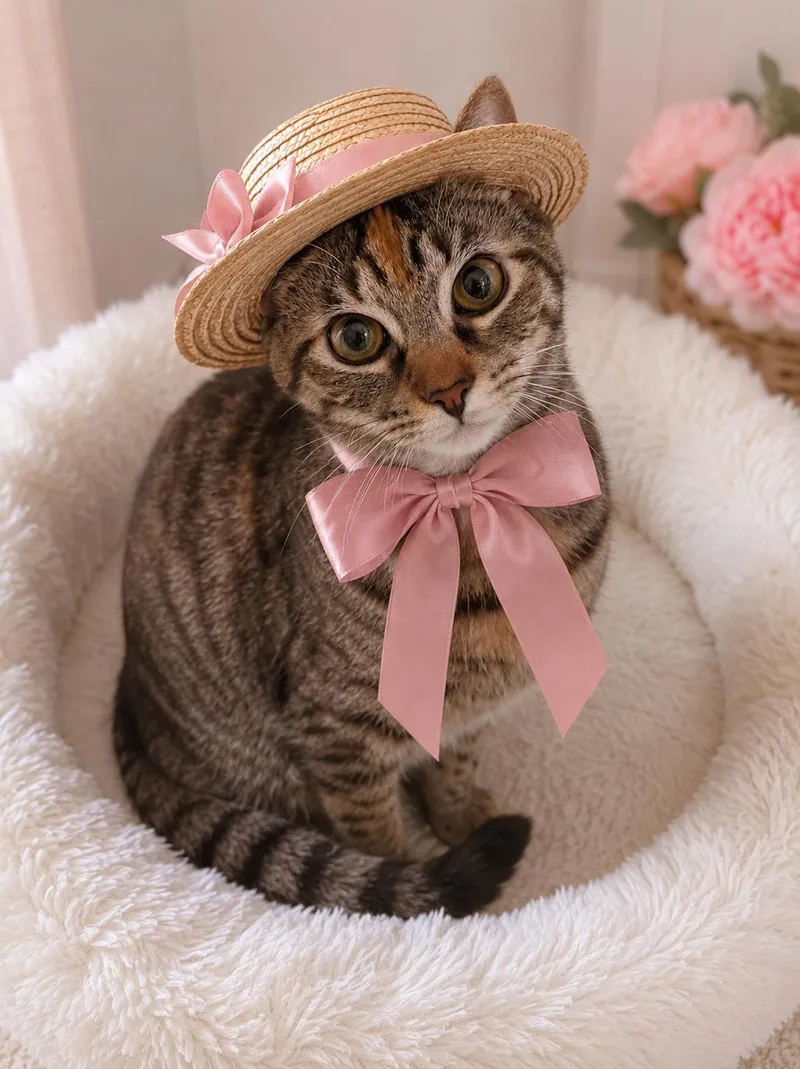
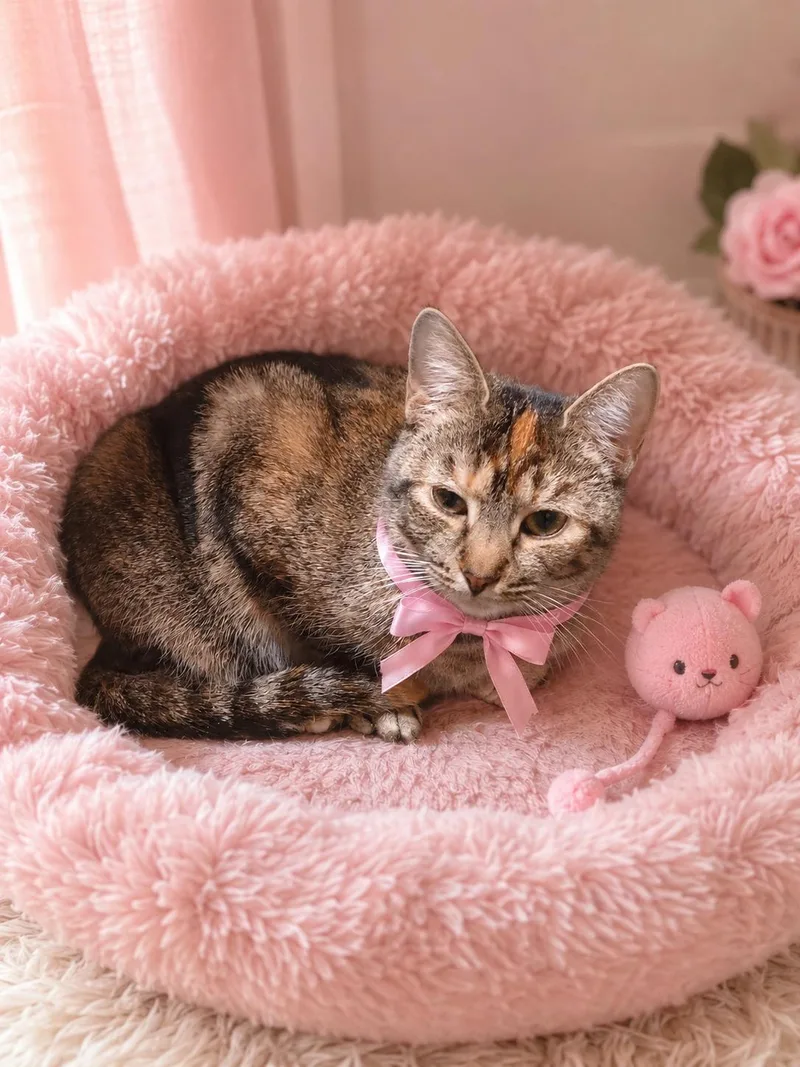
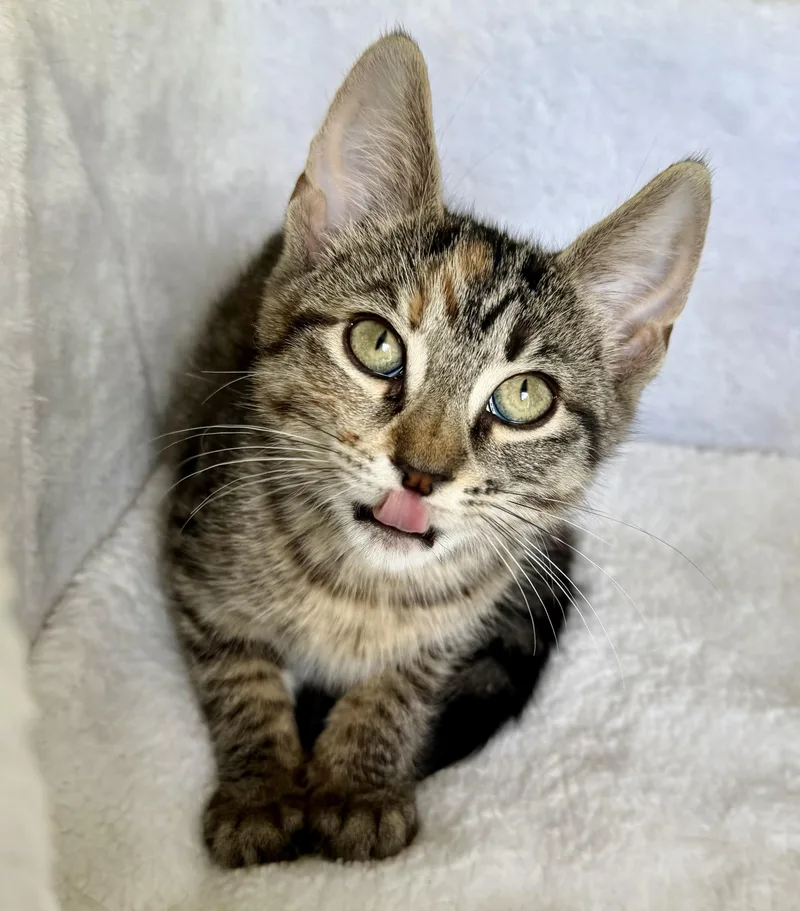
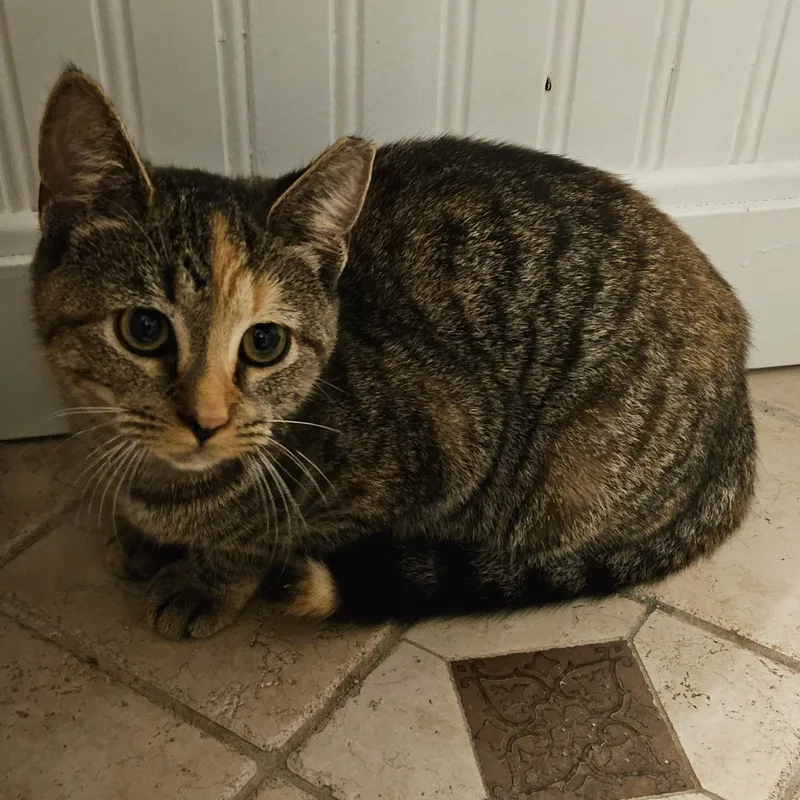
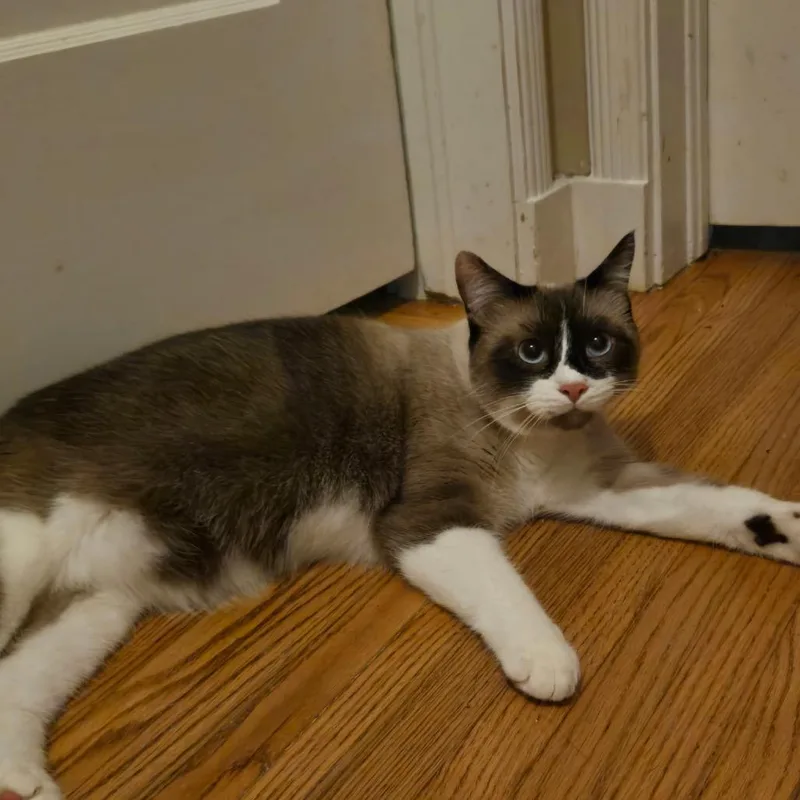
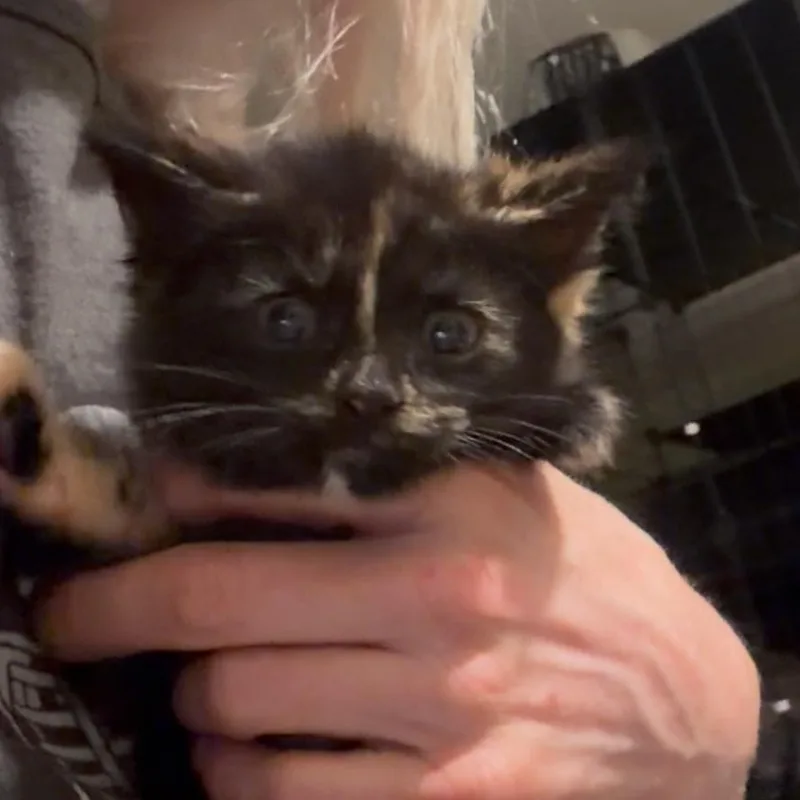
Torbie isn't a breed but a coat pattern: tortoiseshell patches of black-based and orange-based color with tabby stripes, swirls or spots running through them, often with an M on the forehead. Brown, blue-and-cream and silver versions exist, and a torbie with lots of white is sometimes called a caliby. Nearly all torbies are female, because the orange color gene sits on the X chromosome.

Most torbies in Tulsa homes are domestic shorthairs or longhairs, so size, coat length and personality vary from cat to cat. Shedding is moderate, and weekly brushing keeps hair off floors and furniture. Torbies are said to be spunky yet friendly, but that's folklore rather than research. A cat's age, history and own temperament say far more than color, and lifespans of 12 to 18 years make adoption a long commitment.

Weight
6–14 lbs
Height
8–10 in
Lifespan
12–18 yrs
Temperament
Playful, Affectionate, Curious
Shedding
Moderate

Owning a Torbie in Tulsa

Having a Torbie in Tulsa

Torbie describes a coat, not a breed, so these cards cover what's generally true of domestic cats with this pattern. Each cat's age, background and personality matter more than color, and Tulsa's coyotes and storm seasons shape how best to keep any cat safe.

Temperament

Torbies are often called playful, affectionate and curious, though that comes from owner impressions, not research. Some are shy and reserved, others chatty and cuddly. In a Tulsa apartment, an outgoing cat may enjoy greeting visitors, while a shy one needs a quiet room and a high perch. Time with the cat shows the best fit.

Exercise Needs

Plan on daily interactive play: wand toys, chase games, puzzle feeders and a tall cat tree. Young torbies may want several short sessions a day, while older cats prefer gentler ones. Because cats do best indoors in Tulsa, window perches, climbing shelves and an evening play session do most of the work.

Health Considerations

The torbie pattern carries no known health risks for female cats, so health depends on age, background and care. Yearly exams, dental care, vaccines and a healthy weight matter most. A veterinarian can check a newly adopted cat for fleas, ear mites and dental problems, and Tulsa's pet license requires current rabies vaccination.

Living Space

Torbies adapt to duplexes, apartments and ranch houses alike, since space needs come from the cat rather than its coat. Scratching posts, window perches, a cat tree and hiding spots matter more than square footage. Shy cats settle best in calm homes, while confident, social ones usually handle busy households, children and other pets well.

What it costs to own a Torbie in Tulsa

ExpenseTypical costPer year
Adoption fee$90, one time$90 in year one
Food$25 to $50 per month$300 to $600
Pet insurance$20 to $45 per month$240 to $540
Routine vet care$150 to $350 per year$150 to $350
Other*$450 to $1,150 per year$450 to $1,150
Estimated yearly total (after year one)$1,140 to $2,640
First-year total (with adoption fee)$1,230 to $2,730

Adoption fee is the fee on Torbie listings in Tulsa on GetBuddy today. Other costs are estimates and vary with size, age and health.

* Litter, the $5 Tulsa pet license, flea and parasite prevention, a dental cleaning allowance, toys and supplies, and home grooming.

Adopt a Torbie in Tulsa.

Now that you know more, let’s find you a new best friend. These rescues and shelters below currently have Torbies available.

Frequently Asked Questions

Yes. Oklahoma law forbids breed-specific local rules, and torbie is only a coat pattern, so nothing in Tulsa restricts these cats. Plan on the city license, spay/neuter and a household limit of five dogs and cats combined. Check your lease as well, since landlords set their own pet terms and fees.

Usually, if you're happy keeping a cat indoors. Tulsa's older duplexes, apartments and ranch houses all work, and torbies run from shy to outgoing, so match the cat to your household. Plan for summer heat, spring storms and winter power outages, and keep cats in because coyotes live throughout the city.

Yes, cats adapt well to apartments. Give a torbie a window perch, a tall cat tree and daily play, which helps burn off energy and cuts down on nighttime antics. Chatty cats can be noisy, so consider your neighbors. During storm season, make sure window screens are secure so a startled cat can't slip out.

Indoors, yes. Torbies have moderate-length coats and do fine in a home kept cool with air conditioning, shaded windows and plenty of fresh water. Panting, drooling or lethargy means the cat is overheating and needs cooling down and a veterinarian. Never leave a cat in a parked car, even briefly.

Yes, on MetroLink buses, including the Aero line on Peoria, as long as the cat rides in a secure carrier. Service animals are the exception. Choose a sturdy carrier that fits on your lap or under the seat, and line it with a towel to keep a nervous cat calmer.

Most torbies need a brush once a week, and longhaired ones may need it several times a week. Shedding picks up as seasons change, especially in spring and fall, so brush more often then. Home grooming supplies and the occasional nail trim are small costs already included in the Other line above.

A torbie cat is a cat whose coat combines tortoiseshell and tabby patterns, with patches of black-based and orange-based color plus tabby stripes, swirls or spots. It is a coat pattern, not a breed, and appears mostly in domestic shorthairs and longhairs. Torbies are also called tortie-tabbies or patched tabbies, and nearly all are female.

No, torbie cats are not especially rare. The pattern appears whenever a tortoiseshell cat also inherits tabby markings, which is common, and shelters regularly have torbies available. Male torbies are a different story: like other male tortoiseshells, they are very rare. Some variations, such as silver or dilute torbies, are seen less often but are still not unusual.

We have 1 rescue with Torbies available: Animal Rescue Foundation. You can see every rescue with Torbies available in the list above these questions, or scroll to the top to see the Torbies near Tulsa.

Plan on roughly $1,140 to $2,640 a year for a torbie in Tulsa. That covers food at $25 to $50 a month, insurance at $20 to $45 a month, routine vet care at $150 to $350 a year, and about $450 to $1,150 a year in other costs, including litter, prevention and dental care.

Find Torbies in Nearby Cities

Expand your search to find Torbies available for adoption near Tulsa.