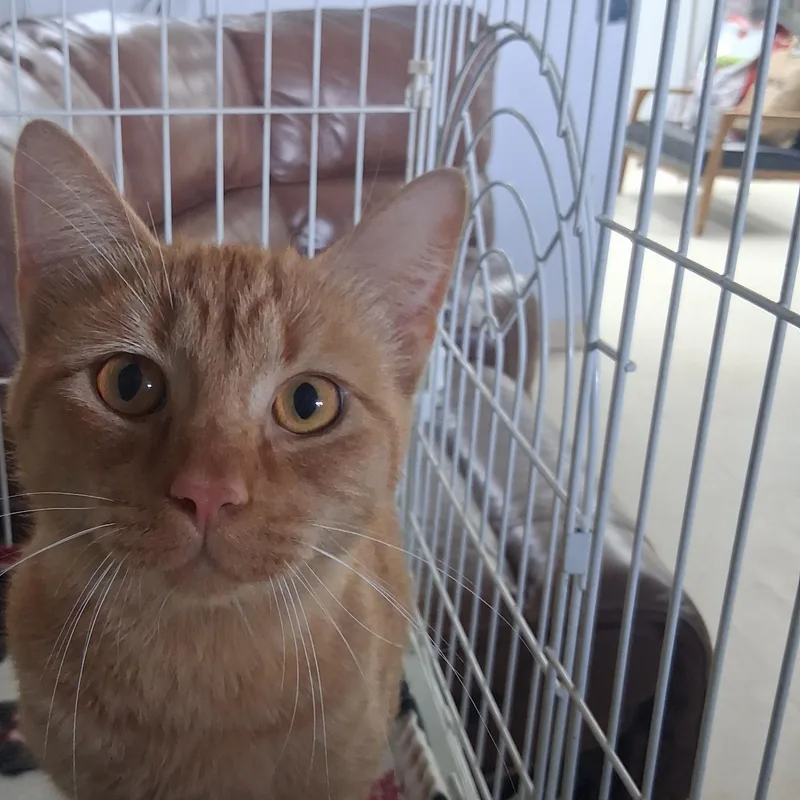
Tabby Cats for Adoption in Tulsa, OK

Your guide to finding and caring for a Tabby in Tulsa

Tabbies fit Tulsa homes of nearly any size, from a Swan Lake duplex to a Yorktown bungalow. Tabby is a coat pattern, so these cats range from lap-sitters to busy climbers. Coyotes live throughout Tulsa, and the city advises keeping cats indoors, which makes a window perch, a tall scratching post and daily play worth setting up before the cat comes home.

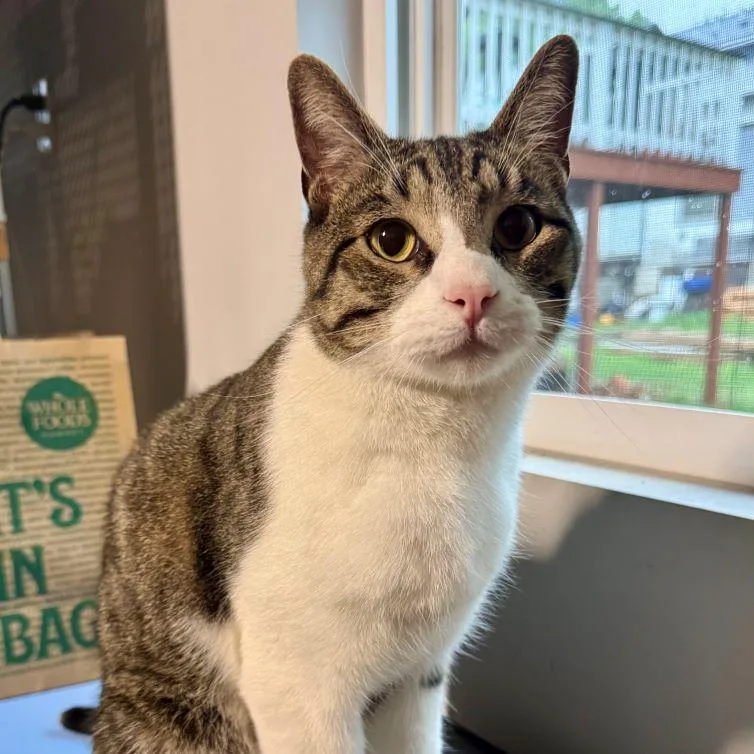
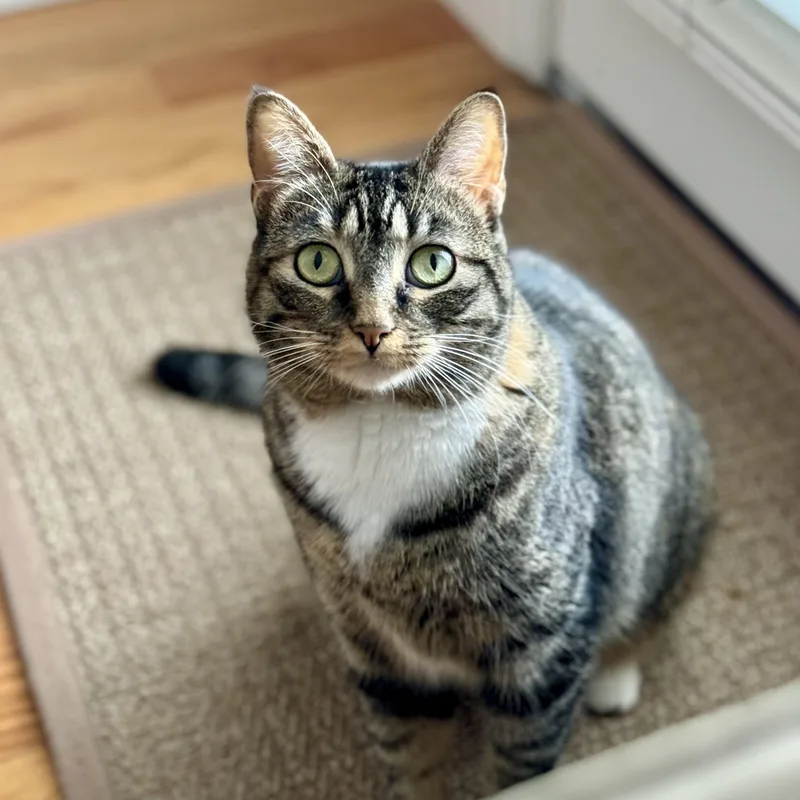
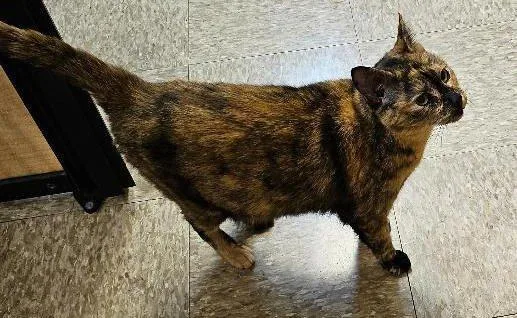
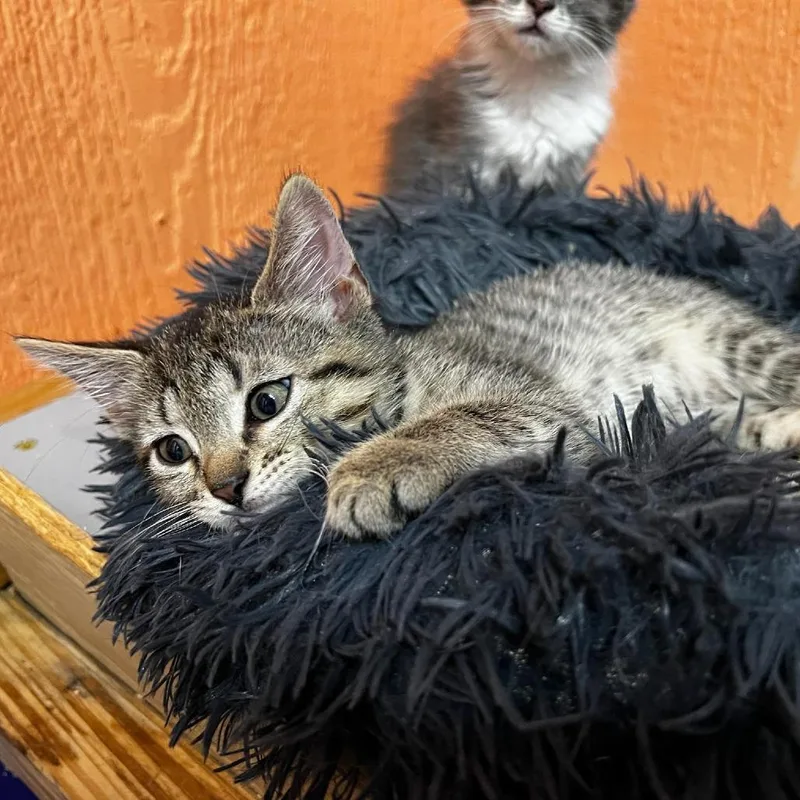
22 Tabbies available for adoption in Tulsa

Find your Tabby

Tabbies Available for Adoption in Tulsa

About the Tabby breed

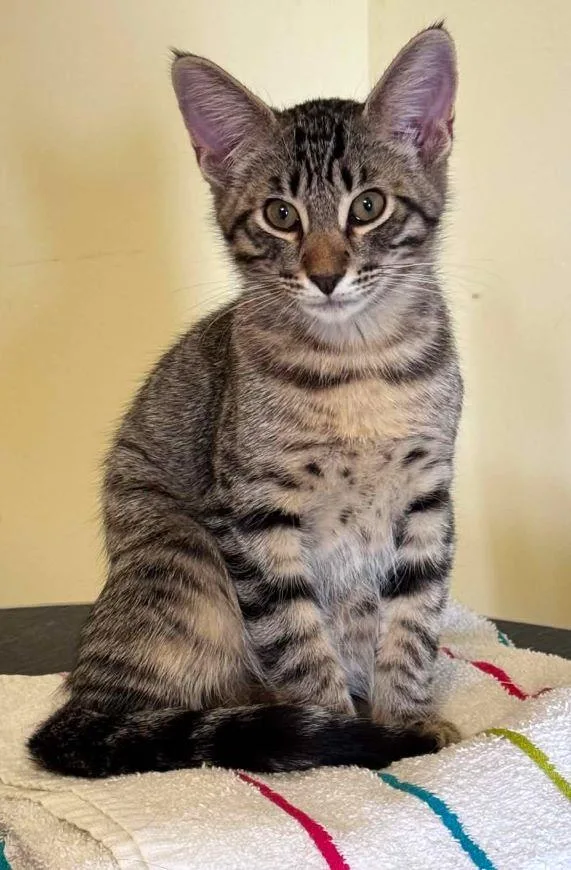
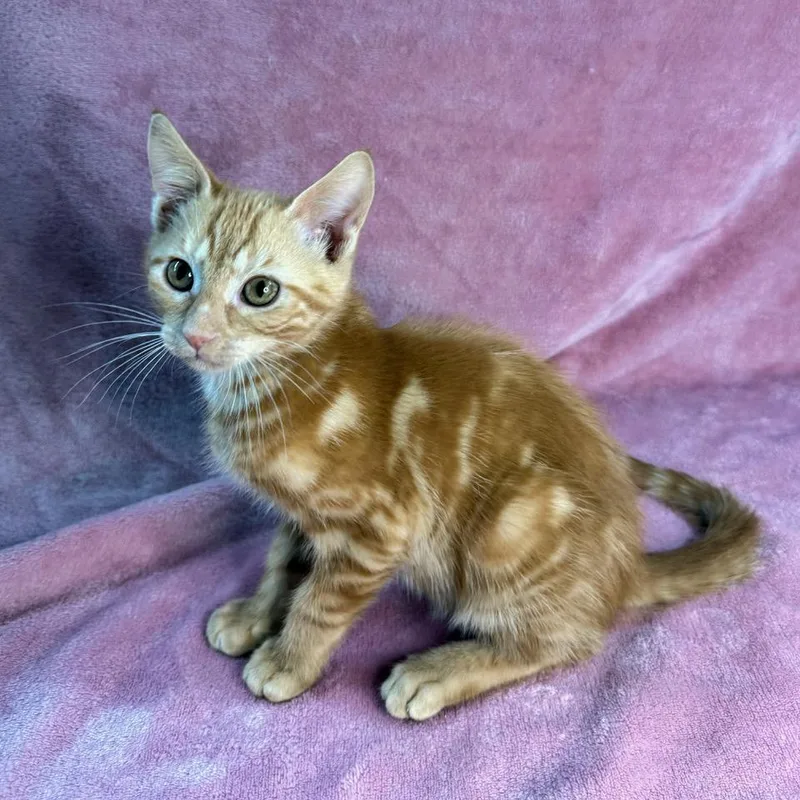
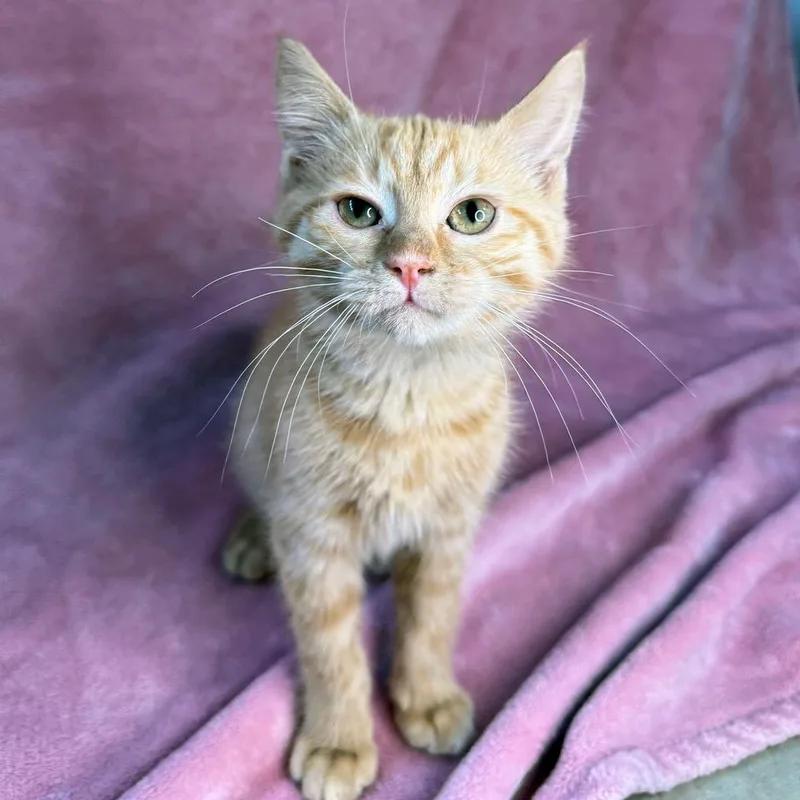
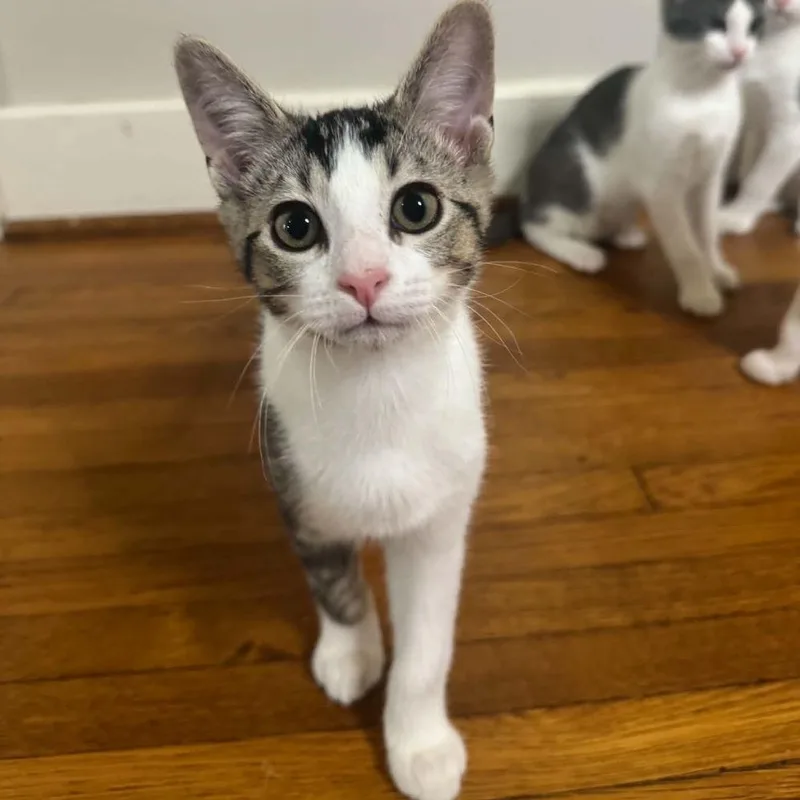
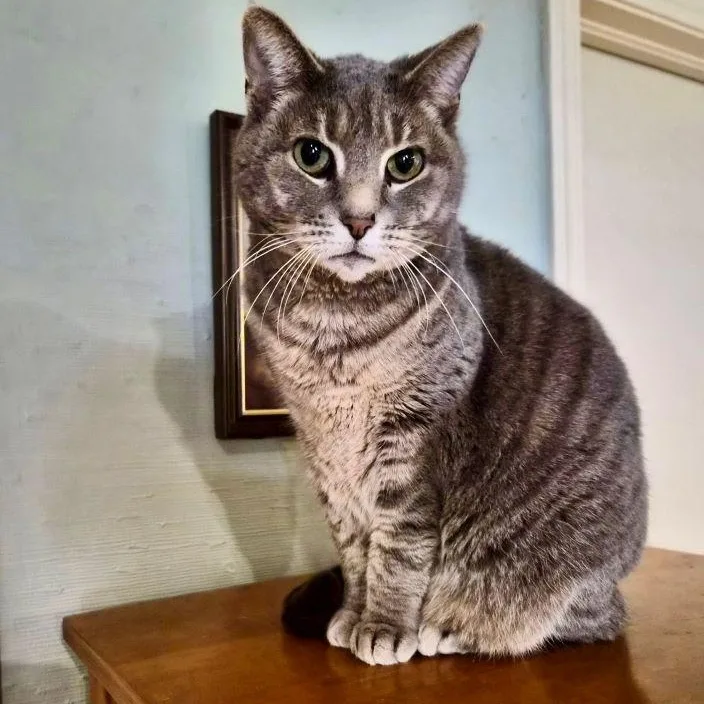
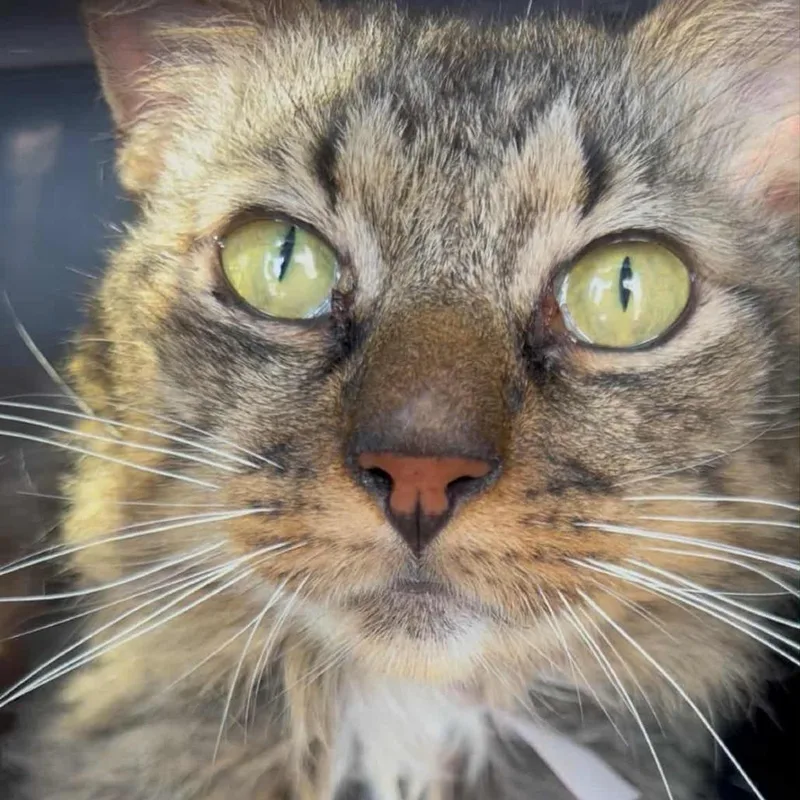
Tabby is a coat pattern, not a breed. A cat with stripes, swirls, spots or ticked hairs and the M-shaped mark on the forehead counts as a tabby, whether it's a domestic shorthair, a Maine Coon or a mix. The four main patterns are mackerel, classic, spotted and ticked, in colors from brown and orange to gray, silver and cream.

Most tabbies waiting for homes are medium-sized domestic shorthairs weighing roughly 6 to 14 pounds, and many live 12 to 18 years. Personality comes from genetics, upbringing and experience rather than stripes, so spend time with a cat before deciding. In Tulsa, the main local factors are keeping a cat safely indoors and planning for summer heat and spring storms.

Weight
6–14 lbs
Height
8–10 in
Lifespan
12–18 yrs
Temperament
Curious, Adaptable, Affectionate
Shedding
Moderate

Owning a Tabby in Tulsa

Having a Tabby in Tulsa

Because tabby describes a coat pattern found across many breeds and mixes, a cat's traits depend on its own energy, age, history and coat length. In Tulsa, indoor enrichment and a calm space for storm season matter more than appearance.

Temperament

Stripes don't predict personality, so tabbies range from outgoing and curious to shy or independent. The idea that orange tabbies are extra friendly partly reflects that most orange cats are male. In a Tulsa apartment or house, look for a cat whose pace matches your routine, and give a nervous cat a quiet hiding spot.

Exercise Needs

Tabbies need daily play that mimics hunting: wand toys, chasing and pouncing, with several short sessions for kittens and young adults. For cats kept inside in Tulsa, where coyotes roam, window perches, climbing shelves and puzzle feeders add activity. Gentler games keep older cats moving.

Health Considerations

Coat pattern has no known effect on health; risks follow a cat's age and mix. Obesity, dental disease and urinary problems are common in cats, and older cats may develop kidney disease or hyperthyroidism. In Tulsa, year-round flea prevention and a vet exam soon after adoption help catch problems early.

Living Space

Most tabbies do well in apartments, duplexes and bungalows if they have places to climb, scratch and hide, plus a window to watch from. Plan on one litter box per cat plus one extra, and a quiet retreat in busy homes. A long-haired tabby needs more grooming space and time than a shorthair.

What it costs to own a Tabby in Tulsa

ExpenseTypical costPer year
Adoption fee$60 to $120, one time$60 to $120 in year one
Food$25 to $50 per month$300 to $600
Pet insurance$20 to $45 per month$240 to $540
Routine vet care$150 to $350 per year$150 to $350
Other*$455 to $1,155 per year$455 to $1,155
Estimated yearly total (after year one)$1,145 to $2,645
First-year total (with adoption fee)$1,205 to $2,765

Adoption fee is the range of fees on Tabby listings in Tulsa on GetBuddy today. Other costs are estimates and vary with size, age and health.

* Litter, flea prevention, a dental cleaning allowance, toys, scratchers and bedding, occasional grooming, and the $5 Tulsa pet license.

Adopt a Tabby in Tulsa.

Now that you know more, let’s find you a new best friend. These rescues and shelters below currently have Tabbies available.

Frequently Asked Questions

Yes, nothing in Tulsa's rules targets tabbies, and tabby is only a coat pattern. Cats over six months need a city license, which requires rabies vaccination and proof of spay/neuter. A household can have up to five dogs and cats combined, and cats shouldn't roam loose, so plan for an indoor life.

Yes, indoor tabbies handle Tulsa summers well when the house stays cool. Offer fresh water in several spots, or try a fountain, since many cats drink more from moving water. Keep blinds closed on sunny windows and never leave a cat in a parked car. Panting, drooling or lethargy calls for a vet visit.

Yes, a tabby can thrive in a Tulsa apartment when the space has vertical room and daily play. Provide a cat tree, window perch, scratching post and a litter box away from food. A calm adult often settles into a smaller space more easily than a busy kitten, so match the cat's energy to your home.

A tabby fits Tulsa life well if you can keep the cat indoors and provide daily play. Coyotes live throughout the city and the City Council advises keeping cats inside, while storms, ice and heat are easier to manage indoors. Since stripes don't predict personality, match the cat's age and energy to your schedule.

Tabbies can ride MetroLink Tulsa buses only inside a secure carrier. Tulsa has no rail, so this applies to buses, including the Aero line on Peoria. Service animals are the exception, and uncontrolled animals are not allowed to board. Choose a carrier that fits on your lap or under the seat, and check current fares with MetroLink.

Most tabbies have short coats and need a brush about once a week, and more often during the spring and fall shedding peaks. A long-haired tabby needs brushing several times a week to prevent mats. Indoor cats aren't much affected by Tulsa's heat, and professional grooming is only occasional, which falls under the Other costs on this page.

A tabby cat is any cat with a tabby coat pattern, meaning stripes, swirls, spots or ticked hairs plus a distinctive M-shaped marking on the forehead. Tabby is not a breed. The pattern appears in domestic shorthairs and longhairs as well as many pedigreed breeds, such as the American Shorthair, Maine Coon and Abyssinian, and it is one of the most common cat patterns.

A tabby cat isn't any one breed, because tabby is a coat pattern. Cats with the pattern include shelter domestic shorthairs and longhairs as well as breeds such as the American Shorthair, Maine Coon, Bengal and Abyssinian. Most tabbies available for adoption are mixed-breed domestic cats, so browse the cats listed here and look at each one's age and personality.

We have 3 rescues with Tabbies available: Animal Rescue Foundation, Oklahoma Pet Collective Society and Partnering for Pets, Inc.. You can see every rescue with Tabbies available in the list above these questions, or scroll to the top to see the Tabbies in Tulsa.

Expect roughly $1,150 to $2,650 a year for a tabby in Tulsa, or about $95 to $220 a month. That covers food ($25 to $50 a month), insurance ($20 to $45 a month), routine vet care ($150 to $350 a year) and other costs ($455 to $1,155 a year). Emergencies and illness cost extra.