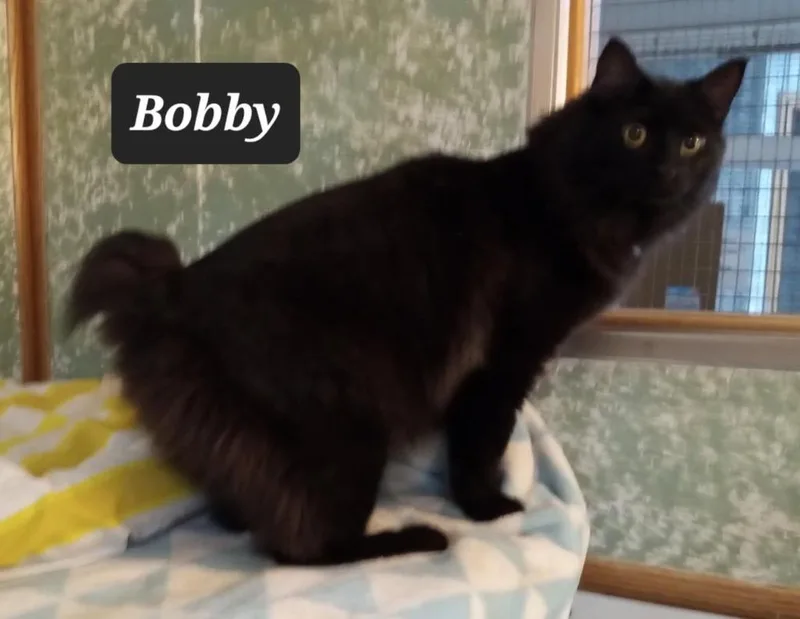
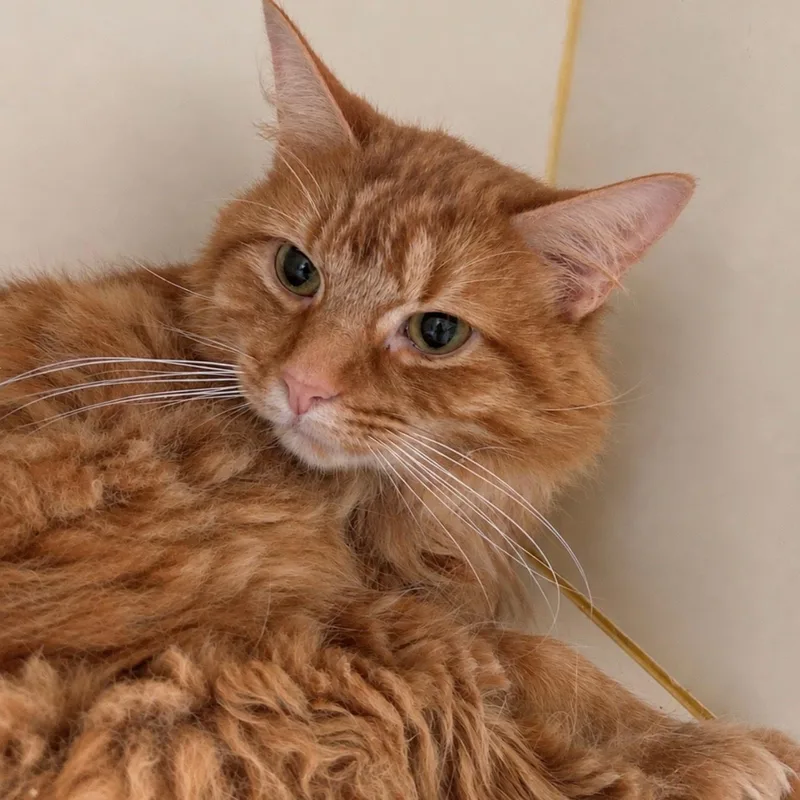
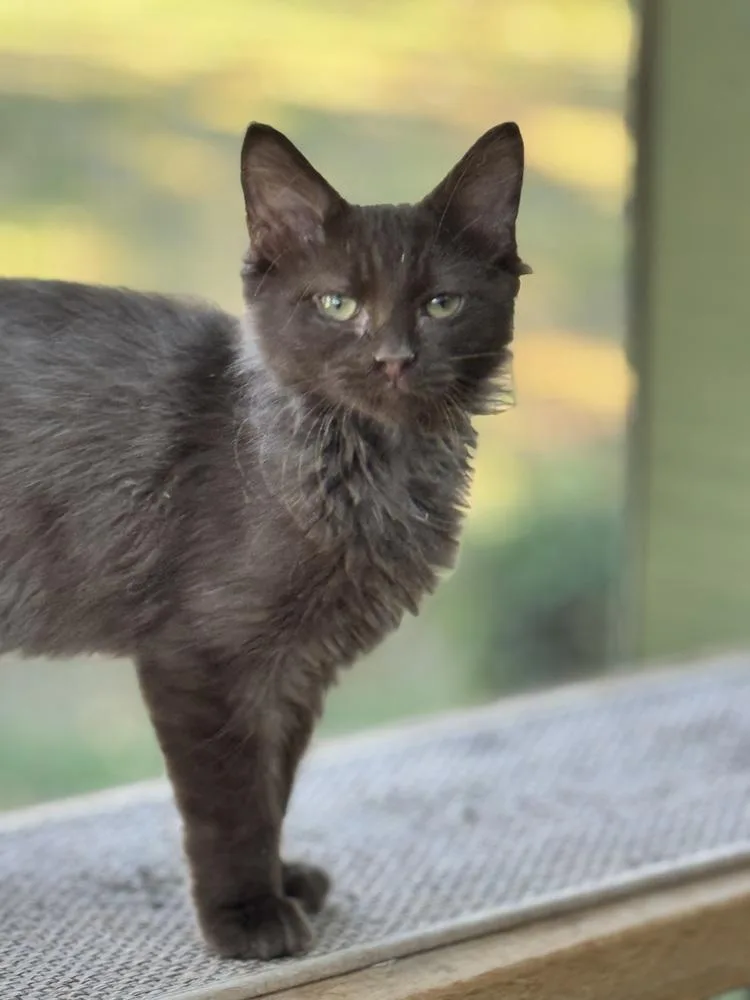
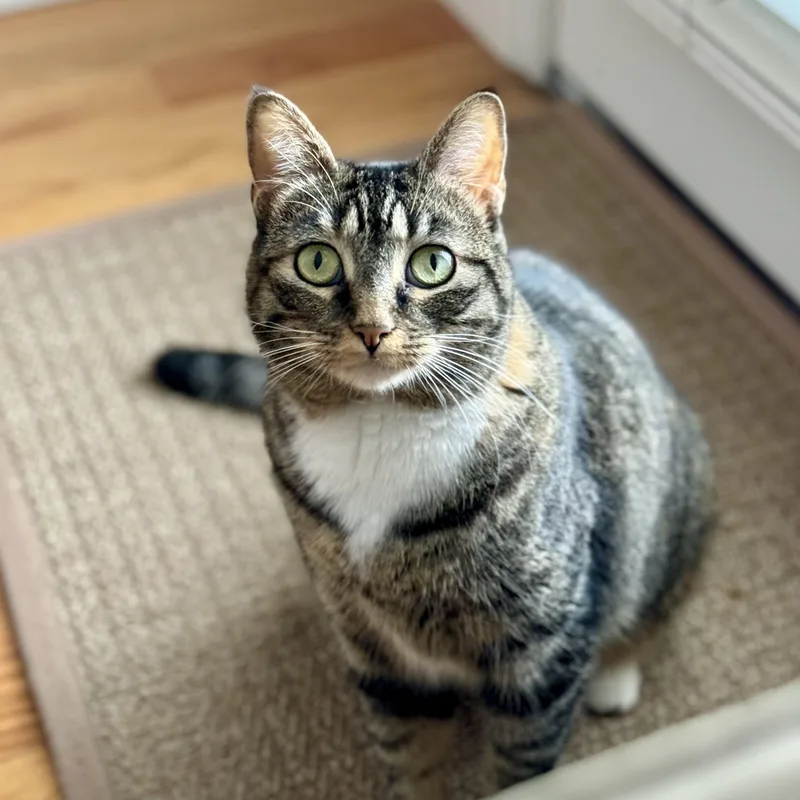
Domestic Long Hair Cats for Adoption in Tulsa, OK

Your guide to finding and caring for a Domestic Long Hair in Tulsa

Domestic Long Hairs fit well in the duplexes and small apartment buildings around Swan Lake. Those 1920s and 30s buildings suit an indoor cat with a window perch, a scratching post and a good brush. The coat is the real chore, since a few brushing sessions a week keep mats and hairballs down, and Tulsa's long hot summers make a thick coat something to plan around. Domestic Long Hair describes coat length, not a breed, so every cat's personality is its own.

6461 Domestic Long Hairs available in Tulsa and nationwide

Your Domestic Long Hair is waiting

Domestic Long Hairs Available for Adoption Near Tulsa

About the Domestic Long Hair breed

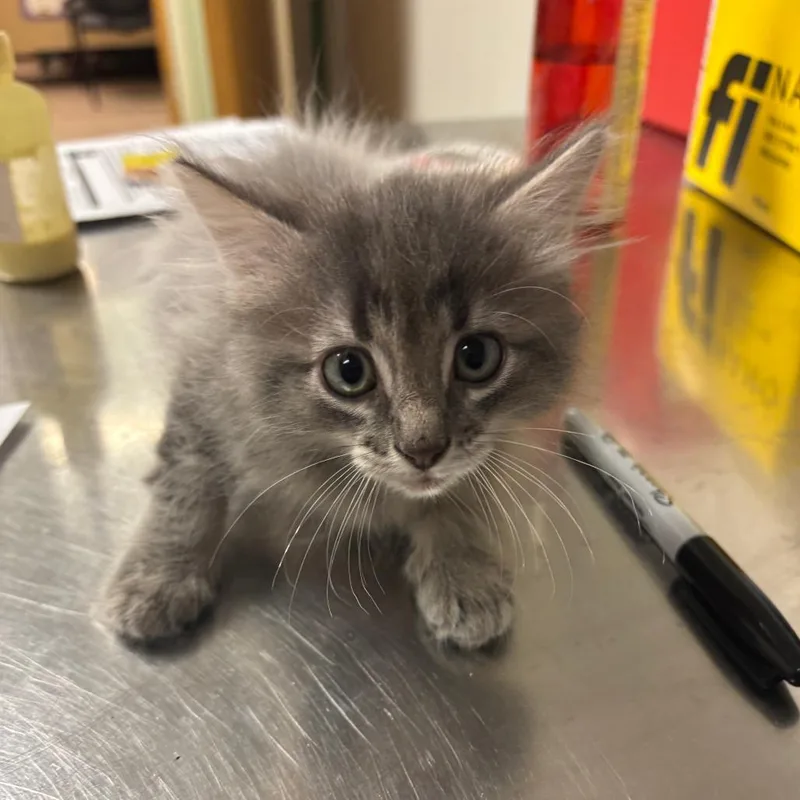
Domestic Long Hair isn't a breed. It's the label used for a mixed-ancestry cat with a medium to long coat, the fluffy counterpart of the Domestic Short Hair. These cats come in every color and pattern, from tabby and calico to smoke and bicolor, and some resemble a Maine Coon or Persian without sharing that ancestry. Most adults weigh 8 to 15 pounds, though the fur can make them look bigger.

With no breed standard, size, coat texture and personality vary from cat to cat. What they share is a coat that needs regular brushing and the genetic diversity that tends to keep mixed cats healthy. In Tulsa, that adds up to a brushing routine, a cool place to rest in summer and an indoor life, which also keeps the coat free of burrs. Meeting the cat tells you far more than the label.

Weight
8–15 lbs
Height
8–11 in
Lifespan
12–18 yrs
Temperament
Adaptable, Affectionate, Gentle
Shedding
Moderate to High

Owning a Domestic Long Hair in Tulsa

Having a Domestic Long Hair in Tulsa

Domestic Long Hair describes a coat, so traits vary widely from cat to cat. What matters most in Tulsa is how much grooming the fur needs, how the cat handles summer heat and whether its energy level fits your home.

Temperament

Personality comes from each cat's genes, early socialization and past experience, not a breed profile. Some are mellow lap cats, others bold explorers or shy cats who warm up slowly. Many turn out affectionate and adaptable, which helps in Tulsa's mix of apartments, duplexes and bungalows. Spend time with the cat before deciding.

Exercise Needs

Most Domestic Long Hairs do well with a couple of short play sessions a day using wand toys, balls or puzzle feeders. Climbing shelves and window perches add enrichment indoors. Play also keeps weight down, which matters because overweight long-haired cats struggle to groom themselves. Indoor life is safest in Tulsa, since coyotes live throughout the city.

Health Considerations

Mixed ancestry means these cats aren't tied to breed-specific inherited problems. Their usual coat issues are mats, hairballs and soiled fur near the rear, especially in older or overweight cats. Dental disease, obesity and kidney disease are common in cats generally, so yearly checkups matter. A veterinarian can check teeth, weight and coat condition at the first visit.

Living Space

A Domestic Long Hair adapts to an apartment or a house when it has litter boxes, scratching posts, hiding spots and climbing space. In a Tulsa duplex or apartment, a tall cat tree by a window goes a long way. Thick-coated cats also appreciate a cool, shaded place to rest in warm weather.

What it costs to own a Domestic Long Hair in Tulsa

ExpenseTypical costPer year
Adoption fee$120 to $150, one time$120 to $150 in year one
Food$25 to $50 per month$300 to $600
Pet insurance$20 to $45 per month$240 to $540
Routine vet care$150 to $350 per year$150 to $350
Other*$500 to $1,250 per year$500 to $1,250
Estimated yearly total (after year one)$1,190 to $2,740
First-year total (with adoption fee)$1,310 to $2,890

Adoption fee is the range of fees on Domestic Long Hair listings in Tulsa on GetBuddy today. Other costs are estimates and vary with size, age and health.

* The $5 Tulsa cat license, litter, flea prevention, a dental cleaning allowance, supplies like toys and scratchers, and brushing tools for the long coat.

Adopt a Domestic Long Hair in Tulsa.

Now that you know more, let’s find you a new best friend. These rescues and shelters below currently have Domestic Long Hairs available.

Frequently Asked Questions

Yes, a Domestic Long Hair can live happily in a Tulsa apartment as long as the cat has litter boxes, scratching posts, hiding spots and a window perch. Vertical space matters more than square footage, so a cat tree helps. A screened or fully enclosed balcony adds fresh air safely. Regular brushing keeps loose fur from piling up indoors.

Yes. Tulsa has no breed-specific rules, and Oklahoma law doesn't allow them, so a Domestic Long Hair faces no extra restrictions. The household limit is five dogs and cats combined, counting animals over four months old. Plan for the city license and rabies shot, and keep the cat indoors or leashed, since free-roaming cats go against city ordinance.

Yes, with some help. Tulsa summers are hot and humid with many 90-degree days, but an indoor Domestic Long Hair does fine in air conditioning with fresh water and a cool place to rest. Brush often to clear loose undercoat, and watch for heavy panting, drooling or lethargy, which can signal overheating. Plan ahead for power outages after summer storms.

Yes, but only in a secure carrier. MetroLink Tulsa buses, including the Aero line on Peoria Avenue, allow pets in carriers, and aggressive or uncontrolled animals can't board. Tulsa has no rail transit. Most adult Domestic Long Hairs weigh 8 to 15 pounds, so choose a roomy carrier, and check current fares with MetroLink before riding.

Plan on brushing a Domestic Long Hair a few times a week, and daily during heavy shedding, which often comes as the weather shifts in spring and fall. Tulsa's hot summers make clearing loose undercoat worthwhile. Most owners groom at home with a brush and comb, which falls under the Other line in the cost table, and use a groomer only for stubborn mats.

You can usually tell a kitten will have long hair by about three to four weeks old, when its fur looks noticeably fluffier than its littermates'. Look for longer tufts on the ears, between the toes and on the tail, plus a softer, fuller coat overall. The full adult coat, ruff and tail plume can take one to two years to develop.

Yes, long hair is a recessive trait in cats. A kitten needs two copies of a long-hair variant, usually in the FGF5 gene, one from each parent, to grow a long coat. Two shorthaired parents can produce longhaired kittens if both carry the variant, while a longhair bred to a cat with two short-hair copies produces only shorthaired kittens.

Domestic Long Hair cats commonly live about 12 to 18 years, and many indoor cats reach their late teens or beyond. Mixed-breed cats have broad genetic diversity, and UK veterinary research found non-pedigree cats lived longer than purebreds on average. Indoor living, a healthy weight, dental care and regular checkups make the biggest difference.

We have 4 rescues with Domestic Long Hairs available, including Tulsa Animal Welfare, Animal Aid of Tulsa, Inc. and Kit E Kat’s Rescue. You can see every rescue with Domestic Long Hairs available in the list above these questions, or scroll to the top to see the Domestic Long Hairs near Tulsa.

Expect roughly $1,200 to $2,750 a year for a Domestic Long Hair in Tulsa: $25 to $50 a month for food, $20 to $45 a month for insurance, $150 to $350 for routine vet care and $500 to $1,250 for other costs such as litter, flea prevention, dental care and grooming supplies.