Russian Blue Cats for Adoption in Oklahoma City, OK

Your guide to finding and caring for a Russian Blue in OKC

Russian Blues fit Oklahoma City's quieter apartment blocks well, especially the low-rise buildings in Deep Deuce. These gentle, watchful cats care more about a sunny window perch and a steady routine than about square footage. A Russian Blue may hide when guests arrive, so a calm corner matters. If you'd rather have a house, the older Craftsman and Foursquare blocks of Mesta Park have bright front windows for a cat to watch from. Either way, expect a quiet roommate that's loyal once it trusts you.

709 Russian Blues available in Oklahoma City and nationwide

Find your Russian Blue

While we don't have enough cats near Oklahoma City, keep in mind that many rescues may offer transport.

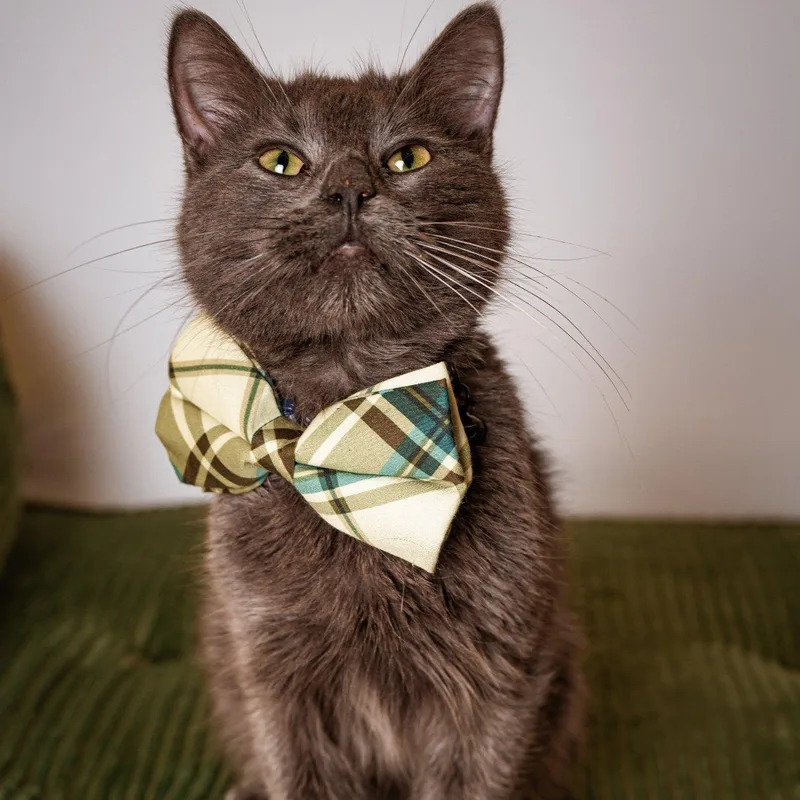
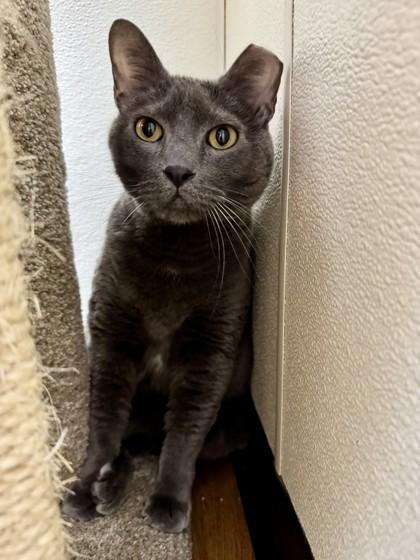
Russian Blues Available for Adoption Near Oklahoma City

About the Russian Blue breed

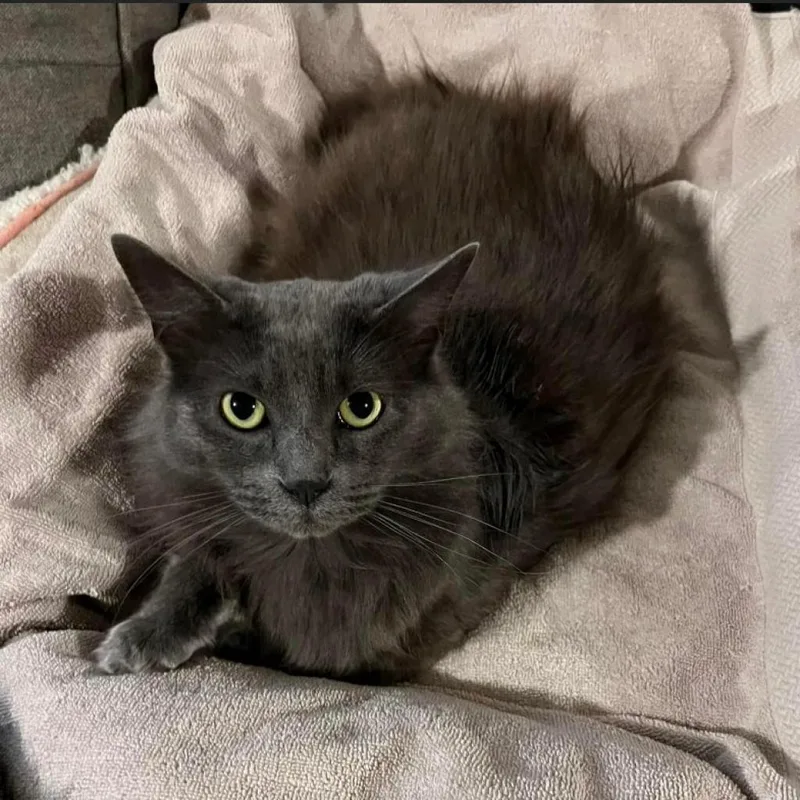
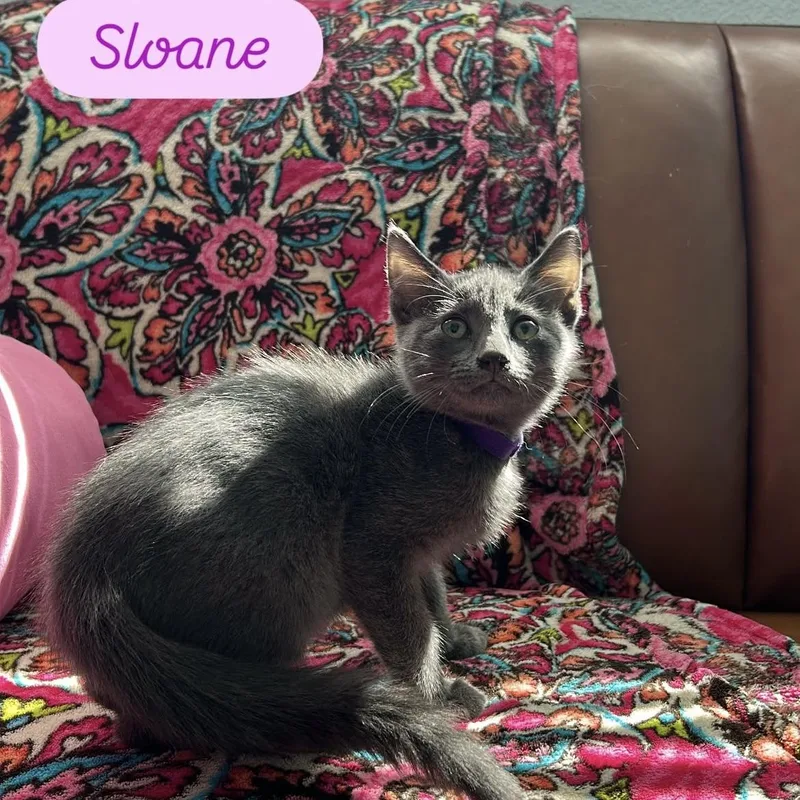
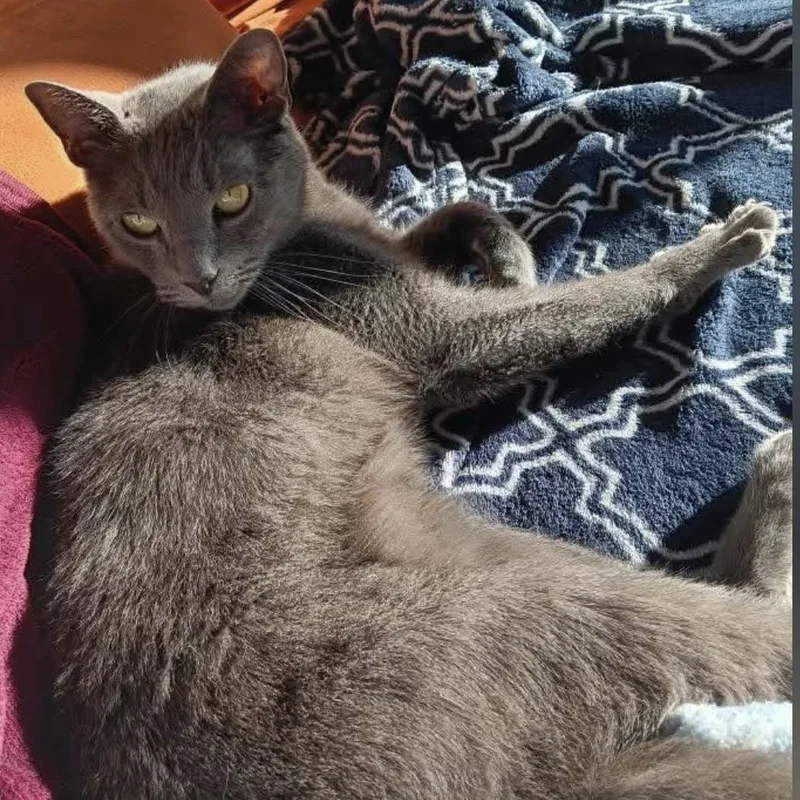
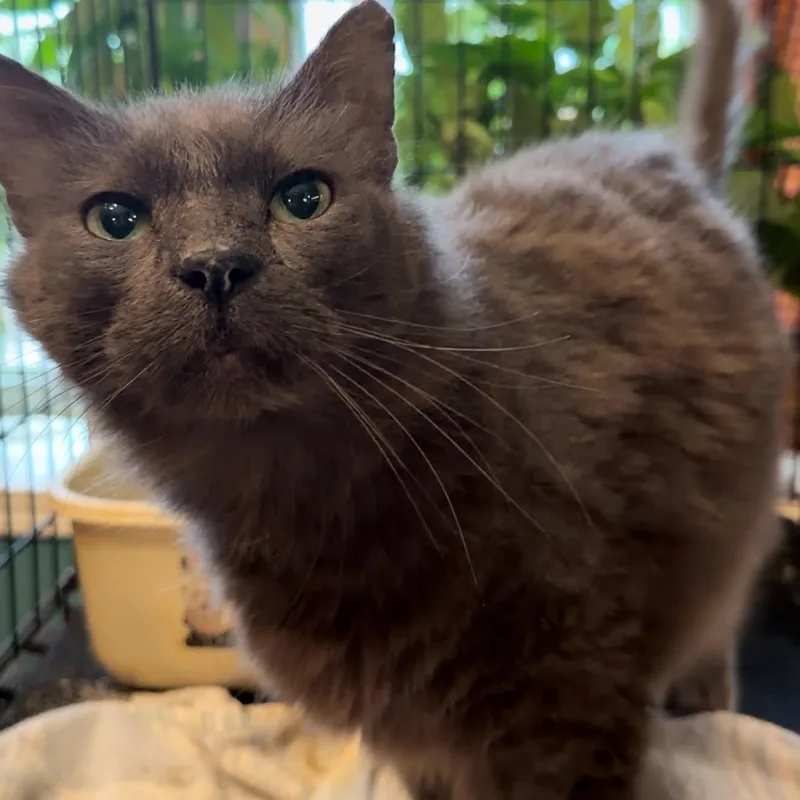
Russian Blues are fine-boned, medium-sized shorthairs, usually 6 to 12 pounds, with a dense double coat of even blue-gray tipped in silver and vivid green eyes. The breed is believed to come from the Archangel region of northern Russia and was later refined in Britain, Scandinavia and the United States. Plenty of gray shorthairs look similar, and only registration papers can prove a breed.

In personality, Russian Blues are typically gentle, quiet and bright. They bond closely with their own people, stay reserved with strangers, and like predictable routines. That suits a home with steady hours more than a revolving door of visitors. The coat needs little care, but a hearty appetite means portion control and daily play matter. Each cat varies, so spend time with a cat before deciding.

Weight
6–12 lbs
Height
8–10 in
Lifespan
12–16 yrs
Temperament
Gentle, Quiet, Intelligent
Shedding
Low to Moderate

Owning a Russian Blue in Oklahoma City

Having a Russian Blue in OKC

Russian Blues are easy on the grooming brush but sensitive in temperament, so the household matters. Think about noise, visitors and daily routine in your Oklahoma City home, and about how much play it takes to keep a food-loving cat lean.

Temperament

Russian Blues are usually gentle and devoted to their families but reserved with strangers, often watching from a distance first. Many like quiet homes and set routines, so spring thunderstorms or a busy apartment hallway can unsettle them. A cat's past shapes how fast it builds trust, so give a new arrival a quiet room and time.

Exercise Needs

Plan on daily play with wand toys, chase games and puzzle feeders; Russian Blues are agile and love a high lookout. Because they have healthy appetites, regular play helps keep weight in check. In OKC, indoor play matters all year, since July heat, winter ice and storm season all limit outdoor time.

Health Considerations

Russian Blues have no widely recognized breed-specific inherited disease, but like any cat they can develop dental disease, bladder stones, kidney disease and heart conditions. Obesity is a common, preventable concern, so measure meals. A veterinarian can check heart, teeth and weight at a first visit and keep rabies vaccination current, which Oklahoma City requires.

Living Space

Russian Blues value calm routines and cozy retreats over big rooms, so a small apartment or a modest house can work equally well. Provide window perches, a cat tree and a hiding spot. Even in a house with a yard, indoor living keeps a Russian Blue safe from traffic and coyotes.

What it costs to own a Russian Blue in Oklahoma City

ExpenseTypical costPer year
Food$25 to $50 per month$300 to $600
Pet insurance$25 to $50 per month$300 to $600
Routine vet care$150 to $350 per year$150 to $350
Other*$450 to $1,150 per year$450 to $1,150
Estimated yearly total (after year one)$1,200 to $2,700

Other costs are estimates and vary with size, age and health.

* Litter, flea and tick prevention, a yearly dental cleaning allowance, toys, scratchers and other supplies, and minimal home grooming for the short coat.

Adopt a Russian Blue in Oklahoma City.

Now that you know more, let’s find you a new best friend. These rescues and shelters below have cats available in and near Oklahoma City.

Frequently Asked Questions

Yes. Oklahoma City has no breed-specific rules for cats, and Oklahoma law bars cities from banning breeds. A cat four months or older needs a current rabies vaccination and tag, and a household can keep up to four cats and four dogs over six months old. Watch the listings on this page for Russian Blues and blue-gray lookalikes, since availability changes.

Yes, many Russian Blues do well in Oklahoma City apartments because they prefer calm routines to lots of space. Offer a window perch, a cat tree, a hiding spot and daily play. Thin walls and busy hallways can stress a noise-sensitive cat, so a quieter unit away from stairwells and elevators is worth looking for.

It works well for an indoor Russian Blue. Summers are hot, with about 73 days at 90°F or higher, and winters bring about 72 freezing nights and occasional ice storms. Air conditioning and a power-outage plan matter more than the coat. Spring storms can frighten noise-sensitive cats, so give yours a quiet hiding place and keep a carrier ready.

Very little. Brush a Russian Blue's short double coat about once a week, and a bit more during seasonal shedding in spring and fall. Baths are rarely needed. Trim nails and keep up with tooth care. Grooming costs stay low and fall within the Other line of $450 to $1,150 a year, which also covers litter, prevention and dental care.

Not as a routine outing. EMBARK runs buses and the OKC Streetcar, and its published policy clearly covers trained service animals, while emotional support animals aren't counted as service animals. For vet visits, plan on a car or a ride, and check EMBARK's current rules before bringing a cat in a carrier.

Russian Blue cats are often gentle, quiet and deeply attached to their families, while staying reserved with strangers. Many like predictable routines, follow favorite people around and enjoy interactive games that test their intelligence. They tend to be sensitive to household mood and noise. Personality varies, so a foster's description of an individual cat is the best guide.

A Russian Blue is a medium-sized shorthaired cat with a dense, plush blue-grey coat tipped in silver, vivid green eyes and a slender, graceful build. The breed is thought to come from northern Russia. Many Russian Blues are quiet, intelligent and loyal to their people, though often shy around visitors until they feel comfortable.

No, Russian Blue cats are not hypoallergenic. They produce the Fel d 1 allergen like other cats, even though their dense coat may shed less noticeably than some breeds. Claims that they cause fewer allergy symptoms are anecdotal rather than proven. People with allergies should spend extended time with the specific cat before adopting.

Yes, Russian Blues are usually affectionate with the people they trust, often greeting them at the door, following them around and curling up nearby. They may take time to warm up and are often wary of strangers. Their affection tends to be steady rather than demanding. An adopted Russian Blue may need weeks of patience before fully bonding.

Expect roughly $1,200 to $2,700 a year for a Russian Blue in OKC. Food runs $25 to $50 a month and insurance $25 to $50 a month. Routine vet care is $150 to $350 a year, and other costs such as litter, prevention and dental care add $450 to $1,150 a year. The short coat keeps grooming costs low.

Explore Other Breeds in Oklahoma City

Looking for a different breed? Browse other cats available for adoption in Oklahoma City.