Havana Cats for Adoption in Oklahoma City, OK

Your guide to finding and caring for a Havana in OKC

A Havana fits an Oklahoma City apartment well, because it wants company more than room to roam. In a Deep Deuce townhome or an Automobile Alley loft, a window perch gives a curious chocolate-brown cat plenty to watch while you're out. Havanas are rare, so many brown shorthairs you'll meet are mixes with a similar look and the same love of being involved. Plan on a cat who wants to follow you to the kitchen.

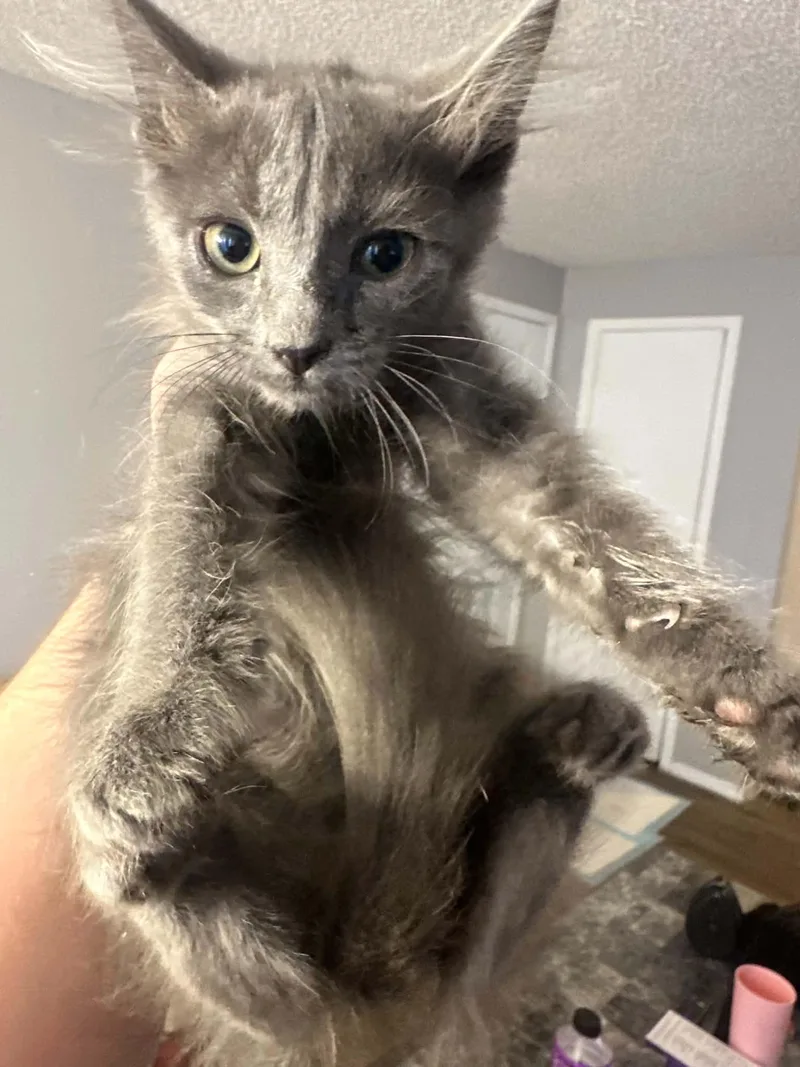
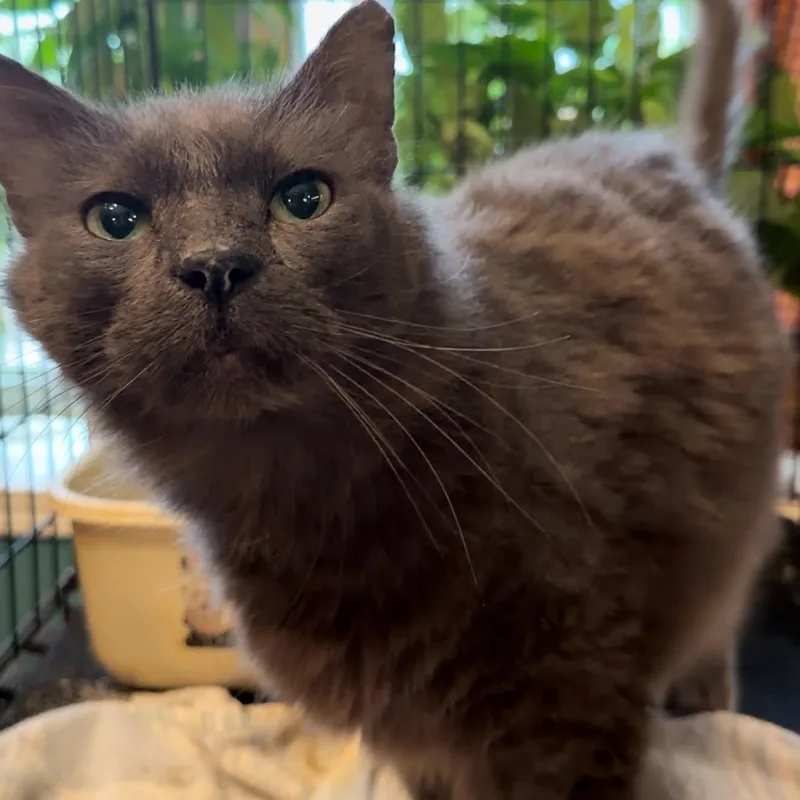
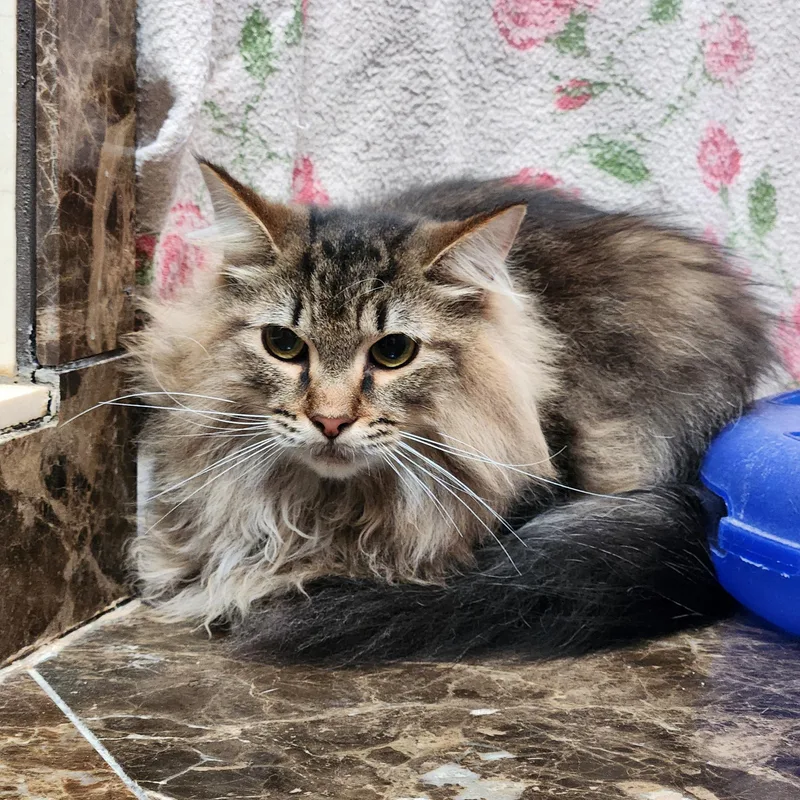
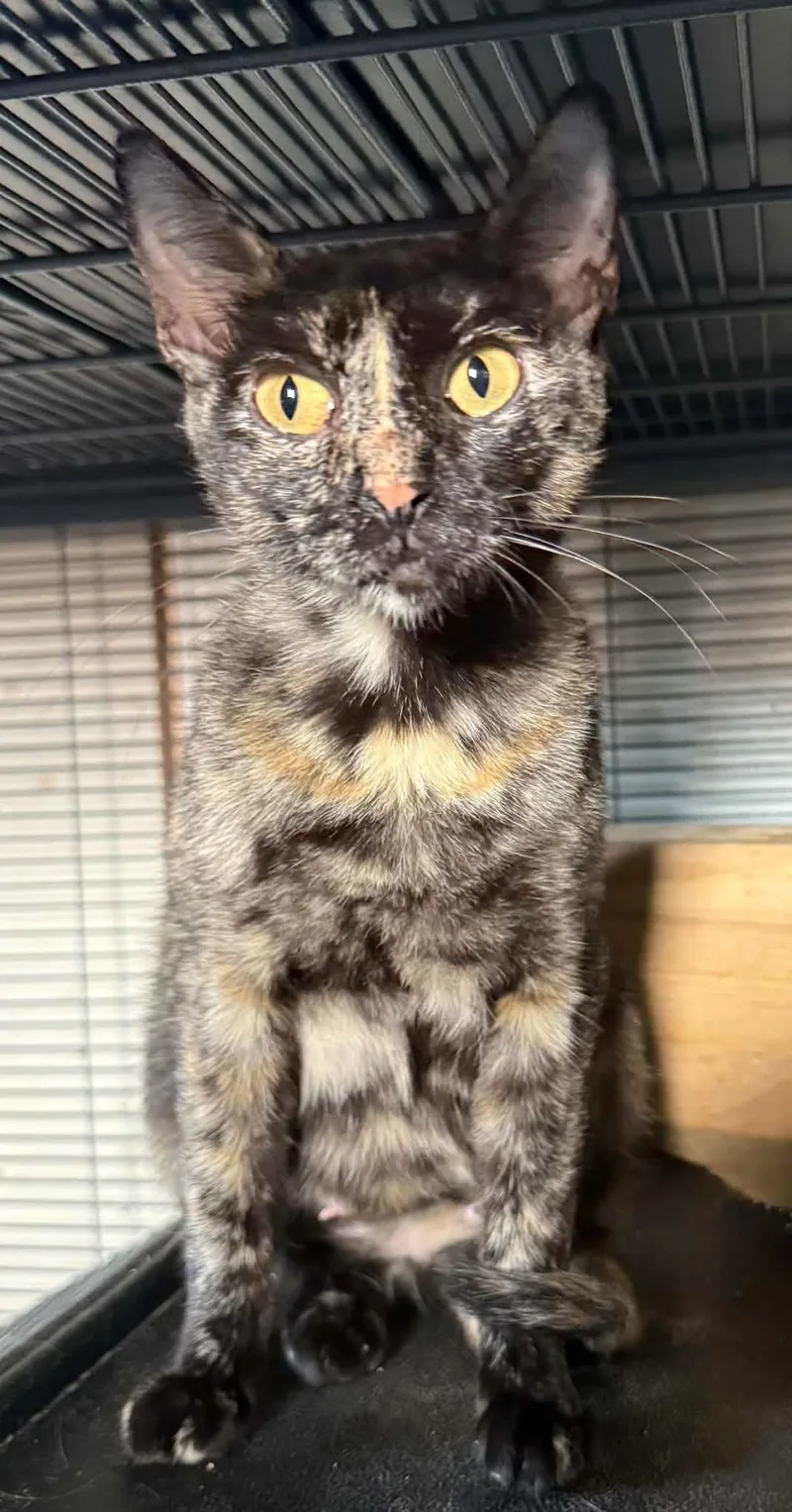
2798 cats similar to Havana available in Oklahoma City and nationwide

Give a Havana Brown a home

While we don't have enough cats near Oklahoma City, keep in mind that many rescues may offer transport.

Havanas and Similar Breeds Available for Adoption Near Oklahoma City

About the Havana breed

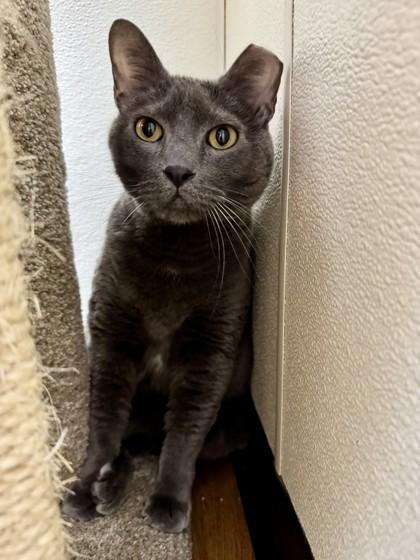
The Havana, called the Havana Brown by some registries, came out of Britain in the 1950s, when chocolate-carrying Siamese were paired with black domestic shorthairs. The result is a medium cat of about 6 to 10 pounds with a glossy chocolate coat, brown whiskers, green eyes, large forward-tilted ears and a squared-off muzzle. The short coat sheds little.

Havanas are usually curious, talkative in a soft voice, and happiest when they're included in what the household is doing, sometimes patting at things or people with a paw. That suits OKC homes with someone around part of the day, a sunny window and space for a cat tree. The breed is genuinely rare, so brown shorthairs and Havana mixes are the cats most adopters will meet, and each cat's personality matters more than a label.


Weight
6–10 lbs
Height
9–11 in
Lifespan
10–15 yrs
Temperament
Social, Curious, Affectionate, Playful
Shedding
Low

Owning a Havana in Oklahoma City

Having a Havana in OKC

A Havana pairs a sleek, easy-care coat with a strong wish to be involved. In Oklahoma City that makes it a good match for indoor, people-friendly homes, as long as storm season, winter cold and summer heat are handled with a sensible indoor routine.

Temperament

Havanas are often affectionate, curious and interactive, following people from room to room and greeting visitors with interest. Many do well with considerate children and calm dogs. Because they're so people-oriented, some get lonely on long workdays, so a second friendly pet or a good window view helps. Each cat differs, whatever the breed label says.

Exercise Needs

Most Havanas are moderately active. Two or three short play sessions a day with wand toys, balls and puzzle feeders usually suit them better than one long one. In an OKC apartment, a tall cat tree beside a window and a few vertical perches give a curious Havana room to climb and watch the street.

Health Considerations

Havanas have no well-documented breed-specific genetic disease, though gum inflammation may be somewhat more common. The breed's small gene pool means records are limited, so tooth care, dental checks and regular wellness exams matter. A veterinarian can check a newly adopted cat's teeth, weight and overall health and talk through screening.

Living Space

A Havana does well in an apartment or a house, since company and enrichment matter more than square footage. Window perches, a cat tree and a few hiding spots help. Keeping it indoors is safest, given traffic, storms and coyotes reported in parts of the city. A screened balcony or catio adds fresh air.

What it costs to own a Havana in Oklahoma City

ExpenseTypical costPer year
Food$25 to $50 per month$300 to $600
Pet insurance$25 to $50 per month$300 to $600
Routine vet care$150 to $350 per year$150 to $350
Other*$450 to $1,150 per year$450 to $1,150
Estimated yearly total (after year one)$1,200 to $2,700

Other costs are estimates and vary with size, age and health.

* Litter, flea and tick prevention, a dental cleaning allowance, toys, scratchers and other supplies, and minimal home grooming for the short coat.

Adopt a Havana in Oklahoma City.

Now that you know more, let’s find you a new best friend. These rescues and shelters below have cats available in and near Oklahoma City.

Frequently Asked Questions

Yes. Oklahoma law bars cities from breed-specific dangerous-dog rules, so a Havana faces no breed restrictions in OKC. You'll need a current rabies vaccine and tag once the cat is four months old, and a household can keep up to four cats over six months old. The breed is rare, so watch this page's listings, similar breeds and nearby cities, or save a search.

Yes, a Havana makes a good apartment cat as long as it has company and things to do. Set up a window perch, a cat tree, wand toys and puzzle feeders, and expect a cat that dislikes long empty days. Downtown, Deep Deuce and Midtown buildings are mostly apartments and condos, so get each building's pet terms in writing.

Often yes, especially if you're home part of the day or have another friendly pet. Havanas like being part of daily routines and adapt well to an OKC apartment or house. They can get bored and lonely on long workdays, so plan on perches, puzzle feeders and play sessions. Each cat's personality varies, so meet the cat before deciding.

Yes, for indoor Havanas. Their short coat gives little insulation, so winter freezes and ice-storm outages call for warm bedding and a backup plan, while summer highs near 90°F call for air conditioning and shade. Spring storms frighten some cats, so keep a carrier ready. Kept indoors, most Havanas handle the seasons well.

That depends on EMBARK's current pet rules, so check them before you board. EMBARK runs buses, the OKC Streetcar and a seasonal river ferry, and trained service animals may ride; emotional support animals aren't treated as service animals. Whatever the rules, a secure, hard-sided carrier keeps a curious Havana safe and calm.

Very little. The short, glossy coat needs a quick weekly brush to lift loose hair, and a bit more often when shedding picks up with spring warmth. Add regular nail trims and tooth care, since gum inflammation may be more common in the breed. A home routine usually covers it, so grooming costs stay small.

A Havana cat, also called the Havana Brown, is a rare shorthaired breed developed in Britain in the 1950s from Siamese and black domestic cats. It is recognized by its rich chocolate-brown coat, brown whiskers, green eyes and distinctive muzzle. Havanas tend to be social, curious and people-focused, and few are available, so brown shorthaired mixes are more common in shelters.

Expect roughly $25 to $50 a month for food, $25 to $50 a month for insurance, $150 to $350 a year for routine vet care, and $450 to $1,150 a year for everything else, including litter, flea prevention and dental care. That comes to about $1,200 to $2,700 a year in total.