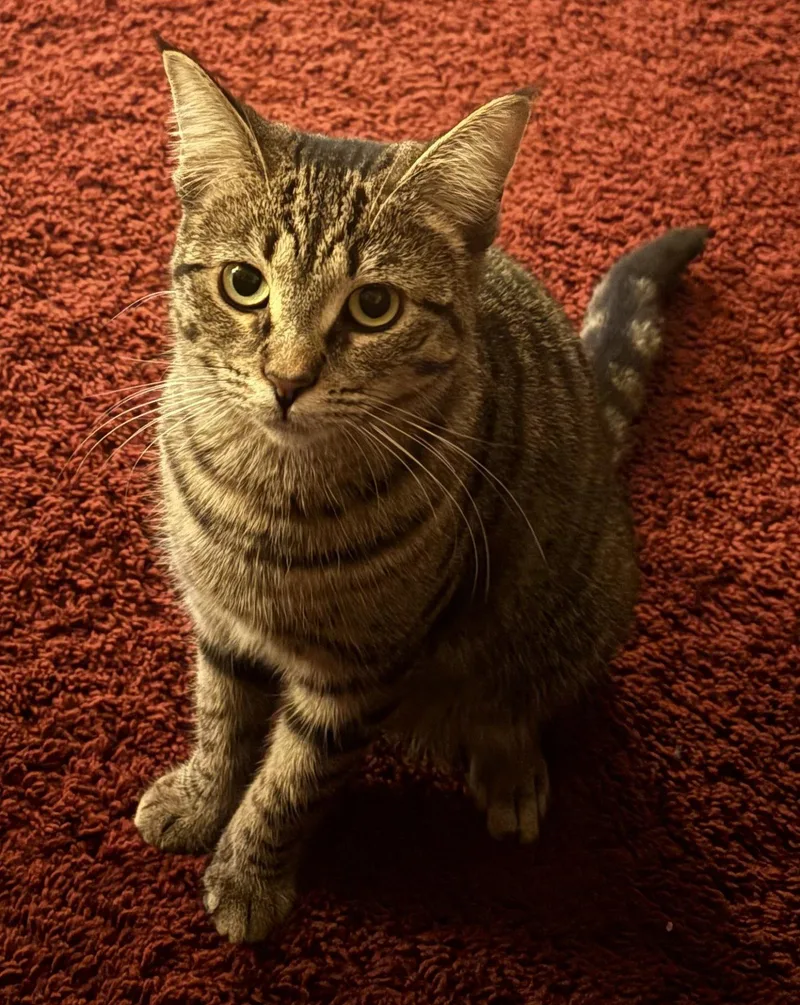
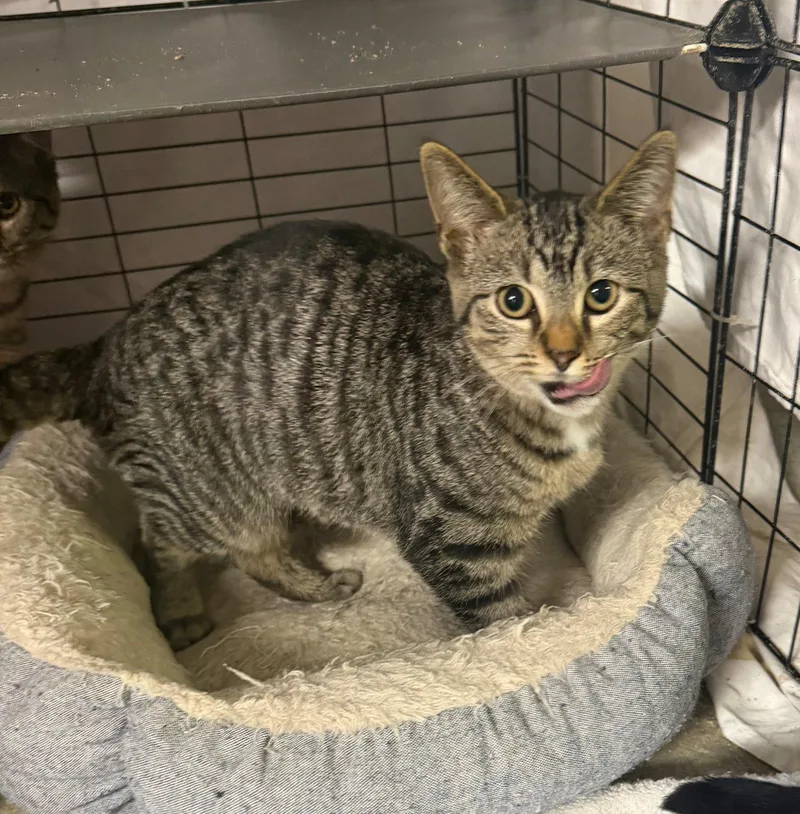
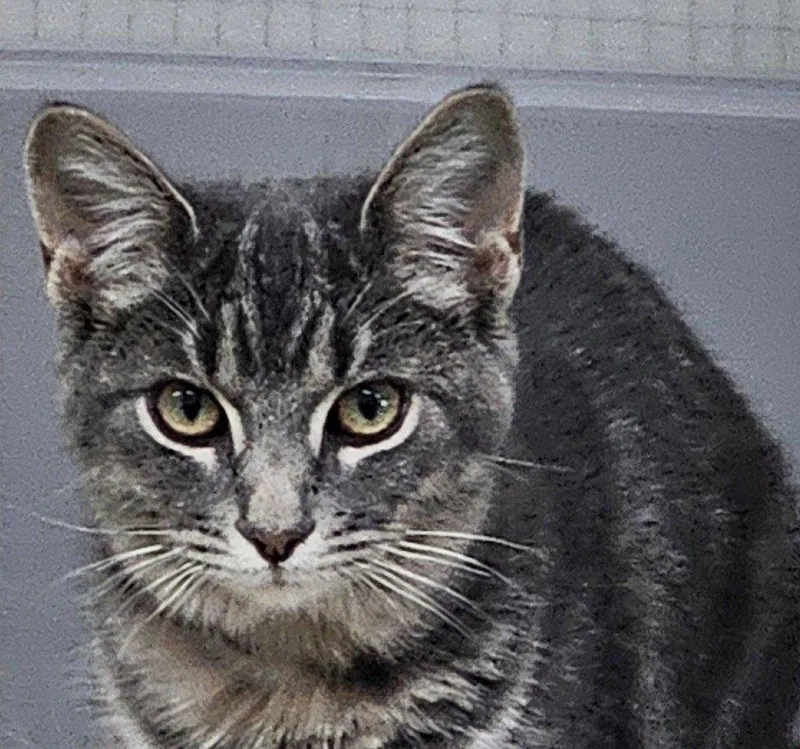
Domestic Short Hair Cats for Adoption in Toledo, OH

Your guide to finding and caring for a Domestic Short Hair in Toledo

Domestic Short Hairs suit Toledo's mix of lofts and older houses without much fuss. A cat that's happy in a Warehouse District loft with a tall window perch will be just as content in a smaller Library Village home with a sunny back room. Their short coats keep upkeep simple, and with about 37 inches of snow a year, they make easy indoor companions. Kittens tend to climb everything in reach, while adult cats often settle in by the nearest window.

172 Domestic Short Hairs available for adoption in Toledo

Find your Domestic Short Hair

Domestic Short Hairs Available for Adoption in Toledo

About the Domestic Short Hair breed

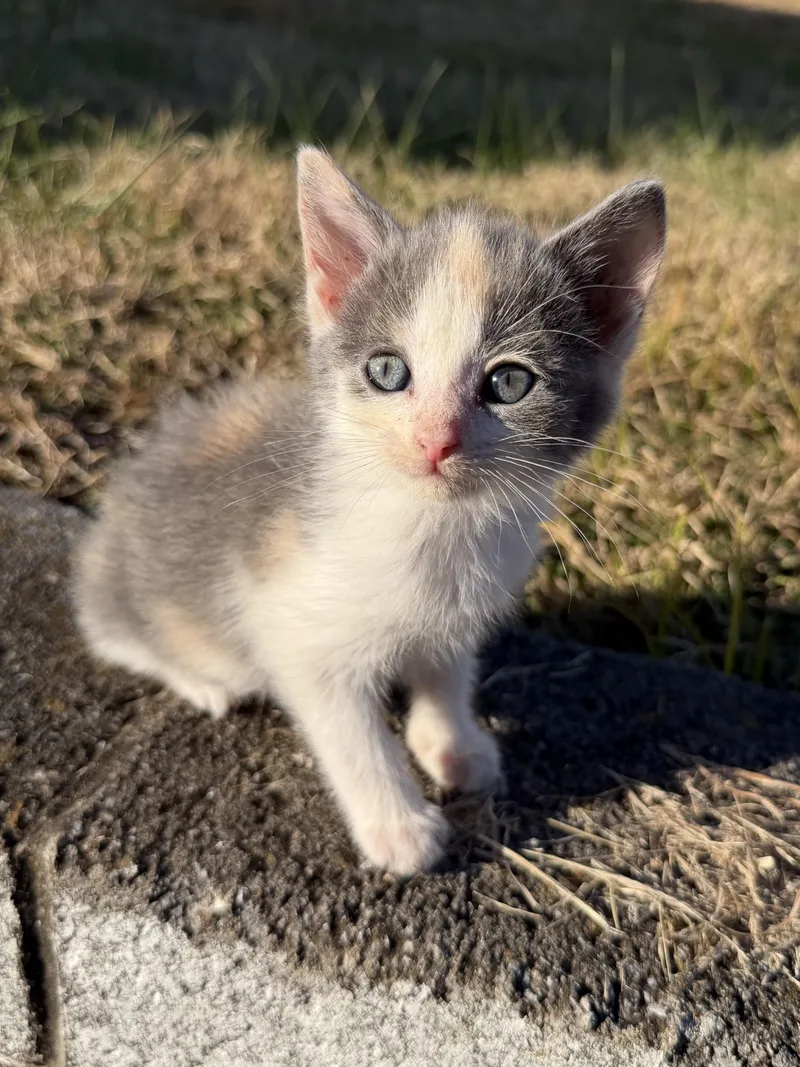
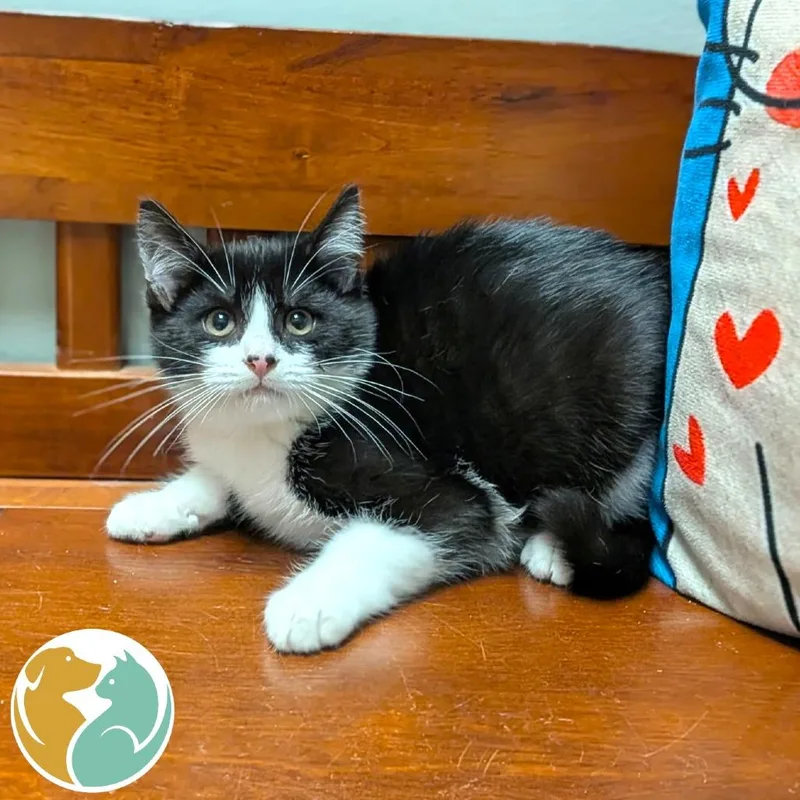
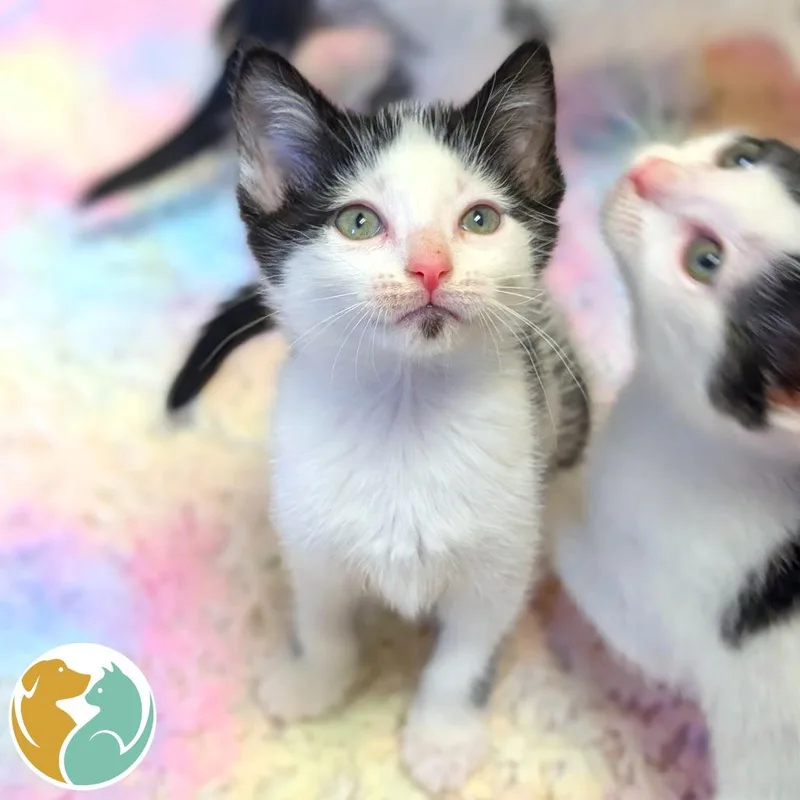
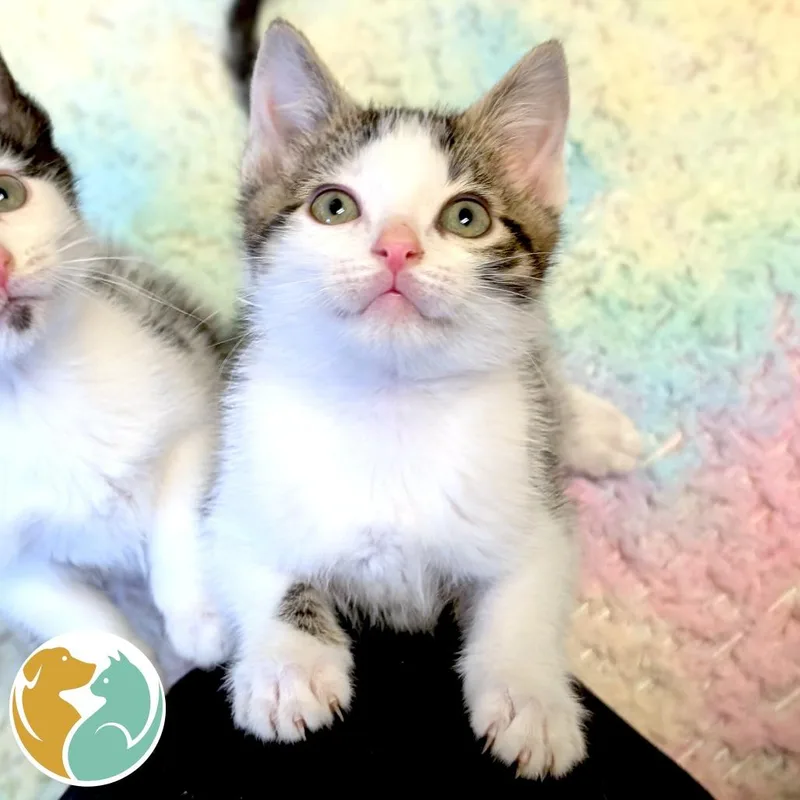
Domestic Short Hair isn't a breed. It describes a short-coated cat of mixed or unknown ancestry, often shortened to DSH on adoption records. It's the most common kind of cat in American homes, and the coats cover every color and pattern, from tabby and tuxedo to calico and solid black.

Because the gene pool is so wide, size and personality vary. Most are medium-sized and sturdy, roughly 6 to 14 pounds, and many adapt easily to new routines. Shedding is moderate, and a weekly brush usually handles it. Some DSH cats are lap sitters, some are talkers, and some prefer watching from a perch, so the cat's age, energy and behavior say more than coat color does.

Weight
6–14 lbs
Height
8–10 in
Lifespan
12–18 yrs
Temperament
Adaptable, Curious, Affectionate
Shedding
Moderate

Owning a Domestic Short Hair in Toledo

Having a Domestic Short Hair in Toledo

Domestic Short Hairs are a mixed group, so age, energy and sociability matter more than coat. In Toledo, where cold months keep most cats indoors, daily play and a good window view go a long way.

Temperament

Domestic Short Hairs range from outgoing lap cats to shy watchers, and no coat type predicts which. Many adapt well to new homes and to other cats after gradual introductions. Kittens tend to be bold and playful, while adult cats show a settled personality. In a Toledo apartment, a cat's comfort with noise and visitors is worth noticing.

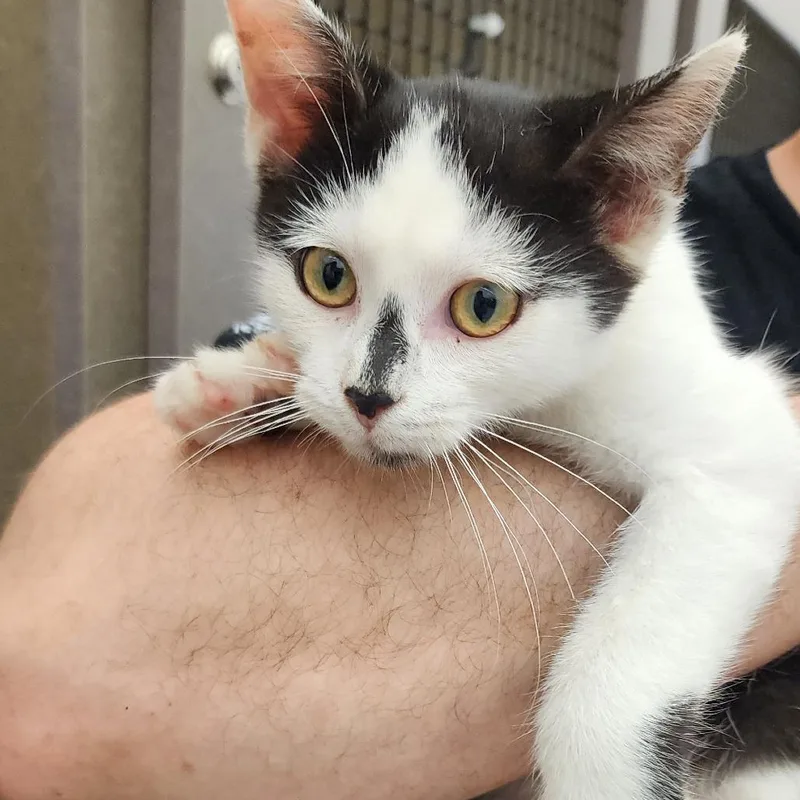
Exercise Needs

Plan on daily interactive play, especially through Toledo's long indoor season. Wand toys, chase games and food puzzles burn energy and satisfy hunting instincts. Young cats may want several short bursts a day, while seniors prefer gentler sessions. Window perches, scratching posts and climbing shelves add activity between play times.

Health Considerations

Mixed ancestry lowers the risk of some breed-specific conditions, but Domestic Short Hairs still get common feline problems: obesity, dental disease, urinary issues and, in older cats, kidney disease, hyperthyroidism and diabetes. Indoor cats can gain weight in cold months, so watch portions. A veterinarian can check weight, teeth and overall health soon after adoption.

Living Space

Domestic Short Hairs usually adapt to Toledo's lofts, apartments and older houses alike when they have vertical space, hiding spots, scratching posts and a clean litter box. Square footage matters less than enrichment. Keep them indoors or in a secure enclosure, and use sturdy window screens to prevent falls.

What it costs to own a Domestic Short Hair in Toledo

ExpenseTypical costPer year
Adoption fee$25 to $200, one time$25 to $200 in year one
Food$25 to $50 per month$300 to $600
Pet insurance$20 to $45 per month$240 to $540
Routine vet care$150 to $350 per year$150 to $350
Other*$450 to $1,150 per year$450 to $1,150
Estimated yearly total (after year one)$1,140 to $2,640
First-year total (with adoption fee)$1,165 to $2,840

Adoption fee is the range of fees on Domestic Short Hair listings in Toledo on GetBuddy today. Other costs are estimates and vary with size, age and health.

* Litter, flea and tick prevention, a dental cleaning allowance, toys, scratchers and other supplies, and minimal home grooming.

Adopt a Domestic Short Hair in Toledo.

Now that you know more, let’s find you a new best friend. These rescues and shelters below currently have Domestic Short Hairs available.

Frequently Asked Questions

Yes. Domestic Short Hair isn't a breed, so no breed-specific rules apply, and Toledo's dog code doesn't cap how many pets you keep. The likelier limit is your lease, so confirm its pet terms in writing before you commit. Watch the listings on this page, or save a search to hear about new cats.

For most households, yes. Toledo's long winters keep cats home, and these adaptable, easy-coated cats do well with a window view and daily play. Fit depends on the cat, though. Kittens need more play and supervision, while adult cats often suit quieter routines, so compare ages and energy levels on the listings here.

Yes, most do well in apartments. A cat needs a clean litter box, a scratching post, a window perch and some vertical space more than square footage. Make sure window screens are secure, since cats can fall from open windows and balconies, and set up a quiet retreat if the building is busy.

Yes, as indoor cats. Their short coats offer little insulation against Toledo's freezing stretches, so outdoor time is risky. Keep a warm bed away from drafts, wipe any salt or ice from paws after a harnessed outing, and use play sessions to keep a snowed-in cat active and at a healthy weight.

No. TARTA's code of conduct allows no animals except service animals, and that covers buses, the TARTA Hub and Flex vans, even if your cat is in a carrier. For vet visits, plan on a car, or a friend or neighbor with one, and use a secure carrier.

Very little. A weekly brush handles the moderate shedding, with extra sessions in spring and fall when cats shed more. Baths are rarely needed, though nails need regular trims. Overweight, senior or arthritic cats may develop mats, which a veterinarian or groomer should handle. Minimal home grooming is already counted in the Other cost line.

Domestic shorthair cats typically live about 12 to 18 years, and many indoor cats reach their late teens or early twenties. Large UK veterinary studies have found mixed-breed cats tend to live slightly longer than pedigreed cats on average. Spaying or neutering, indoor living, a healthy weight, dental care and regular checkups all help a cat enjoy a longer life.

No, domestic shorthair cats are not hypoallergenic. The main cat allergen, a protein called Fel d 1, comes from saliva and skin glands, so short fur does not prevent reactions. Allergen levels vary between individual cats, and some people react less to certain cats. Spending time with a specific cat before adopting is the best way to test your response.

We have 11 rescues with Domestic Short Hairs available, including Lucas County Pit Crew, 419 Orphan Kitten Club and Toledo Animal Rescue. You can see every rescue with Domestic Short Hairs available in the list above these questions, or scroll to the top to see the Domestic Short Hairs in Toledo.

Plan on roughly $25 to $50 a month for food, $20 to $45 a month for insurance, $150 to $350 a year for routine vet care, and $450 to $1,150 a year for everything else, including litter. That comes to about $1,140 to $2,640 a year, before one-time costs like the adoption fee and supplies.